Ingredients
2 tablespoons olive oil
1 yellow onion, diced
3 carrots, sliced
3 celery stalks, sliced
4 garlic cloves, minced
8 cups chicken broth
1½ lbs bone-in chicken thighs
2 bay leaves
1 teaspoon dried thyme
1½ teaspoons salt, plus more to taste
½ teaspoon black pepper
2 cups egg noodles
3 tablespoons fresh parsley, chopped
1 lemon, juiced
Bone-in chicken thighs are the real key to this recipe's depth of flavor. The bones and a bit of fat slowly release richness into the broth over the simmer, producing a soup that tastes far more developed than the short ingredient list suggests, and thighs are forgiving enough that a slightly longer simmer won't dry them out the way it would with breast meat.
Step-by-Step Instructions
Soften the vegetables. Heat the olive oil in a large pot or Dutch oven over medium heat. Add the onion, carrots, and celery, and cook, stirring occasionally, for about 7 minutes, until the onion turns soft and translucent. This base, sometimes called a mirepoix, is where a lot of the soup's underlying sweetness and depth comes from, so give it the full time rather than rushing it.
Add the garlic. Stir in the garlic and cook for about a minute, just until fragrant. Garlic burns quickly and turns bitter if left too long, so keep a close eye on it here and have your broth ready to go.
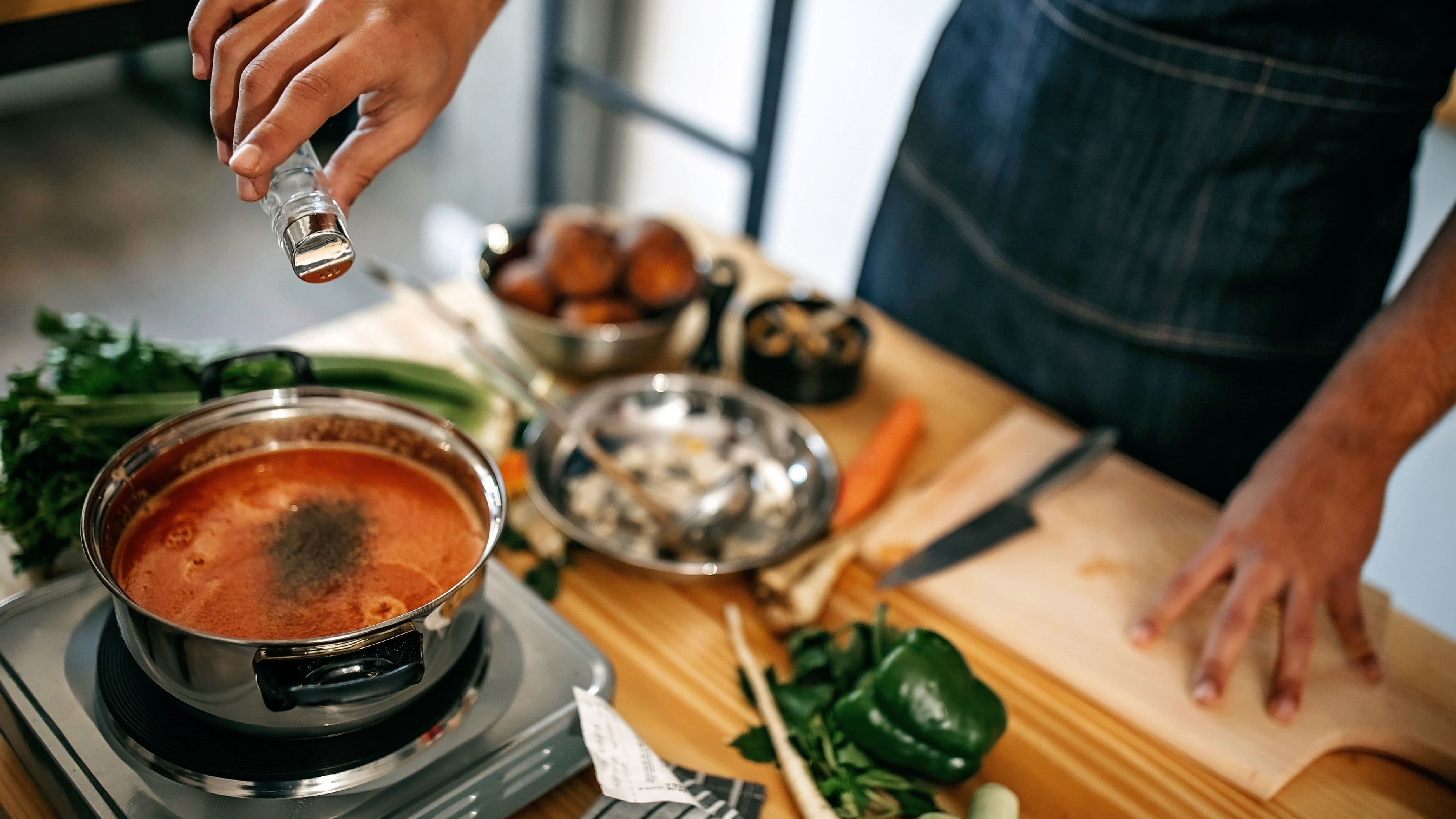
Add broth and chicken. Pour in the chicken broth and add the chicken thighs, bay leaves, thyme, salt, and pepper. Bring everything to a gentle boil, then reduce the heat to low and cover the pot partially.
Simmer low and slow. Let the soup simmer gently for about 40 minutes, until the chicken is fully cooked through and tender enough to fall apart easily with a fork. This slower simmer is what gives the broth its deep, comforting flavor, so resist the urge to speed things up with a hard boil, which can make the chicken tougher rather than more tender.
Shred the chicken. Carefully lift the chicken thighs out of the pot onto a cutting board. Once they're cool enough to handle, shred the meat with two forks, discarding the skin and bones, then stir the shredded chicken back into the pot.
Cook the noodles. Add the egg noodles directly to the simmering soup and cook until just tender, checking a minute or two earlier than the package suggests, since noodles continue to soften in the hot broth even after you turn off the heat.
Finish and serve. Remove the bay leaves, then stir in the fresh parsley and lemon juice. Taste and add more salt if needed – the lemon brightens the broth in a way that makes the whole pot taste more finished, so don't skip it even if it feels like an unusual addition to chicken soup. Serve hot, with a little extra parsley on top.
Tips for Best Results
Skimming any foam that rises to the surface during the first few minutes of simmering keeps the broth clearer and cleaner-tasting, though it's a small cosmetic step rather than something that affects flavor much. If you have extra time, letting the soup rest off heat for 10 minutes before serving allows the flavors to settle together a bit more, which a lot of people find makes the second bowl taste even better than the first.
Variations
For a heartier version, swap the egg noodles for a cup of rice or small pasta shapes like ditalini, adjusting cooking time based on the package instructions. Adding a parmesan rind to the broth during the simmer (removed before serving) deepens the savory flavor even further if you happen to have one on hand. For extra vegetables, a cup of chopped kale or spinach stirred in during the last few minutes of cooking wilts down quickly and adds some color and nutrition without changing the core comfort of the dish.
What to Avoid
Boiling the soup hard instead of maintaining a gentle simmer is the most common way this recipe goes wrong, since a rolling boil tends to make the chicken tougher and can make the broth slightly cloudy. Adding the noodles too early and letting them sit in the hot broth for an extended period leads to soft, bloated noodles by the time you're ready to serve, so timing that step toward the end matters. And skipping the lemon juice at the end, assuming it's optional, leaves the broth tasting flatter than it should – it's a small addition with an outsized effect on the final flavor.
Realistic Expectations
Skill level: Beginner-friendly – this recipe uses basic techniques and doesn't require any special equipment beyond a large pot.
Active time: About 20 minutes of prep and stirring.
Total time: Around 1 hour 15 minutes, most of which is hands-off simmering time.
FAQ
Can I use chicken breast instead of thighs? Yes, though thighs are recommended for the richer flavor and more forgiving texture. If using breast, keep an eye on the simmer time, since breast meat can dry out and toughen more easily if overcooked.
Can this soup be frozen? Yes, but freeze it without the noodles, since noodles tend to turn mushy after freezing and thawing. Cook a fresh batch of noodles when reheating a frozen portion for the best texture.
How long does this soup keep in the fridge? It keeps well for 3 to 4 days in an airtight container in the refrigerator, and the flavor often deepens a bit by the second day.
Can I make this in a slow cooker instead? Yes. Sauté the vegetables and garlic on the stovetop first for the best flavor, then transfer everything except the noodles to a slow cooker and cook on low for 6 to 7 hours. Add the noodles during the last 20 to 30 minutes of cooking.
📚 Sources
USDA – Safe Minimum Cooking Temperatures for Poultry, https://www.fsis.usda.gov/food-safety/safe-food-handling-and-preparation/food-safety-basics/safe-minimum-internal-temperature
Serious Eats – The Food Lab's Guide to Chicken Soup, https://www.seriouseats.com/classic-chicken-soup-recipe
USDA – Food Storage Guidelines, https://www.foodsafety.gov/food-safety-charts/cold-food-storage-charts