Why Region Matters More Than "Chinese Food" as One Category
Regional Chinese cuisine developed the way most food traditions do, shaped by locally available ingredients, climate, and trade history. Sichuan's mountainous, humid climate favors bold, warming spice. Coastal Cantonese cuisine developed around fresh seafood and an emphasis on preserving natural ingredient flavor rather than masking it. Northern regions, with a colder climate less suited to rice cultivation, built cuisines around wheat, noodles, and dumplings rather than rice as the staple starch. Once you see the pattern of "ingredients and climate shape technique," the differences between regions stop feeling arbitrary and start feeling logical.
Region 1: Sichuan (Southwest China)
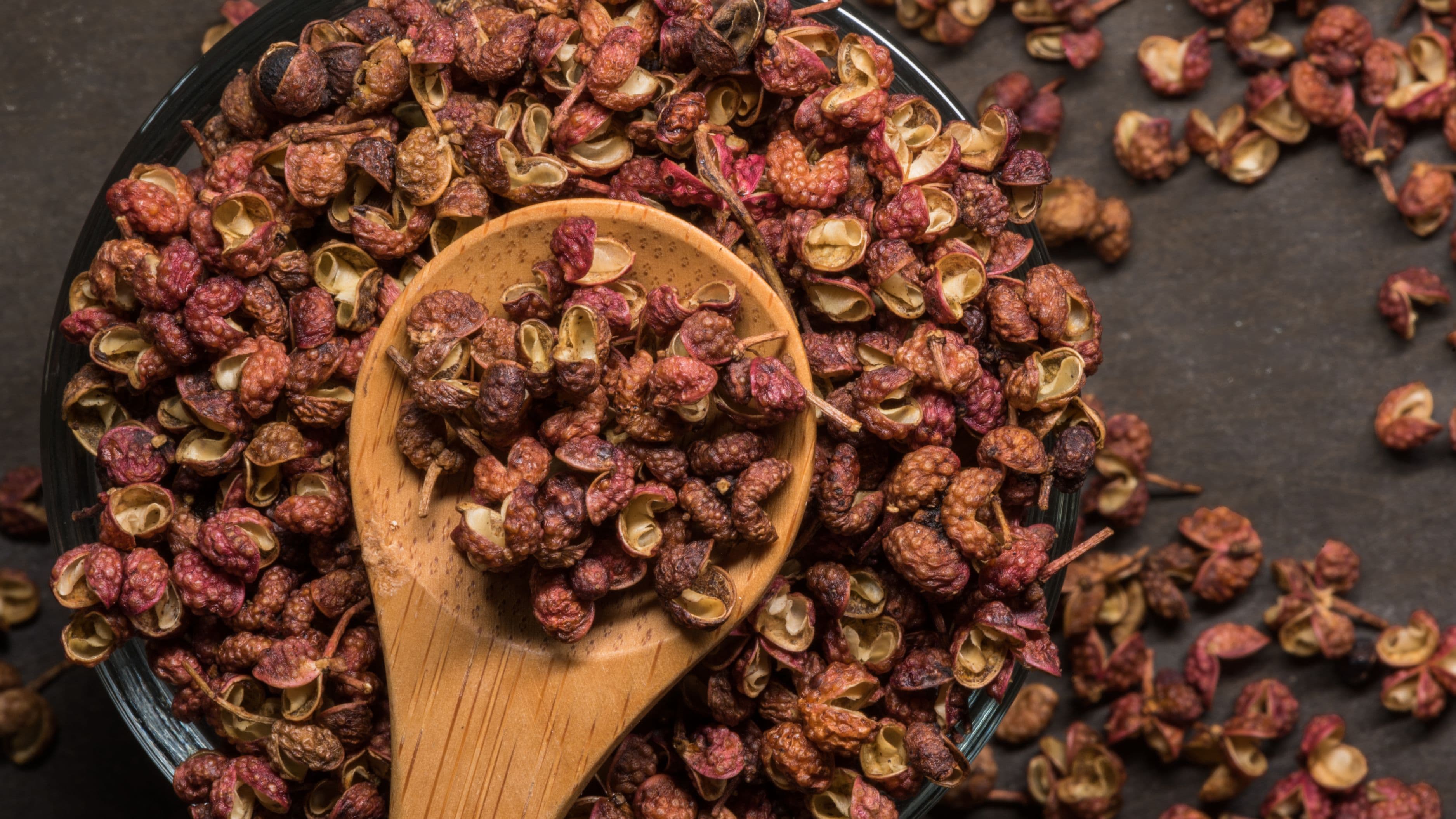
What defines it: Bold, layered spice built around Sichuan peppercorn, which produces a distinctive tingling, slightly numbing sensation known as "ma la" when combined with chili heat, alongside generous use of garlic, ginger, and fermented bean pastes like doubanjiang.
Signature dishes to try first: Mapo tofu, a silky tofu dish in a spicy, numbing sauce with ground pork, is one of the most approachable entry points since it doesn't require specialized equipment and introduces the core Sichuan flavor profile clearly.
How to start at home: Buy whole Sichuan peppercorns rather than pre-ground if possible, and toast them briefly in a dry pan before grinding to bring out their aromatic oils. Doubanjiang, a fermented broad bean and chili paste, is the other essential purchase and keeps for months in the refrigerator once opened.
Tip: Start with less chili heat than a recipe suggests until you understand your own tolerance for the specific tingling sensation Sichuan peppercorn produces, since it's a different kind of heat than capsaicin-based spice alone.
Region 2: Cantonese (Guangdong, Southern China)
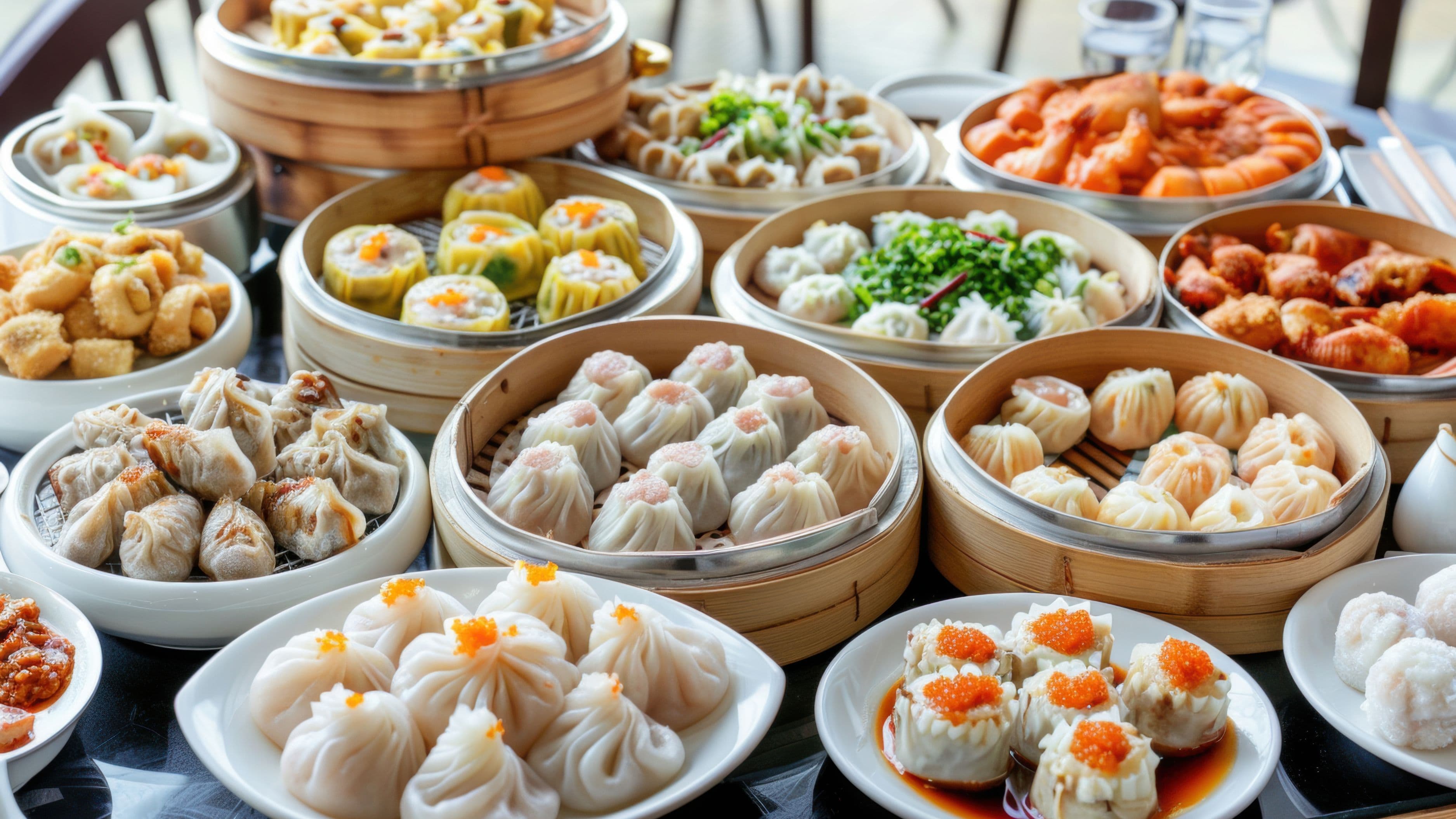
What defines it: An emphasis on freshness and subtlety over bold seasoning, with steaming, stir-frying, and light sauces designed to highlight rather than mask the natural flavor of high-quality ingredients, particularly seafood.
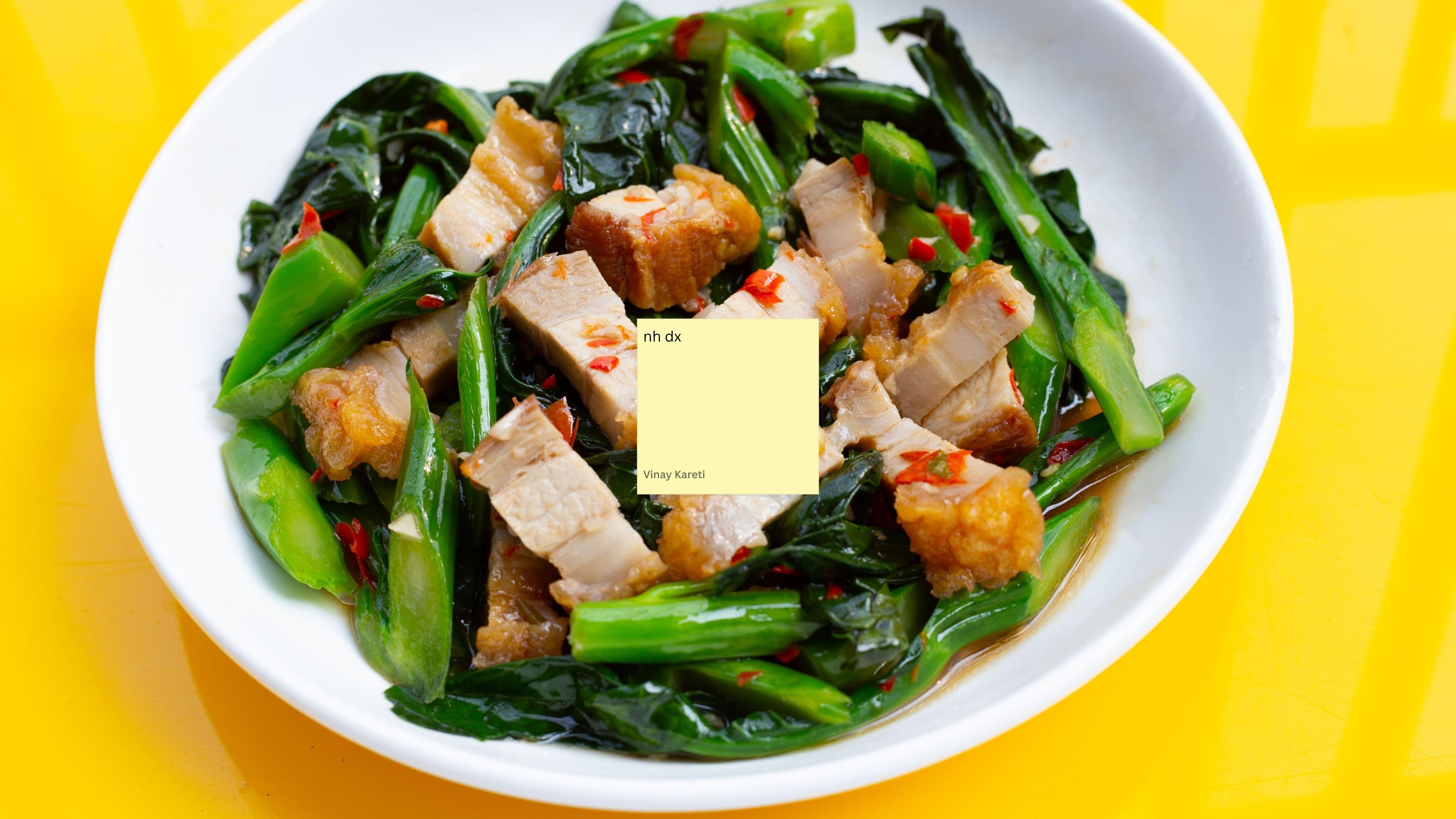
Signature dishes to try first: Steamed fish with ginger and scallion, and simple stir-fried greens with garlic, are both excellent entry points because they rely on technique and ingredient quality rather than a long list of specialized sauces.
How to start at home: Invest in good soy sauce and a light hand with seasoning generally, since Cantonese cooking rewards restraint. A steamer basket, even a simple bamboo one placed over a wok of simmering water, opens up an entire category of dishes central to this tradition.
Tip: Timing matters more than seasoning complexity here; overcooking fish or vegetables by even a minute or two undermines the entire point of a cuisine built around showcasing fresh ingredients at their peak texture.
Region 3: Shandong (Northern China)
What defines it: One of the oldest and most influential regional cuisines in China, known for its savory, umami-forward flavors, seafood from its coastal areas, and techniques like braising and deep-frying that have influenced cooking styles across much of Northern China.
Signature dishes to try first: Braised dishes using soy sauce, ginger, and scallion as a base are a good entry point, since the technique of building a savory braising liquid shows up repeatedly across the region's dishes.
How to start at home: Good quality soy sauce and a patient approach to braising, allowing enough time for flavors to develop fully rather than rushing the process, matter more here than a long ingredient list.
Tip: Shandong's influence runs through many dishes people don't realize originated there, so recognizing its techniques helps make sense of a surprising amount of broader Northern Chinese cooking.
Region 4: Jiangsu and Zhejiang (Eastern China, "Huaiyang")
What defines it: Refined, delicately balanced sweet and savory flavors, precise knife work, and a focus on seasonal ingredients, historically associated with elaborate banquet cooking.
Signature dishes to try first: Sweet and sour dishes from this region tend to be more subtly balanced than the heavily sweetened versions common outside China, making a simple sweet and sour pork or fish dish a good introduction to the region's more delicate approach to contrasting flavors.
How to start at home: A good quality rice vinegar and rock sugar, rather than standard white sugar, help achieve the rounder, less sharply sweet flavor typical of this cuisine's balance.
Tip: Take knife work seriously here more than in other regional styles, since precise, uniform cutting is considered part of the craft in Huaiyang cooking, not just a presentation detail.
Region 5: Hunan (South Central China)
What defines it: Often confused with Sichuan due to shared heavy chili use, but Hunan cooking relies on fresh chilies rather than the numbing Sichuan peppercorn, producing a more straightforward, intense heat alongside smoky, sour notes from fermented and pickled ingredients.
Signature dishes to try first: A simple stir-fry using fresh red and green chilies with pork or tofu introduces the core Hunan flavor profile without requiring fermented specialty ingredients right away.
How to start at home: Fresh chilies, used generously, are the foundation here, along with a willingness to build heat through quantity of fresh peppers rather than a single specialty spice ingredient.
Tip: If a recipe calls for both Sichuan and Hunan-style chili elements, taste as you go, since the two heat profiles, numbing versus straightforward spicy, layer differently than you might expect.
How to Start If You're a Complete Beginner
Rather than trying to tackle all five regions simultaneously, pick one that matches ingredients you can realistically source and a flavor profile you already enjoy. If you like bold, spicy food, start with Sichuan's mapo tofu. If you prefer subtler, ingredient-forward cooking, start with a simple Cantonese steamed fish. Building comfort with one region's core techniques and pantry staples before moving to the next keeps the learning curve manageable rather than overwhelming.
Common Mistakes
A common mistake is buying a single "Chinese cooking" sauce or spice blend and using it across every dish regardless of which region's flavor you're aiming for, which flattens the very real differences between these traditions. Another is over-seasoning Cantonese-style dishes with the assumption that more sauce equals more flavor, when the cuisine's entire point is restraint and ingredient quality. Skipping the toasting step for whole Sichuan peppercorns before grinding is also common, and it noticeably reduces the aromatic quality that makes the dish worth making in the first place.
FAQ
Which Chinese regional cuisine is best for a beginner with a limited pantry? Cantonese cooking generally requires the fewest specialty ingredients, relying mostly on good soy sauce, garlic, ginger, and fresh proteins or vegetables, making it a practical starting point.
Is Sichuan peppercorn the same as black peppercorn? No, they're unrelated. Sichuan peppercorn produces a distinctive tingling, numbing sensation rather than straightforward heat, and comes from a different plant entirely than black pepper.
Do I need a wok to cook these regional dishes properly? A wok helps with high-heat stir-frying techniques common across several regions, but many dishes, particularly braised and steamed preparations, can be made successfully in a regular heavy-bottomed pan or pot.
Outro
Once you see Chinese regional cooking as five or more distinct culinary traditions rather than one broad category, it becomes much easier to know what you're actually cooking toward and why certain ingredients show up again and again within a region. Pick one tradition, get comfortable with its core techniques and pantry staples, and the rest of China's culinary map starts to make a lot more sense.
📚 Sources
Smithsonian Magazine – The Eight Culinary Traditions of China. https://www.smithsonianmag.com/
China Highlights – Regional Chinese Cuisine Guide. https://www.chinahighlights.com/travelguide/chinese-food/regional-cuisine.htm