Understanding the basic differences between common vinegars – what makes each one distinct, where it shines, and where it falls short – takes about five minutes to learn and changes how you cook for the better. This guide covers everything you need to make confident vinegar decisions in any recipe.
What Vinegar Actually Does in Cooking
Before getting into the types, it helps to understand what vinegar is doing in a dish in the first place. Vinegar is acidity, and acidity plays several roles in cooking that are easy to overlook until you're missing it.
Acid brightens flavors. A dish that tastes dull or flat often needs acid more than it needs salt. A squeeze of lemon or a splash of vinegar at the end of cooking lifts everything, making individual flavors more distinct and vivid. This is why professional cooks often finish dishes with a small amount of acid even when it's not listed in the recipe.
Acid balances richness. Fat coats the palate; acid cuts through it. A heavy braise, a creamy pasta, a rich vinaigrette – all of these taste better with the right amount of acid to prevent them from feeling heavy. Vinegar provides that balance in a way that lemon juice sometimes doesn't, especially in cooked dishes where lemon's more volatile citrus notes would cook off.
Acid also tenderizes proteins when used in marinades, preserves color in vegetables, and triggers chemical reactions in baking when combined with baking soda. It's not just flavor – it's a functional ingredient that affects texture and structure depending on how it's used.
White Distilled Vinegar: The Workhorse
White distilled vinegar is made from grain alcohol and has a sharp, clean, unambiguous acidity. It's the most neutral-flavored vinegar available, which makes it useful in applications where you want acidity without any additional flavor contribution.
In pickling, white distilled vinegar is the standard choice because its high acidity (typically 5–7% acetic acid) creates a reliable preserving environment, and its neutral flavor lets the pickled ingredient speak for itself. It's also the go-to for cleaning, which tells you something about how straightforward its flavor profile is – you wouldn't clean your countertops with balsamic.
Where white distilled vinegar falls short is in any application where flavor matters beyond pure acidity. Salad dressings, sauces, and marinades made with white distilled vinegar tend to taste harsh and one-dimensional. The sharpness is there, but there's nothing behind it. In those applications, something with more flavor complexity will produce a noticeably better result.
Use it for: pickles, pickling brines, some slaws where you want clean sharpness, cleaning tasks that call for vinegar. Skip it for: salad dressings, marinades, finishing sauces, anything where flavor nuance matters.
Apple Cider Vinegar: Fruity and Accessible
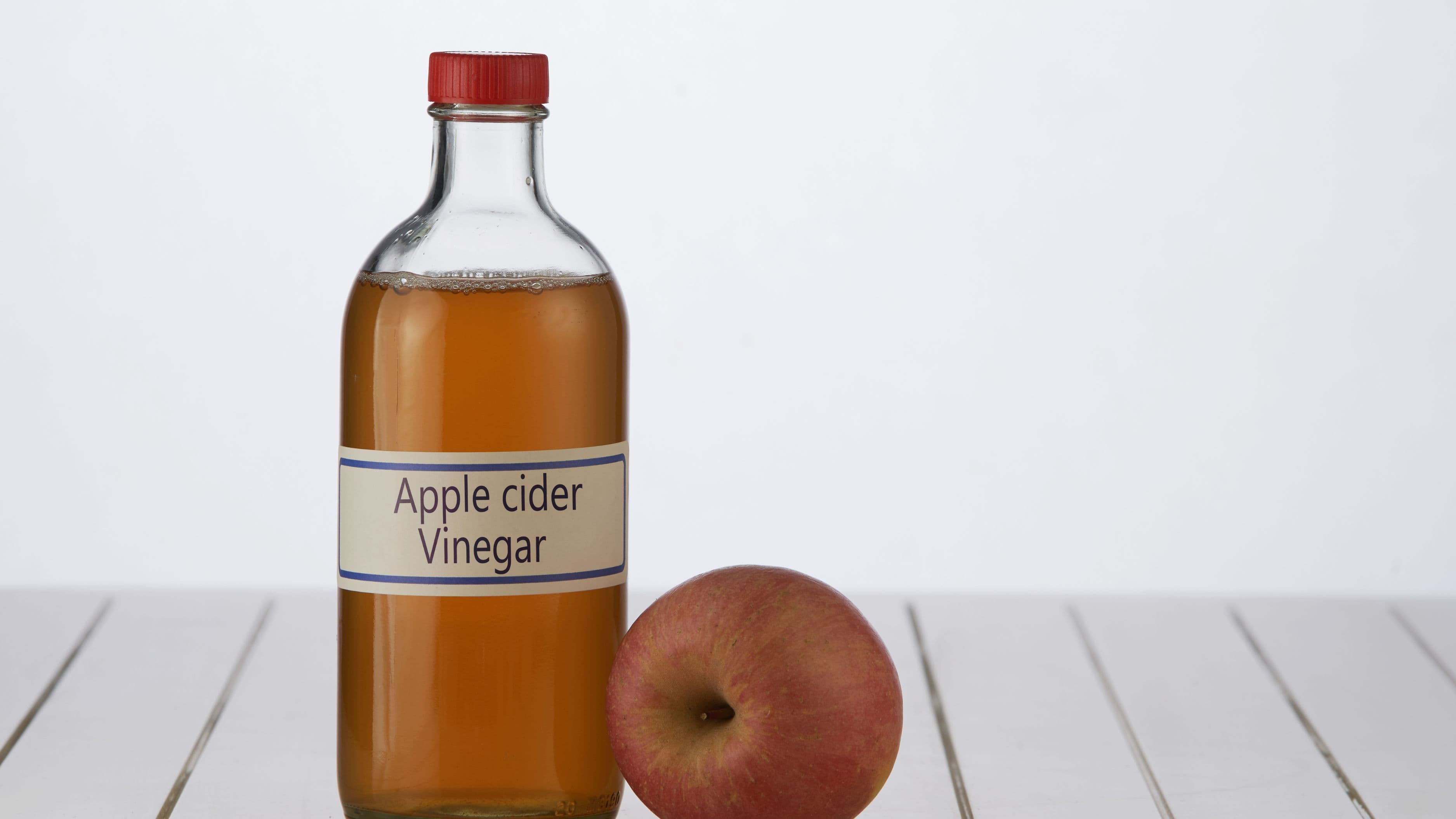
Apple cider vinegar is made from fermented apple juice and has a mild fruitiness that softens its acidity compared to white distilled vinegar. It's more complex than white vinegar but still approachable and widely used in everyday cooking.
The apple note in cider vinegar is subtle – you won't taste apple pie when you use it – but it adds a gentle warmth that makes it more versatile in savory applications than white vinegar. It's a natural fit in barbecue sauces, coleslaw dressings, braised pork dishes, and American-style hot sauces, where a little fruity background note complements the other flavors well.
Apple cider vinegar is also commonly used in health-focused cooking and drinking (diluted in water), and in dressings and vinaigrettes where you want something slightly softer than red or white wine vinegar. Its acidity level is typically around 5%, which is moderate and works well in most applications.
One thing to note: unfiltered apple cider vinegar with "the mother" – the cloudy strands of beneficial bacteria visible in the bottle – has a slightly more complex, rounded flavor than filtered versions. For cooking, the difference is minor; for drinking diluted, it's more noticeable.
Use it for: barbecue sauces, slaws, simple vinaigrettes, marinades for pork and chicken, pickled vegetables, braised dishes. Skip it for: delicate European-style sauces or dishes where the fruity note would feel out of place.
Red Wine Vinegar: Bold and Versatile
Red wine vinegar is made from fermented red wine and carries the tannins, depth, and subtle fruitiness of its source. It's more assertive than cider vinegar but less aggressive than white distilled, and it has a warmth and complexity that makes it one of the most useful vinegars for everyday savory cooking.
In salad dressings, red wine vinegar is the backbone of a classic vinaigrette – it pairs naturally with olive oil, Dijon mustard, garlic, and herbs to create the kind of dressing that works on everything from a simple green salad to a Greek salad to roasted vegetables. Its flavor is robust enough to hold up to bold ingredients like olives, capers, and red onion without getting lost.
Red wine vinegar also works well in marinades for beef and lamb, in tomato-based sauces where it sharpens and deepens the tomato flavor, and in Mediterranean and Middle Eastern dishes where its character aligns with the flavor profile. A splash stirred into a pan sauce after deglazing a skillet of browned meat is a simple technique that produces complex-tasting results.
Quality matters more with red wine vinegar than with some other types. A cheap, thin red wine vinegar tastes harsh and one-dimensional. A good-quality red wine vinegar – aged in wood, made from real wine rather than wine concentrate – has genuine depth and a softer edge. It's worth spending a few extra dollars on a bottle you'll be happy to use regularly.
Use it for: vinaigrettes and salad dressings, marinades for red meat, Mediterranean dishes, pan sauces, pickling red onions. Skip it for: Asian-inspired dishes, light or delicate preparations where its bold character would overwhelm.
White Wine Vinegar: Lighter and More Delicate
White wine vinegar is made from fermented white wine and shares many characteristics with red wine vinegar, but in a softer, less assertive register. It's lighter in color and flavor, with a gentler acidity that suits more delicate dishes.
It's the right choice when you want the complexity of wine vinegar without the depth of the red variety – in light fish dishes, chicken-based sauces, cream-based dressings, or French-style preparations where subtlety is the goal. Beurre blanc, the classic French butter sauce, is traditionally made with white wine vinegar because it adds acidity without competing with the wine and butter. Hollandaise and béarnaise sauces also traditionally use white wine vinegar for the same reason.
White wine vinegar is also useful in Champagne vinegar applications when Champagne vinegar isn't available – the two are closely related, with Champagne vinegar being slightly finer and more expensive. For everyday cooking, white wine vinegar handles most of what Champagne vinegar would be called for.
Use it for: light dressings and vinaigrettes, French sauces (beurre blanc, béarnaise), fish and seafood dishes, cream-based sauces, pickling cucumbers and shallots. Skip it for: bold, hearty dishes where the flavor won't register, or where red wine vinegar's character is specifically what you need.
Balsamic Vinegar: Rich, Sweet, and Slow
Traditional balsamic vinegar from Modena or Reggio Emilia is one of the most complex condiments in the world – made from grape must (unfermented pressed grapes), aged for a minimum of 12 years in a succession of wooden barrels, resulting in a thick, sweet, deeply complex syrup with notes of wood, fruit, and gentle acidity. It's also expensive and intended to be used in tiny amounts as a finishing condiment, not a cooking ingredient.
What most people buy and use in everyday cooking is commercial balsamic vinegar – a much younger, less expensive product that may contain added caramel color and thickeners. Good commercial balsamic has genuine depth and sweetness; cheaper versions are thin, sharp, and one-dimensional. For everyday cooking purposes, a mid-range commercial balsamic is completely suitable.
Balsamic's sweetness makes it unlike any other vinegar in the kitchen. It works as a glaze for roasted vegetables (especially tomatoes, onions, and Brussels sprouts), a drizzle over strawberries and fresh mozzarella, a reduction sauce for grilled meats, and a dressing component where you want sweetness alongside acid. It also pairs particularly well with aged cheeses.
Because of its sweetness, balsamic doesn't work as a straight substitute for other vinegars in most savory applications – the sugar content changes the flavor balance of the dish. When a recipe calls for red wine vinegar in a savory dish, balsamic will make it noticeably sweeter.
Use it for: glazes for roasted vegetables and meats, Caprese salad, strawberries and fruit, drizzled over aged cheeses, reduction sauces. Skip it for: any application where you want clean acidity without sweetness, pickles, or light dressings where the sweetness would dominate.
Rice Vinegar: Mild and Essential for Asian Cooking
Rice vinegar is made from fermented rice and is the mildest of the common vinegars. Its acidity is noticeably lower than most European-style vinegars, and its flavor is clean and slightly sweet without the fruitiness of cider vinegar. This mildness is precisely what makes it essential in Asian cooking, where it adds acidity without overwhelming the other delicate flavors in the dish.
In sushi rice, rice vinegar is non-negotiable – the seasoned rice vinegar mixture (with sugar and salt) is what gives sushi rice its characteristic flavor. In Japanese and Korean salad dressings, dipping sauces, and quick-pickled vegetables, rice vinegar provides brightness without sharpness. In Chinese stir-fries and dipping sauces, it's often used alongside soy sauce and sesame oil to balance richness.
Plain (unseasoned) rice vinegar and seasoned rice vinegar are different products. Seasoned rice vinegar already contains sugar and salt and is specifically designed for sushi rice and some dressings. Plain rice vinegar is more versatile and allows you to control seasoning yourself. Check the label – many recipes calling for rice vinegar mean the unseasoned version, and substituting seasoned rice vinegar without adjusting salt and sweetness in the recipe can throw off the balance.
Use it for: sushi rice, Asian dressings and dipping sauces, quick pickles, stir-fry finishing, noodle dishes. Skip it for: bold European-style dishes where you need more pronounced acidity.
Sherry Vinegar: Underused and Excellent
Sherry vinegar is one of the most underrated vinegars in most home kitchens. Made from sherry wine in Spain and aged in oak barrels, it has a warm, nutty, slightly caramelized depth that sits between red wine vinegar and balsamic. The complexity comes from the oxidative aging process – similar to sherry wine itself – which creates flavor compounds you don't get from younger, unaged vinegars.
In Spanish cooking, sherry vinegar is used in gazpacho, romesco sauce, escabeche (a vinegar-based pickling technique for fish and vegetables), and warm salads. In French and contemporary European cooking, it's used in vinaigrettes and pan sauces where its depth adds character without overwhelming. A splash of sherry vinegar in lentil soup, roasted pepper dishes, or mushroom-based sauces adds a complexity that's difficult to achieve any other way.
If you don't have it, red wine vinegar is the closest substitute – start with slightly less, since sherry vinegar's complexity means a little goes further. For dishes specifically built around sherry vinegar's character, it's worth tracking down a bottle. It keeps indefinitely and the flavor payoff in the right application is significant.
Use it for: Spanish dishes, vinaigrettes, pan sauces, mushroom dishes, lentil soups, roasted vegetable salads. Skip it for: applications where its nutty, oxidative character would feel out of place.
Simple Substitution Guide
When a recipe calls for a specific vinegar you don't have, here are the most reliable swaps:
Red wine vinegar works in place of sherry vinegar in most applications, though you may need to add a small amount of sugar or reduce the quantity slightly to compensate for the difference in depth. White wine vinegar substitutes cleanly for Champagne vinegar in virtually all cases. Apple cider vinegar works as a substitute for white wine vinegar in many applications, though the slight fruitiness will be more noticeable in very delicate dishes. Rice vinegar can substitute for white wine vinegar in dressings when you want a milder result, though it's not ideal in French-style sauces. Balsamic has few clean substitutes – red wine vinegar with a small amount of honey or brown sugar can approximate the sweetness in glazes and dressings, but it won't fully replicate the depth.
The one substitute that rarely works well is using white distilled vinegar in place of any flavored vinegar in a finished dish. Its harshness tends to dominate and lacks the complexity that makes other vinegars useful.
Common Mistakes to Avoid
Using too much vinegar at once is the most common error. It's much easier to add than to remove, and an overdressed or over-acidified dish is harder to fix than an underdressed one. Start with less than the recipe specifies, taste, and add more gradually.
Adding vinegar too early in cooking can mute its impact. Much of vinegar's brightness is volatile and cooks off with prolonged heat. For soups, stews, and sauces, add a final small amount of vinegar at the very end of cooking to preserve the fresh, bright note it contributes.
Storing vinegar near heat sources shortens its life and dulls the flavor of more complex varieties. Keep sherry vinegar, good balsamic, and quality wine vinegars in a cool, dark cabinet. Most vinegars keep indefinitely due to their natural acidity, but heat accelerates flavor loss.
FAQ
Does the quality of vinegar really make a noticeable difference? For everyday cooking applications like slaws and simple dressings, mid-range commercial vinegar is perfectly adequate. For dishes where vinegar is a primary flavor – a classic vinaigrette, a sherry vinegar pan sauce, or a Caprese drizzle – quality makes a real difference. Cheap versions of wine vinegars and balsamic tend to be harsh or thin; good ones have genuine depth. Spend more on the vinegars you use most often.
Can I use the same vinegar for pickles and dressings? For safety, all pickles intended for canning or longer-term preservation require a vinegar with at least 5% acidity – white distilled and most commercially available apple cider vinegars meet this requirement. For fresh refrigerator pickles (not canned), any vinegar with decent acidity works. For dressings, the same vinegar that went into your pickles will taste quite sharp – flavored vinegars (wine, rice, cider) produce noticeably better-tasting dressings.
How long does opened vinegar keep? Most vinegars keep indefinitely when stored properly – the acidity acts as a preservative. Over very long periods, flavor can fade and sediment may form, but it remains safe. High-quality aged vinegars (traditional balsamic, good sherry vinegar) are best used within a few years of opening to enjoy them at their best. Apple cider vinegar with the mother may develop more strands over time – this is normal and doesn't indicate spoilage.
A Simple Rule to Carry Into Every Kitchen
When you're unsure which vinegar to use, ask one question: does this dish belong to a cuisine with a natural vinegar pairing? Asian dishes default to rice vinegar; Mediterranean and Spanish dishes to red wine, white wine, or sherry vinegar; American dishes to cider vinegar; pickles to white distilled. When there's no obvious match, red wine or white wine vinegar handles most savory applications reliably. Balsamic is for finishing and sweetness. Save the white distilled for pickling and cleaning.
Start there, taste as you go, and adjust. Vinegar is forgiving – a small amount used thoughtfully produces results that are hard to achieve any other way.
📚 Sources
McGee, H. (2004). On Food and Cooking: The Science and Lore of the Kitchen. Scribner. Referenced via Google Books – https://books.google.com/books?id=iX05JaZALCQC
Serious Eats. The best vinegars for cooking, tested and reviewed. – https://www.seriouseats.com/best-vinegars 3* Consorzio Aceto Balsamico di Modena. What is balsamic vinegar of Modena. – https://www.consorziobalsamico.it/en/balsamic-vinegar-of-modena/
National Center for Home Food Preservation. Using vinegar in home food preservation. University of Georgia – https://nchfp.uga.edu/how/can_06/vinegar.html
Katz, S. E. (2012). The Art of Fermentation. Chelsea Green Publishing. Referenced via Google Books – https://books.google.com/books?id=oMZxDwAAQBAJ