This guide covers what coconut milk is, how it behaves when cooked, the difference between the various forms available, and — most usefully — exactly when to reach for it and when something else would serve you better.
What Coconut Milk Actually Is
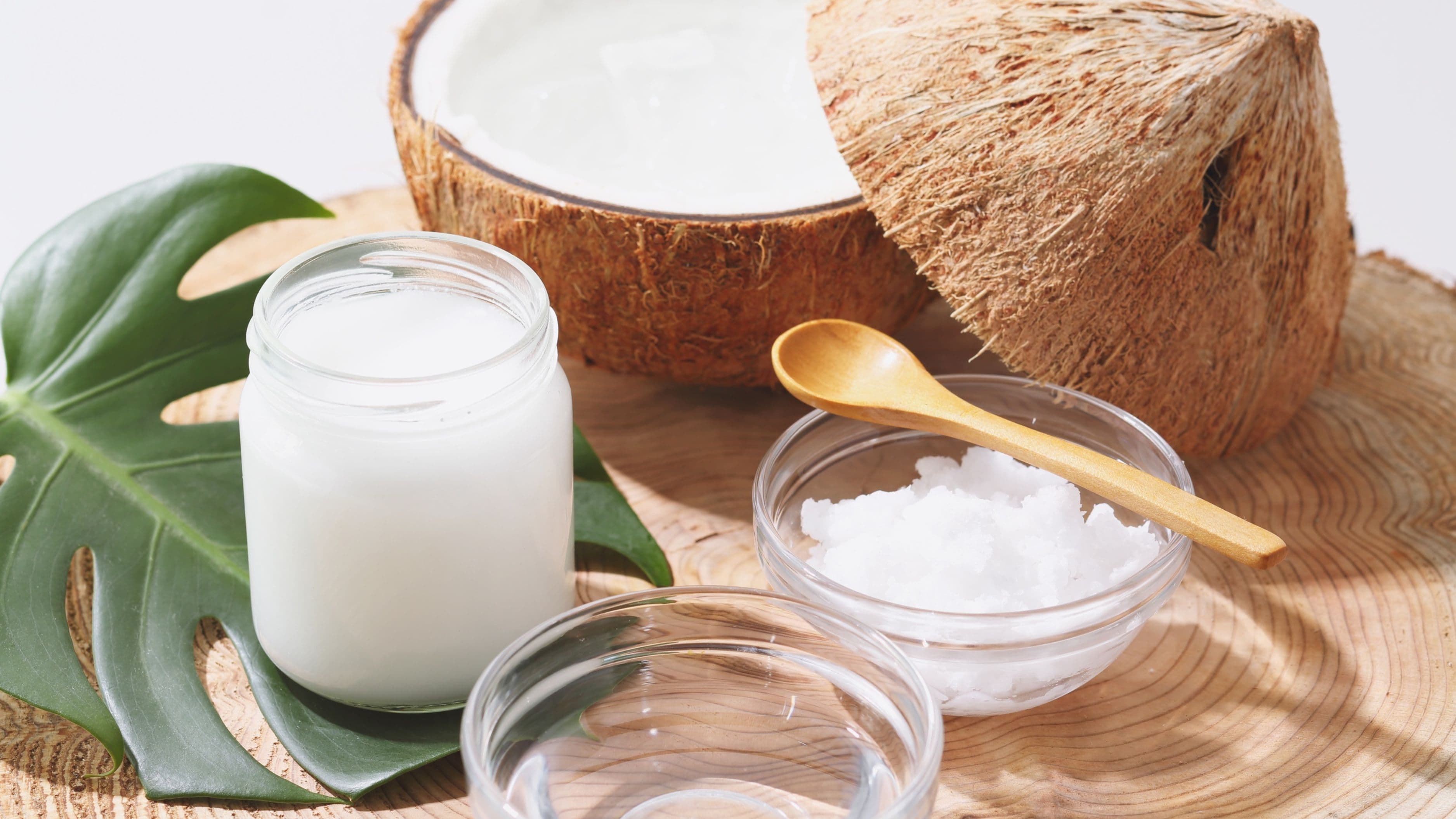
Coconut milk is made by blending the white flesh of a mature coconut with water and straining out the solids. The result is a creamy, mildly sweet liquid with a high fat content — typically around 17–24% fat in full-fat canned versions. That fat is what gives coconut milk its characteristic richness, its ability to create silky sauces, and its capacity to carry flavor in ways that water-based liquids simply can't.
It's worth being clear about what coconut milk is not. It's not the clear liquid that sloshes out when you crack open a young coconut — that's coconut water, which is thin, lightly sweet, and mostly water with trace minerals. Coconut milk and coconut water taste and behave completely differently in cooking, and they're not interchangeable. Coconut cream, on the other hand, is a thicker, richer version of coconut milk with a higher fat ratio — useful in its own right, but stronger and less versatile than standard coconut milk for most recipes.
The Fat Is the Functional Ingredient
Most of what coconut milk does in a recipe comes down to its fat content. Fat carries flavor — the aromatic compounds in spices, herbs, and aromatics dissolve in fat more effectively than in water, which is why a coconut milk-based sauce tastes so much more rounded and complex than the same dish made with water or broth. Fat also creates mouthfeel — the silky, coating sensation in a good Thai green curry comes directly from coconut milk's fat emulsifying with the other liquids in the pan.
When you heat coconut milk, the fat and liquid begin to separate. If you cook it gently and stir consistently, it stays emulsified and produces a smooth, creamy result. If you cook it hard and fast without stirring, the fat breaks out and floats on top — which isn't always a problem (some traditional dishes use this "cracked" state intentionally to fry aromatics in the released coconut fat) but can look uneven if you're not expecting it. Keeping the heat medium and stirring regularly is the simplest way to maintain a smooth consistency.
What Coconut Milk Does in Different Recipe Categories
In curries and stews: Coconut milk is primarily a sauce builder. You add it after the aromatics and spices have been cooked, and it picks up all of those flavors as it simmers. As the liquid reduces, the sauce thickens and intensifies. This is the core technique in Thai, Malaysian, and South Indian curries — the coconut milk doesn't just add coconut flavor, it becomes the vehicle for every other flavor in the dish. For this use, full-fat canned coconut milk is what you want. The fat content is what creates the rich, clinging sauce that coats chicken or vegetables properly.
In soups: Coconut milk adds creaminess and body to both hot and cold soups. In a Thai-style pumpkin soup or a coconut lentil soup, it rounds out the sharpness of aromatics, softens spice heat, and creates a smooth, satisfying texture without needing cream or butter. You can add it early to simmer with the other ingredients, or stir it in toward the end if you want a lighter result with more distinct coconut flavor. Full-fat works best here too, though light coconut milk is a reasonable option if you want something less rich.
In rice and grain dishes: Cooking rice in coconut milk instead of water is one of the easiest ways to dramatically improve the dish. The fat and sugars in the coconut milk absorb into the rice as it cooks, resulting in a slightly sticky, subtly sweet, fragrant grain that stands completely on its own as a side dish. Caribbean rice and peas, Indonesian nasi uduk, and Thai sticky rice all use this method. The ratio varies by recipe, but a common approach is one part coconut milk to one part water for cooking rice, which balances richness without making it too heavy.
In baked goods and desserts: Coconut milk functions similarly to dairy milk in many baking applications — it adds moisture, fat, and a faint sweetness. In cakes and quick breads, it produces a tender crumb. In custards and puddings, it creates a smooth, set texture. In ice cream made without a machine, whipped full-fat coconut milk forms the base for a scoopable, creamy result. The coconut flavor in baked goods is usually subtle and plays well with chocolate, vanilla, citrus, and warm spices like cardamom and cinnamon.
In smoothies and drinks: Here, coconut milk (or coconut cream) adds richness and natural sweetness that makes a smoothie feel more filling and satisfying. Because the flavor is distinctive, it works best paired with tropical fruits — mango, pineapple, banana — or with ingredients that complement it, like cocoa, vanilla, or ginger. In drinks, light coconut milk or carton coconut beverage is usually preferable to full-fat canned, since the goal is liquid refreshment rather than a thick, sauce-like consistency.
The Different Forms and When to Use Each
Full-fat canned coconut milk is the most versatile and the one that does everything described above. It has a thick cream layer at the top of the can and a thinner liquid below — stir or shake before using unless the recipe specifically calls for coconut cream from the top. This is the right choice for curries, soups, stews, and any cooked application where richness matters.
Light canned coconut milk is full-fat coconut milk with water added, resulting in roughly half the fat content. It works in recipes where you want coconut flavor without the richness, or where the dish already has significant richness from other sources. The trade-off is that sauces won't be as thick or coating, and the flavor will be less pronounced. For recipes that call for reducing the coconut milk to a thick sauce, light coconut milk takes much longer to reduce and may never reach the same consistency.
Coconut cream (sold in smaller cans or tetra packs) is the high-fat, dense product made from less water and more coconut flesh. It's excellent for desserts, whipped toppings (chilled overnight and the cream layer whips like heavy cream), thick sauces where you want maximum richness, and cocktails like piña coladas. Its strength means it can easily overwhelm a dish — a little goes a long way.
Carton coconut beverage (the kind sold in the dairy alternative refrigerated section) is a completely different product. It's heavily diluted, sweetened, and stabilized — designed as a dairy milk substitute for drinking and pouring over cereal, not for cooking. Using carton coconut milk in a recipe that calls for canned coconut milk will produce a watery, thin result with barely any coconut flavor. These two products are not interchangeable.
Flavor Pairing: What Coconut Milk Works Best With
Coconut milk's flavor is mild, slightly sweet, and distinctly tropical. It pairs naturally with ingredients that either share that tropical register or contrast it with aromatic intensity.
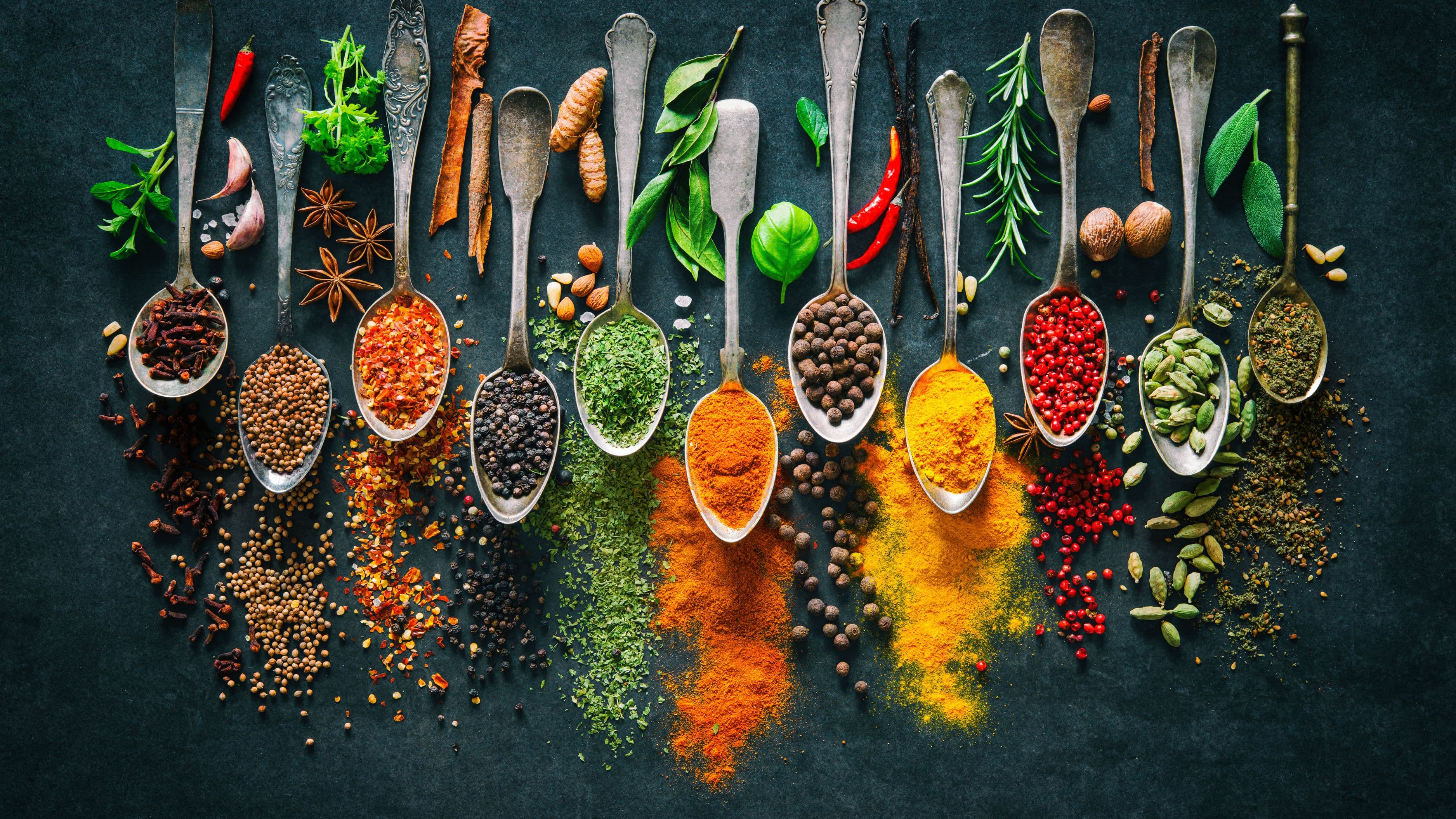
Spices and aromatics that work beautifully with coconut milk include lemongrass, galangal, ginger, turmeric, coriander, cumin, cardamom, and chili. This explains why it anchors Southeast Asian and South Asian cuisines so effectively — the bold aromatics and the rich coconut fat are built for each other.
Acids — lime juice, tamarind, tomato — provide the brightness that balances coconut milk's richness. A dish made with coconut milk almost always benefits from a squeeze of lime or another acidic element to cut through the fat and lift the flavors.
Sweet ingredients including mango, pineapple, banana, sweet potato, and pumpkin work well because coconut milk enhances their sweetness without competing with it. Savory dishes using these ingredients — like a coconut butternut squash soup or a Thai pumpkin curry — benefit from a small amount of acidity added at the end to prevent the dish from reading as too sweet.
What to Avoid
Don't substitute carton coconut beverage for canned coconut milk in cooked recipes. The fat content difference is enormous, and the result will be thin and flavorless compared to what the recipe intends. When a recipe says coconut milk, it means canned.
Don't boil coconut milk hard on high heat without stirring. Rapid boiling without attention causes the fat to separate aggressively, which can result in a greasy or broken-looking sauce. Medium heat and regular stirring keeps everything smooth.
Don't throw away the thick cream layer at the top of the can. That concentrated cream is the most flavorful and richest part. Stirring or shaking the can before opening incorporates it into the liquid; reserving it separately lets you add a richer hit to a dish at the end as a finishing element.
Don't over-reduce coconut milk sauces to the point of bitterness. As the liquid reduces and the sugars in the coconut milk concentrate, extended cooking can produce a slightly bitter note. Taste as you go, and finish reducing to your preferred consistency before serving rather than cooking on low heat indefinitely.
FAQ
Can I make coconut milk at home? Yes — blend unsweetened shredded or desiccated coconut with hot water (roughly one cup of coconut to two cups of water), then strain through a fine mesh strainer or cheesecloth. The result is fresh coconut milk that's less stable than canned but has excellent flavor for immediate use. It won't keep as long, so use it within two days refrigerated.
What can I substitute for coconut milk if I don't have it? For richness in savory dishes, heavy cream or cashew cream (blended soaked cashews and water) are the closest substitutes, though the flavor will be different. For a neutral dairy-free option in baking, oat milk or soy milk work in most applications where coconut flavor isn't central to the dish.
Why did the coconut milk in my sauce separate? Separation usually happens from high heat or prolonged cooking without stirring. If it separates slightly, lowering the heat and stirring vigorously often brings it back together. A small amount of cornstarch mixed into cold water and stirred in can also help stabilize a broken sauce.
How long does an opened can of coconut milk keep? Transfer any unused coconut milk to an airtight container and refrigerate — it keeps for 4 to 5 days. The cream layer will solidify in the fridge; this is normal. Stir or gently warm to re-incorporate before using. You can also freeze leftover coconut milk in ice cube trays for longer storage — up to 3 months.
Does coconut milk make food taste strongly of coconut? Not always, and it depends on how it's used. In a richly spiced curry with bold aromatics, coconut milk adds body and richness more than a strong coconut flavor — the spices dominate. In a simpler preparation with fewer competing flavors (like coconut rice or a coconut custard), the coconut flavor is more pronounced. If you want the richness without much coconut taste, use it in heavily spiced or acidic preparations.
Once you understand what coconut milk's fat content does in a dish and how it behaves under heat, the ingredient stops being mysterious and starts being one of the most useful things in your pantry. It builds sauces, adds creaminess to soups, transforms rice, and works in desserts with equal ease. The main thing to get right is which product to use — canned full-fat for cooking, and never carton beverage as a substitute — and the rest follows naturally.
📚 Sources
Serious Eats – The Differences Between Coconut Milk, Coconut Cream, and Coconut Water: https://www.seriouseats.com/coconut-milk-cream-water-whats-the-difference
The Kitchn – How to Cook With Coconut Milk: https://www.thekitchn.com/how-to-cook-with-coconut-milk-247366
USDA FoodData Central – Coconut Milk, Canned (Nutritional Data): https://fdc.nal.usda.gov/fdc-app.html#/food-details/170172/nutrients
BBC Good Food – Coconut Milk Ingredient Guide: https://www.bbcgoodfood.com/glossary/coconut-milk-glossary
Fine Cooking – How Fat Carries Flavor in Cooking: https://www.finecooking.com/article/how-fat-carries-flavor
America's Test Kitchen – Coconut Milk in Baking: https://www.americastestkitchen.com/articles/2715-how-to-use-coconut-milk-in-baking