1. The Nostalgia Navigator
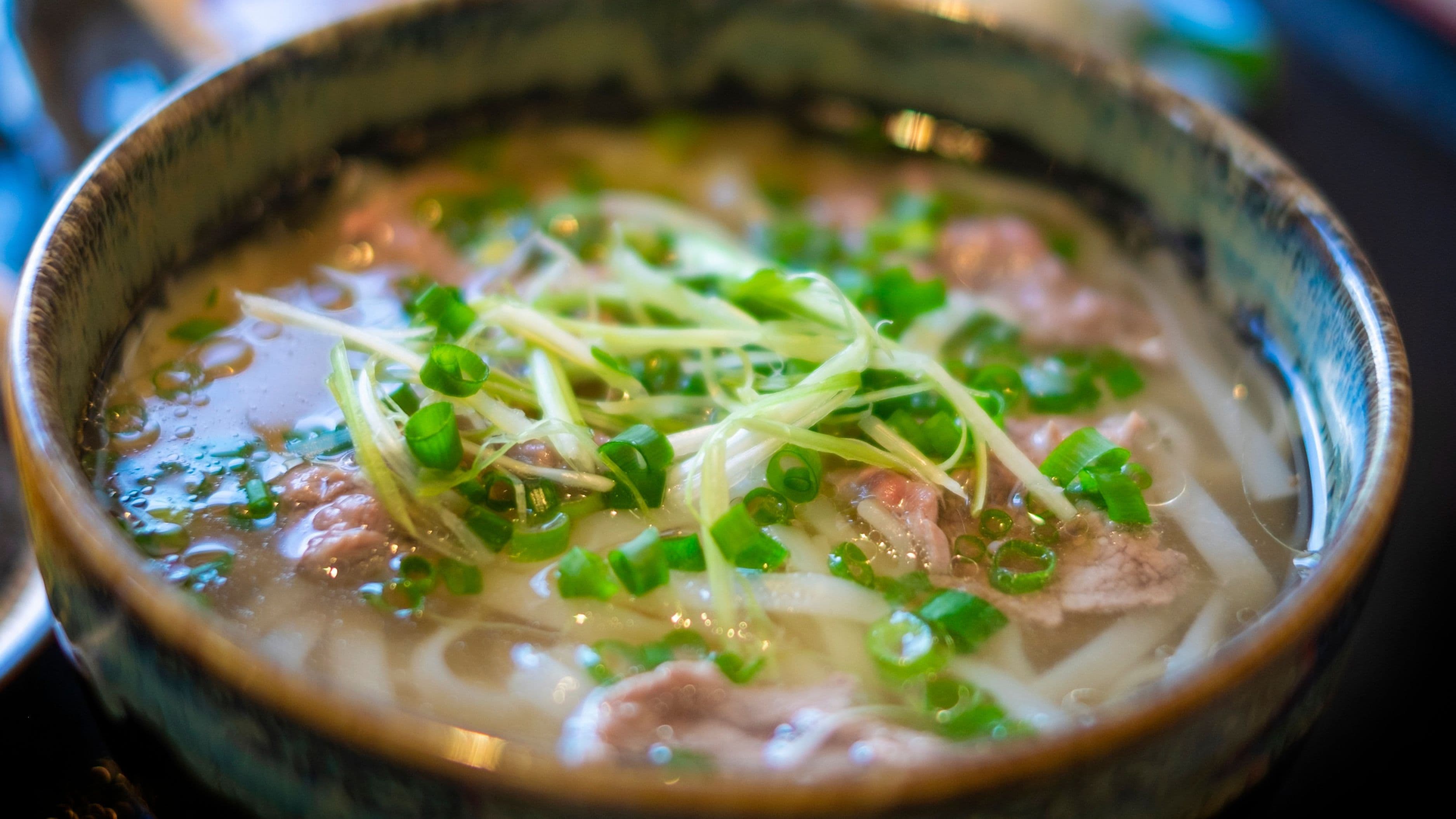
Comfort food isn't just delicious—it's a time machine made of carbs and feelings. That bowl of chicken soup doesn't just warm your belly; it transports you back to being seven years old with a cold, your mom bringing it to you on a tray while you watched cartoons. Vietnamese pho might be objectively amazing noodle soup, but for someone who grew up in Hanoi, it carries the weight of weekend mornings at crowded street stalls, the specific clatter of spoons against bowls, the steam rising in the cool morning air. Neuroscientists have discovered that our sense of smell—so intimately connected to taste—has unique direct pathways to the brain's memory and emotion centers, which explains why one whiff of your childhood comfort food can literally reshape your mood in seconds. Every culture develops these aromatic anchors to the past, creating dishes that serve as edible bookmarks to moments of safety, love, and belonging.
2. The Survival Special
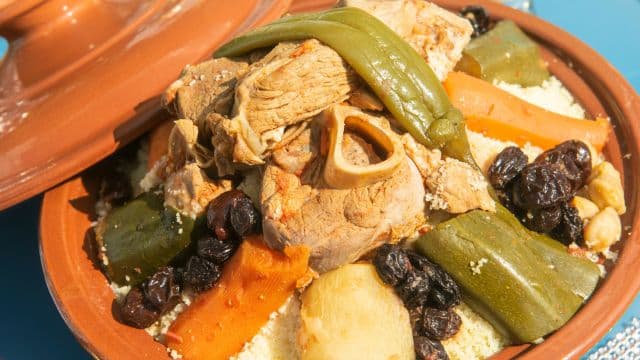
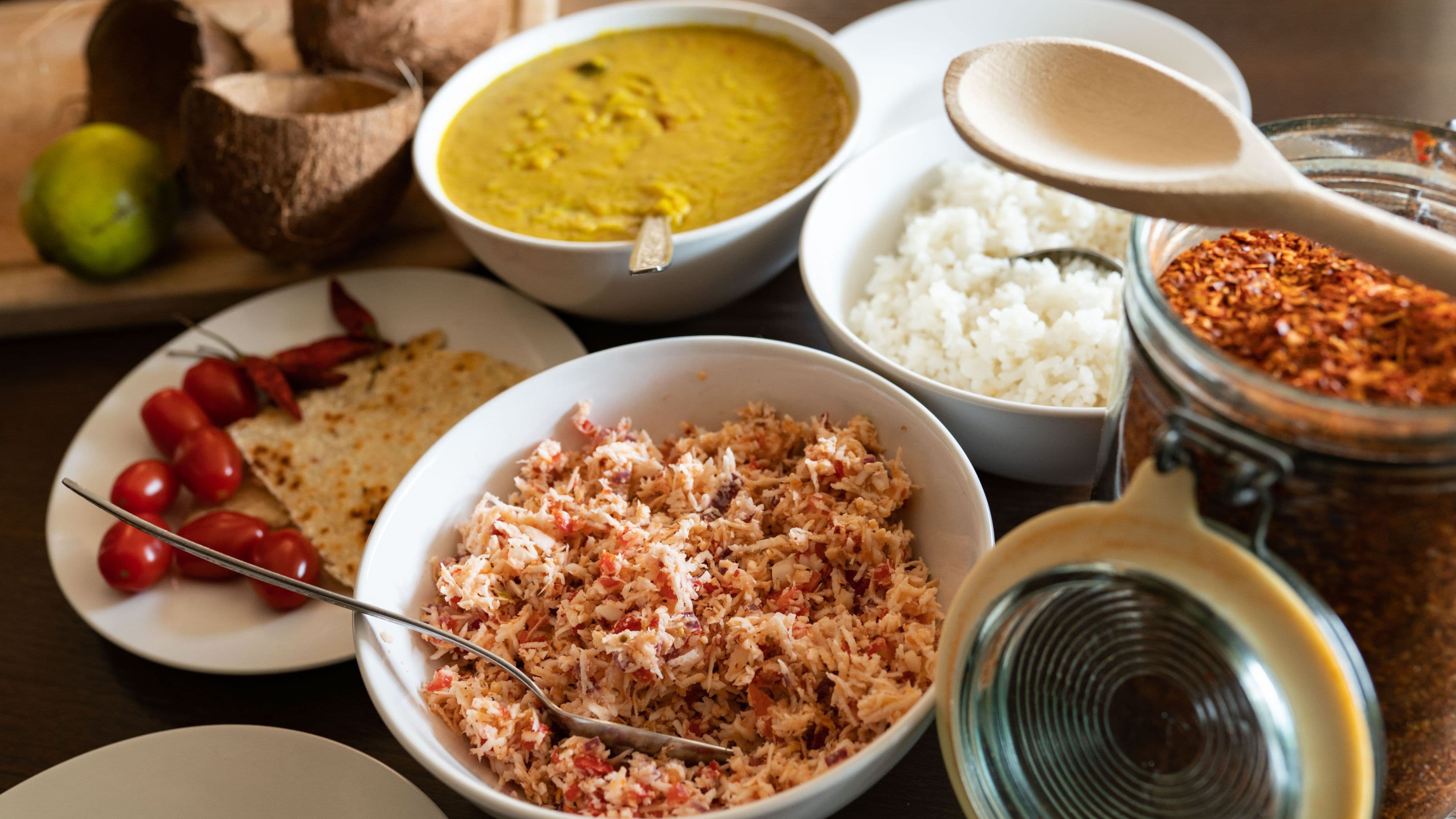
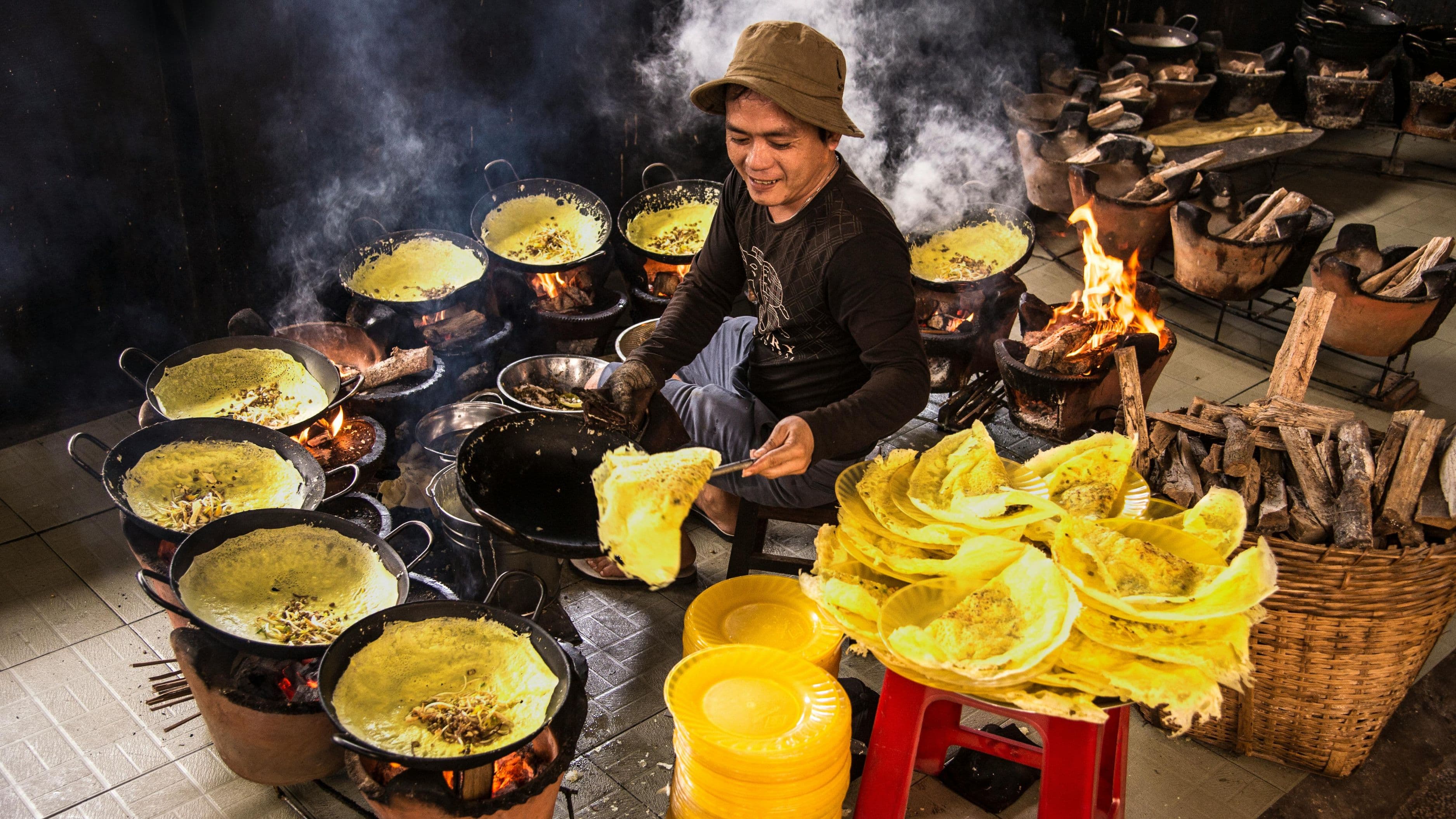
Historically, comfort foods evolved from whatever kept people alive during the hardest times, which explains why they're often cheap, filling, and designed to stretch limited resources. Irish colcannon (mashed potatoes with cabbage or kale) became comfort food because potatoes were abundant and could feed families when little else was available. Southern American soul food—greens, cornbread, beans, and rice—developed from enslaved people transforming the scraps they were given into something nourishing and delicious, a culinary act of resistance and creativity. Japanese ochazuke (rice with tea poured over it) originated as a way to use leftover rice and make a quick, warming meal with minimal ingredients. These foods became comforting not despite their humble origins but because of them—they represent resilience, resourcefulness, and the human capacity to create joy from limitation. When we eat them now, even in abundance, we're unconsciously honoring the ingenuity of ancestors who survived and found reasons to celebrate despite hardship.
3. The Weather Whisperer
Climate shapes comfort food more than any other factor because humans crave foods that balance their environment's demands. It's no accident that Southeast Asian comfort foods like Thai tom yum soup are spicy and sour—the heat makes you sweat, which cools you down, while the acidity cuts through tropical humidity's appetite-suppressing effects. Conversely, Scandinavian comfort foods like Swedish meatballs with lingonberries or Norwegian rømmegrøt (sour cream porridge) are dense with fat and calories, designed to fuel bodies working in brutal cold. Mexican pozole, a rich hominy stew, originated in pre-Columbian times as a ceremonial dish but became everyday comfort food partly because its nutritional density and warming spices served populations living at high altitudes. Even within countries, regional comfort foods reflect microclimates: New England clam chowder versus Florida key lime pie, Northern China's wheat-based noodles versus Southern China's rice-based congee. We literally eat what our environment demands, and over generations, those requirements become cravings that feel like love.
4. The Ritual Keeper
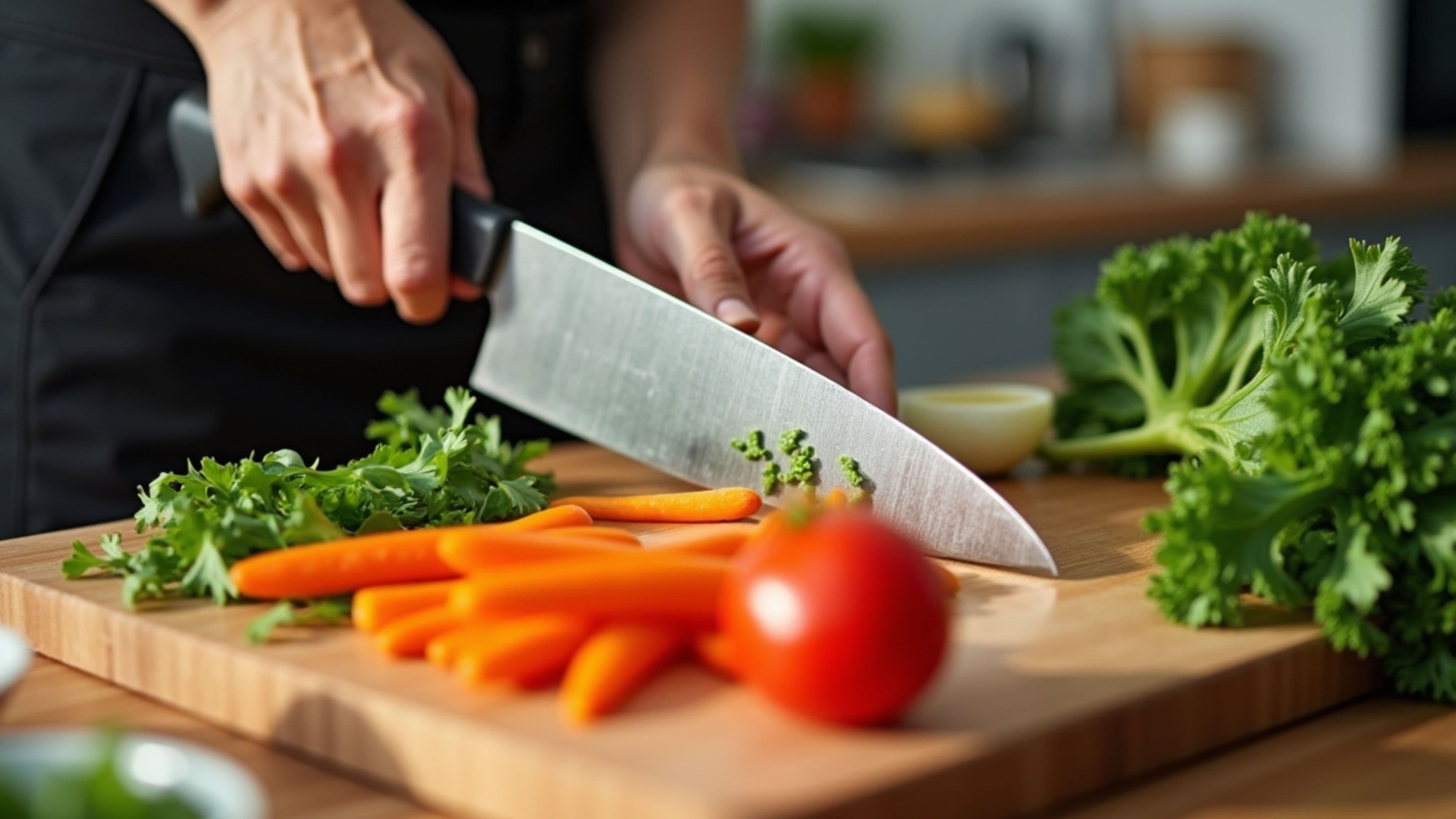
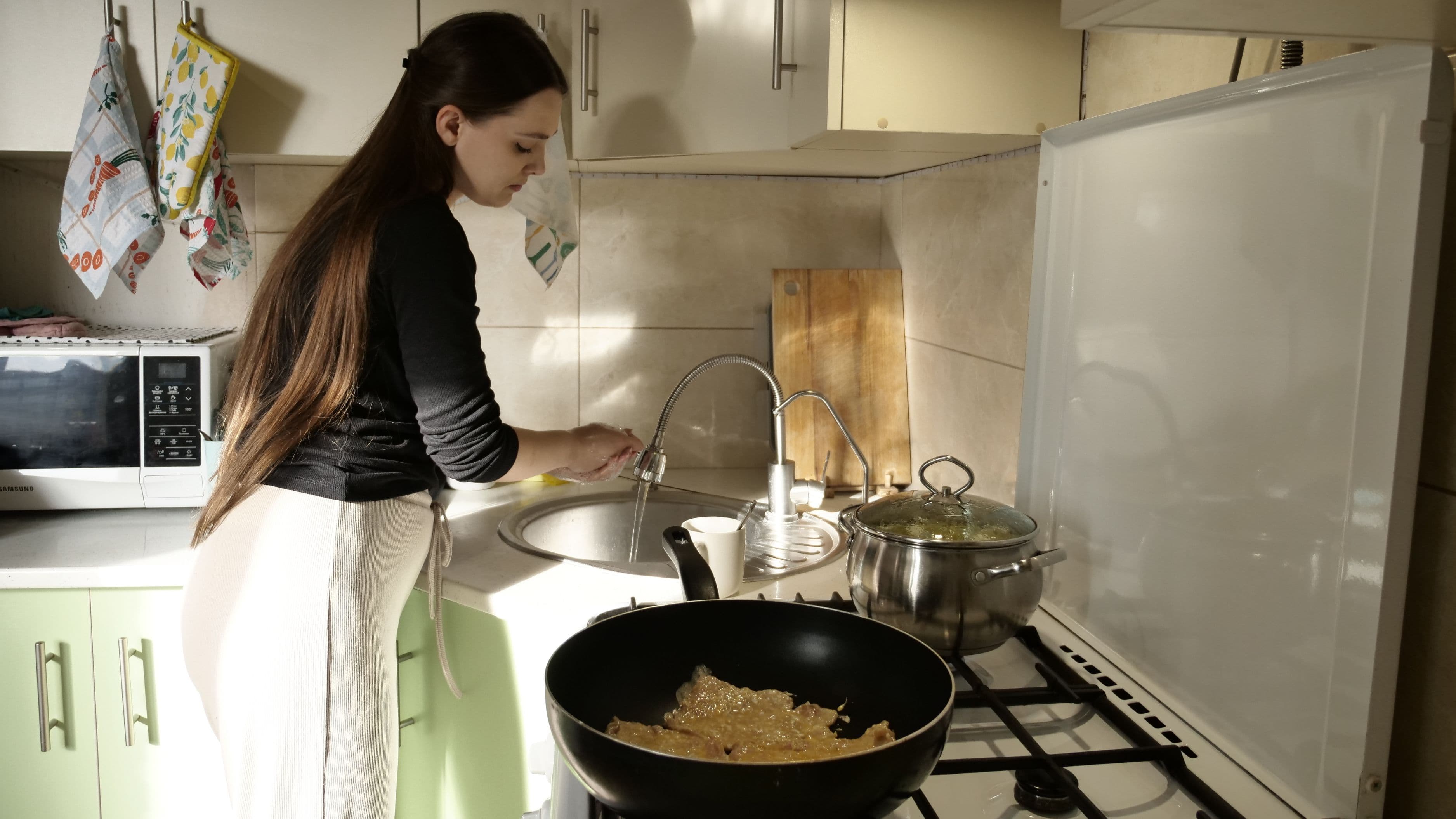
Comfort foods often involve specific preparation rituals that slow us down in our increasingly frantic world. Making Italian ragu Bolognese "properly" requires four hours of gentle simmering, constant attention, and patience—which is exactly the point. The slow stirring of Indian biryani's fragrant layers, the careful folding of Japanese gyoza wrappers, the rhythmic kneading of Middle Eastern dough for manakish—these actions become meditation disguised as meal prep. In a study published in Psychological Science, researchers found that rituals performed before consuming food actually enhance its perceived flavor and the pleasure derived from eating it, particularly when the ritual requires attention and time. Comfort foods preserve these ritualistic elements that modern convenience culture tries to eliminate, giving us permission to slow down, to focus on process over efficiency, to measure time in onions caramelizing rather than minutes on a microwave. The ritual itself becomes as comforting as the final dish, a structured way to manage anxiety through repetitive, purposeful action.
5. The Grandmother Preservation Society
Almost every culture's comfort food connects directly to grandmothers, which isn't coincidence—it's sociology. Grandmothers across cultures traditionally held the role of family food keeper, teaching techniques passed down through generations, adjusting recipes through trial and error, and cooking for large family gatherings that became formative memories. Jewish chicken soup with matzo balls, Filipino chicken tinola with ginger, Mexican caldo de pollo—these aren't just similar soups; they're similar relationships to food and family encoded in broth. Grandmothers cook without precise measurements, using intuition developed over decades, which means their recipes contain untransferable wisdom that makes their versions taste different from anyone else's. When we crave comfort food, we're often craving the feeling of being cared for by someone with more experience and patience than we currently possess, someone who has time to simmer stock all day and who measures ingredients with their heart rather than cups. That specific grandmother energy—unconditional feeding, endless patience, refusal to let anyone leave hungry—gets baked into the cultural DNA of comfort foods worldwide.
6. The Carb Whisperer
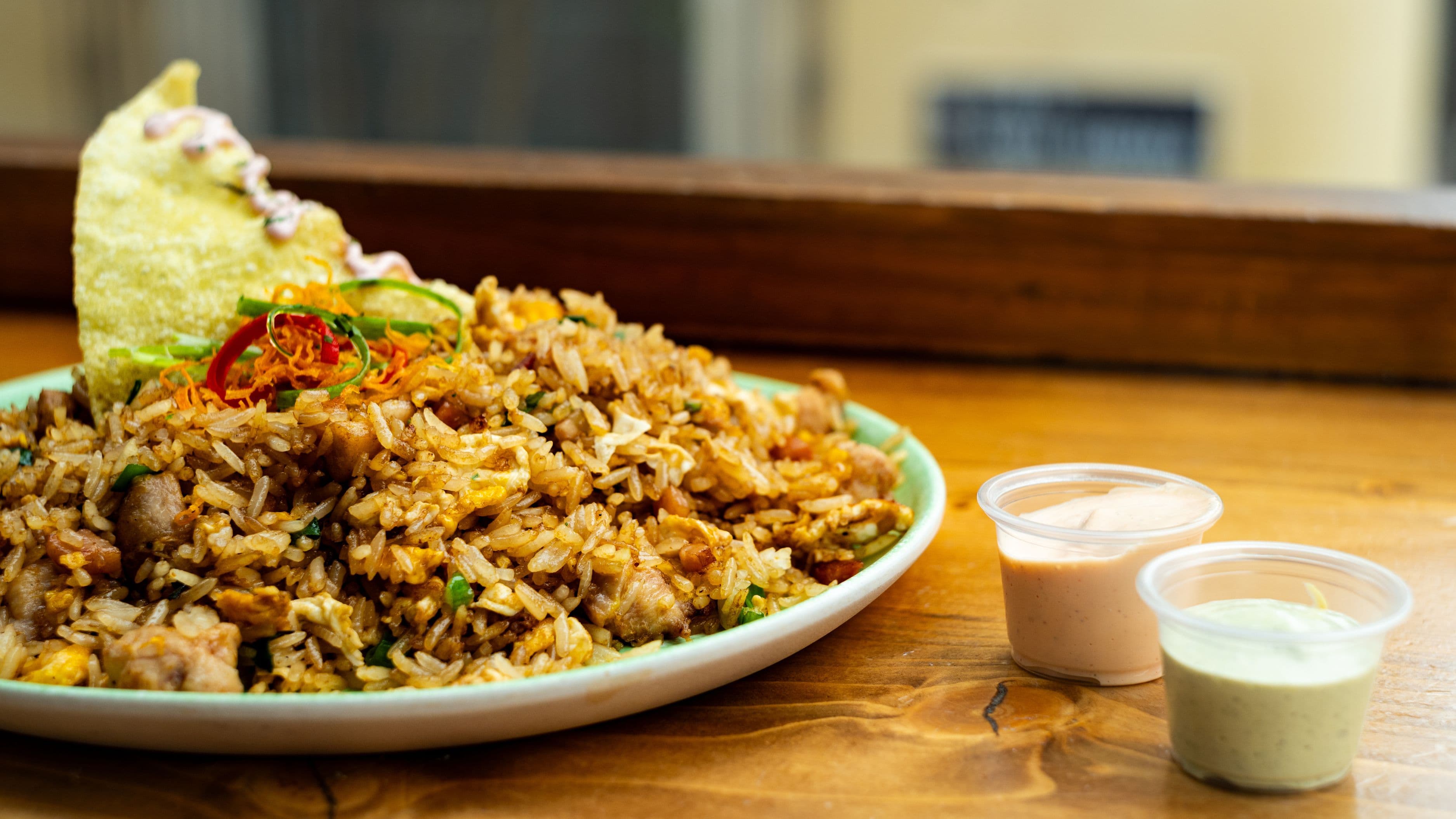
There's a reason virtually every culture's comfort food centers on carbohydrates—pasta, rice, potatoes, bread, noodles, dumplings. Carbs trigger serotonin production in the brain, literally creating chemical calm and contentment that protein and vegetables can't replicate. Italian pasta dishes, Chinese fried rice, Indian dosas, Mexican tortillas, Middle Eastern pita—these aren't accidents of availability; they're intuitive nutritional psychiatry developed over millennia. Our ancestors figured out that starchy foods made people feel better emotionally long before scientists understood neurotransmitters and blood sugar regulation. Complex carbohydrates release glucose slowly, providing steady energy and mood stabilization that simple sugars can't match, which explains why comfort foods tend toward rice porridges and hearty bread rather than candy and cake. The global convergence on carb-based comfort isn't cultural copying—it's independent discovery of the same biological truth: starches make human brains happy in ways that transcend culture, language, and geography.
7. The Texture Therapist
Comfort foods across cultures share textural qualities that provide oral satisfaction beyond flavor. Soft, smooth, easy-to-eat preparations dominate because they require minimal chewing effort, taking us back to childhood when we were fed simple, gentle foods. Korean juk (rice porridge), Scottish porridge, Mexican champurrado (thick chocolate drink), Egyptian koshari—these dishes involve minimal jaw work, allowing us to eat them when sick, tired, or emotionally depleted. The specific texture of comfort food matters enormously: that perfect mac and cheese creaminess, the tender pull of bread soaked in soup, the yielding softness of dumplings giving way to savory filling. Research in sensory science shows that texture affects food enjoyment as much as flavor, with "mouth feel" triggering emotional responses completely independent of taste. Cultures worldwide arrived at similar textural conclusions through experimentation and observation—comforting food should feel soothing to consume, should require minimal energy expenditure, should go down easily even when appetite is compromised.
8. The Scarcity Time Capsule
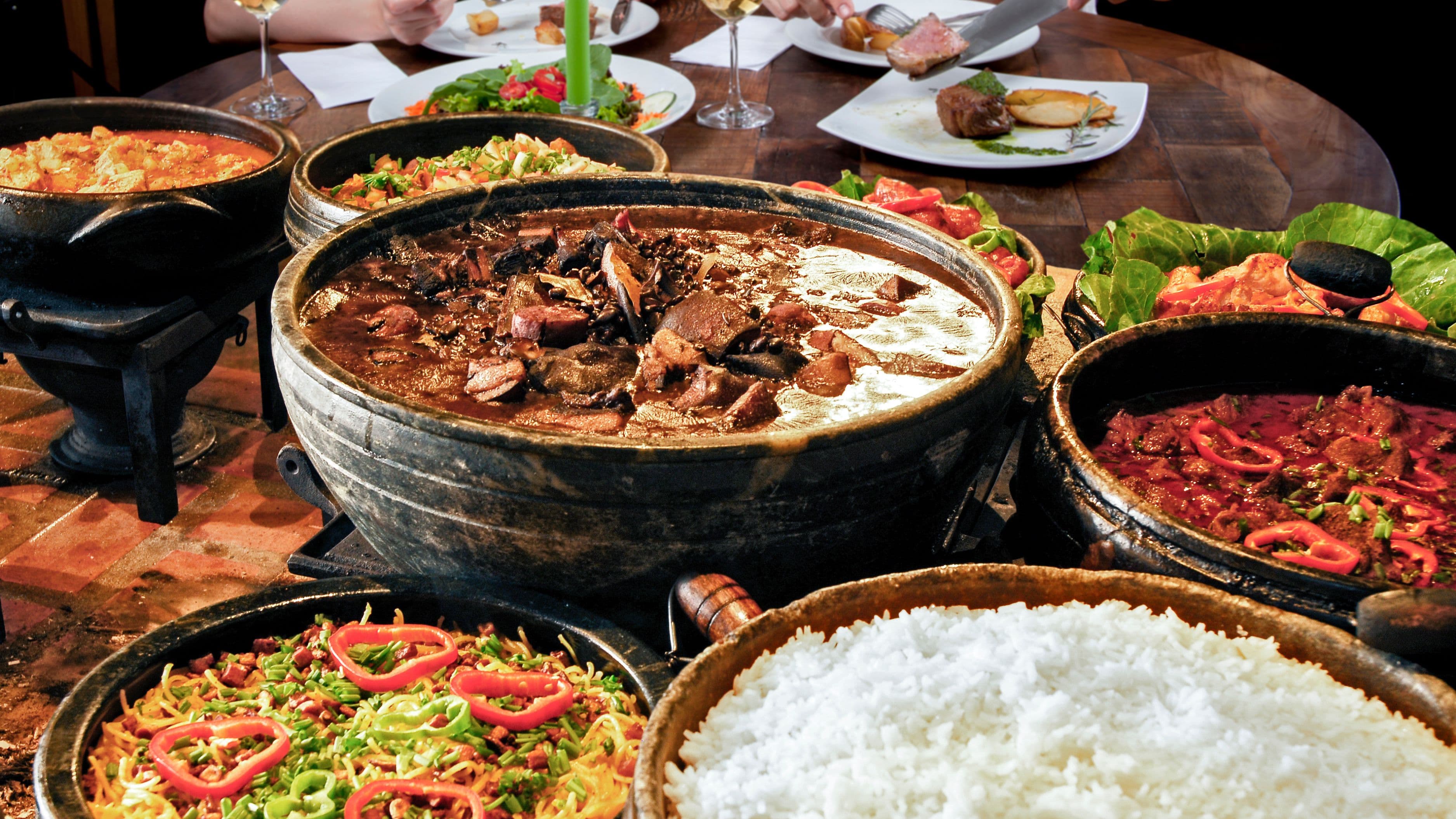
Many comfort foods celebrate ingredients that were once rare, expensive, or reserved for special occasions. American fried chicken became soul food partly because chicken wasn't everyday eating for poor families—it was Sunday dinner, a celebration food that later became associated with feeling special and loved. Japanese katsu curry gained comfort food status partly because meat was historically scarce in Japanese diets, making breaded pork cutlet feel luxurious even in casual preparations. Brazilian feijoada, now a national comfort dish, originated as Portuguese stew but became Brazilian comfort food because it incorporated all parts of the pig, including bits usually discarded, making it a feast from scraps. These foods comfort us because they echo times when having enough to eat, let alone something delicious, represented security and abundance. Even now, eating them triggers those same feelings of "we made it, we have enough, we're going to be okay" that made them comforting in the first place.
9. The Community召唤 (Summoner)
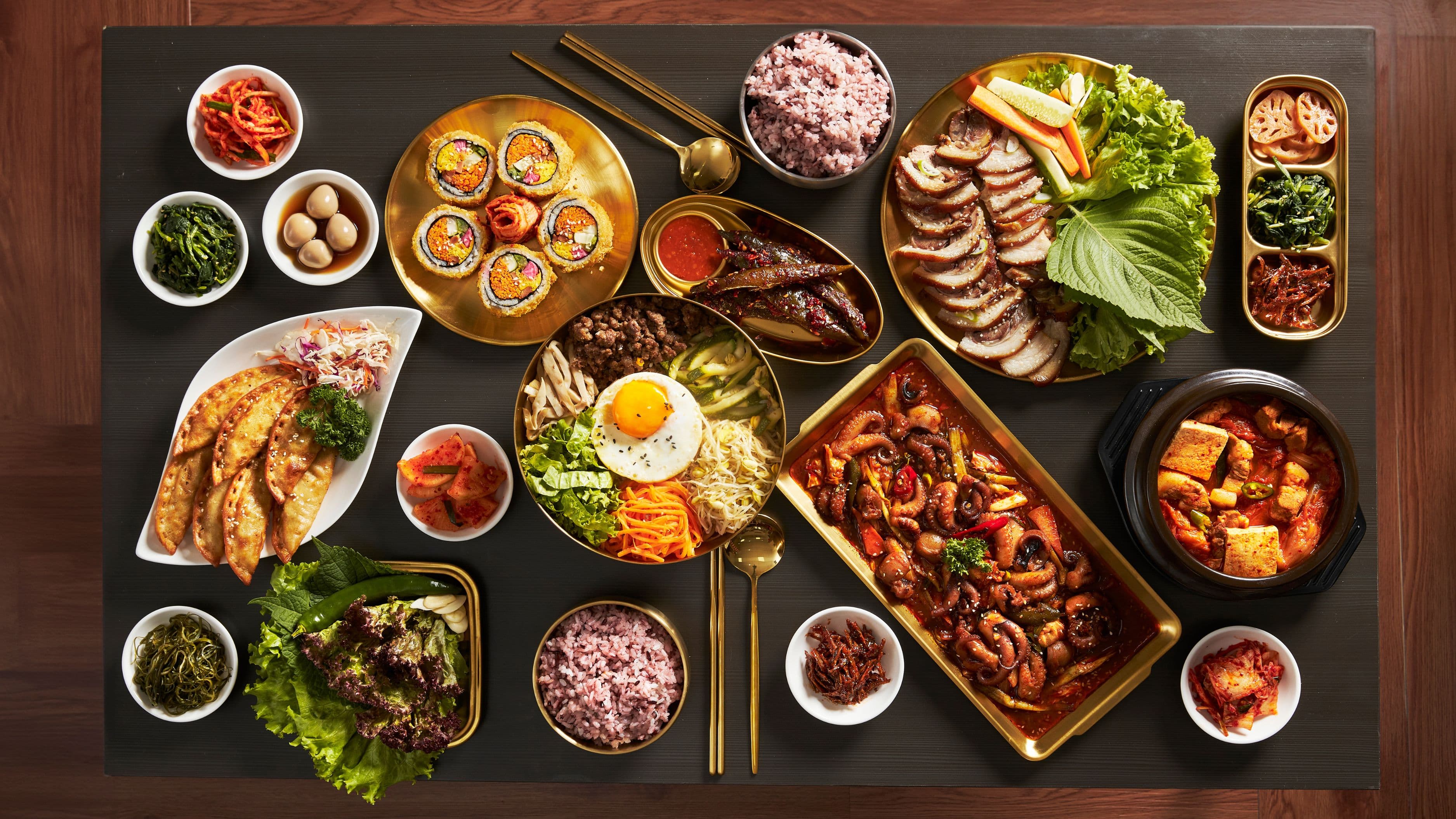
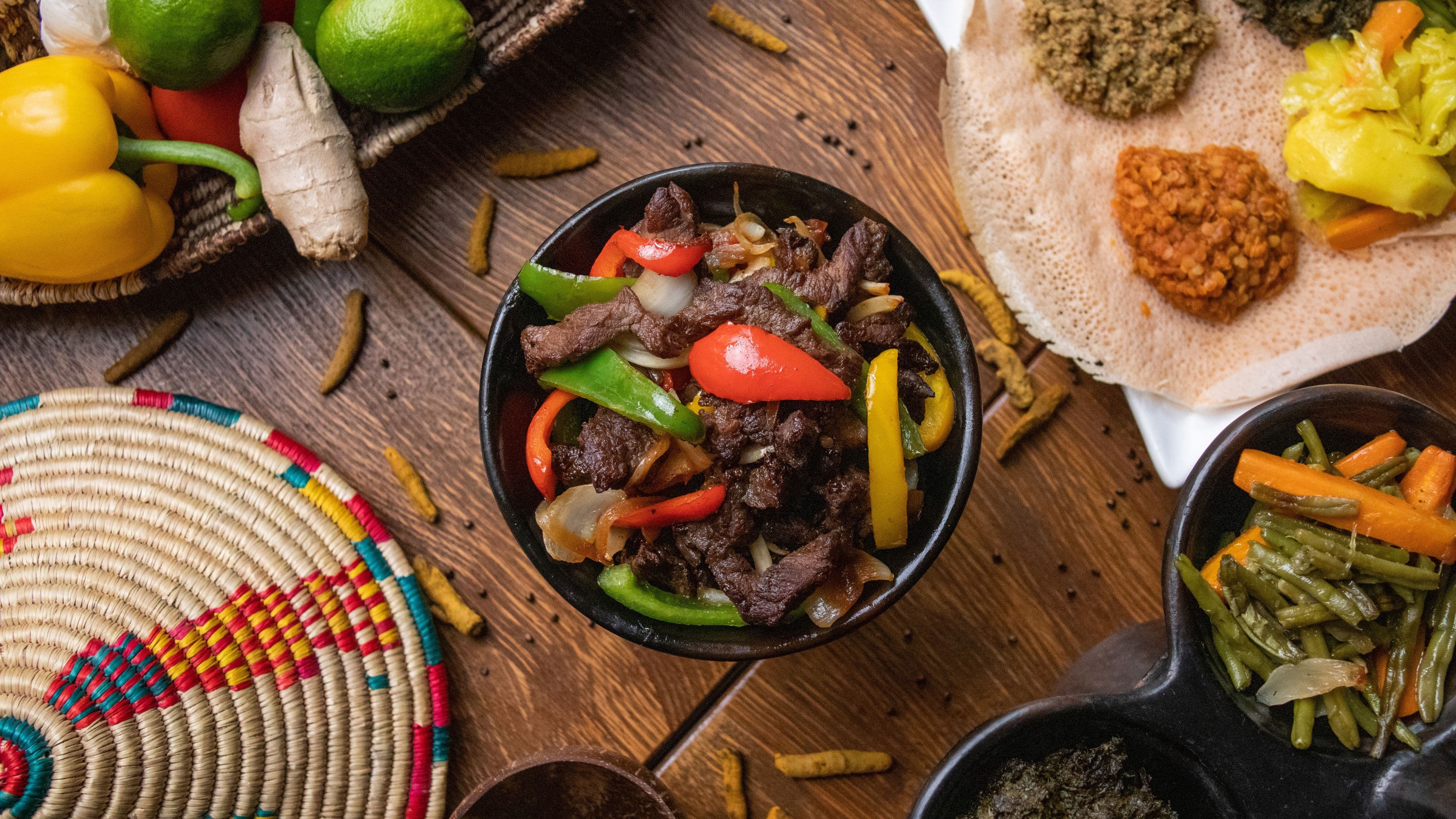
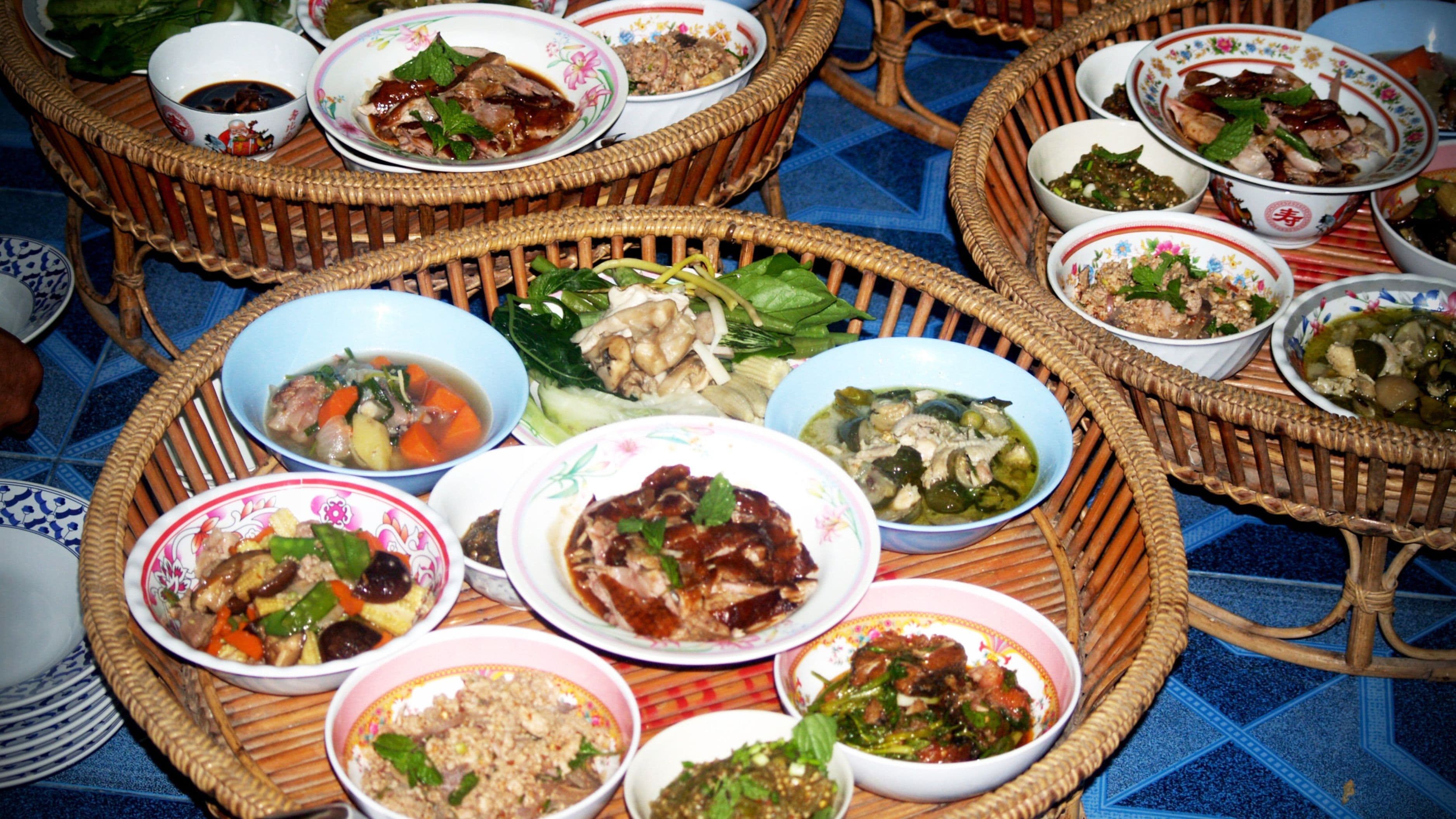
True comfort foods are rarely designed for solo consumption—they're built for sharing, which reveals their deeper purpose as social glue. Ethiopian injera served on communal platters where everyone eats from the same large dish, Korean kimchi jjigae bubbling in the center of the table for everyone to scoop from, Italian family-style pasta bowls passed around—these formats enforce togetherness. Even the quantities involved in traditional comfort food recipes assume you're feeding multiple people: nobody's grandmother ever made chicken soup for one. The comfort in comfort food isn't just chemical or nostalgic; it's social, reminding us of times when we ate surrounded by family, conversation, and laughter rather than scrolling through our phones with takeout containers. Cultures preserve these communal eating formats in their comfort foods specifically because isolation feels uncomfortable, and gathering around shared food creates instant, edible community. The food itself might nourish your body, but the context it demands—sitting down together, passing dishes, talking while you eat—nourishes something equally essential.
10. The Permission Giver
Comfort food gives us cultural permission to indulge, to prioritize feeling good over nutritional optimization. In our current era of wellness culture obsession, where every food choice gets scrutinized for its impact on longevity and inflammation, comfort foods represent sanctioned breaks from constant self-improvement. Every culture recognizes that humans need these breaks, which is why comfort foods persist despite not being Instagram-worthy salads or trendy superfoods. French pot-au-feu, Polish pierogi, American pot roast—these dishes don't apologize for butter, salt, or starch because they predate the anxiety that those ingredients are somehow morally wrong. The comfort comes partly from the temporary suspension of food rules, the cultural agreement that sometimes you just need mashed potatoes with gravy and nobody should judge you for it. Different cultures draw the line in different places (what Italians consider indulgent differs from what Americans do), but the principle remains: comfort food is where your culture gives you permission to stop optimizing and start feeling.
Your life doesn't need to be perfect—just less chaotic and more you. And "more you" probably involves occasionally eating whatever your particular cultural background designated as "this will make you feel better." Whether that's pho or pozole, ramen or risotto, the specific dish matters less than recognizing why it exists: because humans need foods that connect us to our past, our people, and our sense of belonging. Comfort food is evidence that every culture on Earth figured out the same essential truth—that we're not just bodies requiring fuel, but hearts requiring reassurance that we're home, we're safe, we're loved. So the next time you're craving your specific version of edible therapy, don't fight it. Make it, eat it slowly, and remember you're participating in a practice as old as cooking itself: feeding not just hunger, but the deeper human need to feel, at least for one meal, that everything might actually be okay.
📚 Sources
Vohs, K. D., Wang, Y., Gino, F., & Norton, M. I. (2013). Rituals enhance consumption. Psychological Science, 24(9), 1714-1721.