Why "Preheat the Oven" Is More Important Than It Sounds
Most recipes tell you to preheat the oven, and most home bakers treat the oven's built-in "ready" beep as gospel. The reality is that many home ovens take longer to reach a stable, accurate temperature than their indicator suggests, and even once they beep, temperature can still be climbing or fluctuating for several more minutes. Baking in an oven that hasn't actually stabilized means your food starts cooking at an inconsistent temperature, which affects everything from how a cake rises to how evenly cookies bake.
An inexpensive oven thermometer placed inside your oven, checked against your actual dial setting, is one of the simplest ways to understand your specific oven's real behavior. Many home ovens run 15 to 25 degrees hotter or cooler than their displayed setting, which explains why a recipe that works perfectly for one person produces inconsistent results for another using what looks like the same instructions.
Controlled Heat in the Context of Rising
Baked goods that rely on rising – cakes, breads, soufflés – depend on a specific, controlled heat environment to set their structure at the right moment. Too much heat too quickly can cause the outside of a cake to set before the inside has finished rising, creating a domed or cracked top as the interior continues to push upward against an already-firm exterior. Too little heat, or an oven that isn't holding a stable temperature, can cause a cake to rise too slowly and then collapse before its structure has had a chance to set properly.
This is why oven placement matters as much as oven temperature. The center rack typically provides the most even heat distribution in most home ovens, away from the more intense, direct heat near the bottom heating element or the top of the oven where heat pools before circulating.
Controlled Heat and Butter Temperature in Baked Goods
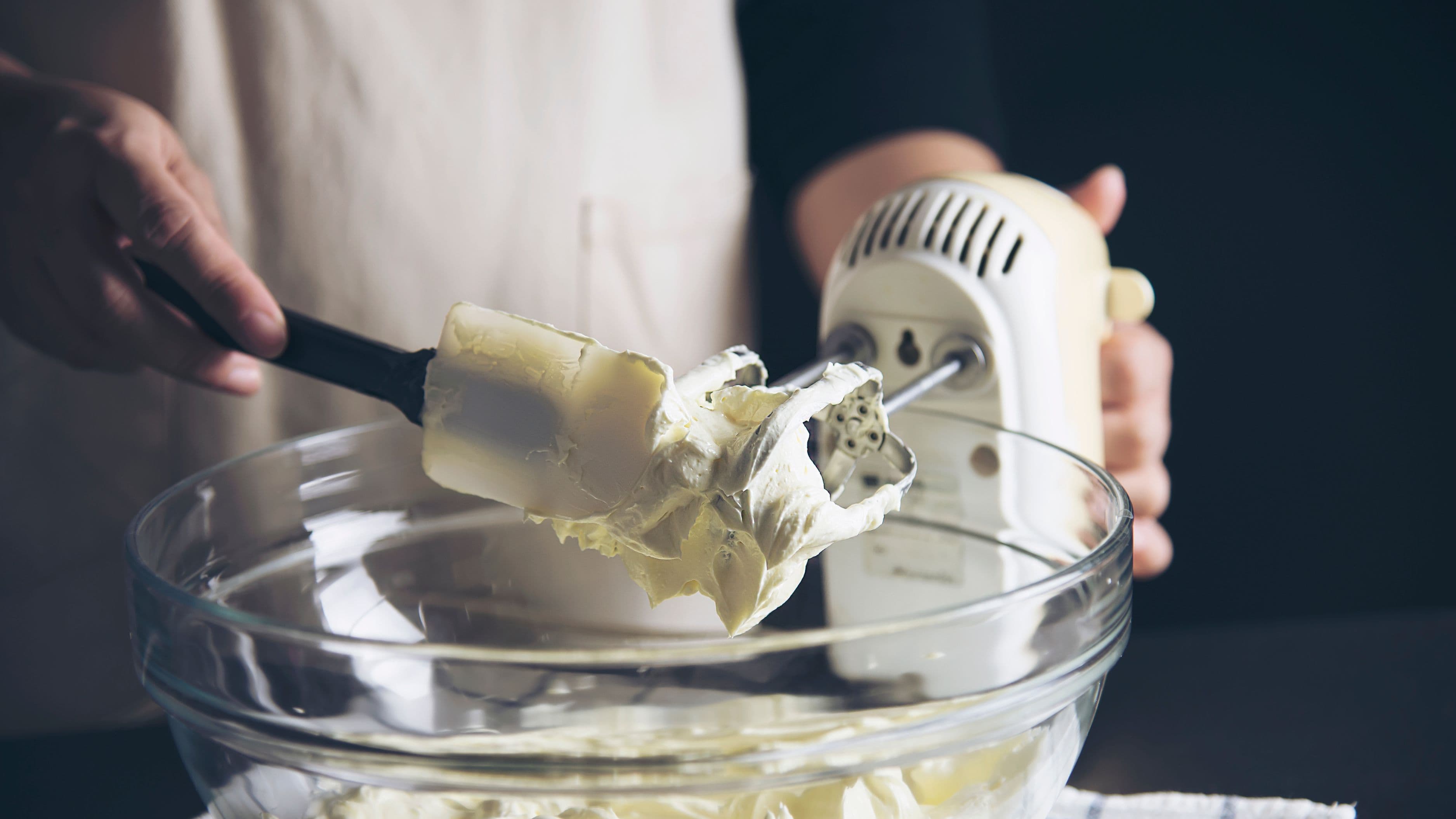
Heat control isn't just about the oven – it starts well before anything goes in. Butter temperature, in particular, is one of the most underappreciated heat-control variables in baking. Cookies made with butter that's too warm and soft spread excessively in the oven's initial heat before the structure has a chance to set, producing thin, greasy results. Butter that's properly cool but pliable holds its structure longer as the oven's heat builds, giving the dough time to set before the fat has a chance to fully melt and spread.
This is also why recipes are specific about creaming butter at room temperature versus using cold butter cut into a dough, like for pie crusts or biscuits – the intended heat behavior in the oven differs based on how that fat is meant to melt and interact with the surrounding structure during baking.
Why Recovery Time Matters When Opening the Oven
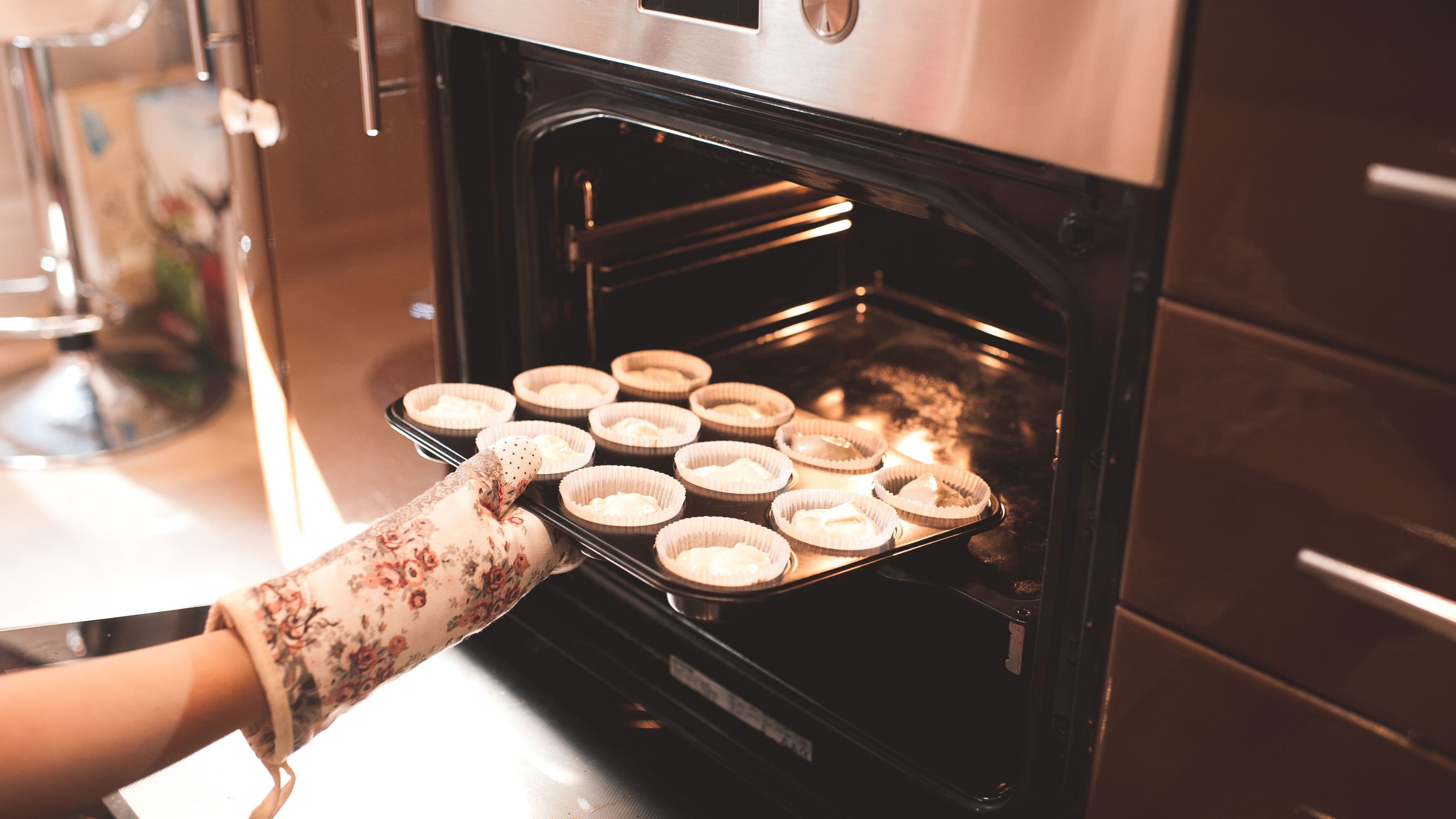
Every time an oven door opens, a significant amount of heat escapes immediately, and most home ovens take several minutes to recover to their set temperature afterward. For baked goods that are still in their structural setting phase – typically the first two-thirds of a bake time for most cakes and breads – opening the door during this window can cause a temporary heat drop that disrupts rising, leading to sinking or uneven texture.
This is the practical reason behind advice to avoid opening the oven door early when baking a cake: it's not superstition, it's a genuine heat-control issue with real consequences for structure.
Applying Controlled Heat to Cookie Baking Specifically
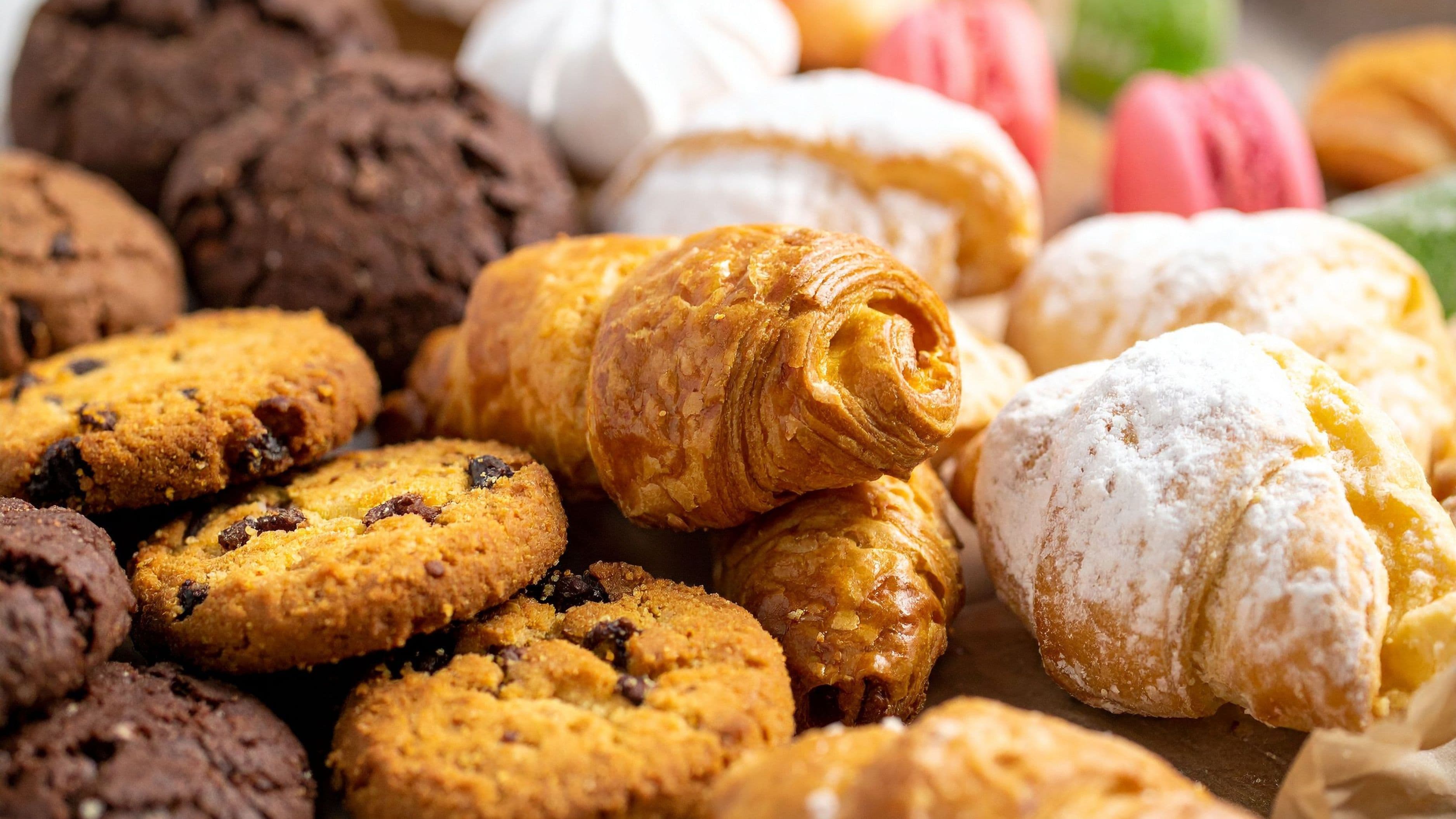
Cookies are a useful case study because heat control shows up in several distinct ways within a single bake. Oven temperature accuracy determines how quickly the outside sets relative to how much the inside spreads. Rack position affects whether the bottom of a cookie browns faster than the top. And even the baking sheet material matters here – dark, heavy baking sheets absorb and hold more heat than light-colored, thin ones, which can cause the bottoms of cookies to overbake before the tops have finished, even at the exact same oven temperature setting.
Common Signs Your Heat Control Needs Adjustment
A cake that consistently domes and cracks on top may indicate your oven runs hotter than its displayed setting, causing the outside to set too quickly relative to the rise happening underneath. Cookies that spread thin and greasy across multiple attempts, even with properly chilled dough, often point to an oven running cooler than expected, giving the butter more time to melt and spread before the structure sets. Uneven browning across a single tray frequently traces back to rack position or hot spots specific to your individual oven, which even ovens of the same model can vary in.
What to Avoid
Don't rely solely on your oven's built-in temperature display without occasionally verifying it against an independent oven thermometer, since even small discrepancies compound over a full bake time. Avoid opening the oven door during the critical early setting phase of cakes, soufflés, or bread, since the heat loss during this window has an outsized effect on final structure. And resist the temptation to increase oven temperature to speed up a bake that's taking longer than the recipe states – a hotter, faster bake usually produces uneven results rather than simply a quicker version of the same outcome.
Frequently Asked Questions
How often should I check my oven's actual temperature with a thermometer? Checking once when you first start baking regularly, and again anytime you notice consistent baking issues, is generally enough to understand your oven's specific behavior.
Does convection baking change how heat control works? Yes – convection ovens circulate air more evenly, often reducing hot spots, but many recipes need slight temperature or time adjustments when using convection instead of standard bake settings.
Why do the same cookies bake differently on different trays in the same oven? Rack position and tray material both affect heat exposure, so trays on different racks or made from different materials can produce noticeably different results even at an identical oven setting.
📚 Sources
King Arthur Baking Company – "Understanding Your Oven" – https://www.kingarthurbaking.com/learn/resources
USDA – "Safe Cooking Temperatures" – https://www.fsis.usda.gov/food-safety/safe-food-handling-and-preparation/food-safety-basics/safe-minimum-internal-temperature