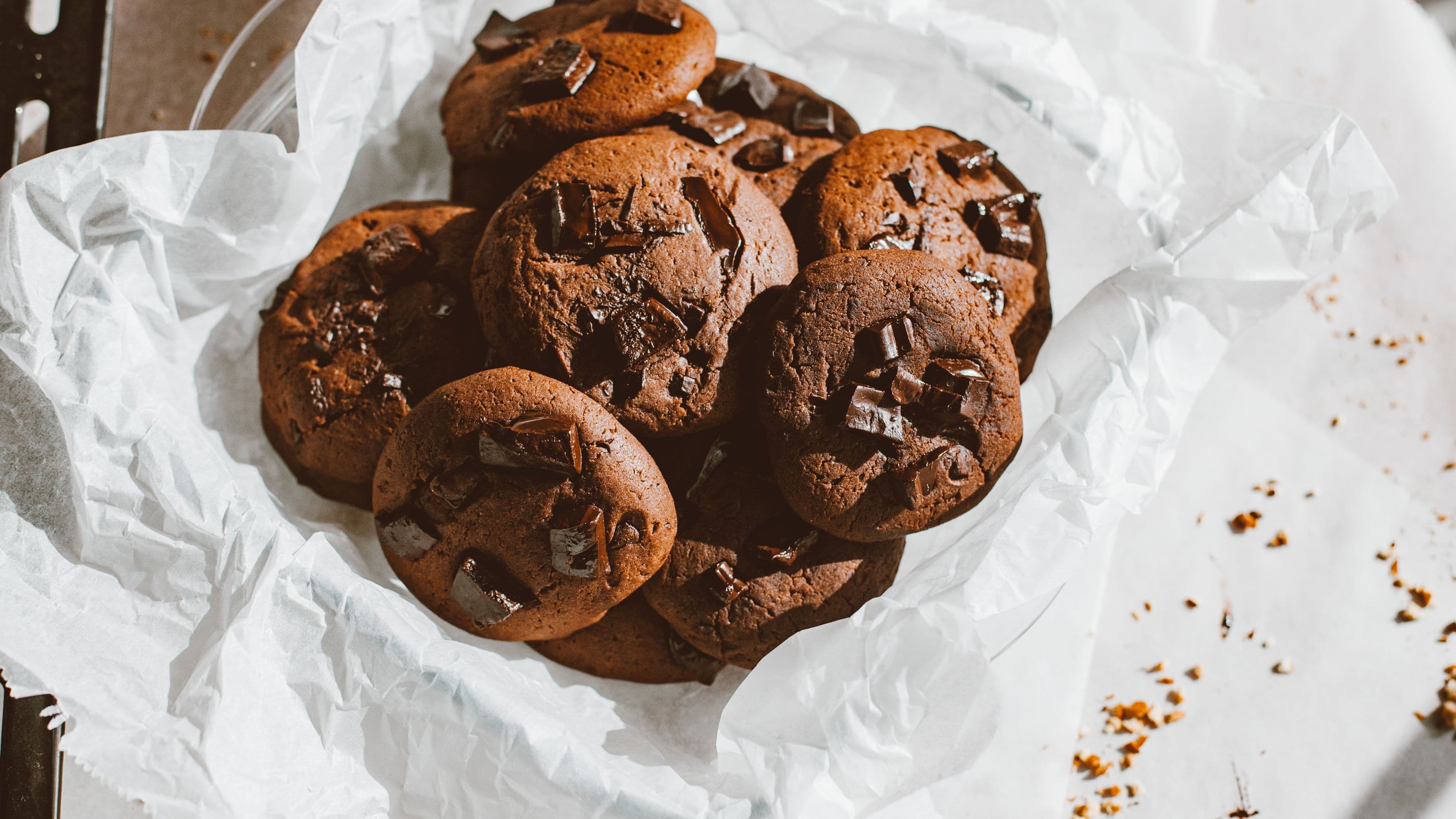
This guide breaks down exactly what makes a cookie chewy, the changes that have the biggest impact, and a reliable base recipe to put it all together. None of it is complicated or chef-level – it's just understanding which small decisions actually matter.
What Actually Makes a Cookie Chewy
Chewiness comes down to moisture and structure: a chewy cookie holds onto moisture and has just enough structure to give your teeth something to bite into without being hard. A few ingredients control this more than anything else, and most chewiness problems trace back to one of them.
The big levers are the type of sugar you use, the moisture in your dough, how you handle the flour, and how you bake and store the cookies. Get these working together and chewy becomes your default result rather than a happy accident. Let's go through them in order of impact.
Use More Brown Sugar Than White
If you change one thing, change this. Brown sugar is white sugar with molasses added back in, and molasses is both acidic and hygroscopic – meaning it attracts and holds moisture. That retained moisture is exactly what keeps a cookie chewy, both fresh and a day or two later.
White sugar, by contrast, helps cookies spread and crisp up. So a cookie made mostly with white sugar leans crunchy, while one weighted toward brown sugar leans chewy. For chewy cookies, use a higher ratio of brown sugar to white – many chewy recipes use mostly or entirely brown sugar. If your current recipe is half-and-half and the cookies turn out crisp, shifting toward more brown sugar is the single most
effective fix.
Add an Extra Egg Yolk
Eggs bring moisture and richness, and the yolk is where the fat and emulsifying power live. Adding an extra egg yolk (without the white) to your dough increases richness and chewiness without making the cookies cakey, which is what extra whole eggs can do. The white tends to dry and lift cookies toward a more cakey texture, so favoring yolks keeps things dense and chewy.
A common, reliable approach is one whole egg plus one extra yolk for a standard batch. It's a small change that makes a noticeable difference in how chewy and rich the cookies feel.
Choose Melted Butter Over Creamed
How you handle the butter changes the texture more than most people realize. Creaming softened butter with sugar whips air into the dough, giving lighter, cakier, often crispier cookies. Melting the butter instead skips that aeration, producing a denser dough that bakes up chewier.
Melted butter also interacts with the flour differently, encouraging a bit more gluten development and chew. Let melted butter cool slightly before mixing so it doesn't cook the eggs, then combine. This one swap – melted instead of creamed – reliably nudges cookies toward chewy.
Don't Overdo the Flour (and Consider Bread Flour)
Too much flour is a quiet chewiness killer, producing dry, crumbly, hard cookies. The most common cause is scooping flour straight from the bag with the measuring cup, which packs in far more than intended. Instead, spoon the flour into the cup and level it off, or better yet weigh it if you have a kitchen scale – this single habit fixes a lot of failed batches.
For an extra chew boost, you can swap some or all of the all-purpose flour for bread flour. Bread flour has more protein, which means more gluten, which means more chew – it's a favorite trick for cookies with real bakery-style pull. It's optional, but it works.
Slightly Underbake, Then Let Them Finish on the Tray
This is where good chewy dough gets ruined at the finish line. Cookies continue cooking on the hot baking sheet after you pull them from the oven, so if you wait until they look fully done in the oven, they'll be overbaked – and overbaked means hard, not chewy.
Pull them when the edges are set but the centers still look slightly soft and underdone. Let them rest on the hot tray for a few minutes to finish setting, then move them to a cooling rack. They'll firm up into a perfectly chewy texture as they cool. Trusting this – taking them out before they look "ready" – is the habit that separates chewy bakers from crunchy ones.
A Reliable Chewy Cookie Base Recipe
Here's a simple chocolate chip version that puts every principle together. It takes about 15 minutes of active work plus baking, and it's beginner-friendly.
Ingredients for about 24 cookies: 2 and 1/4 cups all-purpose flour (or swap up to half for bread flour), 1 teaspoon baking soda, 1/2 teaspoon salt, 3/4 cup melted butter (cooled slightly), 1 cup packed brown sugar, 1/2 cup white sugar, 1 large egg plus 1 extra yolk, 2 teaspoons vanilla extract, and 1 and 1/2 cups chocolate chips.
Whisk the flour, baking soda, and salt in one bowl. In another, mix the melted butter with both sugars until smooth, then beat in the egg, extra yolk, and vanilla. Stir the dry mixture into the wet just until combined – stop as soon as you no longer see flour. Fold in the chocolate chips. Chilling the dough for 30 minutes to an hour helps the cookies hold their shape and deepens the flavor, though it's optional if you're short on time. Bake at 350°F (175°C) for about 9 to 11 minutes, pulling them when the edges are set but centers look soft. Cool on the tray for 5 minutes, then transfer to a rack.
How to Keep Them Chewy After Baking
Baking them chewy is half the job; storing them right is the other half. Once fully cooled, keep cookies in an airtight container at room temperature – air is the enemy, since it dries them out and turns chewy into hard within a day.
The classic trick that genuinely works: tuck a slice of fresh bread into the container with the cookies. The cookies pull moisture from the bread instead of drying out, and after a day you'll find a stale slice of bread and still-soft cookies. Replace the bread if you're keeping them several days. For longer storage, freeze either the baked cookies or, even better, scoops of raw dough you can bake fresh whenever you want that just-baked chew.
What to Avoid
A few habits sabotage chewy cookies most often. Overbaking is the top culprit – if your cookies are hard, you're very likely leaving them in too long or waiting until the centers look done. Overmeasuring flour by scooping from the bag is a close second, packing in excess flour that dries everything out. Overmixing the dough after adding flour develops too much gluten in the wrong way and can toughen cookies, so stop mixing the moment the flour disappears.
Leaning too heavily on white sugar will push you toward crispy rather than chewy, and storing cookies uncovered or in a loose container lets them go stale fast. None of these are hard to fix – they're just easy to do by accident.
FAQ
Why do my cookies get hard the day after baking? Usually overbaking, too much flour, or storing them exposed to air. Pull them slightly underbaked, measure flour by spooning and leveling, and store them airtight with a slice of bread to keep moisture in.
Is brown sugar really that important for chewy cookies? Yes – it's the biggest single factor. The molasses in brown sugar holds moisture, which is what keeps cookies chewy. Shifting your ratio toward more brown sugar is the most effective change you can make.
Should I chill cookie dough for chewy cookies? Chilling isn't required for chewiness, but it helps cookies hold their shape, prevents excess spreading, and deepens flavor. Even 30 minutes helps if you have the time.
Does bread flour really make a difference? It does. The extra protein creates more gluten and more chew, giving a bakery-style texture. It's optional, but swapping in some bread flour is an easy upgrade for chewier cookies.
Can I fix a recipe that always turns out crispy? Often yes. Use more brown sugar, melt the butter instead of creaming it, add an extra yolk, measure flour carefully, and underbake slightly. Those changes turn most crispy recipes chewy.
A Final Word
Chewy cookies aren't about a secret ingredient – they're about a few reliable choices: more brown sugar, melted butter, an extra yolk, careful flour measuring, and pulling them from the oven before they look done. Put those together with airtight storage and that slice-of-bread trick, and you'll get soft, chewy cookies that stay that way well past the first day. Try the base recipe above, get a feel for how the dough and bake times work in your oven, and you'll have a chewy cookie you can make on repeat with confidence.
📚 Sources
King Arthur Baking – Why Are My Cookies Flat / Cookie Texture Guide: https://www.kingarthurbaking.com/blog/2019/05/24/cookie-troubleshooting
King Arthur Baking – How to Measure Flour Correctly: https://www.kingarthurbaking.com/blog/2020/04/13/how-to-measure-flour
Serious Eats – The Food Lab: The Science of the Best Chocolate Chip Cookies: https://www.seriouseats.com/the-food-lab-the-best-chocolate-chip-cookies
USDA FoodKeeper – Storing Baked Goods Safely: https://www.foodsafety.gov/keep-food-safe/foodkeeper-app