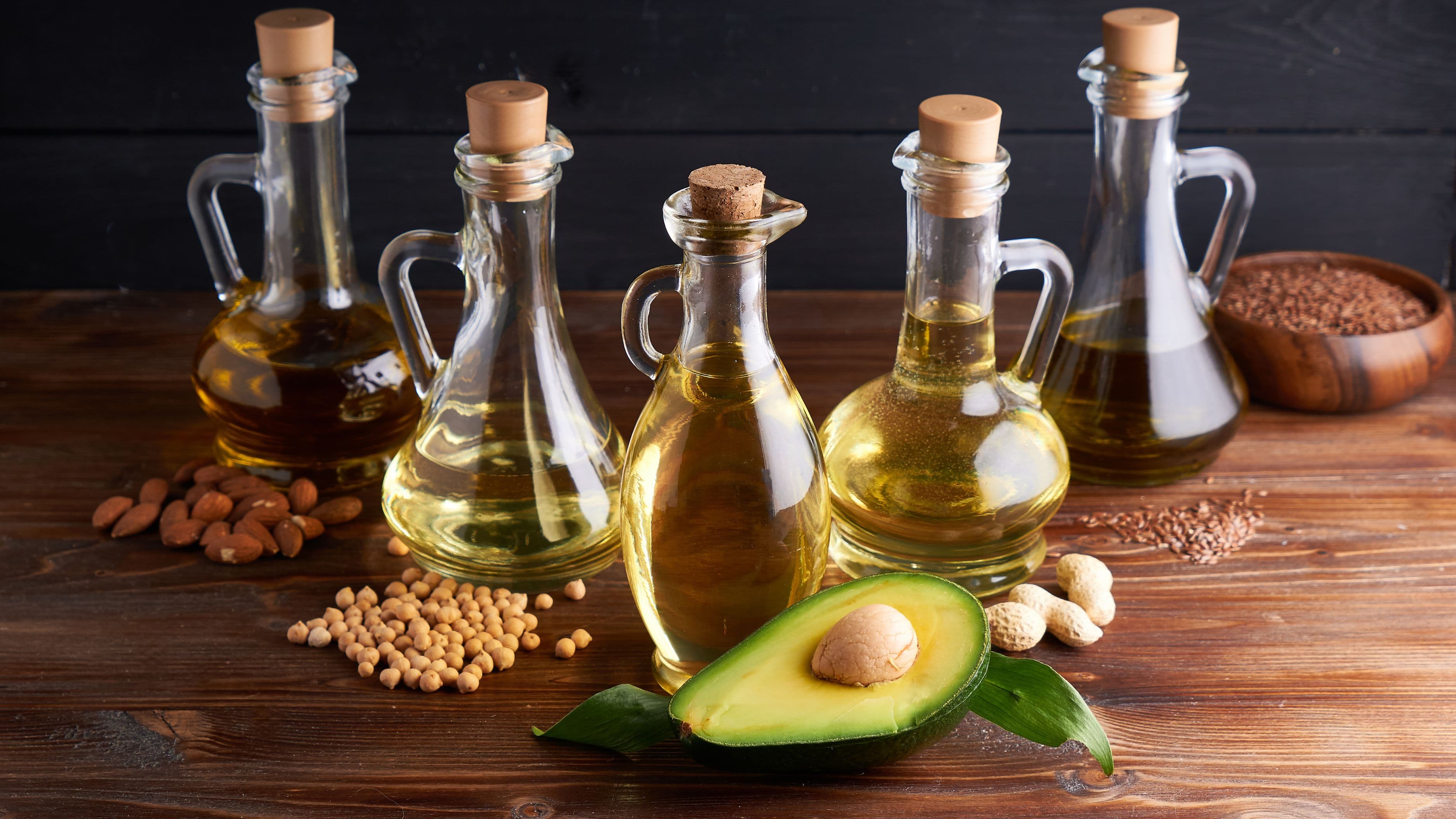
Here's a practical guide to the oils worth keeping in your kitchen, what makes each one distinct, and when to reach for each one.
The One Thing You Really Need to Understand: Smoke Point
Before diving into individual oils, there's one concept that explains most of the "use this oil, not that one" advice you've ever heard: smoke point. Every oil has a temperature at which it starts to smoke and break down. Above that temperature, the oil degrades, produces acrid flavors, and generates compounds you don't want in your food. Below that temperature, it's stable and does its job.
High-heat cooking – searing a steak, stir-frying vegetables, deep-frying – requires an oil with a high smoke point. Dressings, finishing touches, and low-heat cooking can use oils with lower smoke points, which is often where the most flavorful options live. The practical rule is simple: the hotter your cooking method, the higher the smoke point you need. Keep that in mind as you go through the oils below, and the recommendations will make immediate sense.
Olive Oil: The Everyday Workhorse
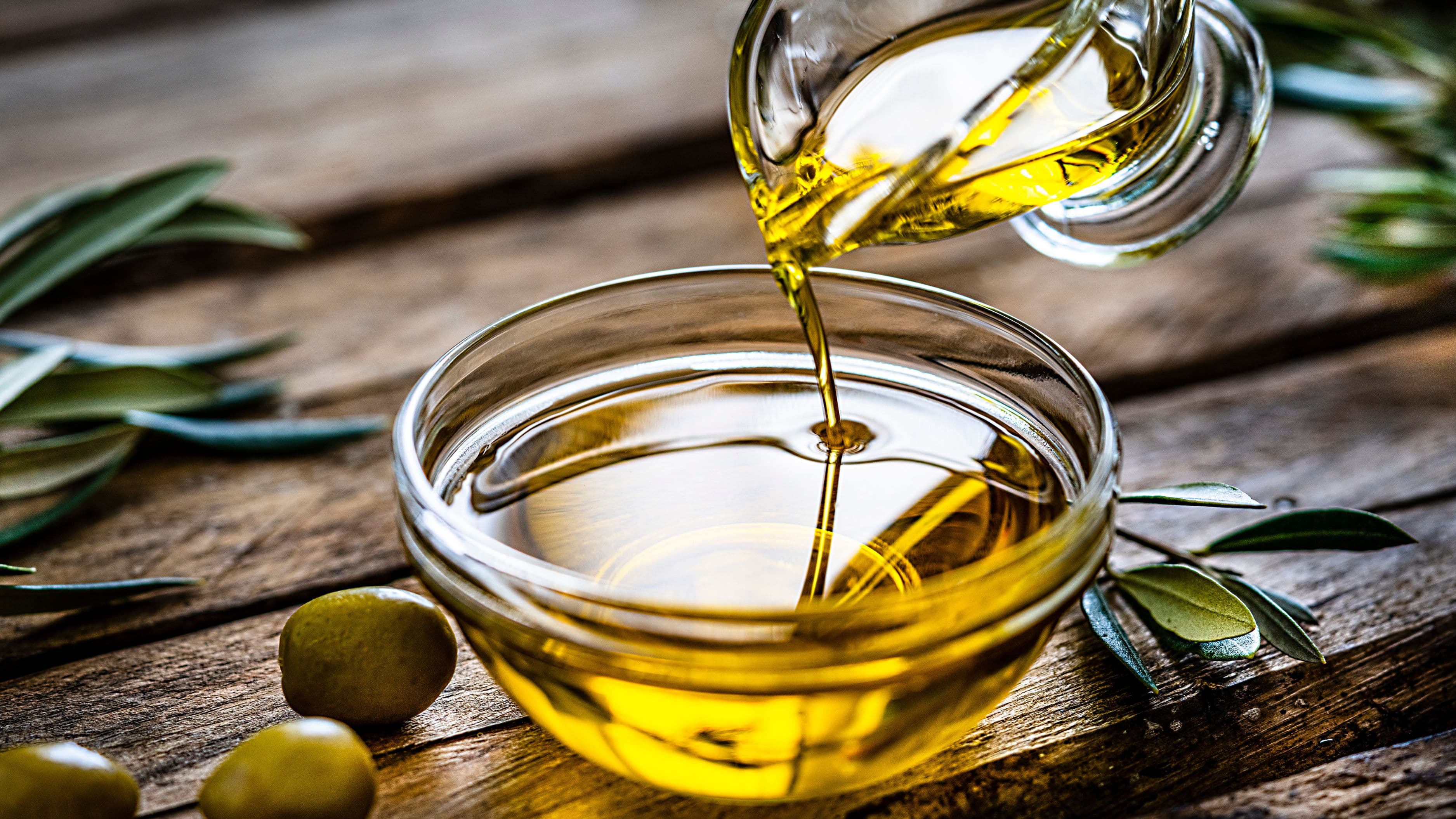
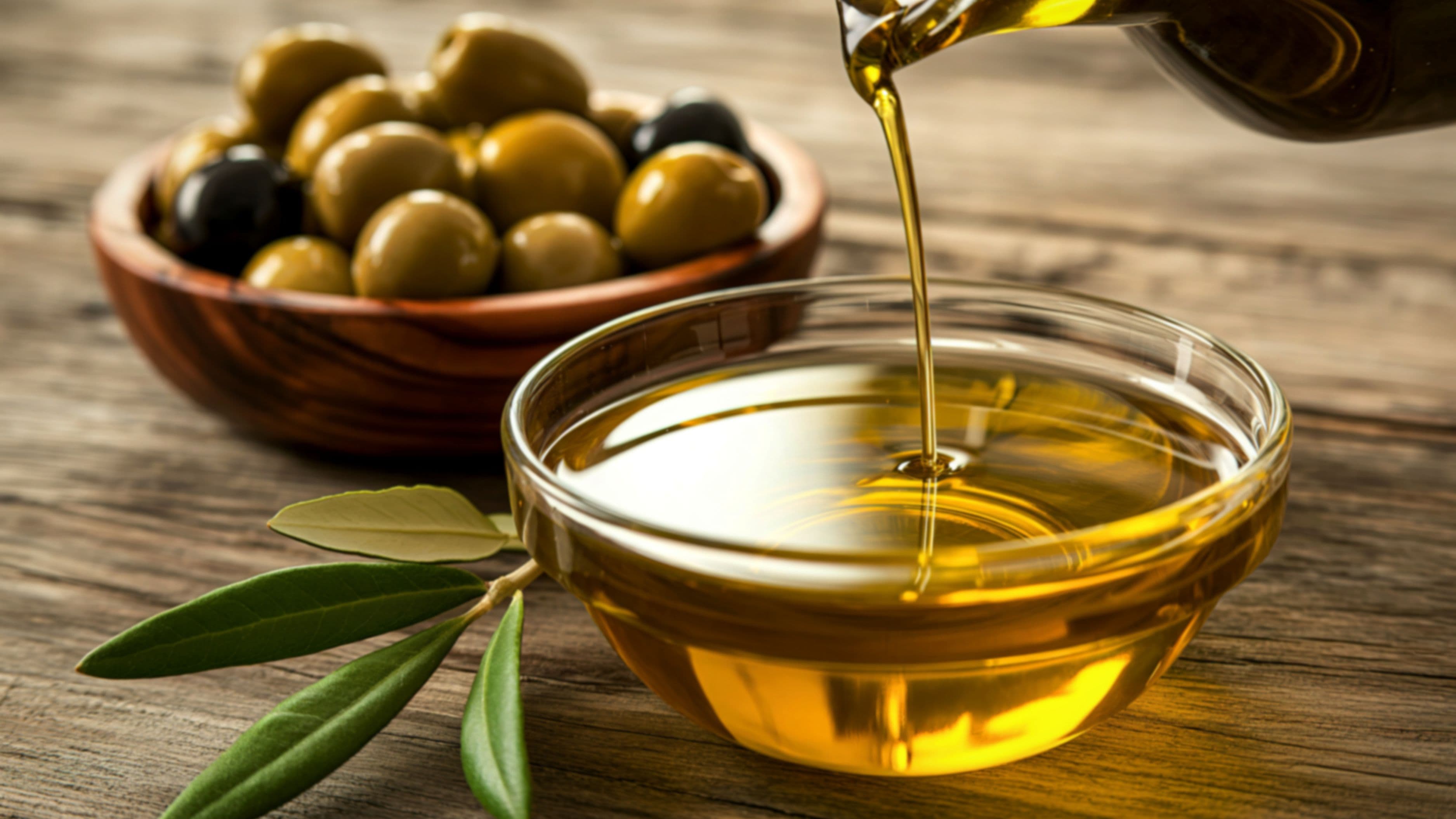
Olive oil is the most versatile cooking oil for home cooks, and for most everyday cooking it's the one you should reach for first. Extra virgin olive oil has a smoke point of roughly 375°F to 405°F, which comfortably covers sautéing, roasting, and most stovetop cooking at medium heat. It won't work well for high-heat searing, but that's a narrower use case than most people realize.
The flavor of olive oil is one of its defining characteristics. Good extra virgin olive oil has a fruity, sometimes peppery quality that adds dimension to whatever you're cooking with it. This makes it excellent for Mediterranean-style dishes, pasta, roasted vegetables, and anything where the oil itself is a flavor component – not just a cooking medium. It's also the first choice for salad dressings, drizzled over finished dishes, and dipping bread.
For everyday cooking, you don't need to spend a lot on the most premium cold-pressed bottle. Save your best extra virgin olive oil for raw applications where you'll actually taste it. A mid-range extra virgin is perfectly good for stovetop cooking. "Light" or "pure" olive oil has been refined and has a higher smoke point (around 465°F) and milder flavor – useful for cooking at slightly higher heat when you want olive oil's properties without its flavor.
Avocado Oil: The High-Heat Champion
Avocado oil has become significantly more accessible in recent years, and it's earned a regular spot in the kitchen for anyone who does a lot of high-heat cooking. Its smoke point sits around 520°F for refined avocado oil, which is higher than almost any oil you're likely to need for home cooking. Searing, stir-frying, grilling, and even deep-frying are all within its range.
The flavor of refined avocado oil is mild and clean, which means it doesn't compete with the flavors of what you're cooking. This neutrality is an advantage for dishes where you want the food to taste like itself, not like the oil. Unrefined avocado oil has a more pronounced grassy, buttery flavor and is lovely in salad dressings or drizzled over dishes, similar to how you'd use a good olive oil. It has a lower smoke point in its unrefined form (around 375°F), so keep the unrefined version for raw or lower-heat uses.
Avocado oil is generally the best option when you want to cook at genuinely high heat – searing a piece of meat to a good crust, for example – without worrying about the oil breaking down before the food gets where it needs to go.
Vegetable, Canola, and Neutral Oils: The Quiet Workhorses
Vegetable oil, canola oil, sunflower oil, and grapeseed oil all belong to the same practical category: neutral-flavored oils with moderately high smoke points (around 400°F to 450°F) that work well wherever you need an oil that doesn't taste like much. They're the default for baking, deep-frying, general sautéing, and any recipe where introducing an oil flavor isn't the goal.
Canola oil is probably the most useful of this group for everyday home cooks. It has a high smoke point (around 400°F), is inexpensive and widely available, and won't affect the flavor of baked goods or dishes where neutrality matters. Grapeseed oil has a slightly higher smoke point (around 420°F) and a cleaner flavor profile, which some cooks prefer for light sautéing and dressings. Vegetable oil is typically a blend of refined oils and performs similarly to canola in most applications.
These oils aren't exciting, but that's the point. When you're making a birthday cake, frying chicken, or cooking eggs in a way you want to taste like eggs rather than olive oil, a neutral oil is the right choice.
Coconut Oil: Flavorful but Specific
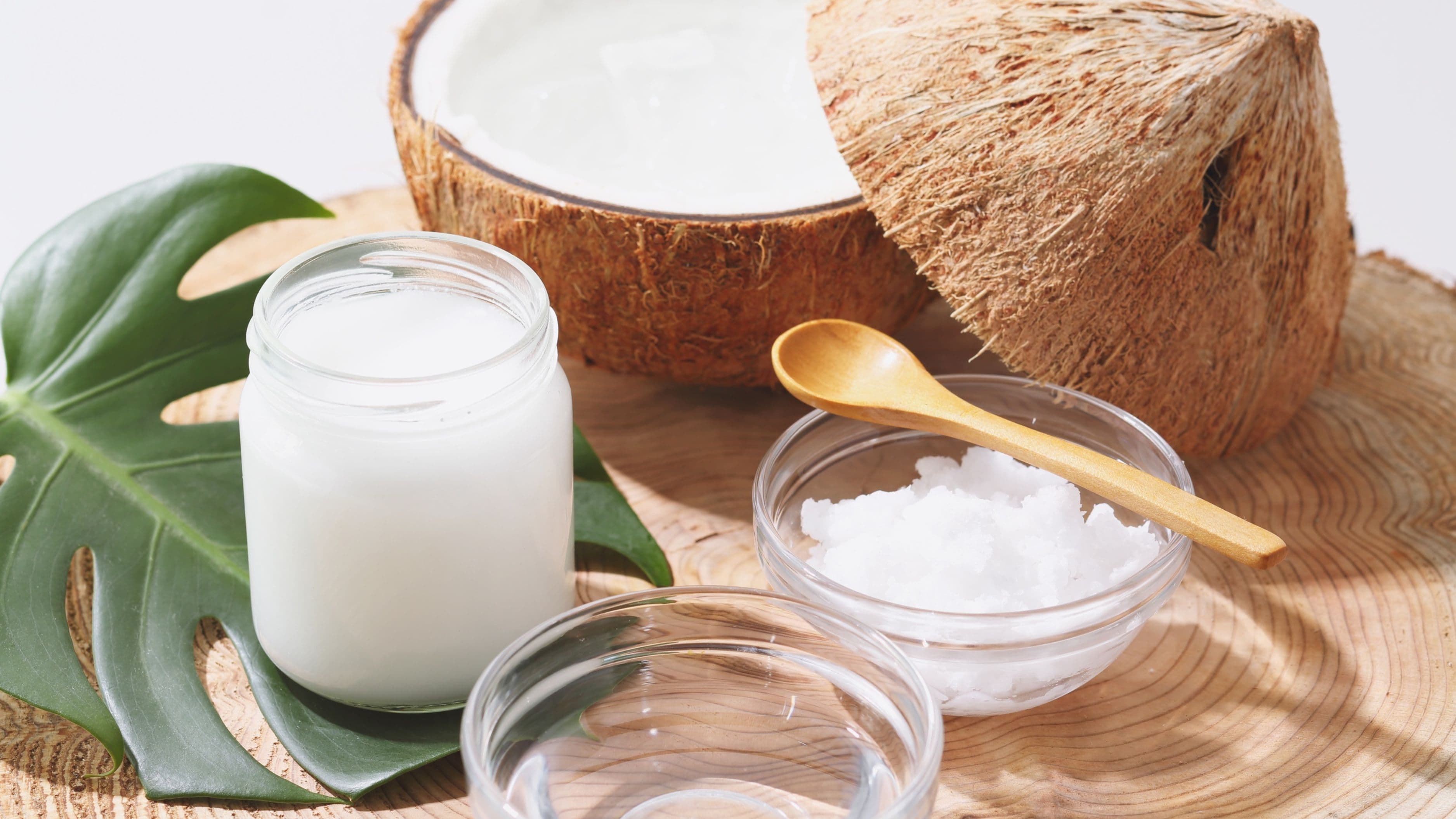
Coconut oil has had a complicated few years in terms of its health reputation, but from a cooking standpoint it's a genuinely useful ingredient for specific applications. Refined coconut oil has a smoke point of about 400°F and a neutral flavor – it works similarly to other neutral oils and is a good choice for anyone who prefers it for dietary reasons. Unrefined (or virgin) coconut oil has a lower smoke point (around 350°F) and a distinct coconut flavor that's either an asset or a liability depending on what you're making.
Where unrefined coconut oil really earns its place is in baking, Southeast Asian and Caribbean cooking, and dishes where a subtle coconut note is appropriate – granola, Thai curry, certain banana breads and cookies. If you're sautéing zucchini for a pasta dish, the coconut flavor will seem out of place. If you're making macaroons or a coconut-forward stir-fry sauce, it's a natural fit. Keep that context in mind and coconut oil becomes a useful addition rather than a universal one.
Sesame Oil: The Finishing Oil That Changes Everything
Sesame oil deserves its own category because it's almost never a cooking oil in the sense of "oil you cook with over heat." Toasted sesame oil – the dark, aromatic variety you'll find in the Asian foods section of most grocery stores – has an intense, nutty flavor that can transform a dish in a way few other ingredients can. A drizzle over finished ramen, tossed through noodles, stirred into a marinade, or added at the end of a stir-fry is where it lives.
The smoke point of toasted sesame oil is relatively low (around 350°F), so you don't want to cook with it as your main fat. The flavor also turns bitter when exposed to prolonged high heat. Use it as a finishing touch and a flavor-booster rather than a cooking medium. Light sesame oil (made from untoasted seeds) has a milder flavor and a higher smoke point, making it more suitable for actual cooking – but most of what makes sesame oil special is the toasted version, so if you're only buying one, that's the one to get.
Butter and Ghee: Not Oils, But Worth Mentioning
Butter is technically not an oil but earns a place in this conversation because it's so often used interchangeably with oil in stovetop cooking. Whole butter has a smoke point of around 302°F to 350°F, which means it burns fairly easily at higher heat. For lower and medium-heat cooking – sautéing vegetables gently, cooking eggs, making pan sauces, finishing pasta – it's wonderful, with a richness and flavor no plant oil replicates. For higher-heat applications, it burns before the food has a chance to cook properly.
Ghee is butter with the milk solids removed, which raises its smoke point to around 485°F. It has all the rich, nutty flavor of browned butter without the burning problem. Ghee is an excellent choice for high-heat searing when you want buttery flavor at temperatures where butter can't go. It's also shelf-stable at room temperature, which is convenient. If you love cooking with butter but keep burning it at higher heat, ghee is the solution.
How to Store Your Oils
Oils degrade over time, and storage conditions affect how quickly that happens. Heat, light, and air are the three enemies. Keep your oils in a cool, dark place – not right next to the stove, even though that's where it's convenient. A dark pantry cabinet is better than a counter display. Once opened, most oils are best used within three to six months for optimal freshness, though they'll last longer if stored well. Delicate oils like flaxseed oil and most finishing oils should be refrigerated after opening.
If an oil smells off – rancid oils have a sharp, paint-like, or crayon-like smell – discard it. Rancid oil doesn't just taste unpleasant; it's genuinely not what you want to be cooking with or eating.
A Simple Guide for Common Situations
When you're standing at the stove and just need to know which oil to grab, here's the short version.
For searing meat or stir-frying at high heat, use avocado oil or refined coconut oil. For everyday sautéing and roasting at medium heat, use olive oil. For baking, frying, or anything where you want no oil flavor, use canola, vegetable, or grapeseed oil. For salad dressings and finishing touches, use extra virgin olive oil. For dishes with Asian flavors – noodles, stir-fries, marinades – add a small amount of toasted sesame oil at the end. For anything that benefits from buttery richness at high heat, use ghee.
You don't need every oil at once. Start with a good extra virgin olive oil, a neutral oil (canola or grapeseed), and if you do a lot of high-heat cooking, a bottle of avocado oil. That three-oil lineup covers roughly 90% of home cooking situations without overcomplicating your pantry.
What to Avoid
Using extra virgin olive oil for deep-frying is one of the most common oil mistakes in the home kitchen. It's not dangerous, but it's wasteful – you're using an expensive, flavorful oil at temperatures that will destroy both its flavor and its quality. Use a neutral oil for deep-frying and save the good olive oil for where you can taste it.
Reusing frying oil repeatedly without checking its condition is another issue. Oil that's been used for frying can be strained and reused once or twice, but it degrades with each use. If it smells off, looks very dark, or foams unusually when you heat it, it's done.
Don't store oils in clear glass bottles directly on a sunny countertop. Light accelerates oxidation, and oils stored in light-exposed locations go rancid noticeably faster than those kept in dark, cool conditions.
FAQ
Can I substitute olive oil for vegetable oil in baking? Generally yes, though the flavor will be slightly different. For most baked goods – muffins, quick breads, cakes – a light olive oil or extra virgin olive oil in equal amounts works well. In things with very delicate flavor profiles (plain white cake, for example), the olive flavor may be noticeable. Use a neutral-flavored light olive oil if that's a concern.
What's the healthiest cooking oil? This is genuinely more complicated than a single answer covers, and recommendations vary. Olive oil, avocado oil, and canola oil are consistently cited positively in nutritional research due to their fatty acid profiles. Coconut oil is high in saturated fat, which has been debated in terms of health impacts. For everyday cooking purposes, using a variety of quality oils in reasonable amounts is more practical than optimizing for one "healthiest" option.
Why does my olive oil smoke when I cook with it? You're either using too high a heat or using an olive oil with a lower smoke point than you need. Extra virgin olive oil smokes around 375°F to 405°F. If you're heating your pan until it's very hot before adding oil, or cooking on the highest burner setting, you'll hit that limit quickly. Either reduce the heat, switch to an oil with a higher smoke point, or add the oil to the pan earlier so it heats up more gradually.
How long do cooking oils last? Unopened, most cooking oils last one to two years stored in a cool, dark place. Once opened, they're best used within three to six months for flavor quality, though they're often safe to use longer. Delicate oils like walnut or flaxseed oil have shorter shelf lives and should be refrigerated after opening.
Good cooking doesn't require a dozen different oils. It just requires knowing what each one does and matching it to the job. Start simple, build from there, and your cooking will benefit more than you might expect from something as seemingly small as choosing the right fat.
📚 Sources
Harvard T.H. Chan School of Public Health. Cooking Oils and Health. https://www.hsph.harvard.edu/nutritionsource/what-should-you-eat/fats-and-cholesterol/types-of-fat/olive-oil/
Serious Eats. The Best Oils for Cooking, Grilling, Baking, and Beyond. https://www.seriouseats.com/best-oils-for-cooking
Bon Appétit. Every Cooking Oil Explained. https://www.bonappetit.com/test-kitchen/ingredients/article/types-of-oil
American Heart Association. Healthy Cooking Oils. https://www.heart.org/en/healthy-living/healthy-eating/eat-smart/fats/healthy-cooking-oils
The Kitchn. A Guide to Every Type of Cooking Fat and Oil. https://www.thekitchn.com/guide-to-cooking-fats-and-oils-247976