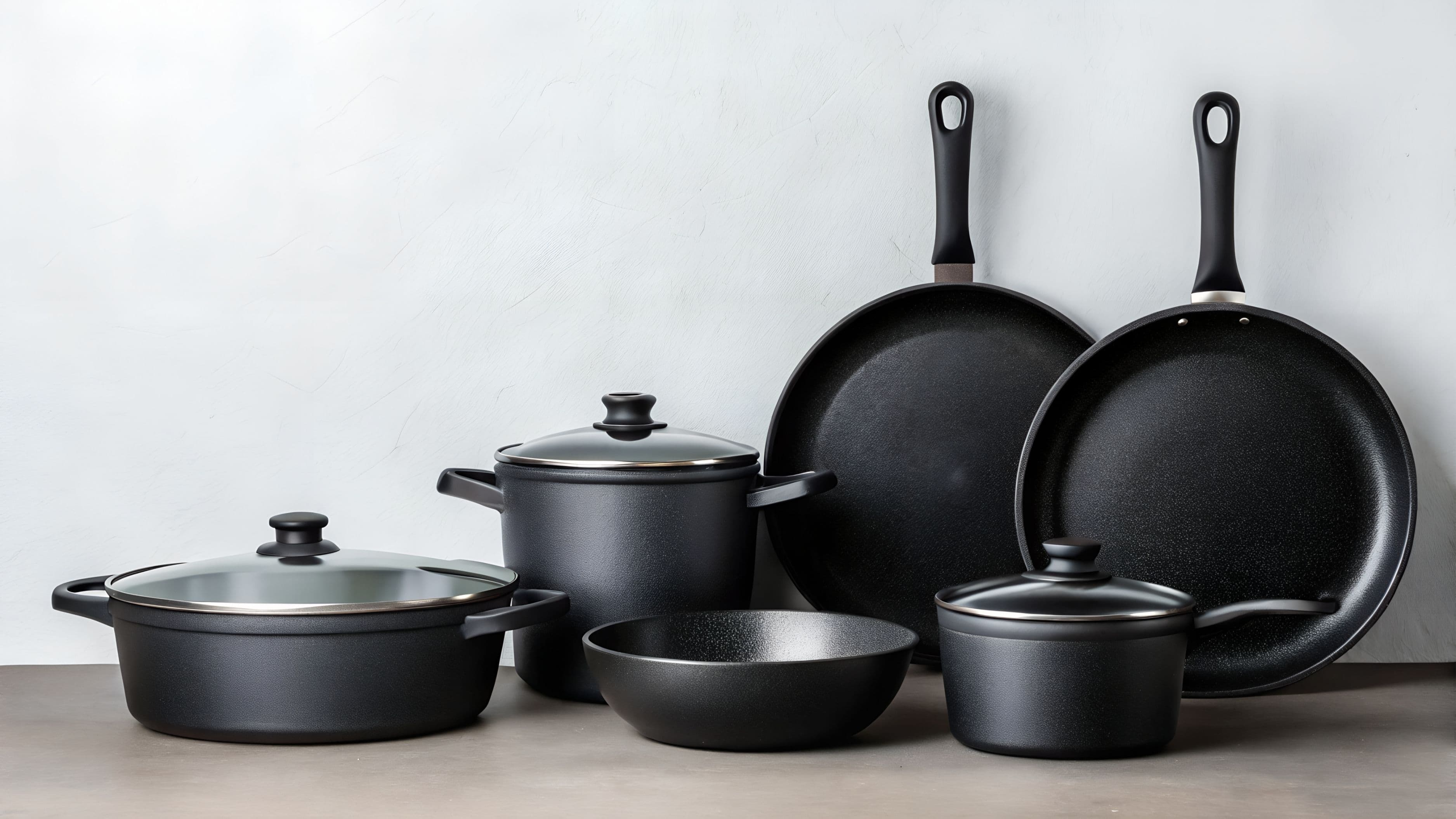
Cast Iron: The Flavor Machine
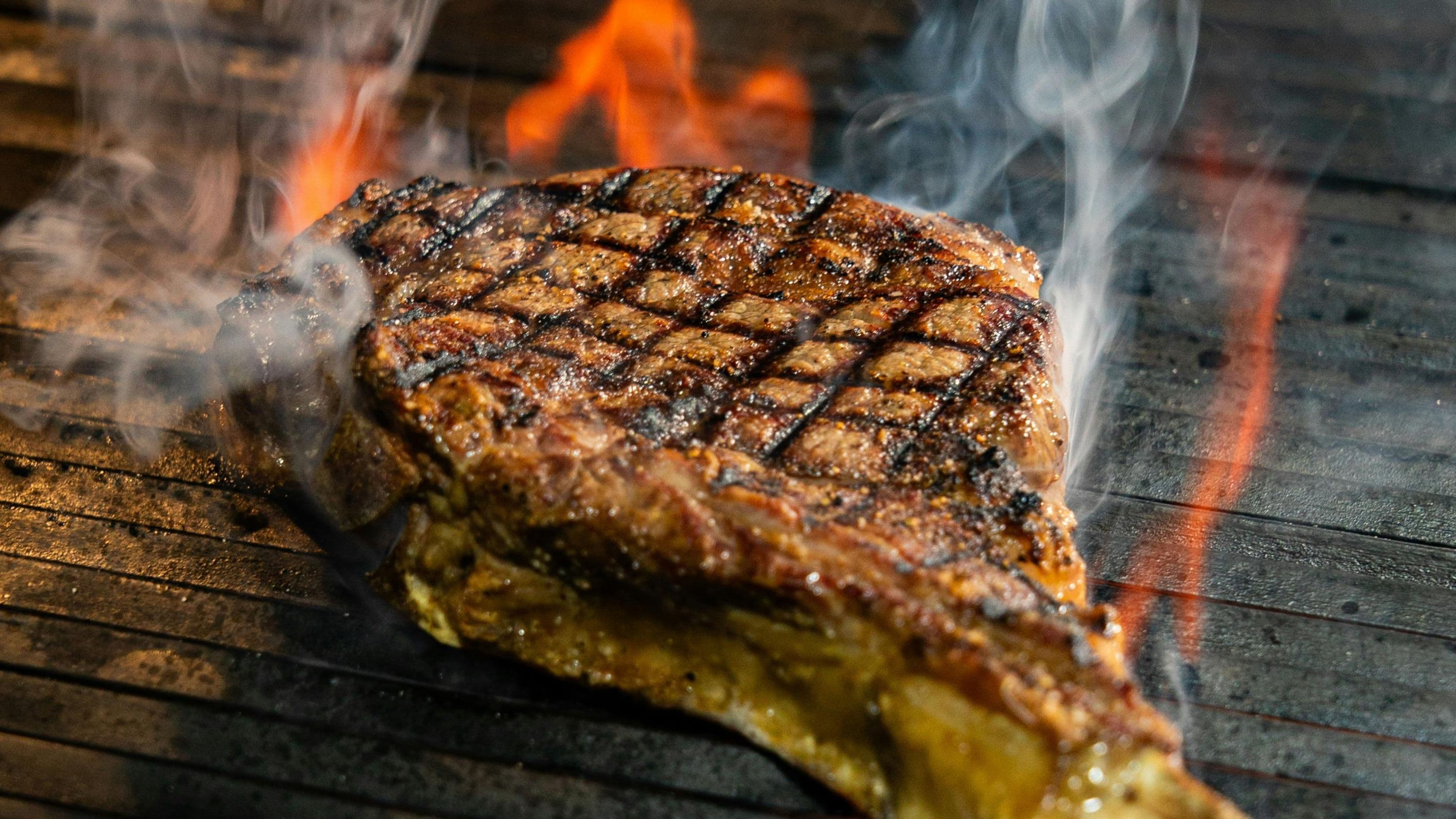
1. Unmatched heat retention creates restaurant-quality sears. Cast iron holds heat like nothing else, maintaining high temperatures even when cold food hits the surface, which means your steak gets that coveted crust instead of just turning gray.
2. Natural non-stick develops over time through seasoning. Each use builds layers of polymerized oil that create a slick surface, making eggs slide effortlessly without chemical coatings or sprays that degrade with heat.
3. Iron leaching actually boosts nutritional content. Cooking acidic foods like tomato sauce in cast iron can increase the iron content of your meal, offering a dietary benefit that stainless steel or non-stick can't match.
4. Oven-to-stovetop versatility expands cooking techniques. Start searing on the burner, finish roasting in the oven—cast iron's durability handles temperature extremes that would warp or damage other pans.
5. Even heating eliminates hot spots that burn food. The thick metal distributes heat uniformly across the entire surface, preventing those annoying burnt patches next to undercooked sections that plague thin pans.
Stainless Steel: The Serious Cook's Choice
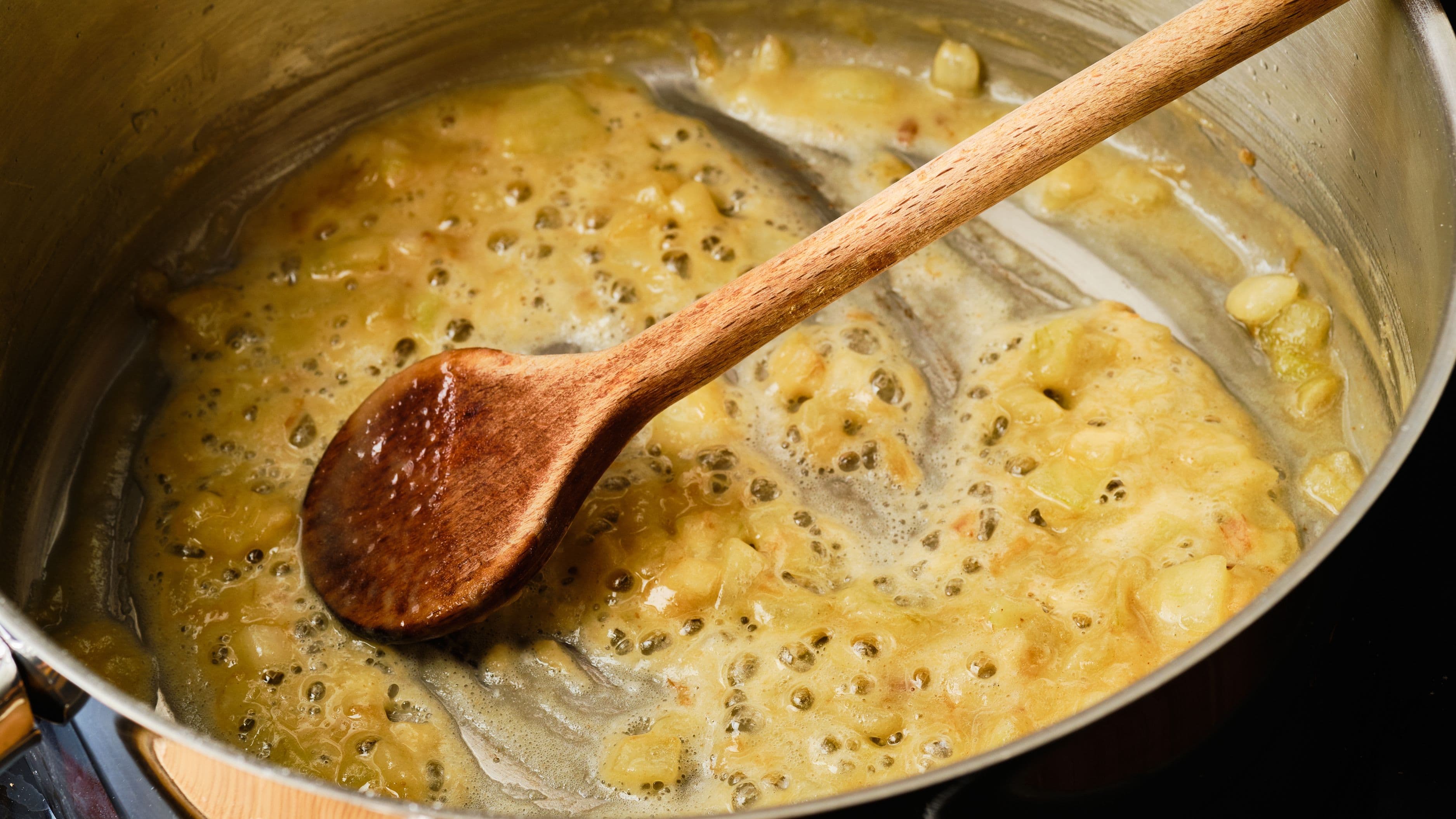
6. Fond development creates the foundation for incredible sauces. Those browned bits stuck to the bottom aren't mistakes—they're concentrated flavor waiting to be deglazed into pan sauces that taste professional.
7. High-heat tolerance enables proper browning reactions. Unlike non-stick pans that break down at high temperatures, stainless steel can handle the heat needed for Maillard reactions that create complex, savory flavors.
8. Non-reactive surface preserves delicate flavors. Acidic ingredients like wine, lemon, or tomatoes won't interact with the metal, keeping flavors pure and preventing metallic tastes in your food.
9. Visual feedback helps you cook better. The shiny surface lets you see color changes in butter, oil, and fond, teaching you to recognize the visual cues that indicate perfect cooking moments.
10. Durability means this pan outlasts you. Properly maintained stainless steel becomes an heirloom—no coating to wear off, no seasoning to maintain, just reliable performance for decades.
Carbon Steel: The Professional Secret
11. Lighter weight than cast iron with similar heat properties. Restaurant chefs love carbon steel because it delivers cast iron's performance without the arm workout, making it easy to toss vegetables or flip proteins with a flick of the wrist.
12. Rapid heat response gives you precise control. Carbon steel heats quickly and cools quickly, responding immediately when you adjust the temperature, unlike cast iron's slow thermal changes.
13. Naturally slick surface rivals non-stick when properly seasoned. With good maintenance, carbon steel develops a patina that lets you fry eggs in minimal fat while still achieving crispy edges and runny yolks.
14. Wok-style cooking becomes accessible on home stoves. The thin metal heats fast enough to create wok hei—that smoky, charred flavor essential to authentic stir-fries—even on standard American burners.
Non-Stick: Strategic Not Universal
15. Delicate proteins stay intact without sticking. Fish fillets with their fragile skin and flaky texture need non-stick surfaces to prevent the heartbreak of leaving half your dinner stuck to the pan.
16. Low-fat cooking actually works here. When you genuinely want to minimize oil for dietary reasons, non-stick lets you cook with just a spray or thin film instead of the generous fat other pans require.
17. Quick cleanup saves time on weeknight dinners. Sometimes convenience matters—when you're exhausted and just need to eat something decent, non-stick pans don't demand the scrubbing and maintenance other options require.
18. Temperature limitations mean no high-heat searing. The coating breaks down above 400-500°F, releasing potentially harmful fumes and degrading the surface, so save this pan for gentle cooking methods.
19. Lifespan is limited regardless of care. Even expensive non-stick pans eventually lose their coating, making them a temporary tool rather than a lifetime investment like cast iron or stainless steel.
Copper: When Precision Matters
20. Instantaneous temperature response enables fine control. Copper conducts heat faster than any common cooking metal, adjusting immediately when you change the flame, which matters for temperature-sensitive sauces and candies.
21. Even heating prevents scorching in delicate preparations. The superior heat distribution makes copper ideal for custards, sauces, and reductions where temperature variations cause curdling or burning.
22. Professional kitchens use copper for a reason. When you see copper pans in restaurant kitchens, it's not for aesthetics—chefs rely on the thermal properties for techniques demanding absolute precision.
23. Maintenance requirements and cost limit practicality. Copper tarnishes, needs regular polishing, often requires tin or stainless steel lining, and costs significantly more than other options, making it a specialized tool rather than an everyday workhorse.
Aluminum: The Underrated Performer
24. Lightweight construction reduces cooking fatigue. When you're making multiple batches or cooking for extended periods, aluminum's low weight means your arm doesn't give out halfway through.
25. Excellent heat conduction at budget-friendly prices. Aluminum heats evenly and quickly without the premium price tag of copper, making it accessible for home cooks building their collection.
26. Anodized versions offer durability without reactivity. The electrochemical process hardens the surface, creating a non-reactive layer that prevents metallic flavors while maintaining aluminum's thermal benefits.
27. Professional sheet pans are aluminum for good reason. Their ability to conduct heat evenly while withstanding repeated high-temperature roasting makes them essential for achieving crispy, evenly-browned vegetables and proteins.
The Science Behind the Difference
28. Thermal conductivity determines how heat spreads. Metals vary wildly in their ability to conduct heat—copper leads at 400 W/m·K, aluminum follows at 205, while stainless steel lags at just 15, explaining why identical recipes produce different results.
29. Thermal mass affects temperature stability. Heavy pans like cast iron maintain heat when cold food enters, continuing to cook effectively, while thin pans drop in temperature dramatically, causing steaming instead of searing.
30. Surface texture influences sticking and browning. Smooth surfaces like polished stainless steel require more fat to prevent sticking, while textured cast iron and properly seasoned carbon steel provide mechanical release that reduces adhesion.
31. Heat capacity determines recovery time. Pans with high heat capacity bounce back quickly after you add ingredients, maintaining the temperatures needed for proper browning rather than stalling in the danger zone where food steams.
Matching Pans to Techniques
32. Searing demands heavy, heat-retentive materials. Cast iron and thick stainless steel maintain the high temperatures necessary for crust development, while thin pans cool too much when meat touches the surface.
33. Sautéing benefits from responsive temperature control. Carbon steel and aluminum react quickly to heat adjustments, preventing overcooking when you need to pull back or encouraging browning when you increase the flame.
34. Simmering sauces requires even, gentle heat distribution. Copper and thick aluminum prevent hot spots that cause scorching, maintaining steady temperatures for gradual reduction and flavor concentration.
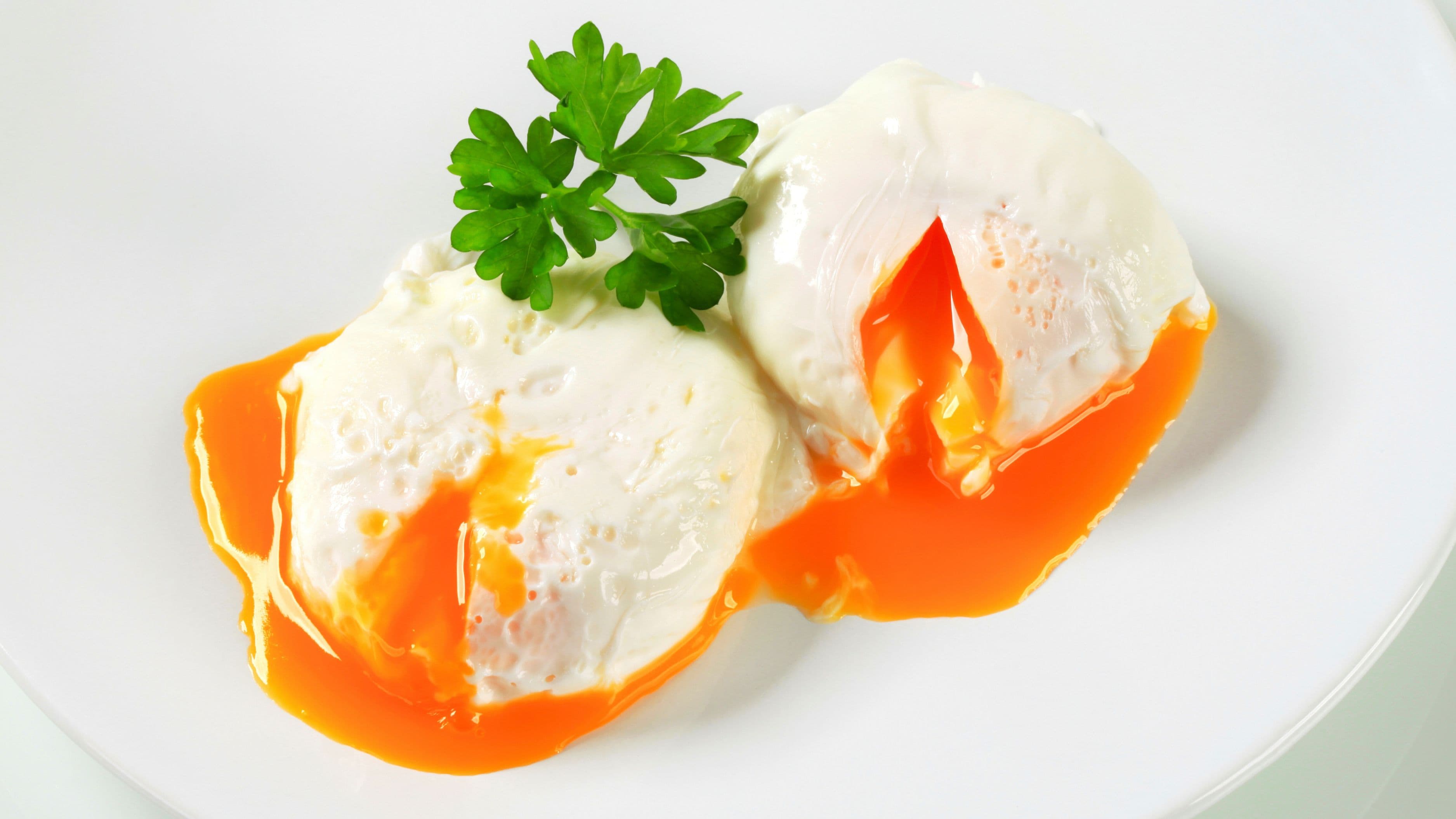
35. Eggs reveal a pan's true non-stick capability. If you can fry an egg with minimal oil and have it release cleanly, the pan works—whether through seasoning, coating, or proper technique with stainless steel.
What Actually Matters for Home Cooks
36. Three pans cover 90% of cooking needs. One cast iron or carbon steel skillet, one stainless steel sauté pan, and one non-stick for eggs gives you the versatility to handle nearly any recipe confidently.
37. Thickness matters more than brand names. A thick, heavy pan from a budget brand often outperforms a thin, expensive designer pan because thermal mass and even heating trump marketing.
38. Proper preheating transforms mediocre pans. Even budget stainless steel performs dramatically better when you heat it properly—give it five minutes on medium heat before adding oil, letting the metal fully expand and minimize sticking.
39. Matching pan size to burner size improves efficiency. A small pan on a large burner wastes energy and heats unevenly, while a large pan on a small burner creates cold spots where food doesn't cook properly.
40. Your cooking style should dictate your investment. If you're searing steaks weekly, quality cast iron or carbon steel pays dividends, but if you mostly make one-pot pastas, a good stainless steel sauté pan deserves the budget.
The right pan doesn't just make cooking easier—it makes food taste better through proper heat application, better browning, and appropriate moisture management. Pick one upgrade from this list and try it this week. Heat a cast iron skillet properly and sear a steak, or test how a stainless steel pan develops fond for a proper pan sauce. The difference will be immediate, visual, and delicious. Momentum starts small, but better tools create better results that motivate you to keep improving. Your food deserves the right pan.