This isn't a complicated ingredient once you understand the basic mechanics. A little knowledge about how cornstarch works goes a long way toward using it confidently instead of guessing.
What Cornstarch Actually Is
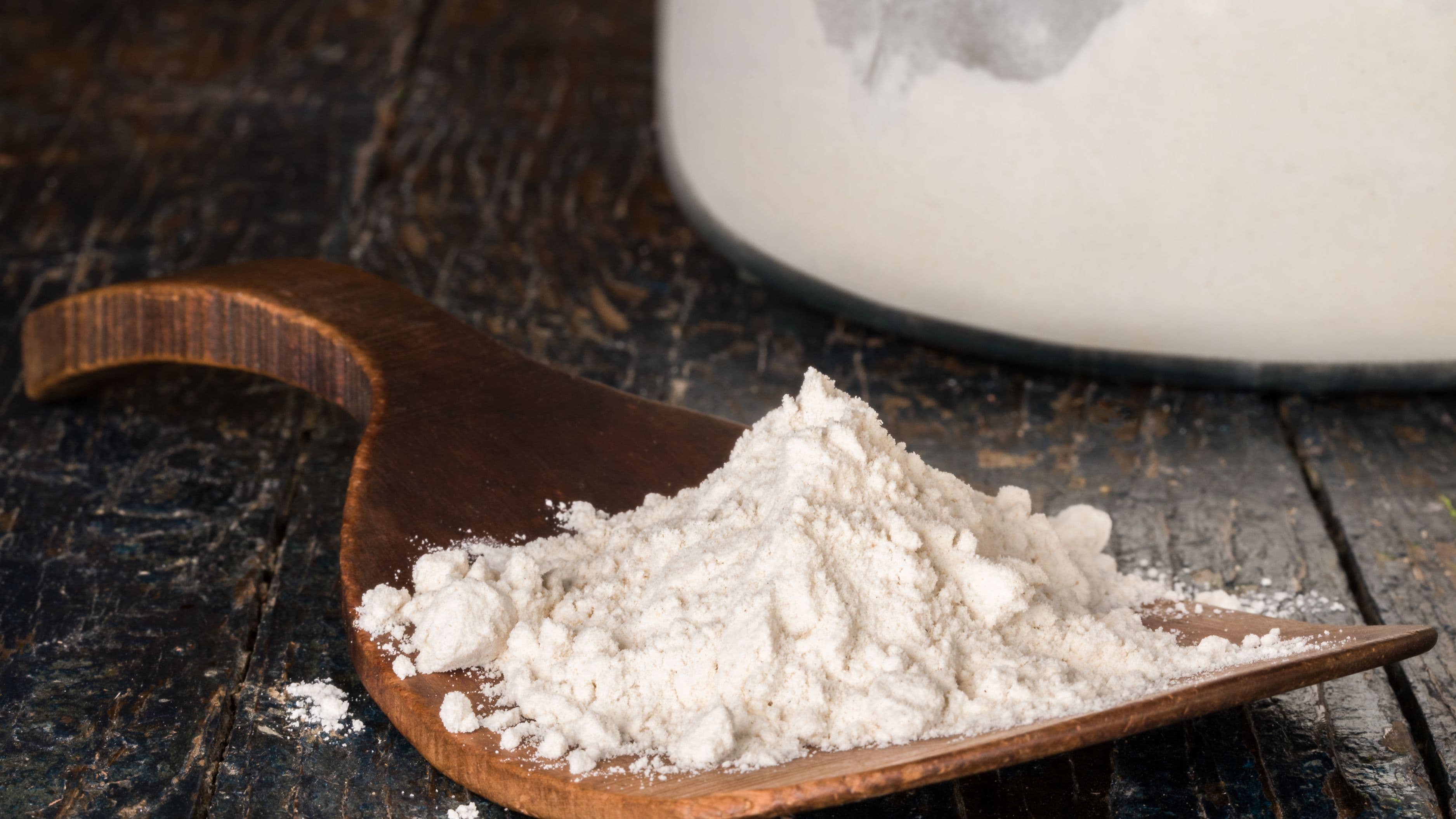
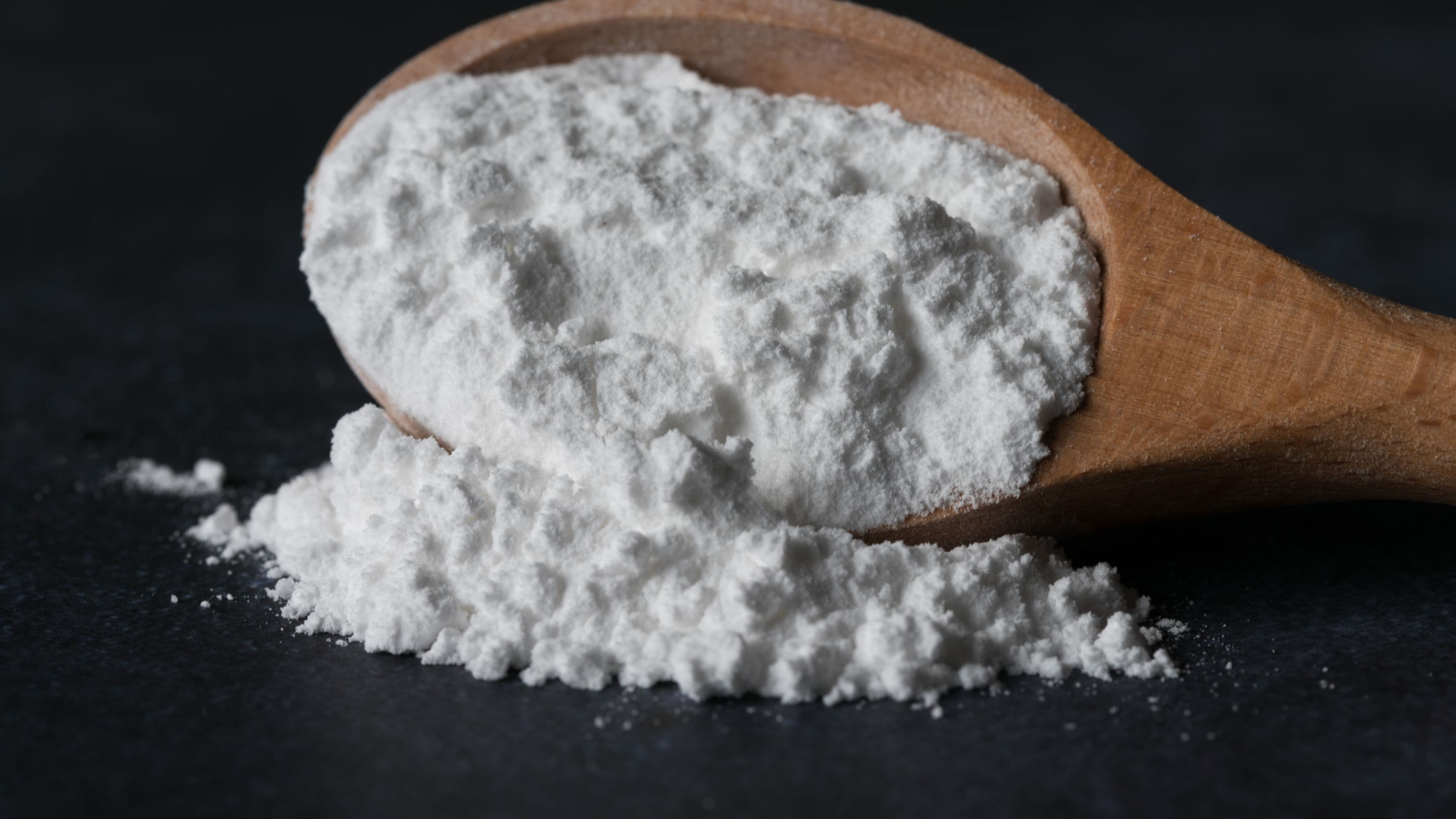
Cornstarch is a fine, powdery starch extracted from the endosperm of corn kernels. Unlike flour, which contains protein and starch together, cornstarch is nearly pure starch, which is exactly why it behaves so differently in cooking. That purity gives it a much stronger thickening power per tablespoon than flour, along with a glossy, translucent finish rather than flour's more opaque, matte result.
How Cornstarch Thickens Sauces
When cornstarch is heated in liquid, its starch granules absorb moisture and swell, eventually bursting and releasing long starch molecules that trap liquid and create thickness. This process, called gelatinization, happens relatively quickly once the mixture reaches a near-boil, which is why cornstarch-thickened sauces set up fast compared to flour-based ones that need longer, gentler cooking.
To use cornstarch as a thickener, first make a slurry by mixing it with an equal amount of cold water or another cold liquid before adding it to your hot sauce. Adding dry cornstarch directly to hot liquid causes clumping, since the outer layer of each granule gelatinizes instantly on contact with heat, sealing in the dry powder at the center before it can dissolve properly.
Once your slurry is stirred smooth, add it to your simmering sauce gradually, stirring constantly, and let it cook for about a minute after it thickens. This brief cooking time matters, since undercooked cornstarch can leave a slightly chalky or starchy taste that a minute of simmering resolves.
Why Cornstarch Works So Well in Batters for Crispiness
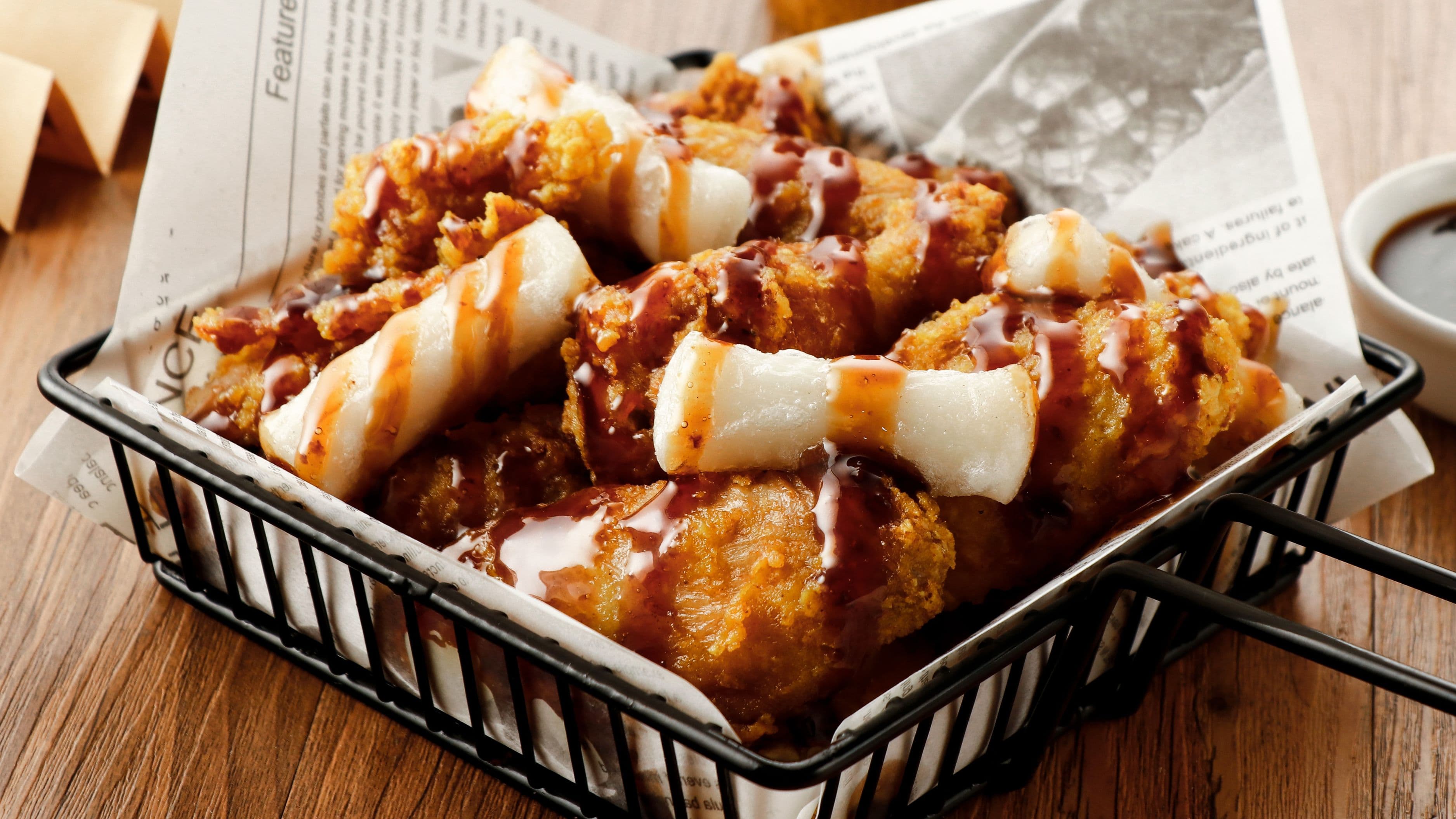
Cornstarch's role in batters, particularly for fried foods, comes down to a different mechanism than thickening. Because it lacks the gluten-forming proteins found in flour, cornstarch creates a lighter, more brittle coating when fried, rather than the denser, chewier texture flour alone tends to produce.
Many crispy fried chicken and tempura recipes use a blend of cornstarch and flour specifically to balance this effect, getting some structure from the flour while cornstarch contributes to a lighter, shatter-crisp exterior. A common ratio for extra-crispy coatings uses roughly equal parts cornstarch and flour, though some recipes lean more heavily toward cornstarch for an even lighter crunch.
What Cornstarch Does in Baking
In baked goods, cornstarch is often used in smaller quantities alongside flour to create a more tender crumb, particularly in cookies and cakes. Because cornstarch has no gluten-forming proteins, adding a small amount to your flour blend reduces the overall gluten development in the batter, resulting in a softer, more delicate texture.
This is part of why some cake recipes call for cake flour specifically, since cake flour typically contains a higher proportion of starch relative to protein compared to all-purpose flour, achieving a similar tenderizing effect. If you don't have cake flour on hand, substituting a portion of all-purpose flour with cornstarch in a specific ratio approximates this effect reasonably well for most home baking needs.
How to Choose and Store Cornstarch
Cornstarch is widely available and doesn't vary much in quality between brands, since it's a relatively simple, single-ingredient product. Store it in an airtight container in a cool, dry pantry, where it will keep for an extended period without losing effectiveness, since it doesn't spoil the way many other pantry ingredients eventually do.
Keep it away from moisture specifically, since cornstarch clumps when exposed to humidity, which can make measuring accurately more difficult even if the starch itself hasn't gone bad.
Common Substitutes for Cornstarch
If you're out of cornstarch, a few substitutes work reasonably well depending on what you're making. For thickening sauces, flour works but requires roughly double the amount and produces a less glossy, more opaque result. Arrowroot starch is a close substitute that behaves similarly to cornstarch and works especially well in acidic sauces, where cornstarch can sometimes break down and lose thickening power over time. Potato starch is another reasonable substitute for thickening, though it can break down more quickly under prolonged high heat compared to cornstarch.
For crispy coatings specifically, rice flour is a solid substitute that produces a similarly light, crisp texture when frying.
Common Mistakes to Avoid
Don't add dry cornstarch directly to hot liquid. This nearly always results in clumping, since the outer layer gelatinizes instantly and traps dry powder inside, creating lumps that are difficult to smooth out afterward.
Don't over-boil a cornstarch-thickened sauce for an extended period. Prolonged high heat can break down the starch structure, causing the sauce to thin back out after it initially thickened.
Don't use cornstarch in dishes that will be frozen and reheated if you're relying on it as the primary thickener. Cornstarch-thickened sauces can become watery or develop an unpleasant texture after freezing and thawing, since the freeze-thaw process disrupts the starch structure.
FAQ
Can I substitute cornstarch for flour in any recipe? Not directly in equal amounts. Cornstarch has roughly twice the thickening power of flour, so recipes typically call for about half as much cornstarch as flour would require for the same result.
Why did my cornstarch sauce turn watery after sitting? This usually happens from either prolonged high heat breaking down the starch structure, or from acidic ingredients gradually weakening cornstarch's thickening ability over time, particularly if the sauce is stored and reheated.
Is cornstarch gluten-free? Yes. Cornstarch is naturally gluten-free, making it a useful thickening option for gluten-free cooking and baking, though it's always worth checking that a specific brand hasn't been processed in a facility with cross-contamination risk if you have a serious gluten sensitivity.
📚 Sources
"Starches in Food Science" – U.S. Department of Agriculture – https://www.usda.gov/
"Understanding Food Thickeners" – Institute of Food Technologists – https://www.ift.org/
"Gluten-Free Flour and Starch Guide" – Celiac Disease Foundation – https://celiac.org/gluten-free-living/gluten-free-foods/