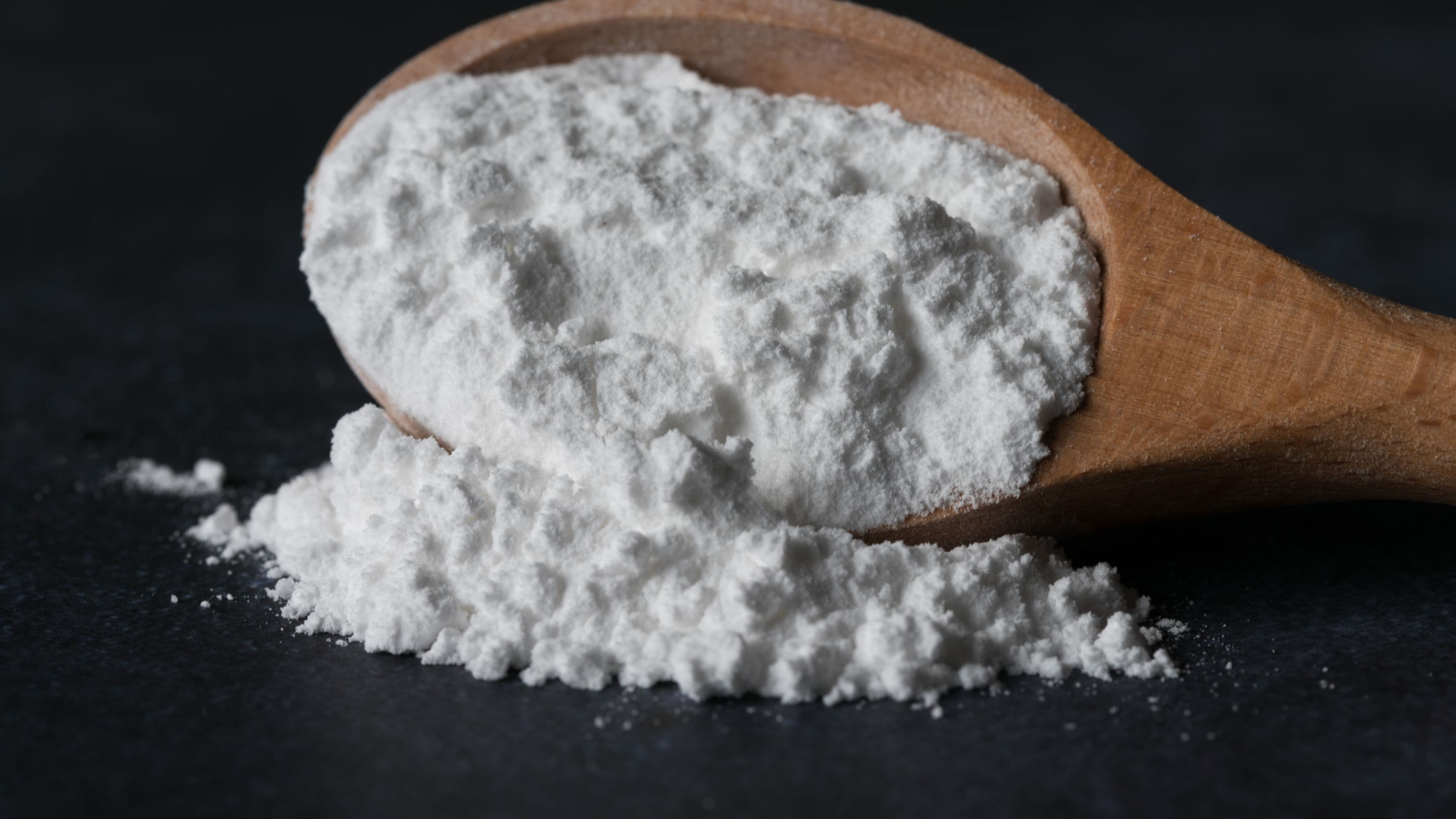
What Cream of Tartar Actually Is
Cream of tartar is the common name for potassium bitartrate, a byproduct of winemaking that forms as a natural crystalline sediment during the fermentation process. It's acidic, and that acidity is the entire reason it shows up in baking and cooking – it reacts with other ingredients in specific, predictable ways that plain flour, sugar, or leavening agents can't achieve on their own.
Job One: Stabilizing Whipped Egg Whites
This is cream of tartar's most well-known use. When whipping egg whites for meringues, soufflés, or angel food cake, adding a small amount of cream of tartar helps stabilize the protein structure, allowing the whites to hold more volume and resist collapsing before you're ready to use them. The acid works by lowering the pH of the egg whites, which strengthens the protein bonds formed during whipping.
When you actually need it: If you're making a meringue, soufflé, or angel food cake and want maximum volume and stability, cream of tartar makes a meaningful difference. If you're just whipping eggs for a quick scramble or omelet, it's entirely unnecessary.
Job Two: Preventing Sugar Crystallization
When making candy, caramel, or certain frostings that involve boiling sugar syrup, cream of tartar helps prevent the sugar from crystallizing into a grainy texture. The acid interferes with sugar molecules bonding back into crystal structures, keeping the syrup smooth.
When you actually need it: Recipes for caramel sauce, certain fudges, and specific frosting styles (like a classic seven-minute frosting) often call for it specifically to keep the final texture smooth rather than grainy.
Job Three: Acting as an Acid in Homemade Baking Powder
Baking powder is essentially a mix of baking soda (a base) and a dry acid, and cream of tartar is one of the most common acids used in homemade versions. If a recipe calls for baking powder and you only have baking soda on hand, combining baking soda with cream of tartar in the correct ratio can substitute in a pinch.
When you actually need it: Only if you're making your own baking powder substitute – if you already have store-bought baking powder, there's no reason to add extra cream of tartar on top of it.
Job Four: Brightening and Balancing Flavor
In smaller applications, cream of tartar's acidity can add a subtle tang to recipes like snickerdoodle cookies, where it's a defining part of the cookie's characteristic flavor rather than just a functional stabilizer. This is a case where the ingredient isn't just doing structural work – it's actually contributing directly to the final taste.
How to Choose and Store It
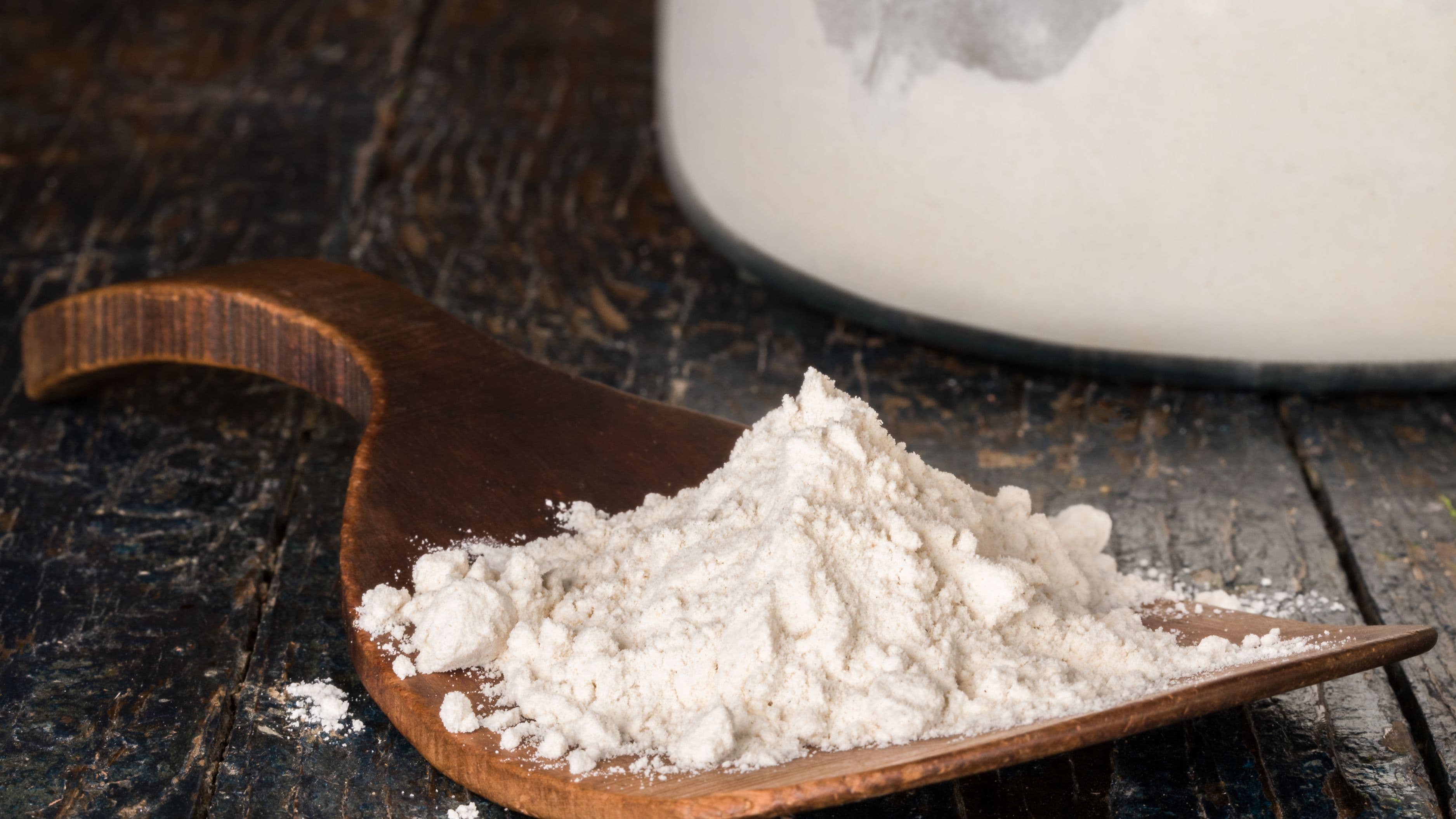
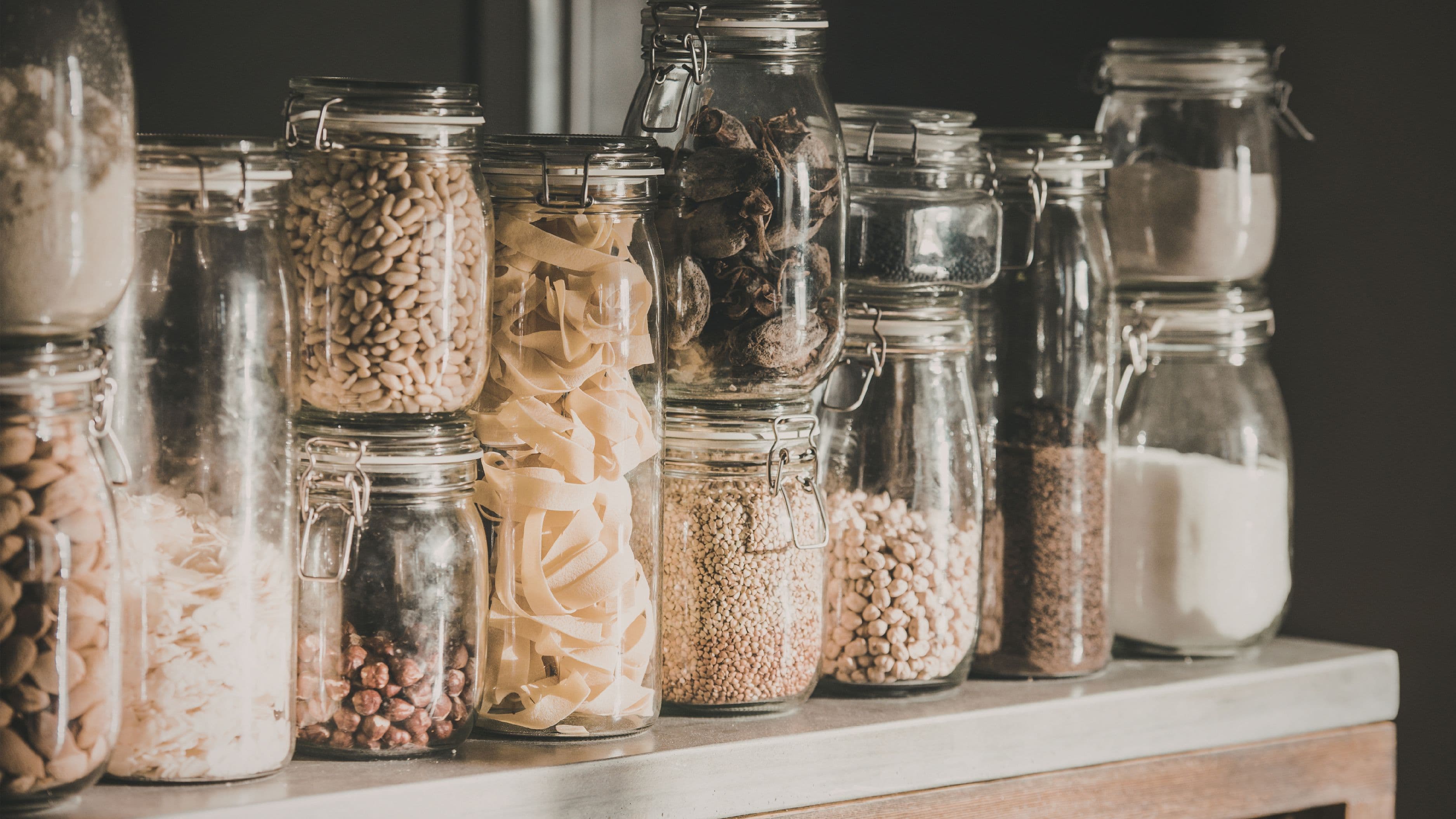
Cream of tartar is sold as a fine white powder, typically in small containers since recipes call for it in small quantities. It has an extremely long shelf life when stored in a cool, dry place – its acidic, low-moisture composition means it doesn't spoil the way many pantry staples do, so that container from years ago is likely still perfectly usable as long as it's remained dry and hasn't clumped.
Common Substitutes
If a recipe calls for cream of tartar and you don't have any on hand, the right substitute depends on which job it's doing:
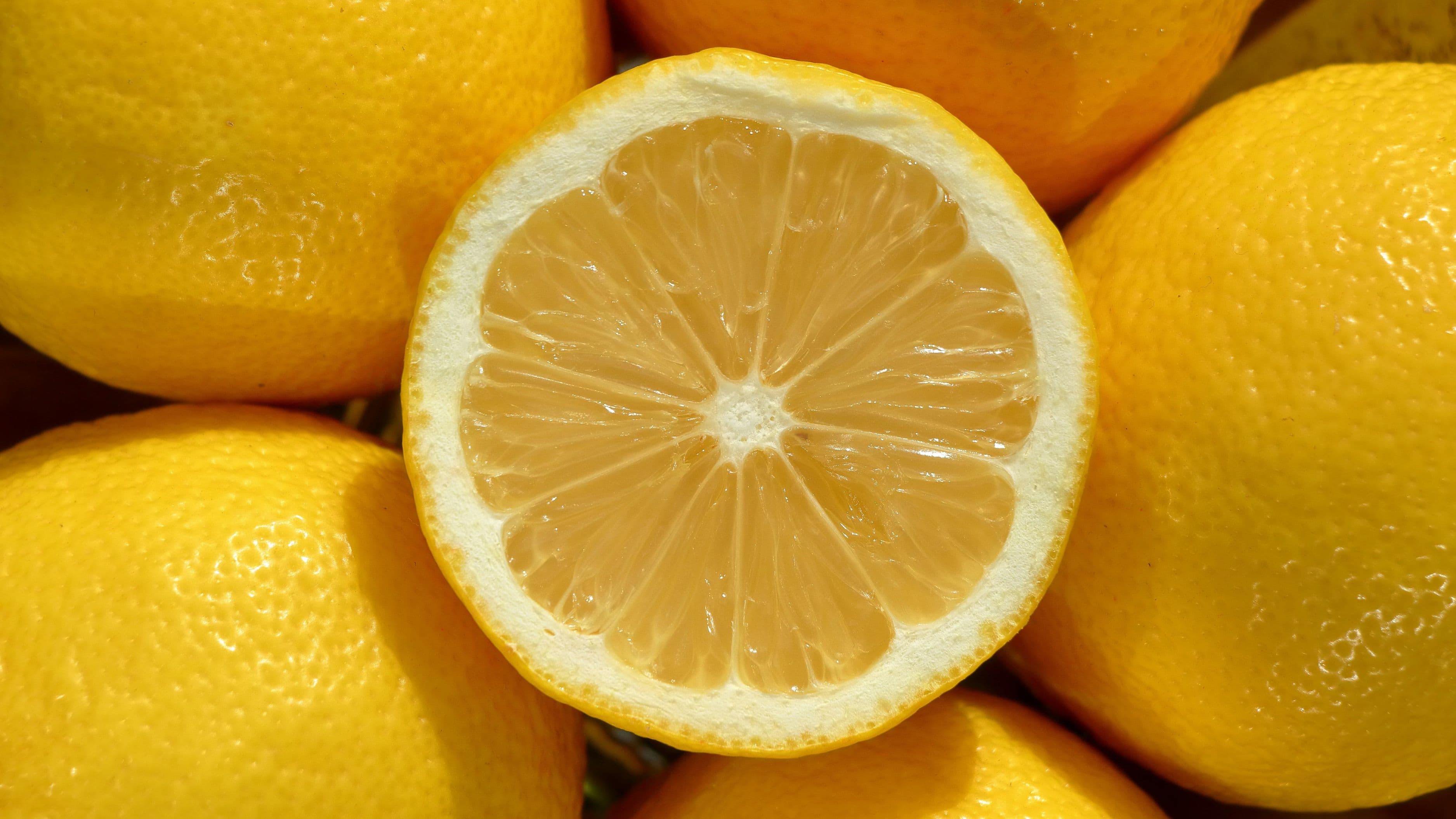
For stabilizing egg whites: a small amount of lemon juice or white vinegar can provide similar acidity, though the stabilizing effect is generally slightly less pronounced.
For homemade baking powder: if you're out of cream of tartar entirely, it's simpler to just use store-bought baking powder directly instead of trying to recreate it.
For snickerdoodies specifically: some recipes substitute a bit of lemon juice or vinegar, though this will subtly change the final flavor since cream of tartar's specific tang is part of the traditional recipe.
What to Avoid
Don't assume cream of tartar and baking powder are interchangeable in a recipe – they serve different chemical roles, and swapping one for the other without adjusting the rest of the recipe can throw off both texture and rise. Avoid adding more cream of tartar than a recipe calls for in hopes of a bigger effect – too much can introduce an unwanted sour taste, particularly in delicate recipes like meringues. And don't store it in a humid spot near your stove, since moisture is the main thing that can cause it to clump and lose effectiveness over time.
FAQ
Can I skip cream of tartar if a recipe calls for it? For egg-white stabilizing purposes, you can often skip it with a slightly less stable result, but for recipes like snickerdoodles where it contributes to the actual flavor, skipping it will noticeably change the final taste.
Does cream of tartar expire? It has an extremely long shelf life due to its dry, acidic composition, though it's worth checking for clumping or moisture exposure before using an old container.
Is cream of tartar the same thing as tartaric acid? They're related – cream of tartar is potassium bitartrate, a specific salt derived from tartaric acid, but they aren't used interchangeably in most home cooking contexts.