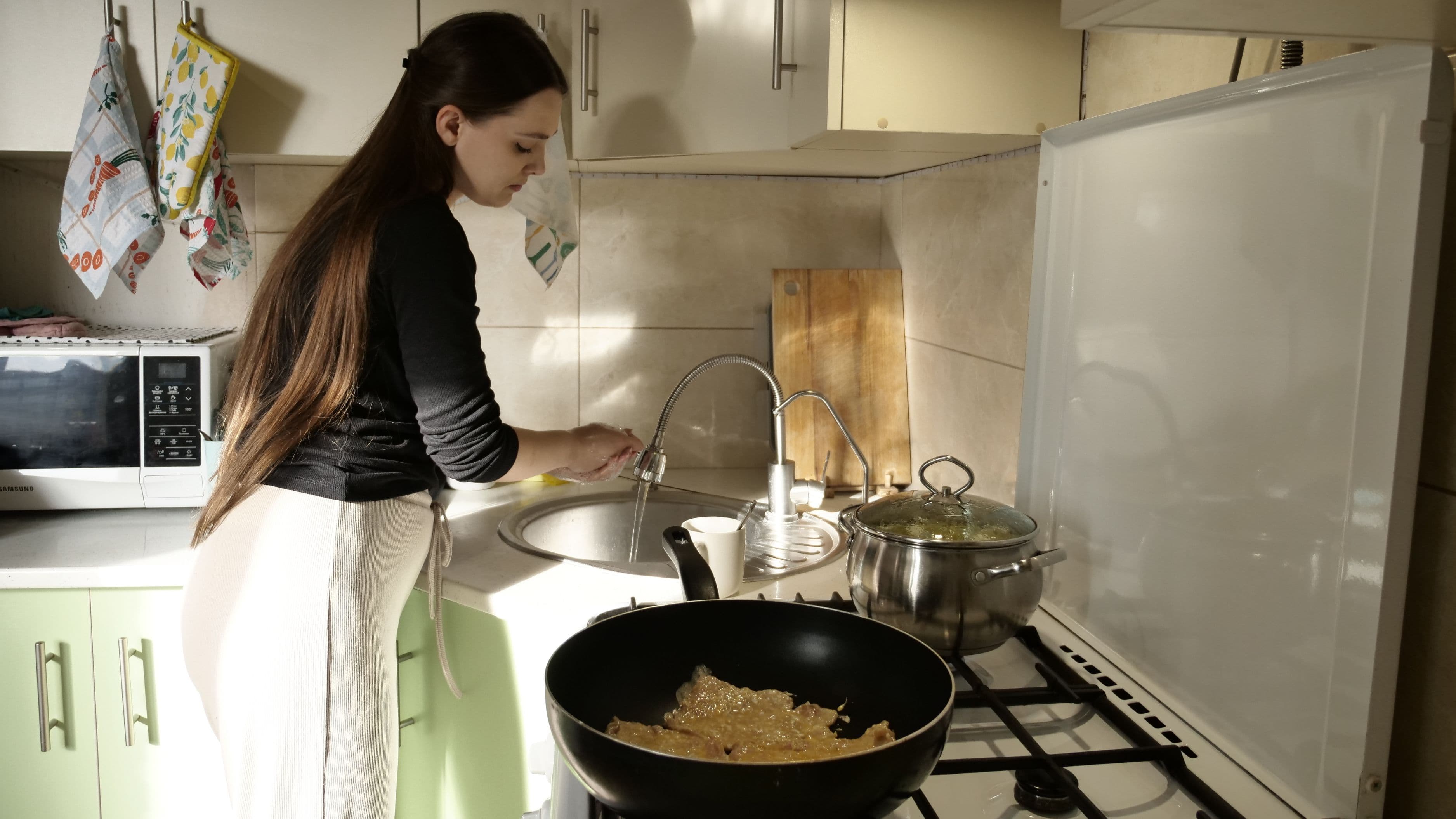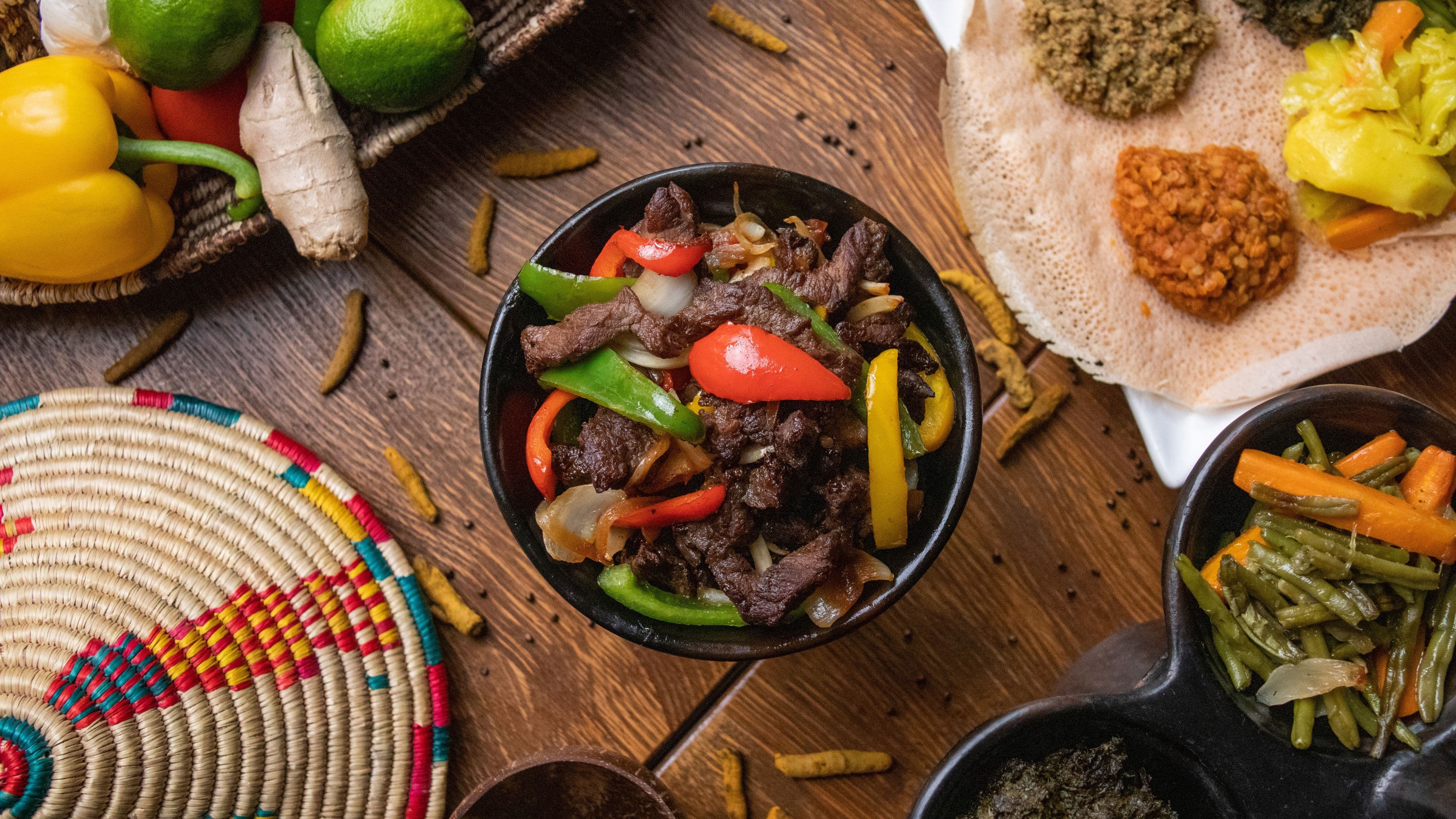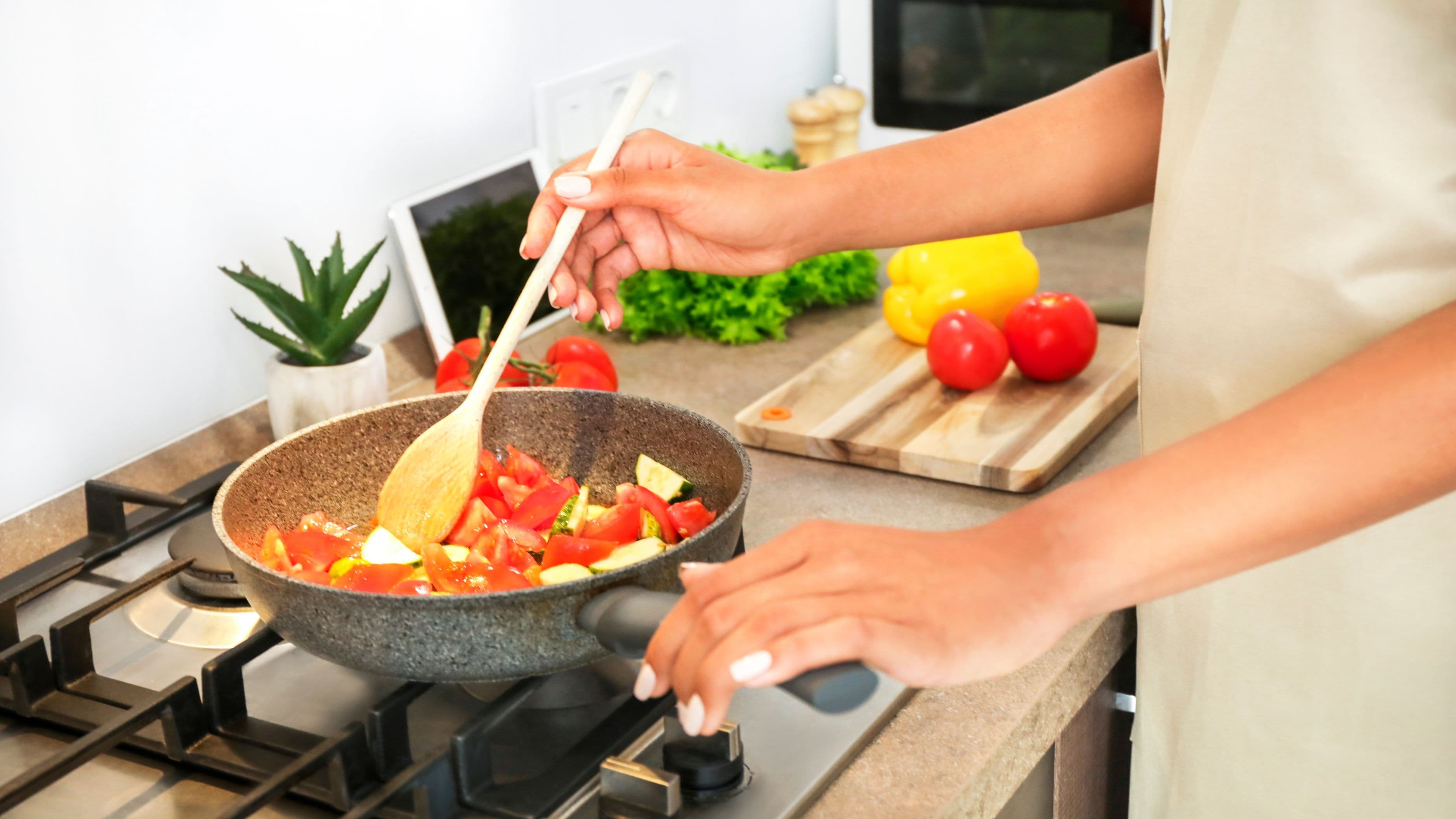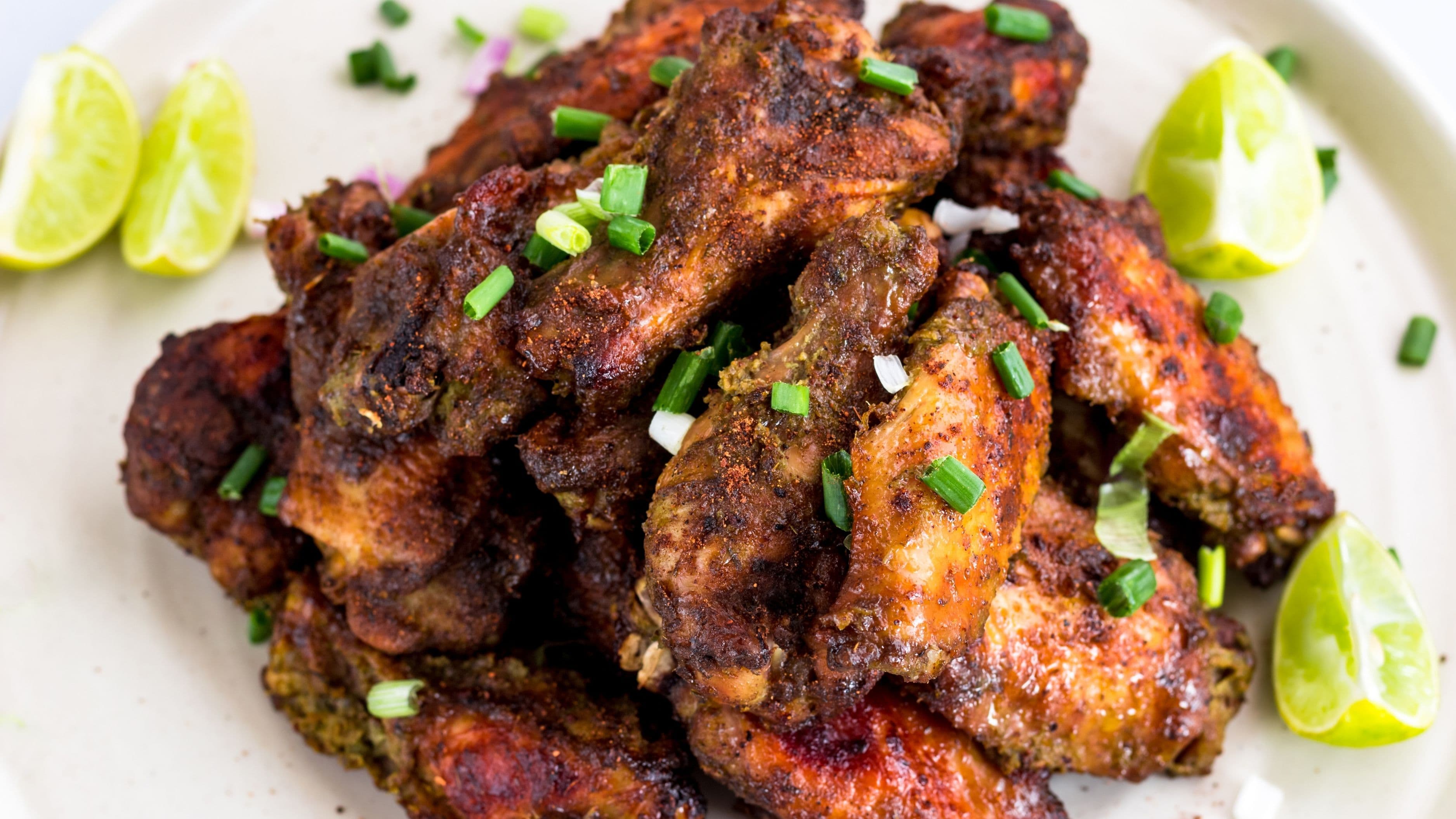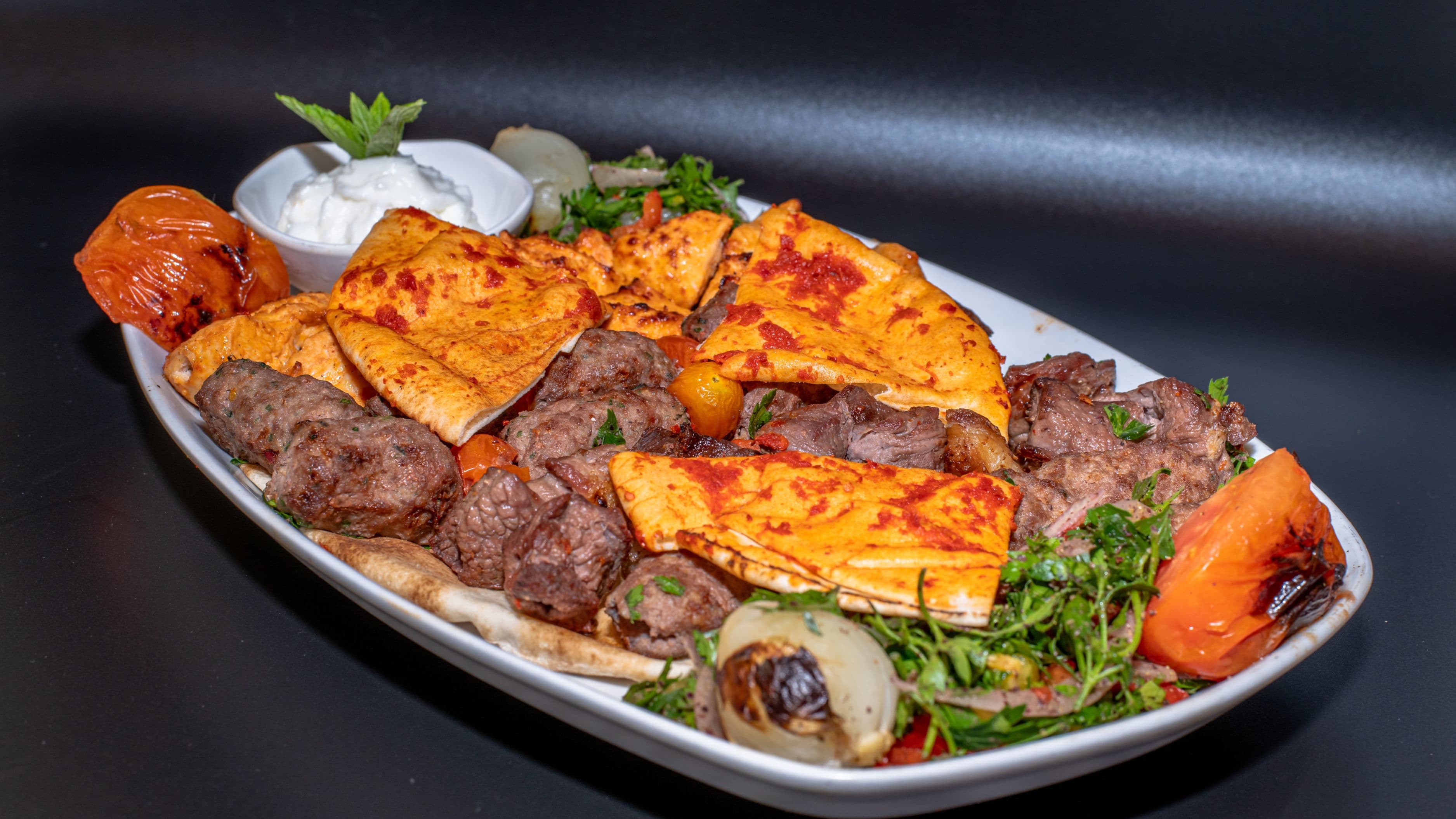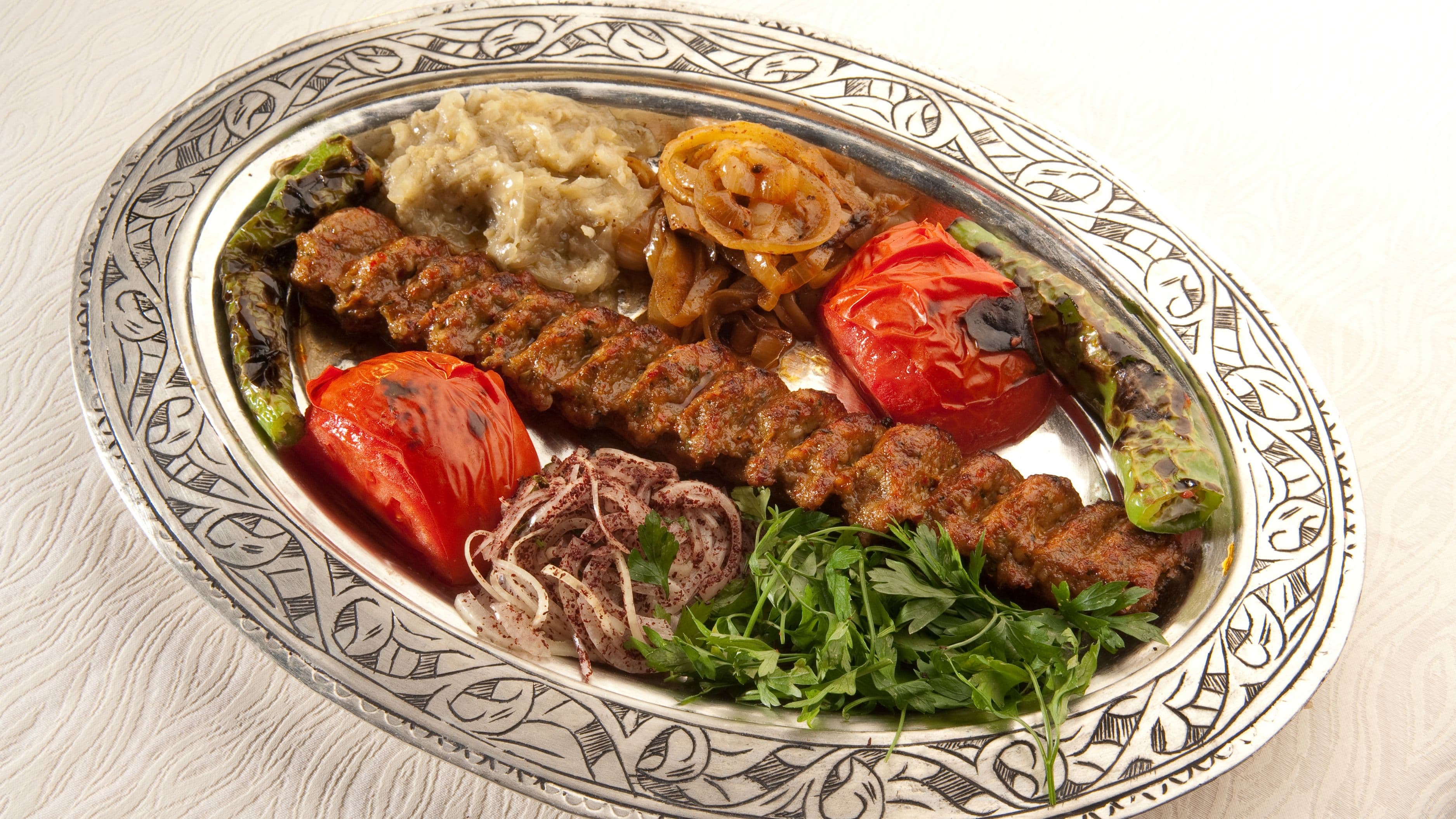

This is genuinely approachable cooking. No fancy equipment, no obscure ingredients, and very little that requires precise timing or advanced technique. If you can brown onions and simmer a pot of beans, you can cook Cuban food at home.
What Makes Cuban Food Taste the Way It Does
Before getting into specific dishes, it helps to understand the flavor foundation that runs through most Cuban cooking. Nearly everything starts with sofrito – a base of onion, garlic, green bell pepper, and sometimes tomato, cooked slowly in olive oil until soft and fragrant. Sofrito isn't a complicated technique, but it's the backbone of Cuban flavor. Getting it right means cooking it long enough that the onions are fully softened and starting to turn golden, not just softened and translucent. That extra five minutes makes a real difference.
From there, the seasonings that appear most often are cumin, oregano (dried works perfectly here), bay leaves, and sometimes a small amount of smoked paprika for depth. Cuban food doesn't rely on chili heat the way some other Latin cuisines do – the warmth and complexity come from spice blends and slow cooking rather than chilies. A splash of dry white wine, citrus juice (particularly sour orange, though regular lime and orange work as a substitute), and white wine vinegar show up frequently to brighten and balance the savory base.
That's largely the formula: sofrito + spice + long cooking + acid at the end. Master that sequence and you can build most Cuban dishes from what's already in your kitchen.
The Pantry Staples That Do the Heavy Lifting
You don't need to stock up on anything unusual to cook Cuban food well. The following basics cover most of what you'll need for the dishes below.
In the dry goods category: dried black beans (or canned if you're short on time), long-grain white rice, dried oregano, ground cumin, smoked paprika, and bay leaves. In the refrigerator or on the counter: yellow onions, green bell pepper, garlic, and limes. In bottles: olive oil, dry white wine or white wine vinegar, and canned crushed or diced tomatoes. For protein: any of the following work beautifully in Cuban recipes – bone-in chicken thighs, pork shoulder, pork tenderloin, ground beef, or eggs.
If you have all of those things, you can cook a proper Cuban dinner tonight.
Cuban Black Beans (Frijoles Negros)
This is the dish that ties everything together in Cuban cooking. Proper Cuban black beans are thick, deeply savory, and so satisfying they can be a meal on their own over rice. The key is building the sofrito correctly and giving the beans time to absorb the flavors.
If you're using dried beans, soak them overnight in plenty of cold water, then drain and rinse before cooking. Cover with fresh water by about two inches, bring to a boil, then reduce to a low simmer. Expect about 1.5 to 2 hours of cooking time until they're tender but not falling apart. If you're using canned black beans, drain and rinse them and reduce the simmering time significantly – you're essentially just heating them through and building flavor.
In a separate pan, make your sofrito: cook diced onion and green bell pepper in olive oil over medium heat for about 10 minutes until soft, then add minced garlic, a teaspoon of cumin, half a teaspoon of dried oregano, and a bay leaf. Cook another 2 minutes. Add a splash of dry white wine or white wine vinegar (about 2 tablespoons), let it bubble for 30 seconds, then add the cooked beans plus enough of their cooking liquid (or water if using canned) to make the mixture saucy but not watery. Simmer everything together for 20 to 30 minutes. Taste for seasoning and finish with a squeeze of lime juice and a drizzle of olive oil. The acid at the end wakes the whole thing up.
Cuban-Style Rice (Arroz Blanco)
Cuban white rice isn't plain steamed rice – it has a subtle richness that comes from toasting the grains briefly in oil with garlic before adding the water. The difference in flavor compared to plain rice is noticeable without being dramatic.
Heat a tablespoon of olive oil in a medium saucepan over medium heat. Add one clove of minced garlic and cook for 30 seconds until fragrant. Add 1 cup of long-grain white rice and stir to coat every grain in the oil, cooking for about 2 minutes until the rice smells slightly nutty and some grains start to look opaque. Add 1.75 cups of water and a generous pinch of salt, bring to a boil, then cover and reduce to the lowest heat. Cook for 18 minutes without lifting the lid, then remove from heat and let it steam for 5 more minutes before fluffing with a fork. The result is fluffy, slightly golden rice with a mild garlic note that pairs with everything.
Ropa Vieja (Shredded Beef in Tomato Sauce)
Ropa vieja is the national dish of Cuba and one of the most satisfying things you can make from a cheap cut of beef and some pantry staples. The name translates to "old clothes," a reference to the way the shredded meat looks like rags, and while that sounds unflattering, the dish is anything but. Flank steak or beef chuck slow-cooked until it can be pulled apart into long shreds, then simmered in a rich tomato and pepper sauce – it's deeply comforting and actually improves as leftovers.
Start by searing the beef in a heavy pot with a little oil until browned on both sides. Remove the meat and make the sofrito in the same pot: onion, green bell pepper, garlic, cumin, dried oregano, a bay leaf, and smoked paprika. Add a can of crushed tomatoes, a splash of dry white wine, and about a cup of beef broth (or water in a pinch). Return the beef to the pot, cover, and simmer on very low heat for 2 to 2.5 hours, or until the meat shreds easily when you press it with a fork. Shred the beef directly in the pot and stir everything together. Taste for salt and finish with a splash of wine vinegar or lime juice. Serve over rice with black beans on the side.
Pollo a la Cubana (Cuban-Style Chicken)
This is a weeknight-friendly version of Cuban chicken that uses bone-in thighs for maximum flavor with minimal effort. The marinade is built on the sour orange concept – a mix of lime juice, orange juice, garlic, cumin, and oregano that's become one of the signature flavor profiles of Cuban cooking.
Combine the juice of 2 limes and half an orange with 4 cloves of minced garlic, a teaspoon of cumin, half a teaspoon of dried oregano, salt, and a good pour of olive oil. Score the chicken thighs with a knife so the marinade penetrates, then coat them thoroughly and leave to marinate for at least 30 minutes (overnight in the fridge is better). Brown the thighs skin-side down in an oven-safe skillet until deeply golden, flip, then add a sofrito of onion and bell pepper to the pan alongside the chicken. Finish in a 375°F oven for 25 to 30 minutes until cooked through. The pan drippings mix with the sofrito to create a natural sauce you can spoon over the chicken and rice.
Picadillo (Cuban Ground Beef)
Picadillo is Cuban comfort food at its most accessible – ground beef cooked with sofrito, tomatoes, cumin, oregano, and then given an unexpected savory-sweet twist from green olives and raisins. That combination sounds unusual if you've never tried it, but it works remarkably well: the briny olives and sweet raisins balance the savory meat in a way that makes the dish taste complex with very little effort.
Brown ground beef in a skillet, drain any excess fat, and set aside. In the same pan, cook your sofrito – onion, green bell pepper, garlic – until soft, then return the beef to the pan. Add half a can of diced tomatoes, a teaspoon of cumin, half a teaspoon of oregano, a bay leaf, and a handful each of sliced green olives and raisins. Simmer for 15 to 20 minutes until the sauce thickens. Taste, adjust salt and seasoning, and serve over white rice. It's done in 30 minutes and uses nothing that isn't already in a well-stocked pantry.
Tips for Cooking Cuban Food at Home
The sofrito is worth the time. Rushing it by turning up the heat produces something watery and harsh rather than the sweet, caramelized base that makes these dishes work. Stay at medium heat and let it go for at least 10 minutes.
Sour orange juice (naranja agria) is used heavily in authentic Cuban cooking but isn't always easy to find. The standard substitution is a mix of one part lime juice to two parts orange juice – it won't be identical, but it captures the sweet-tart balance that makes Cuban marinades distinctive.
Cuban food is better the next day. The black beans, ropa vieja, and picadillo all deepen significantly in flavor overnight. Making a big batch on the weekend and eating it through the week is both practical and genuinely rewarding.
Don't skip the rice technique. The brief toasting step in oil with garlic is quick and makes the rice more flavorful – it's worth the extra two minutes every time.
FAQ
Can I use canned beans instead of dried for Cuban black beans? Absolutely, and for weeknights it's the practical choice. Canned beans cut the total time down to about 30 minutes. Use two 15-ounce cans, drain and rinse them, and reduce the simmering time after adding the sofrito to about 15 to 20 minutes. The flavor won't be quite as deep as beans cooked from dried, but it's still very good.
What's the best cut of beef for ropa vieja? Flank steak is traditional and shreds into the long, fibrous strands the dish is named for. Beef chuck is a great substitute that's often more affordable and shreds similarly after long, slow cooking. Both work well – choose based on what's available and on sale.
Is Cuban food the same as Spanish food? They're related but distinct. Cuban cuisine draws from Spanish cooking traditions brought by colonizers, but it was shaped by African influences (brought by enslaved people), Indigenous Caribbean ingredients, and later Chinese immigration. The result is something uniquely Cuban – shared DNA with Spanish food but a completely different character. The sofrito base is common to both, but Cuban seasoning tends to be more cumin-forward, and the use of black beans, sour orange, and certain techniques is specific to Cuban cooking.
How do I make Cuban food without wine? Wine adds depth and a mild acidity, but it's not essential. Substitute with an equal amount of chicken or vegetable broth plus a small splash of white wine vinegar to replicate the acidity. The dish will taste slightly different but still very good.
How long do Cuban black beans keep in the fridge? Cooked black beans keep well in the refrigerator for 4 to 5 days in a covered container. They also freeze well for up to 3 months, making them ideal for batch cooking. They thicken as they sit, so add a splash of water when reheating and stir well.
📚 Sources
Serious Eats – Cuban Black Beans from Scratch: https://www.seriouseats.com/black-beans-recipe
The New York Times Cooking – Ropa Vieja Recipe: https://cooking.nytimes.com/recipes/1018664-ropa-vieja
Food52 – Cuban Picadillo with Olives and Raisins: https://food52.com/recipes/18575-cuban-picadillo
Leite's Culinaria – Cuban Sofrito and Its Role in Latin Cooking: https://leitesculinaria.com/tag/cuban
Saveur – Guide to Cuban Cuisine and Flavor Traditions: https://www.saveur.com/category/cuisine/cuban
The Spruce Eats – Cuban-Style White Rice (Arroz Blanco): https://www.thespruceeats.com/cuban-white-rice-recipe-3029521
Epicurious – Pollo a la Cubana: Cuban-Style Chicken: https://www.epicurious.com/recipes/food/views/cuban-chicken
Bon Appétit – The Building Blocks of Latin Cooking: https://www.bonappetit.com/story/sofrito-recipe-latin-cooking
America's Test Kitchen – Cuban Garlic-Citrus Pork (Lechon Asado) Reference: https://www.americastestkitchen.com/recipes/9413-cuban-roast-pork
Smithsonian Magazine – The History and Influence of Cuban Cuisine: https://www.smithsonianmag.com/travel/history-cuban-cuisine-180967047/