It's one of the most useful techniques in cooking and one of the least practiced at home. Once you understand what it does and how straightforward it is, it changes how you finish almost everything you cook on the stovetop.
What Deglazing Actually Is
Deglazing is the act of adding liquid to a hot pan after browning or searing to lift the caramelized residue from the bottom and incorporate it into a sauce or cooking liquid. The word itself comes from the French – to remove the glaze – which refers to those browned, sticky deposits that form when proteins and sugars from meat, vegetables, or aromatics come into contact with a hot pan surface over time.
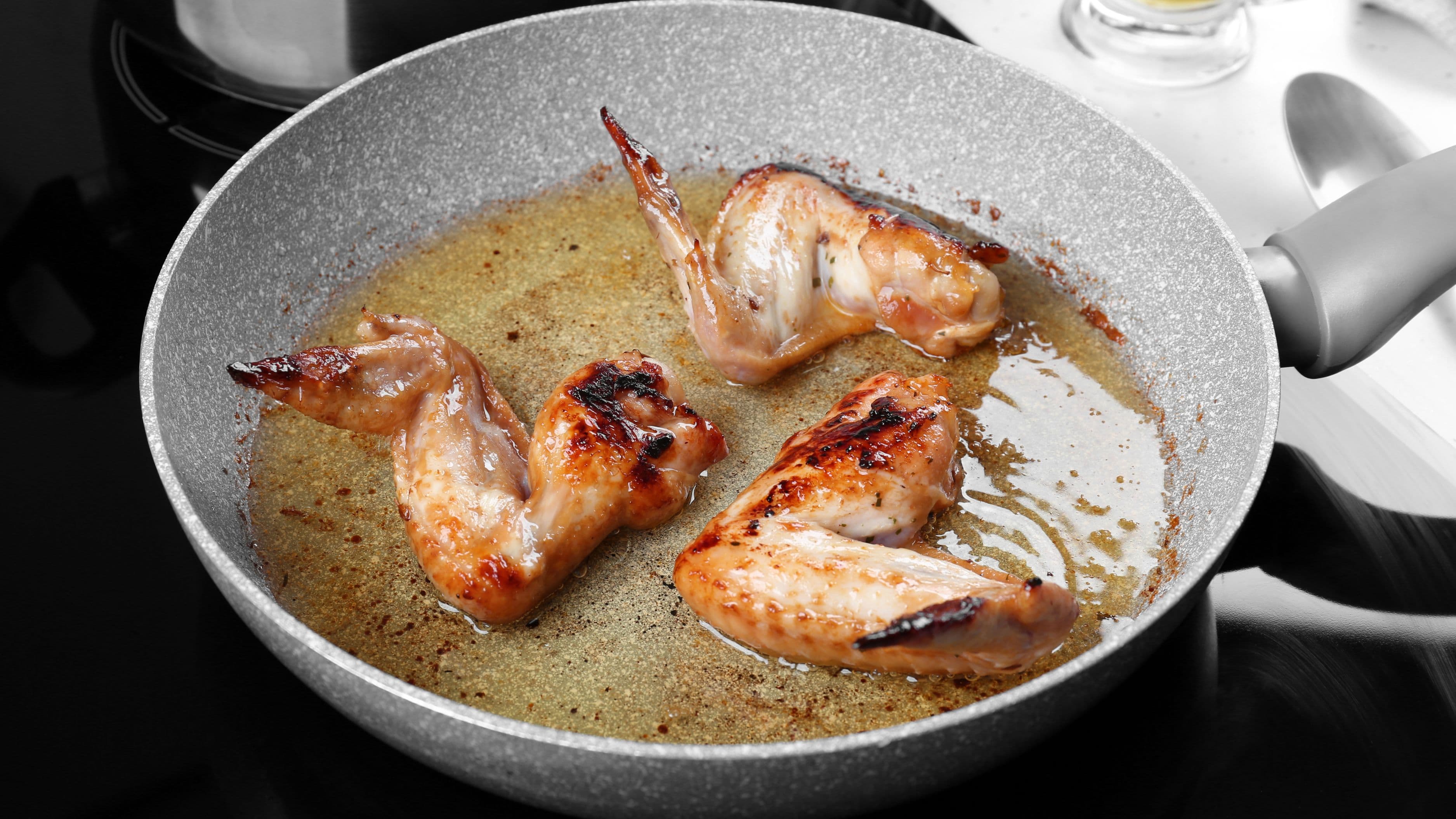
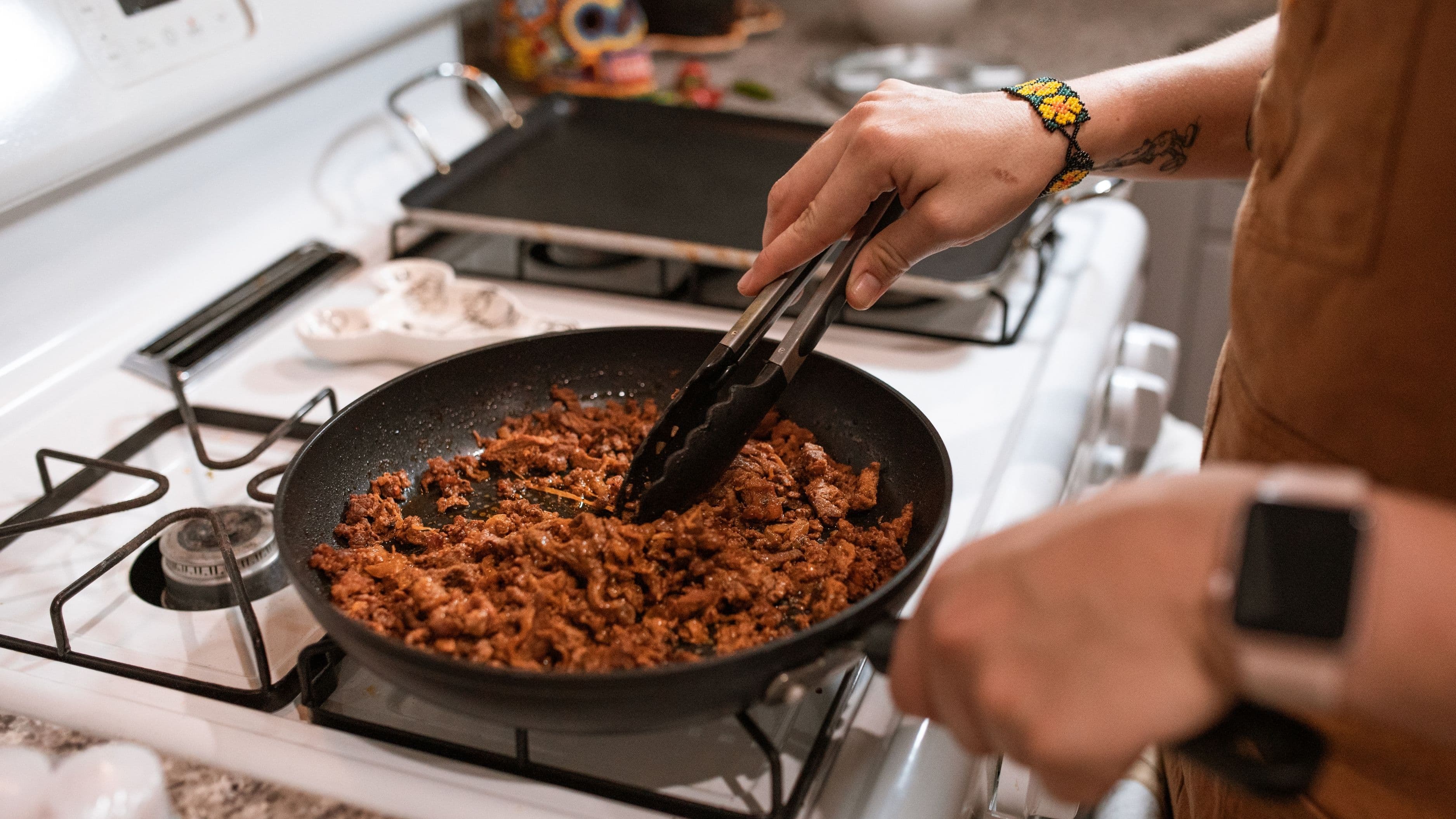
Those deposits are called fond (the French word for base or foundation, which tells you something about how seriously professional kitchens regard them). Fond is the result of the same Maillard reaction that gives seared meat its crust – the same chemical process producing hundreds of savory flavor compounds. It's intensely concentrated, and it's stuck to your pan waiting to be dissolved. When you add liquid to a hot pan, it boils violently on contact, and that rapid movement of steam and bubbling liquid physically scrubs the fond off the pan surface and suspends it in the liquid. The result is a deglazing liquid loaded with flavor that forms the foundation of a pan sauce, braise liquid, or gravy.
Why the Flavor Is Worth Pursuing
The reason deglazing matters is simple: fond is some of the most flavor-dense material in the entire cooking process. Browning concentrates flavor in a way that no amount of seasoning replicates. A pan of fond from a chicken sear contains layers of savory depth – roasted meat proteins, caramelized fats, any aromatics that were in the pan – distilled into a thin, stuck-on layer that would take considerable time to recreate from scratch.
When you skip deglazing, you're leaving that flavor behind. The pan goes to the sink with its concentrated, irreplaceable flavor intact, and you serve your meat or vegetables with whatever sauce you made separately. When you deglaze, you reclaim all of it in a few moments of simple work, and the resulting sauce has a depth and cohesion that's impossible to fake because it's built from what actually happened in that pan.
This is why restaurant pan sauces taste the way they do. The base isn't a separate stock added to a clean pan – it's the same pan the protein was cooked in, with all its accumulated flavor dissolved into wine or stock and reduced to a glossy, concentrated finish.
What Liquids to Use
Almost any flavorful liquid can be used to deglaze, and the choice shapes the character of what you're building.
Wine is the classic and most versatile deglazing liquid for both its flavor and its chemical properties. The acidity in wine helps dissolve the fond efficiently and brightens the flavor of the resulting sauce. White wine is the most neutral – it works with chicken, pork, fish, vegetables, and light sauces without dominating. Red wine brings depth, tannins, and color that suits beef, lamb, and mushroom-based preparations. Use a wine you'd drink – not necessarily expensive, but not something unpleasantly acidic or oxidized, since that character concentrates in the sauce.
Stock – chicken, beef, vegetable – is the other workhorse option, particularly when you want to avoid alcohol or build a sauce with pure savory depth rather than the brightness wine brings. Stock on its own produces a fuller-bodied result than wine but lacks the acidity that helps balance the richness of fond. Many pan sauces use both: wine to deglaze initially, then stock added to build volume and body.
Beer works especially well with pork, sausages, and braised dishes where its malt and bitter notes complement the protein. Hard cider is a natural pairing with pork and chicken, particularly with apple or sage aromatics. Vermouth – both dry and sweet – is a useful pantry staple for deglazing because it keeps indefinitely and has more complex aromatics than standard white wine.
Fruit juices – particularly orange, pomegranate, and cherry – work in both savory and slightly sweet preparations, and pair well with duck, pork, and game meats where a hint of sweetness balances the richness. Even a splash of good vinegar – balsamic, sherry, or red wine vinegar – can deglaze effectively while adding an assertive acidic kick that balances fatty or rich proteins well.
Water works in a pinch and is the right choice when you want pure fond flavor without the influence of another ingredient. It's particularly useful when deglazing a pan to make gravy where you control the flavor profile entirely through subsequent additions.
Step-by-Step: How to Deglaze Properly
The technique is genuinely quick, but a few practical details make the difference between a great result and a thin, watery liquid that doesn't taste of much.
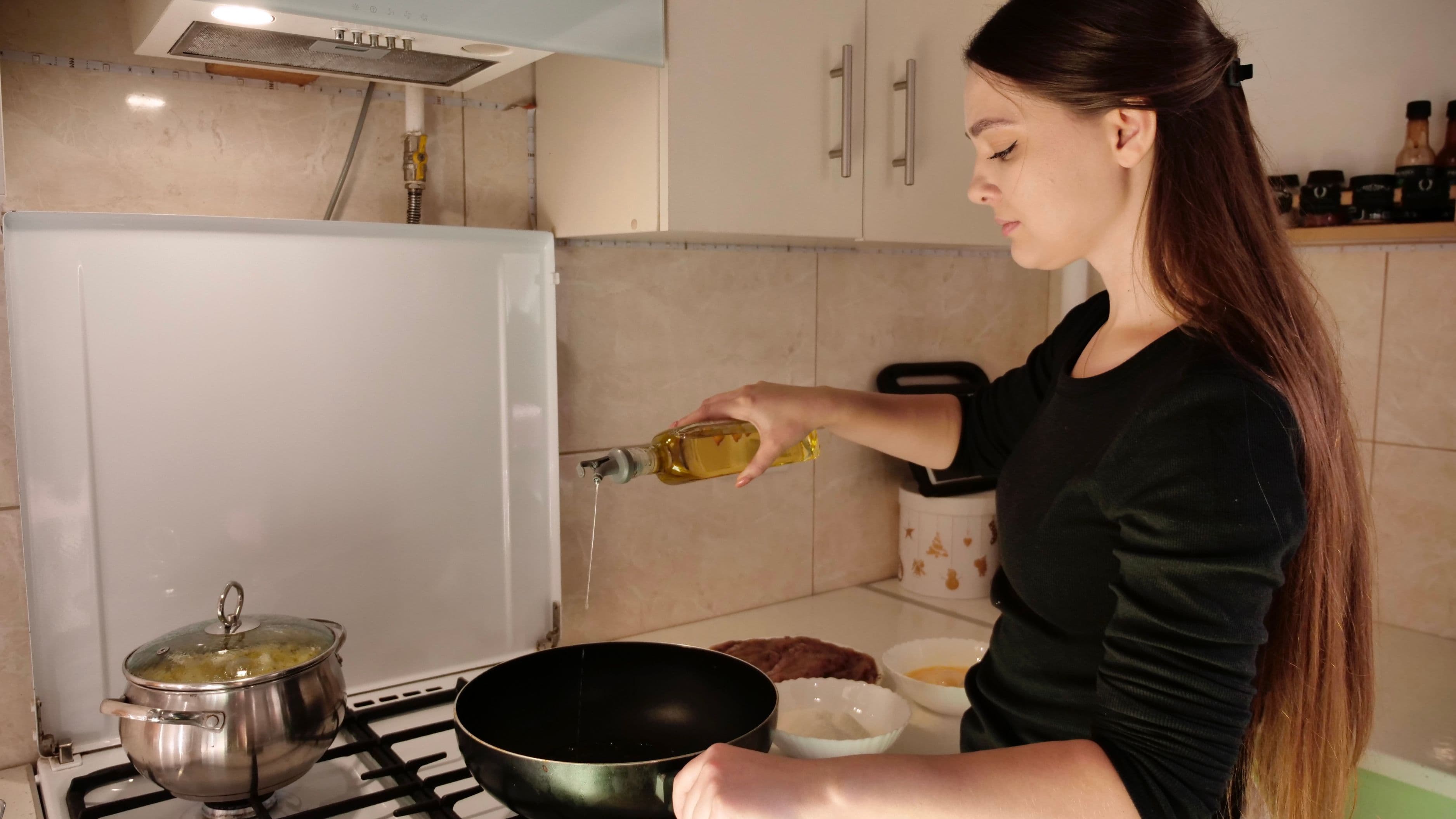
Start with a pan that has good fond. The ideal scenario is right after searing protein, browning onions or vegetables, or cooking aromatics like shallots and garlic. Remove the protein or vegetables from the pan and set them aside. If there's excessive fat pooled in the pan – more than a tablespoon or two – pour off the excess, leaving just a thin coating on the surface. Too much fat makes the sauce greasy and prevents the fond from dissolving cleanly.
Turn the heat to medium-high if it isn't already. You want the pan hot enough that the liquid boils immediately on contact – but not so hot that it evaporates before you can work with it. Add your deglazing liquid – typically 1/4 to 1/2 cup for a pan sauce serving two to four people. It will boil aggressively and produce a burst of steam, which is exactly right.
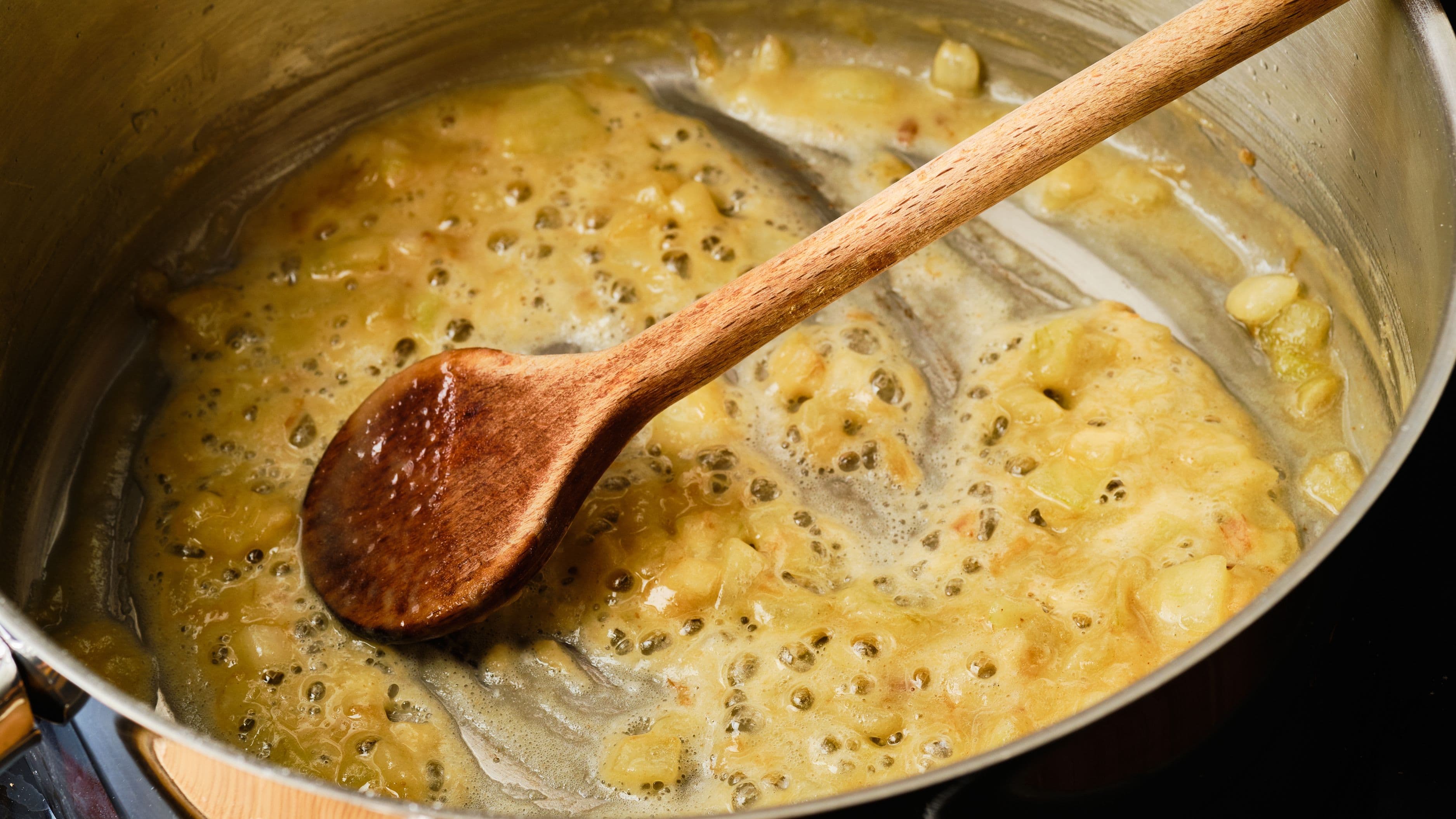
Immediately use a wooden spoon, a flat-edged wooden spatula, or a silicone scraper to scrub the bottom of the pan as the liquid boils. Work across the entire pan surface, pressing and scraping to lift all the fond and incorporate it into the liquid. This active scraping is what actually transfers the flavor – the liquid alone doesn't fully dissolve the fond without mechanical help. Within 30–60 seconds of scrubbing, the pan bottom should be completely clean and the liquid should be visibly darker and more opaque from all the dissolved fond.
From here, you can take the sauce in several directions depending on what you're making. Reduce it by simmering until it reaches a sauce consistency – it should coat a spoon and taste concentrated. Add more stock or cream to build volume. Finish with cold butter whisked in at the end (a technique called mounting with butter) for a glossy, restaurant-style sauce that holds together beautifully. Or use it as a braising liquid by adding it to the pan along with your protein for low-and-slow cooking.
Practical Applications Room by Room
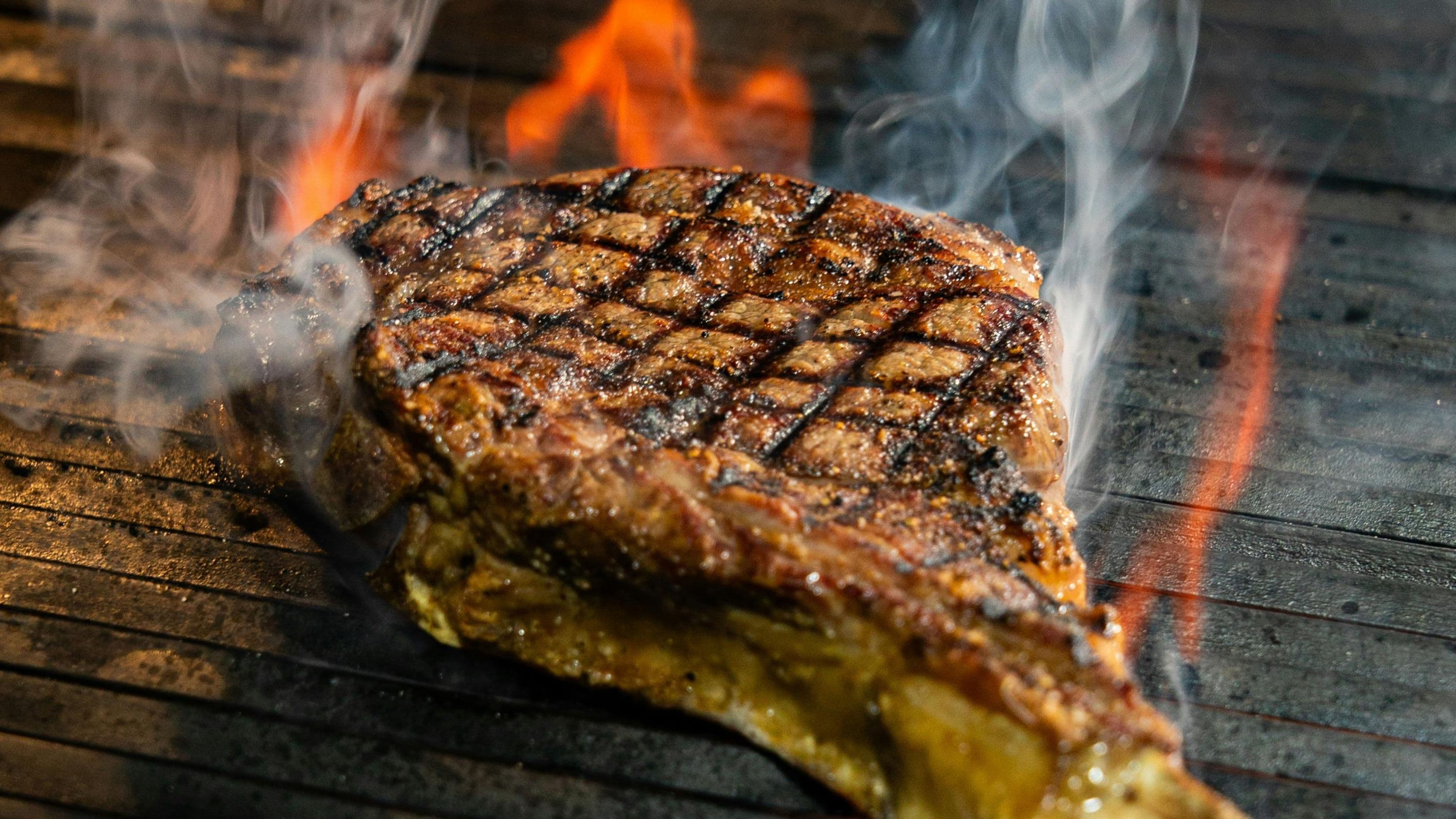
Steak and chops: After a cast iron sear, add red wine or cognac to the hot pan, scrape the fond, reduce for 2 minutes, add a knob of butter and swirl until incorporated. Spoon over the resting meat. This takes four minutes and tastes like something that required much more effort.
Chicken thighs or breasts: After browning skin-side down, deglaze with white wine or dry vermouth, scrape well, add chicken stock to bring the volume up, and use this as the braising liquid to finish the chicken covered on low heat. The resulting pan sauce is the cooking liquid reduced and enriched – nothing goes to waste.
Sautéed mushrooms: Once deeply browned with good fond on the pan, deglaze with a splash of sherry or Marsala, scrape, and let it reduce until almost syrupy. The concentrated mushroom fond plus wine reduction produces an intensely savory result that works as a topping, pasta sauce addition, or component of a larger dish.
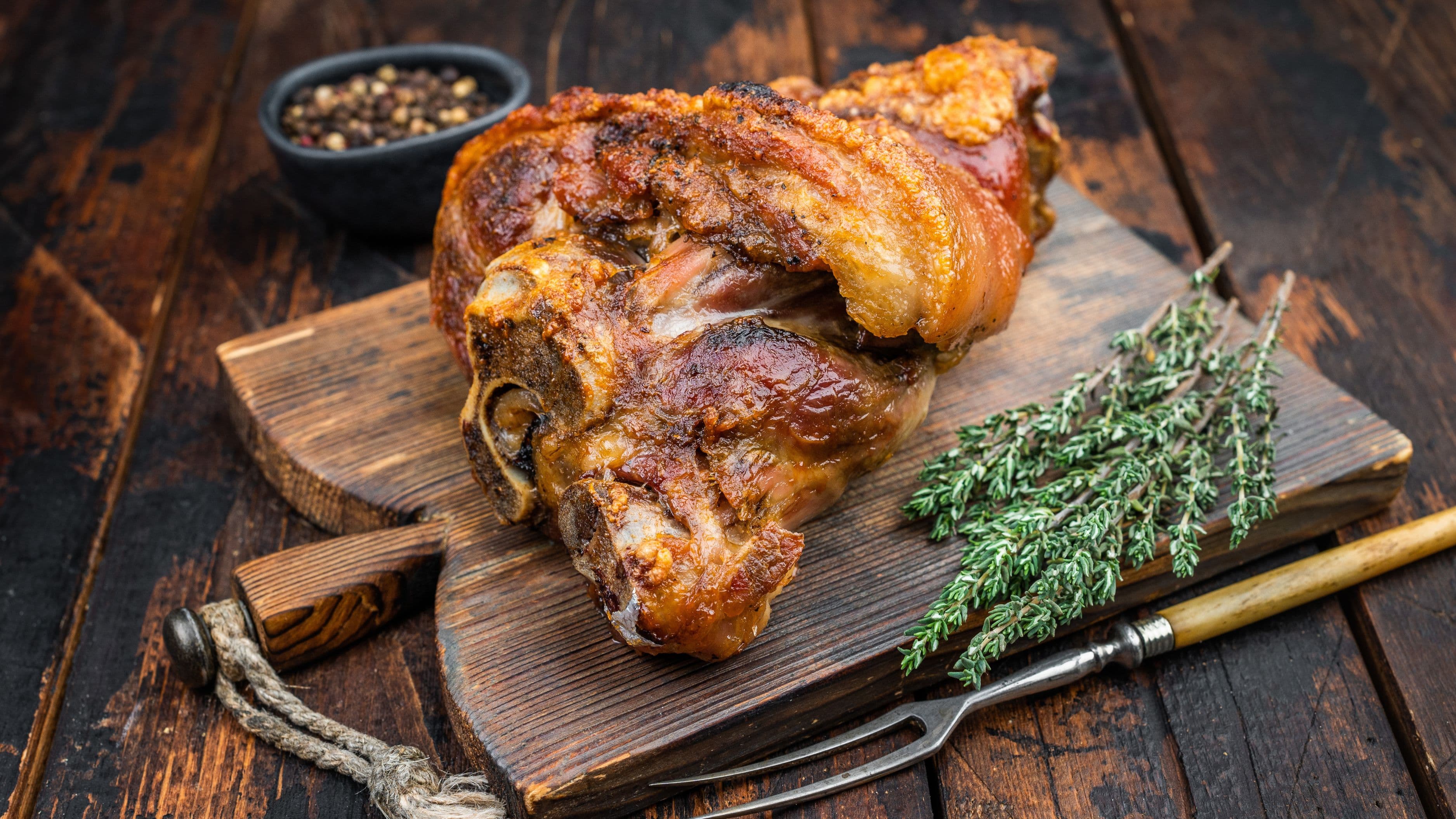
Roast pan drippings: After roasting chicken, beef, or pork, pour off most of the fat from the roasting pan, set it on the stovetop over medium heat, and deglaze with wine or stock. This is essentially how classic gravy is made – the fond from the roast dissolved and built into a sauce with whatever additions suit the meal.
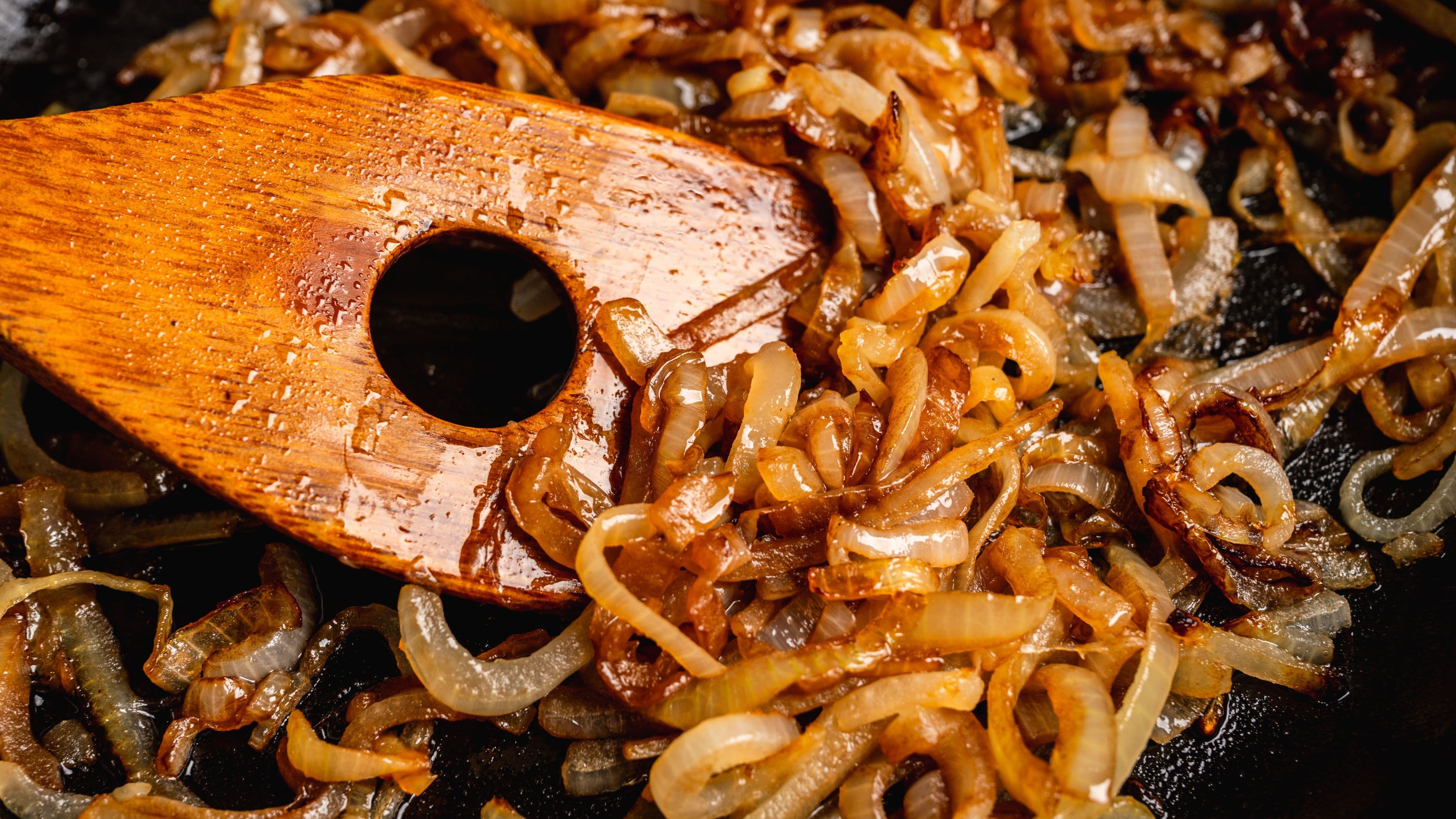
Caramelized onions or shallots: Once onions are deeply caramelized and stuck to the pan, a splash of white wine or stock deglazes the accumulated sweetness into a naturally sweet-savory base that enriches soups, pasta sauces, and tarts.
Building a Complete Pan Sauce
If you want to go beyond a simple deglaze and build a proper pan sauce, the steps after deglazing matter as much as the deglaze itself.
After scraping the fond and reducing the initial deglazing liquid by about half, add aromatics if they weren't already in the pan – minced shallots or garlic work in almost every application, and fresh herbs add brightness at this stage. Add more stock to build the sauce's body, typically another 1/2 to 3/4 cup. Simmer until the total liquid has reduced by roughly half again and coats a spoon.
Taste it now and adjust seasoning. It will probably need salt, and a small splash of acid – a squeeze of lemon, a dash of vinegar, or a bit more wine – often brightens and sharpens a sauce that tastes muted or flat. If it's too acidic, a small pinch of sugar balances it.
To finish, take the pan off the heat and swirl in 1–2 tablespoons of cold unsalted butter cut into cubes. Swirl rather than stir – the circular motion emulsifies the butter into the sauce without breaking it. This final step gives the sauce its glossy appearance and rounds out any remaining sharpness. Strain through a fine mesh strainer if you want a smooth result, or serve rustic with whatever is in it.
Common Mistakes to Avoid
Adding deglazing liquid to a cold pan is the most common error that produces disappointing results. The liquid needs to hit a hot surface to boil immediately and create the agitation that lifts the fond. If the pan has cooled, reheat it before deglazing.
Not scraping actively enough is the other frequent mistake. The liquid alone doesn't transfer all the fond – you have to work the pan surface physically. A few passive seconds with no scraping leaves flavor behind. Spend 30–60 seconds actively working the entire pan bottom before moving on.
Using too little liquid for the amount of fond produces a sauce that's too concentrated and sometimes bitter. If the pan has a lot of dark fond, start with more liquid than you think you need – you can always reduce further. If the fond looks very dark or almost black in spots, be selective about how much you scrape in, as genuinely burnt fond tastes bitter rather than savory.
Adding deglazing liquid to an oil-filled pan dilutes the fond and produces a greasy, separated result. Pour off excess fat first, leaving just a thin film, before deglazing.
FAQ
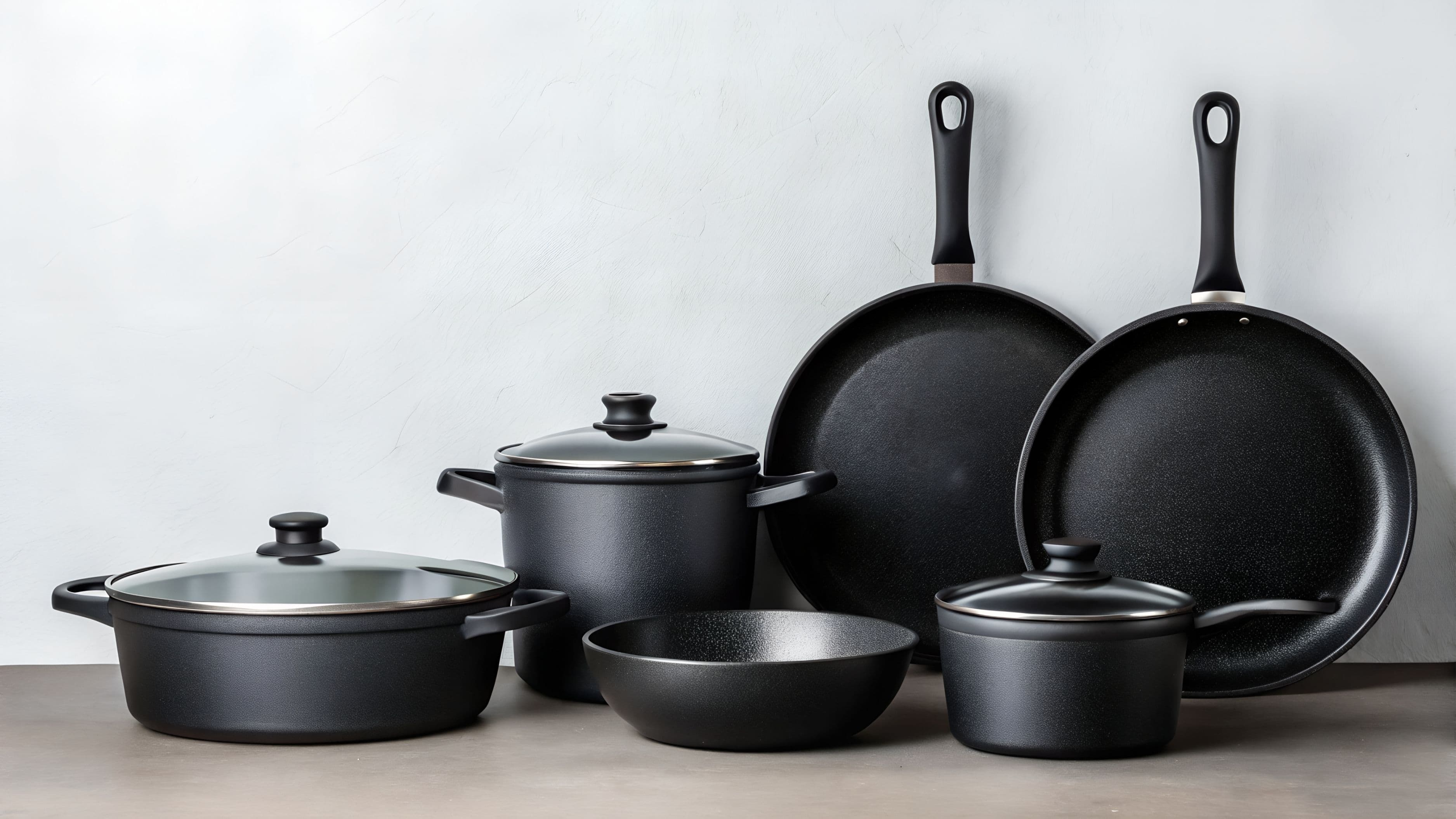
Can you deglaze a nonstick pan? Technically yes, but it mostly misses the point – nonstick pans don't develop fond because nothing bonds to the surface. Nonstick is useful for eggs and delicate fish, but for building flavor through searing and deglazing, cast iron or stainless steel are the right tools.
Does alcohol cook off completely when deglazing? Most of the alcohol burns off quickly given the high heat and the reduced quantity of liquid, particularly if you simmer the sauce for several minutes after deglazing. A small residual amount may remain in a quick deglaze, but the overall alcohol content of a finished pan sauce is minimal. If cooking for someone who needs to avoid alcohol entirely, stock, fruit juice, or a good non-alcoholic wine substitute works well.
What if my fond looks black rather than brown? Deep brown fond is ideal – rich, sweet, and savory. Black fond means something burned. Burnt fond has a bitter, acrid character that transfers directly to your sauce. If sections of the pan are genuinely black rather than dark brown, you can try to deglaze selectively around those areas, or accept that the resulting sauce may have some bitterness and compensate with sweetness (a small amount of honey or sugar) and acid.
How much liquid do I need? For a pan sauce to serve two to four people, start with 1/4 to 1/2 cup of deglazing liquid. You'll typically add more stock after to build volume. The initial deglazing liquid should be enough to cover the pan bottom and produce vigorous bubbling – not so little that it evaporates in seconds, not so much that the fond is diluted before you've had a chance to scrape it all up.
Can you deglaze vegetables? Absolutely – and it's just as valuable. Deglazing caramelized onions, roasted tomatoes, or deeply sautéed celery and carrots produces the same kind of flavor concentration that makes cooking with fond so compelling. The technique is identical: brown your vegetables well, add liquid, scrape, and use the result as the base of a soup, braise, or sauce.
Deglazing takes two minutes and turns the most flavorful part of your cooking from waste into the best thing on the plate. Once it becomes a reflex – any time there's fond in the pan, reach for a liquid – you'll wonder why you ever skipped it.
📚 Sources
The Science of Pan Sauces and Fond – Serious Eats Food Lab: https://www.seriouseats.com/how-to-make-pan-sauce-recipe
Deglazing Techniques – Jacques Pépin Foundation Cooking Resources: https://www.jp.foundation/recipes
Maillard Reaction and Fond Formation – Harold McGee, On Food and Cooking: https://www.simonandschuster.com/books/On-Food-and-Cooking/Harold-McGee/9780684800011
French Cooking Techniques – Le Cordon Bleu Culinary Glossary: https://www.cordonbleu.edu/news/culinary-techniques-glossary/en
Butter Mounting (Monter au Beurre) – The Culinary Institute of America: https://www.ciachef.edu/the-professional-chef
Wine in Cooking – Wine Spectator Guide to Cooking With Wine: https://www.winespectator.com/articles/cooking-with-wine-guide