
Why Most Meal Planning Advice Doesn't Stick
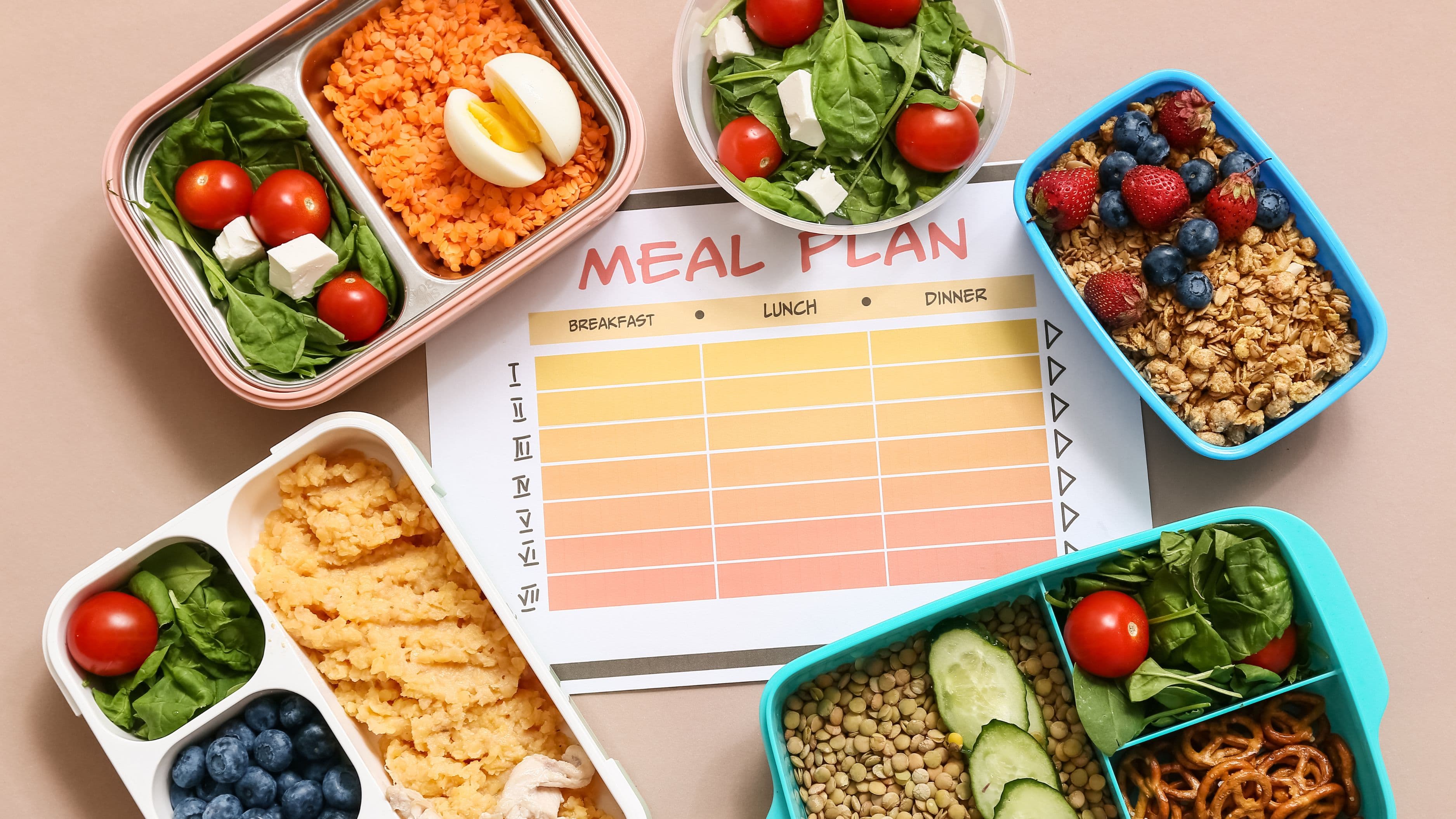
A lot of meal planning systems ask you to commit to rigid weekly menus decided a week in advance, which sounds great in theory until real life interferes. Plans change, cravings shift, and a recipe that sounded appealing on Sunday can feel like a chore by Wednesday. Rigid systems like this tend to fall apart within a few weeks because they don't leave room for the natural unpredictability of daily life.
The framework that finally worked wasn't about planning exact meals in advance at all. It was about planning categories and having a flexible system that could adapt night to night without requiring a completely new decision every single evening.
The Core Framework: Plan Categories, Not Exact Meals
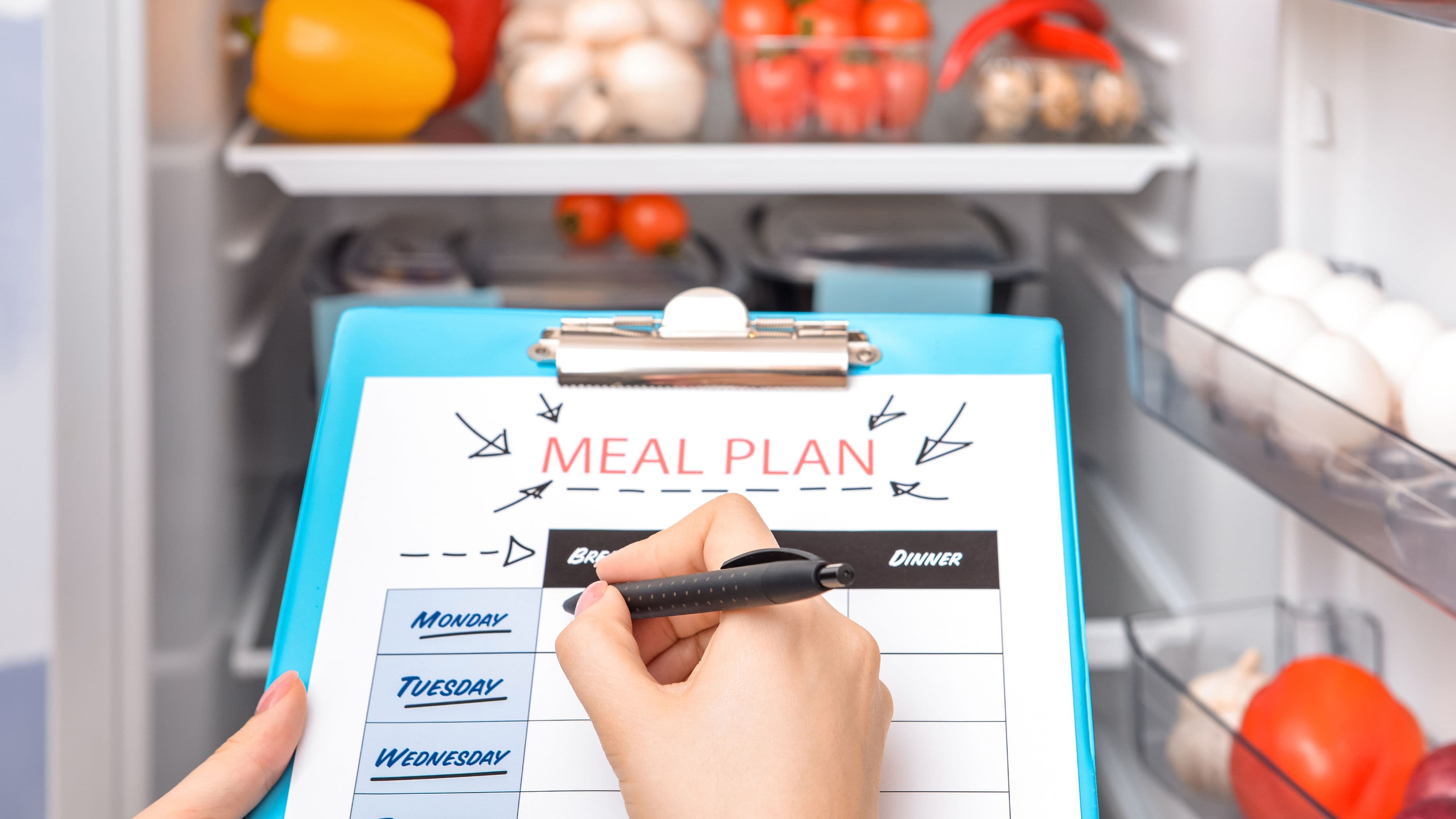
Instead of deciding on Sunday that Tuesday's dinner will be a specific recipe, the shift that made the biggest difference was assigning a loose category to each night of the week: one "quick and easy" night, one "use up what's in the fridge" night, one "new recipe" night, one "family favorite" night, and a couple of flexible nights that could shift based on what the week actually looked like.
This structure removes the pressure of deciding on an exact dish weeks in advance while still giving each night enough
direction that dinner doesn't become an open-ended decision made from scratch every single evening. Knowing Tuesday is a "use it up" night, for exampe, means checking the fridge for what needs to be used and building a simple meal around that, rather than needing an entirely separate plan.
Building a Rotating List of Reliable Meals
The second piece of the framework was building a running list of ten to fifteen meals the household genuinely enjoys and can make relatively easily, then pulling from that list for the "family favorite" and "quick and easy" categories rather than reinventing something new every week. This list evolves slowly over time as new recipes get added and others fall out of rotation, but having it readily available removes the mental load of thinking up a meal completely from scratch multiple times a week.
Keeping this list somewhere visible, like a note on the fridge or a shared phone app, makes it easy to reference quickly during a busy week without requiring extra planning time.
Shopping Around the Framework, Not Around Recipes
Rather than shopping for exact ingredients tied to specific recipes each week, grocery trips shifted toward stocking a base of reliable staples, proteins, and produce that could flexibly support whichever category came up on a given night. This means less time spent hunting for one specific ingredient a single recipe calls for, and more flexibility if plans shift mid-week.
A well-stocked pantry with items like canned beans, pasta, rice, and frozen vegetables became the backbone that made the "use up what's in the fridge" and "quick and easy" nights genuinely quick, since there was almost always a reasonable meal that could be built from what was already on hand.
Leaving Room for Genuine Flexibility
The final piece, and arguably the one that made the whole system sustainable, was deliberately leaving one or two nights each week without a fixed category at all. These flexible nights became leftovers, a spontaneous takeout night, or an opportunity to try something new without the pressure of it needing to work perfectly, since it wasn't replacing a planned meal that would otherwise go to waste.
This built-in flexibility is what separates this framework from the more rigid systems that eventually collapsed under real-life unpredictability. Life happens, and a system that can't absorb the occasional disrupted plan tends to get abandoned entirely rather than adjusted.
What to Avoid
Avoid overplanning every single detail of every meal weeks in advance, since specificity at that level tends to create more pressure than structure. Also avoid building your rotating meal list entirely around complicated recipes, since a list that requires significant time or unusual ingredients defeats the purpose of having quick, reliable options available on busy nights.
Resist the urge to abandon the entire system after one disrupted week. The framework is built specifically to flex around disruption, not require perfect adherence to function.
Putting This Into Practice This Week
Start by simply assigning loose categories to your remaining nights this week, rather than trying to build a perfect system all at once. Pull together a short list of five or six meals your household already enjoys and can make without much thought, and use those to fill the "quick and easy" and "family favorite" slots as you test out how this looser structure feels compared to whatever system, or lack of one, you've been using so far.
FAQ
How is this different from a traditional weekly meal plan? It assigns flexible categories to each night rather than exact recipes, giving structure without requiring rigid advance planning that often falls apart when life gets busy.
How many meals should be on my rotating list to start? Five to ten reliable, easy meals is a solid starting point, expanding gradually as you find new dishes worth adding to the rotation.
What if I don't have time to grocery shop around a flexible framework? Keeping a base of pantry staples, proteins, and frozen vegetables on hand supports this approach well, even if you're only able to shop once a week or less frequently.
📚 Sources
Meal Planning Strategies That Reduce Food Waste, usda.gov
Building a Well-Stocked Pantry, eatright.org
Reducing Decision Fatigue in Daily Life, apa.org