What Each Method Actually Involves
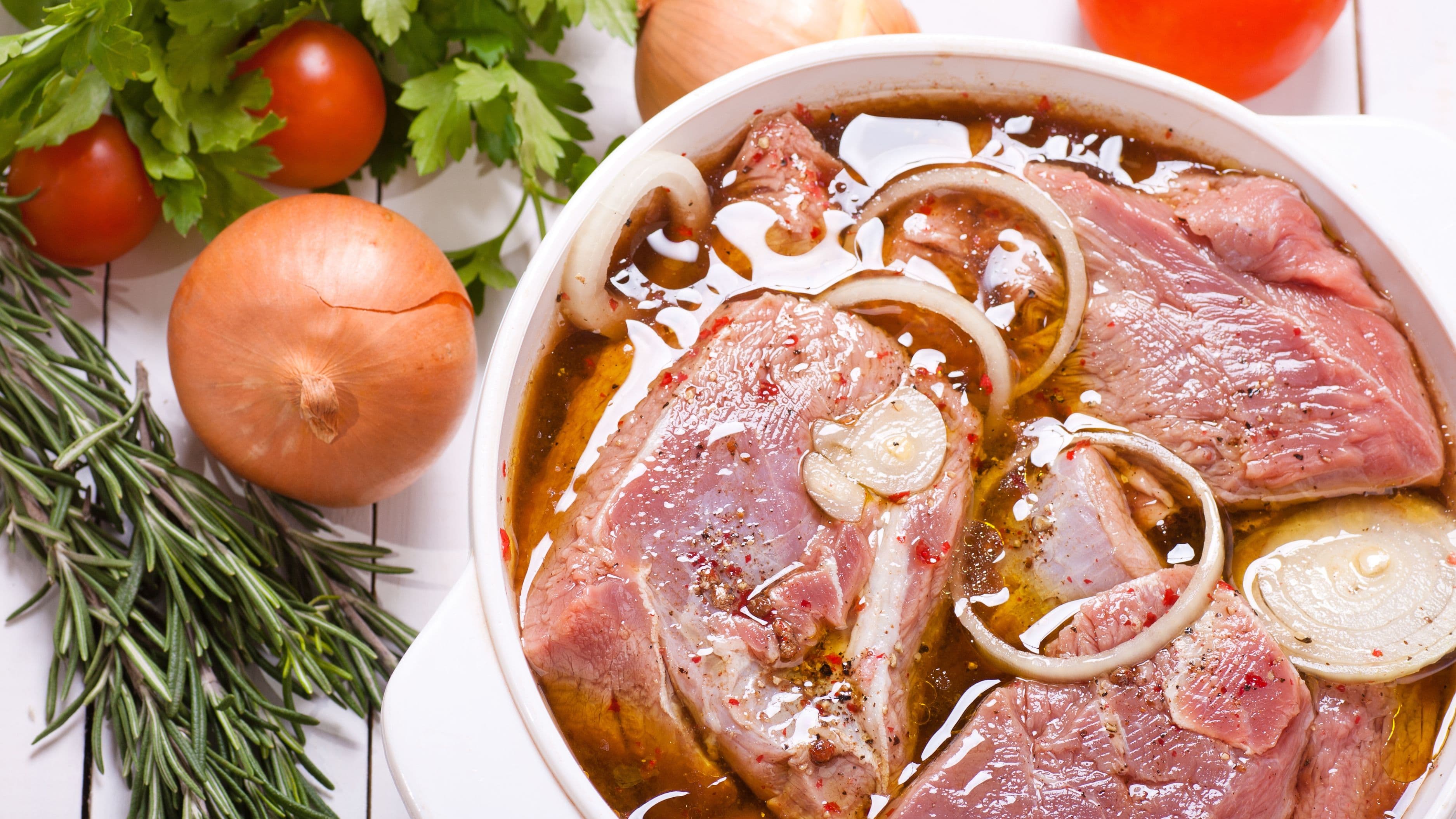
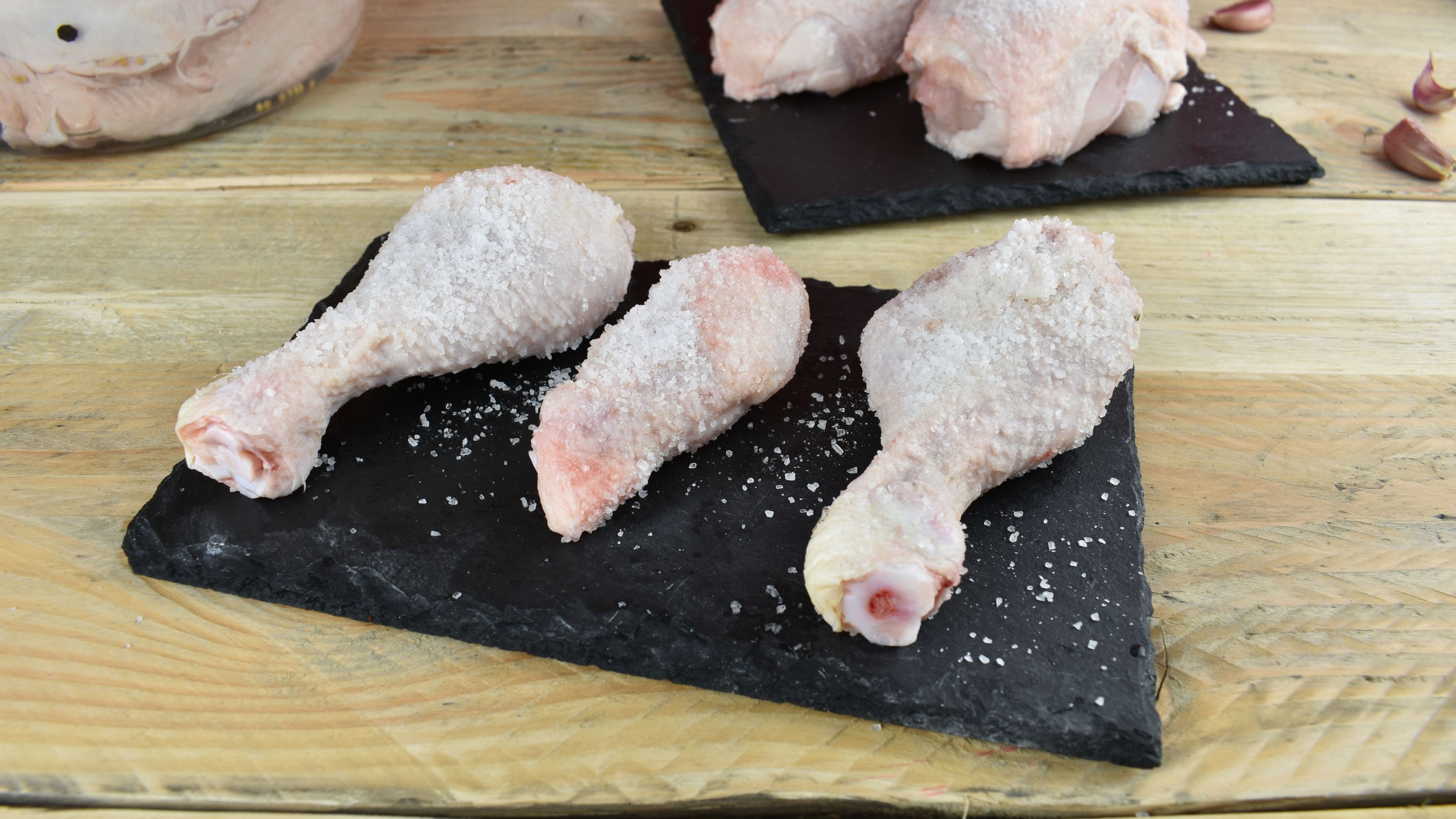
Wet brining means submerging meat in a solution of water, salt, and often sugar and aromatics, typically for several hours up to overnight, allowing the meat to absorb both moisture and seasoning through the brine. Dry brining, sometimes called pre-salting, means applying salt directly to the meat's surface and letting it rest, uncovered or loosely covered, in the refrigerator, without any liquid solution involved at all.
Both methods rely on the same basic principle – salt drawing moisture out of the meat initially, then being reabsorbed along with dissolved proteins that help the meat retain moisture during cooking. Where they diverge is in exactly what happens to the meat's texture and surface as a result.
The Key Difference: What Happens to the Skin or Crust
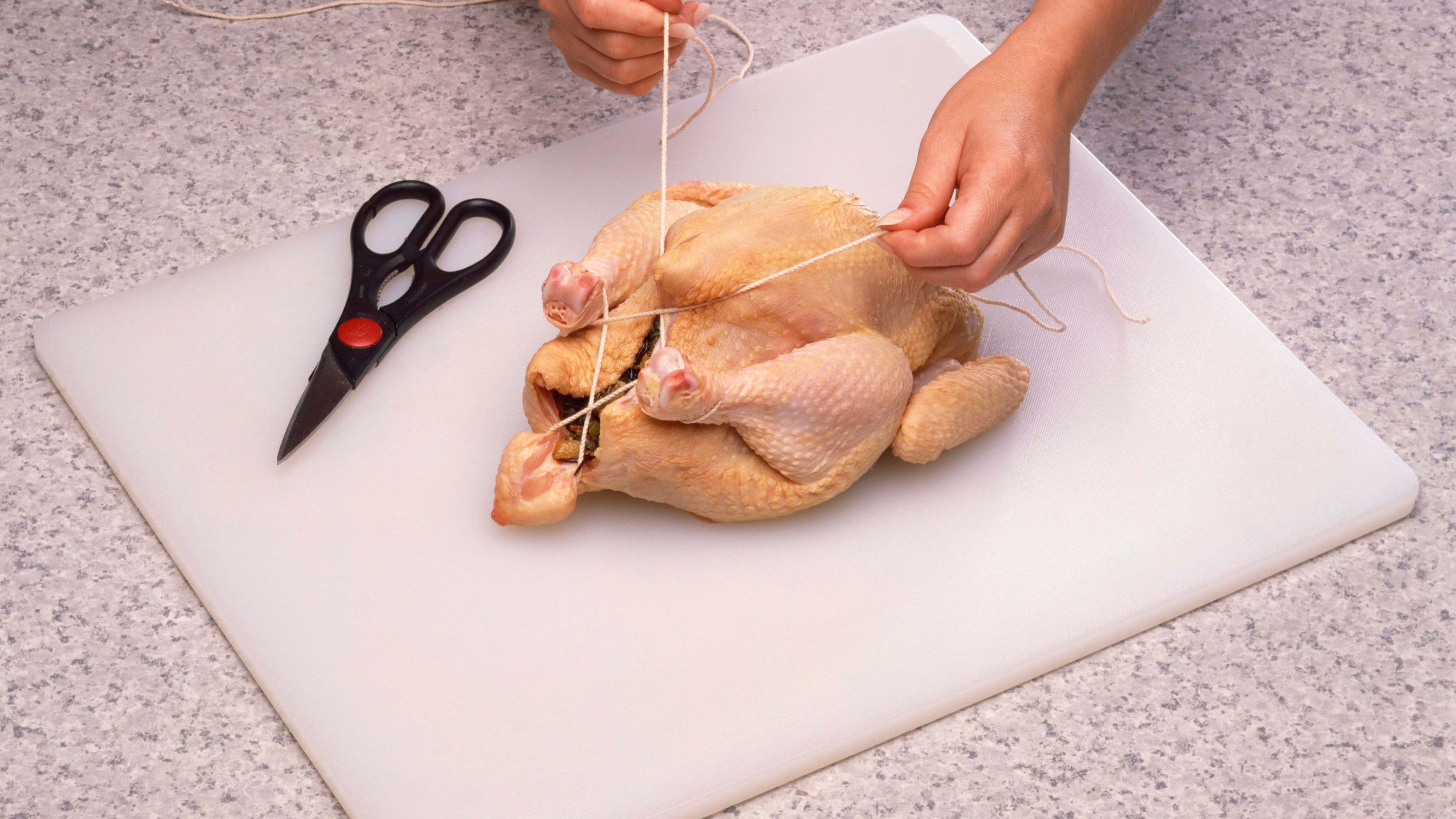
This is where dry brining pulls ahead for a specific category of dishes. Because dry brining doesn't introduce any additional liquid, the meat's surface actually dries out somewhat during the resting period, particularly if left uncovered in the fridge. This drier surface is exactly what produces significantly better browning and, for poultry specifically, dramatically crispier skin during cooking, since excess surface moisture is one of the biggest obstacles to achieving a well-browned, crisp exterior.
Wet brining, by contrast, leaves the meat's surface wet going into cooking, which means more of your initial cooking time goes toward evaporating that surface moisture before real browning can begin. For a roast chicken or turkey where crispy skin is a major part of the appeal, this is the single biggest practical reason dry brining tends to be the preferred method among people who've tried both.
Why Dry Brining Doesn't Dilute Flavor
Wet brining, while effective at seasoning meat throughout, also introduces water into the meat's structure, which can slightly dilute the meat's own natural flavor even as it adds seasoning from the brine solution. Some cooks describe wet-brined meat as tasting slightly less "concentrated" in its own flavor compared to dry-brined meat, even when both are properly seasoned.
Dry brining avoids this dilution effect almost entirely, since there's no added liquid volume being absorbed into the meat. The salt draws out some of the meat's own moisture initially, but that moisture, along with the dissolved proteins in it, gets reabsorbed back into the meat rather than mixing with an external brine solution, meaning you get seasoning and moisture retention without any flavor dilution.
The Space and Convenience Factor
Beyond flavor and texture, dry brining solves a genuinely practical kitchen problem that wet brining creates. A wet brine requires enough container space and refrigerator room to fully submerge whatever you're brining, which becomes a real logistical challenge for something as large as a whole turkey, especially during a holiday when your fridge is already packed with other dishes.
Dry brining requires no special container beyond a simple sheet pan or plate, and the meat itself takes up no more refrigerator space than it normally would, just with a light coating of salt on the surface. For larger cuts of meat or whole poultry specifically, this convenience difference alone is often enough to settle the decision in dry brining's favor.
Where Wet Brining Still Has an Advantage
Wet brining does still offer one genuine advantage: it's generally more forgiving for very lean cuts of meat that are especially prone to drying out during cooking, like a lean pork loin or turkey breast cooked without the rest of the bird. The added moisture from the brine solution provides an extra buffer against overcooking that dry brining, which doesn't add external moisture, can't quite replicate to the same degree.
Wet brining can also be a better vehicle for infusing more complex, liquid-soluble flavors – things like citrus, herbs, or aromatics steeped directly into the brine solution – throughout the meat, since dry brining's flavor infusion is generally limited to what you apply directly to the surface along with the salt.
How Long Each Method Actually Takes
Dry brining timing varies by size, but a good general guideline is roughly one hour per pound of meat, with a minimum of several hours for smaller cuts and up to 24 to 48 hours for a whole turkey to achieve the fullest benefit. Longer dry brining times generally continue improving results up to a point, particularly for the crispy skin benefit on poultry.
Wet brining timing tends to be shorter proportionally, often ranging from a few hours for smaller cuts to 12 to 24 hours for a whole turkey, since the direct contact with a saturated salt solution seasons the meat somewhat faster than the drier, more gradual dry brining process.
Which Method Should You Actually Choose
For whole poultry where crispy skin matters – roast chicken, Thanksgiving turkey, duck – dry brining is generally the better choice given its clear advantage in surface browning and crispness, combined with the practical convenience of not needing a large brining container. For leaner cuts particularly prone to drying out, or when you specifically want to infuse liquid-based aromatics deeply into the meat, wet brining remains a solid, sometimes preferable option.
What to Avoid
Don't over-salt during dry brining by using standard table salt measurements interchangeably with kosher salt, since the two have different densities and using the same volume measurement can result in meat that's noticeably too salty. Weighing your salt, or specifically following a recipe's salt-to-meat-weight ratio, produces more consistent results than eyeballing it.
Avoid skipping the uncovered refrigerator resting period for dry brining if crispy skin is your goal, since covering the meat traps moisture at the surface and undermines the drying effect that produces better browning.
Don't leave meat in a wet brine significantly longer than recommended for its size, since over-brining can push meat past properly seasoned into an overly salty, sometimes unpleasantly spongy texture as it absorbs too much of the brine solution.
FAQ
Can I combine dry brining and wet brining for the same piece of meat? Generally no, since applying both methods to the same cut is redundant and risks over-salting the meat significantly beyond what either method alone would produce.
Does dry brining work for cuts other than poultry? Yes, dry brining works well for a wide range of meats, including steaks, pork chops, and roasts, and it's become a common technique well beyond just poultry applications specifically.
How much salt should I use for dry brining? A common guideline is about three-quarters of a teaspoon of kosher salt per pound of meat, though this can be adjusted slightly based on personal preference and the specific cut being brined.
📚 Sources
Serious Eats – "The Food Lab: How to Dry Brine a Turkey" – https://www.seriouseats.com/dry-brine-turkey-recipe
USDA – "Food Safety and Poultry Preparation" – https://www.fsis.usda.gov/food-safety/safe-food-handling-and-preparation/poultry/poultry-preparation