Build Meals Around Flavor-Dense, Affordable Staples
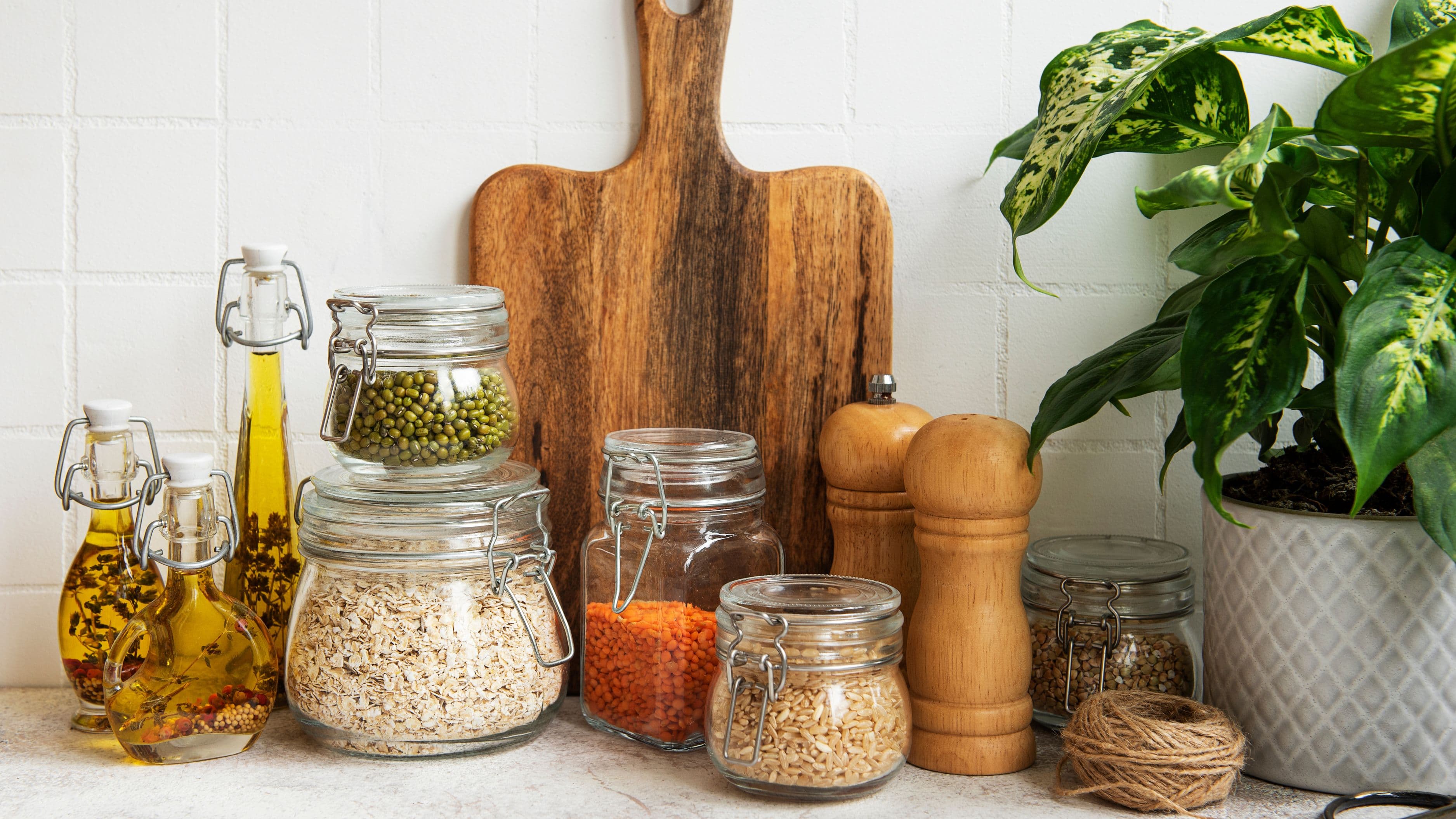
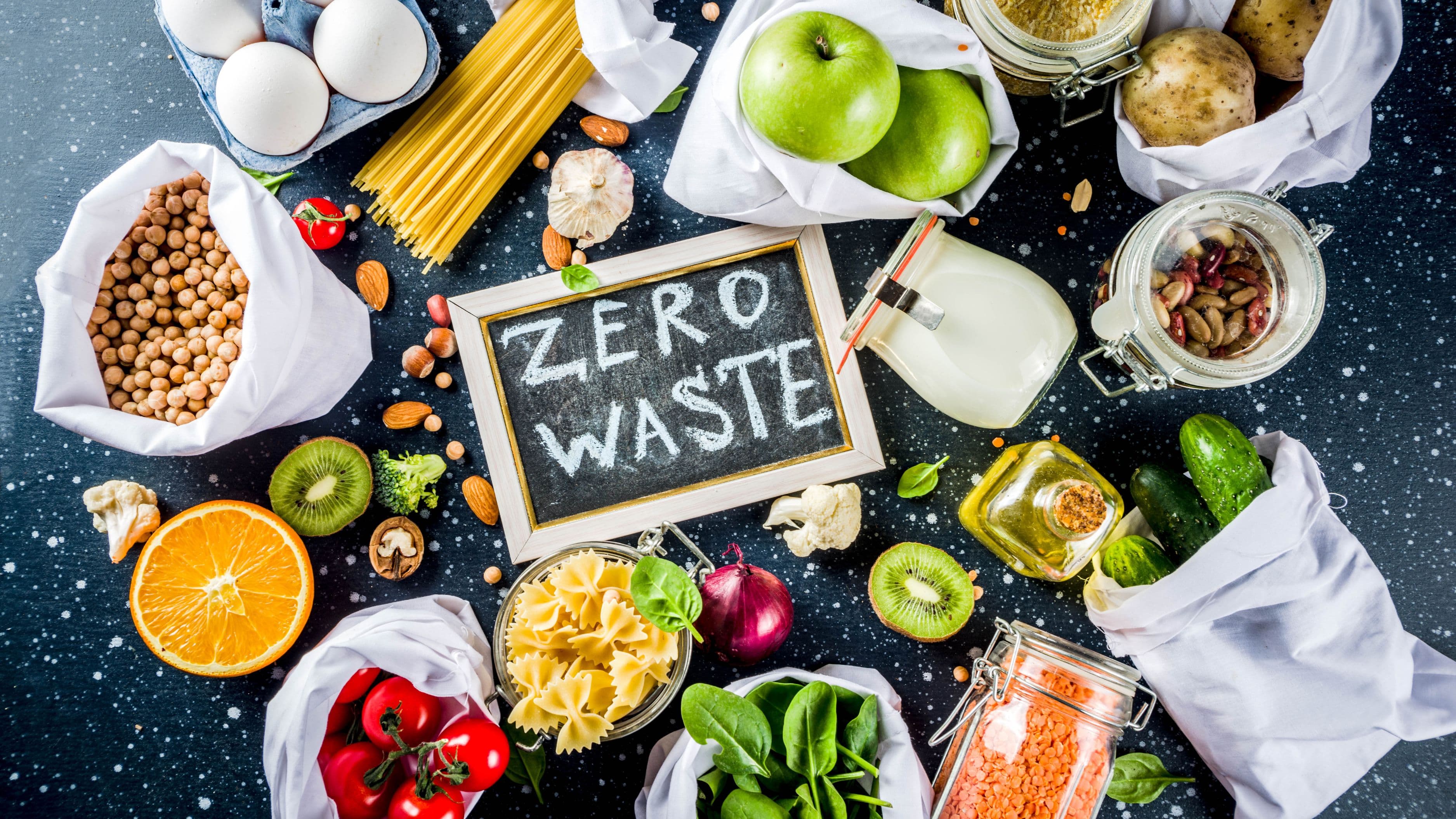
A short list of cheap ingredients can carry an enormous amount of flavor if you use them right. Garlic, onions, canned tomatoes, dried spices, vinegar, and a good cooking oil form the backbone of countless cuisines around the world, and none of them are expensive. Beans and lentils, whether dried or canned, provide protein and body to a dish at a fraction of the cost of meat, and they absorb whatever flavors you cook them with, which makes them incredibly versatile.
Building your weekly meals around these staples, then adding a smaller amount of a more expensive protein (rather than making meat the centerpiece of every dish), stretches your budget significantly while still delivering satisfying, flavorful meals. A pot of well-seasoned beans with a small amount of sausage sliced through it goes a lot further, both in cost and in flavor, than a plate built primarily around that same sausage.
Season More Boldly Than You Think You Need To
One of the most common reasons budget meals taste flat isn't the ingredients themselves – it's under-seasoning. Salt brings out flavor in a way that's easy to underestimate, and a generous hand with dried herbs, spices, garlic, and acid (like a splash of vinegar or citrus juice at the end of cooking) makes a huge difference in how a simple dish tastes. Building a small collection of versatile spices – cumin, paprika, chili flakes, dried oregano – gives you the ability to season a wide range of dishes without needing a large, expensive spice cabinet.
Acid in particular is an underused tool. A squeeze of lemon or a splash of vinegar added at the end of cooking brightens a dish and can make an otherwise simple meal taste noticeably more finished and intentional.
Plan Meals Around What's On Sale, Not a Fixed Recipe List
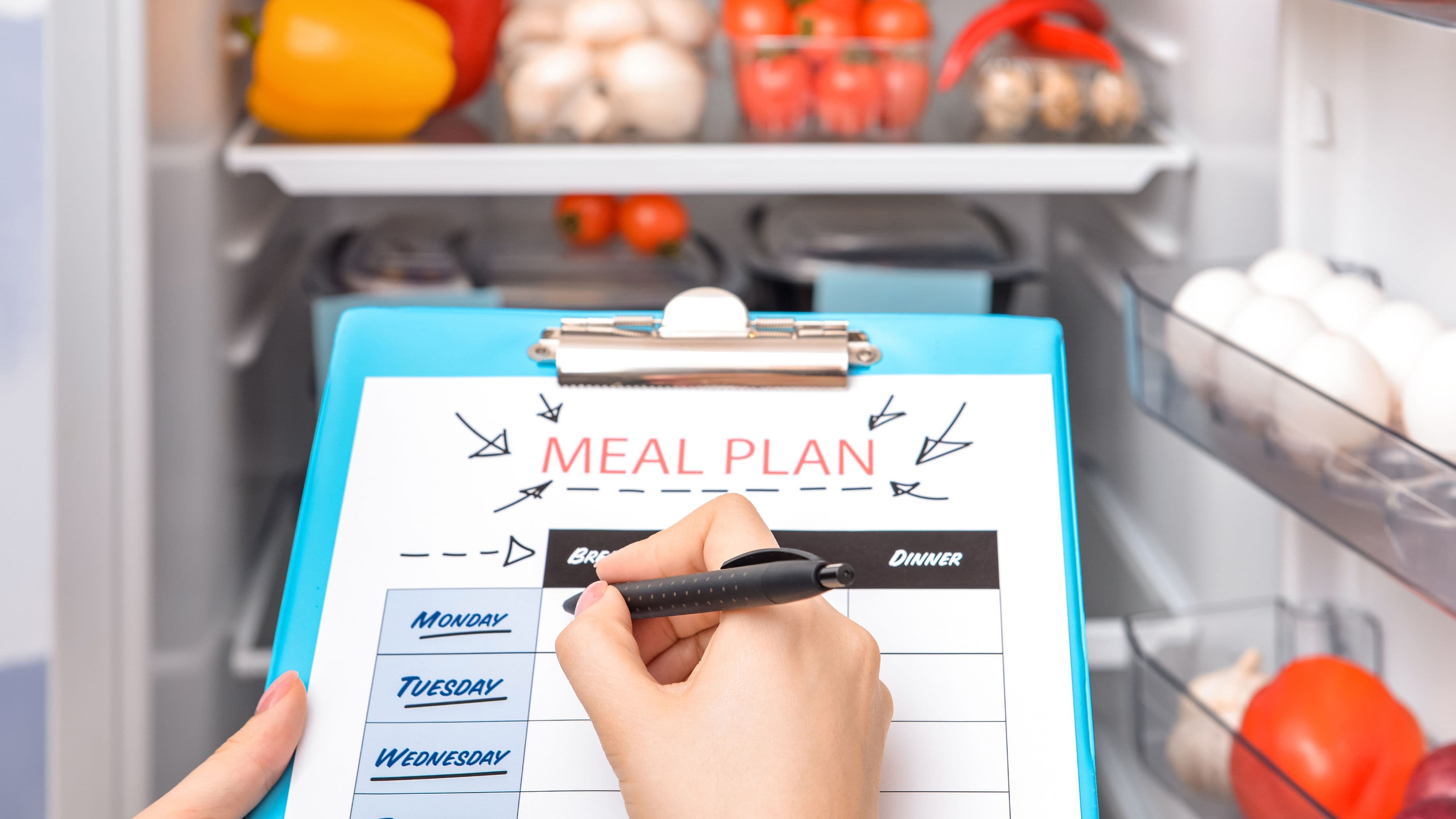
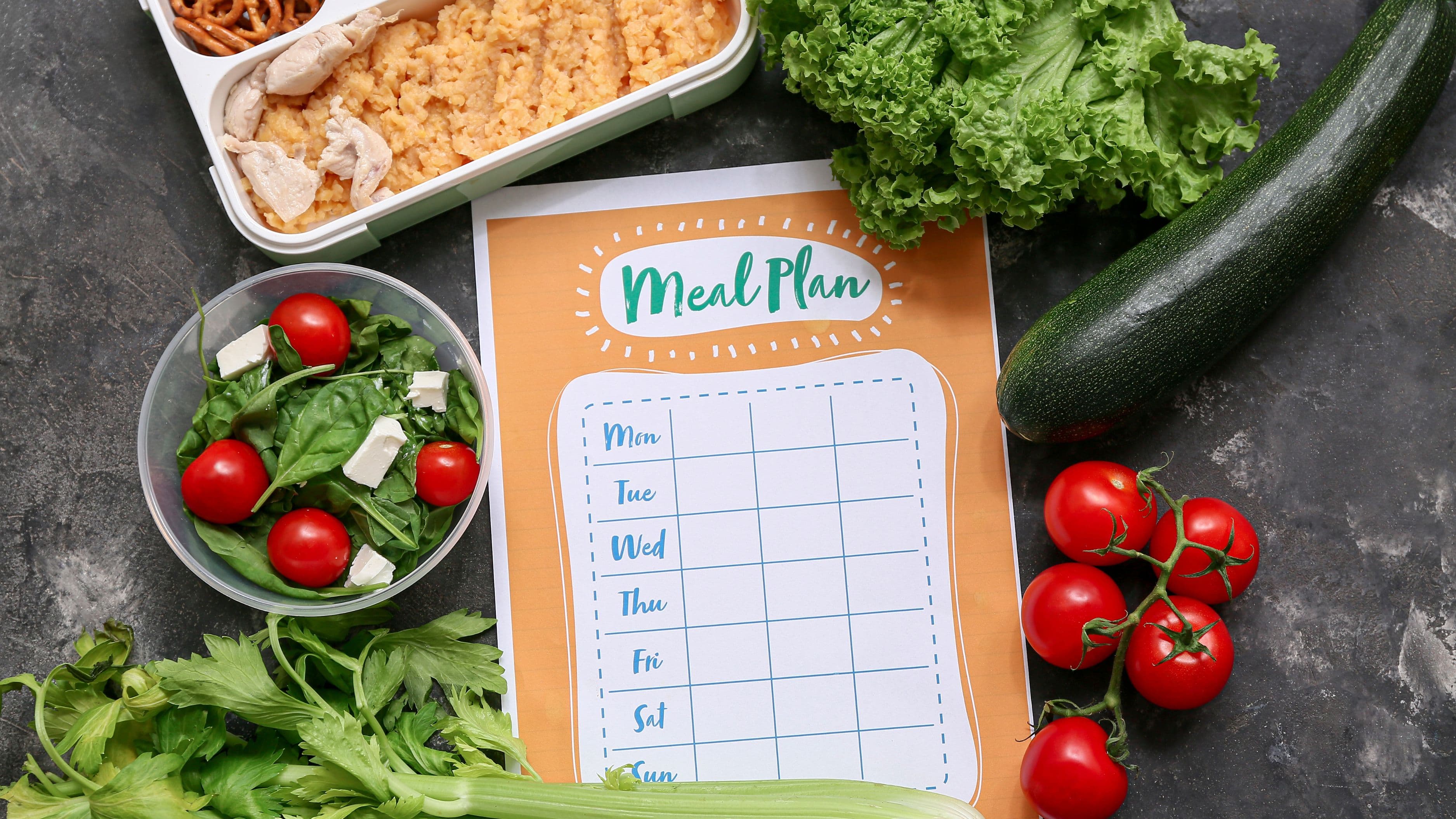
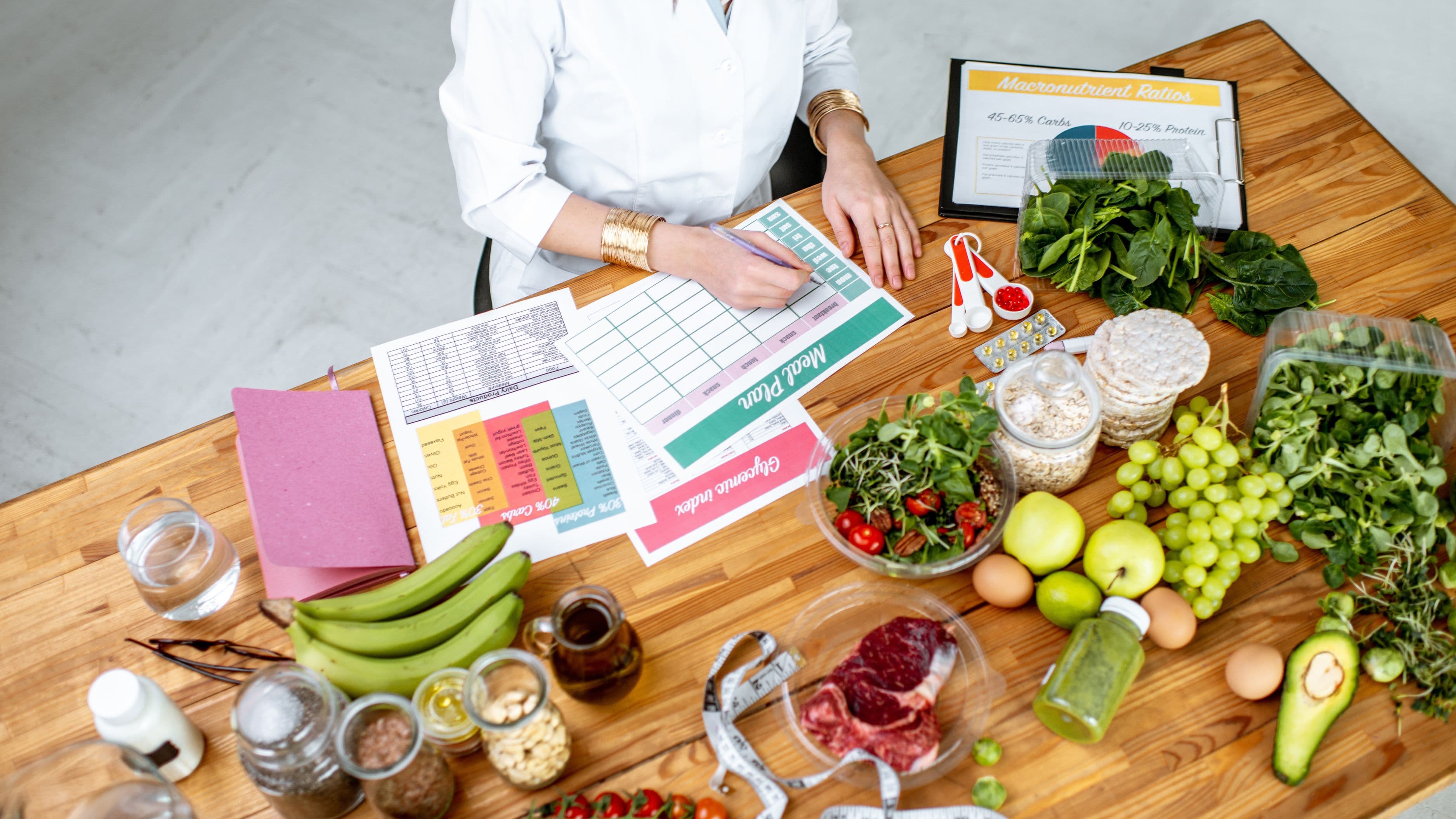
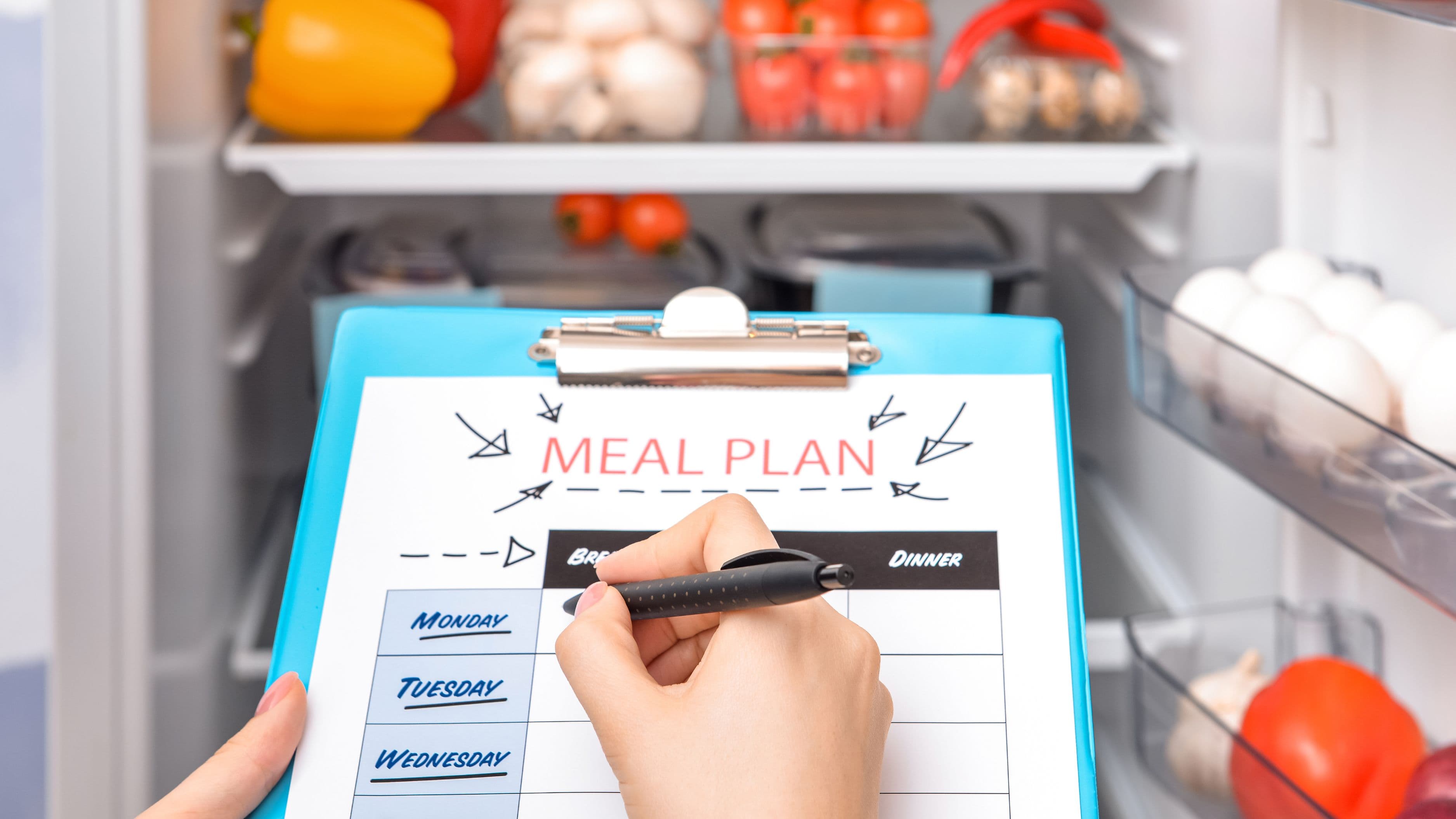
Rather than deciding on specific recipes first and then shopping for whatever they require, flip the process: check what's discounted or in season at your grocery store first, then build your meals around those ingredients. This approach naturally keeps your costs down and also tends to introduce more variety into your cooking than always defaulting to the same handful of recipes.
Frozen vegetables deserve a mention here specifically – they're often cheaper than fresh, have a long shelf life that reduces food waste, and are typically flash-frozen at peak ripeness, meaning they can actually taste better than out-of-season fresh produce that traveled a long distance to reach the store.
Cook Larger Batches and Repurpose Leftovers Intentionally
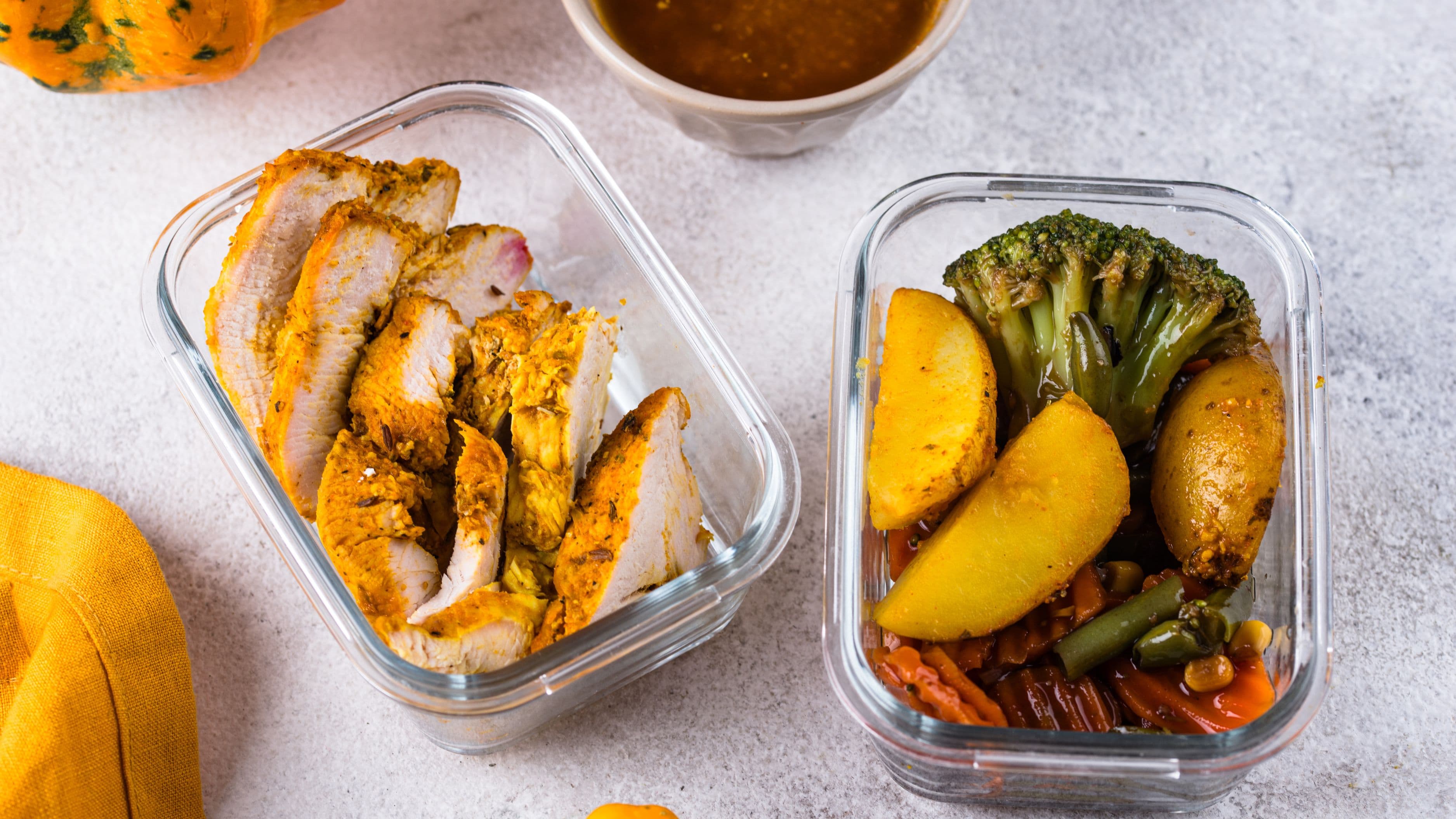
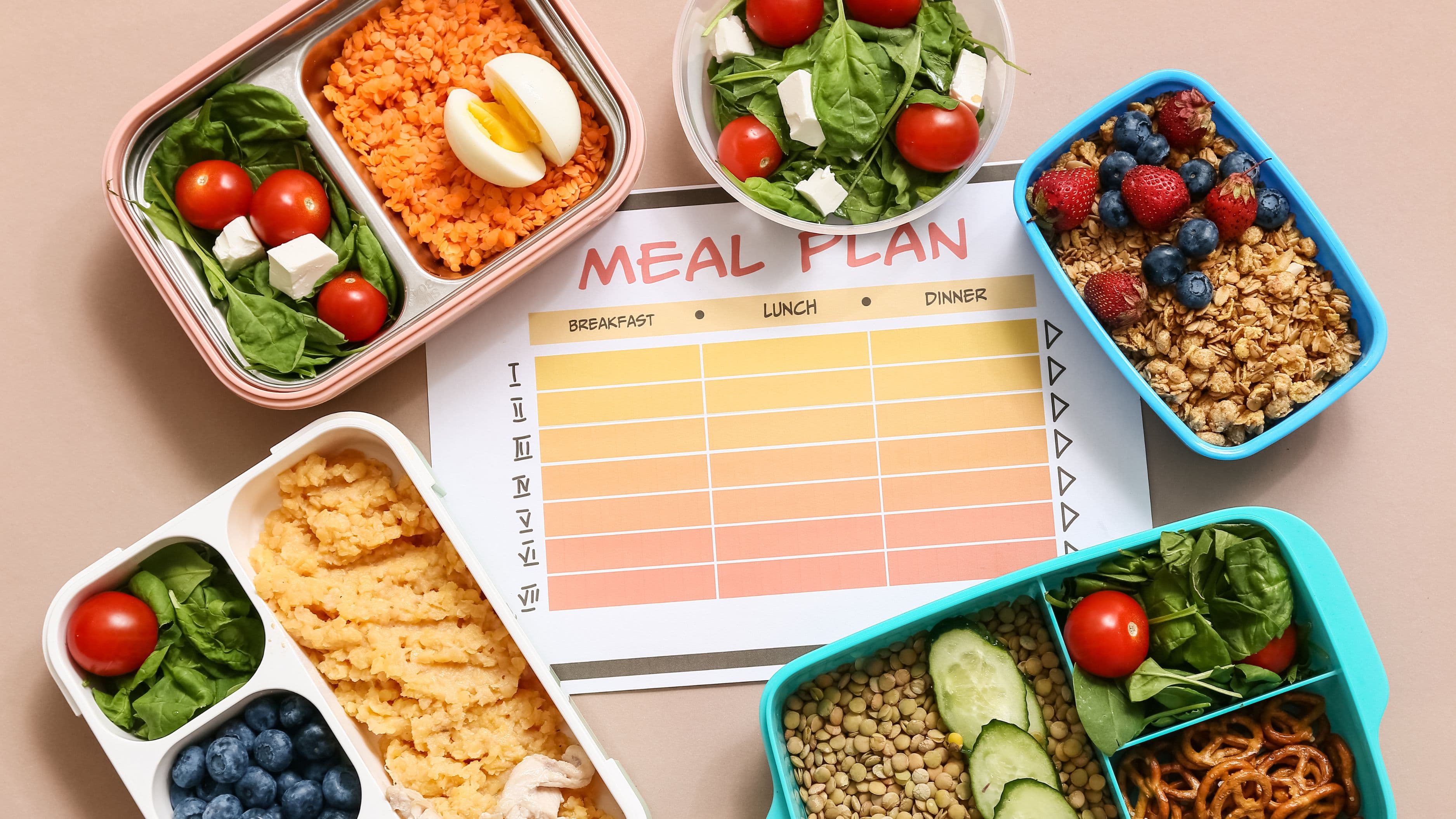
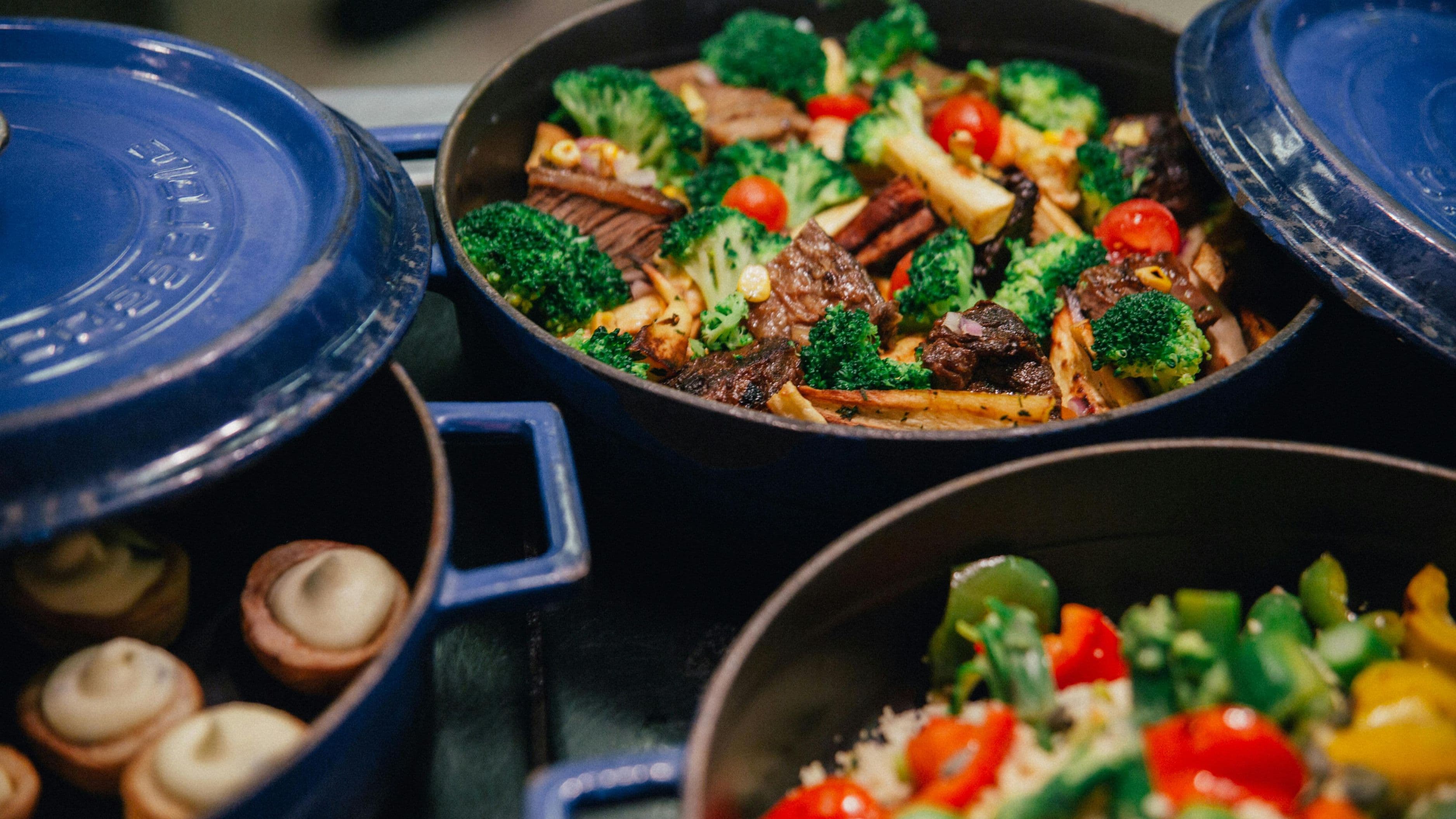
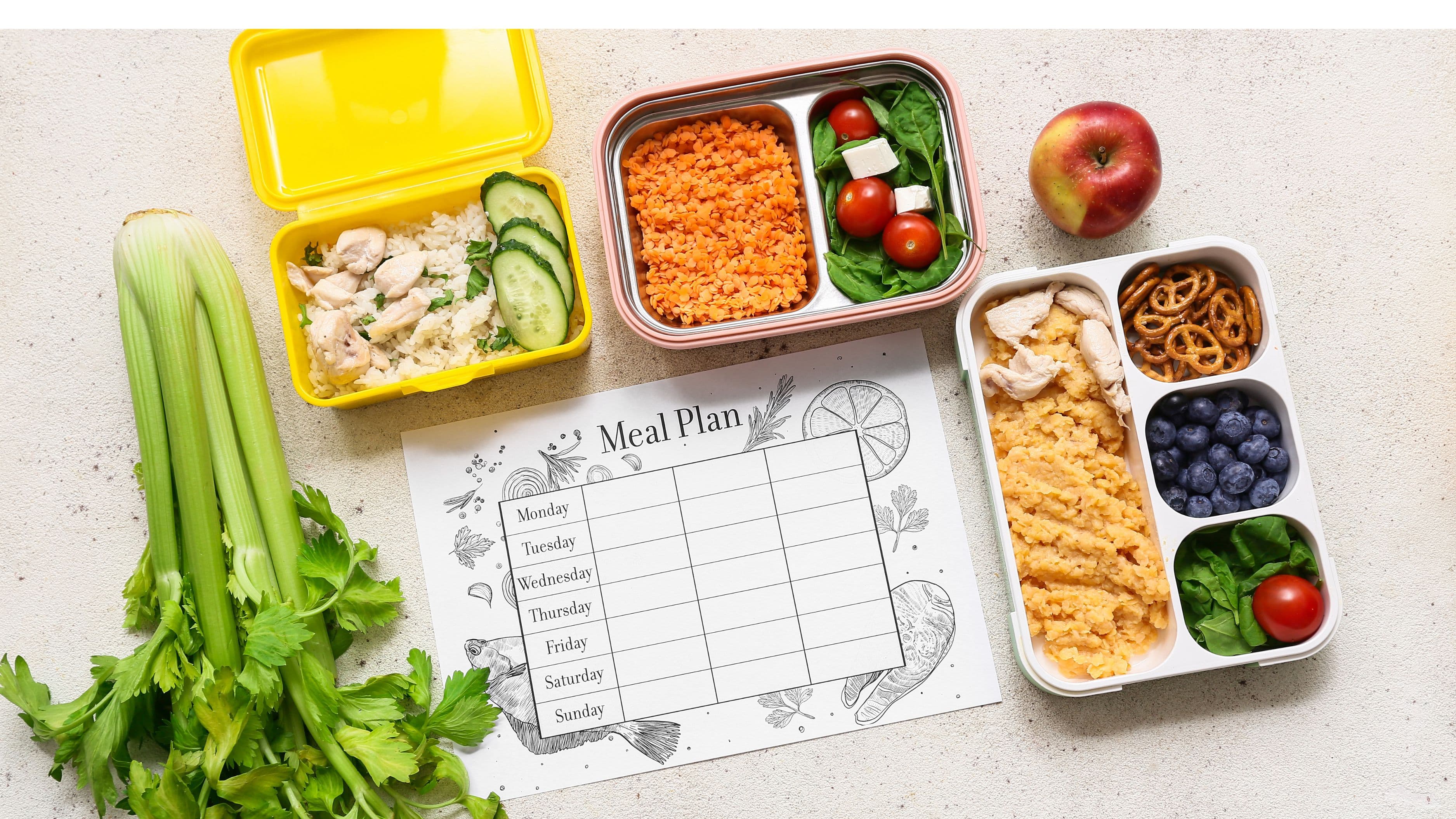
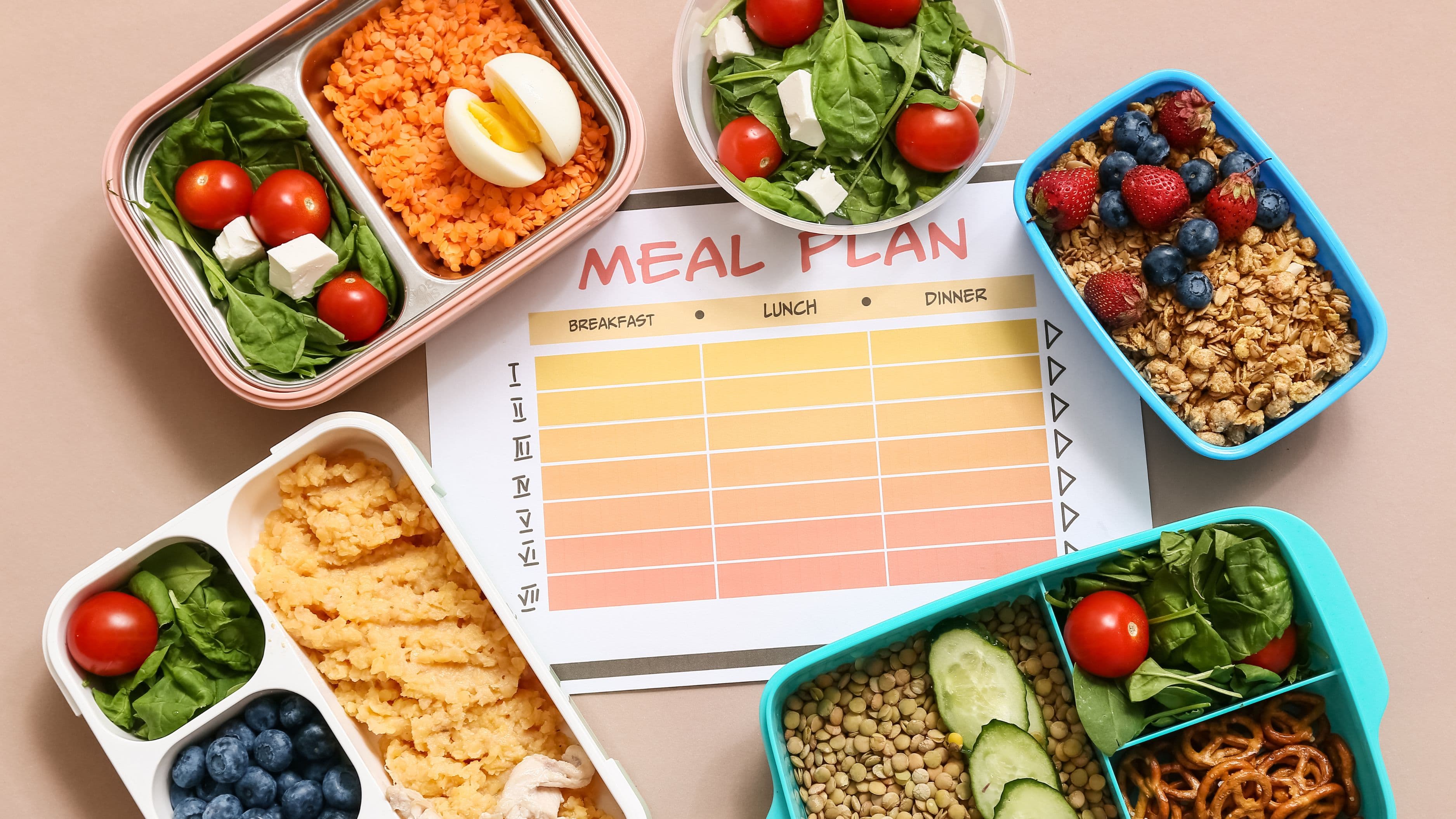
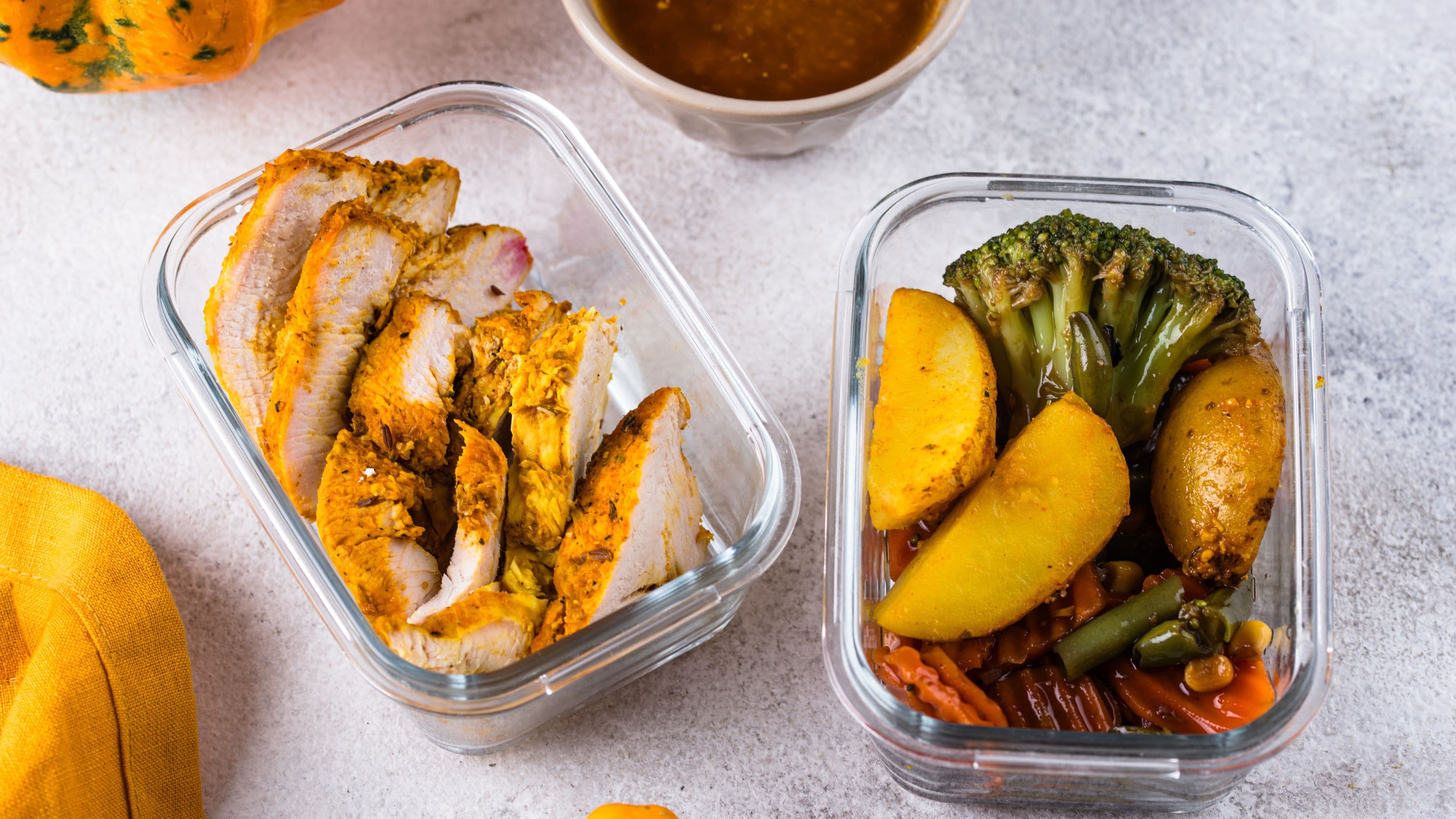
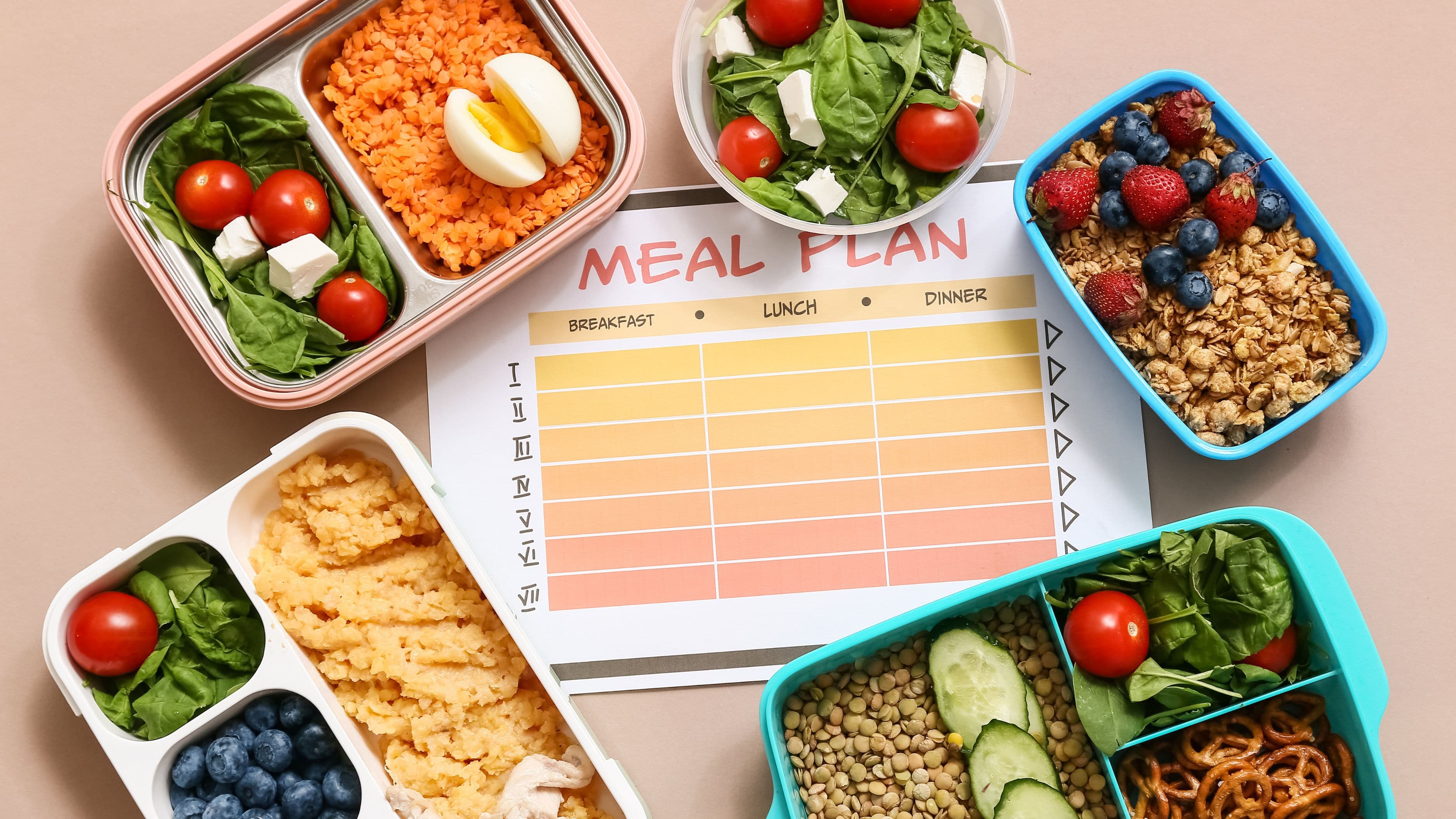
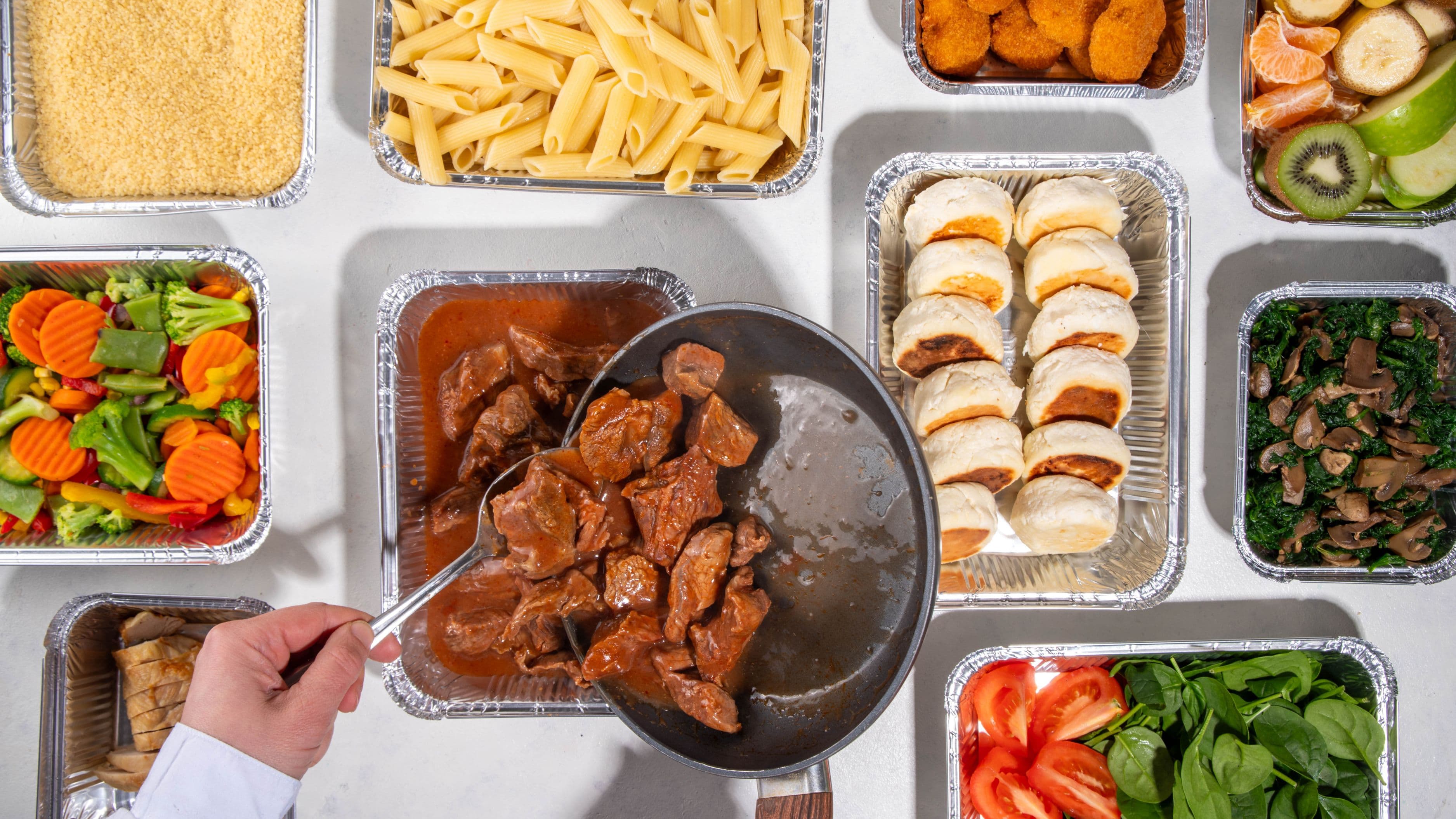
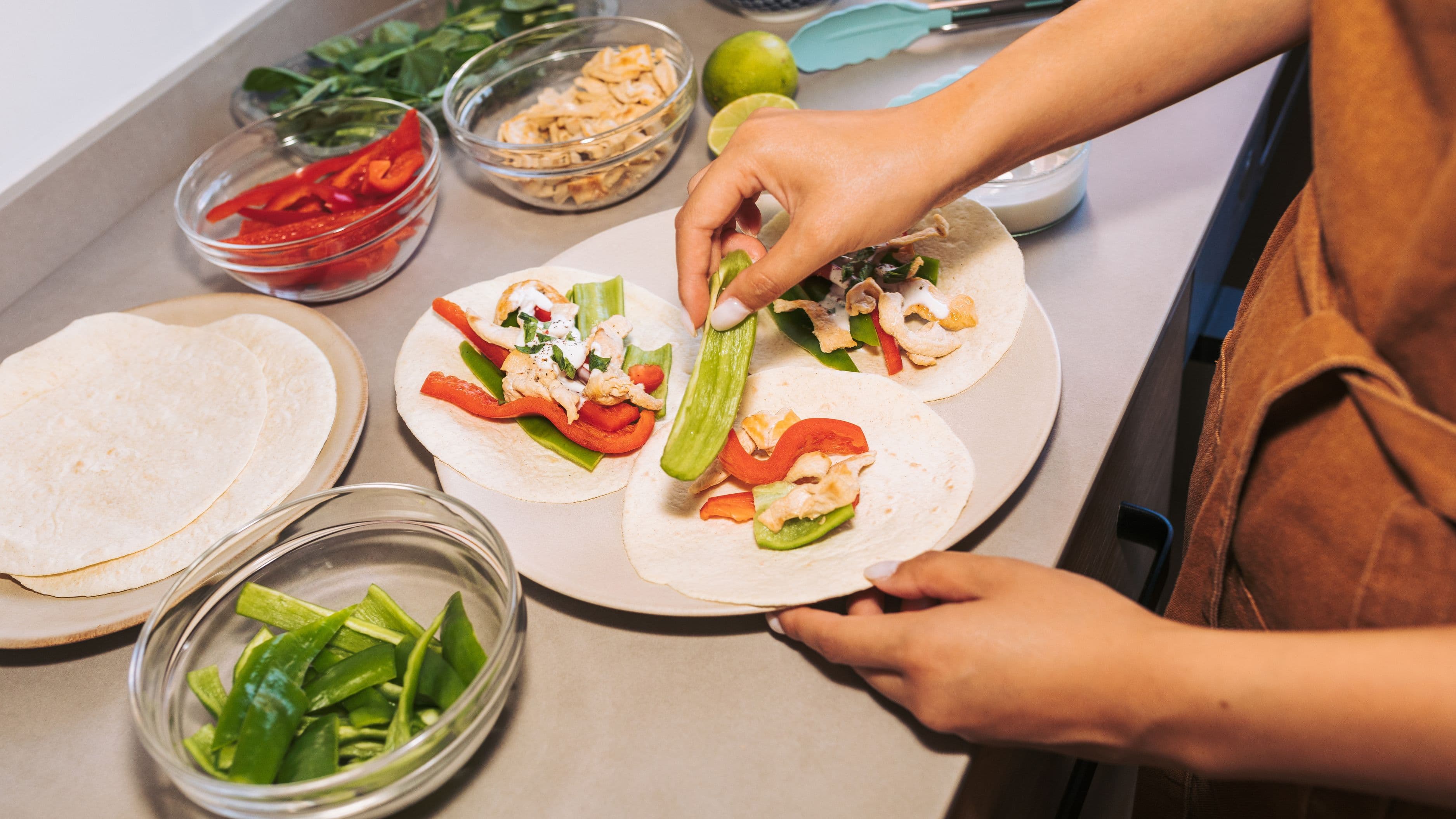
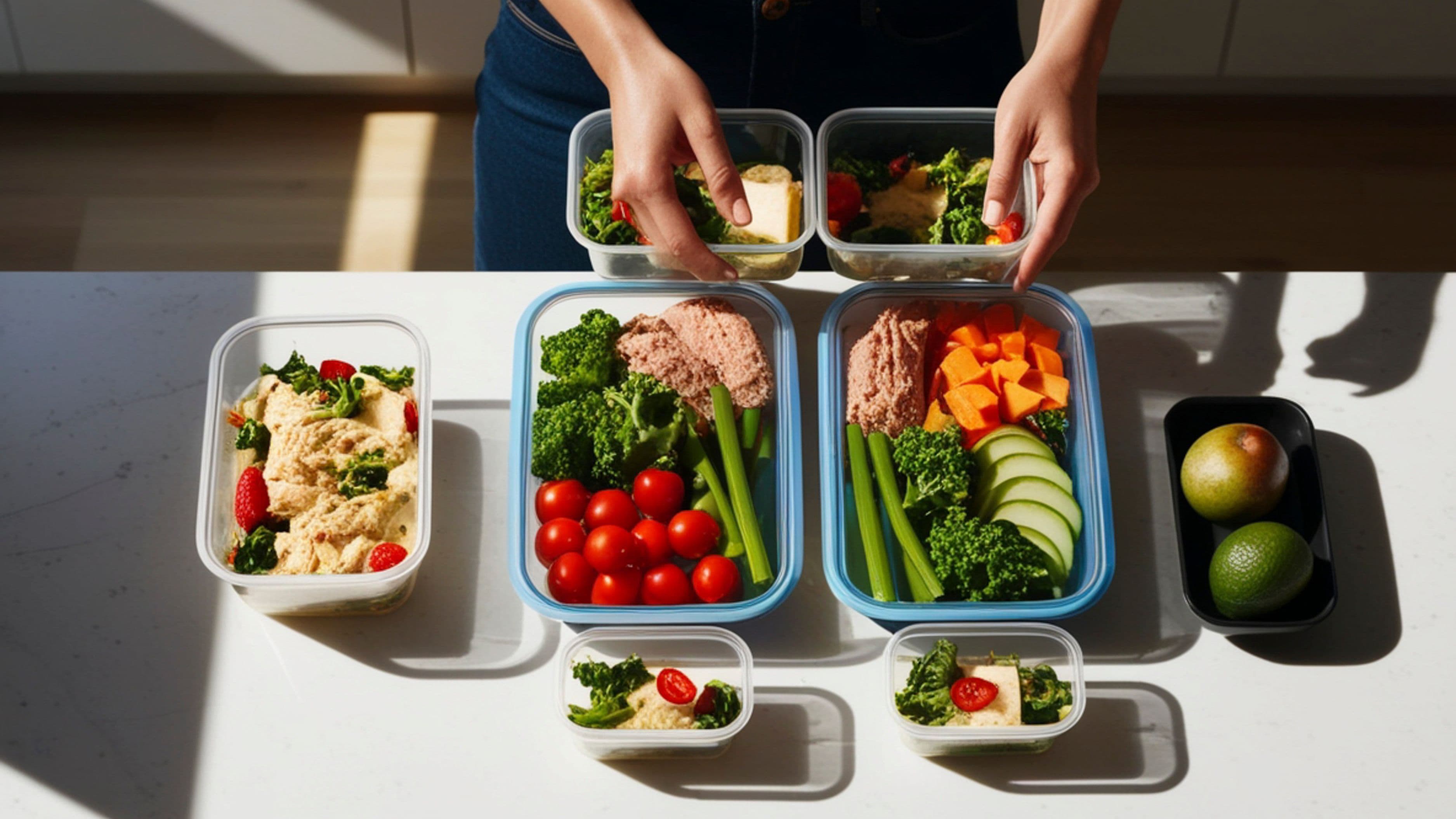
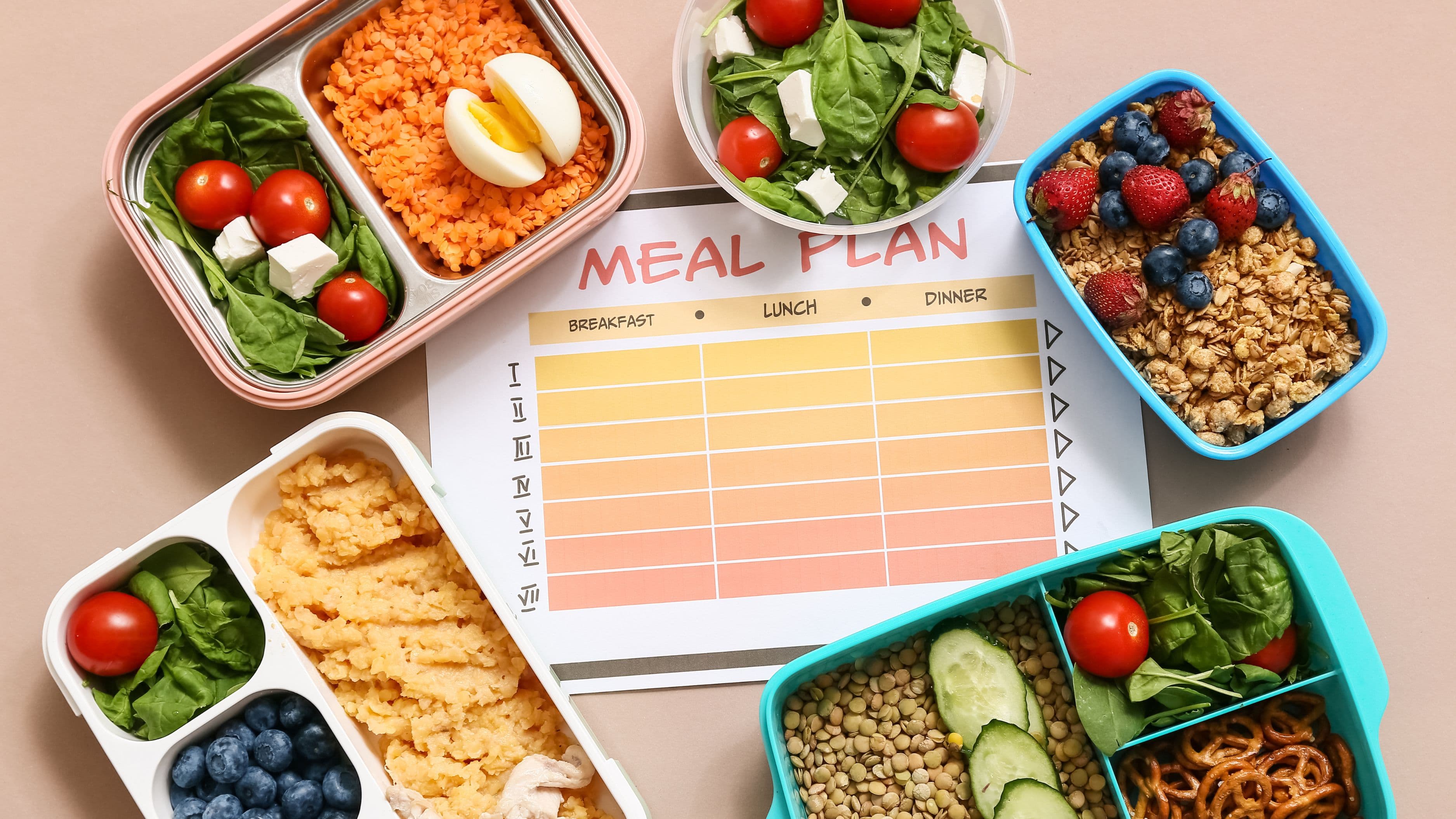
Cooking a larger batch of a base component – a pot of beans, a tray of roasted vegetables, a big batch of grains – and repurposing it across multiple meals during the week both saves time and reduces the temptation to order takeout on a busy night. The key to making this feel varied rather than repetitive is changing the seasoning, sauce, or format each time: the same batch of roasted vegetables can become a grain bowl one night and a filling for tacos the next, simply by changing what you pair them with.
Don't Skip the Pantry Basics That Make a Real Difference
A well-stocked pantry of a few inexpensive but high-impact items – a good quality soy sauce, a can of coconut milk, a jar of curry paste, a bottle of hot sauce – lets you transform a simple base of rice, beans, and vegetables into a meal that tastes like it came from a specific, intentional cuisine rather than a generic "whatever's cheap" dinner. These items last a long time in the pantry, so the upfront cost is spread across many meals rather than being a per-dish expense.
What to Avoid
Avoid buying a long list of specialty ingredients for a single recipe you'll only make once. This is one of the fastest ways a "budget meal" ends up costing more than a restaurant dinner once you tally the cost of ingredients you'll never use again. Stick to versatile staples that show up across multiple recipes instead.
Also avoid over-relying on pre-packaged convenience foods in the name of saving time, since these often cost significantly more per serving than cooking the same meal from basic ingredients, while typically delivering less flavor and satisfaction.
Common Mistakes to Avoid
Under-seasoning out of habit rather than genuinely tasting and adjusting as you cook
Buying specialty ingredients for one-off recipes instead of building around versatile staples
Skipping acid (citrus, vinegar) at the end of cooking, which often makes the biggest difference in perceived flavor
Not repurposing leftovers intentionally, leading to food waste and repetitive, uninspired meals
FAQ
Is cooking from scratch actually cheaper than buying pre-made meals? In most cases, yes, particularly when built around inexpensive staples like beans, grains, and seasonal vegetables. The time investment is real, but the cost savings per meal are typically significant compared to pre-packaged convenience options.
How can I make budget meals feel less repetitive? Vary your spice profiles and sauces rather than your base ingredients. The same rice, beans, and vegetables can taste completely different depending on whether you season them with cumin and lime versus soy sauce and ginger.
Do I need a lot of specialty equipment to cook flavorful budget meals? No. A good knife, one solid pot, and one solid pan cover the vast majority of budget-friendly cooking. Specialty equipment isn't what makes food taste good – seasoning, technique, and fresh acid at the end of cooking matter far more.
Bottom Line
Eating well on a tight budget comes down to building meals around a handful of versatile, inexpensive staples, seasoning generously and with intention, and being smart about how you repurpose what you cook. None of this requires sacrificing flavor – it just requires shifting where your effort and creativity go, from expensive ingredients to smart, deliberate technique.
📚 Sources
USDA – MyPlate Budget-Friendly Meal Planning. myplate.gov
University Extension Programs – Cooking on a Budget Guides. extension.org