A Quick Overview of Egyptian Street Food
Egyptian street food centers heavily around legumes, rice, and simple frying or stewing, reflecting a culinary tradition built for affordability and nourishment rather than elaborate presentation. Dishes like koshari, ful medames, and taameya (Egyptian-style falafel) have been street food staples for generations precisely because they're inexpensive to make in large batches and satisfying enough to serve as a complete meal on their own. What makes this cuisine so approachable for home cooks is that its complexity comes from combining a few well-executed simple components, not from difficult individual techniques.
Key Ingredients That Show Up Again and Again
Fava beans (ful) form the base of both ful medames, a slow-simmered fava bean stew, and taameya, which uses fava beans instead of the chickpeas found in more familiar Middle Eastern falafel. Dried fava beans are widely available in Middle Eastern grocery stores and increasingly in well-stocked regular supermarkets, and canned fava beans offer a genuinely solid shortcut for ful medames specifically, cutting most of the prep time without meaningfully compromising the dish.
Cumin and coriander appear throughout Egyptian cooking as the backbone seasoning for both legume dishes and rice preparations, providing warmth and depth without requiring an extensive spice cabinet. Garlic and fresh lemon juice show up just as consistently, often added at the end of cooking to brighten dishes that are otherwise slow-cooked and deeply savory.
Rice, lentils, and pasta come together most famously in koshari, Egypt's iconic layered street food dish, which combines all three along with a tangy tomato sauce and crispy fried onions. Despite looking like an ambitious combination, each component cooks completely independently using basic techniques before being layered together, which is part of why koshari is far more approachable to make at home than its ingredient list initially suggests.
Popular Dishes Worth Trying First
Koshari is arguably Egypt's most iconic street food, a hearty combination of rice, brown lentils, and small pasta topped with a spiced tomato sauce and crispy fried onions. Despite its layered appearance, each element, the rice, the lentils, the pasta, and the sauce, is made using simple, independent stovetop methods, meaning the "difficulty" is really just managing a few pots at once rather than any individual step being genuinely hard.
Ful medames is a slow-simmered fava bean stew, typically mashed lightly and finished with olive oil, lemon juice, cumin, and garlic, often served with warm pita for scooping. Using canned fava beans instead of dried ones turns this into a genuinely quick dish, since the long simmering time dried beans require becomes unnecessary once you start from a can that's already fully cooked.
Taameya is Egypt's answer to falafel, made from ground fava beans rather than chickpeas, giving it a notably greener color and a slightly different, herb-forward flavor from the fresh parsley, cilantro, and dill typically blended into the mixture. The technique mirrors standard falafel preparation closely, meaning if you've made chickpea falafel before, taameya requires no new skills, just a different bean and a slightly different herb ratio.
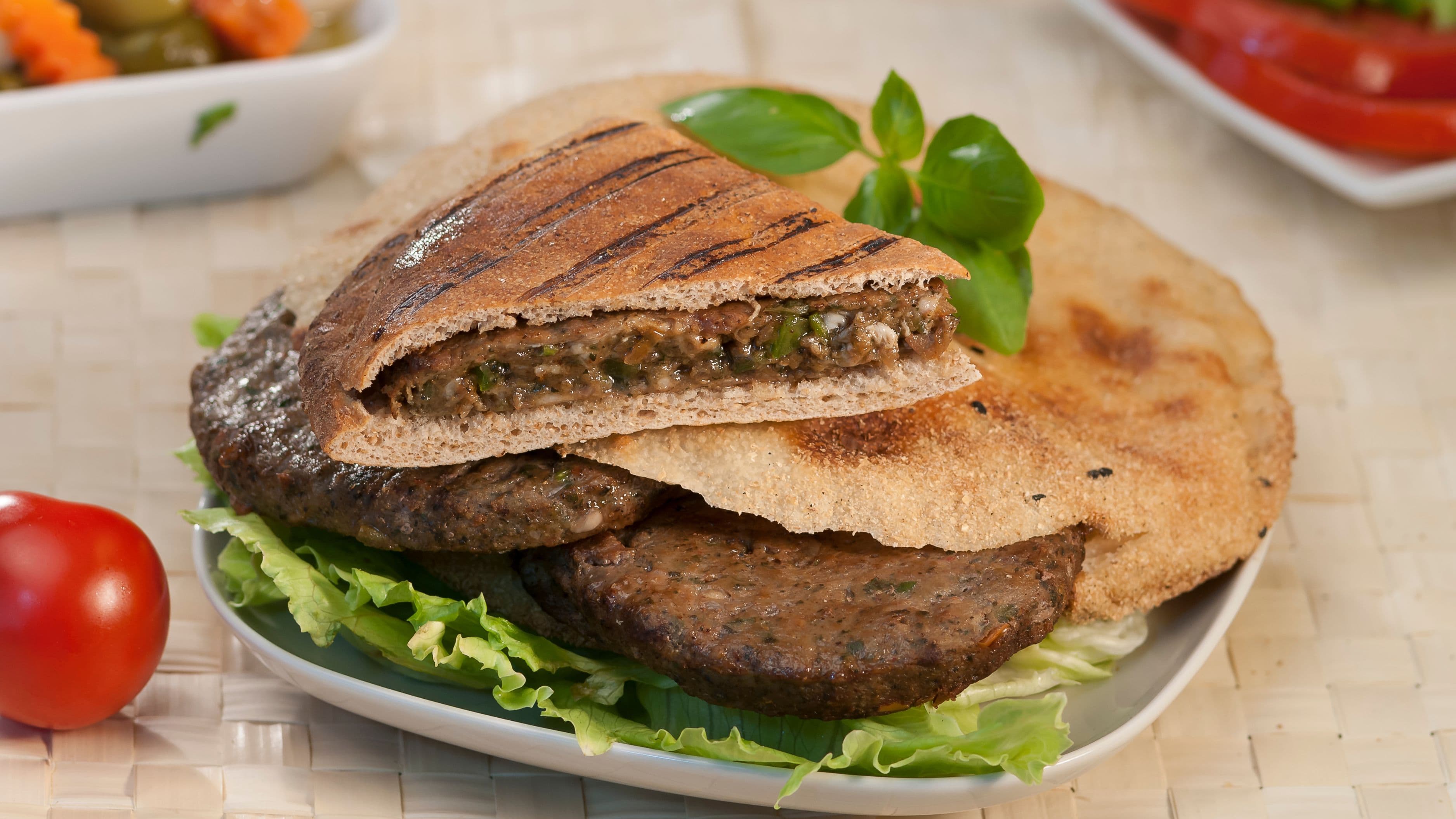
Hawawshi is a spiced ground meat mixture stuffed inside pita-style bread and baked or pan-fried until crispy, essentially functioning as an Egyptian stuffed flatbread sandwich. The filling comes together quickly since it's simply seasoned raw ground meat, onion, and peppers, with the bread doing most of the work to create texture and crunch during cooking.
How to Start Recreating This at Home
Begin with ful medames if you're looking for the lowest-effort entry point, since a can of fava beans, garlic, cumin, lemon, and olive oil come together into a genuinely satisfying dish in under 20 minutes with essentially no technique required beyond basic simmering and mashing. This gives you an authentic taste of Egyptian flavor without needing to source specialty ingredients or manage multiple components at once.
From there, koshari is a natural next step, since it introduces you to the layering approach common throughout Egyptian cooking without requiring any single difficult technique. Cook the rice, lentils, and pasta using methods you likely already know, prepare a simple tomato sauce with garlic, cumin, and a splash of vinegar, and fry sliced onions until deeply golden and crispy. Assembling the components at the end is the only part requiring any real attention, and even that's closer to plating than actual cooking.
Taameya is worth attempting once you're comfortable with the fava bean flavor profile from ful medames, since it introduces a new technique, frying, but uses many of the same base ingredients you'll already be familiar with by that point.
Tips for Getting Authentic Flavor
Toasting your cumin and coriander briefly in a dry pan before using them meaningfully deepens their flavor compared to using them straight from the jar, a small step that makes a noticeable difference in dishes like ful medames and koshari's tomato sauce. Frying your onions for koshari low and slow until genuinely deep golden brown, rather than rushing them on high heat, is worth the extra ten minutes, since undercooked onions lack the sweet, crispy contrast that makes the dish work.
Using fresh lemon juice rather than bottled, and adding it toward the end of cooking rather than at the start, preserves the brightness that balances out the heartier, spice-forward base of most of these dishes.
What to Avoid
Rushing the fried onions for koshari or skipping them entirely removes one of the dish's most distinctive textural elements, so it's worth the small additional time investment rather than treating them as optional. Using canned chickpeas as a substitute for fava beans in ful medames or taameya changes the flavor and color significantly enough that the dish no longer tastes authentically Egyptian, even though the technique remains similar.
Oversalting the tomato sauce for koshari before tasting the fully assembled dish is another common misstep, since the rice and lentils absorb quite a bit of the sauce's seasoning once combined, meaning a sauce that tastes perfectly balanced on its own can end up under-seasoned once mixed into the full dish.
FAQ
Where can I find fava beans if my regular grocery store doesn't carry them? Middle Eastern, Mediterranean, or international grocery stores typically carry both dried and canned fava beans, and many well-stocked regular supermarkets have started carrying canned versions in their international foods aisle as well.
Is Egyptian street food generally spicy? Not typically in the way many people expect. Most dishes rely on warm spices like cumin and coriander for depth rather than heat, though hot sauce or chili is often served on the side for those who want to add spice themselves.
Can I make koshari vegetarian or vegan? Yes, koshari is naturally vegetarian and vegan as traditionally prepared, since it's built entirely from rice, lentils, pasta, tomato sauce, and fried onions with no meat or dairy involved.
📚 Sources
Serious Eats, "Koshari (Egyptian Rice, Lentils, and Pasta With Spiced Tomato Sauce)" – https://www.seriouseats.com/koshari-egyptian-rice-lentils-pasta-tomato-sauce-recipe
The Mediterranean Dish, "Ful Medames Recipe" – https://www.themediterraneandish.com/ful-medames-recipe/