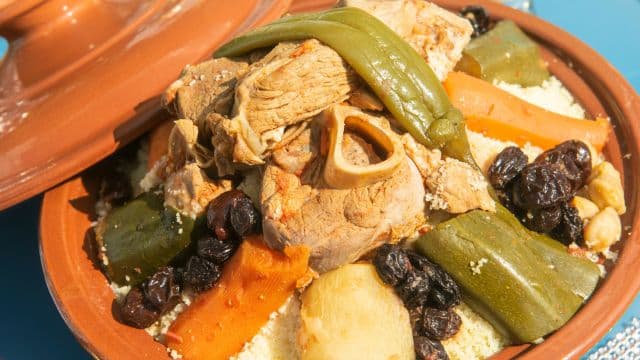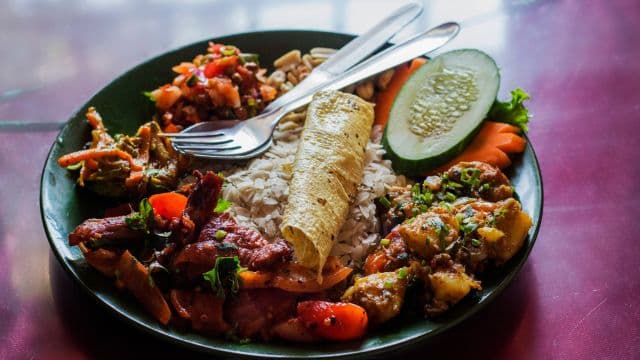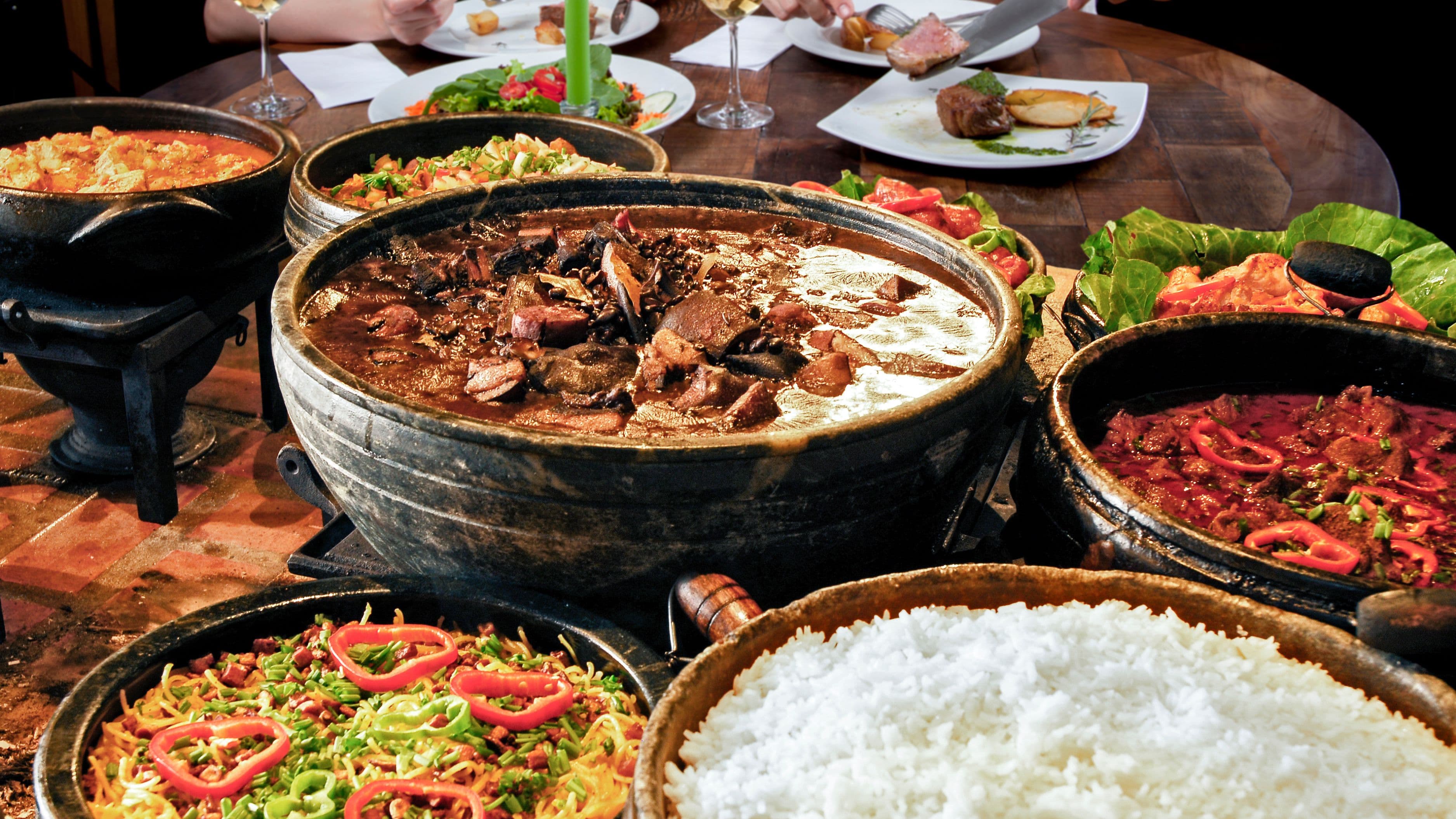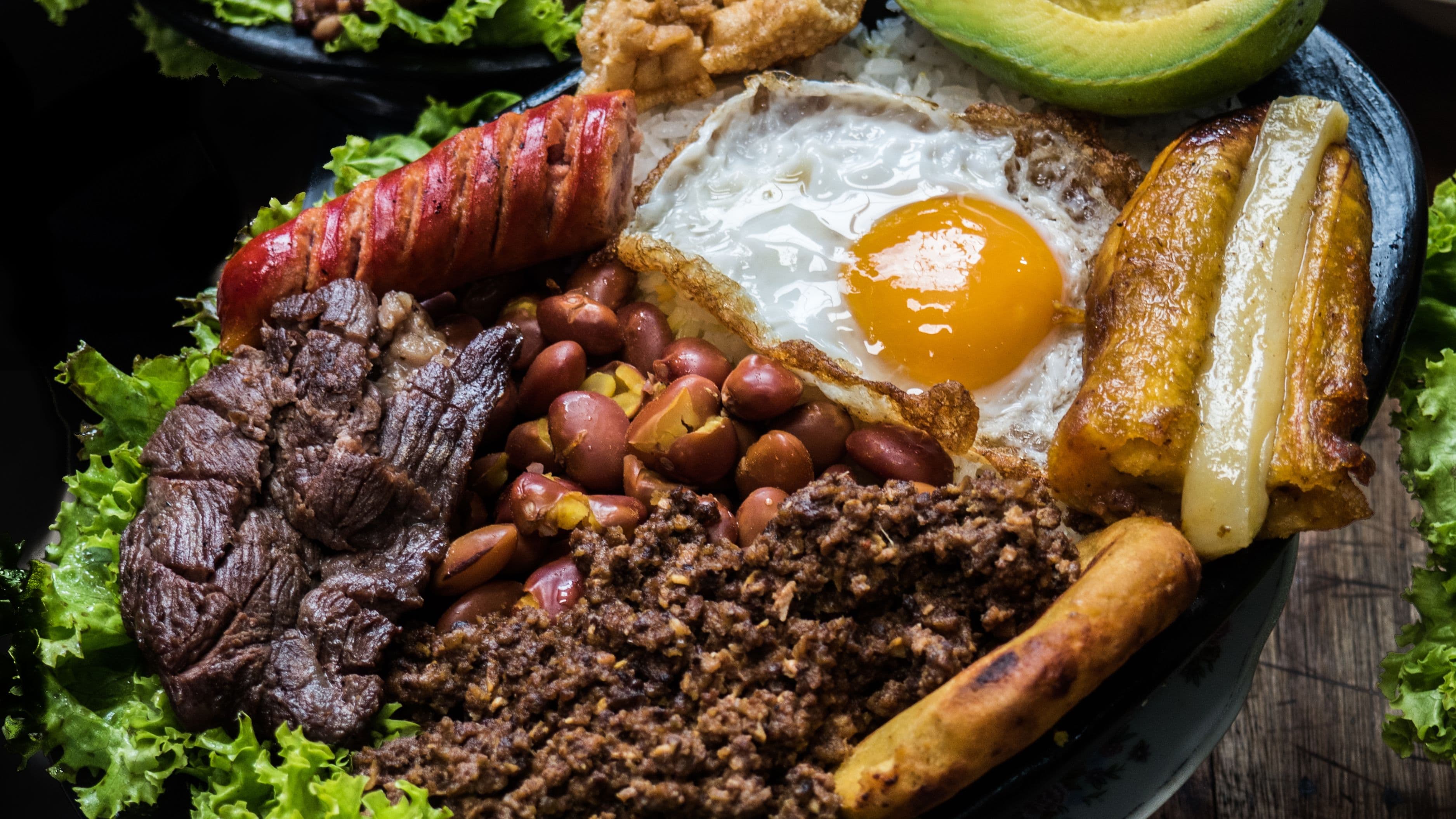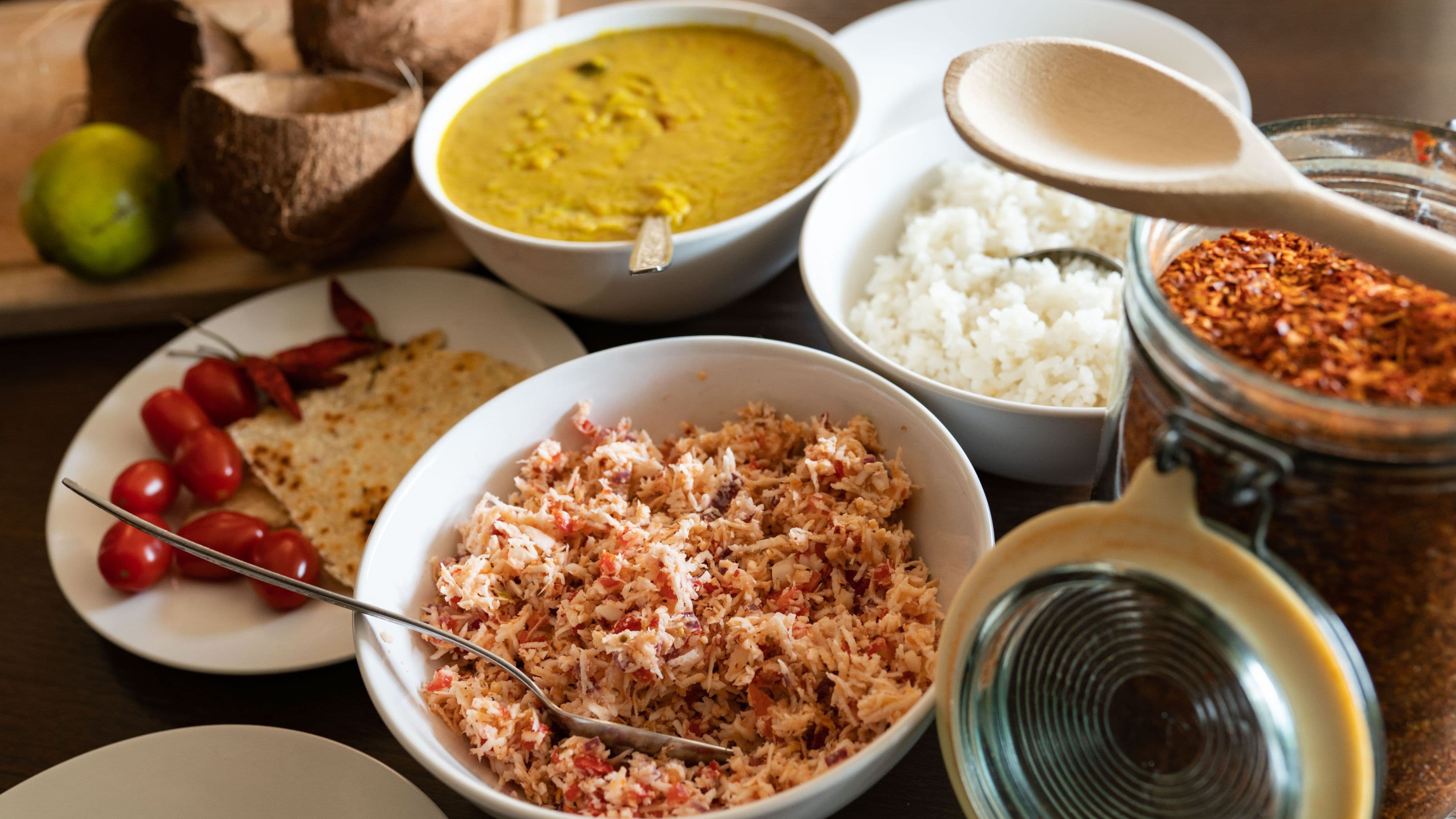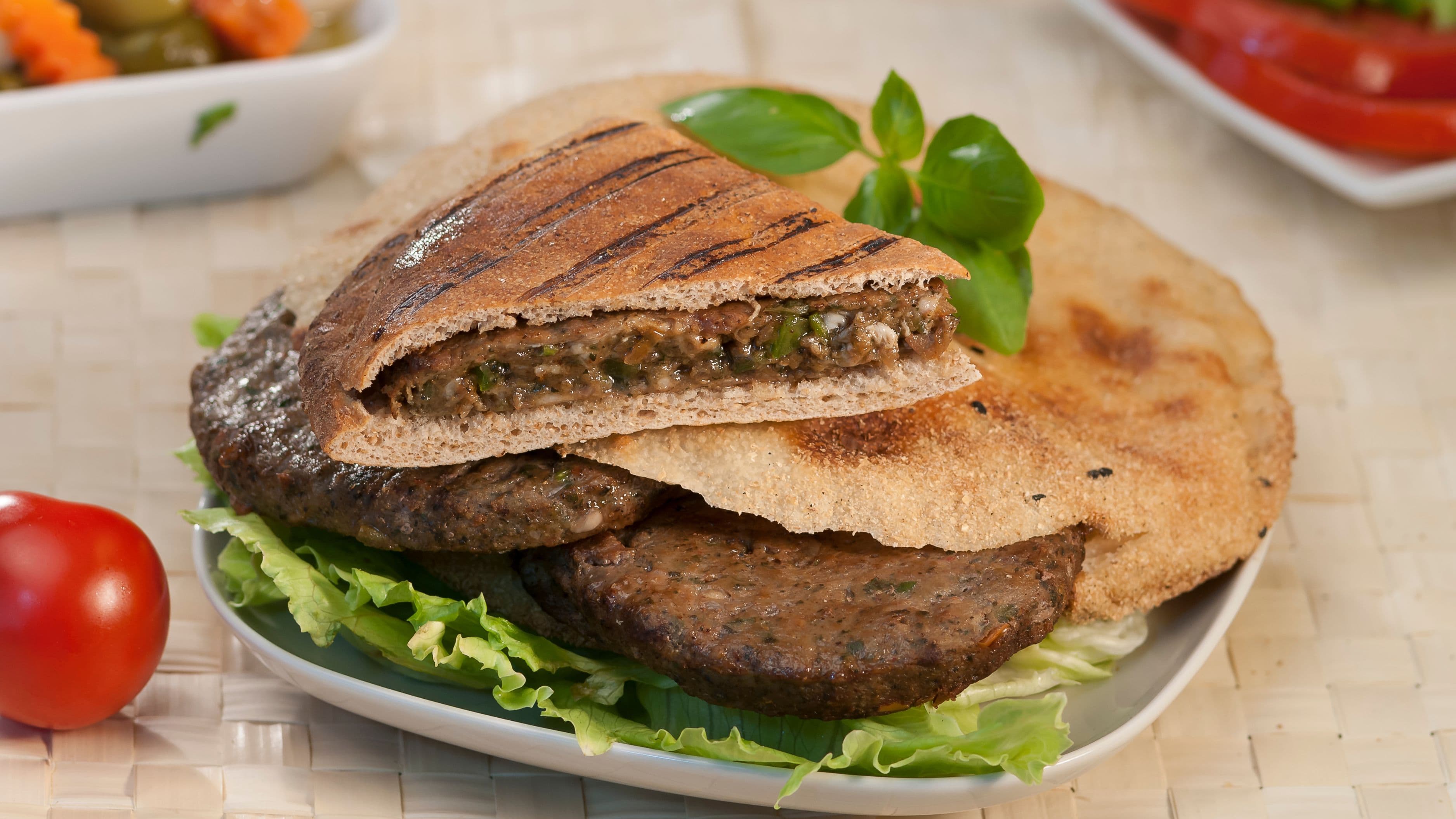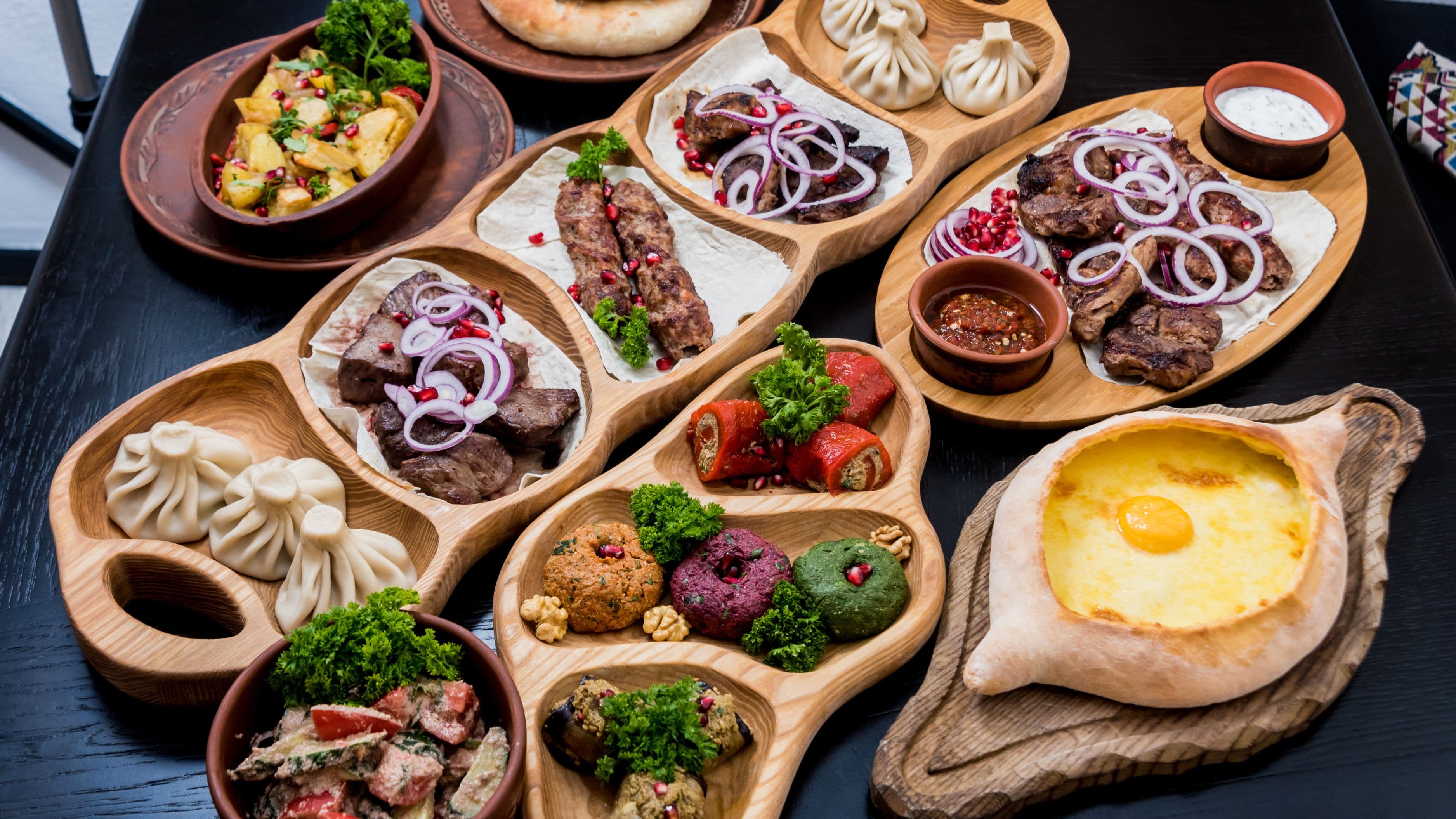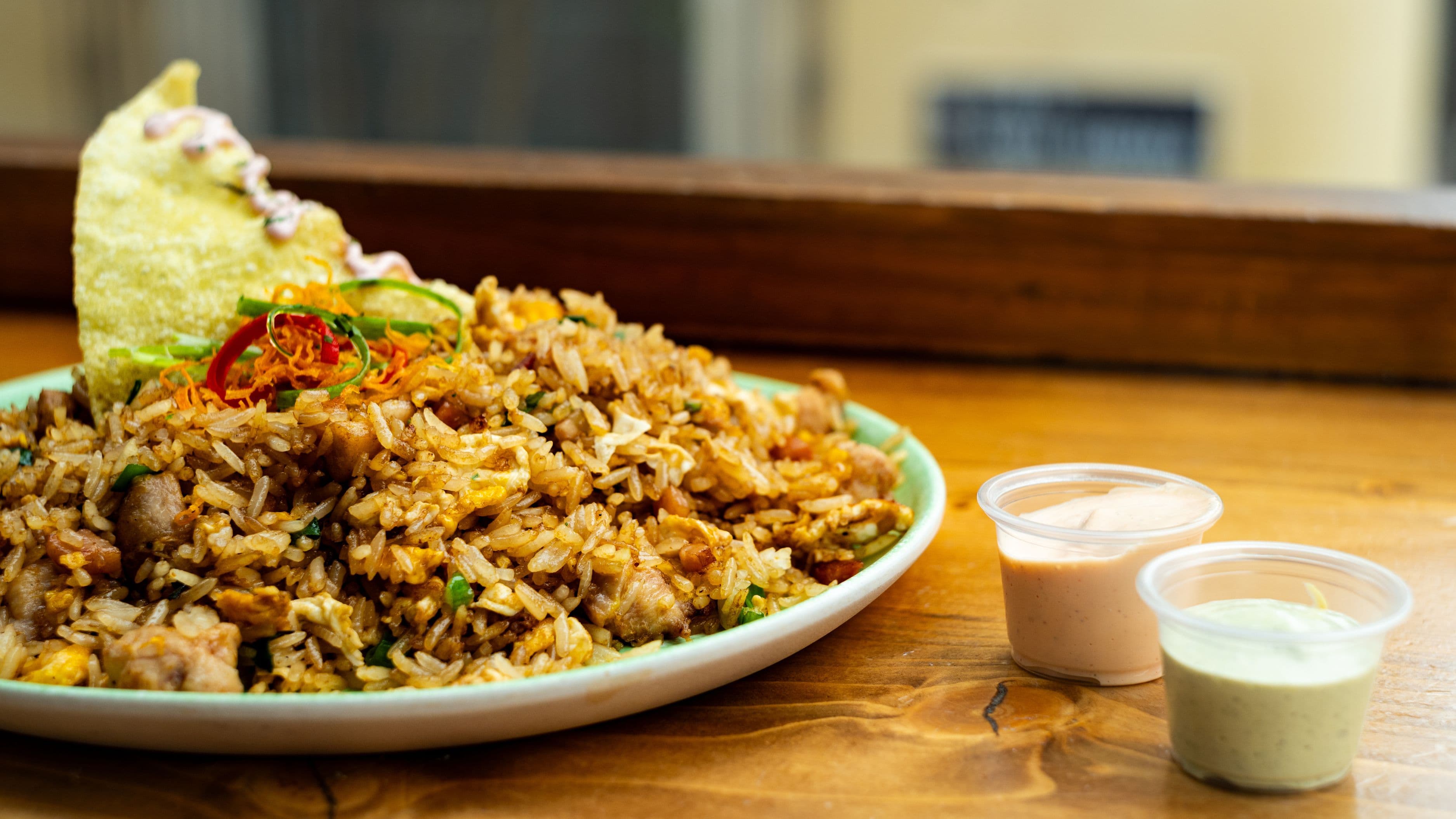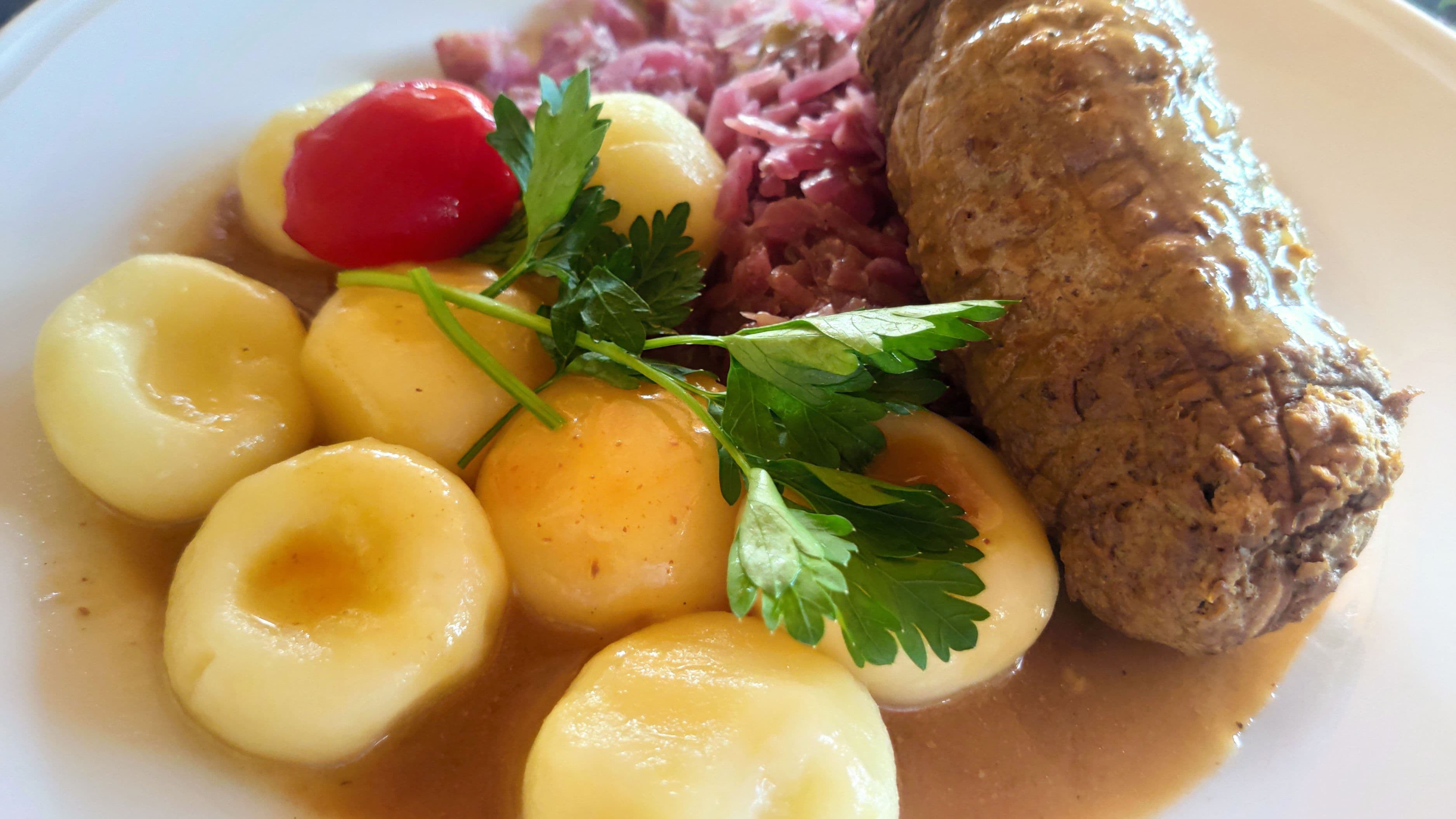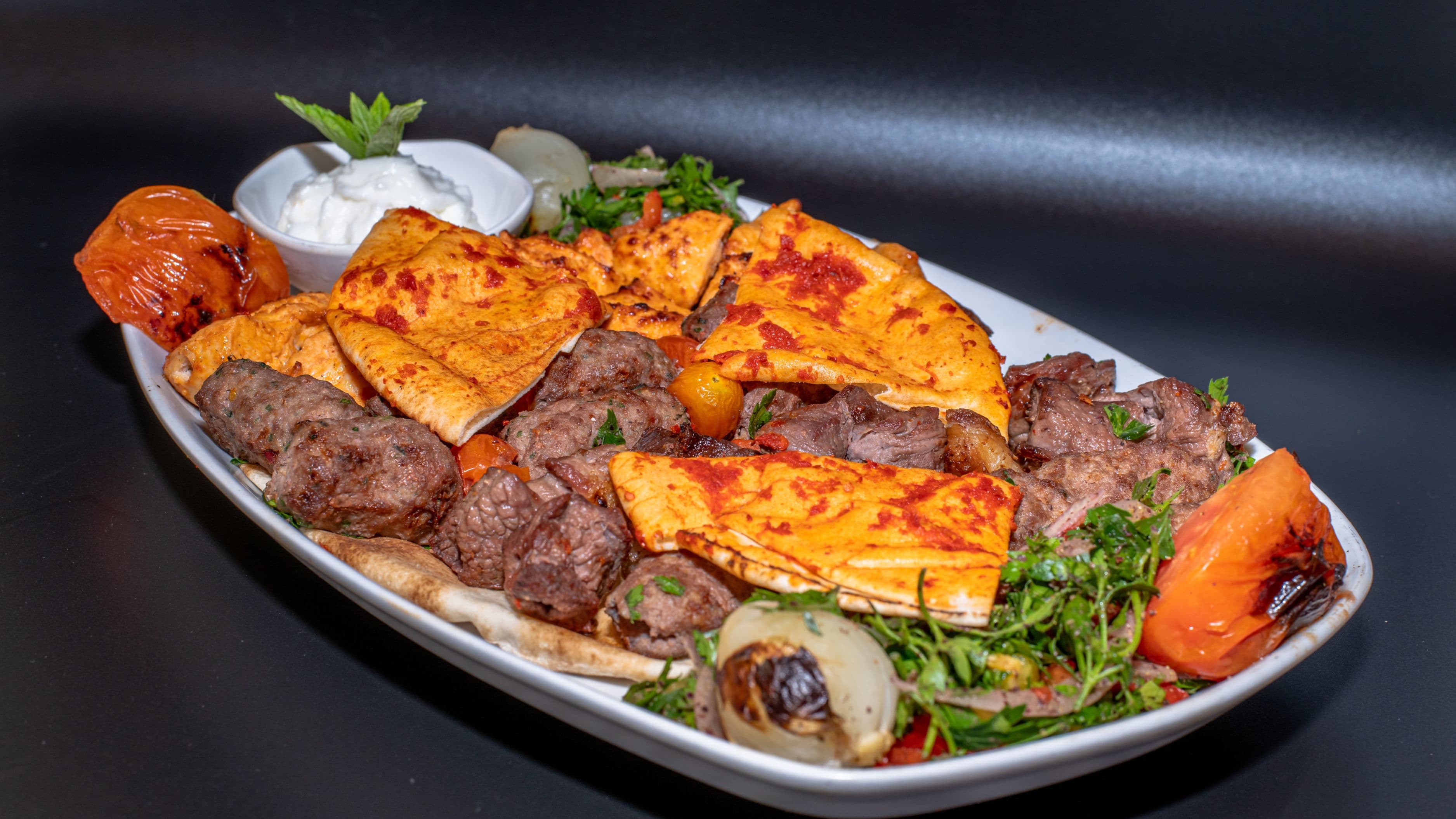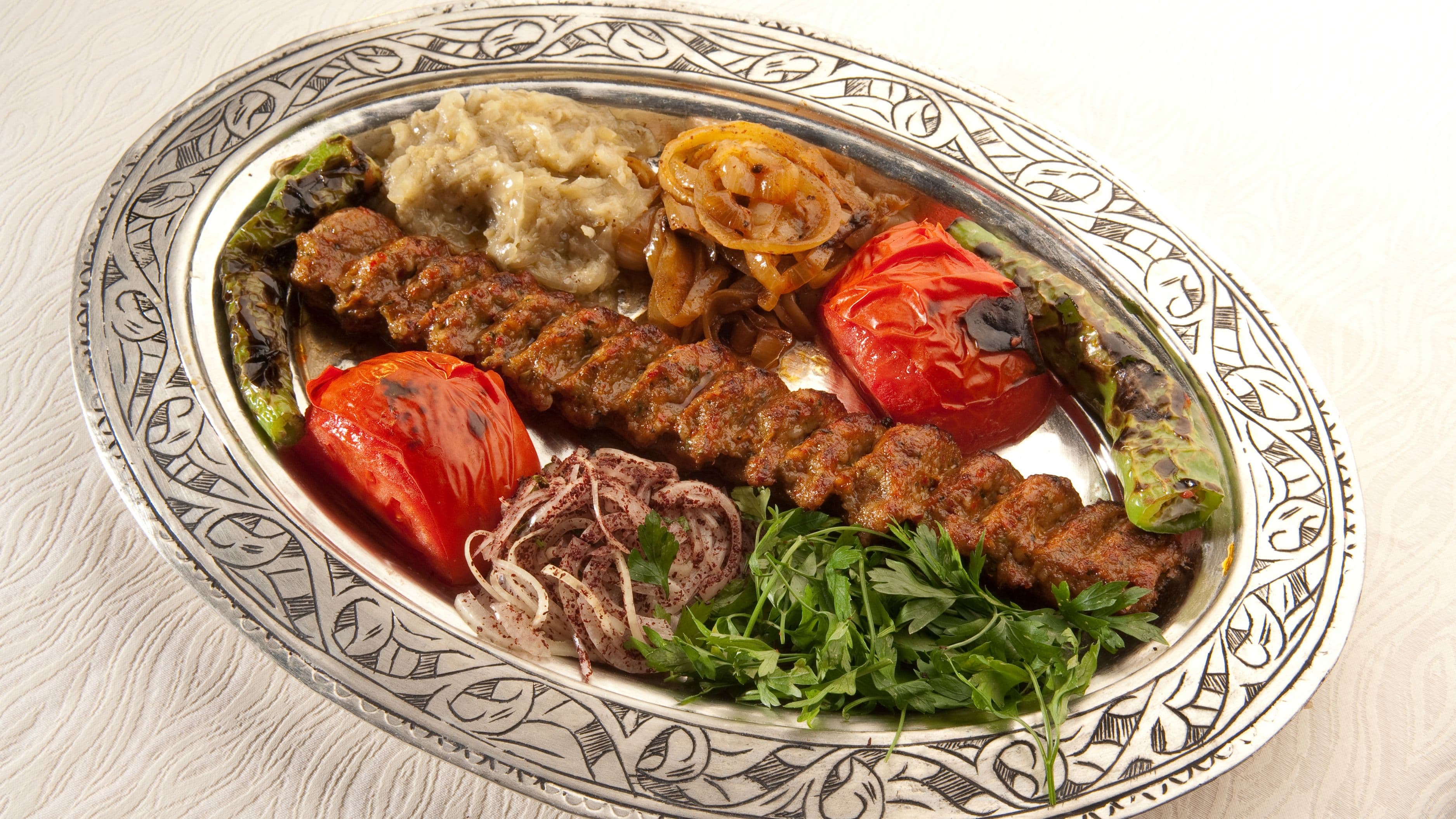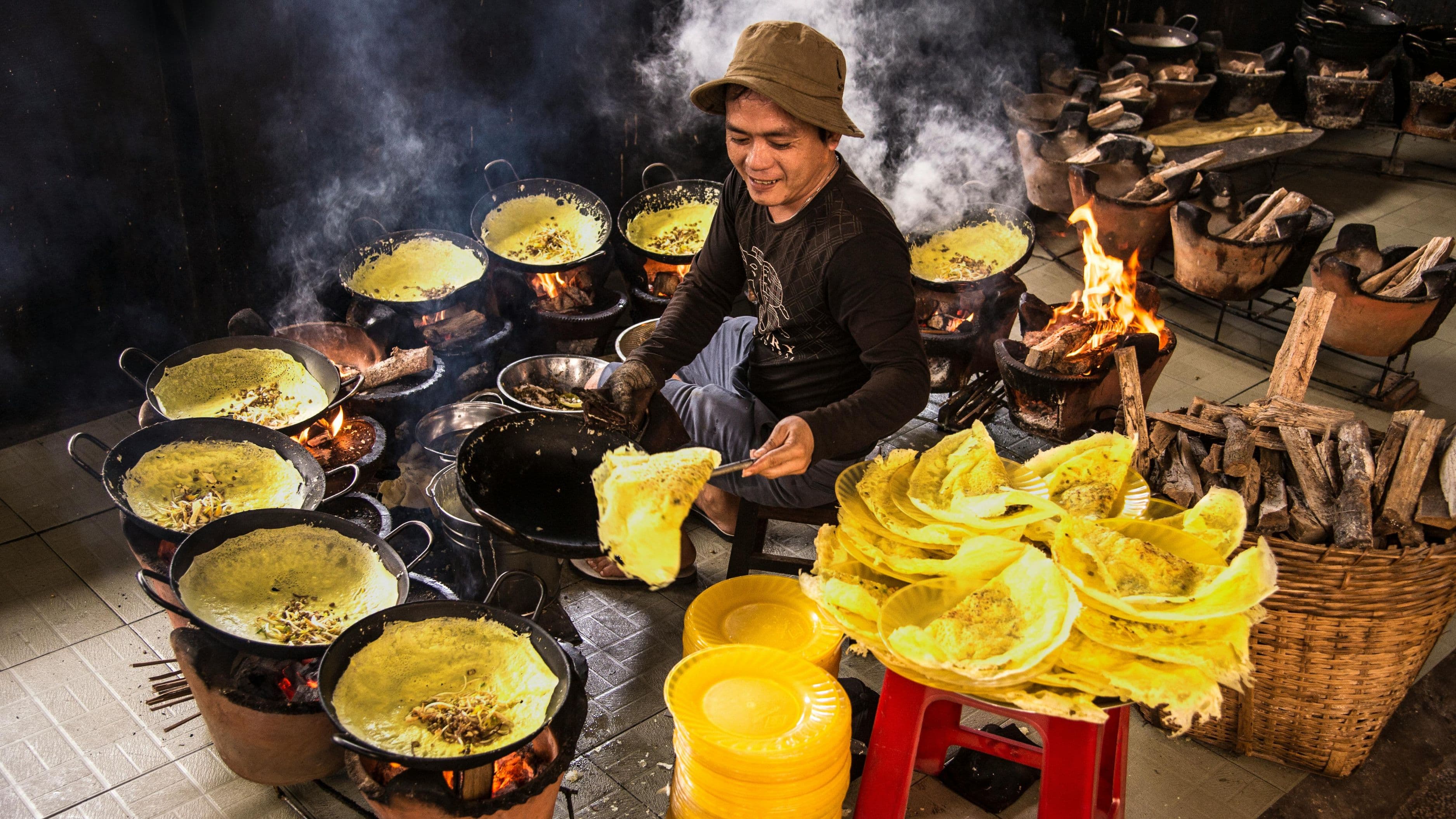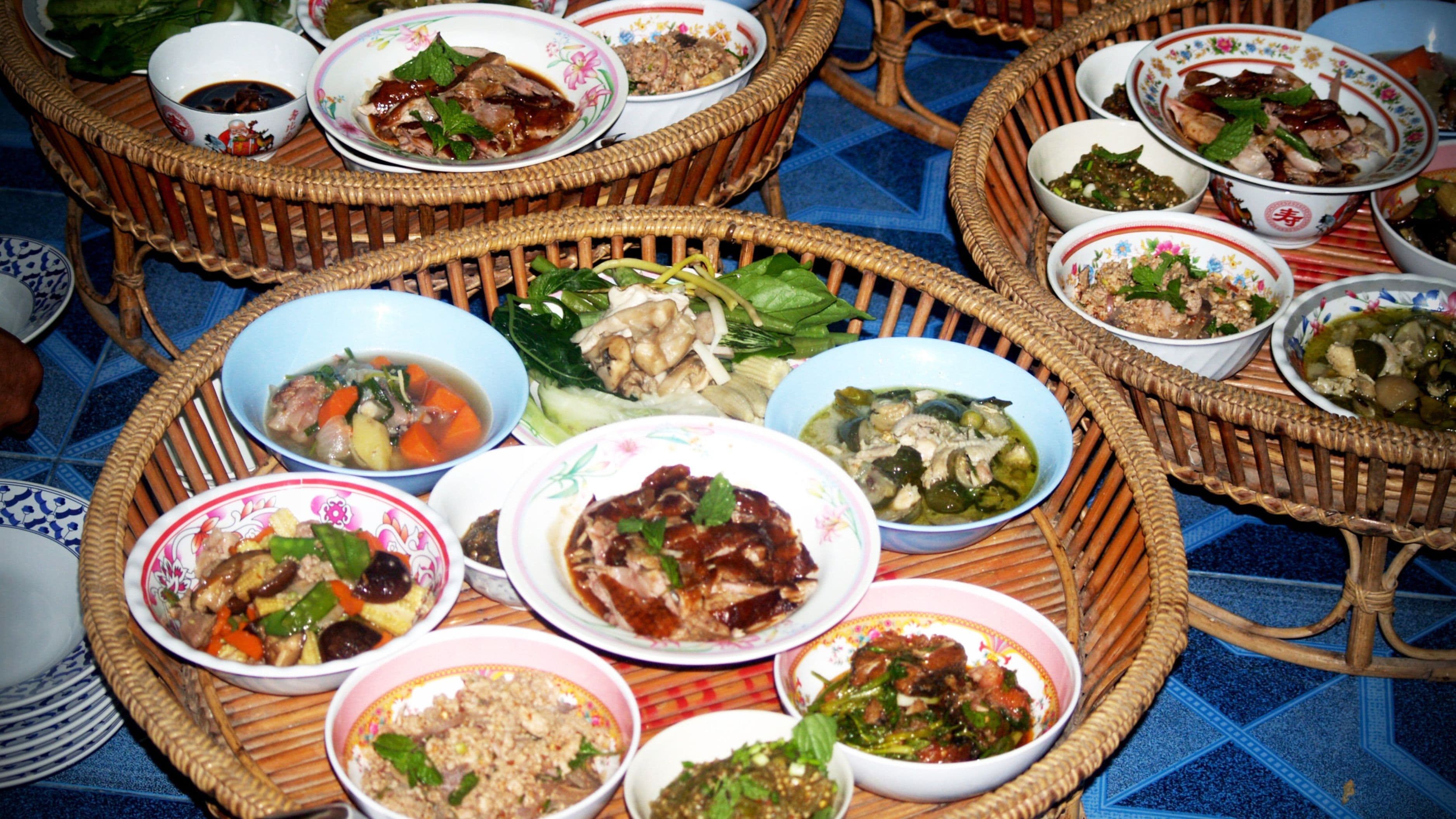
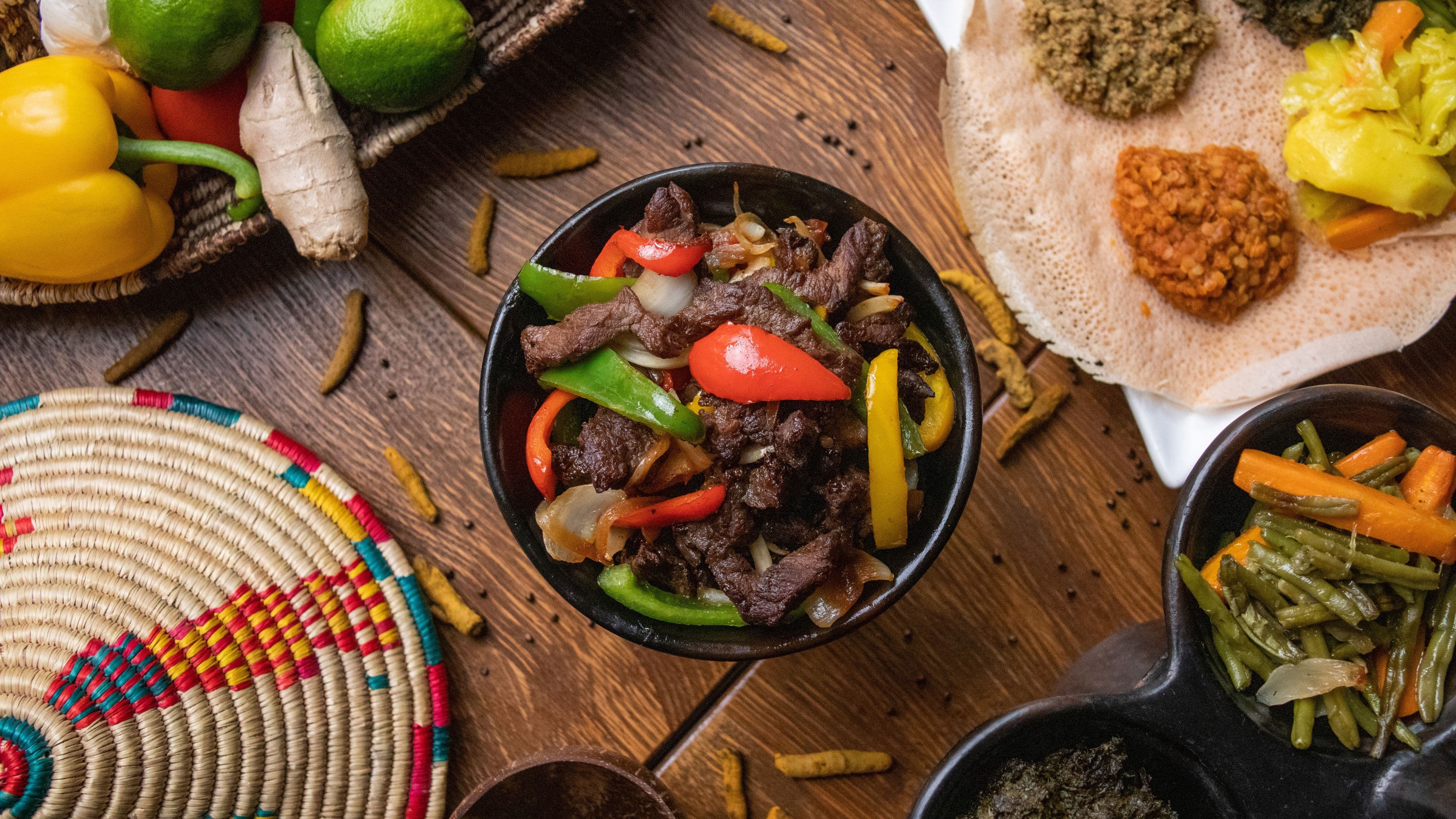
The communal eating tradition — everything served on a single large piece of injera flatbread, dishes arranged around it, eaten by hand — is also part of why cooking Ethiopian food at home is so satisfying. It's a genuinely different meal experience, and it's easier to pull off than most people assume.
Understanding the Cooking Logic
Ethiopian cuisine is built around a few core principles that repeat across almost every dish. Understanding them makes the whole cuisine click.
The first is berbere, a complex spice blend that combines dried chiles, fenugreek, coriander, black pepper, korarima (Ethiopian cardamom), rue, ajwain, and several other spices. It's deeply aromatic, moderately hot, and forms the flavor base of most meat and lentil stews. You can buy pre-made berbere at Ethiopian grocery stores or online, and it's a completely reasonable shortcut — but making it yourself once teaches you what you're tasting in every dish.
The second is niter kibbeh, a spiced clarified butter infused with onion, garlic, ginger, and a mix of spices including turmeric, cardamom, and cinnamon. It's not an optional fat — it's a flavor carrier that shows up in virtually every cooked dish. The aroma when niter kibbeh hits a hot pan is the smell of Ethiopian cooking.
The third is injera, the spongy fermented flatbread that serves as both plate and utensil. It's made from teff flour — a gluten-free ancient grain native to Ethiopia — and has a distinctive mildly sour flavor from the fermentation. Making it from scratch takes 2–3 days due to the fermentation, which is why most people start with store-bought injera when learning the cuisine.
The fourth is long, slow cooking of onions. Ethiopian stews almost always start with a large amount of onions dry-cooked first — no oil — until they become very soft and begin to caramelize. This dry caramelization builds a sweet, deep flavor base before any fat is added. It's different from most other cuisines and makes a genuine difference to the final result. Don't rush it.
What to Make First
Before you cook a full spread, it's worth knowing that Ethiopian food is typically served as multiple dishes together — called a tibs if meat-based, or a vegetarian spread called beyaynetu. The dishes don't take the same amount of time, and some are better made in advance, so planning a few dishes together from the start makes more sense than cooking one in isolation.
A manageable first Ethiopian meal for a home cook might include: misir wat (spiced red lentils), gomen (braised collard greens), and either doro wat (chicken stew) or tibs (sautéed meat). That's a complete spread that covers the core flavor profiles of the cuisine. Add injera — bought or made — and you have an authentic Ethiopian meal.
Misir Wat (Spiced Red Lentils)
Misir wat is probably the best starting point for a new Ethiopian cook. It's deeply flavored, forgiving in terms of timing, entirely plant-based, and showcases the berbere-niter kibbeh combination in its purest form. It's also one of the dishes that improves significantly overnight, which makes it excellent for preparing ahead.
Start by dry-cooking a large finely chopped onion in a heavy-bottomed pot over medium heat, stirring regularly, for 10–15 minutes until soft and beginning to turn golden — no oil yet. Then add niter kibbeh and berbere and cook the spices in the butter for 2–3 minutes. Add rinsed red lentils, enough water to cover by about an inch, and simmer for 25–30 minutes, stirring occasionally, until the lentils are completely soft and the stew has thickened. Season with salt and finish with a small knob of niter kibbeh stirred in just before serving. The result should be thick, almost paste-like — not soupy.
Skill level: Beginner. Requires time but no technical difficulty.
Gomen (Braised Collard Greens)
Gomen is Ethiopian braised collard greens and provides a necessary counterpoint to the richness of lentil and meat stews on the plate. It's simple, slightly bitter, and aromatic from garlic, ginger, and a little niter kibbeh.
Wash and strip the collard greens from their stems, then chop them into rough pieces — not too fine. Sauté onion, garlic, and ginger in niter kibbeh until soft, then add the greens with a small splash of water and cook covered over medium-low heat for 20–30 minutes, stirring occasionally, until tender. Season with salt. Some versions add green chiles; others are milder. The key is cooking them long enough that they're genuinely soft and have lost their raw bitterness, but not so long they lose all color.
Skill level: Beginner. The main requirement is patience with the cooking time.
Doro Wat (Chicken Stew)
Doro wat is the iconic Ethiopian dish — a deeply spiced, slow-cooked chicken stew that's considered festive and celebratory. It takes about 2 hours total and requires more attention than the lentil dishes, but the process is methodical and the result is extraordinary. Hard-boiled eggs, scored so the sauce penetrates, are cooked into the stew at the end — a traditional element worth not skipping.
Start with the extended dry-onion step: three to four large onions, finely chopped, dry-cooked in a heavy pot for 20–25 minutes until very soft and beginning to take on color. This is longer than most recipes and makes a real difference. Add niter kibbeh, then berbere — more than feels right, probably 2–3 tablespoons for a pot serving 4 — and cook the paste for several minutes until fragrant and beginning to stick. Add chicken pieces (bone-in thighs and drumsticks hold up well to the long cooking), enough water or stock to partially submerge, and braise over low heat for 45 minutes to an hour, turning the chicken occasionally. Add peeled scored hard-boiled eggs in the final 10–15 minutes of cooking.
Doro wat should be quite dark in color, intensely flavored, and slightly oily on top from the berbere and niter kibbeh — that's correct, not a sign of using too much fat.
Skill level: Intermediate. More time and attention than the other dishes, but follows a clear process.
How to Make Niter Kibbeh
Making niter kibbeh is a one-hour project that yields a jar of spiced butter that will last in the refrigerator for weeks and transforms every Ethiopian dish you make. It's worth doing properly rather than substituting plain butter.
Start with unsalted butter — around 250g (roughly 2 sticks). Melt it slowly in a saucepan over low heat. Add a small chopped onion, 3–4 garlic cloves, a thumb of fresh ginger, half a teaspoon of turmeric, a few cardamom pods, a cinnamon stick, a few cloves, and a small amount of dried thyme or fenugreek if you have it. Let everything simmer very gently for 30–40 minutes — the butter should be clear and golden, with the milk solids settled at the bottom and not burning. Strain through a fine-mesh sieve or cheesecloth into a clean jar. The result is a deeply aromatic, golden fat that smells of all the spices at once.
Store refrigerated and it will keep for 4–6 weeks. Use it wherever a recipe calls for butter or oil in Ethiopian cooking.
How to Make Berbere
If you want to make berbere from scratch rather than buy it, the process requires sourcing a few less common spices but is otherwise straightforward. The key components are: dried red chiles (a mixture of mild and hot, like New Mexico and cayenne), fenugreek seeds, coriander seeds, black peppercorns, korarima or regular cardamom, allspice, and cloves. Toast the whole spices lightly in a dry pan, then grind everything together — a spice grinder or a powerful blender works well.
The ratio of chiles to other spices determines the heat level. Traditional Ethiopian berbere is moderately hot rather than incendiary — the complexity of the other spices is as important as the heat. Start with a higher proportion of mild dried chiles and adjust from there.
Store in an airtight jar away from light and heat. Freshly made berbere is noticeably more aromatic than commercial versions.
Making or Buying Injera
Injera deserves honest treatment here: making it from scratch is genuinely a multi-day process, and a first attempt that doesn't go well can derail an otherwise successful meal. If Ethiopian food is new to you, start by buying injera. It's available at Ethiopian restaurants (many sell it separately), at Ethiopian and Eritrean grocery stores, and increasingly at international food stores.
When you're ready to make it yourself, the basic process involves mixing teff flour with water, covering it loosely, and letting it ferment at room temperature for 2–3 days until it smells pleasantly sour and has developed small bubbles. Then thin the batter with additional water and cook on a large flat nonstick pan or traditional mitad, covering it briefly so the surface steams and develops its characteristic spongy holes. The texture should be soft and slightly elastic, with a mild sour flavor. Teff flour sourced from Ethiopian or natural food stores gives the best result — the flavor of true teff injera is deeper than versions made with partial substitutes.
Shortcut: Several good-quality injera brands are available online and at Ethiopian grocers. There's no shame in buying it, especially while learning the other dishes.
Setting Up the Spread
Ethiopian meals are served family-style, everything at once on a large piece of injera laid out on a round tray or platter. Spoon the stews and greens directly onto the injera, which will absorb the sauces over the meal. Tear pieces of additional injera to scoop up the food — always with your right hand in traditional practice.
For a first Ethiopian dinner at home: lay a large piece of injera on a round platter, arrange your misir wat, gomen, and doro wat (or tibs) in sections on top, and serve additional injera folded on the side for scooping. The meal looks impressive without requiring any plating skill — the ingredients arrange themselves into something beautiful.
Common Mistakes to Avoid
Rushing the onions. The long dry-cooking step for onions is the foundation of Ethiopian cooking, and cutting it short leaves a thin, sharp flavor where there should be a deep, sweet base. Set a timer and walk away if needed.
Under-seasoning with berbere. Ethiopian cooking uses spice boldly. If your berbere quantities feel aggressive, they're probably right. Timid amounts lead to flat, underseasoned stews.
Making injera from a flour that's past its prime. Teff is a whole grain flour that goes rancid faster than refined flour. Buy it fresh, store it in the refrigerator or freezer, and smell it before using — it should smell nutty and clean, not sour or musty.
Serving dishes individually rather than as a spread. Part of what makes Ethiopian food satisfying is the variety on the plate at once. Even a small spread of two or three dishes is more authentic and enjoyable than serving one dish on its own.
FAQ
Where do I buy Ethiopian ingredients like teff flour and berbere? Ethiopian grocery stores are the most reliable source for the best quality at good prices. In cities with Ethiopian communities, these are often easy to find. Online retailers including Amazon, Walmart Grocery, and specialty food stores like Penzeys (for spices) carry most ingredients. Bob's Red Mill produces teff flour that's widely available at natural food stores.
Can I make Ethiopian food without niter kibbeh? You can substitute regular clarified butter (ghee) with a small amount of added spices, or even olive oil in a pinch. The flavor will be less complex and distinctly less Ethiopian, but the dish will still work. If you're making Ethiopian food more than occasionally, niter kibbeh is worth the one-time effort.
Is Ethiopian food very spicy? It's aromatic and well-spiced, but traditional Ethiopian cooking spans a range from mildly spiced to genuinely hot depending on the dish and region. You control the heat level by adjusting the amount of berbere. Start with less than the recipe calls for and build up — you can always add more.
How long does it take to prepare a full Ethiopian spread? With niter kibbeh and berbere already made, a full spread of three dishes takes about 2–2.5 hours for a first-time cook, with significant downtime during the long onion and stewing stages. An experienced cook can do the same spread in 90 minutes. Make the lentils and greens in advance — they reheat beautifully — and focus on the meat dish day-of.
What if I can't find injera anywhere? A thin, soft flatbread makes a reasonable substitute — some home cooks use large soft tortillas or homemade crepes as a stopgap. The flavor profile changes, but the communal eating experience remains. Making homemade injera is worth attempting after you've made the cuisine a few times and are committed to it.
📚 Sources
The Spruce Eats – Ethiopian Niter Kibbeh (Spiced Clarified Butter) – https://www.thespruceeats.com/ethiopian-niter-kibbeh-recipe-2355431
Serious Eats – How to Make Doro Wat – https://www.seriouseats.com/doro-wat-ethiopian-chicken-stew
The Kitchn – A Beginner's Guide to Ethiopian Cooking – https://www.thekitchn.com/how-to-make-injera-cooking-lessons-from-the-kitchn-171248
Bob's Red Mill – Teff Flour Overview and Uses – https://www.bobsredmill.com/teff-flour.html
Immaculate Bites – Misir Wat (Ethiopian Red Lentils) – https://www.africanbites.com/misir-wat/
196 Flavors – Berbere Spice Blend Recipe – https://www.196flavors.com/ethiopia-berbere/
🔍 Explore Related Topics
Best Ethiopian cookbooks for home cooks