Why Uneven Heat Happens in the First Place
Most home stovetops, whether gas or electric, concentrate heat directly under the burner or heating element rather than spreading it evenly across the entire cooking surface. This means the center of a pan sitting on a standard burner often gets significantly hotter than the edges, especially with thinner, lower-quality cookware that doesn't conduct heat well across its surface. Understanding this uneven starting point is the first step to actually correcting for it, since the fix depends partly on your burner type and partly on the pan you're using.
Step 1: Choose Cookware With Even Heat Conductivity
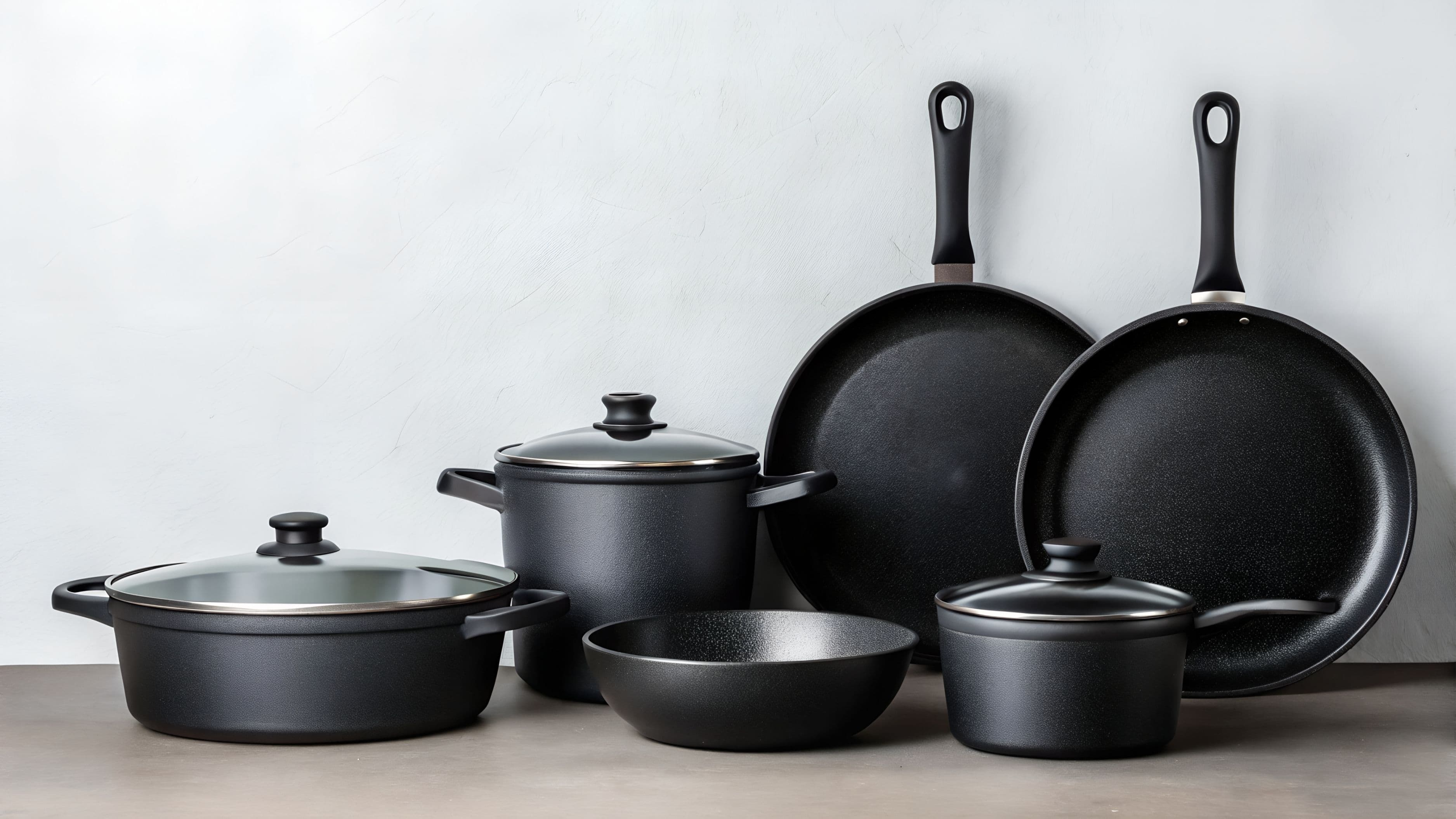
The single biggest factor in even stovetop cooking is the pan itself. Thin, cheap pans heat up quickly directly over the flame or element but struggle to distribute that heat evenly across the rest of the cooking surface, creating hot spots in the center and cooler zones toward the edges. Heavier pans made from materials like cast iron, or multi-clad stainless steel with an aluminum or copper core, distribute heat far more evenly because these materials conduct heat efficiently across the entire pan rather than concentrating it where the flame or element makes direct contact.
If you're regularly dealing with uneven cooking results, upgrading even a single go-to pan to a heavier, better-conducting option often solves more of the problem than any technique adjustment could on its own.
Step 2: Preheat Properly Before Adding Food
A common mistake is adding food to a pan immediately after turning on the burner, before the heat has had time to spread evenly across the cooking surface. Giving a pan two to three minutes to preheat on medium heat before adding oil or food allows the heat to distribute more evenly across the metal, rather than starting with a sharp temperature difference between the center and edges that never fully evens out during a quick cook.
A simple way to test whether a pan is properly preheated is to flick a few drops of water onto the surface; if they skitter across the pan in small beads rather than evaporating instantly or sitting still, the pan has reached a good, even cooking temperature.
Step 3: Adjust for Your Specific Burner Type
Gas burners tend to create more concentrated heat directly under the flame ring, meaning the center of a pan often runs hotter than the edges more dramatically than with electric coil or induction burners. If you're cooking on gas, using a slightly lower flame than you might think necessary, combined with a heavier pan, compensates for this concentrated heat pattern better than a high flame with a thin pan ever could.
Electric coil burners heat more gradually and tend to hold residual heat longer after being turned down, which means adjusting the temperature requires more patience, since the surface won't cool as quickly as a gas flame would when you reduce the setting. Induction burners, by contrast, tend to heat more evenly across compatible pans because they generate heat directly within the pan's base rather than transferring it from an external element, though this benefit only applies with induction-compatible cookware.
Step 4: Rotate and Reposition Food During Cooking
Even with good cookware and proper preheating, some degree of uneven heat is unavoidable on most home stovetops. Getting into the habit of rotating pancakes, moving vegetables around a pan, or repositioning proteins partway through cooking compensates for hot spots that persist despite your best setup, ensuring everything cooks at roughly the same rate rather than leaving certain sections consistently undercooked.
Step 5: Use a Heat Diffuser for Particularly Sensitive Dishes
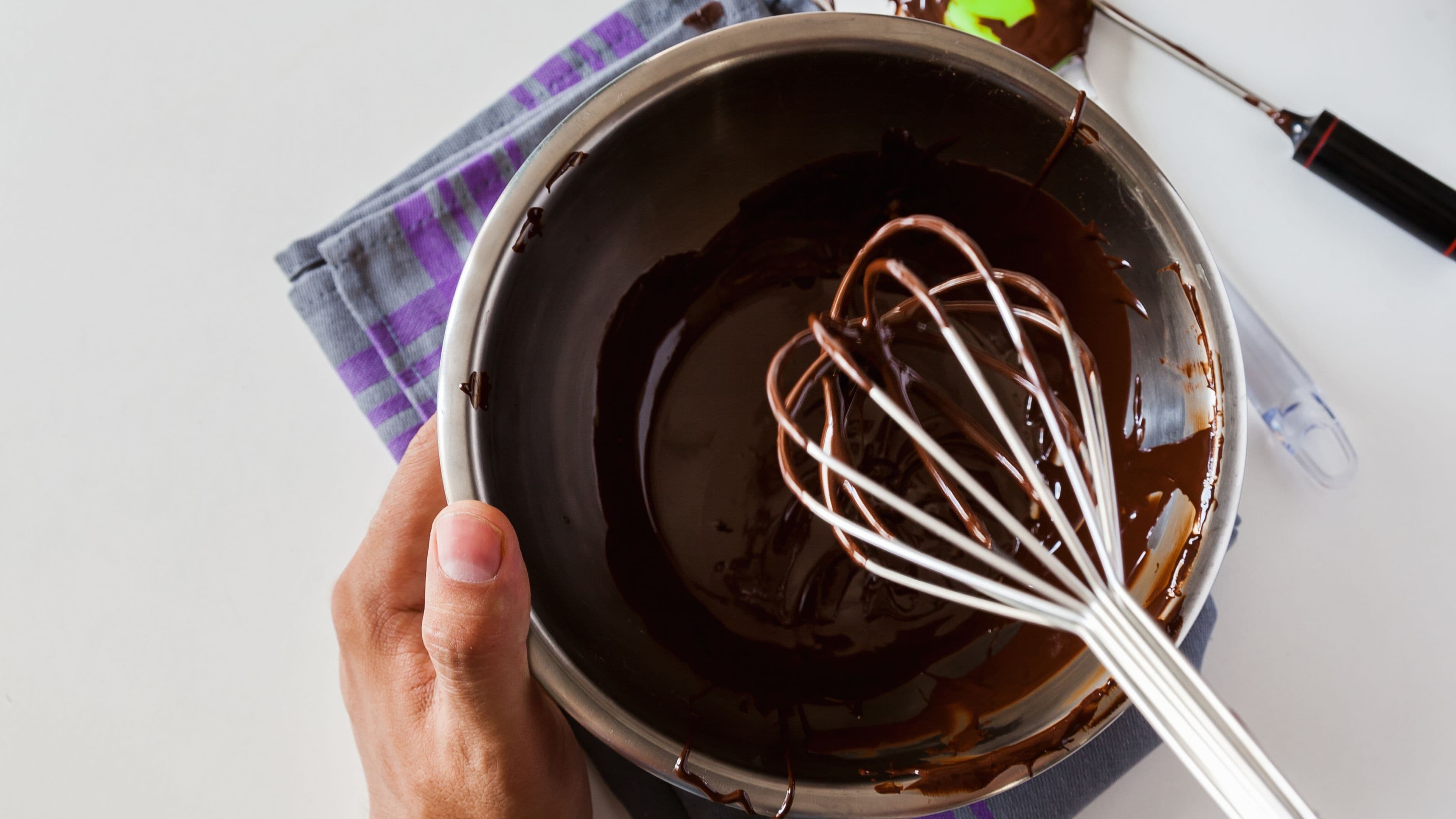
For dishes that are especially sensitive to even heat, like delicate sauces, melting chocolate, or simmering something that scorches easily, a heat diffuser, a flat metal disc placed between the burner and the pan, spreads heat more evenly across the pan's base before it ever reaches the cooking surface. This is a low-cost tool that solves a specific, recurring problem for dishes where uneven heat isn't just inconvenient but can actually ruin the final result.
Tips for Best Results
Match your pan size to your burner size whenever possible, since a small pan on a large burner concentrates heat into an even smaller central area, while an oversized pan on a small burner leaves the outer edges getting comparatively little direct heat at all. Stirring or flipping food more frequently than a recipe technically calls for is a simple, low-effort way to compensate for whatever unevenness remains even after optimizing your pan and burner setup.
Common Mistakes to Avoid
Avoid cranking the heat to high in an attempt to cook food faster, since this typically worsens uneven cooking by exaggerating the temperature difference between the hottest and coolest parts of the pan rather than solving the underlying issue. It's also worth avoiding warped or heavily worn cookware, since even a naturally good heat-conducting pan will develop cooking inconsistencies once its base has warped and lost even contact with the burner surface.
FAQ
Does a more expensive pan really make that big a difference for even heating? Generally yes, particularly for pans with a full-clad or multi-layer construction that specifically prioritizes even heat conduction, though the difference matters most for dishes sensitive to precise, even heat rather than something like boiling pasta water.
Is induction cooking automatically more even than gas or electric? It tends to be more even in terms of overall pan heating, provided you're using induction-compatible cookware, though hot spots can still occur depending on the specific pan's construction quality.
How do I know if my pan has warped? Placing the pan on a flat countertop and checking for any visible rocking or gaps under the base is a simple way to spot warping, which often develops gradually from repeated thermal stress or being dropped.
📚 Sources
Serious Eats – "The Science of Cookware and Heat Conduction." https://www.seriouseats.com/cookware-materials-guide
America's Test Kitchen – "Understanding Stovetop Heat Distribution." https://www.americastestkitchen.com/
Cook's Illustrated – "Choosing the Right Pan for Even Cooking." https://www.cooksillustrated.com/