Understanding what fermented ingredients actually do in a recipe – mechanically, not just palatably – changes how you use them and why you reach for them. It also explains why so many classic recipes that seem unnecessarily fussy about a specific ingredient actually fall apart without it.
The Science Behind It (Briefly)
Fermentation is what happens when microorganisms – bacteria, yeasts, or molds – break down sugars and starches in a food, producing acids, alcohols, and various byproducts in the process. Lactic acid, acetic acid, and other organic acids are the main outputs from most culinary fermentation. Those acids are responsible for the tangy flavor, but they're also chemically active compounds that interact with proteins, fats, gluten networks, and leavening agents in ways that affect how a dish behaves and feels.
The short version: fermented ingredients add acid to a recipe, along with active enzymes and breakdown products that unfermented ingredients don't have. Each of those components is doing something specific in your cooking.
Tenderizing Proteins
Acid from fermented ingredients is one of the most effective natural meat tenderizers available in a home kitchen. When an acid comes into contact with muscle proteins, it begins to denature them – unraveling their tight, wound structure and making the meat more tender and easier to chew. This is the reason that marinades built around yogurt, buttermilk, kefir, or even soy sauce (which contains natural acids from fermentation) produce noticeably more tender results than oil-based marinades.
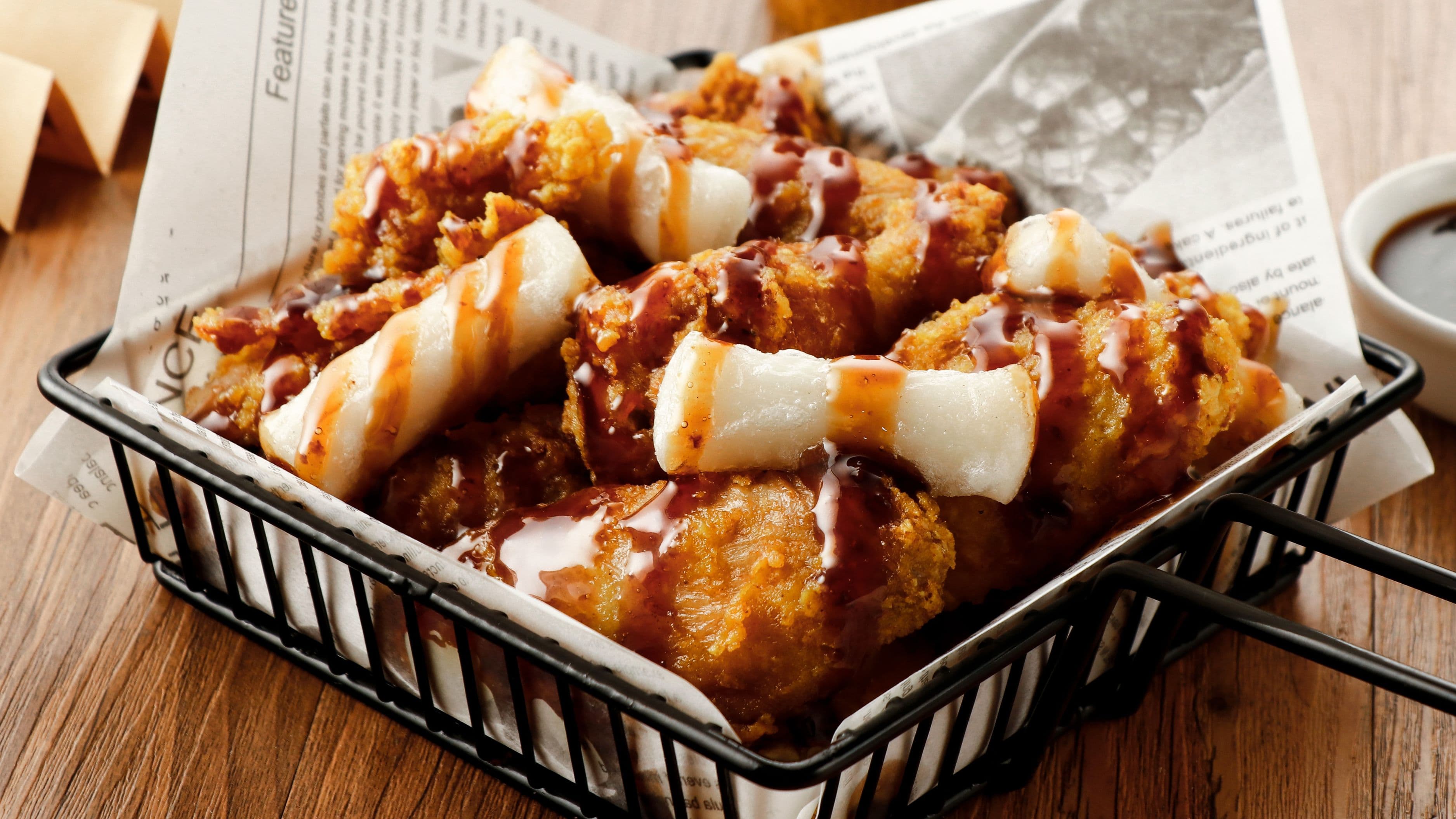
The Southern classic of soaking chicken in buttermilk before frying is a perfect example. The lactic acid in buttermilk penetrates the surface of the chicken over several hours, partially breaking down the proteins near the outside of the meat. The result is a crust that adheres more reliably and meat that stays moist under the heat of frying. You can taste the difference, but what you're actually experiencing is a structural change in the protein – not just the flavoring effect of the buttermilk. Indian tandoori chicken marinades work on the same principle, using yogurt as the fermented base that tenderizes the meat before it hits an extremely hot oven or grill.
The key with acid-based tenderizing is time and balance. Too brief a marinade doesn't give the acid time to work. Too long – especially with a highly acidic marinade – and the acid starts to cook the protein surface, producing a mushy, mealy texture rather than a tender one. For most cuts of chicken or pork in a dairy-based marinade, four to twelve hours is the practical range.
Building Tenderness in Baked Goods
Fermented dairy – buttermilk, yogurt, sour cream – does something specific in baked goods that goes beyond flavor. The acid in these ingredients interacts with baking soda (sodium bicarbonate) in a chemical reaction that produces carbon dioxide. Those bubbles are what leaven quick breads, pancakes, muffins, and biscuits. Without the acid from a fermented ingredient, baking soda can't do its job properly – you'd need baking powder (which contains its own built-in acid component) instead.
This is why recipes that call for buttermilk are usually specific about it. Substituting regular milk throws off the acid balance, meaning the baking soda produces fewer bubbles and the resulting product is denser and flatter than intended. When a buttermilk pancake recipe says to use buttermilk, it's not being precious – it's describing a chemical requirement. You can substitute by adding a tablespoon of lemon juice or white vinegar to regular milk and letting it sit for a few minutes to curdle, which approximates the acidity, but the fermentation-derived byproducts that affect texture aren't fully replicated.
The acid also interacts with gluten. In cakes and quick breads where you want a tender, delicate crumb rather than a chewy structure, acid helps weaken gluten bonds – meaning less toughness and a softer final texture. This is another reason fermented dairy shows up in recipes for tender baked goods far more often than in bread recipes where chewiness is the goal.
Acting as a Natural Emulsifier
Miso, soy sauce, and other fermented soybean products contain proteins and lecithin-like compounds that help emulsify sauces and dressings – binding fat and water together into a cohesive, stable mixture instead of separating. If you've ever made a miso-based salad dressing and noticed how smoothly it holds together compared to a plain oil-and-vinegar dressing, you're seeing emulsification in action.
The fermentation process makes these proteins more soluble and more available for this function than they'd be in unfermented soybeans.
This property makes miso and soy sauce particularly useful in pan sauces and glazes. A tablespoon of white miso whisked into a butter pan sauce gives it more body and stability than butter alone. Adding a splash of soy sauce to a vinaigrette creates a more cohesive texture without requiring an egg yolk or a commercial emulsifier. The effect is subtle but real – it's the difference between a dressing that coats the salad evenly and one that puddles at the bottom of the bowl.
Enzymatic Activity and Texture Changes
Fermented ingredients don't just carry the products of fermentation – they often contain active enzymes that continue working in your kitchen. Koji (the mold used to ferment miso, sake, and soy sauce) produces enzymes called proteases and amylases that break down proteins and starches respectively. When you use miso or a koji-based marinade, those enzymes are actively working on whatever food they're in contact with.
This is the basis for dry-brining with miso – a technique where you coat a piece of fish or meat with miso, let it sit for anywhere from a few hours to several days, and then cook it. The enzymes in the miso break down surface proteins, and the result is a dramatically more tender, silky texture on the surface of the protein and a much deeper seasoning that's integrated into the flesh rather than sitting on top of it. The famous Japanese black cod with miso preparation (popularized by Nobu) is a textbook example: the fish is marinated in miso for two to three days before cooking, and the result is a texture and depth of flavor that can't be achieved with a shorter marinade or a non-fermented ingredient.
Fish sauce, another fermented product, works similarly. It contains amino acids and enzymes from the fermentation of fish that contribute not just a flavor punch but actual chemical activity that intensifies the savory quality of whatever it's added to – often invisibly, without the dish tasting "fishy."
Creating Browning and Depth in Cooking
Fermented ingredients are often rich in amino acids and sugars – both are byproducts of the fermentation process that broke down proteins and carbohydrates. When these amino acids and sugars hit heat, they undergo the Maillard reaction – the same chemical process responsible for the browning on a seared steak, the crust on bread, or the golden color on roasted vegetables. Ingredients with more amino acids and reducing sugars brown faster and more deeply.
This is part of why marinades built on soy sauce, miso, or other fermented ingredients produce such deeply browned, caramelized surfaces on grilled or roasted proteins. It's not just the salt content doing the work – it's the concentrated amino acids from fermentation creating conditions for more intense Maillard browning. A chicken thigh marinated in soy sauce and honey will achieve a richer, deeper brown crust than one marinated only in salt and oil, even at the same temperature and for the same amount of time. The fermented ingredient is accelerating and deepening the browning reaction.
Preserving and Stabilizing
Fermented ingredients also extend the shelf life of dishes they're part of, because the acids and antimicrobial byproducts of fermentation inhibit the growth of harmful bacteria. This is less relevant when you're eating a fresh-cooked meal, but it matters in preparations like kimchi-jjigae (Korean kimchi stew), dressings stored in the refrigerator, or marinated dishes that sit for several days. The acidity from fermented ingredients contributes to food safety in these contexts in ways that unfermented acids (like lemon juice or vinegar) do as well, but fermented ingredients often contribute additional antimicrobial compounds that plain acids don't.
This preservation function was the original reason fermentation developed as a food technology across human cultures. The flavor and texture benefits that home cooks rely on today are secondary to the fact that fermentation made food last. That history is worth remembering because it explains why fermented ingredients appear so consistently in so many culinary traditions around the world – they were solving a practical problem long before anyone thought about them as a flavor tool.
How to Use This in Everyday Cooking
You don't need to cook technically to apply these principles. A few practical habits that use fermented ingredients for their functional effects:
When marinating chicken or pork, use yogurt or buttermilk as the base for at least four hours before cooking. You'll notice the difference in tenderness and how well the crust forms during searing or frying.
When making a pan sauce, whisk in a small amount of white or yellow miso at the end (off the heat, or over low heat – high heat can make miso bitter). It adds body, depth, and a more stable emulsion than butter alone.
When roasting or grilling proteins, include a fermented element in the marinade – soy sauce, miso, fish sauce – even in small amounts. The amino acids accelerate browning and create more complex caramelization.
When baking anything leavened with baking soda, honor the buttermilk or yogurt requirement. The acid isn't optional – it's doing structural work that affects the rise and texture of the finished product.
What to Avoid
Using too much acid-forward fermented ingredient in a meat marinade for too long will start to "cook" the surface proteins, resulting in a mushy texture. This happens most noticeably with fish (which is more delicate) or when using a very acidic marinade like one heavy in lemon or vinegar alongside a fermented ingredient. For fish, keep fermented marinades short – thirty minutes to two hours is usually plenty. For heartier cuts of red meat, the risk is lower, but overnight is generally the practical upper limit.
Adding miso directly to a very hot pan without anything to buffer it will cause it to burn rather than melt into the sauce. Always whisk miso into a liquid – butter, stock, water – and either remove the pan from direct heat or keep it very low. Burned miso tastes bitter and unpleasant rather than savory.
Finally, don't assume fermented ingredients can be swapped freely for their unfermented counterparts in a recipe. Yogurt for milk in a quick bread recipe changes the leavening chemistry. Buttermilk for heavy cream in a sauce changes the texture and stability. Understand what function the fermented ingredient is serving before substituting, and you'll make better decisions about when and how to swap.
FAQ
Can I use store-bought miso the same way as homemade? Yes. The enzymatic and acid properties that make miso useful in cooking are present in store-bought miso. White miso (shiro) is milder and sweeter, making it more versatile for dressings, light sauces, and marinades for delicate proteins. Red miso (aka) is more intense and aged longer, better suited for heartier braises and stews. Both work functionally in the same ways.
Does cooking fermented foods destroy their beneficial bacteria? Yes – heat kills most live cultures in fermented foods. If you're cooking with yogurt in a sauce or miso in a braise, the probiotic bacteria won't survive. The flavor compounds, enzymes, and amino acids remain useful, but the live culture benefits are mostly lost above about 115°F. If the probiotic aspect matters to you, add fermented ingredients after cooking or use them in preparations that stay below that temperature.
Is fish sauce a direct substitute for soy sauce in recipes? They're different in flavor profile but both are fermented and both are intensely savory. Fish sauce has a more pungent, ocean-like quality and is considerably saltier by volume. As a direct substitute, use about half to two-thirds as much fish sauce as soy sauce, and be prepared for a slightly different flavor. In Southeast Asian dishes, fish sauce is the more authentic choice. In East Asian dishes, soy sauce is typically preferable.
Why does kimchi make a stew taste better than fresh cabbage would? The fermentation process in kimchi creates lactic acid, breaks down cell walls in the cabbage, and develops complex savory compounds that fresh cabbage simply hasn't had time to develop. When kimchi cooks in a stew, those compounds dissolve into the liquid and create depth that fresh vegetables can't provide. It's also why older, more sour kimchi makes the best kimchi-jjigae – the more developed the fermentation, the more those compounds have built up.
Fermented ingredients are some of the most functional tools in a home kitchen, and their value goes well beyond the tangy, savory flavor they contribute. Once you understand what they're doing – tenderizing, browning, leavening, emulsifying – you'll use them with more intention and get better results from recipes that include them. The next time you see buttermilk, miso, or soy sauce on an ingredient list, it's worth asking not just "what does this taste like?" but "what is this doing?" The answer usually makes the whole recipe make more sense.
📚 Sources
Harold McGee. On Food and Cooking: The Science and Lore of the Kitchen. https://www.simonandschuster.com/books/On-Food-and-Cooking/Harold-McGee/9780684800011
Serious Eats. The Science of Marinades: How Acid, Salt, and Fat Change Your Meat. https://www.seriouseats.com/the-food-lab-all-about-marinades
Bon Appétit. Everything You Need to Know About Miso. https://www.bonappetit.com/story/what-is-miso
National Center for Home Food Preservation. Principles of Fermentation. https://nchfp.uga.edu/how/ferment.html
The Kitchn. Why Buttermilk Makes Baked Goods So Tender. https://www.thekitchn.com/why-use-buttermilk-in-baking-tips-from-the-kitchn-189535