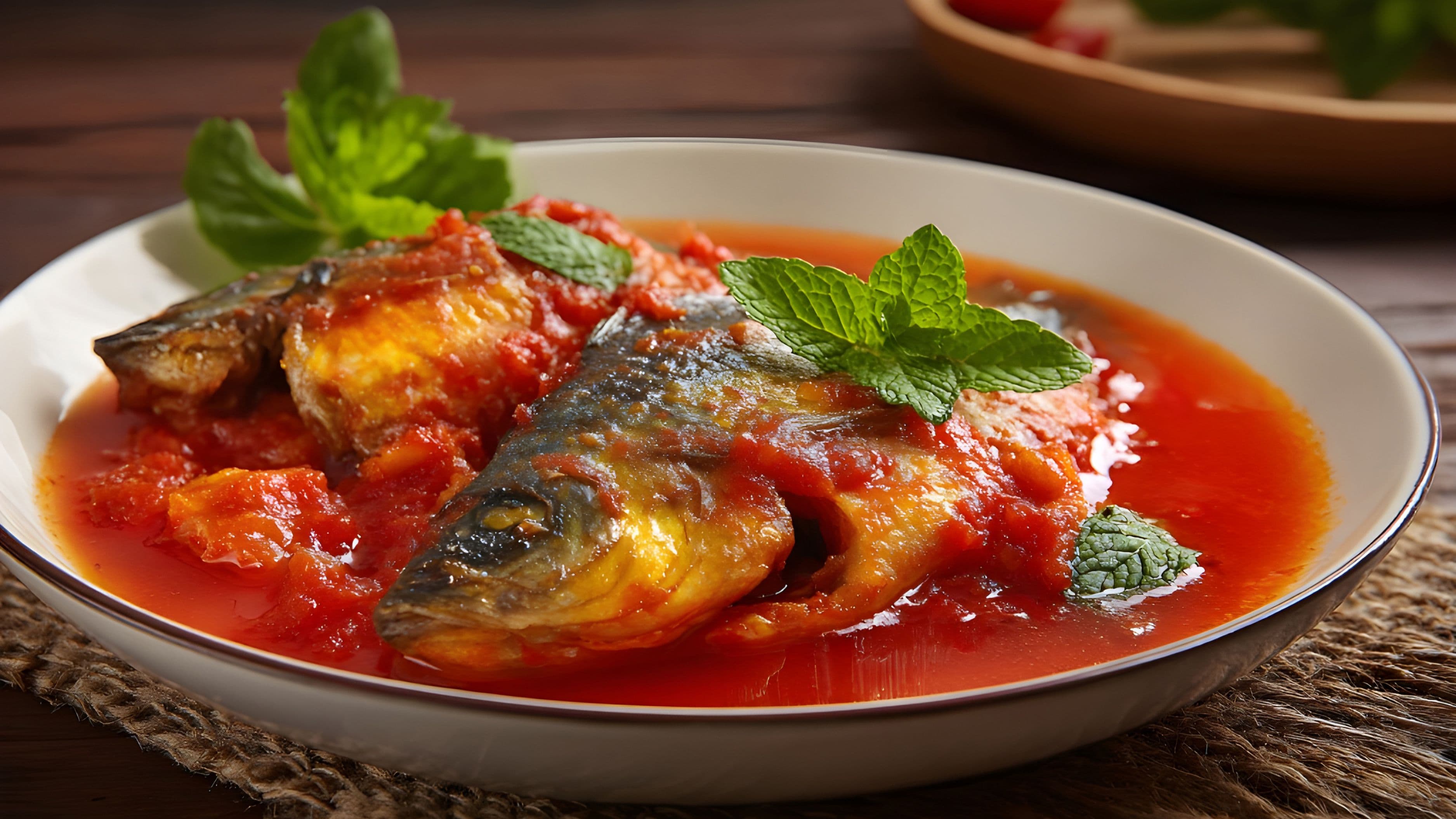
Cultures around the world have used fermented fish-based condiments for thousands of years. Ancient Rome had garum. Vietnam has nước chấm. Korea uses fish sauce in kimchi. Southern European cooking has a long history of anchovy pastes that work on the same principle. Fish sauce isn't exotic – it's just one approach to an idea that cooks everywhere have reached for independently: fermented protein makes savory food taste better.
Once you understand what it does and how much to use, you'll find yourself reaching for it in places you wouldn't have expected.
What Fish Sauce Actually Does in a Dish
The core function of fish sauce is umami – a word that gets thrown around a lot, but which simply means savory depth. It comes from glutamates, which are naturally occurring compounds in fermented and aged foods. Fish sauce is extremely high in glutamates, which is why a small amount can make a dish taste noticeably more complex and satisfying without tasting "fishy" at all.
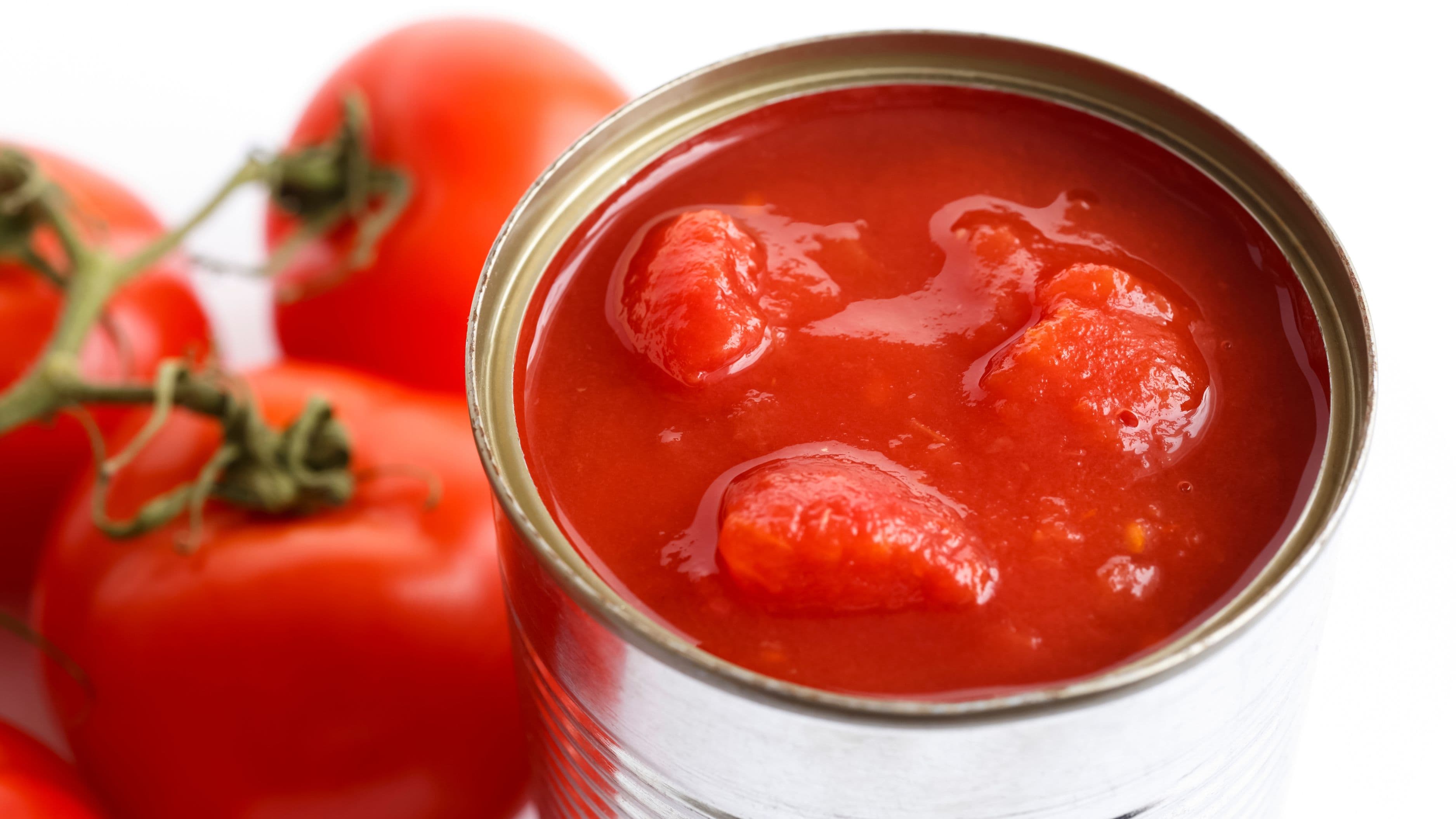
Used correctly, fish sauce doesn't make food taste like fish. It makes food taste more intensely like whatever it is. Add a teaspoon to a tomato sauce and the tomatoes taste more tomatoey. Stir some into a beef stew and the beef tastes beefier. Work it into a salad dressing and the whole thing has a savory backbone that makes it more cohesive. The fish flavor itself is almost entirely undetectable when fish sauce is used in small quantities in cooked dishes.
It also contributes salt. Fish sauce is approximately 1,400 mg of sodium per tablespoon – similar to soy sauce – so when you add it to a dish, you're seasoning as well as adding depth. This means you should reduce or hold off on other salt additions until you've tasted after adding fish sauce.
How to Choose and Store It
Fish sauce quality varies significantly, and the difference matters. The best fish sauce is made from just two ingredients: anchovies and salt, fermented over time. Good brands like Red Boat (Vietnamese), Tiparos, and Megachef use a high ratio of fish to salt and longer fermentation, which produces a more complex, less harsh flavor.
Cheaper fish sauces often contain added water, sugar, and preservatives, which dilutes the flavor and changes how they behave in cooking. They tend to have a sharper, more synthetic-smelling quality that's more intrusive in non-Southeast Asian dishes. If you're going to start using fish sauce regularly across different cuisines, buying a higher-quality bottle makes the difference between "this is working" and "why does this taste strange."
Fish sauce keeps well. An opened bottle stored in a cool, dark place (you don't have to refrigerate it, though you can) will last for at least a year, often longer. It may darken with time, which is fine. If it smells sharply off or has unusual sediment, it's time to replace it.
Using Fish Sauce in Italian and Mediterranean Cooking
This is where most Western cooks are surprised to discover that fish sauce fits. Italian cooking already uses anchovies liberally – in pasta puttanesca, in Caesar dressing, in bagna cauda – so fish sauce is working in the same tradition, just in liquid form.
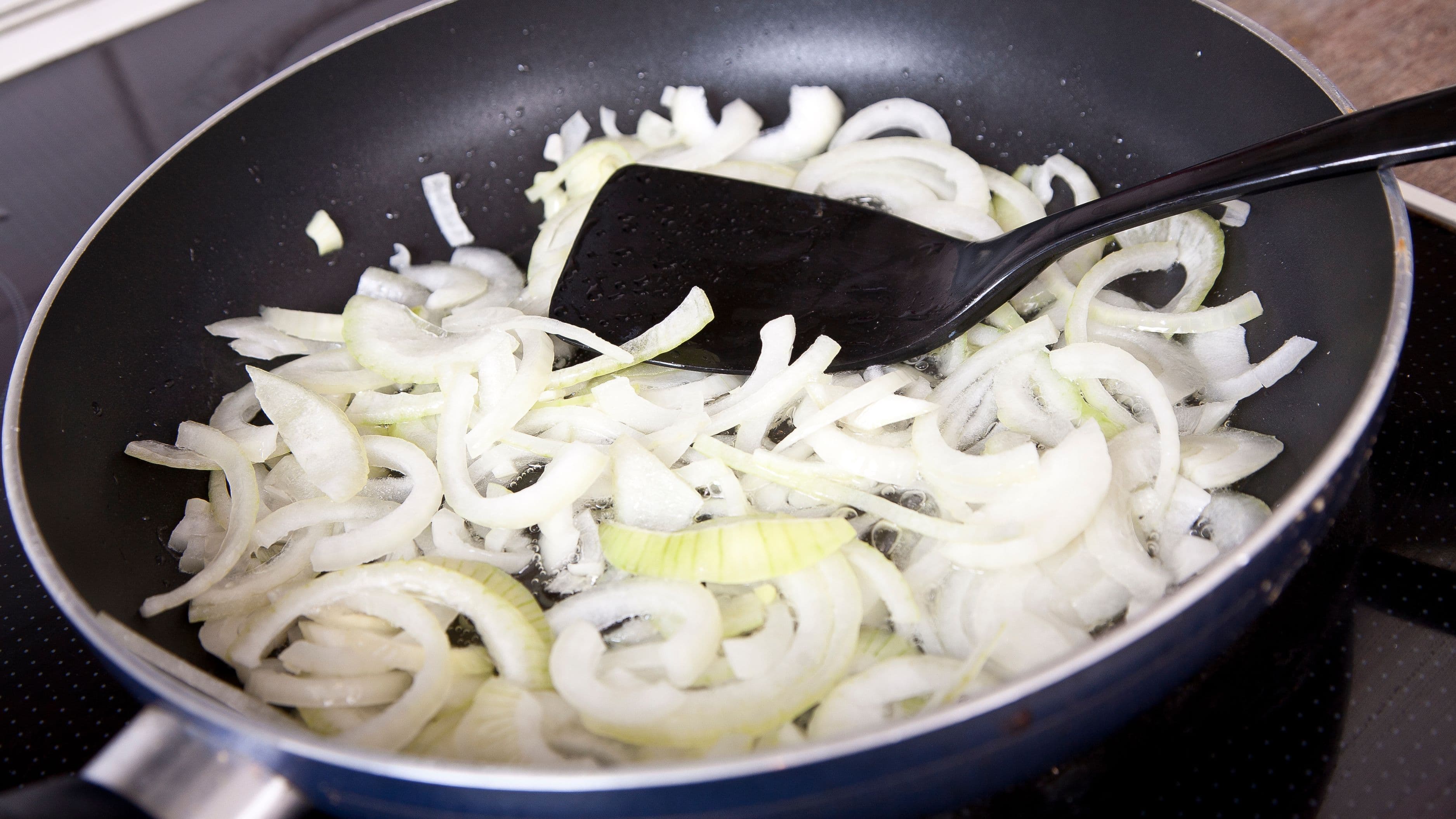
The easiest starting point is pasta with tomato sauce. Add one teaspoon of fish sauce to your soffrito base (onion, garlic, maybe a pinch of chili) before you add the tomatoes. It will look wrong. It will smell odd for a moment. Keep going. By the time the sauce has simmered for 15 minutes, it will have disappeared completely into the sauce, leaving only a deeper, more savory tomato flavor that you'll struggle to explain to anyone eating it. They'll just say it tastes really good.
It works the same way in Bolognese and ragù – add a teaspoon when you add the meat, before the wine. In a simple aglio e olio (garlic and olive oil pasta), a half teaspoon stirred in at the end alongside the pasta water brings a background richness that oil and garlic alone can't quite achieve. For braises – lamb shanks, beef short ribs, pork shoulder – add one to two teaspoons to the braising liquid along with the stock and wine.
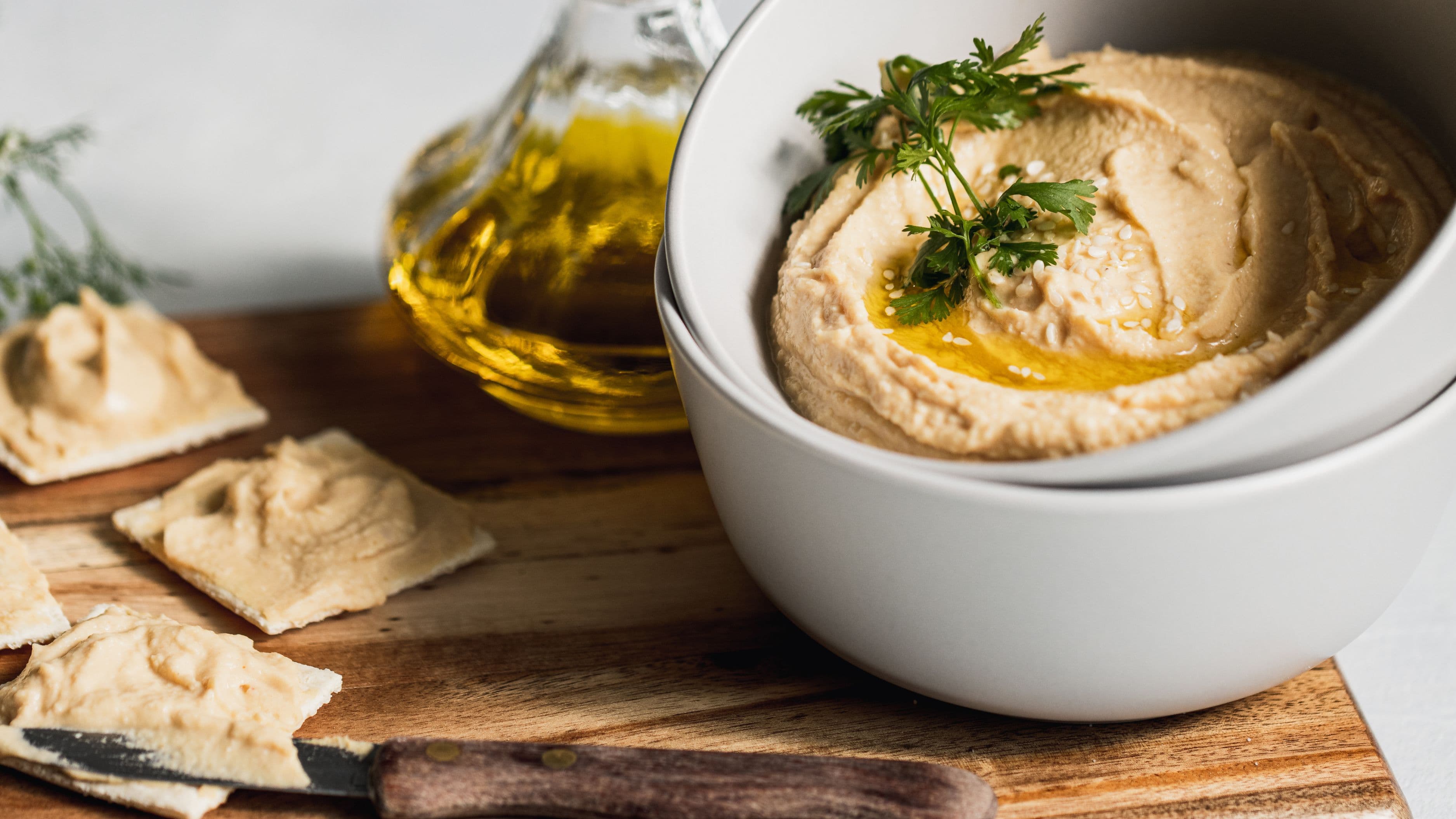
In Mediterranean dips and spreads, a small amount of fish sauce in hummus or white bean dip (start with half a teaspoon per can of beans) adds depth without any identifiable flavor. The chickpeas just taste richer.
Using Fish Sauce in Salad Dressings and Vinaigrettes
Fish sauce is exceptionally good in salad dressings, and this is where you can add it without any cooking to cook off the raw smell. The key is balancing it with enough acid – citrus or vinegar – so that the fish sauce reads as a savory-salty note rather than a dominant flavor.
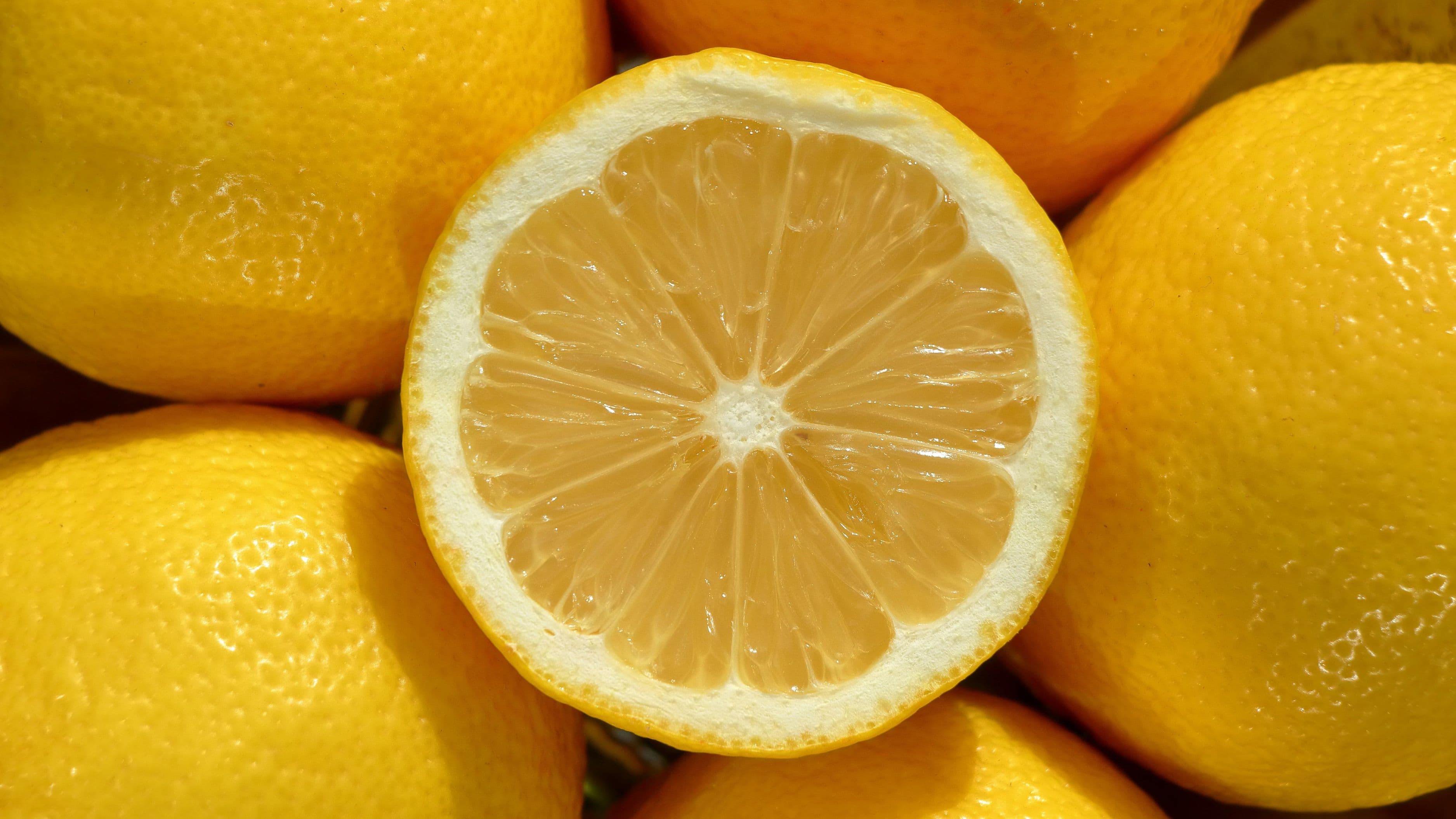
A basic formula that works well: two tablespoons of lime or lemon juice, one tablespoon of fish sauce, one tablespoon of a neutral oil, and a small pinch of sugar if you want to balance it. That's a dressing that works on shaved vegetables, on grain salads, on any greens that can handle a punchy, savory dressing. It's not Thai in any meaningful sense – it's just a good acidic dressing with backbone.
Caesar dressing traditionally uses anchovy paste for its savory base. Swapping in fish sauce (or using fish sauce alongside a small amount of anchovy paste) gives you the same effect with easier measuring. Start with one and a half teaspoons in place of the anchovies and adjust from there.
For a basic French-style vinaigrette, half a teaspoon of fish sauce added to the shallot and mustard base before whisking in the oil and vinegar rounds out the flavor in a way that salt alone doesn't. Most people won't be able to identify it – they'll just notice the dressing is better.
Using Fish Sauce in Soups and Stews
Any broth-based soup benefits from a small addition of fish sauce at the end of cooking. This is true of vegetable soups, chicken soups, bean soups, and stews of all kinds. Think of it as a seasoning you add alongside salt – you're adding salt plus depth simultaneously.
For a simple vegetable soup or minestrone, add one teaspoon toward the end and taste. For chicken noodle soup, stir in a teaspoon with the chicken broth and let it simmer. For lentil soup, a teaspoon added mid-cook gives the legumes a savory backbone that makes the soup taste like it cooked all day even if it didn't. In French onion soup, adding a small amount to the onions as they caramelize (early in the cooking process) deepens the savory base significantly.
Chili is another excellent application. A tablespoon of fish sauce added with the tomatoes and stock in a beef or pork chili is one of those changes that makes people ask what your secret ingredient is. It amplifies the meat, the tomatoes, and the spice simultaneously without adding any noticeable fishiness.
Using Fish Sauce in Marinades and Rubs
Fish sauce is a natural addition to marinades for grilled or roasted meats because it seasons deeply (the glutamates penetrate the protein) and helps form a better crust on the exterior when exposed to heat. It's particularly effective with chicken, pork, and beef.
A straightforward marinade for grilled chicken: two tablespoons of fish sauce, two tablespoons of olive oil, one tablespoon of lemon juice, two cloves of garlic, and a pinch of black pepper. Marinate for 30 minutes to 2 hours. The fish sauce doesn't make the chicken taste Asian in any way – it makes the chicken taste more intensely like chicken, with good browning and a slightly more complex crust.
For pork tenderloin or pork chops, fish sauce works well with mustard, garlic, and a little rosemary. For beef steaks, a marinade or finishing sauce with fish sauce, butter, garlic, and thyme is essentially a steakhouse compound butter with a savory upgrade.
What to Avoid
The main mistake is using too much. Fish sauce is potent, and the goal is always for it to be invisible in the finished dish – present as depth, not present as flavor. In cooked dishes, start with one teaspoon and taste before adding more. In raw applications like dressings, start with half a teaspoon. You can always add; you can't take it out.
The second mistake is adding it at the wrong moment in uncooked or lightly cooked applications. In a quick sauté or a stir-fry, add fish sauce toward the end so it doesn't fully cook off. In a long braise or stew, add it early enough that it has time to mellow and integrate. In raw dressings, use it as written – the acid from the citrus or vinegar will temper it.
Avoid using fish sauce in dishes where any fishiness would be out of place – purely dairy-based sauces, for example, or very delicate desserts. In most savory applications, though, the risk of the fish flavor coming through is much lower than most people expect.
FAQ
Will my dish taste like fish if I add fish sauce? Not if you use it in reasonable amounts. One to two teaspoons in a dish that serves four to six people is typically below the threshold where any fish flavor is detectable. The umami and salt are what you taste – not the fermented fish itself. The smell from the bottle is much more assertive than the flavor will be in a cooked dish.
Can I substitute fish sauce for soy sauce? They're not identical, but they're interchangeable in many applications. Fish sauce is thinner, slightly more pungent, and different in flavor profile – it's more savory and less sweet than soy sauce. In cooking, you can often swap one for the other at a 1:1 ratio. Fish sauce doesn't work well as a dipping sauce on its own the way soy sauce does, but in cooked dishes, the swap is usually fine.
What's a good fish sauce for someone just starting out? Red Boat 40°N is widely recommended for its clean, deep flavor and simple ingredient list (just anchovies and salt). It's available at most Asian grocery stores and many regular supermarkets. Tiparos is a good value option if Red Boat isn't available. Avoid anything with a very long ingredient list or that lists water as the primary ingredient.
Is there a vegetarian substitute for fish sauce? Soy sauce is the most direct substitute for saltiness and umami, though the flavor profile is different. Coconut aminos are a milder option. Some specialty stores carry vegan fish sauce made from seaweed and mushrooms, which replicates the umami depth more closely than soy sauce. None of these are identical, but they can work in most applications.
How much fish sauce is too much? More than two tablespoons in a dish for four people is typically too much, and you'll start to detect the fishiness and saltiness as intrusive rather than supportive. In dressings, more than one tablespoon for a dressing covering two to four servings starts to become dominant. Always add gradually and taste as you go.
📚 Sources
Serious Eats – The Wonders of Fish Sauce: https://www.seriouseats.com/the-wonders-of-fish-sauce
America's Test Kitchen – How to Use Fish Sauce: https://www.americastestkitchen.com/articles/6891-how-to-use-fish-sauce
Bon Appétit – Fish Sauce Is Your Secret Weapon: https://www.bonappetit.com/story/fish-sauce-secret-ingredient
Food52 – Why You Should Put Fish Sauce in Everything: https://food52.com/blog/13384-why-you-should-put-fish-sauce-in-everything