1. The "Traditional Recipe" Time Traveler
Every cuisine you consider traditional today was once scandalously modern fusion that horrified purists. Tomatoes arrived in Italy from the Americas in the 16th century, meaning no "authentic" Italian red sauce existed before then—everything we now consider essentially Italian was once foreign contamination. Potatoes came to Ireland from South America, chocolate reached Europe from Mesoamerica, and chili peppers spread from the Americas to transform Asian cuisines forever. The pad thai you defend as authentically Thai was literally invented in the 1930s as nationalistic propaganda to unify the country and reduce rice consumption. Even sushi in its current form—raw fish over vinegared rice—only emerged in the early 1800s as Tokyo street food, and the California roll that purists mock was created by a Japanese chef adapting to American ingredients and preferences. What we call "authentic" is usually just whatever version became popular enough to be codified, frozen in time arbitrarily, and defended against the same evolutionary processes that created it in the first place.
2. The Grandmother Myth Guardian
We romanticize grandmother's cooking as the keeper of authentic tradition, but grandma was probably winging it based on what was available and affordable. She substituted ingredients constantly because that's what cooks do when they're feeding families on tight budgets without access to specialty stores selling "authentic" ingredients. Her "secret recipe" likely came from a community cookbook, a neighbor, a radio show, or the back of a product package—sources we'd now mock as inauthentic. The idea that previous generations followed recipes with religious devotion is laughable to anyone who's actually talked to elderly cooks about how they learned. They experimented, they adapted, they made do with what they had, and they changed recipes based on their family's preferences. Freezing their particular version as the "authentic" one ignores that they were part of an ongoing evolution, not the final destination.
3. The Colonial Recipe Enforcer
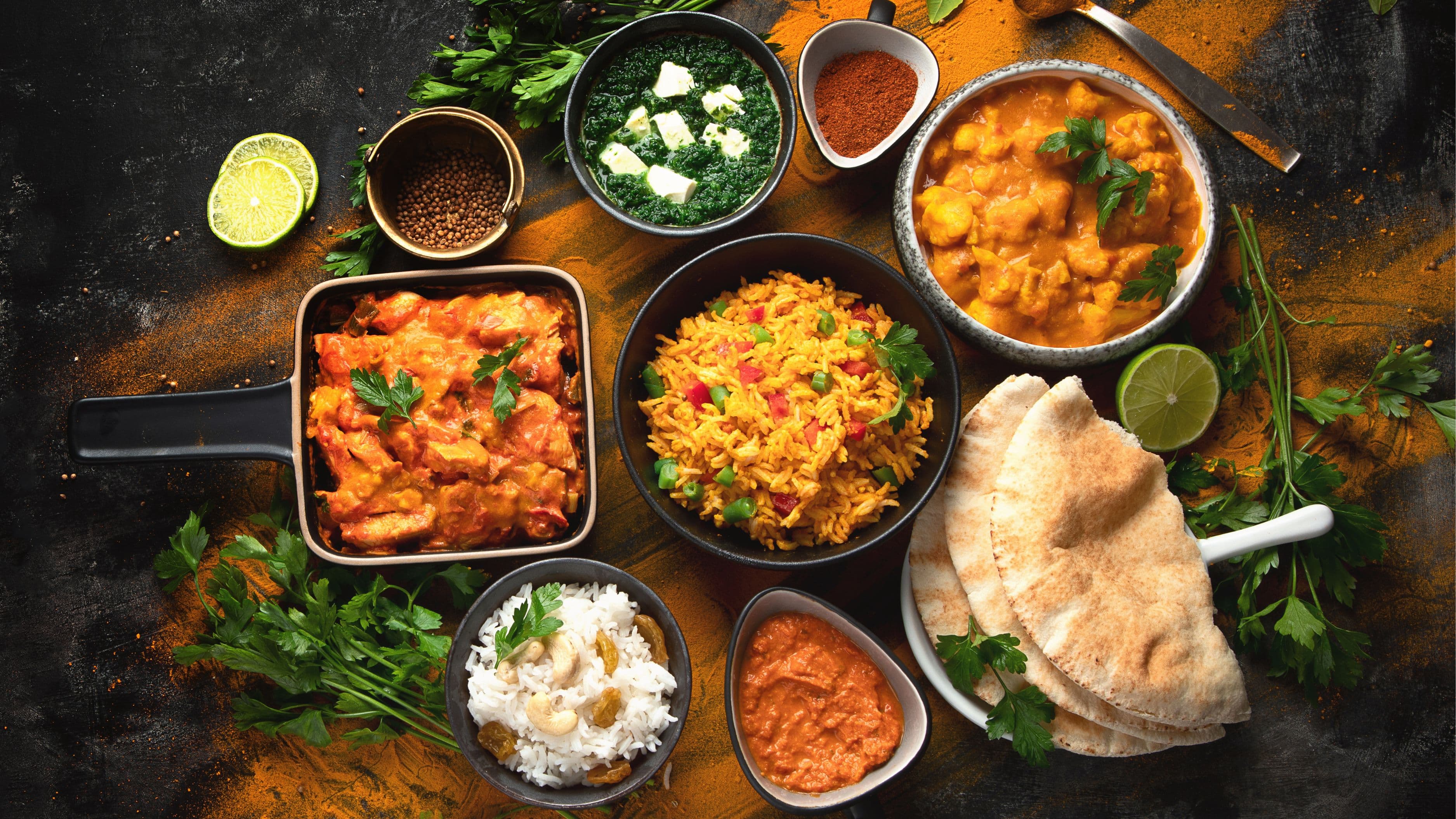
Many "authentic" dishes we defend today were actually created during colonization, blending indigenous ingredients with imperial powers' cooking techniques—so what exactly are we protecting? British colonization gave India its chicken tikka masala (invented in Glasgow), Japanese colonization influenced Korean cuisine profoundly, and Spanish colonization created entirely new food cultures throughout Latin America. These foods are now beloved and considered authentic to their regions, but they emerged from cultural exchange that was often violent and coercive. The foods born from these encounters aren't less legitimate because of their complicated origins—they're just proof that authenticity is a story we tell ourselves about dishes that emerged from cultural collision. Defending them as unchangeable tradition while rejecting contemporary fusion as inauthentic applies arbitrary rules about which cultural mixing counts as legitimate and which doesn't.
4. The Instagram Authenticity Influencer
Social media has created a bizarre situation where people who've never visited a country become self-appointed authenticity police for that cuisine. Someone who took a two-week vacation to Thailand feels qualified to lecture actual Thai restaurants about their "inauthentic" interpretations, as if cuisine is static and regional variations don't exist. These authenticity warriors ignore that within any country, dishes vary wildly by region, family, and even restaurant—there's no single "authentic" version of most dishes. A chef from northern Thailand and one from southern Thailand will make fundamentally different versions of the same dish, both authentic to their region and experience. But Instagram doesn't reward nuance; it rewards confident declarations about what's "real" and what's "fake," creating a culture where food becomes ammunition in performative arguments about cultural knowledge rather than something to enjoy and discuss with curiosity.
5. The Menu Translation Terrorist
We've convinced ourselves that using non-English words on menus somehow preserves authenticity, but it often just creates exclusion theater. Restaurants are pressured to use Italian, Spanish, Japanese, or French terms because English descriptions supposedly diminish authenticity, but this mostly serves to intimidate customers and signal cultural capital to those already in the know. A taco by any other name still tastes like a taco, and refusing to translate or explain dishes doesn't preserve culture—it just makes restaurants less accessible to people who might genuinely want to try new foods but feel unwelcome by unnecessarily opaque menus. True cultural appreciation involves sharing and explaining, not gatekeeping through linguistic barriers that force people to either fake knowledge or reveal their ignorance by asking questions. The authenticity police treat food knowledge like currency that loses value when too many people possess it.
6. The Ingredient Substitution Shamer
The absolutists who insist you can't make carbonara without guanciale or ramen without dashi miss the entire point of home cooking. Professional chefs and food writers have convinced home cooks that substitutions represent failure, that if you can't source the exact ingredients from the exact region, you shouldn't bother attempting the dish. This gatekeeping ignores centuries of cooking tradition where people made do with available ingredients and created delicious food anyway. Your carbonara made with bacon instead of guanciale isn't an insult to Italian culture—it's you participating in the same adaptive cooking tradition that created carbonara in the first place. The dish emerged from Roman cooks using what they had (eggs, cheese, pork, pepper), and being flexible with ingredients honors that spirit more than rigid adherence to a specific pork product you can't find within fifty miles of your home.
7. The Fusion Food Hypocrite
People who mock fusion cuisine while eating pizza topped with pineapple or enjoying California rolls reveal the arbitrary nature of authenticity rules. Every beloved dish we now consider traditional was once fusion that horrified purists—bagels came to New York from Jewish immigrants adapting Polish recipes, General Tso's chicken was invented by Chinese chefs adapting to American tastes, and spaghetti with meatballs is Italian-American fusion that doesn't exist in Italy. We've simply decided that fusion becomes acceptable once enough time passes and the new version becomes popular enough to be codified. Korean tacos get mocked as trendy fusion nonsense by people who happily eat corned beef and cabbage on St. Patrick's Day (an Irish-American invention that's not traditional in Ireland). The mental gymnastics required to defend some cultural mixing while attacking others reveals that authenticity arguments are often really about class, trendiness, and who gets permission to innovate rather than anything meaningful about cultural respect.
8. The Regional Variation Denier
Insisting there's one "authentic" version of any dish erases the diversity that actually exists within cultures and regions. There's no single authentic pizza—Neapolitan differs from Roman differs from Sicilian, all within Italy, all legitimately Italian. Mexican food varies dramatically from Oaxaca to Tijuana to Mexico City, and declaring one region's version as the only authentic one ignores the rich regional diversity that makes the cuisine interesting. Even within small towns, family recipes differ, restaurants have signature variations, and preferences evolve across generations. Flattening all this beautiful diversity into one "correct" version serves tourism and marketing more than cultural preservation. When we demand authenticity, we're often really demanding the simplified, exportable version that matches what we've decided represents that culture in our minds.
9. The Cultural Appropriation Confuser
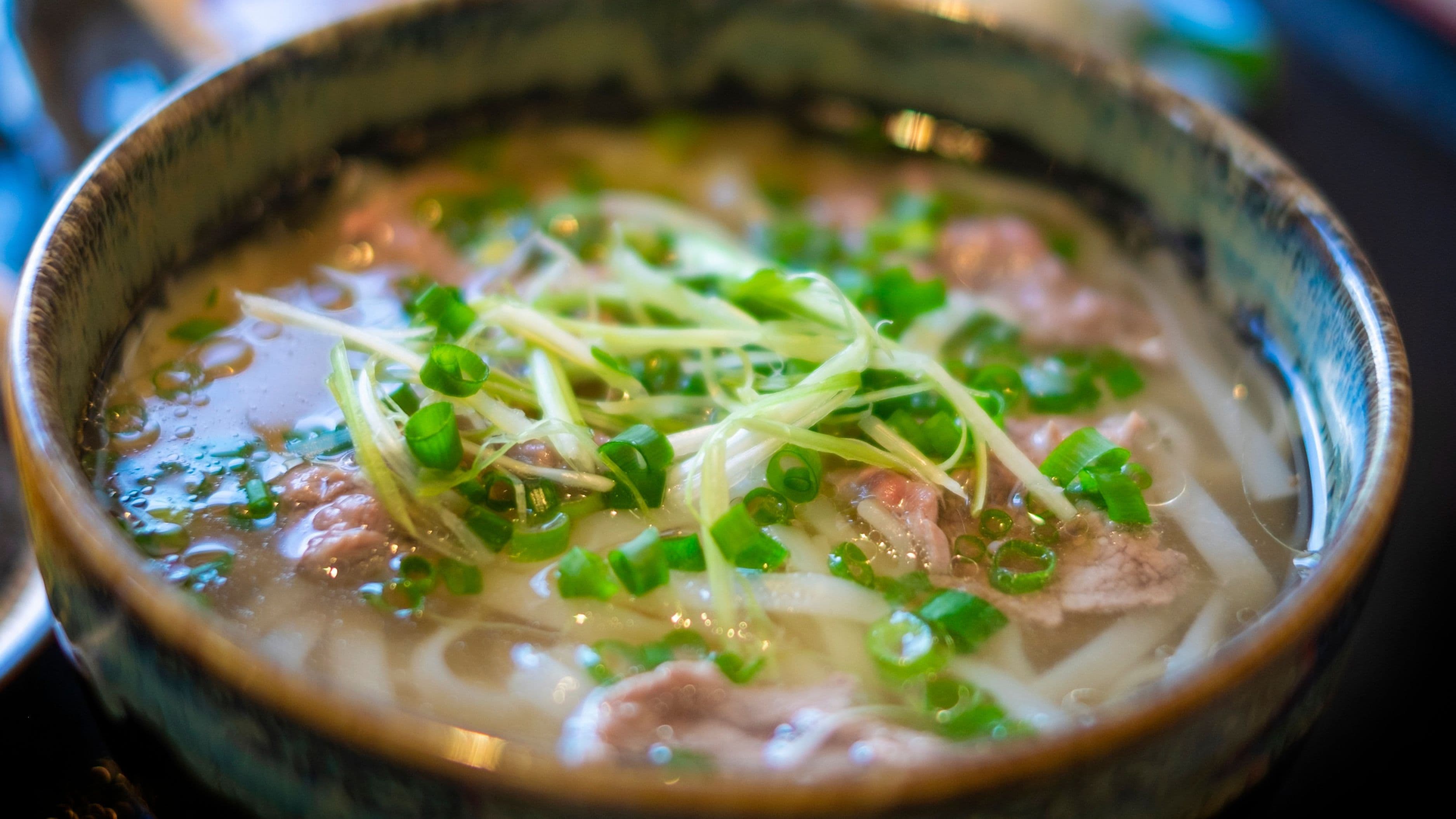
There's a meaningful difference between cultural appropriation (profiting from others' culture without credit or respect) and cultural appreciation (learning, adapting, and celebrating with acknowledgment), but food conversations rarely make this distinction thoughtfully. A white chef opening a restaurant serving "authentic" Vietnamese food while Vietnamese restaurants struggle deserves scrutiny about power, credit, and economic opportunity. But a home cook trying to make pho using available ingredients isn't committing cultural violence—they're participating in the way food has always spread and evolved. The conversation about who profits, who gets credited, and whose restaurants receive investment and media attention matters enormously. But we've muddled these important discussions about equity and respect with surface-level arguments about whether specific ingredient substitutions constitute cultural crimes.
10. The Nostalgia Merchant
Much of what we call authenticity is really just nostalgia dressed up as cultural preservation. We're not defending how people actually cook now in the country of origin—we're defending the version we ate during our formative years or our travels, freezing it as the "real" version and rejecting evolution. The tacos you ate in Mexico City in 2010 probably differ from what's served in the same neighborhood today, because food evolves constantly in response to ingredient availability, economic conditions, and changing tastes. Demanding that restaurants serve the version you remember from your vacation fifteen years ago isn't preserving culture—it's preserving your personal memory at the expense of allowing current practitioners to innovate. Authentic to whom, and authentic to which moment in time? These questions reveal how selfish and arbitrary our authenticity standards really are.
11. The Economic Reality Ignorer
Authentic ingredients are often expensive, inaccessible, or literally unavailable in many locations, making "authentic" cooking a luxury available primarily to wealthy people in major cities. Shaming people for substitutions or simplified versions ignores the economic reality that specialty ingredients cost significantly more than supermarket alternatives. A home cook in rural Kansas cannot easily source fresh lemongrass, galangal, and kaffir lime leaves for tom yum soup—should they just never attempt Thai food, or are they allowed to adapt using what's available at their local grocery store? The authenticity police tend to be people with access to diverse neighborhoods, specialty stores, and disposable income to spend $8 on one specialty ingredient. Making authenticity the standard for whether food is "acceptable" effectively restricts certain cuisines to economic elites while shaming everyone else for their adaptations.
12. The Restaurant Reality Checker
Even restaurants in countries of origin adapt their cooking to local tastes, ingredient availability, and economic pressures—there's no pure, unchanged tradition they're following. Restaurants in tourist areas of Italy serve what tourists expect, not what locals eat daily. Street food vendors in Bangkok adapt recipes based on what's selling and what ingredients are affordable that day. The idea that there's some authentic version being served somewhere that we should all try to replicate ignores the commercial and practical realities of professional cooking. Chefs everywhere balance tradition with innovation, customer preferences, profitability, and their own creative impulses. Treating any particular version as the authentic standard just reveals our naivety about how restaurants actually operate and how culinary traditions actually function in living cultures rather than museum dioramas.
Your relationship with food doesn't need to be policed by arbitrary authenticity standards that ignore history, economics, and the actual evolution of cuisine. Food has always traveled, transformed, and adapted—that's not cultural destruction, it's how culture works when it's alive rather than frozen in amber. Enjoy the ramen burger, make carbonara with bacon if that's what you have, and stop pretending there's some pure, authentic version of dishes that have been changing continuously for centuries. Respect the cultures and people behind your food by learning their stories, supporting their restaurants, and giving credit where it's due, but release the impossible burden of perfect authenticity that mostly serves to make food less accessible and more anxiety-inducing. Your cooking doesn't need to be perfect according to someone's arbitrary standards—it just needs to be delicious, respectful of its inspirations, and honest about what it is. That's more authentic than pretending frozen traditions exist or that you're the guardian of cultures you don't belong to.