Why Most Homemade Versions Fall Short
The single biggest mistake in home versions of this soup is rushing the caramelization. Recipes that promise "caramelized onions in 15 minutes" are really just softening and lightly browning them, not developing the deep, jammy sweetness that real caramelization requires. Genuine caramelization is a slow chemical process, and there's no real shortcut that replicates the flavor a full 45 minutes to an hour of patient, low-and-slow cooking produces.
Ingredients
3 pounds yellow onions, thinly sliced (about 6 large onions)
4 tablespoons unsalted butter
1 tablespoon olive oil
1 teaspoon salt, divided
1 teaspoon sugar (helps caramelization along)
2 cloves garlic, minced
1/2 cup dry white wine or dry sherry
8 cups good-quality beef stock
2 sprigs fresh thyme (or 1/2 teaspoon dried)
1 bay leaf
Freshly ground black pepper
1 baguette, sliced into rounds
2 cups shredded Gruyère cheese
Step 1: Slice the Onions Evenly
Uneven slices cook unevenly, and thin, consistent slices, roughly 1/8 inch, caramelize more evenly and in a more predictable timeframe. This step takes a few extra minutes with a sharp knife but pays off across the whole cooking process.
Step 2: Start Low and Slow
Melt the butter with the olive oil in a large, heavy-bottomed pot over medium-low heat. Add the onions and a half teaspoon of salt, stirring to coat. Cook uncovered, stirring occasionally, for the first 15 minutes as the onions soften and release moisture.
Resist the urge to raise the heat here. Higher heat browns the onions on the outside before the interior has softened and released its natural sugars, resulting in an uneven, sometimes bitter result rather than the even, deep caramelization you're after.
Step 3: The Long Caramelization
This is where patience pays off. Continue cooking the onions over medium-low heat for another 45 minutes to an hour, stirring every 5 to 10 minutes and scraping up any browned bits that stick to the bottom of the pot. Add the sugar about halfway through this process to help encourage even browning.
The onions are ready when they've reduced dramatically in volume, turned a deep amber-brown color, and taste sweet and complex rather than sharp. If they start sticking too aggressively or browning unevenly, a small splash of water or stock helps deglaze the pot without disrupting the caramelization process.
Step 4: Deglaze and Build the Broth
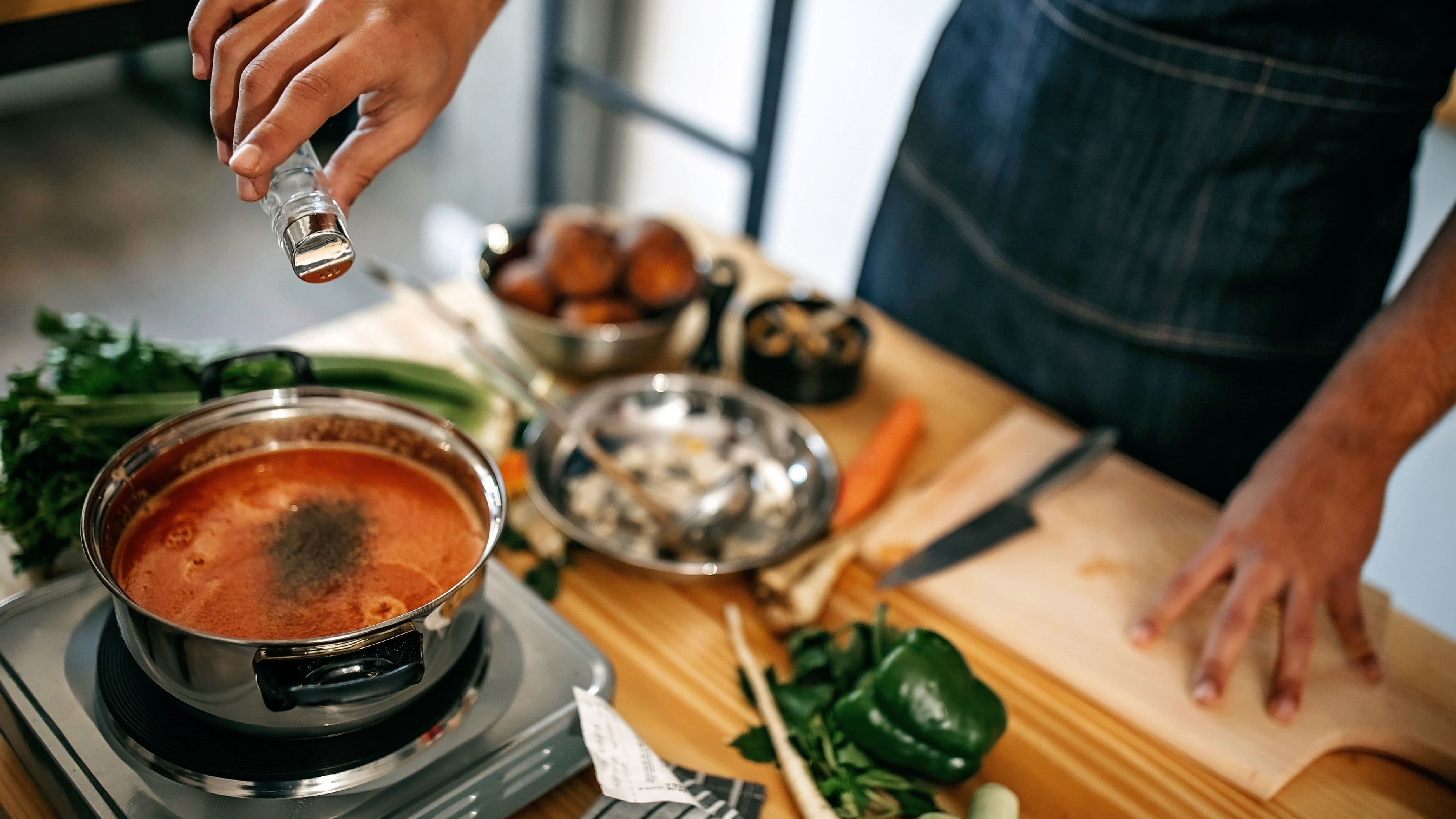
Add the minced garlic and cook for 30 seconds until fragrant, then pour in the wine, scraping up any remaining browned bits from the bottom of the pot, these bits carry concentrated flavor that would otherwise be wasted. Let the wine reduce by about half, which takes roughly 3 to 5 minutes.
Add the beef stock, thyme, bay leaf, remaining salt, and a generous amount of black pepper. Bring to a simmer, then reduce heat and let it simmer gently, uncovered, for 30 minutes to let the flavors meld. Taste and adjust seasoning before serving.
Step 5: Toast the Bread and Assemble
While the soup simmers, toast the baguette slices in a 400°F oven for about 8 to 10 minutes until crisp and lightly golden. This prevents the bread from turning to mush the moment it hits the hot soup, giving you the textural contrast that makes this dish work.
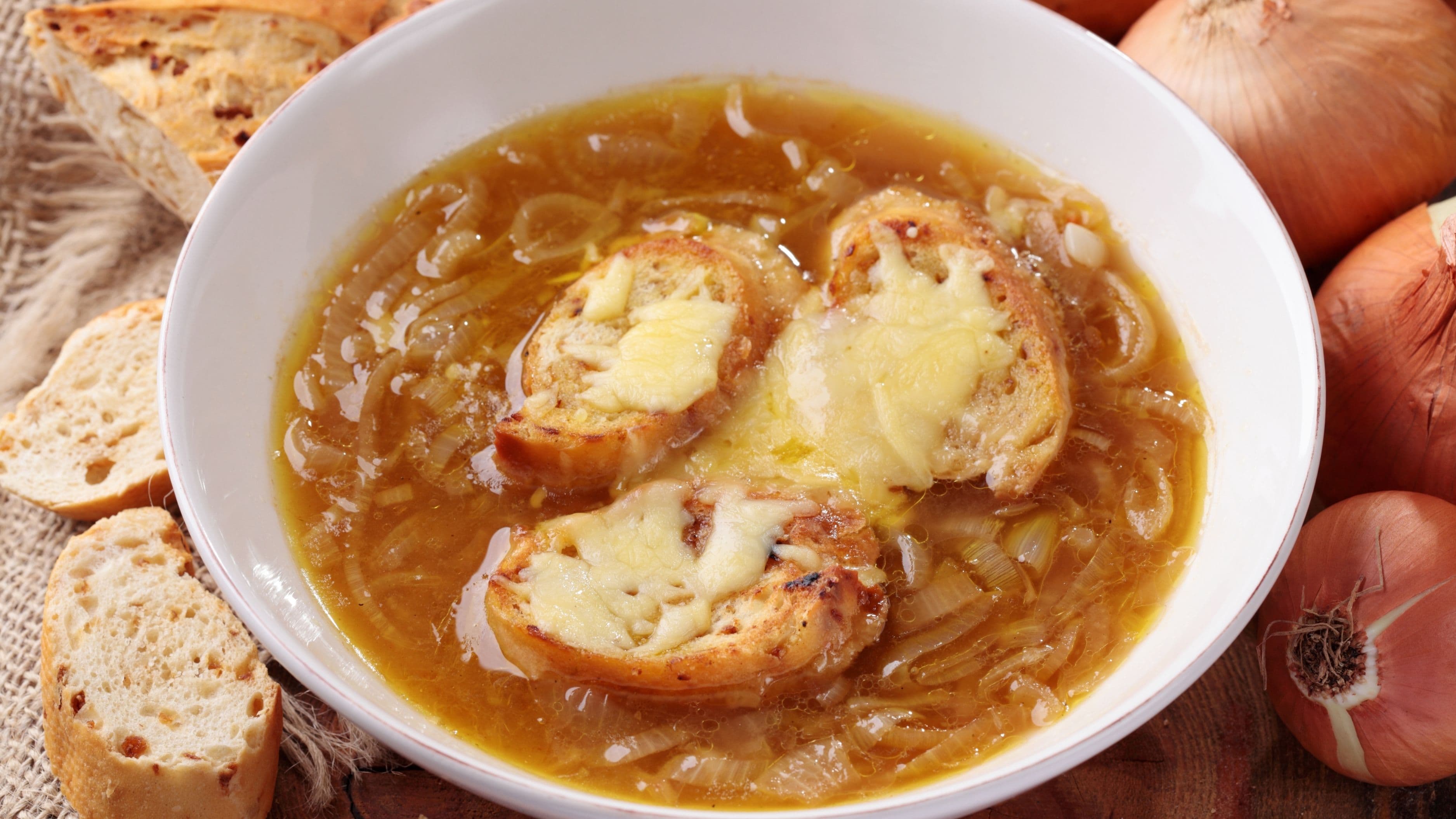
Ladle the finished soup into oven-safe bowls, top each with a slice or two of toasted baguette, then generously cover with shredded Gruyère. Broil for 2 to 4 minutes, watching closely, until the cheese is melted, bubbly, and beginning to brown in spots.
Tips for Best Results
Using a mix of onion varieties, yellow onions for sweetness with a smaller portion of red onion for depth, can add subtle complexity, though yellow onions alone produce an excellent, classic result. A homemade or high-quality store-bought beef stock makes a noticeable difference here, since the broth carries much of the soup's final flavor alongside the caramelized onions.
Variations Worth Trying
For a vegetarian version, a well-reduced mushroom or vegetable stock can replace the beef stock, though the flavor profile will be noticeably lighter. Some cooks add a splash of brandy or cognac along with the wine for extra depth, and a small amount of balsamic vinegar stirred in near the end can round out the sweetness of the caramelized onions with a touch of acidity.
What to Avoid
Don't rush the caramelization step by turning up the heat, this is the single most common mistake and the one most responsible for a flat-tasting final soup. Avoid using a thin-bottomed pot, which is more prone to hot spots and burning during the long caramelization process. And don't skip toasting the bread before broiling, untoasted bread absorbs too much liquid and turns soggy rather than providing the textural contrast that makes this dish satisfying.
FAQ
Can I make the caramelized onions ahead of time? Yes, caramelized onions freeze well and can be made up to a few days ahead or frozen for up to three months, making this a good make-ahead component for a busier cooking day.
What if I don't have Gruyère? Swiss cheese or a mix of Swiss and Parmesan makes a reasonable substitute, though Gruyère's nutty, slightly sweet flavor is closest to the traditional profile.
How long does the full recipe take? Expect roughly 1.5 to 2 hours total, most of which is largely hands-off simmering and caramelizing, not active cooking time.
The Bottom Line
French onion soup rewards patience more than any other skill. Give the onions the full hour they need to properly caramelize, build a well-seasoned broth around them, and finish with a proper broiled cheese crust, and you'll end up with a version that tastes nothing like the rushed version most people settle for.
📚 Sources
Serious Eats – The Food Lab's Guide to French Onion Soup – seriouseats.com
America's Test Kitchen – Best French Onion Soup Technique – americastestkitchen.com
Le Cordon Bleu – Understanding Onion Caramelization – cordonbleu.edu