Sunday: The Full, Organized Fridge
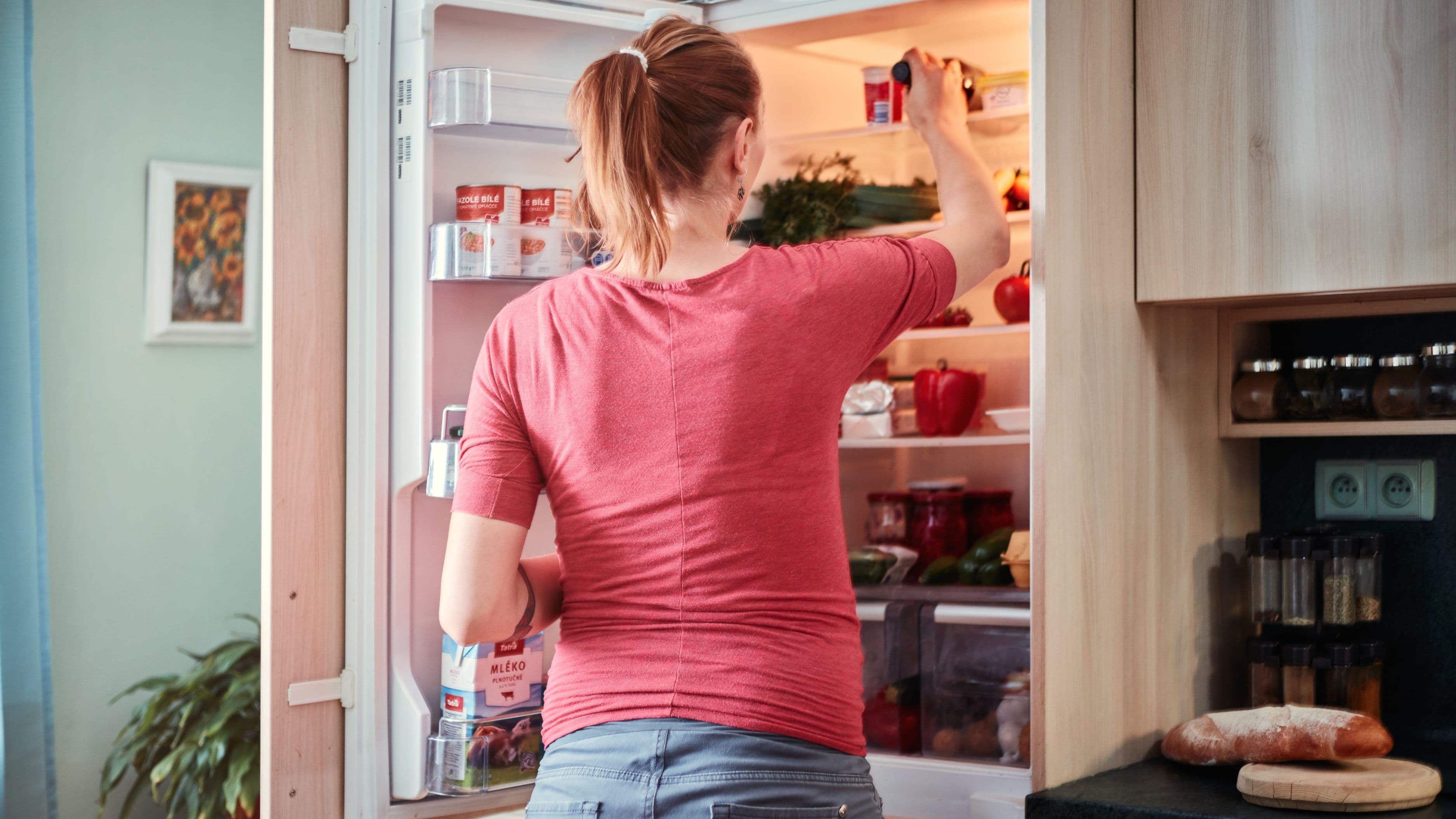
Right after a grocery shop, your fridge should be at its most complete and most organized point of the week. This is the moment to actually set yourself up for the days ahead, not just shove groceries in wherever they fit.
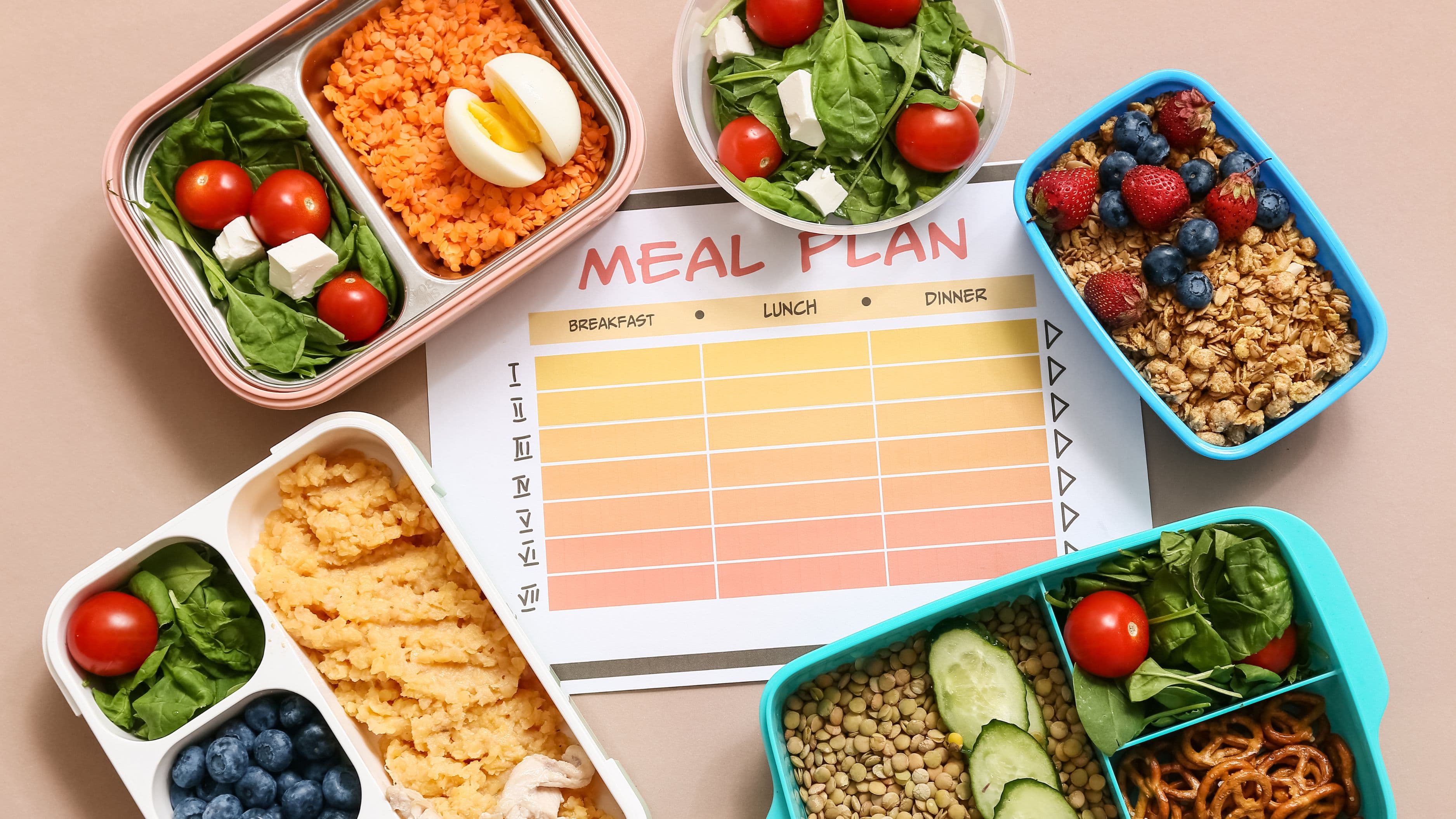
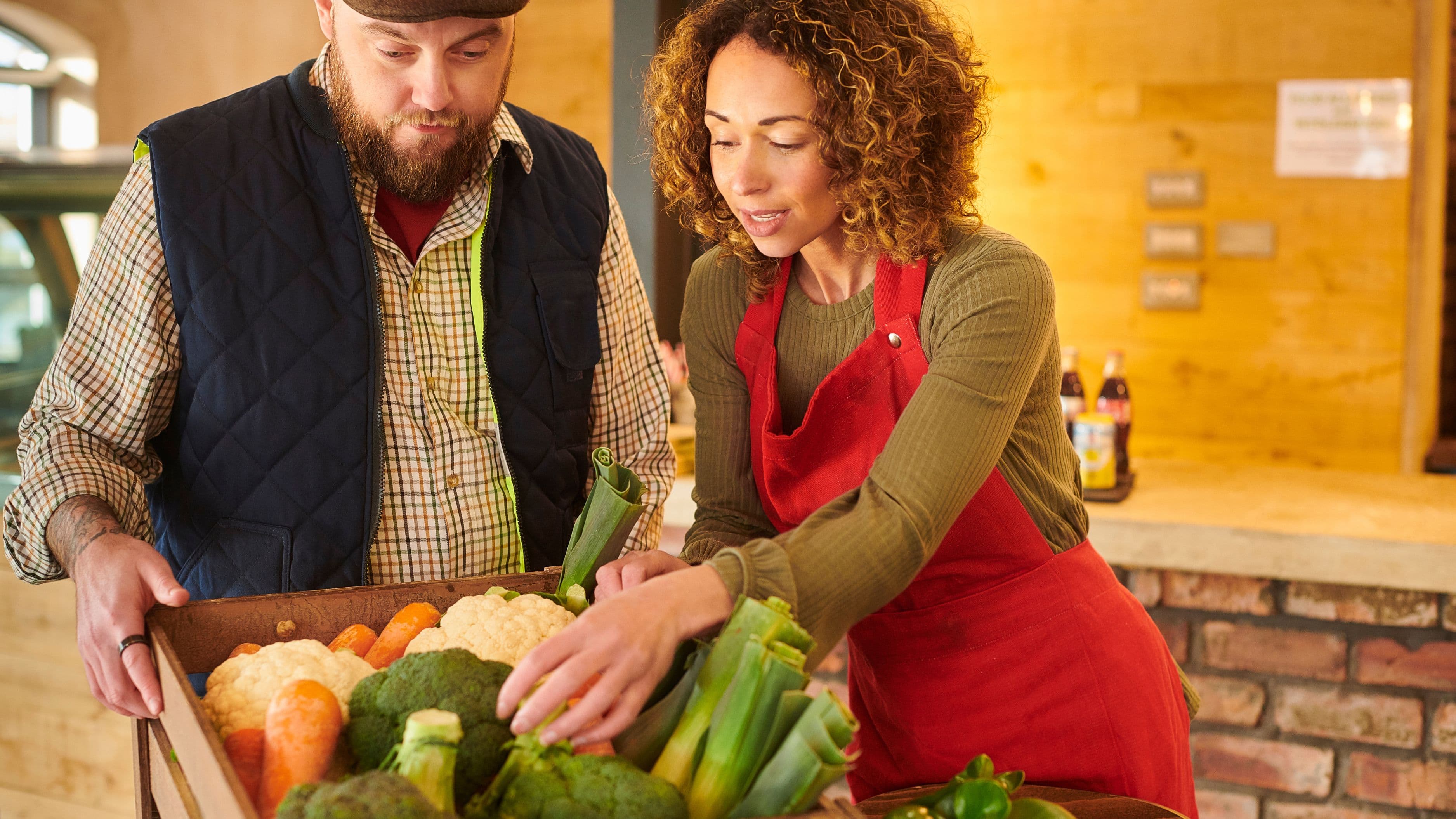
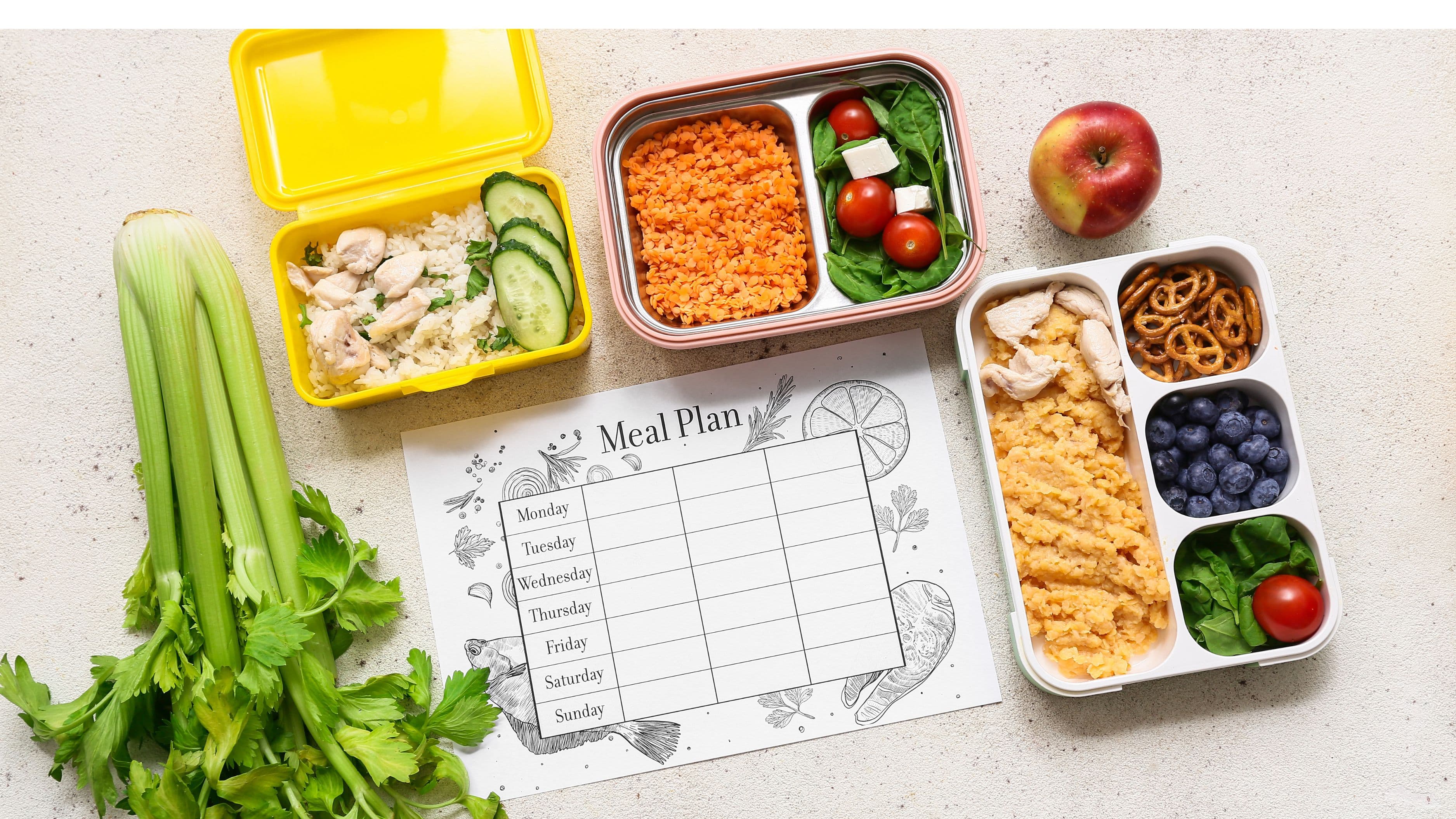
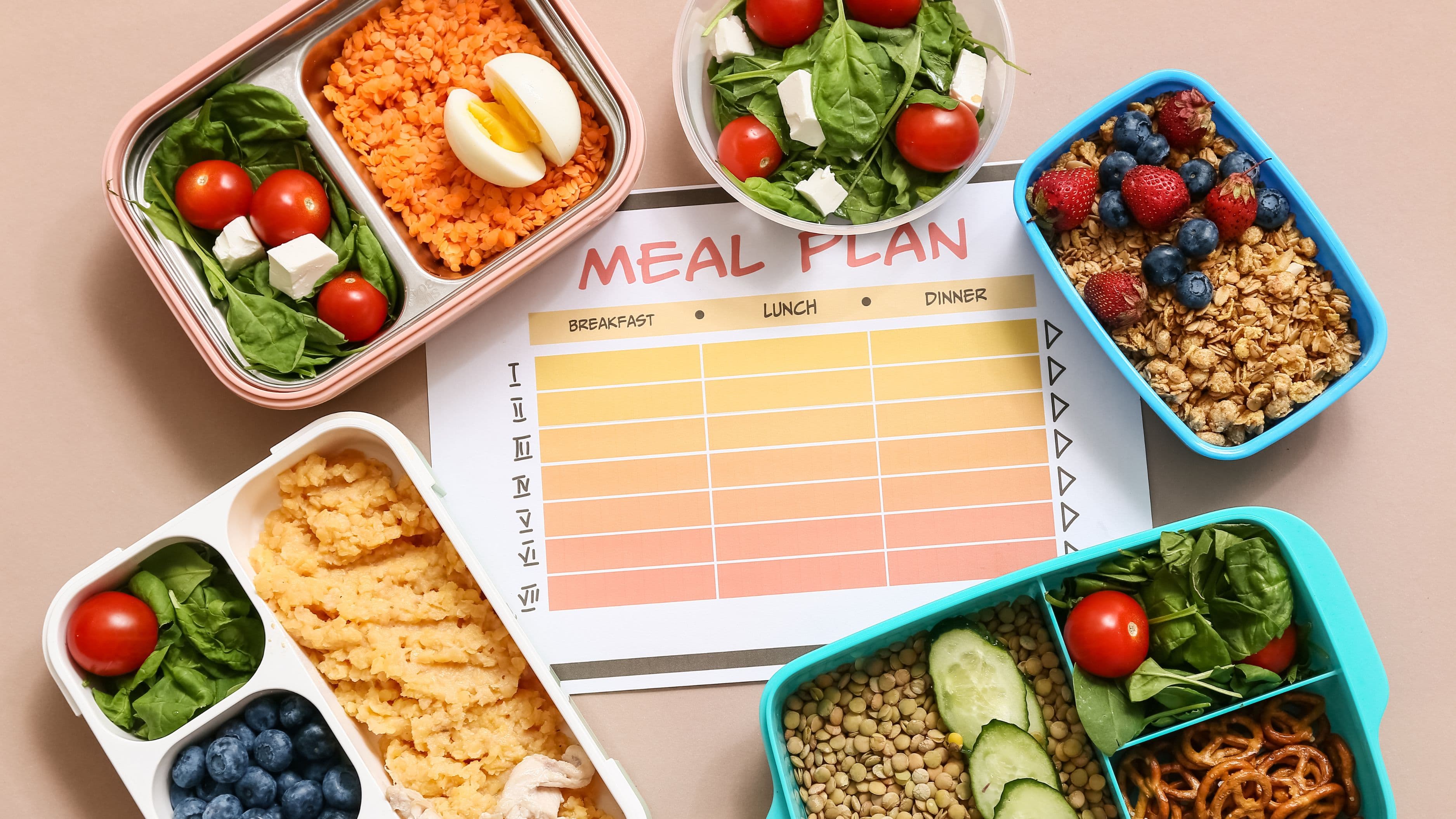
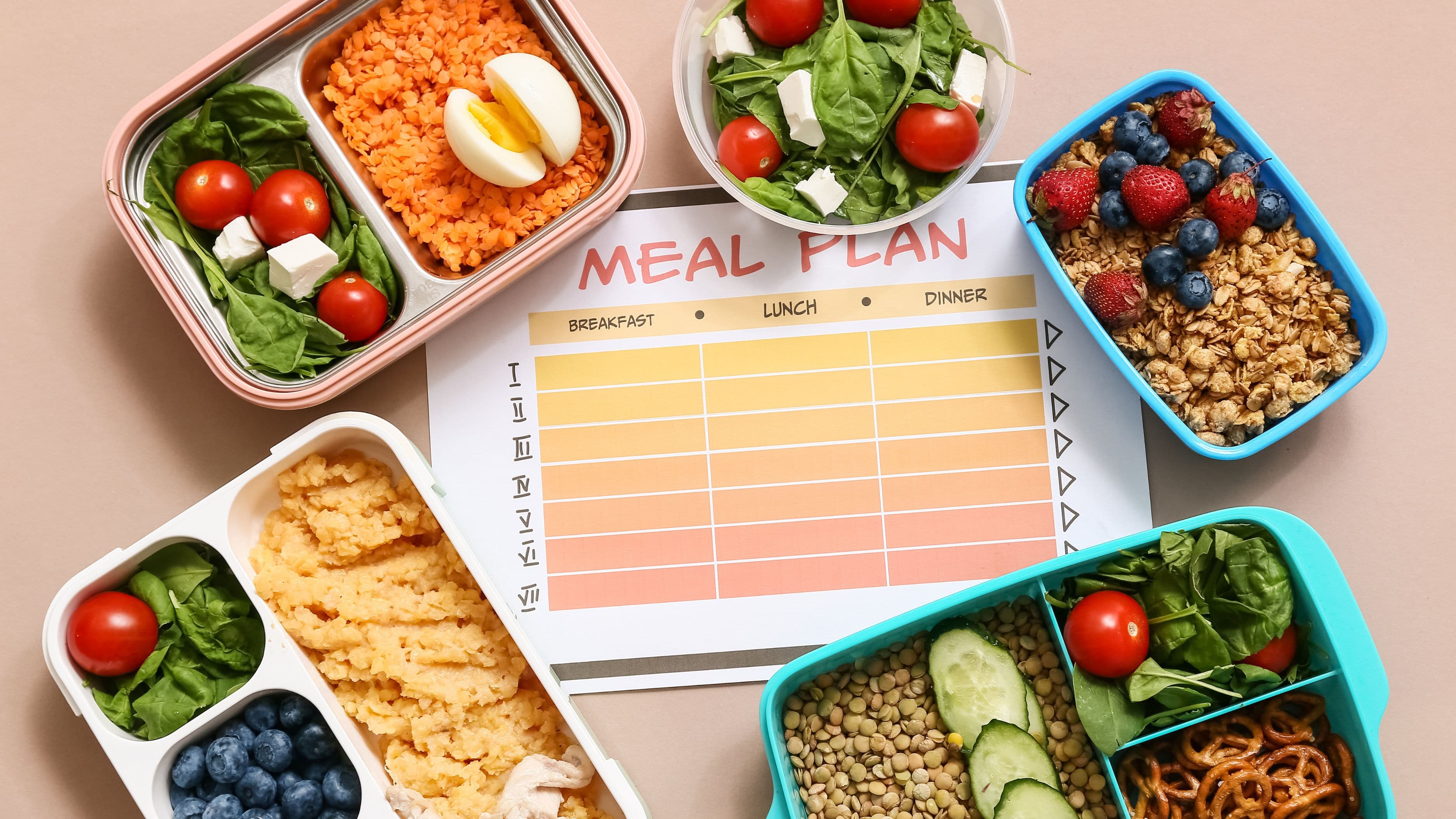
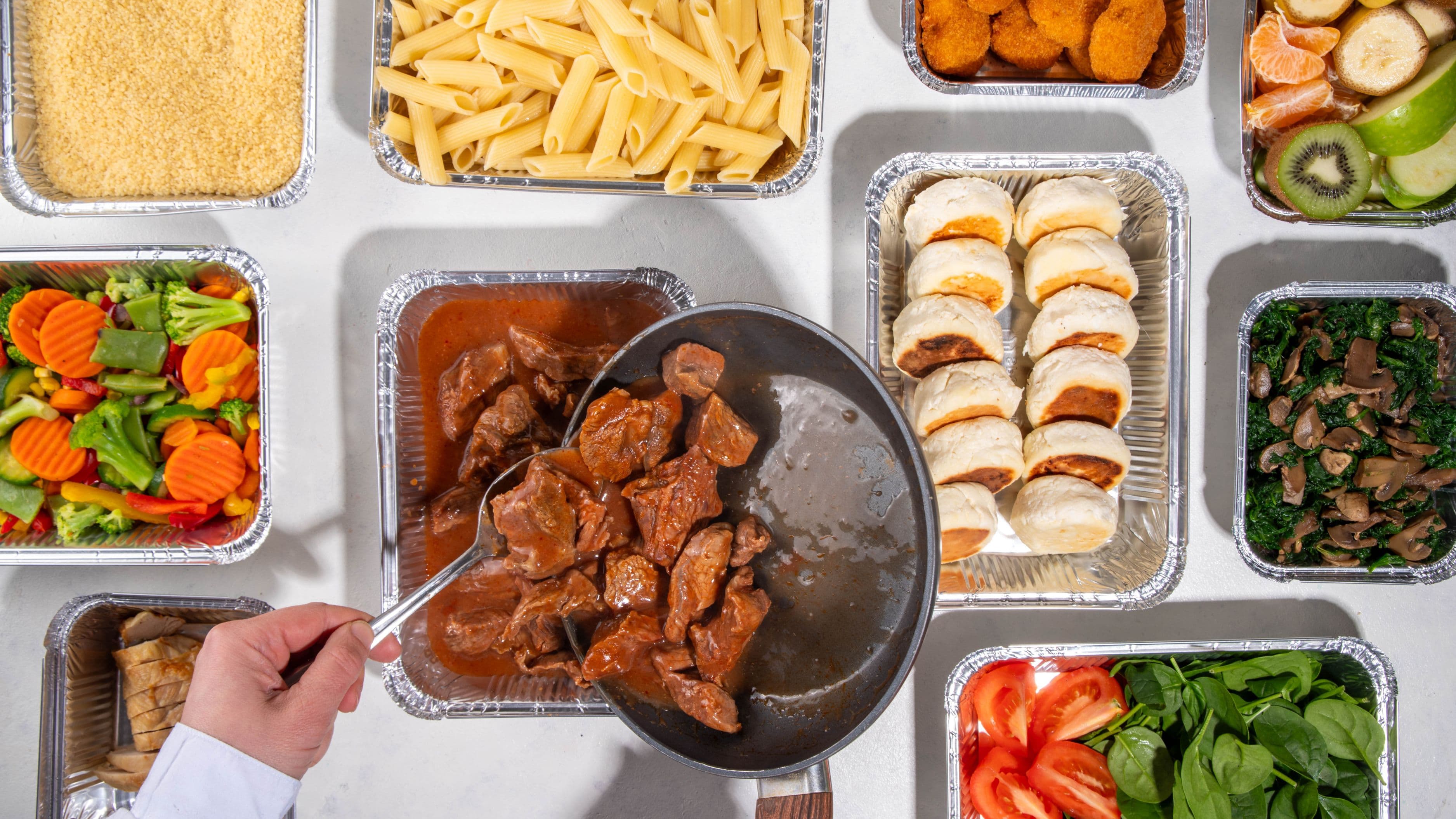
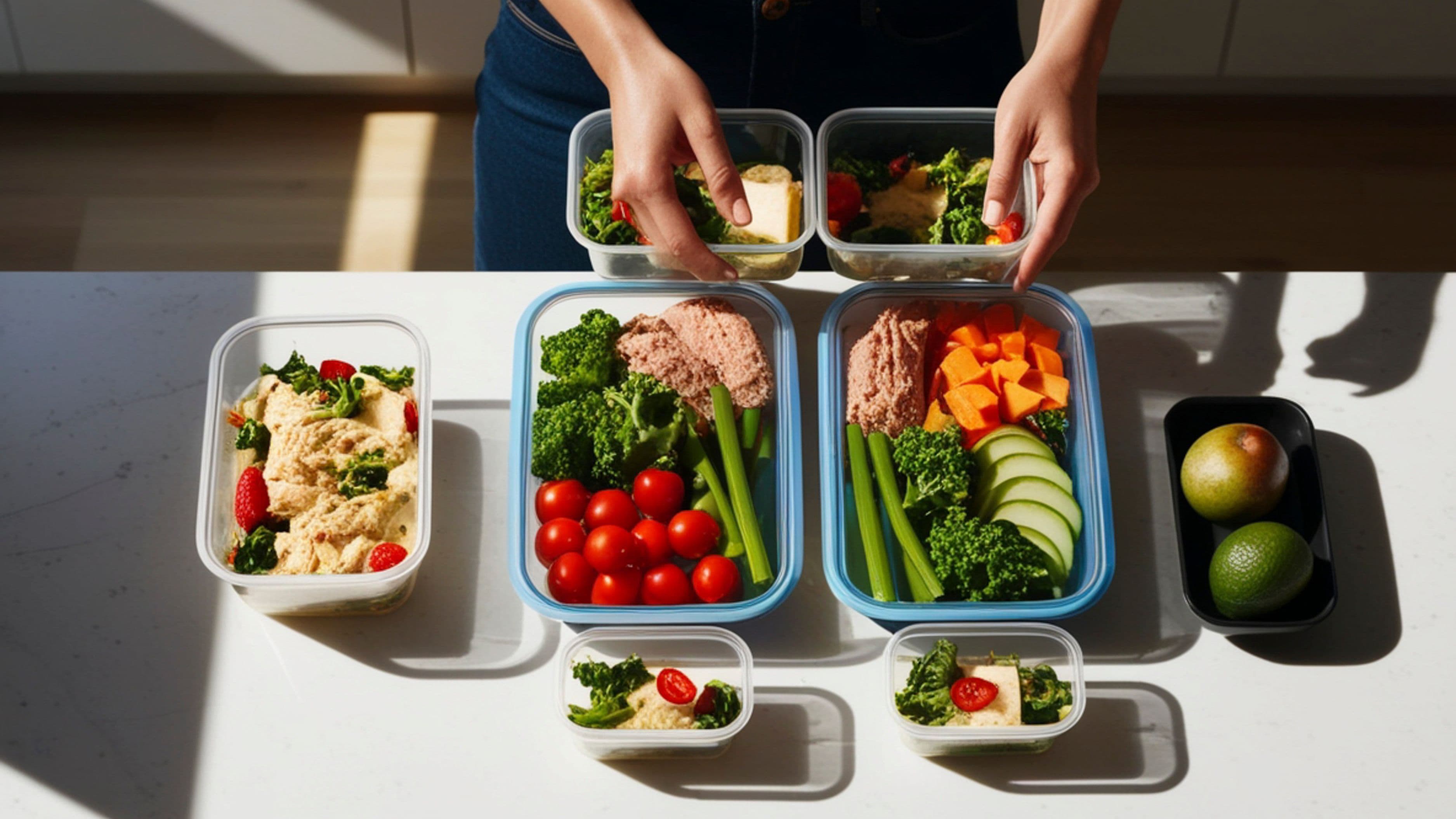
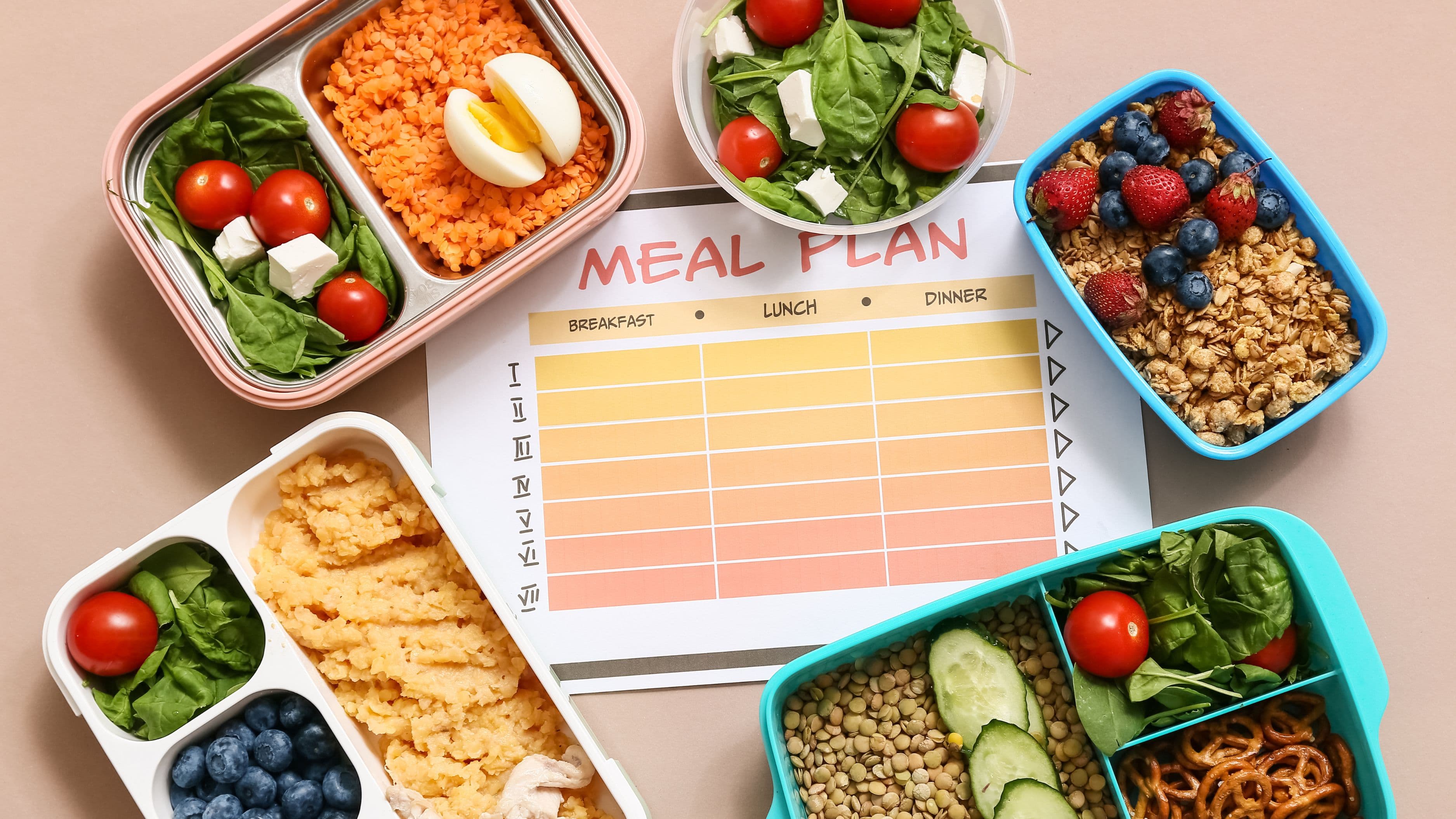
What it should look like: Fresh produce sorted by how quickly it needs to be used – delicate greens and herbs toward the front where you'll see them, hardier vegetables like carrots and cabbage toward the back where they'll keep longer. Proteins should be organized by which meals they're intended for, ideally with the ones you plan to cook earliest in the week placed where they're easiest to grab. Any batch-cooked components from meal prep – a cooked grain, a pot of beans, roasted vegetables – should be in clear containers, visible rather than buried, so you actually remember to use them.
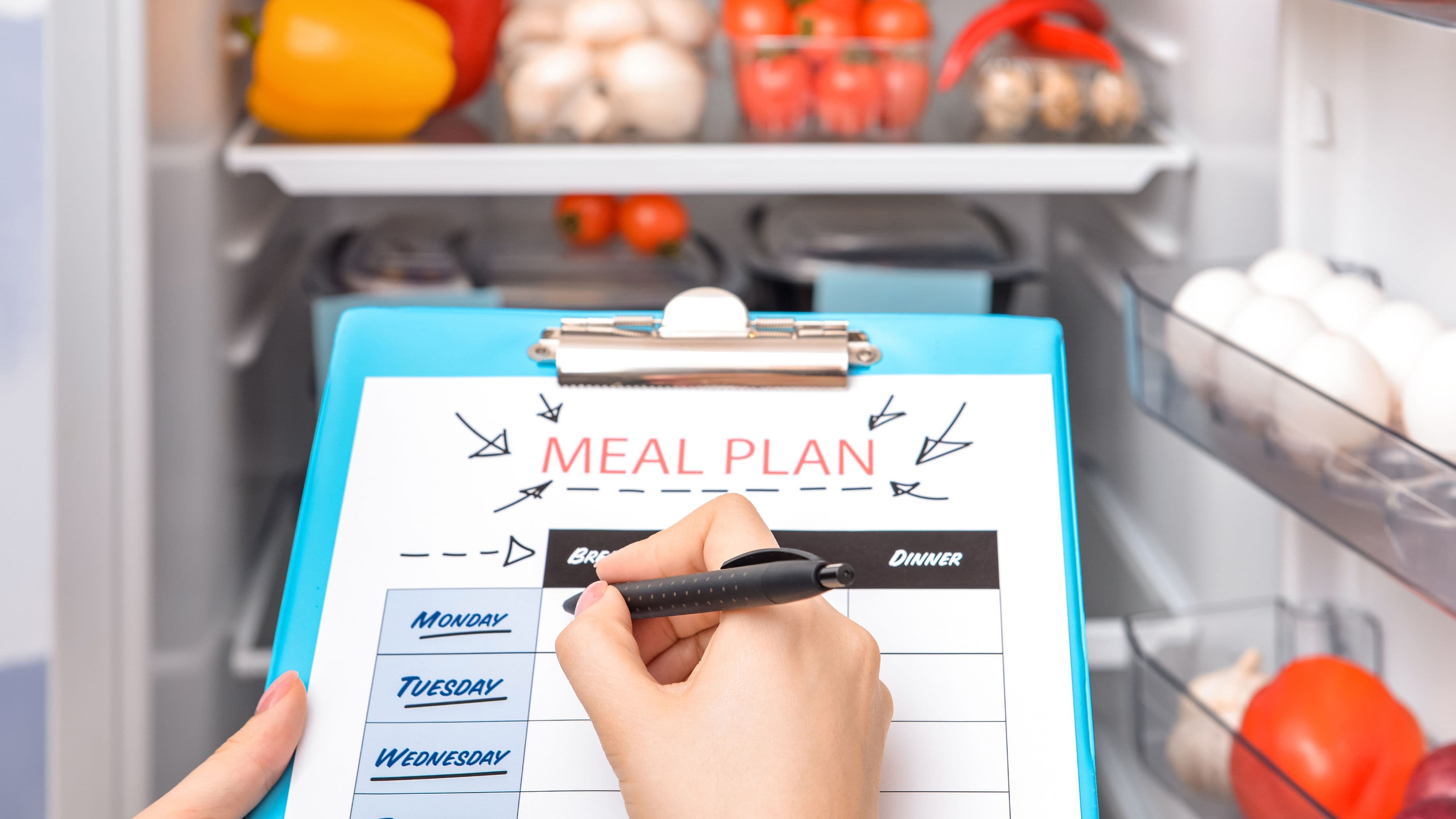
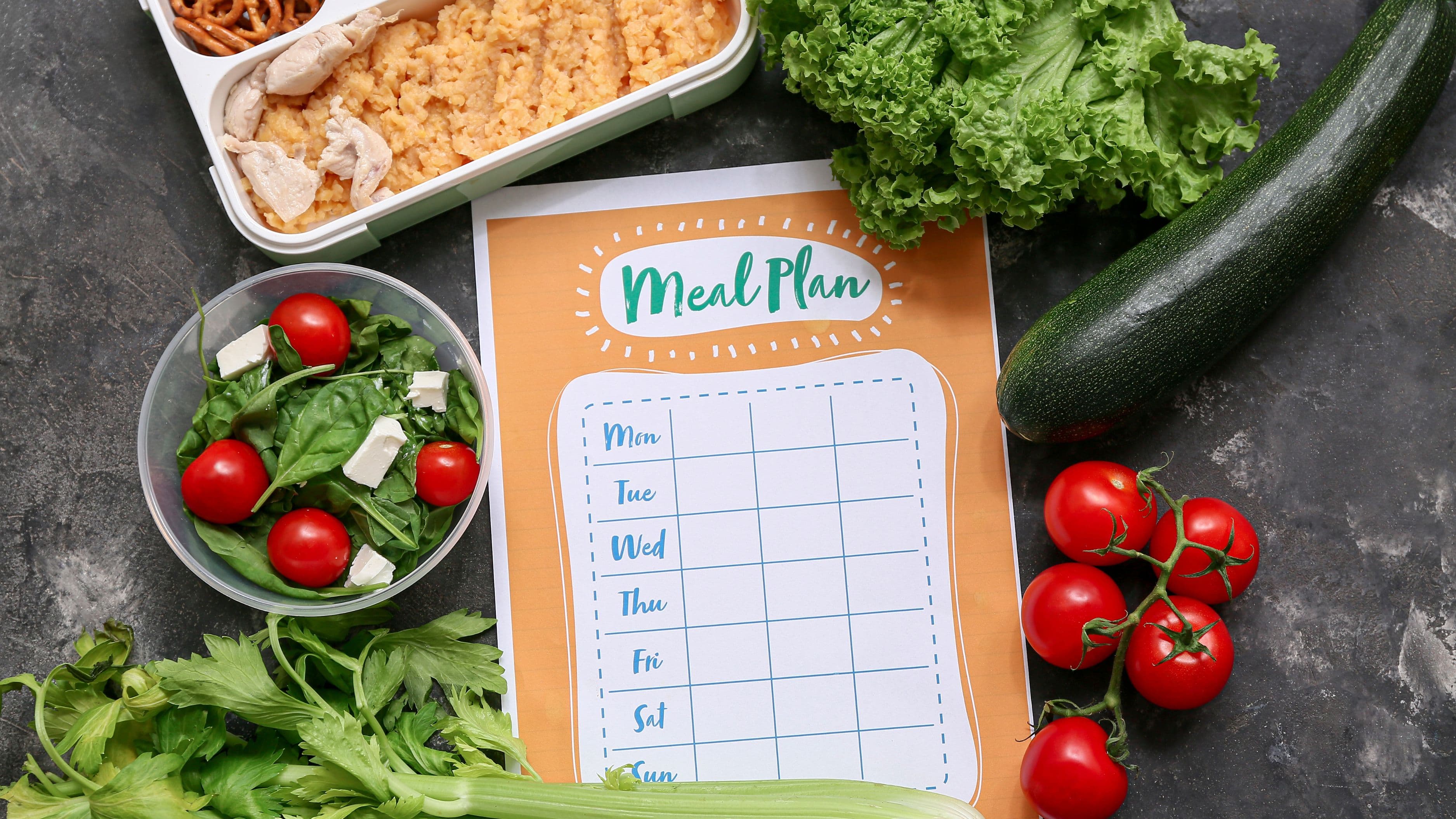
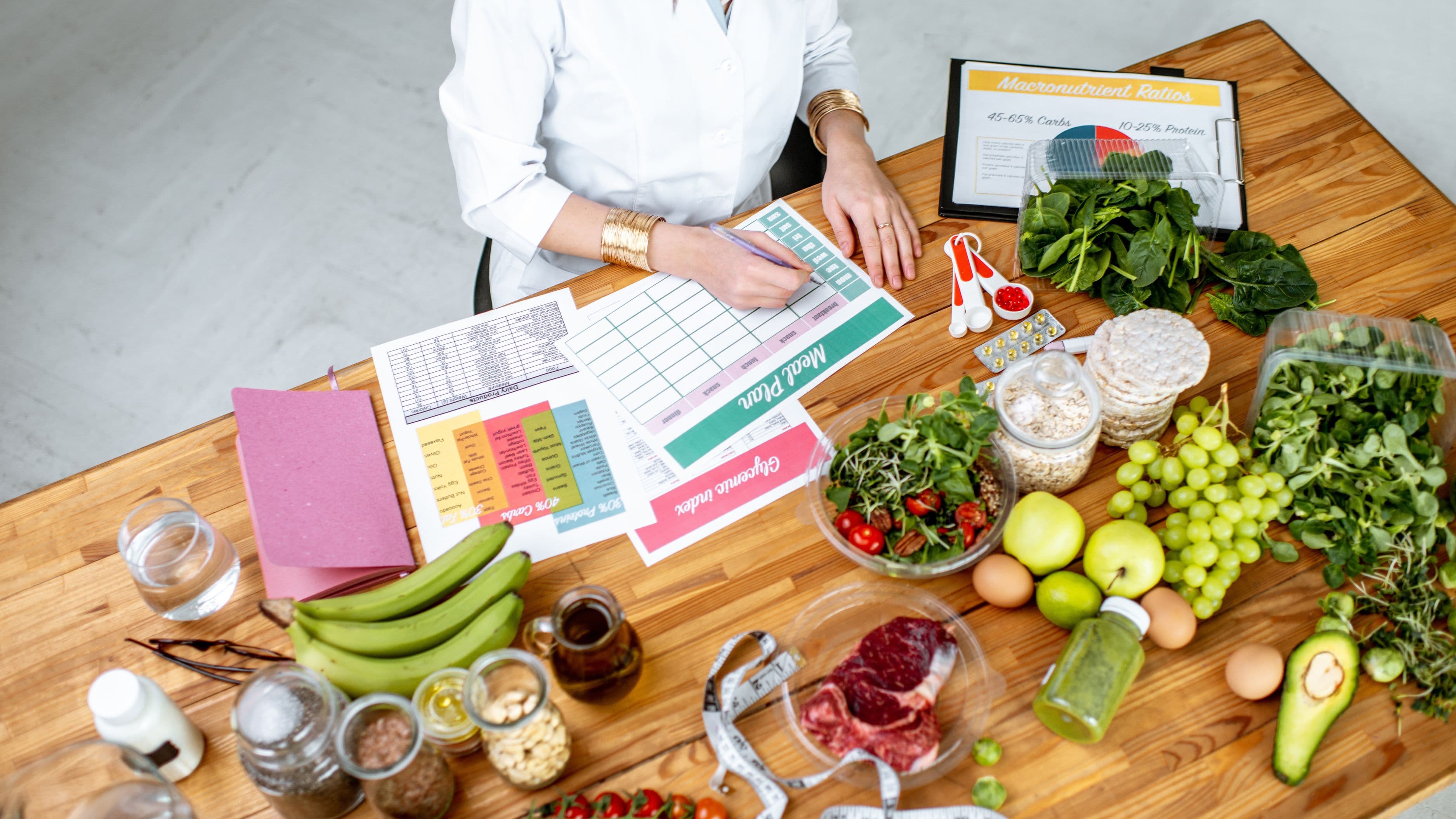
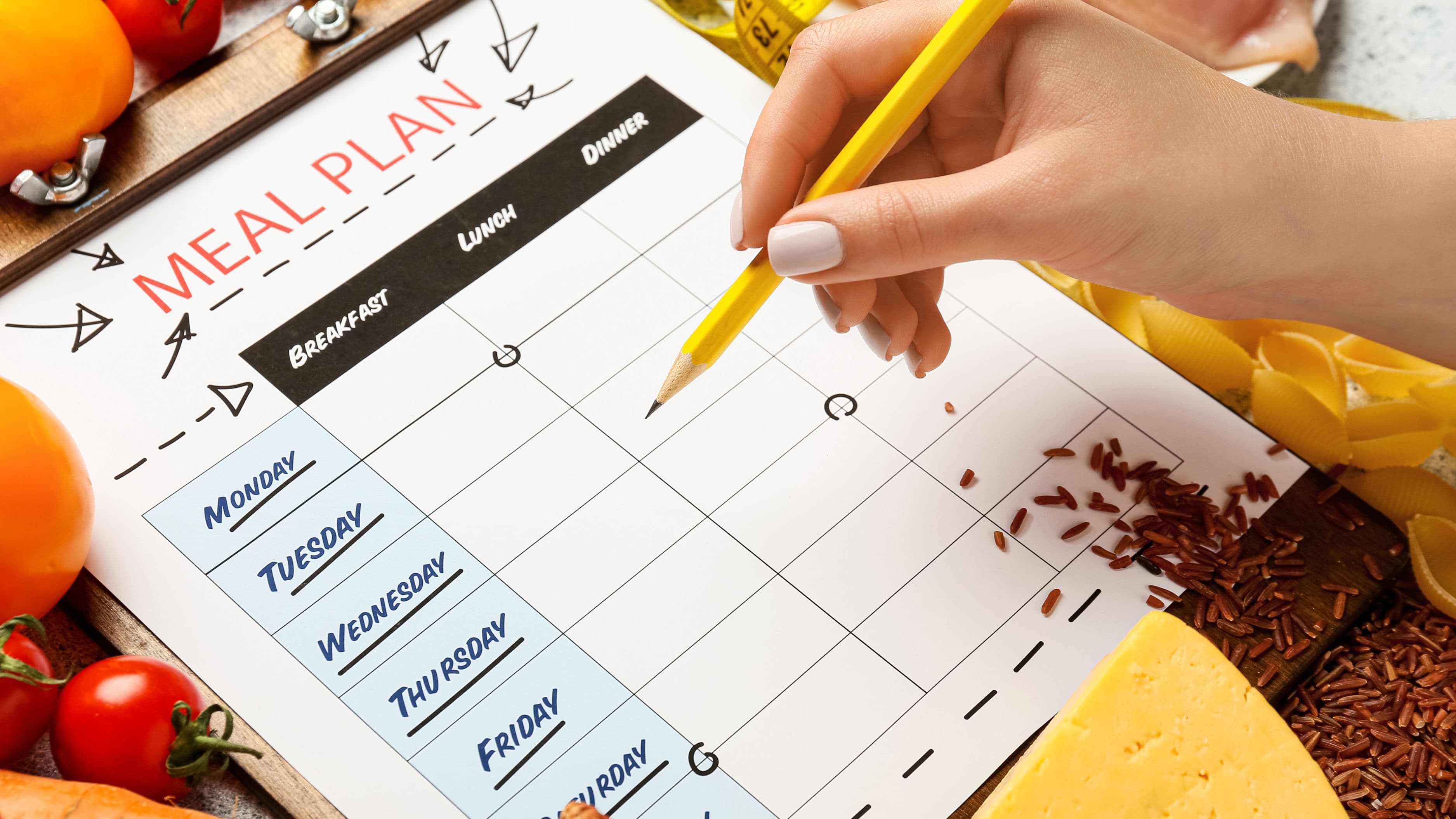
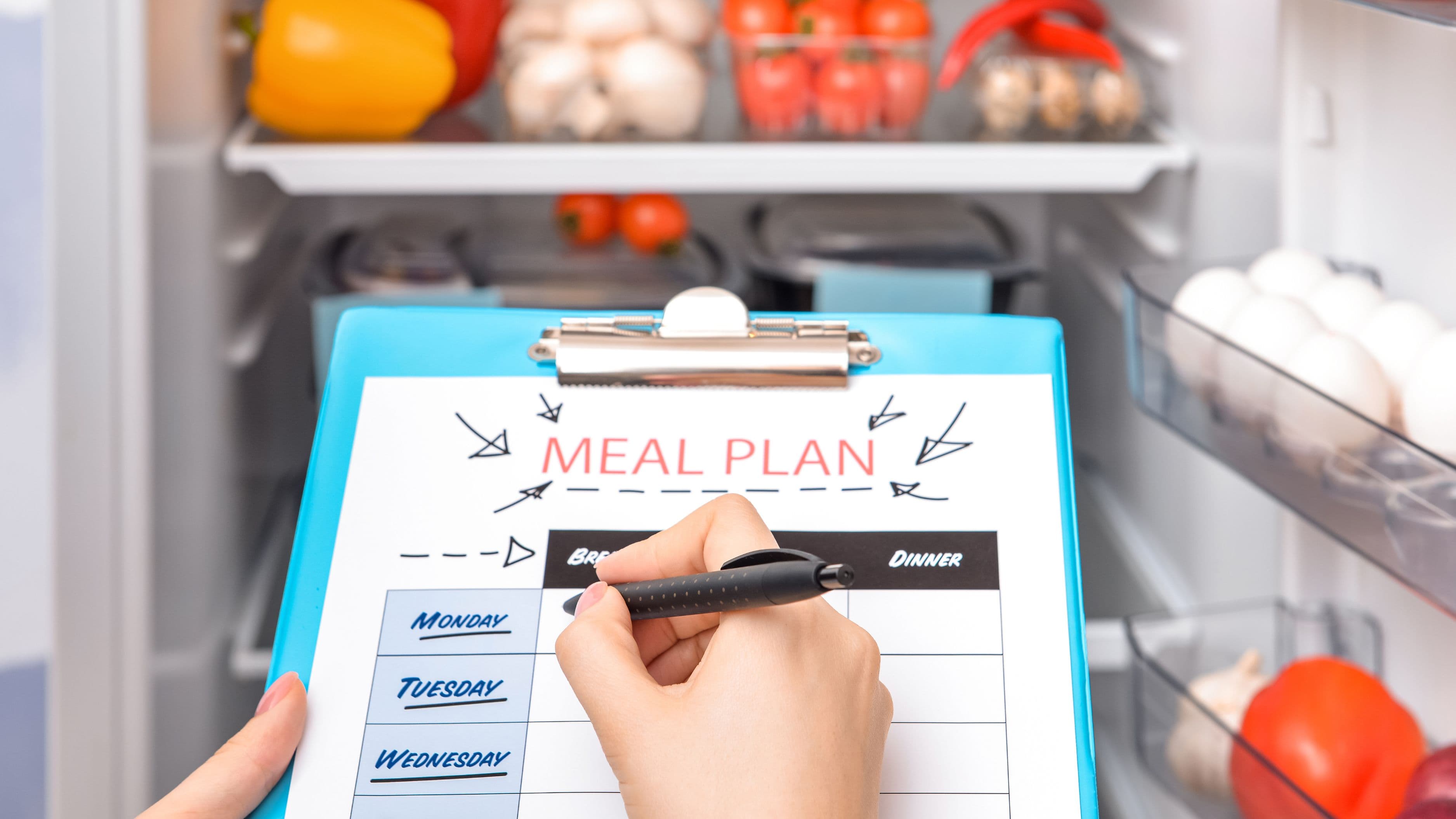
The habit that makes the biggest difference: Taking fifteen minutes on Sunday to do a rough mental (or written) plan of which nights you'll cook what, based on what's actually in the fridge, prevents the common problem of forgetting about ingredients until they've gone bad. This doesn't need to be a rigid schedule – just a loose sense of "the fish needs to happen by Tuesday, the hardier vegetables can wait until later in the week."
Wednesday: The Midweek Check-In
By midweek, your fridge should show clear signs of use without chaos. This is a good moment for a quick reassessment, since you have a clearer sense of what actually got cooked versus what's still sitting there, and how the rest of the week's plan might need to shift.
What it should look like: Roughly half of what you bought should be used or in progress, with clear priority placement for anything approaching its use-by window. If you notice something is close to spoiling and won't get used as originally planned, this is the moment to adjust – maybe that vegetable gets thrown into whatever you're cooking that night instead of waiting for its originally planned recipe.
The habit that makes the biggest difference: A quick, honest scan for anything that's starting to look tired and needs to be used soon, rather than waiting until it's unusable. This single habit prevents more food waste than almost anything else in a weekly routine.
Friday: The Lean, Resourceful Fridge
By the end of the week, your fridge is supposed to look thinner and more improvised, and that's actually a sign of good planning rather than a problem. A fridge that's still packed full on Friday usually means you bought more than you needed, while an empty, genuinely bare fridge suggests you didn't build in enough flexibility for the week's actual pace.
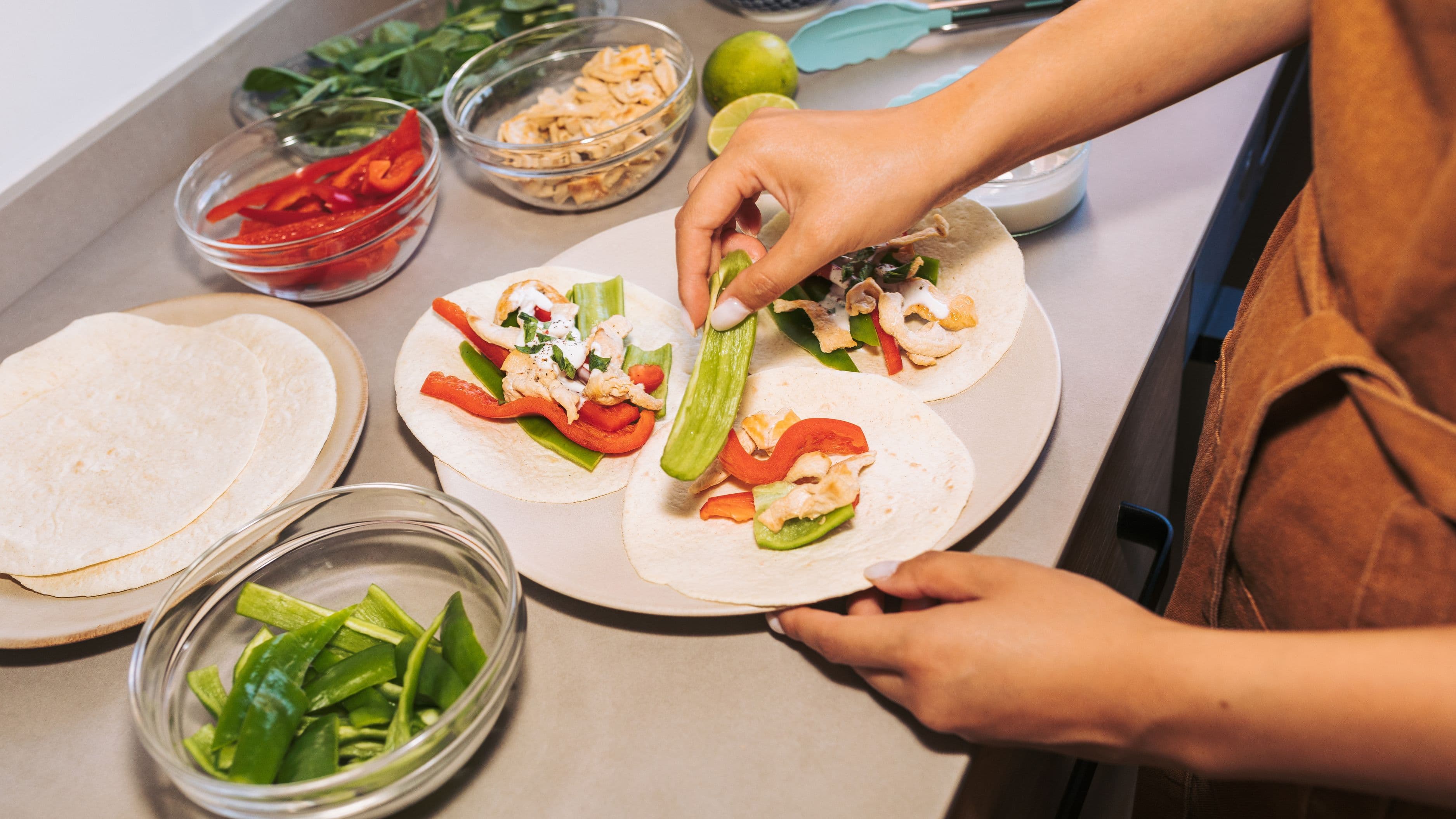
What it should look like: A handful of odds and ends – a partial bag of vegetables, some remaining protein, pantry staples like rice, pasta, or canned beans – that can be combined into a simple, improvised meal rather than requiring a specific recipe. This is exactly the moment for a "clean out the fridge" style meal: a fried rice using whatever vegetables are left, a frittata with the last of the eggs and any remaining vegetables, or a simple soup built from odds and ends and pantry staples.
The habit that makes the biggest difference: Keeping a mental list of a few flexible, "whatever's left" meal formats (fried rice, frittata, grain bowl, soup) that you can build around almost any combination of leftover ingredients. Having this mental framework ready removes the stress of a Friday fridge that looks sparse and makes it feel like an opportunity rather than a problem.
Why This Rhythm Actually Matters
Understanding this weekly arc changes how you shop and plan in a genuinely practical way. Knowing that Friday is supposed to be a lean, improvised cooking night means you can intentionally buy slightly less of your most perishable items, trusting that pantry staples and a flexible cooking approach will carry you through the end of the week. It also reduces food waste significantly, since you're not aiming for a fridge that stays fully stocked all week (which usually means throwing out unused items later), but instead planning for a natural, intentional decline in fridge contents as the week progresses.
Common Mistakes to Avoid
Avoid buying as if every day of the week needs the same level of fridge fullness. This mismatch between how full your fridge is and how the week actually unfolds is one of the biggest drivers of food waste in home kitchens. Also avoid ignoring the midweek check-in – a lot of food waste happens simply because nobody looked at what was starting to turn until it was too late to use.
Don't treat a Friday grocery run as a failure if your fridge looks bare beforehand. A genuinely well-planned week should end with a lean fridge, not a full one, and that pattern is a sign your planning is working, not that you fell short.
FAQ
How do I know what to buy less of for the end of the week? Your most delicate items – leafy greens, fresh herbs, soft fruit – are the ones worth planning to use earliest in the week, while pantry staples and hardier vegetables can reasonably carry you through to Friday.
What are good "clean out the fridge" meal formats to keep in mind? Fried rice, frittatas, grain bowls, and simple soups are especially flexible, since they can absorb almost any combination of leftover vegetables and proteins without needing a specific recipe.
Does this approach save money on groceries? Often yes, since planning around a natural decline in fridge contents typically means buying closer to what you'll actually use, which reduces the amount of food that ends up thrown out unused.
Bottom Line
A fridge isn't meant to look the same all week – a full, organized Sunday fridge and a lean, improvised Friday fridge both represent good planning, not two different outcomes to compare against each other. Understanding this natural rhythm, checking in midweek, and keeping a few flexible "whatever's left" meal formats in your back pocket makes it much easier to eat well and waste less, right up until the next grocery trip.
📚 Sources
USDA – Food Storage and Reducing Food Waste at Home. usda.gov
EPA – Reducing Food Waste at Home. epa.gov