This guide covers the technique first, because that's where most fried rice goes wrong, and then gives you a solid base recipe you can adapt to whatever's in your fridge.
Why Homemade Fried Rice Usually Falls Short
The biggest issue is moisture. Fresh-cooked rice is full of steam and surface water. When you add it to a hot pan, all that moisture releases at once and you end up steaming the rice instead of frying it. The result is soft, sticky, pasty fried rice – the opposite of what you're going for.
Restaurant kitchens use rice that's been cooked ahead of time, spread out, and refrigerated for at least several hours, often overnight. The drying process in the fridge removes surface moisture from each grain, so when the rice hits the hot wok or pan, it fries and separates rather than clumping together. This one thing – using cold, day-old rice – makes a bigger difference than any ingredient or seasoning.
The second issue is heat. Home stoves don't get as hot as commercial woks, and a lot of home cooks use a pan that's too small and too crowded. When you crowd a pan, the temperature drops and you're back to steaming instead of frying. The fix is to use your largest pan, work in batches if needed, and get it genuinely hot before anything goes in.
What You'll Need
For the rice base:
3 cups cold, day-old cooked rice (long-grain jasmine or medium-grain white rice work best)
2 tablespoons neutral oil with a high smoke point – vegetable, canola, or avocado oil
2 eggs
3 cloves garlic, minced
3 spring onions, sliced (white and green parts separated)
1 cup frozen peas and carrots (or any vegetables you have)
2–3 tablespoons soy sauce
1 teaspoon sesame oil (added at the end, not for cooking)
White pepper to taste
Optional but worthwhile:
1 teaspoon oyster sauce (adds depth)
A small amount of fish sauce in place of some soy sauce (adds umami)
Protein of your choice: prawns, chicken, char siu pork, or tofu
Step-by-Step Instructions
Prepare your rice. If you don't have leftover rice, cook it several hours ahead and spread it in a thin layer on a baking tray. Refrigerate uncovered for at least two to three hours. In a pinch, you can use freshly cooked rice that you've spread out and let dry for 20 to 30 minutes – it won't be as good, but it's workable.
Get everything ready before you start cooking. Fried rice moves fast. Have your garlic minced, your spring onions sliced, your vegetables ready, and your sauces measured out before the pan goes on the heat. Once you start, there's no time to stop and prep.
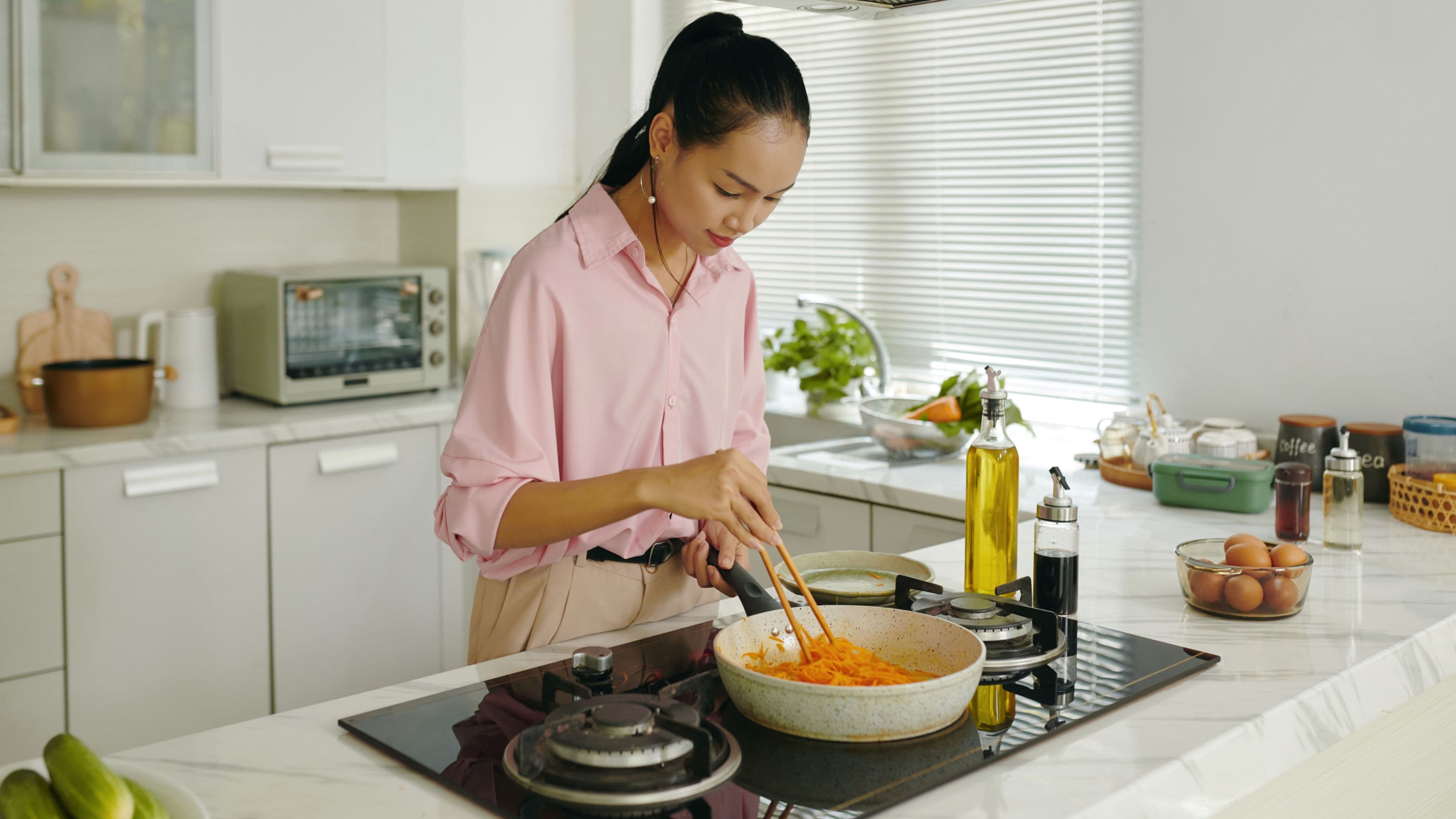
Heat your pan properly. Put your largest frying pan or wok over the highest heat your stove can manage. Leave it to heat for one to two minutes until it's genuinely hot – not warm, actually hot. Add a tablespoon of oil and swirl it to coat the pan. The oil should shimmer almost immediately.
Cook any protein first. If you're adding chicken, prawns, or any other protein, cook it now in the hot pan until just done. Remove it and set it aside. You'll add it back at the end.
Fry the aromatics. Add the remaining oil, then the garlic and the white parts of the spring onion. Stir constantly for about 30 seconds – you want them fragrant and very lightly golden, not burnt. This step goes quickly, so don't walk away.
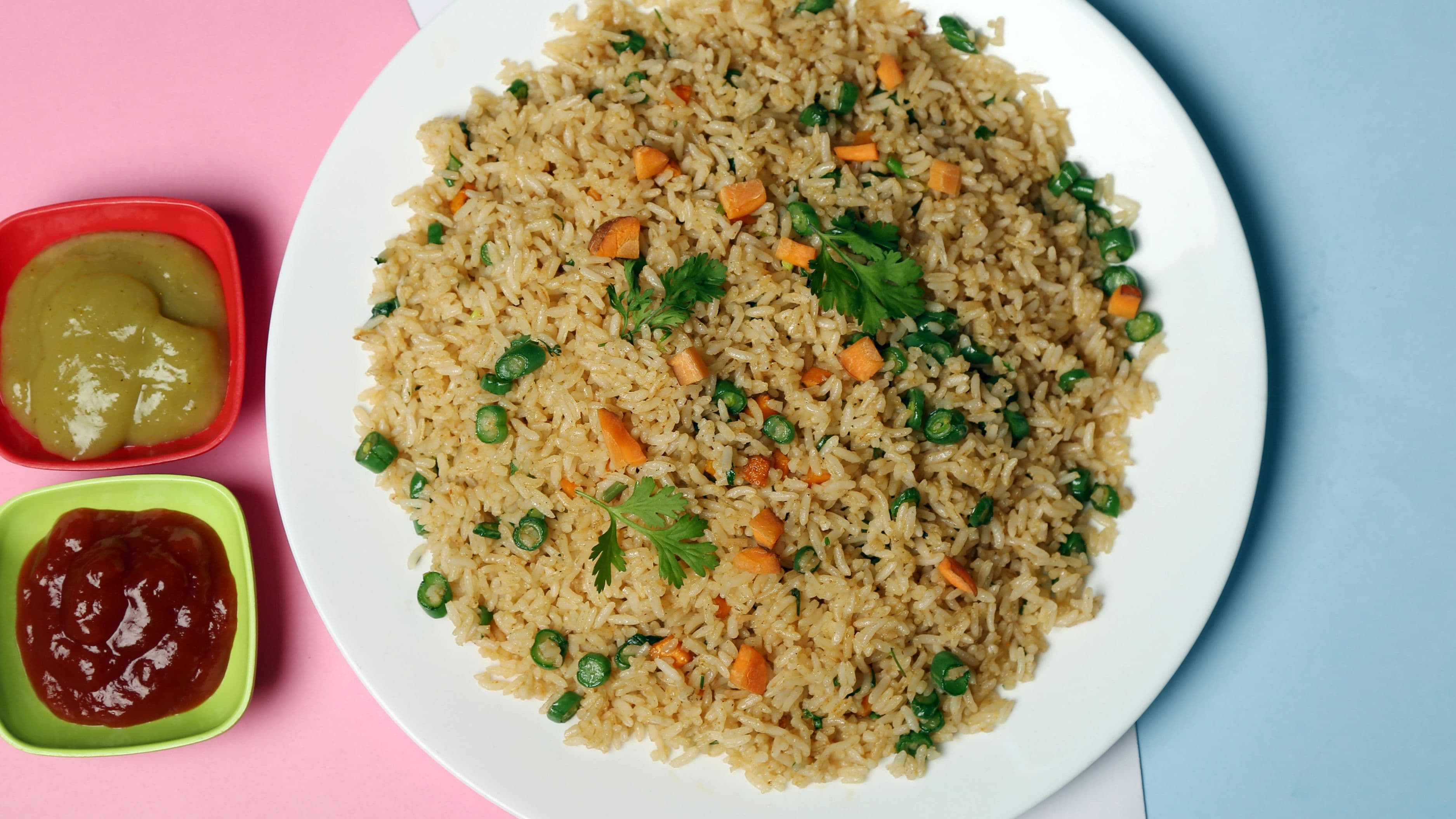
Add the rice. Add all the cold rice at once and press it down into the pan. Let it sit undisturbed for 30 to 45 seconds so the bottom layer can start to crisp and get some color. Then toss or stir it, press it down again, and repeat. You're looking for individual grains that are lightly toasted and separated, not a solid mass. If the rice seems very stuck together, use a spatula to break it up as it heats through.
Push the rice to the sides and scramble the eggs in the centre. Create a space in the middle of the pan, add a small drizzle of oil if needed, and crack in both eggs. Scramble them quickly with the spatula, cooking them until they're just set but still soft. Then fold the rice over the eggs and stir everything together. The egg should coat the rice rather than existing in large separate chunks.
Add your vegetables and protein. Add the frozen peas and carrots (or whatever vegetables you're using) and toss everything together for a minute or two until the vegetables are heated through. Add your cooked protein back in.
Season and finish. Add the soy sauce and oyster sauce if using, and toss everything to coat evenly. Taste and adjust – more soy sauce if it needs salt, a pinch of white pepper for warmth. Remove from the heat before adding the sesame oil. Sesame oil is a finishing oil, not a cooking oil – its flavor is delicate and burns off if you add it to a hot pan. Toss through the green parts of the spring onion and serve immediately.
Tips That Make the Biggest Difference
Don't overcrowd the pan. This matters more than almost anything else. If you're cooking for three or four people, consider doing the rice in two batches rather than cramming it all in at once. A crowded pan drops in temperature and you lose the frying effect you're after.
Use white pepper instead of black pepper. This is a small thing that makes fried rice taste noticeably more like restaurant fried rice. White pepper has a slightly different, more pungent heat that's characteristic of Chinese-style cooking. You don't need much – just a couple of pinches – but it makes a real difference.
Season lightly at first and adjust at the end. Soy sauce is salty, and it's easy to over-salt fried rice because you can't taste as you go in the same way you can with a sauce. Start with two tablespoons, taste after tossing, and add more if needed.
The sesame oil goes on at the very end, off the heat. This is worth repeating because it's the step most recipes don't emphasize. Toasted sesame oil is a flavor ingredient, not a cooking fat. Add it to a hot pan and it burns immediately and turns bitter. Drizzle it over the finished dish just before serving.
Variations to Try
Classic egg fried rice: Skip the protein and let the egg be the hero. Double the eggs to four and follow the same method.
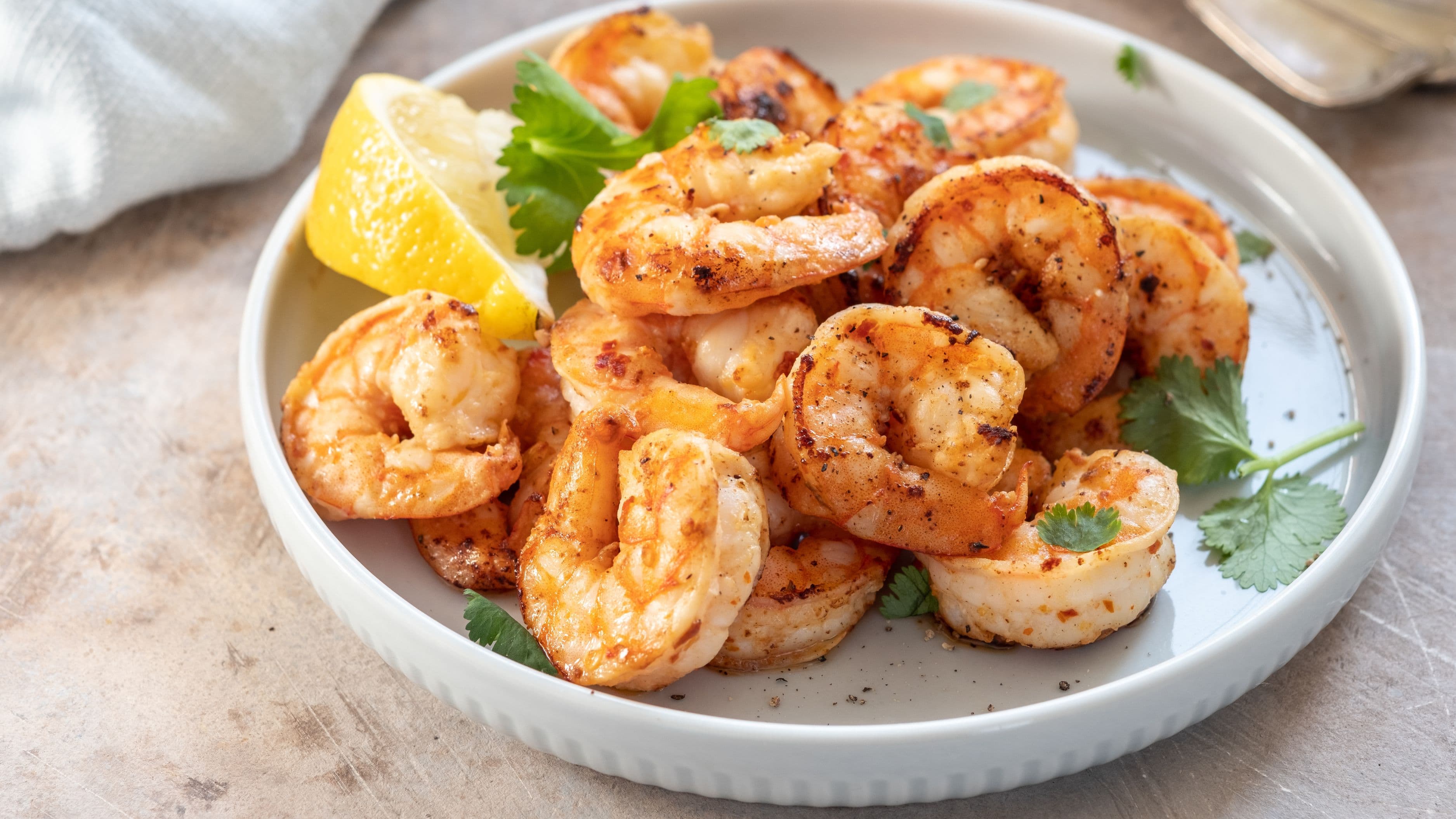
Prawn fried rice: Defrosted raw prawns cook in about two minutes in a hot pan. Season with a pinch of salt and a crack of pepper, cook until just pink, and set aside before proceeding with the base.
Char siu pork fried rice: Dice leftover char siu (Chinese BBQ pork) or use store-bought. The sweet, caramelized pork elevates the whole dish significantly.
Kimchi fried rice: Replace half the soy sauce with kimchi juice, add chopped kimchi with the vegetables, and top with a fried egg. Finish with a drizzle of sesame oil and gochujang if you like heat.
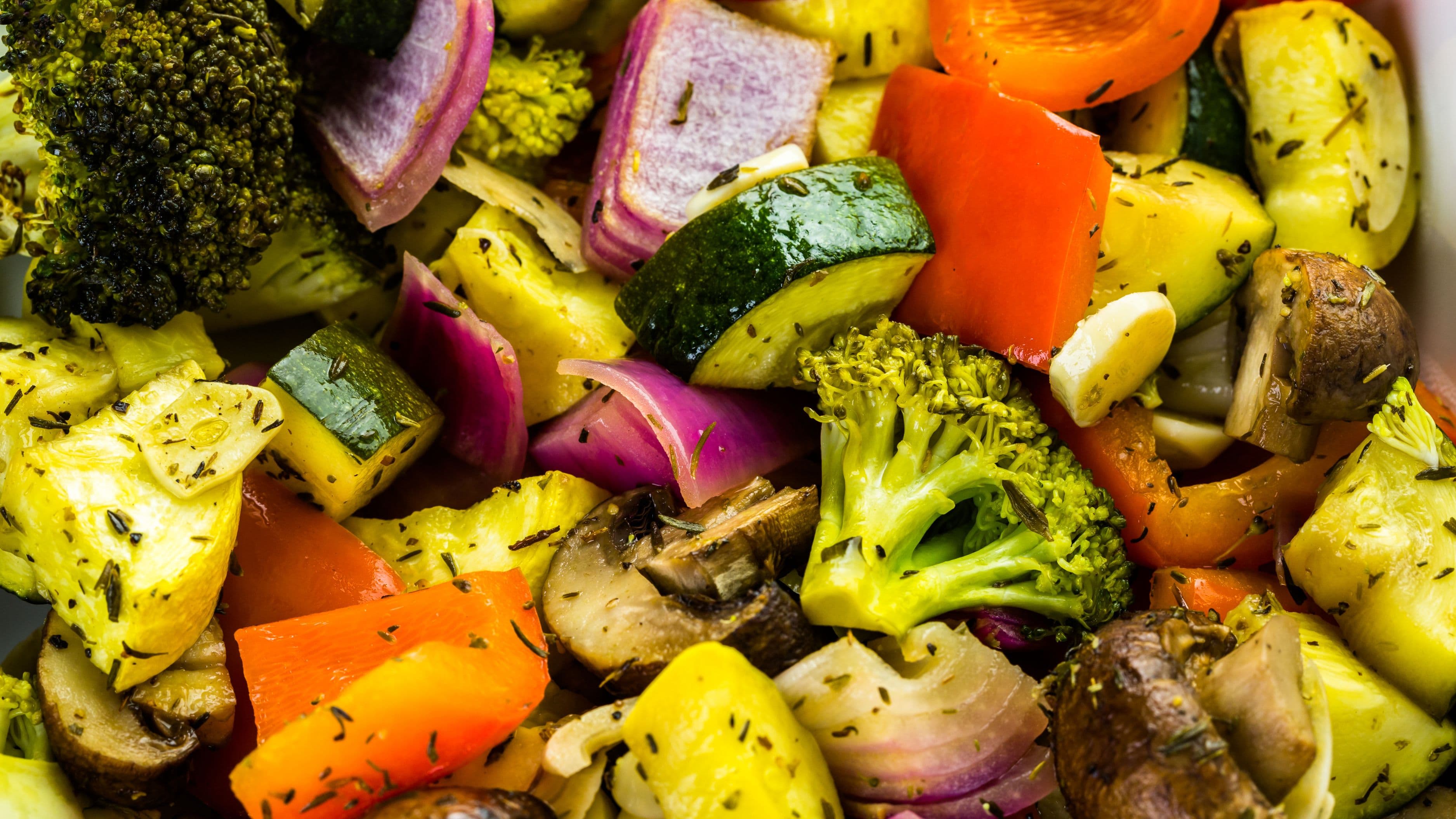
Vegetable only: Add whatever you have – corn, edamame, diced mushrooms, courgette. Mushrooms in particular add a lot of umami depth if you let them sit in the pan long enough to brown properly.
Common Mistakes to Avoid
Adding soy sauce directly onto the hot pan rather than onto the rice causes it to burn against the pan surface before it coats the food. Always pour it over the rice and toss quickly.
Using freshly cooked hot rice is the most common reason home fried rice goes wrong. Even 30 minutes of cooling helps, but overnight refrigeration is what really works.
Stirring constantly and never letting the rice sit means it never gets the chance to develop any color or crispness. Press it down, leave it, then toss it.
Using too little oil. Fried rice needs enough oil to fry properly. Two tablespoons for a full batch sounds like a lot if you're used to cooking with minimal fat, but it's what the rice needs to separate and develop texture.
FAQ
What type of rice works best for fried rice? Jasmine rice and medium-grain white rice work well because they have less starch than short-grain varieties, so the grains stay more separate when fried. Sushi rice tends to clump too much. Brown rice can work but has a drier, chewier texture that some people find less satisfying in fried rice.
Can I use freshly cooked rice? You can, but the result won't be as good. If you have no choice, cook the rice, spread it on a tray, and let it sit uncovered at room temperature for 30 to 60 minutes before using. It won't be as dry as refrigerated rice, but it's better than using it straight from the pot.
What's the best pan to use at home? A large, flat-bottomed carbon steel pan or a seasoned cast iron pan gets the hottest and retains heat well. A large non-stick frying pan works too – you won't get quite as much char, but it's easier to manage for beginners and still produces very good results.
How do I stop the rice from sticking to the pan? Make sure your pan is properly hot before adding the oil and rice, and use enough oil. If rice is sticking badly, the pan wasn't hot enough or there wasn't enough fat. A splash of oil around the edges of the rice can help free it if it's caught.
Can I make fried rice without eggs? Yes. Skip the egg step and the rice will be lighter in color and texture. You can add extra umami through a small amount of fish sauce or a teaspoon of miso stirred into the soy sauce.
📚 Sources
Serious Eats – The Food Lab: How to Make Better Fried Rice: https://www.seriouseats.com/how-to-make-better-fried-rice
BBC Good Food – How to Cook Perfect Fried Rice: https://www.bbcgoodfood.com/howto/guide/how-cook-perfect-fried-rice
The Woks of Life – Egg Fried Rice Recipe and Techniques: https://thewoksoflife.com/egg-fried-rice/