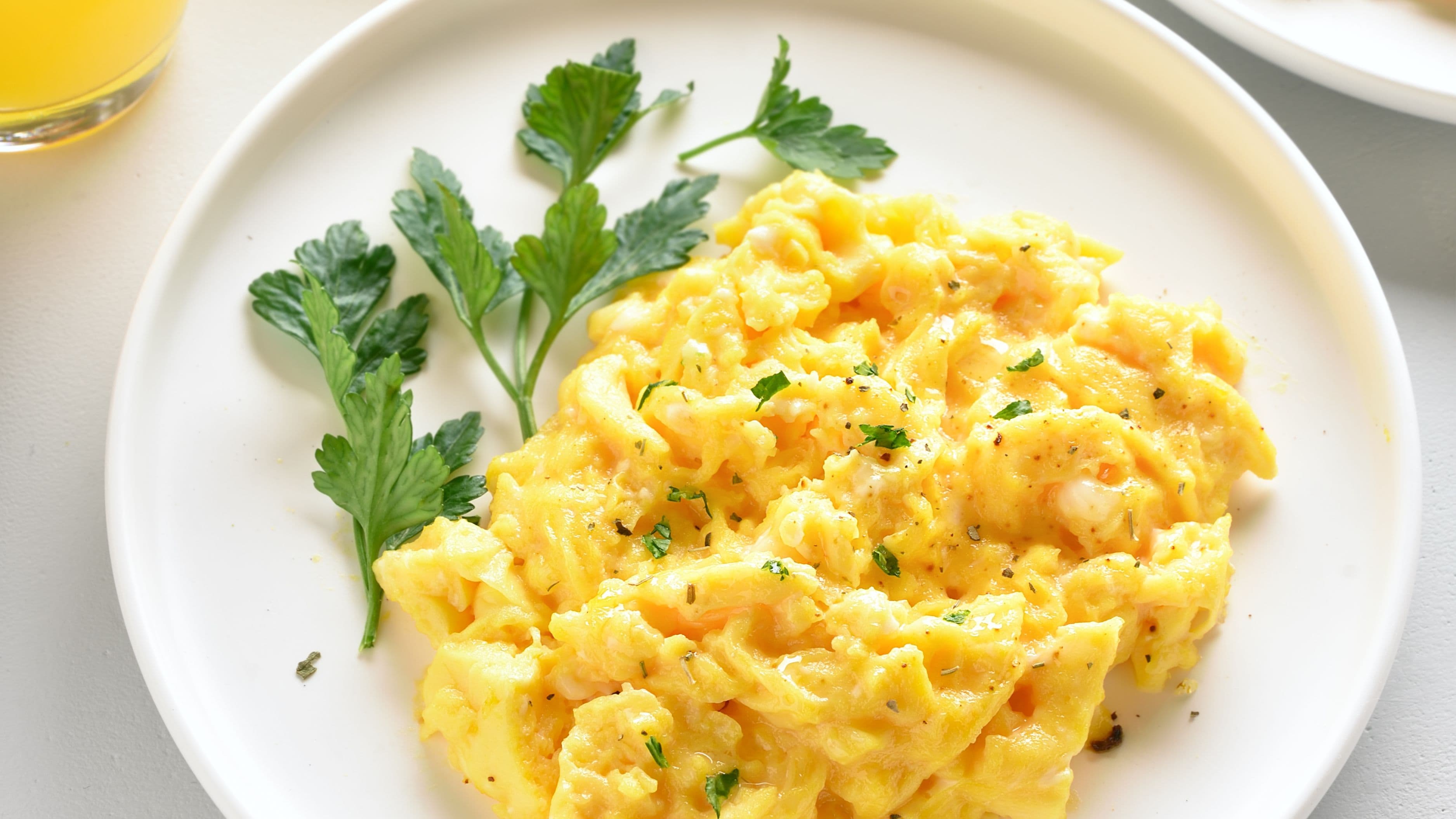
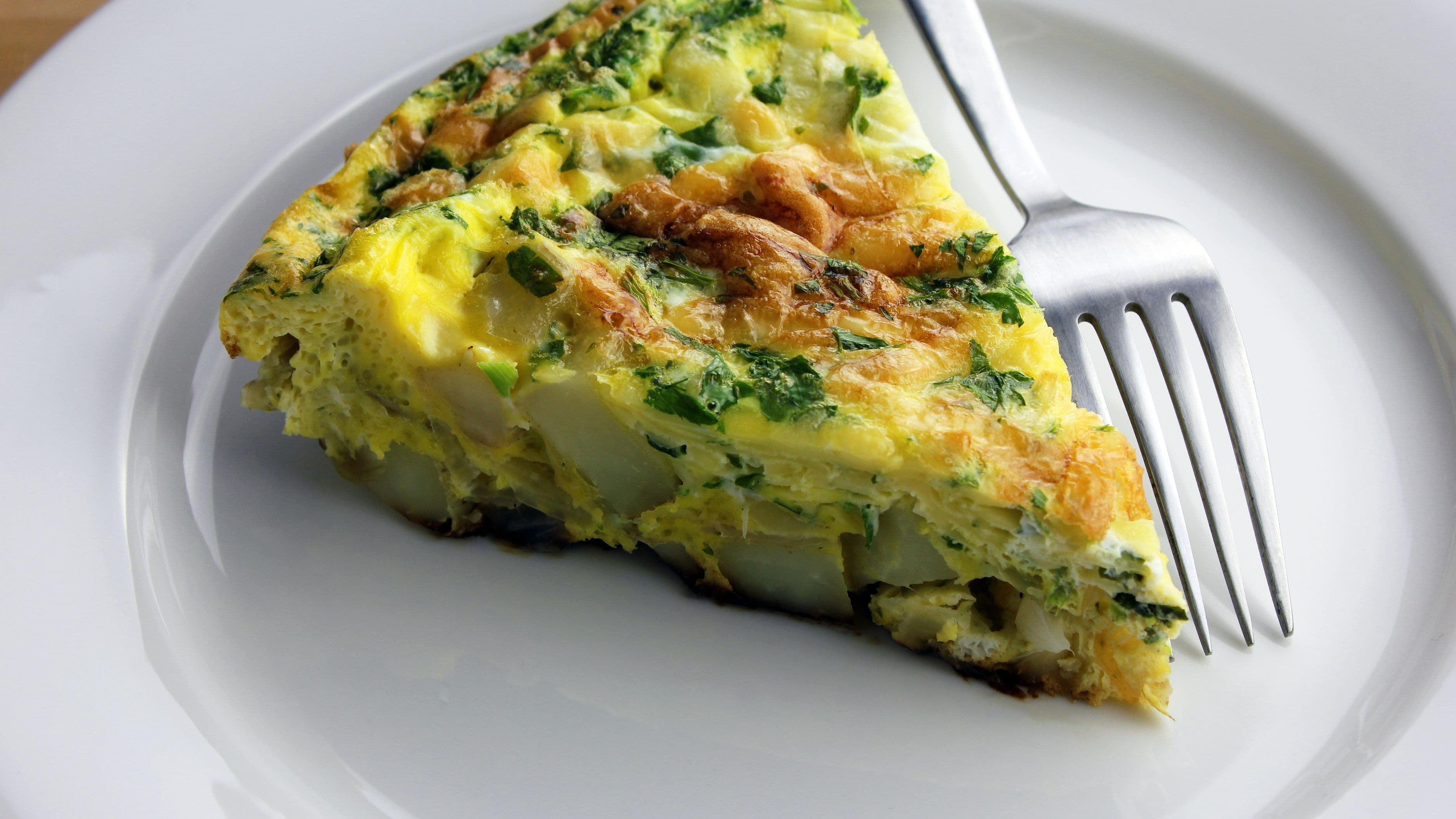
The technique is simple once you understand the basic ratio: eggs and a bit of dairy, plus whatever fillings you choose, cooked briefly on the stovetop and finished in the oven. No flipping required. No stress. Just a deeply satisfying, versatile dish that looks like you planned it.
What You Actually Need
The core of any frittata is the egg base, and the ratio is easy to remember. For a 10-inch skillet serving four people, use 8 large eggs and about ¼ cup of dairy – whole milk, cream, or even sour cream all work. Whisk them together with a generous pinch of salt and a few grinds of black pepper. That's your canvas.
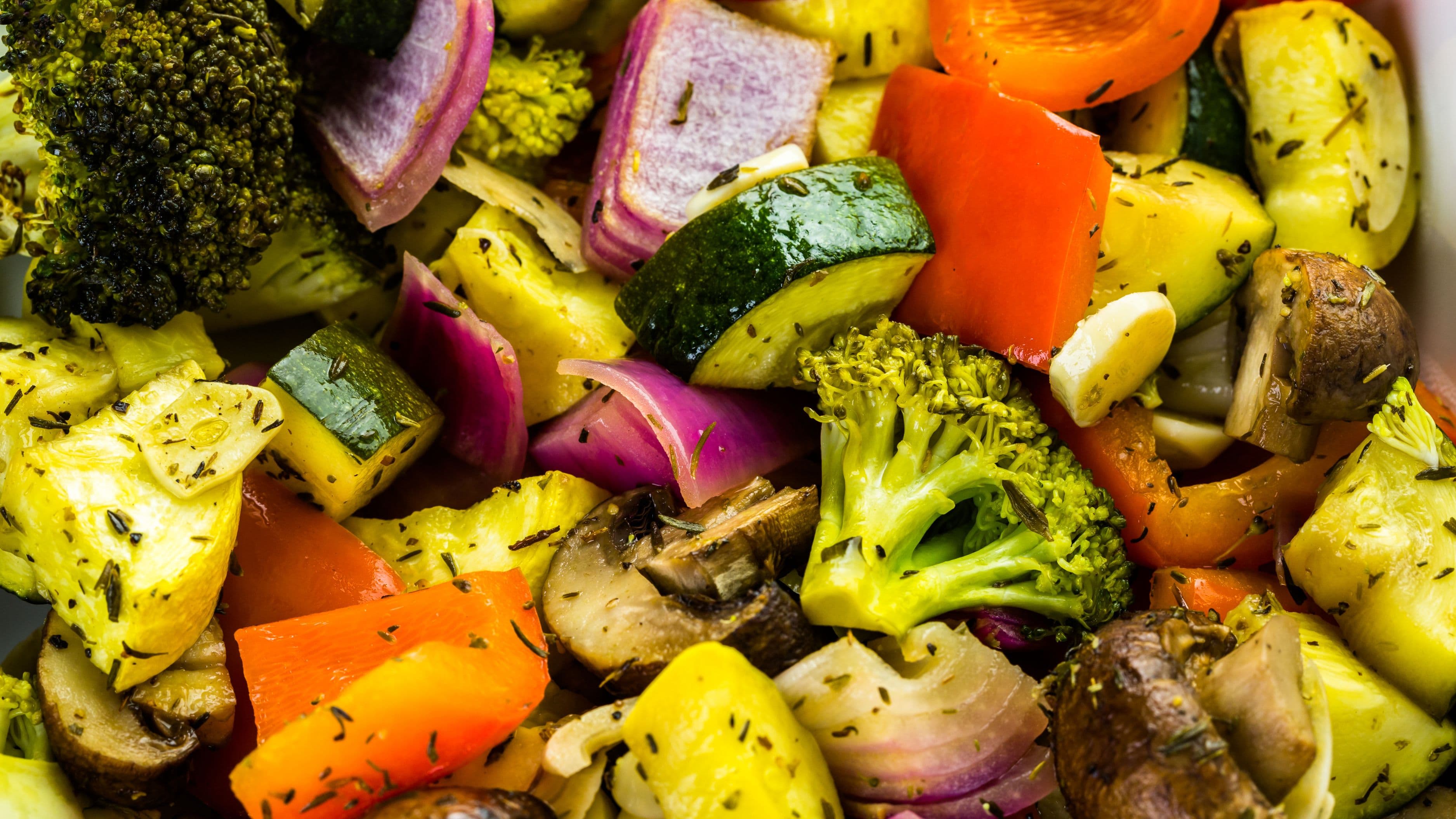
For fillings, you're looking at roughly 1½ to 2 cups total of whatever you're working with. That might be a handful of leftover roasted vegetables, some wilted spinach you need to use up, a few slices of bacon or prosciutto, the last of a block of feta cheese, or some sautéed onions and mushrooms. The combination doesn't need to follow a formula – almost anything works, with a few exceptions noted below.
You'll also need an oven-safe skillet. A cast iron or stainless steel pan works best. Non-stick skillets that are oven-safe work too, but check the manufacturer's temperature limit before putting it in a hot oven.
Frittata Filling Combinations Worth Knowing
Before getting into the method, here are a few reliable combinations to spark ideas when you're staring into the fridge:
Classic: Sautéed onion, bell pepper, leftover potato or roasted vegetables, shredded cheddar or Gruyère.
Mediterranean: Wilted spinach or baby kale, sun-dried tomatoes, crumbled feta, fresh or dried herbs like oregano or thyme.
Pantry clear-out: Canned white beans or chickpeas (drained well), jarred roasted red peppers, leftover cooked greens, goat cheese.
Meat-forward: Diced cooked bacon, sausage, or ham, caramelized onions, sharp cheddar, chives.
Spring-style: Asparagus tips (briefly sautéed), peas, ricotta dolloped on top, lemon zest in the egg mixture.
These are starting points, not rules. The technique below works regardless of what you're using.
Step-by-Step: How to Make It
Step 1: Preheat the oven to 400°F (200°C)
Get the oven going before you start cooking. The frittata spends only 10–12 minutes in there, so having it hot and ready is important.
Step 2: Whisk your egg base
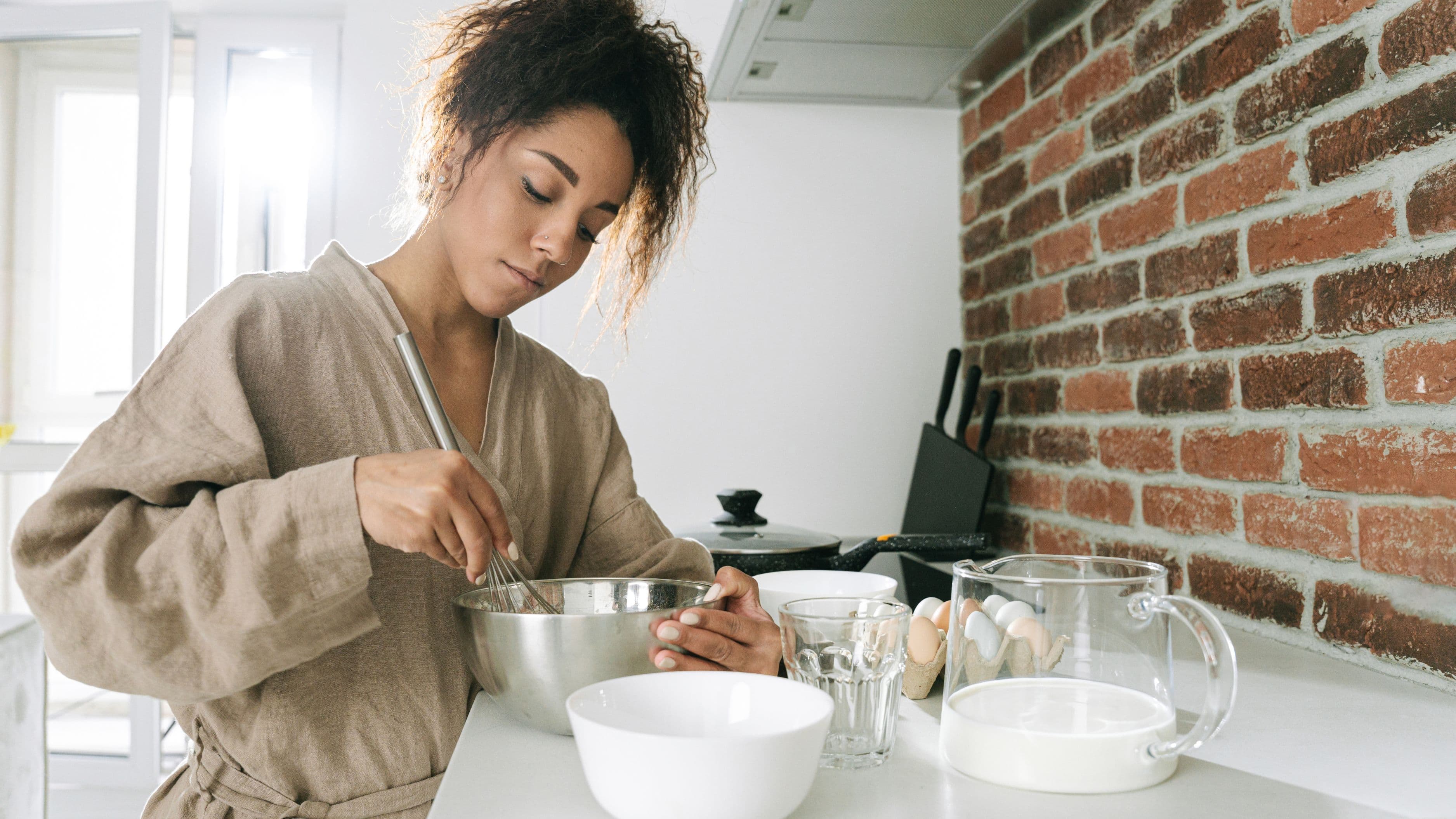
In a bowl, whisk together 8 large eggs, ¼ cup of your chosen dairy, a generous pinch of salt, and black pepper. Whisk until the yolks and whites are fully combined and the mixture looks uniform. If you're adding any dry herbs – dried thyme, dried oregano, chili flakes – this is the moment to put them in. Fresh herbs are better added directly to the skillet.
Step 3: Cook your fillings in the skillet
Heat 1–2 tablespoons of olive oil or butter in your oven-safe skillet over medium heat. Add your fillings in order of how long they need to cook. Onions, leeks, or fennel need 5–8 minutes to soften properly. Bell peppers need a few minutes. Pre-cooked vegetables, canned beans, or already-cooked meat just need to be warmed through – 1–2 minutes. Leafy greens like spinach wilt in about 60 seconds. Arrange everything reasonably evenly in the pan by the end.
Season the fillings lightly at this stage – they're part of the dish and need their own salt.
Step 4: Add cheese and pour in the egg mixture
If you're using a cheese that melts (cheddar, Gruyère, mozzarella), scatter half of it over the fillings before adding the eggs. Pour the egg mixture evenly over everything in the skillet. Tilt the pan gently if needed to help it distribute. Add the remaining cheese on top, along with any crumbled cheese like feta or goat cheese that won't really melt but will set into the top.
Step 5: Cook briefly on the stovetop
Let the skillet sit on medium-low heat for about 2–3 minutes without touching it. You're not trying to cook it through – you're setting the very bottom and edges before the oven takes over. You'll see the edges start to look slightly opaque. That's your cue.
Step 6: Transfer to the oven and bake
Move the skillet into the preheated 400°F oven and bake for 10–12 minutes. The frittata is done when the center is just set – it should no longer be jiggly when you gently shake the pan, but it should still have a very slight give rather than being firm and dry. A slightly underdone center will finish cooking from residual heat after it comes out.
Step 7: Rest, slice, and serve
Let the frittata rest in the pan for 3–5 minutes before slicing. This is important – it firms up as it cools slightly and makes it much easier to cut cleanly. Slice it into wedges directly from the pan and serve warm, at room temperature, or cold. All three work.
Tips for Best Results
Don't overcook it. This is the most common mistake. A frittata that's been in the oven too long becomes dry, rubbery, and distinctly unpleasant. Pull it out when the center still has a slight jiggle. It will finish cooking as it rests.
Season generously. Eggs need salt. The egg base should be seasoned before cooking, the fillings should be seasoned while they cook, and a light sprinkle of flaky salt on the finished frittata right before serving makes it noticeably better.
Don't overfill. 1½ to 2 cups of fillings for 8 eggs is the right ratio. More than that and the egg mixture doesn't have enough structure to hold everything together. The frittata should be predominantly egg with filling distributed throughout, not filling held together by a thin layer of egg.
Dry out watery vegetables first. Zucchini, mushrooms, and tomatoes release significant moisture when cooked. Sauté them long enough that most of the moisture has evaporated before adding the eggs. Watery fillings make a soggy frittata.
Use residual heat intentionally. Taking the frittata out when the center is just slightly underdone isn't a mistake – it's the technique. The pan holds enough heat to finish cooking the center in those five minutes of resting.
Variations
No oven? Make it stovetop. Cover the skillet with a tight-fitting lid after adding the eggs and cook on the lowest possible heat for 12–15 minutes until set through. It won't develop the same lightly browned top, but the result is just as good.
Individual frittatas. Use a muffin tin instead of a skillet for individual portions that are great for meal prep. Grease the tin well, divide fillings among the cups, pour in the egg mixture to about three-quarters full, and bake at 375°F for 18–20 minutes.
Bigger batch. For a larger crowd, scale up to 12 eggs, ⅓ cup dairy, and 2½ cups of fillings. Use a 12-inch skillet and add 3–4 minutes to the oven time.
Creamier texture. A tablespoon of cream cheese or a few spoonfuls of ricotta whisked into the egg base produces a noticeably richer, creamier result. Worth trying at least once.
What to Avoid
Pouring cold eggs into a hot pan. If your eggs just came out of the fridge, let the bowl sit on the counter for 5 minutes while the oven preheats. Cold eggs added to a hot skillet set too fast on the outside before the rest can cook evenly.
A skillet that's too small. The egg mixture should sit about an inch deep in the pan before cooking – deeper than that and the center takes too long to set and risks being undercooked even when the edges are overdone. If your pan is too small, use a larger one.
Skipping the rest period. Cutting directly into a just-out-of-the-oven frittata gives you a crumbly, wet mess. The five-minute rest is not optional.
Raw ingredients in the egg mixture. Everything going into a frittata needs to be at least par-cooked before the eggs go in. Raw onion, raw bell pepper, and raw potato will not cook through in the oven time available. Everything gets cooked in the skillet first.
FAQ
Can I make a frittata ahead of time? Yes – it's one of its best qualities. A frittata keeps well in the fridge for up to four days and can be eaten cold, at room temperature, or reheated briefly in a 300°F oven for 8–10 minutes. Avoid the microwave if you can – it makes the texture rubbery. Frittata is also genuinely great cold, sliced and eaten like a piece of quiche.
Do I need a cast iron skillet? No. Any oven-safe skillet works. The requirement is that it can go from stovetop to oven safely. Check the handle – silicone handles are often oven-safe to 400°F; plastic handles are not. If you only have a non-oven-safe pan, use the stovetop-only covered method described in the variations above.
What's the difference between a frittata and a quiche? The main differences are crust and custard ratio. Quiche has a pastry crust and uses a much higher cream-to-egg ratio that produces a softer, custardy texture. A frittata has no crust, uses less dairy, and has a firmer, more egg-forward texture that holds up to slicing and storing better. Frittata is also significantly faster to make.
Can I add raw leafy greens? You can add very quick-wilting greens like baby spinach or arugula directly to the pan just before pouring in the eggs – they'll wilt almost immediately in the residual heat. Heartier greens like kale or chard should be sautéed for a minute or two first.
My frittata is always dry. What am I doing wrong? Almost certainly overcooking. Try pulling it from the oven 2 minutes earlier than you think is right, let it rest, and taste it. The difference between a properly cooked frittata and an overcooked one is significant, and the window is narrow. Most home ovens also run slightly hot, so calibrating to your specific oven with a slightly shorter cook time is worth doing.
📚 Sources
Serious Eats – The Food Lab: The Science of Eggs: https://www.seriouseats.com/the-food-lab-the-science-of-eggs
America's Test Kitchen – Frittata Technique and Ratios: https://www.americastestkitchen.com/guides/cook-it-in-cast-iron/frittata
USDA FoodData Central – Egg Nutrition: https://fdc.nal.usda.gov/fdc-app.html#/food-details/748967/nutrients
The Joy of Cooking – Egg Dishes (Rombauer, Becker): Referenced for traditional frittata ratios and technique
Fine Cooking – How to Make a Frittata: https://www.finecooking.com/article/how-to-make-a-frittata