The technique is straightforward once you understand the two things that matter most: a hot pan and dry shrimp. Everything else is simple.
Why This Recipe Works
Shrimp cook in minutes, which is both the appeal and the danger. That fast cook time means the window between perfect and overcooked is narrow – about 60 seconds on the wrong side of done turns springy, sweet shrimp into something rubbery and tight. This recipe solves that by searing the shrimp briefly, removing them from the pan, building the sauce separately, then returning the shrimp at the end for just enough time to warm through and coat.
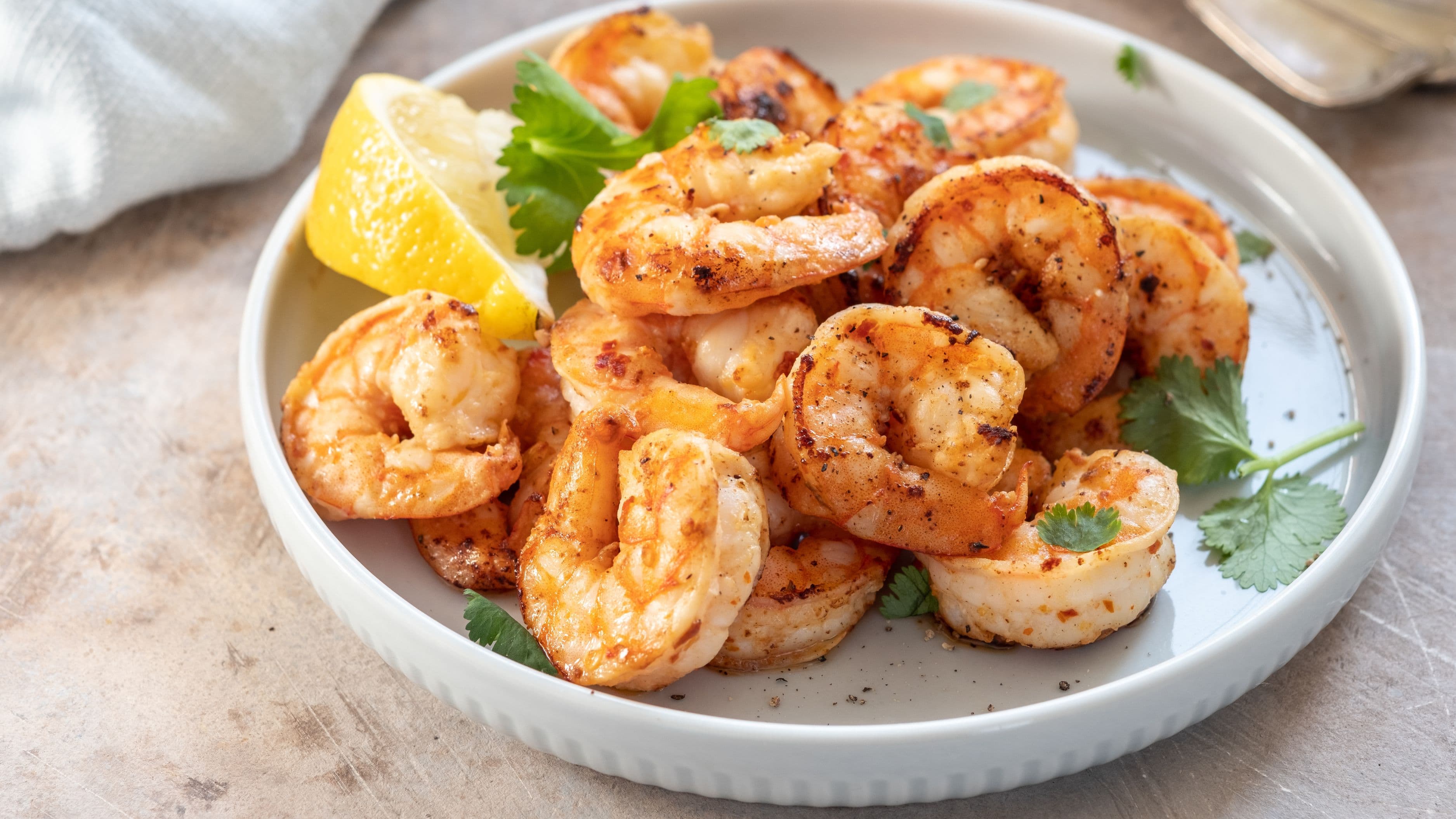
The result is shrimp that are plump, juicy, and thoroughly coated in a buttery sauce that tastes like it took more effort than it did.
Choosing Your Shrimp
For garlic butter shrimp, size matters. Large to jumbo shrimp – sold as 16/20 or 21/25 count per pound – hold up better in a hot pan and have more surface area to pick up a sear. Smaller shrimp overcook almost before you notice and tend to get lost in the sauce rather than featured by it.
Fresh or frozen both work well here. If using frozen, thaw them overnight in the fridge or under cold running water for five minutes. Either way, the most important prep step is drying them thoroughly with paper towels before they go anywhere near the pan. Wet shrimp don't sear – they steam, which means less color, less flavor, and a pale sauce with excess water in it.
Buy shrimp already peeled and deveined if you can. It eliminates the only real prep work in this recipe and keeps the 15-minute timeline realistic.
What Makes the Sauce
The sauce is built in four layers, each one quick. Butter gives it richness and the glossy finish that makes it cling to shrimp and bread alike. Garlic cooked just long enough to turn fragrant and gold – but not brown, which turns it bitter – is the backbone. White wine or broth deglazes the pan and picks up all the browned bits from searing, adding depth without heaviness. Fresh lemon juice added at the end brightens everything and cuts through the fat.
Those four elements – butter, garlic, wine, lemon – are the core. Chili flakes add gentle heat. Fresh parsley finishes it with color and a clean herbal note. None of it is complicated, and none of it takes more than a few minutes.
The Recipe
See the interactive recipe card above for adjustable servings and built-in timers.
The full ingredient list and step-by-step method are in the recipe widget above, which you can scale up or down for your headcount and use the timers to pace each step.
What to Serve It With
Garlic butter shrimp is flexible on accompaniments, and the sauce is the thing to plan around. You want something that will absorb it.
Pasta is the most natural pairing. Linguine or angel hair tossed directly in the pan with the shrimp and sauce, with a splash of pasta water to loosen it if needed, is a complete dinner in one pan. Crusty sourdough or a good baguette to wipe the plate clean is the low-effort route that never disappoints. Steamed rice works well if you want something more neutral. Creamy polenta underneath the shrimp is a slightly more composed presentation that's worth trying.
A simple green salad on the side – something with a sharp vinaigrette that contrasts the richness of the butter sauce – rounds things out without adding much work.
What to Avoid
Crowding the pan. This is the most common mistake with shrimp. When shrimp are packed in too tightly, they steam rather than sear, which means no golden color and a less developed flavor. If your pan isn't large enough to fit the shrimp in a single layer with a little space between them, cook in two batches. It adds three minutes but makes a real difference.
Burning the garlic. After you remove the shrimp and add butter, the pan is still hot. Add the garlic and watch it carefully – at medium heat it turns golden and fragrant in about 60 seconds. Burned garlic tastes bitter and can't be fixed by adding more butter or lemon. If it gets too dark, start the sauce over. It takes 30 seconds and is worth it.
Overcooking the shrimp. Pull them from the pan when they look slightly underdone – opaque on the outside with just a little translucency remaining in the center. They'll finish cooking when they go back in with the sauce. The test is shape: perfectly cooked shrimp curl into a loose C. Overcooked shrimp curl into a tight O.
Using salted butter. The shrimp are already seasoned and the sauce gets a pinch of salt. Salted butter can push the whole dish too salty, especially when the sauce reduces. Unsalted gives you control.
FAQ
Can I use frozen shrimp straight from the bag? Not directly – frozen shrimp need to thaw before cooking or they'll release too much water in the pan and lower the heat significantly. Five minutes under cold running water is enough. Dry them well after.
Can I make this without wine? Yes. Chicken broth is a clean substitute at the same quantity. If you want a little of the acidity that wine contributes, add a small splash (about a teaspoon) of white wine vinegar to the broth. Fish stock also works beautifully if you have it.
How do I know when the shrimp are done? Color and shape are your guides. Shrimp are done when they've turned pink and opaque throughout, and they curl into a C shape. A tight curl that looks like an O means they've gone too far. In the searing stage, you're intentionally pulling them just before they're fully done – the sauce finishes them.
Can I make this ahead? It's best served immediately. Shrimp don't reheat well – the texture suffers noticeably after even a few minutes. If you need to prep ahead, you can make the sauce in advance and just cook the shrimp fresh right before serving. The sauce keeps in the fridge for two days and reheats gently in a pan.
What if I don't have fresh parsley? Skip it or substitute with fresh basil, fresh chives, or a pinch of dried parsley added to the sauce while it reduces. Fresh herbs finish the dish nicely but it's perfectly good without them.
📚 Sources
Serious Eats – The Food Lab: How to Cook Shrimp: https://www.seriouseats.com/how-to-cook-shrimp
America's Test Kitchen – Garlic Butter Shrimp Technique: https://www.americastestkitchen.com/recipes/garlic-butter-shrimp
USDA FoodData Central – Shrimp Nutrition: https://fdc.nal.usda.gov/fdc-app.html#/food-details/175177/nutrients
Fine Cooking – Pan Sauce Fundamentals: https://www.finecooking.com/article/pan-sauce-basics
Bon Appétit – How to Buy and Store Shrimp: https://www.bonappetit.com/story/how-to-buy-shrimp