This guide covers how to choose a good lemon, how to get the most juice and zest out of it, how to store it properly, and how to use every part of it in real cooking.
How to Choose a Good Lemon
Not all lemons deliver the same amount of juice, and the way a lemon looks on the outside gives you useful clues about what's inside. The best lemons for juicing are heavy for their size – weight means juice content. Give the lemon a gentle squeeze before you buy it. It should feel slightly soft and springy, not rock hard. A rock-hard lemon is usually drier inside and harder to juice.
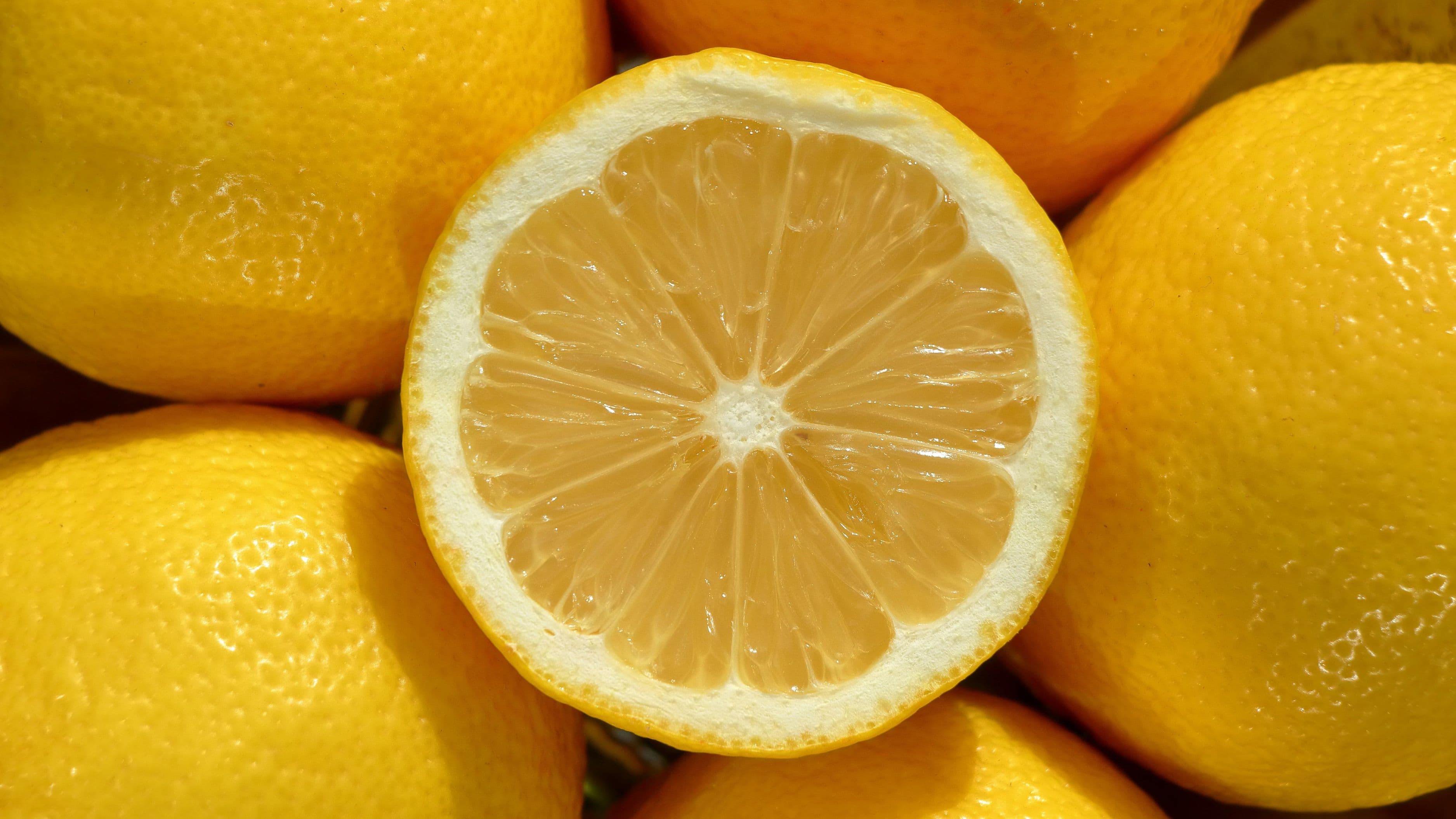
The skin texture matters too. Thin-skinned lemons with smoother skin tend to have more juice and thinner pith than thick-skinned varieties with bumpy, textured rinds. A bright yellow color indicates ripeness; greenish patches mean the lemon isn't fully ripe and will be more tart and less juicy. Size doesn't reliably predict quality – some small lemons are intensely juicy; some large ones are mostly pith.
For zesting, organic lemons are worth seeking out when you can find them, since you'll be eating the skin and conventional lemons are often waxed and may carry pesticide residue on the rind. If you're only juicing, conventional lemons are perfectly fine.
How to Get the Most Juice Out of a Lemon
Room temperature lemons yield significantly more juice than cold ones. If your lemons have been in the refrigerator, let them sit on the counter for 20–30 minutes before juicing, or microwave the whole lemon for 15–20 seconds to warm it through. This softens the internal membranes and makes the juice much easier to extract.
Before cutting, roll the lemon firmly on your counter under the palm of your hand, applying moderate pressure. This breaks down the internal structure and releases the juice from the membranes, meaning more of it flows out when you cut and squeeze. It takes about 10 seconds and noticeably increases yield – a technique worth making automatic.
Cut the lemon crosswise (across the equator) rather than lengthwise when juicing. This exposes more of the juice sacs directly to the squeezer and gives you better extraction. If you're squeezing by hand without a juicer, cup the cut lemon in your palm with the cut side down and squeeze firmly, catching any seeds with your other hand or pressing through a small sieve.
A handheld citrus press or citrus reamer gives you consistently better yield than squeezing by hand. The press style (where you flip the lemon cut-side down into the curved press and squeeze the handles) is particularly efficient for getting the last bit of juice out of the rind. If you juice lemons regularly, it's worth having one – they cost $10–$20 and last essentially forever.
One average-sized lemon yields about 2 to 3 tablespoons of juice. If a recipe calls for fresh lemon juice and doesn't specify quantity by the lemon, plan on 2 tablespoons per lemon to be safe.
How to Zest a Lemon Properly
Lemon zest is the thin, outermost layer of the yellow skin. It contains the lemon's essential oils – which is where most of the bright, aromatic lemon flavor actually lives. Juice provides acidity; zest provides fragrance and depth. Many dishes benefit from both, and using only juice misses a significant part of what lemon can contribute to a dish.
The white layer beneath the yellow skin is the pith. It's bitter and not something you want in your food in significant quantities, so the goal when zesting is to remove the yellow without going too deep into the white.
A microplane grater is the best tool for zesting. It produces fine, feathery zest that distributes easily through a dish and releases its oils effectively. If you don't have a microplane, the fine holes of a box grater work, though they produce slightly coarser zest. A vegetable peeler can also produce wide strips of zest – useful for infusing into liquids (like a lemon simple syrup or a broth) where you'll remove them later.
Zest before you juice. A whole, round lemon is far easier to zest than a collapsed, already-squeezed one. Make zesting the first step whenever a recipe calls for both.
One medium lemon typically yields about 1 tablespoon of zest. Zest loses its potency quickly once removed from the fruit, so zest just before you need it rather than in advance.
How to Store Lemons
Whole lemons keep at room temperature for about a week if your kitchen isn't too warm. For longer storage, keep them in the refrigerator – ideally in a zip-lock bag with the air pressed out, or in the crisper drawer where humidity is controlled. Refrigerated whole lemons last 3 to 4 weeks without significant deterioration.
Cut lemons lose moisture and start to dry out quickly. A cut lemon left uncovered in the fridge will be unpleasantly dry within a day or two. Wrap cut lemons tightly in plastic wrap or store them cut-side down on a small plate covered with a bowl, and use within 2 to 3 days.
Lemon juice freezes well. Pour fresh juice into an ice cube tray, freeze until solid, then transfer the cubes to a zip-lock bag. Each standard ice cube tray compartment holds roughly 1 tablespoon of juice, so you'll know exactly how many cubes to pull out when a recipe calls for a specific amount. Frozen lemon juice keeps for 3 to 4 months and thaws quickly at room temperature.
Lemon zest can also be frozen, though fresh zest is significantly more aromatic. If you have lemons that need to be used up, zest them before they go off and freeze the zest in a small container or zip-lock bag. It works well in baked goods and cooked dishes where the aromatics are less sensitive to the slight change in texture from freezing.
How to Use Every Part of a Lemon
The Juice
Lemon juice is the workhorse. Its primary role in cooking is acidity – it brightens flavors, balances richness, and lifts dishes that have become flat or dull. A squeeze of lemon at the end of cooking a soup, a sauce, or a roasted vegetable dish does something that salt alone can't: it makes the flavors pop and come forward without making the dish taste salty.
Add lemon juice at the end of cooking in most cases. High heat drives off the volatile compounds that give lemon its bright character, so juice added early will contribute acidity but lose much of its fresh flavor. For slow-cooked dishes where you want background acidity rather than bright citrus notes, early addition makes sense; for everything else, finish with lemon.
Lemon juice also serves a preservation role. Toss sliced apples, avocado, or artichokes with a little lemon juice and they won't brown as quickly. This isn't just a cosmetic trick – it genuinely extends the window before oxidation degrades the flavor and texture.
A simple lemon vinaigrette – lemon juice, olive oil, a pinch of salt, maybe a touch of Dijon mustard – is faster to make than most bottled dressings and significantly better. The ratio is roughly 1 part lemon juice to 3 parts olive oil. It works on salads, roasted vegetables, grain bowls, and fish.
The Zest
Zest is the flavor amplifier. It adds the aromatic, intensely lemony character that juice alone doesn't provide, without adding liquid or significant acidity. In baked goods, zest is often the difference between something that tastes vaguely lemony and something that tastes unmistakably and beautifully like lemon.
Add zest to pasta dishes, risottos, and grain salads where brightness is wanted without the acidity of juice. Stir it into butter along with herbs for a compound butter that works on fish, chicken, and vegetables. Add it to whipped cream or yogurt for a quick citrus topping. Incorporate it into spice rubs, marinades, and dressings. Mix it into cookie dough, cake batters, muffin mixes, and pie fillings.
One of the most useful things you can do with lemon zest and a little patience is make lemon sugar. Rub the zest of one lemon into ½ cup of granulated sugar with your fingertips until the sugar is uniformly yellow and fragrant. Use it to rim cocktail glasses, sprinkle over baked goods before baking, sweeten whipped cream, or stir into tea. It keeps in a sealed jar for about two weeks.
The Peel and the Whole Lemon
The peel – including some pith – has uses beyond just zest. A strip of lemon peel twisted over a cocktail releases a fine mist of essential oil that changes the aroma of the drink entirely. A piece of peel simmered in a simple syrup infuses the syrup with lemon flavor for cocktails, lemonades, and desserts. Candied lemon peel, made by simmering strips of peel in sugar syrup, is a preserve worth making if you have a surplus of lemons and a free afternoon – it keeps for weeks and works as a garnish, a baking ingredient, or a standalone sweet.
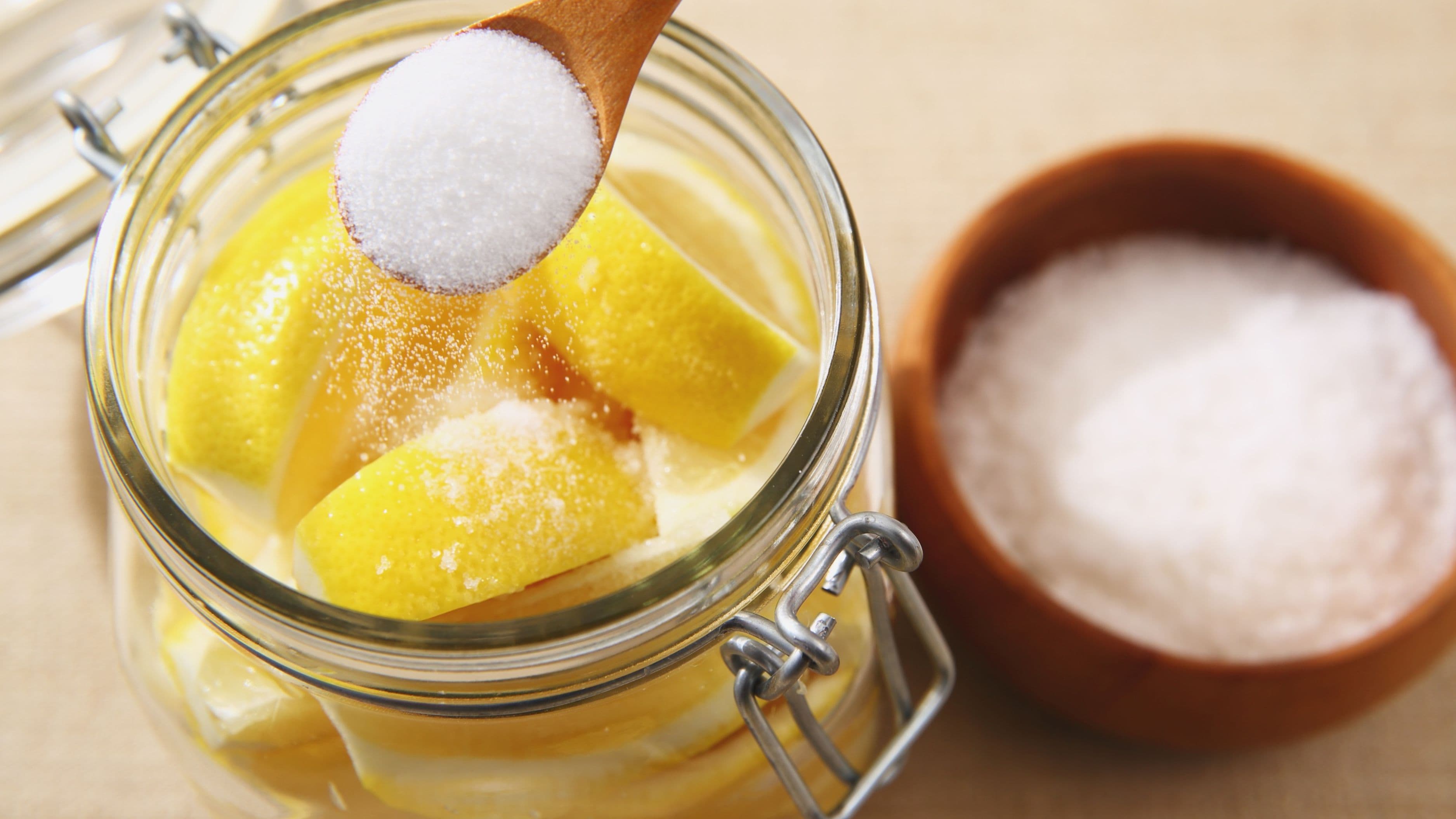
Whole lemons roasted or preserved have their own culinary applications. Preserved lemons – whole lemons cured in salt for several weeks – are a staple of North African cooking and add a complex, mellow, funky lemon flavor to tagines, grain salads, and dips that fresh lemon can't replicate. They're straightforward to make at home and require only lemons, salt, and time.
Halved lemons can be charred cut-side down in a dry hot pan for 2–3 minutes until deeply caramelized. Squeezed over grilled fish, chicken, or vegetables, charred lemon juice has a smoky, slightly bitter depth that flat-squeezed juice lacks. It's a small technique with a noticeable effect.
Substitutes When You Don't Have a Lemon
Lime juice is the most direct substitute for lemon juice in most recipes. The flavor profile is slightly different – limes are more floral and less sharp – but the acidity is similar and the substitution works well in savory cooking, cocktails, and many desserts. Use an equal amount.
White wine vinegar or apple cider vinegar can substitute for lemon juice in dressings and marinades where you need acidity. The flavor is noticeably different, but the functional role is the same. Start with half the quantity and adjust to taste, since vinegars vary in acidity.
Lemon extract (a few drops) can substitute for lemon zest in baked goods in a pinch, though it's more concentrated and has a slightly artificial edge compared to fresh zest. Use sparingly – start with ¼ teaspoon where a recipe calls for 1 teaspoon of zest and taste before adding more.
Common Mistakes to Avoid
Zesting after juicing is the most common lemon mistake. Always zest first – an already-squeezed lemon is awkward to zest and you'll get far less out of it.
Using cold lemons straight from the fridge reduces your juice yield significantly. A 15-second microwave or a 20-minute rest at room temperature makes a real difference.
Adding lemon juice too early in cooking. Most of the bright, fresh lemon character evaporates with heat. For dishes where you want a vivid lemon flavor, add the juice at the very end of cooking or even after the heat is off.
Grating into the pith. The white layer is bitter and will make your dish taste off. Keep a light touch on the grater and stop as soon as you see white appearing.
Not tasting before adding more. Lemon can easily tip a dish from bright to sour. Always add a small amount, taste, and decide whether more is needed rather than adding the full amount at once.
FAQ
How do I know if a lemon has gone bad? A bad lemon will feel very light (meaning it's dried out inside), look shriveled or moldy on the outside, or smell off when cut. A lemon that's slightly soft but still smells fresh is usually still good to juice. A lemon with visible mold should be discarded.
Is bottled lemon juice a good substitute for fresh? For finishing dishes, salad dressings, and baked goods where lemon flavor is prominent, no – bottled lemon juice tastes noticeably flat and slightly chemical compared to fresh. For cooking applications where lemon is one of many background flavors, it's a reasonable convenience option.
Can I use the pith for anything? In very small amounts, pith adds a mild bitterness that can be useful in some contexts – a strip of peel with pith included in a cocktail or a simmered syrup won't be noticeably bitter. In larger quantities or in food where it's being eaten directly, the bitterness is unpleasant. Candied peel is the main application where pith is included intentionally, and the sugar-curing process mellows its bitterness considerably.
How much lemon juice is in one lemon? An average lemon yields about 2 to 3 tablespoons (30–45 ml) of juice. Small lemons yield closer to 1.5 tablespoons; large, heavy ones can yield up to 4 tablespoons. When accuracy matters, measure by volume rather than counting lemons.
Does lemon juice actually tenderize meat? Yes, to a degree. The acidity in lemon juice denatures proteins on the surface of the meat, which can improve texture in a marinade. However, over-marinating in acidic liquids (more than a few hours) can make meat mushy rather than tender. For fish, even 20–30 minutes is enough; for chicken and red meat, 1–4 hours is typical.
📚 Sources
Serious Eats – The Differences Between Lemon Juice and Zest: https://www.seriouseats.com/how-to-zest-lemon-lime-orange
America's Test Kitchen – Getting the Most Juice from Citrus: https://www.americastestkitchen.com/articles/6013-getting-the-most-juice-from-citrus
USDA FoodData Central – Lemon Juice, Raw: https://fdc.nal.usda.gov/fdc-app.html#/food-details/167746/nutrients
Epicurious – How to Use Every Part of a Lemon: https://www.epicurious.com/ingredients/how-to-use-every-part-of-a-lemon-article
Fine Cooking – Understanding Acid in Cooking: https://www.finecooking.com/article/the-role-of-acid-in-cooking