What makes Greek food worth cooking at home specifically is that it almost always tastes better the day it's made, in your kitchen, with the right amount of lemon. Here's where to start.
The Building Blocks of Greek Cooking
Before diving into specific dishes, it helps to have the right pantry in place. Greek cooking isn't ingredient-heavy, but the quality of a few key items makes a noticeable difference.
Olive oil is the fat of choice for almost everything — sautéing, roasting, finishing, and dressing. Use a good extra virgin olive oil. The flavor carries into the finished dish in ways that neutral oil doesn't. Greek olive oil specifically (Kalamata, Laconian, or Cretan varieties) tends toward a peppery, robust character that works particularly well in Mediterranean cooking, though any quality extra virgin will do.
Lemons are used constantly — in marinades, squeezed over grilled meats, whisked into sauces, and added to soups. Fresh lemon juice only; the bottled version is noticeably flat in Greek dishes where lemon is prominent.
Dried oregano is used more than fresh in most Greek cooking. It's the herb you'll reach for in marinades, on roasted vegetables, over grilled fish, and in almost any meat dish. Buy a good-quality dried Greek oregano if you can find it — it's more intensely aromatic than standard supermarket dried oregano.
Feta cheese appears in salads, pies, stuffed vegetables, and as a standalone appetizer. Look for feta made from sheep's milk (or a sheep-goat blend) rather than cow's milk — it's tangier, creamier, and closer to what you'd get in Greece.
Dried beans and legumes — particularly white beans, lentils, and chickpeas — are central to the meze tradition and the Greek vegetarian cooking that predates trendy "plant-based" food by several thousand years.
The Essential Dishes
Horiatiki (Greek Salad)
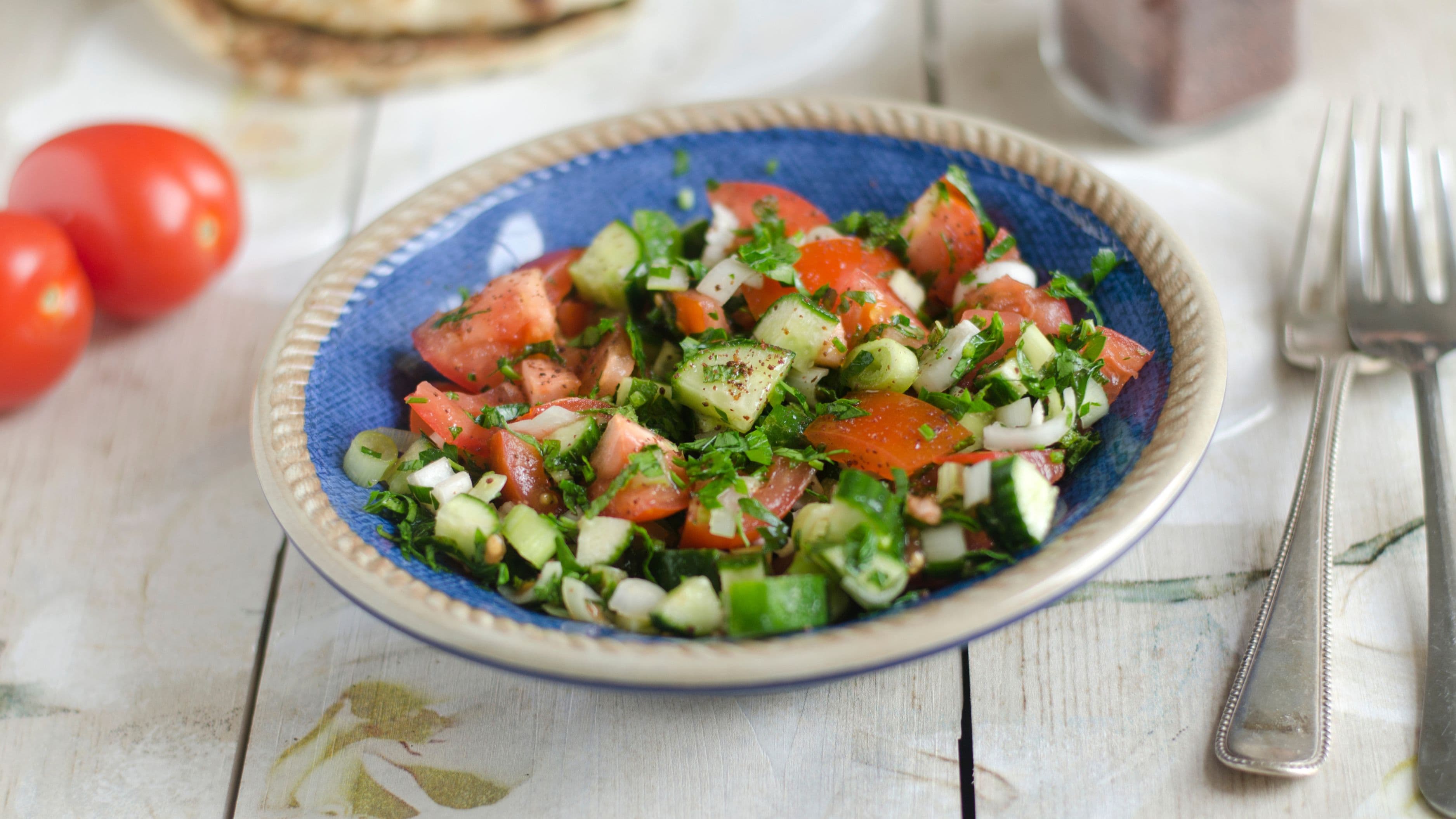
The horiatiki — village salad — is the most copied and most bastardized Greek dish in the world. The authentic version contains no lettuce whatsoever. It's chunked tomatoes, cucumber, green bell pepper, red onion, Kalamata olives, and a thick slab of feta laid on top (not crumbled), dressed with olive oil and dried oregano, with a pinch of salt. That's it.
The key to a proper horiatiki is two things: ripe tomatoes and not overdressing it. The olive oil is generous but the salad isn't drowning. The feta shouldn't be stirred in — it sits on top, and you break it as you eat. It's one of those dishes that looks deceptively simple but comes down entirely to ingredient quality. Made with peak-summer tomatoes and good feta, it's genuinely one of the best things you can put on a table.
For home cooks: Don't refrigerate the tomatoes — cold dulls their flavor. Let the assembled salad sit for 5–10 minutes before serving so the vegetables release a little juice into the olive oil.
Tzatziki
Tzatziki is a cucumber-yogurt sauce that functions as a dip, a condiment for grilled meats, a spread for bread, and an essential part of almost any Greek meal. The base is thick Greek yogurt (full-fat), strained cucumber, garlic, olive oil, and fresh dill or mint (Greek versions often use mint; many restaurant versions use dill — both work).
The most important technique here is handling the cucumber correctly. Grated cucumber holds a lot of water, and if you add it directly to the yogurt, you'll have watery tzatziki within 20 minutes. Grate the cucumber, then salt it lightly and squeeze it in a clean cloth or through a fine-mesh sieve until you've removed most of the liquid. The resulting tzatziki will hold its texture for hours.
The garlic quantity is a matter of preference, but traditional tzatziki is not shy about it — start with one clove for a mild version, two for something closer to the real thing. Chill for at least 30 minutes before serving to let the flavors meld.
For home cooks: Use full-fat Greek yogurt, not low-fat or regular. The texture difference is substantial, and the dairy fat carries the garlic and herb flavors in a way that leaner yogurt doesn't.
Spanakopita (Spinach and Feta Pie)
Spanakopita is one of the great examples of Greek pastry work — layers of phyllo dough enclosing a savory filling of spinach, feta, eggs, and herbs. It's baked until golden and crisp, and eaten warm or at room temperature. It's impressive-looking, genuinely delicious, and more manageable to make than it appears.
The filling is straightforward: wilted spinach (squeezed thoroughly dry — wet filling is the enemy of crispy phyllo), crumbled feta, eggs to bind, fresh dill, and a little nutmeg. The phyllo work is the part that intimidates first-timers, but the key insight is that phyllo is forgiving. It tears, and that's fine. Overlapping torn pieces is indistinguishable from perfect sheets in the finished pie. Brush each layer generously with olive oil or melted butter (olive oil is more traditional), and work quickly because phyllo dries out fast.
For a first attempt, a rectangular baking pan makes the phyllo work significantly easier than a round pan — you're simply laying flat sheets rather than trying to achieve a circular shape.
For home cooks: Squeeze the spinach aggressively. More aggressively than you think is necessary. Wet filling makes soggy phyllo, which makes sad spanakopita. Use two towels if needed.
Moussaka
Moussaka is the most ambitious dish on this list and the one most worth the effort. It's a layered casserole of eggplant, ground lamb (or beef), tomato meat sauce, and a thick béchamel top — baked until golden and set. It's rich, deeply savory, and genuinely unforgettable when made well.
The process has three parts that are assembled and then baked together. First, the eggplant: sliced, salted to draw out moisture, then either grilled or roasted until tender and lightly colored. Second, the meat sauce: ground meat browned with onion, garlic, tomatoes, red wine, cinnamon, allspice, and a bay leaf — the spice combination is distinctively Greek and what separates moussaka from a generic meat sauce. Third, the béchamel: a thick, creamy white sauce made from butter, flour, milk, eggs, and a generous amount of grated kefalotyri or Parmesan.
The good news: moussaka is a great make-ahead dish. The assembled, unbaked casserole can be refrigerated overnight and baked the next day. It actually holds together better when baked from cold.
For home cooks: Don't skip salting and resting the eggplant slices (20–30 minutes, then pat dry). It removes bitterness and helps the eggplant hold its shape during the final bake rather than becoming mushy.
Fasolada (White Bean Soup)
Fasolada is considered the national dish of Greece by some — a humble, satisfying white bean soup that has fed the country through difficult times for centuries. It's made from dried white beans (cannellini or navy beans) simmered with onion, carrot, celery, tomatoes, olive oil, and whatever herbs are on hand, typically oregano and thyme. The result is a thick, almost creamy soup that's deeply flavored and completely vegetarian.
The secret is in the quantity of olive oil, which is not a small amount — Greek fasolada uses olive oil generously, and it emulsifies into the broth during cooking to create a richness that makes the soup feel substantial without any animal fat. Finishing with a fresh squeeze of lemon and another drizzle of raw olive oil right before serving lifts the whole thing.
This is a dish that rewards using dried beans rather than canned — the starch released during the long simmer thickens the broth in a way that canned beans don't replicate. Soak the beans overnight, then simmer for 1–1.5 hours.
For home cooks: Don't add salt until the beans are fully cooked. Salting too early causes the bean skins to tighten and extends cooking time significantly.
Souvlaki
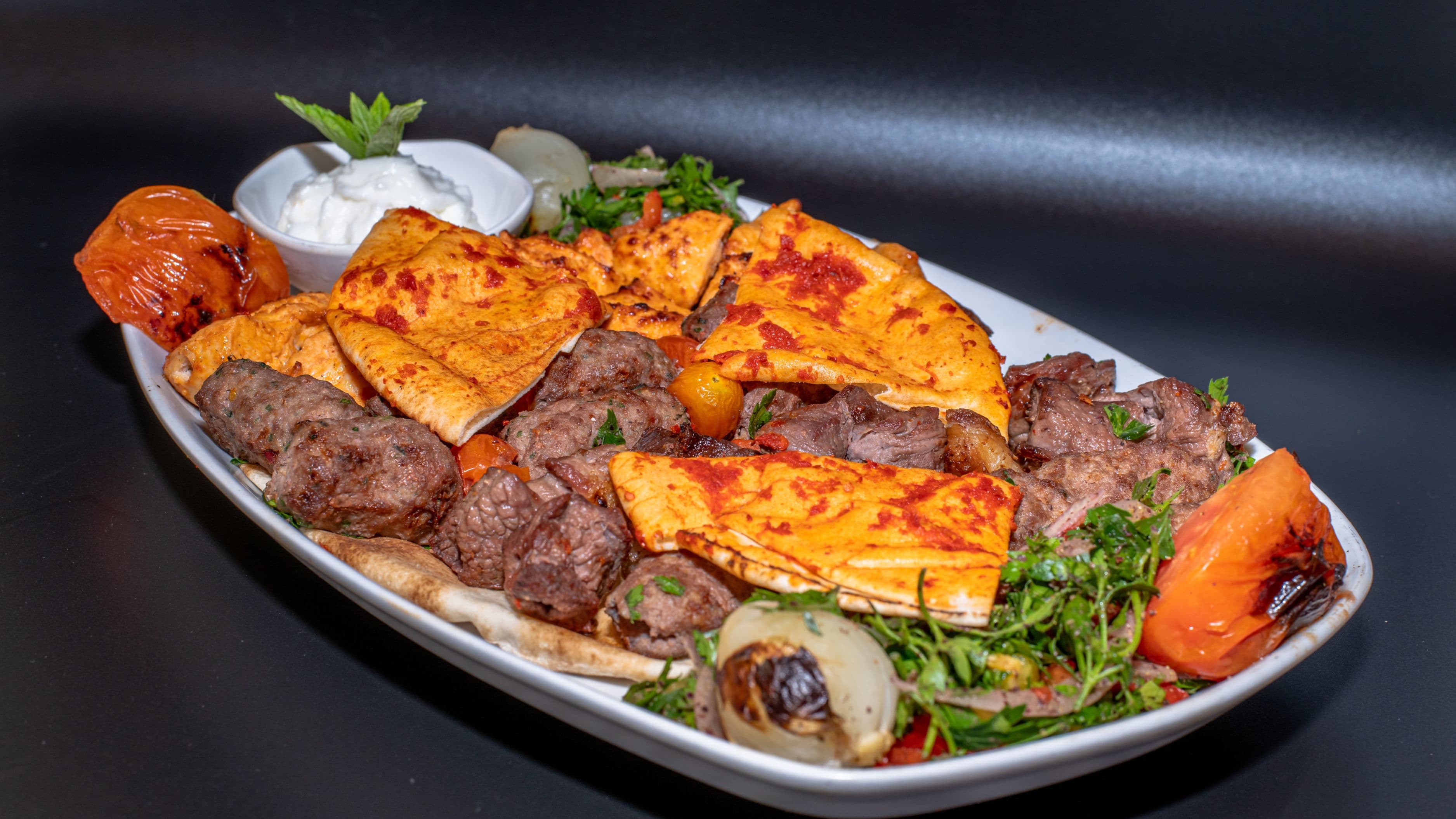
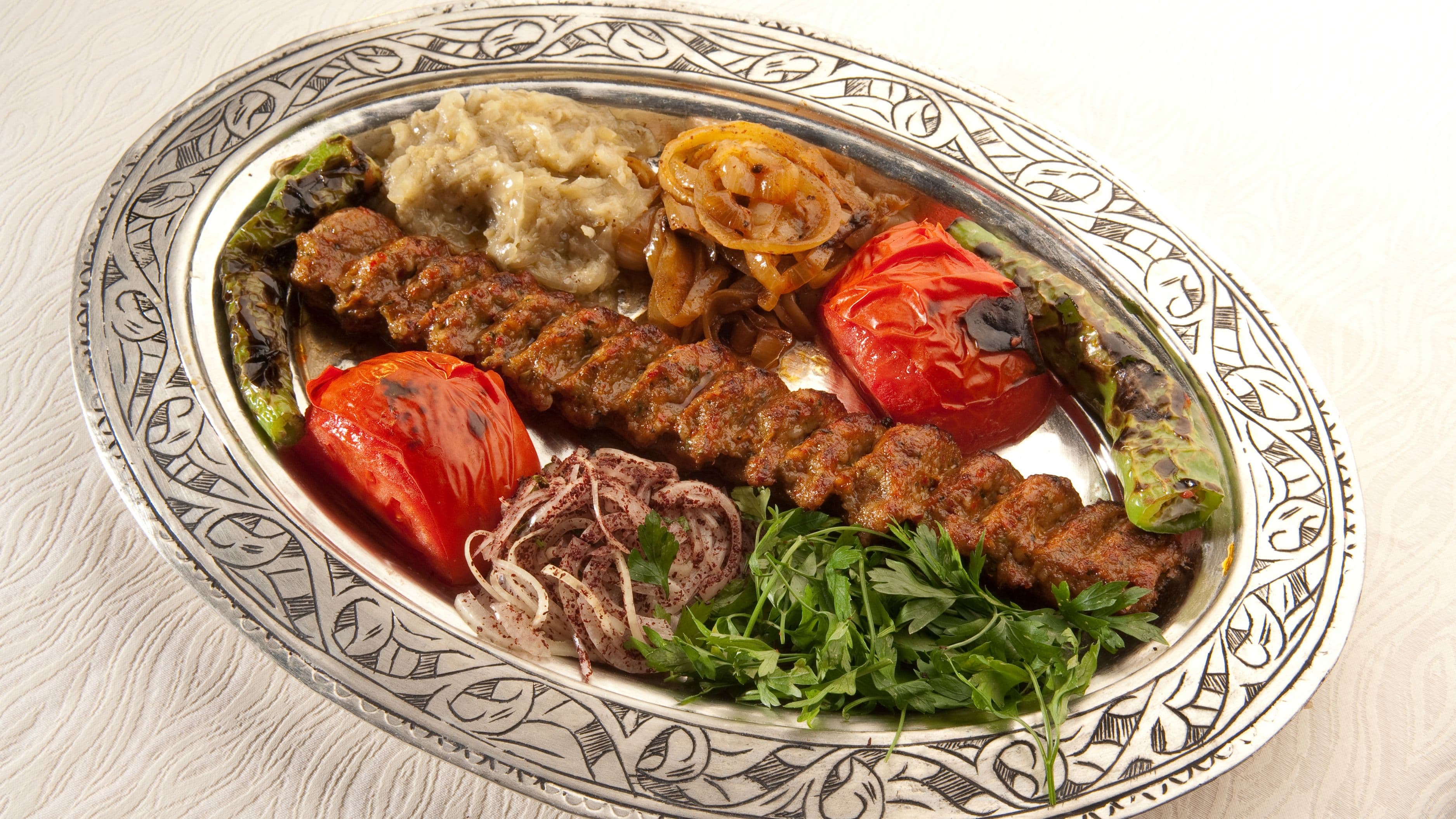
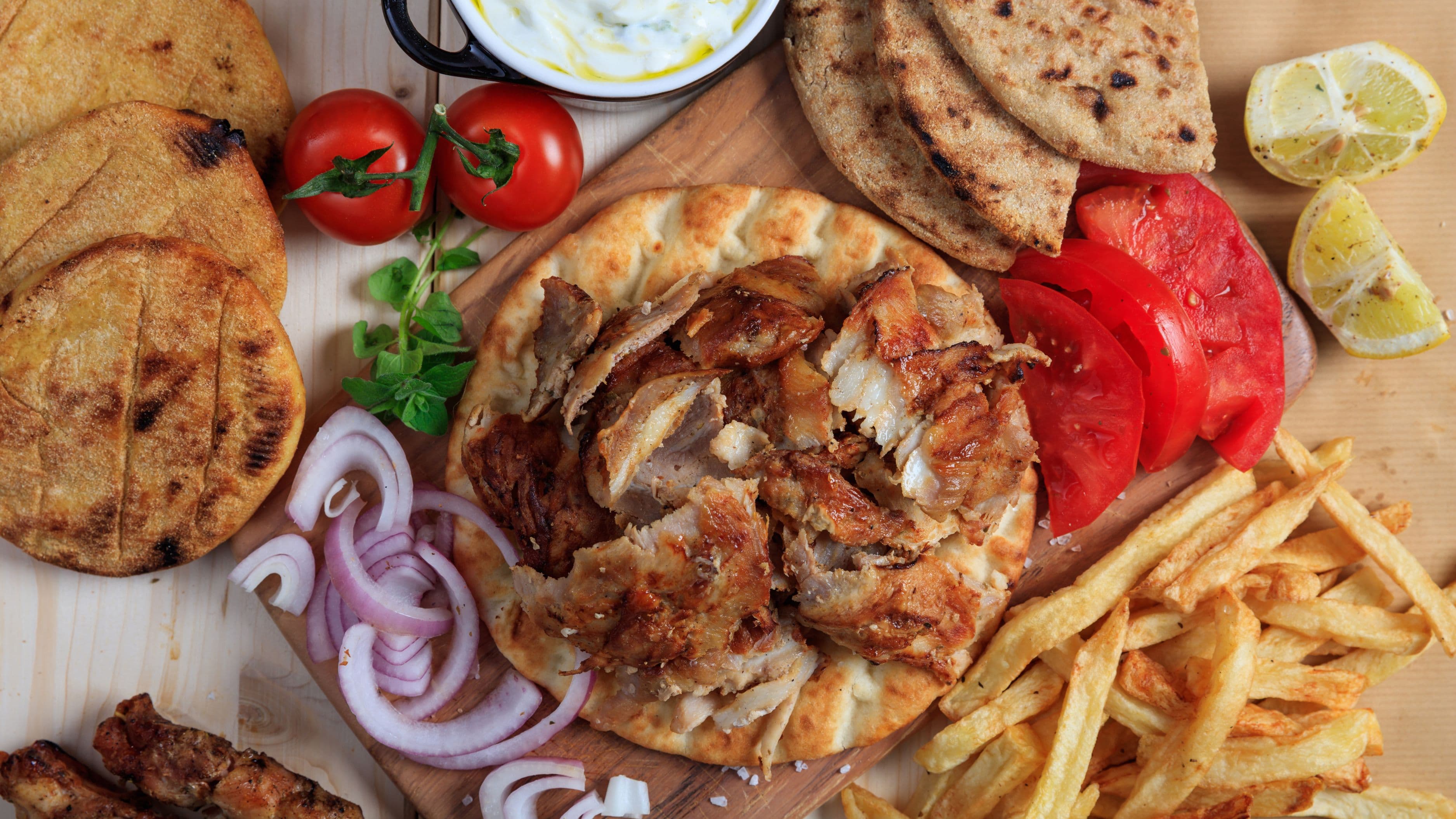
Souvlaki is the Greek word for small skewers of grilled meat — pork, chicken, or lamb — marinated in olive oil, lemon, garlic, and oregano, then cooked over direct heat. It's street food at its core, and the simplicity is the point. A proper souvlaki marinade has five ingredients, and the cooking time over high heat is 10–12 minutes total.
For home cooks without a charcoal grill, a very hot cast iron grill pan works well. The key is not overcrowding the pan — the meat should sear and color, not steam. Let the skewers cook without moving them for 3–4 minutes per side to develop crust.
Serve with warm pita, tzatziki, sliced tomatoes, and red onion. That's all you need.
For home cooks: Marinate for a minimum of 2 hours and ideally overnight. The olive oil and lemon don't just flavor the meat — the acid in the lemon begins to tenderize it, which makes a real difference especially with pork shoulder or leg cuts.
Baklava
Baklava is the most labor-intensive dish here but also the one where the effort is most clearly rewarded. It's layers of phyllo dough filled with chopped walnuts (or a pistachio-walnut mixture), baked until crispy, and soaked in a honey syrup flavored with cinnamon and cloves. It's intensely sweet, deeply aromatic, and keeps well for days.
The technique mirrors spanakopita: layer phyllo with brushed butter or oil, add the nut filling, continue layering. Cut into diamond shapes before baking (essential — cutting after will shatter the crispy phyllo), bake until deeply golden, then pour the warm syrup over the hot baklava as soon as it comes out of the oven. The contrast in temperature helps the syrup absorb evenly.
The syrup ratio matters: too little and it's dry, too much and it's soggy. Most good baklava recipes specify the ratio precisely — follow it rather than eyeballing.
For home cooks: Make the syrup first and let it cool to room temperature before the baklava goes in the oven. The standard advice is hot baklava meets cool syrup (or the reverse) — both surfaces at the same temperature leads to uneven absorption.
Tips for Cooking Greek Food at Home
The most common mistake home cooks make with Greek food is under-seasoning and under-oiling. Greek cooking is not minimalist with olive oil — it's generous, and that generosity is part of what makes the food taste the way it does. If your Greek dish tastes flat, more olive oil and more lemon are usually the first corrections to try.
Acid is also key. Lemon juice added at the end of cooking brightens flavors and balances the richness of olive oil-based dishes. Add it at the very end so the brightness doesn't cook off.
Greek cooking is forgiving with timing. Most dishes benefit from resting — souvlaki off the grill, moussaka out of the oven, tzatziki assembled an hour before serving. Build that rest time into your meal planning and the flavors will be better for it.
FAQ
What's the easiest Greek dish for a complete beginner? Start with horiatiki (Greek salad) or tzatziki — both require no cooking, only good ingredients and correct technique. Once you're comfortable, souvlaki is the most approachable cooked dish: a simple marinade and straightforward grilling.
Can I substitute lamb with beef in moussaka? Yes, and many Greek home cooks do. Beef produces a slightly less gamey, milder sauce. A 50/50 lamb-beef combination is also common and a good middle ground if you want some of the lamb character without the full intensity.
Is phyllo dough difficult to work with? It's less difficult than its reputation. The main rules are: keep the unused phyllo covered with a damp towel to prevent drying, work quickly, and accept that tears happen and don't matter. Practice with spanakopita before attempting baklava — the technique is the same but the stakes feel lower with a savory dish.
Where do I find ingredients like kefalotyri or Greek oregano? Specialty Greek or Mediterranean grocery stores are the best source. For dried Greek oregano and kefalotyri, many international grocers and some well-stocked supermarkets carry them. Pecorino Romano or aged Parmesan are reasonable substitutes for kefalotyri in moussaka. Standard dried oregano works in a pinch but is less aromatic than the Greek variety.
How far in advance can I prepare these dishes? Tzatziki keeps 2–3 days refrigerated. Spanakopita and moussaka can be assembled a day ahead and baked when needed — both actually hold together better when baked from cold. Fasolada improves overnight as the flavors develop. Baklava lasts up to a week at room temperature stored in an airtight container.
📚 Sources
The Spruce Eats – Greek Salad (Horiatiki) Recipe and Guide – https://www.thespruceeats.com/horiatiki-greek-village-salad-1705882
Serious Eats – The Best Moussaka Recipe – https://www.seriouseats.com/best-moussaka-recipe
BBC Good Food – Spanakopita Recipe – https://www.bbcgoodfood.com/recipes/spanakopita
The Mediterranean Dish – Greek Souvlaki – https://www.themediterraneandish.com/greek-chicken-souvlaki/
Greek Boston – Traditional Fasolada Recipe – https://www.greekboston.com/food/fasolada-recipe/
Food Network – Authentic Greek Baklava – https://www.foodnetwork.com/recipes/food-network-kitchen/baklava-recipe-1973537