This guide covers everything a home cook actually needs to know: what the different types are, how to choose well, how to store them, and how to get the most out of them in real cooking situations.
What Canned Tomatoes Actually Are
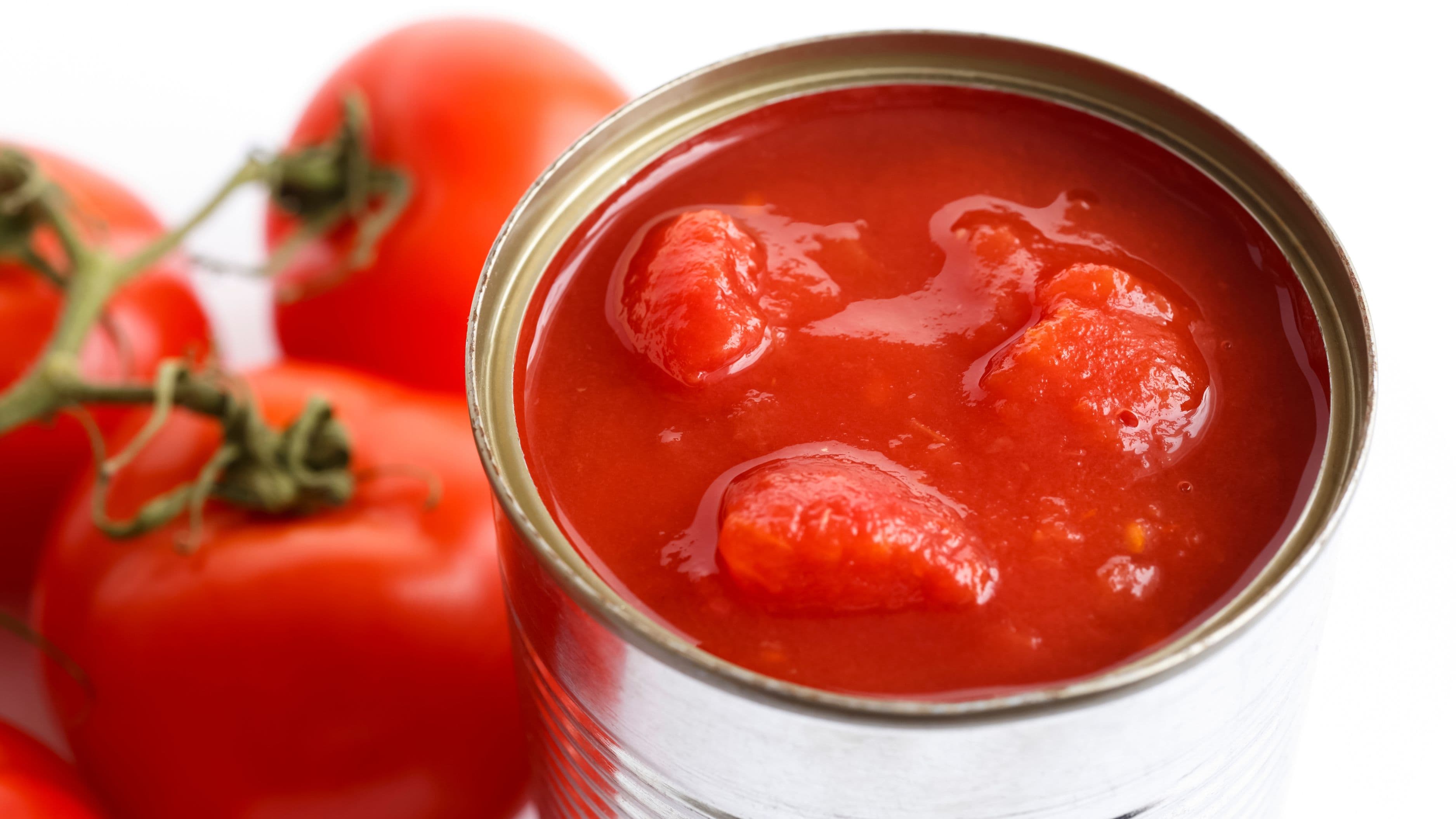
Canned tomatoes are picked and processed at peak ripeness, which means they're often more flavorful than the fresh tomatoes available in supermarkets outside of summer. Fresh tomatoes sold year-round are typically harvested early and ripened off the vine, which leaves them with lower sugar content, higher water content, and less depth of flavor than properly vine-ripened fruit. Canned tomatoes, processed immediately after harvest at peak season, capture that flavor in a shelf-stable form – which is why good canned tomatoes often outperform mediocre fresh ones for cooked applications.
Most canned tomatoes are packed in either tomato juice or tomato puree. Juice-packed tomatoes have a cleaner, fresher flavor and more liquid in the can. Puree-packed tomatoes have a slightly thicker consistency and a more cooked, concentrated flavor from the start. Neither is inherently better – the right choice depends on what you're making and how much liquid reduction you want to do yourself.
The Main Types and When to Use Each
Understanding the differences between canned tomato products is the most immediately useful thing a home cook can learn, because the options serve genuinely different purposes.
Whole peeled tomatoes are the most versatile option and the one most professional cooks and serious home cooks keep in the pantry. The tomatoes are skinned and packed whole in juice. You break them down yourself – by hand, with a spoon, or with an immersion blender – which gives you full control over the final texture. Because they're minimally processed, they tend to have the best flavor of any canned tomato option. Use them for any sauce where you want control over texture: a classic marinara, a slow-cooked meat ragù, a shakshuka, a braised chicken dish. San Marzano whole peeled tomatoes are the gold standard in this category – they're a specific variety grown in the Campania region of Italy with a sweeter, less acidic flavor profile and fewer seeds than most alternatives.
Crushed tomatoes are tomatoes that have been broken down and partially pureed, with some texture remaining. They're a good middle-ground option when you want a sauce that's already partially broken down without doing the work yourself. The consistency varies by brand – some are quite chunky, others almost smooth – so it's worth noting the texture of a brand you like and sticking with it. Use crushed tomatoes for pizza sauce, quick weeknight pasta sauces, and any dish where you want a coarser texture than a smooth sauce but don't want distinct pieces of tomato.
Diced tomatoes are cut into small cubes and packed in juice. They're treated with calcium chloride to hold their shape during canning and cooking, which means they don't break down the way whole or crushed tomatoes do. This is useful when you actually want distinct tomato pieces in a finished dish – a chili, a bean stew, a fresh salsa cooked briefly in a pan. But it's a real limitation when you want a smooth or saucy texture, because diced tomatoes will stubbornly retain their structure no matter how long you cook them. Many home cooks reach for diced tomatoes as a default and then wonder why their pasta sauce is chunky in a weird way – this is usually the reason.
Fire-roasted tomatoes are diced or crushed tomatoes that have been charred briefly before canning, giving them a subtle smoky sweetness. They add a layer of flavor complexity without any extra work, and they're particularly good in dishes where a smoky note fits naturally – chili, enchilada sauce, roasted vegetable soups, and Mexican-inspired cooking generally. They're not dramatically different from standard diced or crushed, but in the right dish the difference is noticeable and nice.
Tomato paste is a highly concentrated product – essentially tomatoes cooked down until most of the water has evaporated, leaving an intensely flavored, thick paste. A small amount adds deep tomato flavor and helps thicken a sauce without adding significant liquid. Use it to build flavor at the start of cooking by frying it briefly in oil before adding other ingredients (this step is called blooming, and it significantly deepens the flavor), or stir it in mid-cook to add body and intensity. A little goes a long way – one or two tablespoons is usually enough for a dish serving four.
Tomato puree sits between crushed tomatoes and tomato paste in terms of concentration – cooked and strained to a smooth consistency, with more body than crushed tomatoes but far less intensity than paste. It's less common than the other formats and less versatile, but useful when you want a smooth, relatively thick sauce base without starting from scratch.
How to Choose Well
Not all canned tomatoes are created equal, and the brand matters more than in most pantry categories. A few things to look for:
The ingredient list should be short: tomatoes, tomato juice or puree, and possibly salt and citric acid (which preserves color). Calcium chloride will appear in diced tomatoes. Anything beyond those ingredients – added sugar, corn syrup, seasoning – is generally a sign of a lower-quality product compensating for mediocre tomatoes.
DOP-certified San Marzano tomatoes (look for the "Denominazione di Origine Protetta" seal on the can) are consistently excellent for whole peeled tomatoes. Mutti, Bianco DiNapoli, and Cento are all reliable brands. For everyday cooking where you're going through cans regularly, domestic alternatives like Hunt's, Pomi (technically a carton product), and store-brand whole peeled tomatoes are often quite good and significantly cheaper.
Avoid cans that are dented, bulging, or rusted. A can with a dent along a seam should be discarded, as seam integrity is what keeps the contents sterile. Bulging cans indicate gas production from bacterial growth and should never be used.
How to Store Them
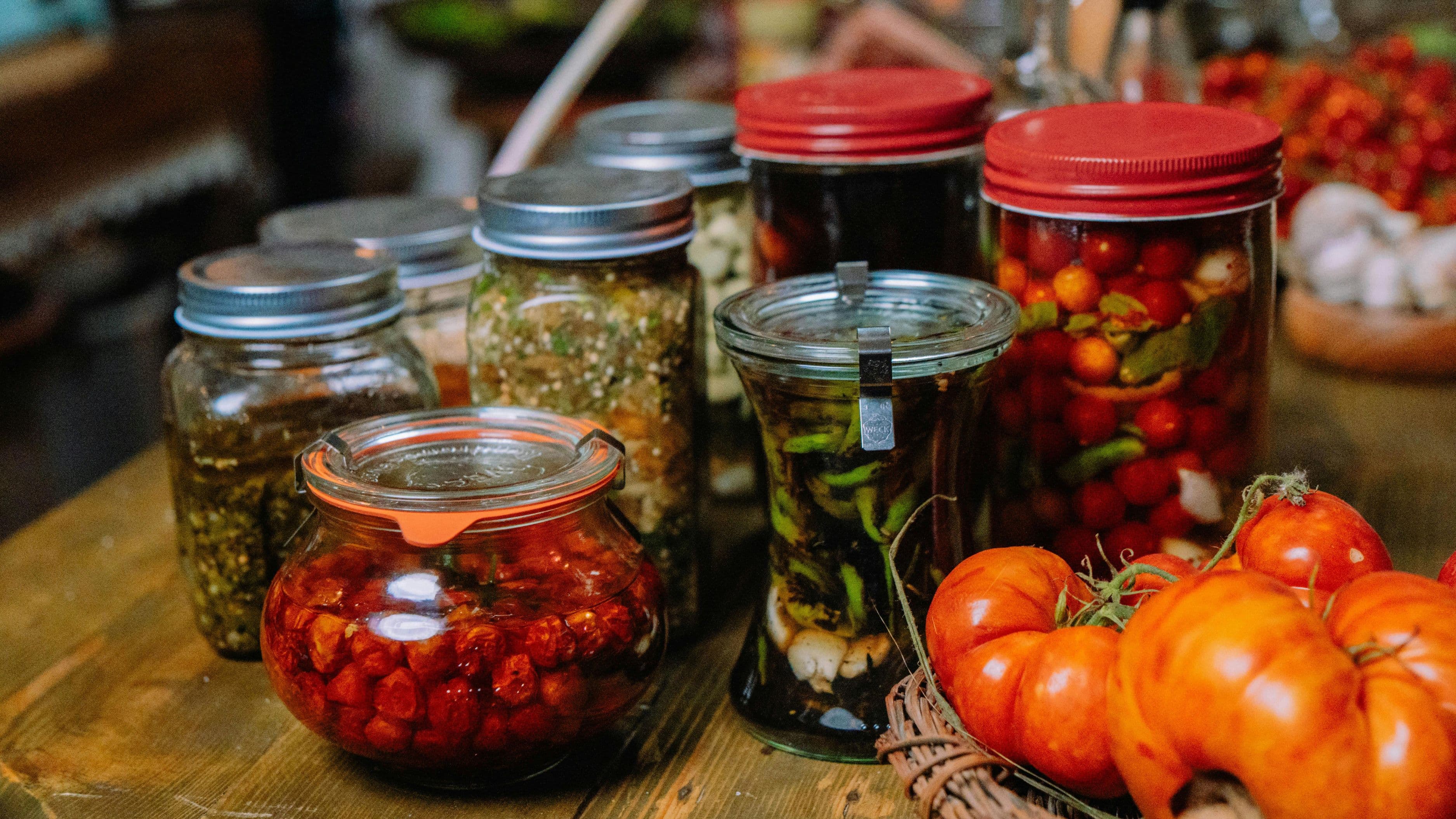
Unopened canned tomatoes store well in a cool, dry pantry for 18 months to 2 years – the "best by" date is a quality indicator, not a safety cutoff, and properly stored canned tomatoes typically remain good past that date. Keep them away from heat sources like the stove or direct sunlight, which can affect flavor and degrade the can's internal lining over time.
Once opened, canned tomatoes should never be stored in the can. Transfer leftovers to an airtight container and refrigerate for up to 5 days, or freeze in a zip-lock bag or freezer-safe container for up to 3 months. Tomato paste is the one that most often gets wasted because recipes call for one or two tablespoons and the rest of the can goes unused. The solution is to freeze the remaining paste in tablespoon-sized portions on a sheet of parchment, then transfer the frozen portions to a zip-lock bag. You'll have single-use portions ready whenever a recipe calls for them.
How to Use Them: Techniques That Actually Make a Difference
The type of canned tomato you choose matters, but how you cook it matters just as much.
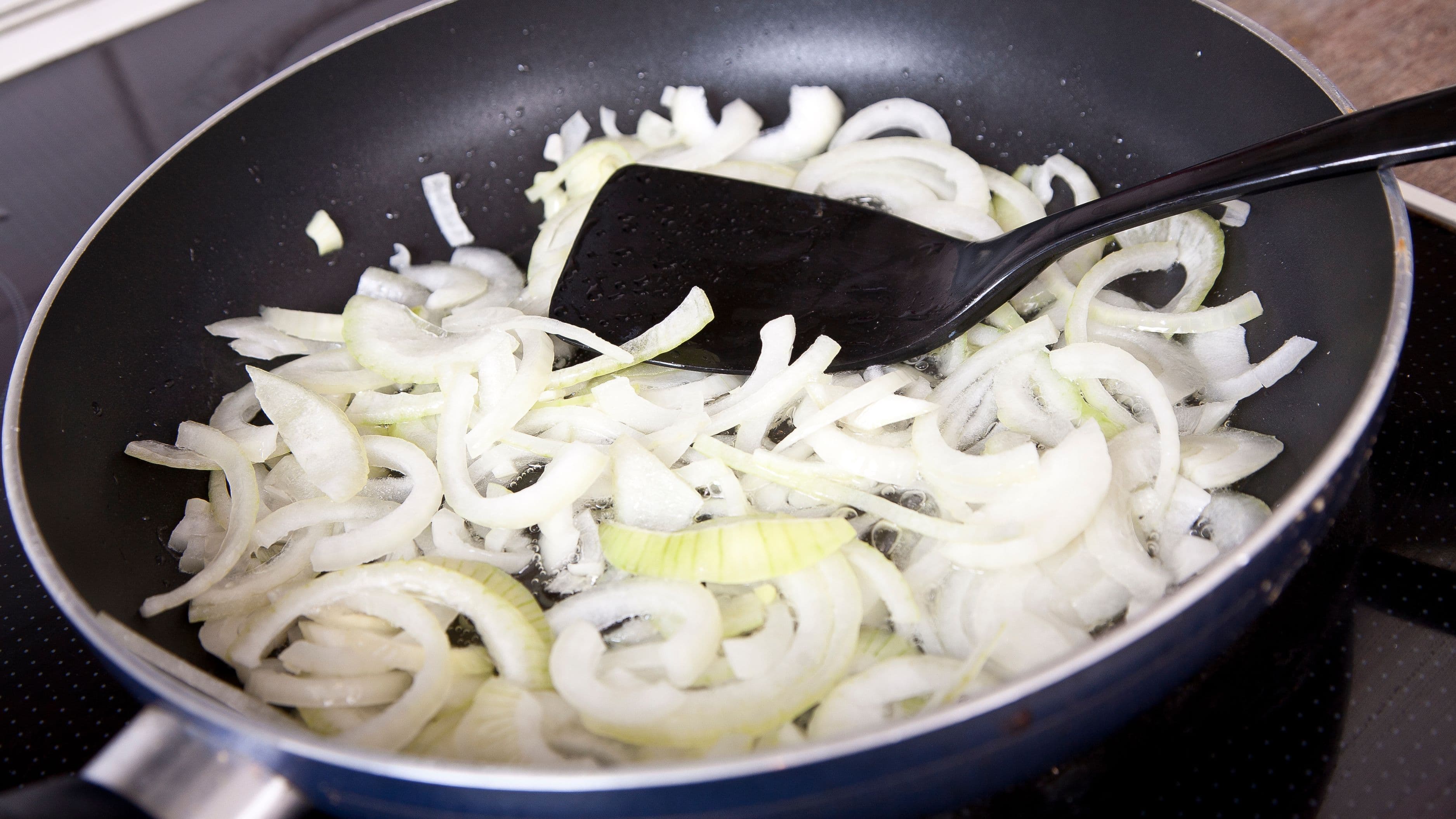
Sauté the tomatoes before adding liquid. For any sauce or braise, cooking the tomatoes in the pan with a little oil before adding stock or other liquid concentrates their flavor and removes some of the raw, metallic edge that canned tomatoes can have. Let the tomatoes sizzle and reduce for 5–10 minutes before adding anything else, and you'll notice a meaningful flavor improvement.
Crush whole tomatoes by hand. The texture you get from squeezing whole peeled tomatoes through your fingers directly into the pan is better than what you get from cutting them – you get irregular, rustic pieces with jagged edges that cling to pasta better than smooth dice. It's also faster than chopping. Do this over the pan to catch the juice, or over a bowl first if you prefer more control.
Season at the end, not just the beginning. Salt added at the start draws moisture from the tomatoes and helps them cook down, but the final seasoning should happen after the sauce has reduced to its finished consistency. Tomato flavor concentrates as water evaporates, so a sauce that tastes right at the 10-minute mark can taste oversalted at 30 minutes.
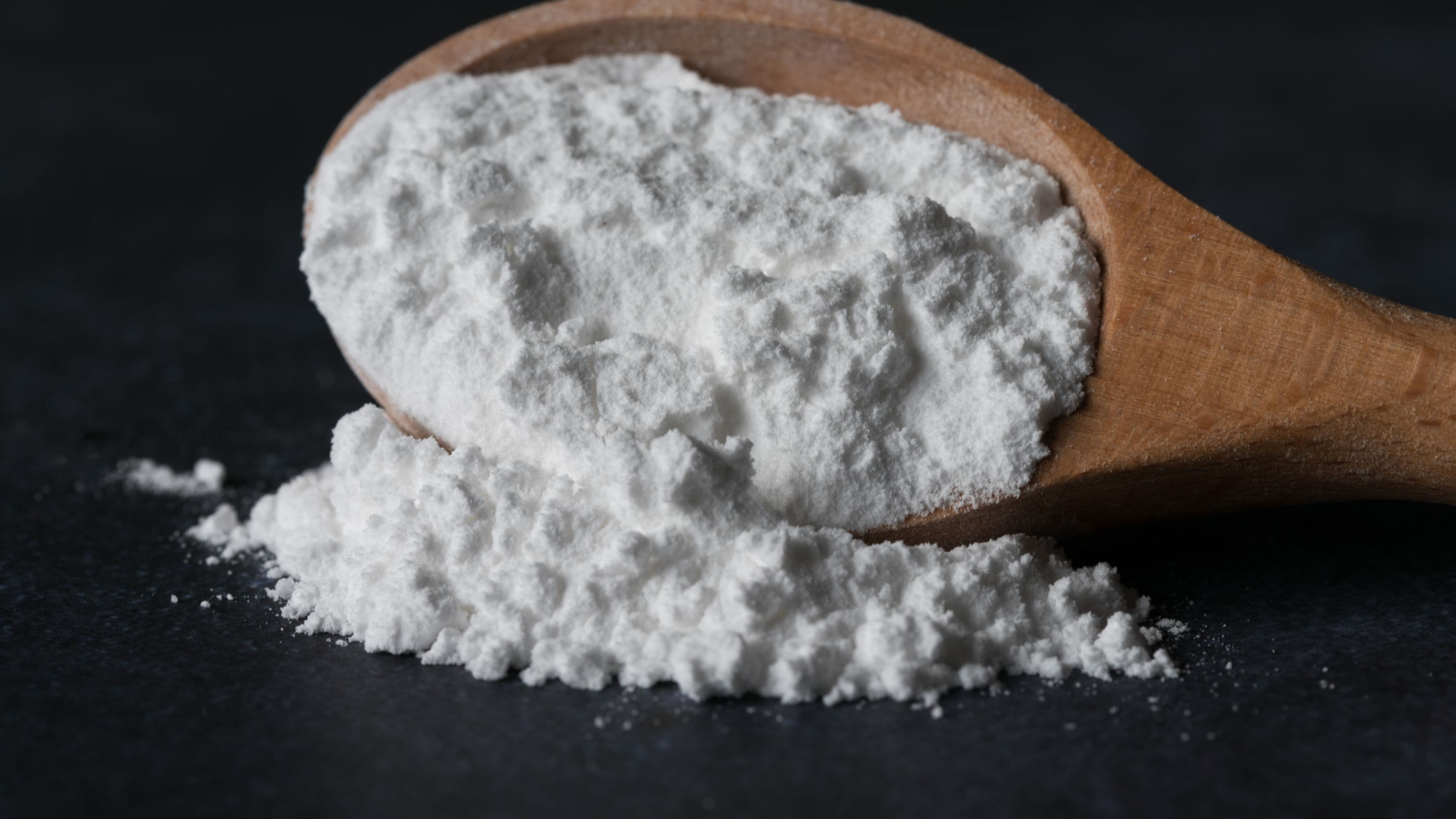
Add a pinch of sugar only if needed. Some home cooks add sugar to every tomato sauce automatically, but good-quality canned tomatoes don't need it. Taste your sauce before reaching for the sugar – if it tastes genuinely sharp or sour, a small pinch of sugar or a pinch of baking soda (which neutralizes acidity without adding sweetness) can help. If it tastes balanced, skip it.
Don't rush the cook. Canned tomatoes improve significantly with time. A 20-minute pasta sauce is fine; a 45-minute version of the same recipe is notably better. The extra time allows water to evaporate, flavors to concentrate, and the overall profile to mellow and deepen. If you have the time, use it.
Substitutes When You're Out
Whole peeled canned tomatoes are the best substitute for most other canned tomato products, with a little processing:
To substitute for crushed tomatoes, pulse whole peeled tomatoes a few times in a food processor or blender, or crush them well by hand.
To substitute for diced tomatoes, chop whole peeled tomatoes into pieces of the size you want. Note that they'll break down more during cooking than calcium-chloride-treated diced tomatoes will.
To substitute for tomato paste in a pinch, use a larger quantity of crushed or whole tomatoes and cook the sauce down longer to concentrate. The flavor won't be identical, but it moves in the right direction.
Fresh tomatoes can substitute for canned in summer, when ripe, sweet tomatoes are available. In other seasons, canned is almost always the better cooking tomato for cooked applications.
Common Mistakes to Avoid
Using diced tomatoes when a recipe calls for crushed or whole is the single most common canned tomato mistake. Diced tomatoes are processed differently and won't break down into a smooth sauce no matter how long you cook them. Read recipes carefully and use the type specified.
Skipping the cooking step with tomato paste is a missed opportunity. Raw tomato paste added directly to a sauce adds flavor, but briefly cooking it in oil first – 60 to 90 seconds over medium heat until it darkens slightly – unlocks significantly more depth through the Maillard reaction. It's a small step with a noticeable payoff.
Adding canned tomatoes to a cold pan produces a watery, uneven result. The pan and any oil or aromatics in it should be properly heated before the tomatoes go in – this gets the evaporation and flavor concentration process started immediately.
Not tasting before serving is a general cooking mistake, but it applies especially to tomato-based sauces where the level of reduction significantly affects the salt and acid balance. Always taste and adjust at the end.
FAQ
Are San Marzano tomatoes actually worth the premium? For whole peeled tomatoes in dishes where tomato flavor is front and center – a simple marinara, a Neapolitan pizza sauce – yes, genuinely. Their flavor is noticeably sweeter, less acidic, and more complex than most alternatives. For slow-cooked dishes where the tomatoes are one component among many, the difference is less dramatic and a good domestic brand works well.
Is it safe to cook tomatoes in the can they came in? No. Heating food in a can can leach BPA from the can lining (though many cans are now BPA-free, it's still not a recommended practice), and it can affect flavor. Always transfer to a pan or pot for cooking.
What does "packed in puree" vs "packed in juice" mean in practice? Juice-packed tomatoes have a lighter, fresher flavor and more liquid in the can. Puree-packed have a slightly thicker texture and a more cooked flavor from the start. For most applications, either works. If a recipe is sensitive to added liquid, juice-packed gives you more control.
Can I use canned tomatoes to make fresh-tasting salsa? You can, but the result will taste cooked rather than fresh. Canned tomatoes work well for cooked salsas and sauces; for raw salsa (pico de gallo), fresh tomatoes are essential.
How do I get rid of the metallic taste some canned tomatoes have? Two things help most: cooking the tomatoes for long enough to fully develop their flavor (at least 20–30 minutes for a sauce), and using good-quality tomatoes in the first place. A splash of good olive oil, a pinch of sugar, or a small piece of parmesan rind added to the sauce while it cooks can also help round out metallic edges.
📚 Sources
Serious Eats – The Best Canned Tomatoes for Cooking: https://www.seriouseats.com/the-best-canned-tomatoes
America's Test Kitchen – Tasting Canned Whole Tomatoes: https://www.americastestkitchen.com/taste_tests/355-canned-whole-tomatoes
USDA – Complete Guide to Home Canning (Tomatoes): https://nchfp.uga.edu/publications/usda/USDA_complete_guide.pdf
The Food Lab – J. Kenji López-Alt on Canned vs. Fresh Tomatoes: https://www.seriouseats.com/ask-the-food-lab-can-fresh-tomatoes-replace-canned-in-cooked
Epicurious – How to Cook with Canned Tomatoes: https://www.epicurious.com/ingredients/canned-tomatoes-guide-article