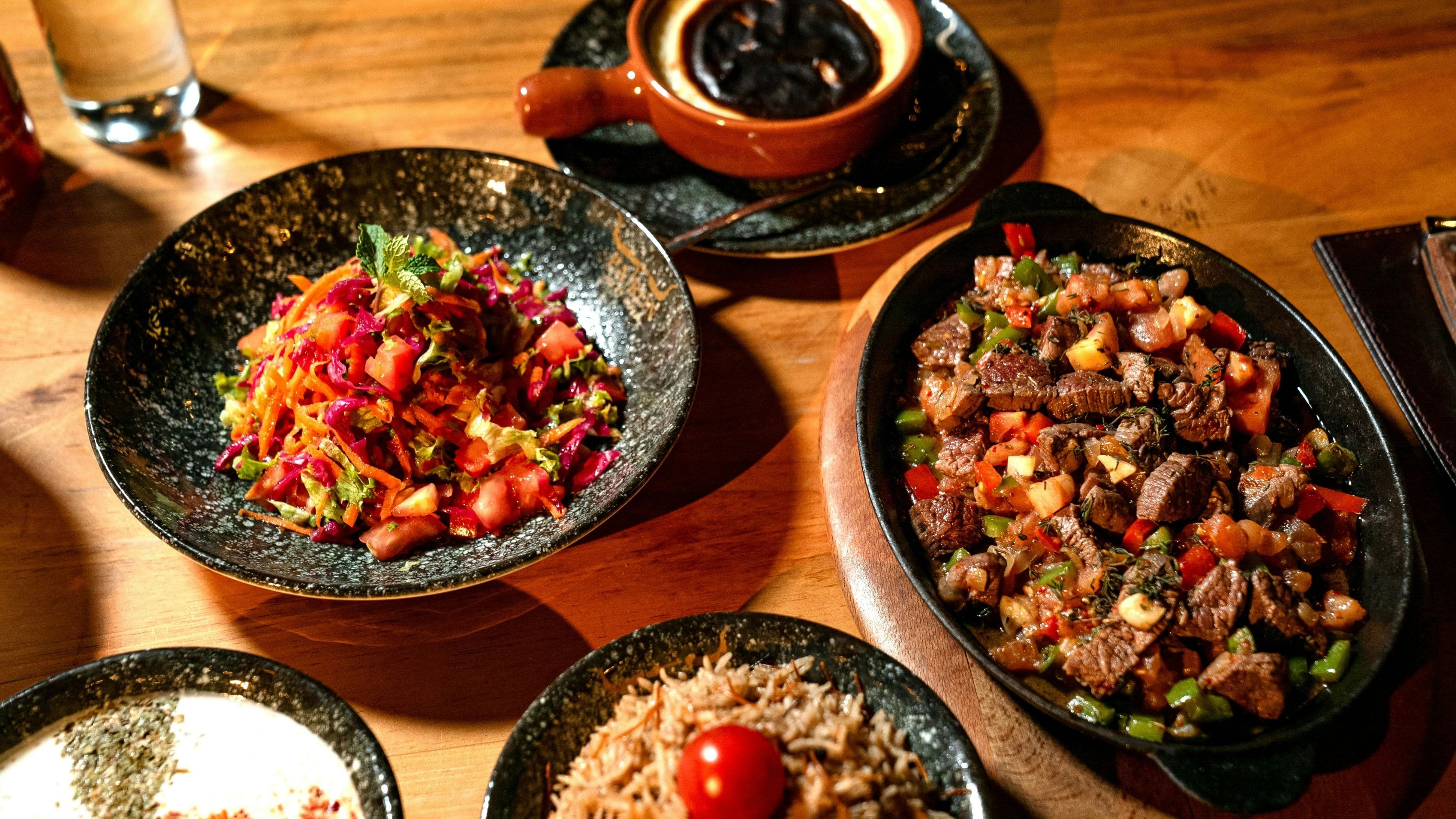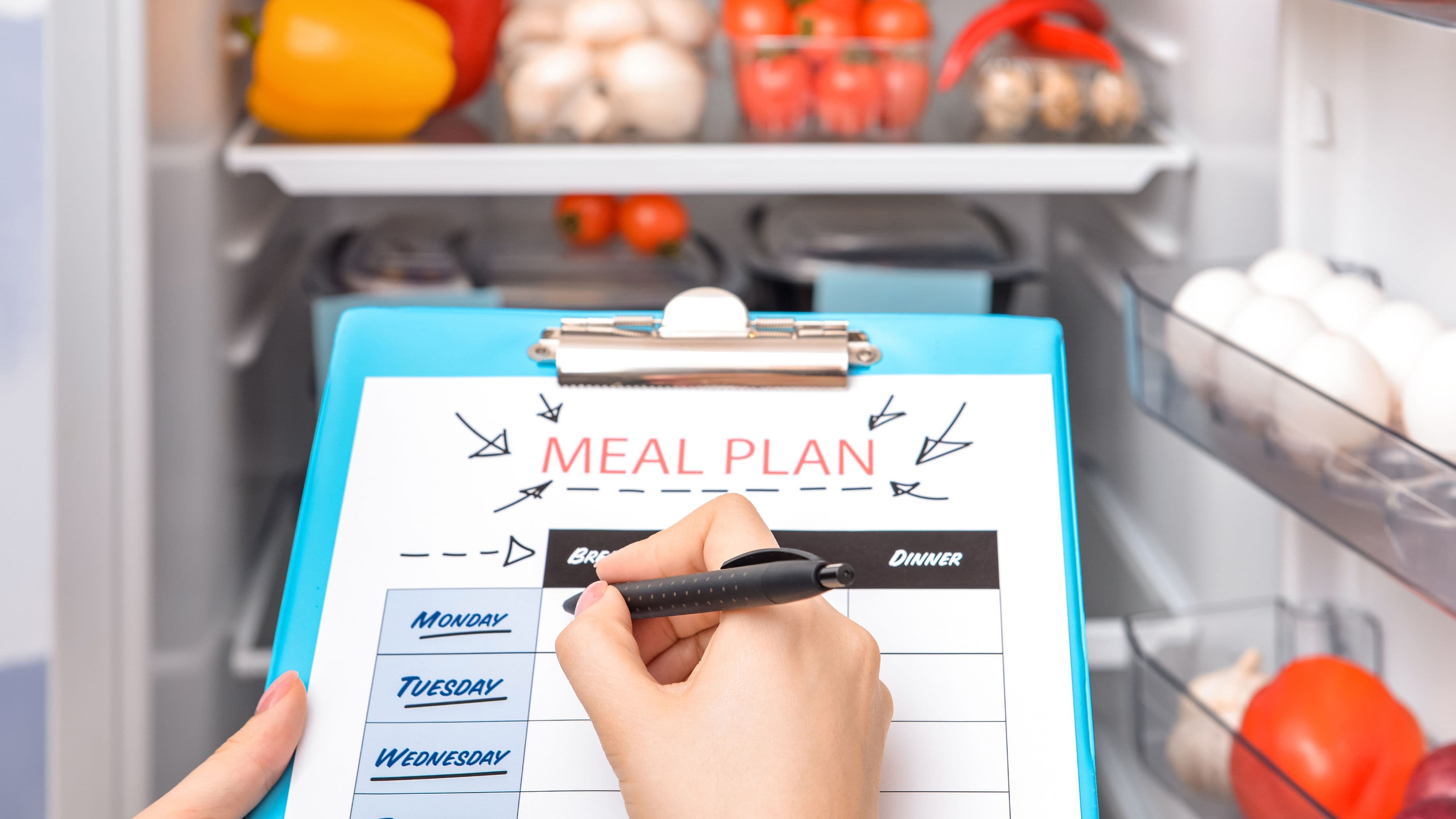
The Strategy: Build Around Feel, Not Formulas
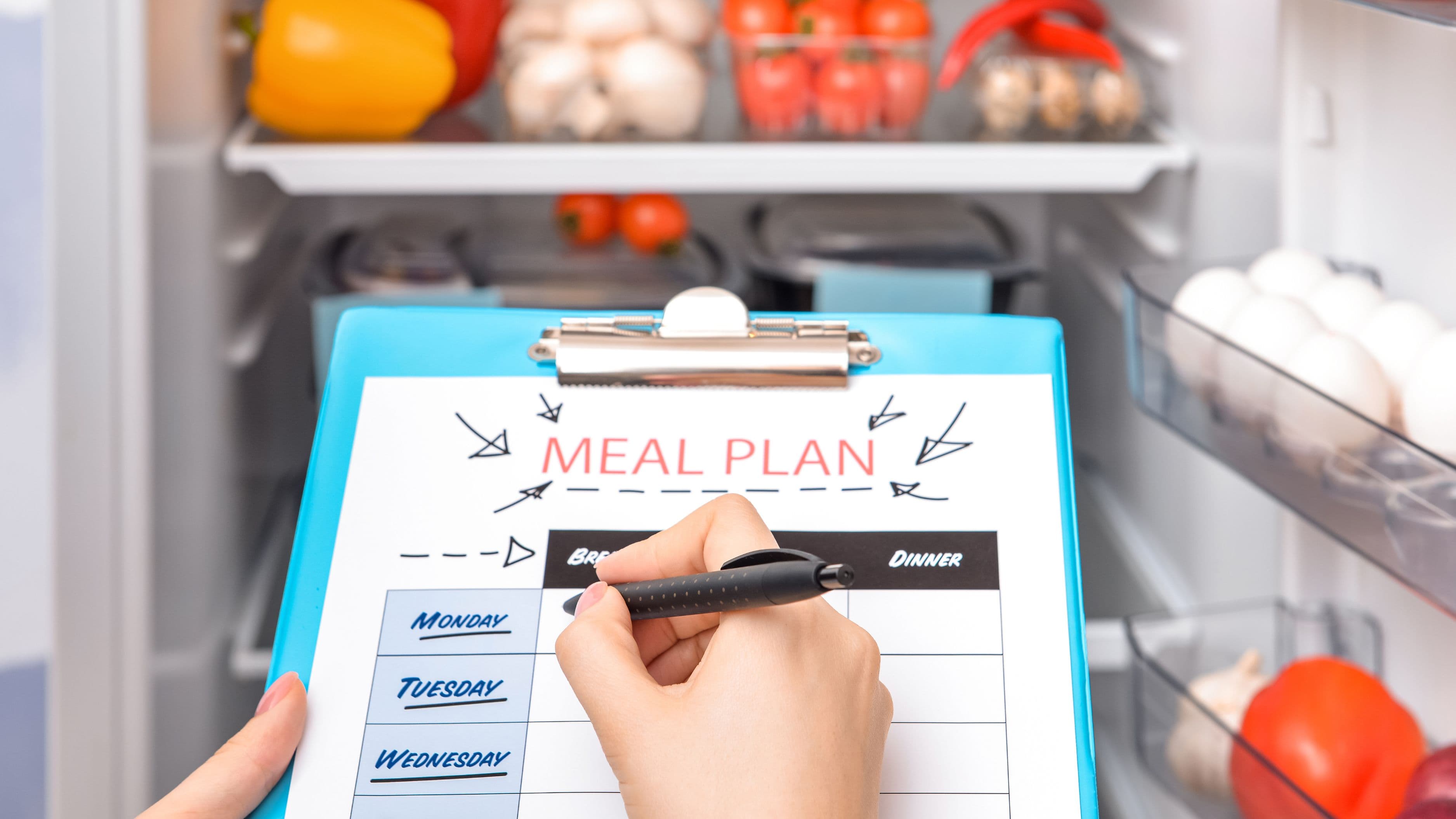
The core idea here is straightforward: certain types of foods and food combinations tend to give you steady, lasting energy, while others tend to spike you up and then drop you hard an hour later. Once you can recognize that pattern in your own body, you don't need to count anything – you just need a simple mental checklist to run through when you're building a meal.
That checklist comes down to three questions: Is there something substantial in this meal (a protein or a source of healthy fat)? Is there something with real texture or fiber (vegetables, whole grains, beans)? And am I relying too heavily on something that digests fast and leaves quickly (a lot of refined starch or sugar with nothing else to slow it down)? Meals that hit the first two and go light on the third tend to hold you steady for hours. Meals that skip the first two and lean hard into the third are the ones that leave you crashing by mid-afternoon.
Step-by-Step System
Start with your protein or substantial base. Before thinking about anything else, decide what the "anchor" of the meal is – eggs, chicken, fish, tofu, beans, lentils, Greek yogurt, or nuts all work. This is the piece that digests slowly and keeps you full and steady, so it's worth deciding on this first rather than building a meal around a side dish and treating protein as an afterthought.
Add something with real texture. Vegetables, whole grains, or legumes bring fiber into the meal, which slows down how quickly everything digests and helps prevent the energy spike-and-crash pattern that comes from eating mostly soft, refined foods. This doesn't need to be complicated – a handful of roasted vegetables, a scoop of brown rice, or a simple side salad all count.
Layer in flavor and healthy fat. Olive oil, avocado, nuts, seeds, or a flavorful sauce make the meal satisfying and enjoyable to eat, which matters more than people give it credit for – a meal that tastes bland and forgettable is a meal you'll want to snack right after, even if it technically had enough substance. Healthy fats also help you feel satisfied for longer, working alongside protein and fiber rather than against them.
Notice what's dominating the plate. Once the meal is assembled, take a quick look – is it mostly refined carbs (white bread, pasta, chips) with just a little protein and vegetables tucked in around the edges? Or is it a more even mix? You don't need to measure anything to make this call; it's a visual, intuitive check, not a calculation.
A Few Real Examples
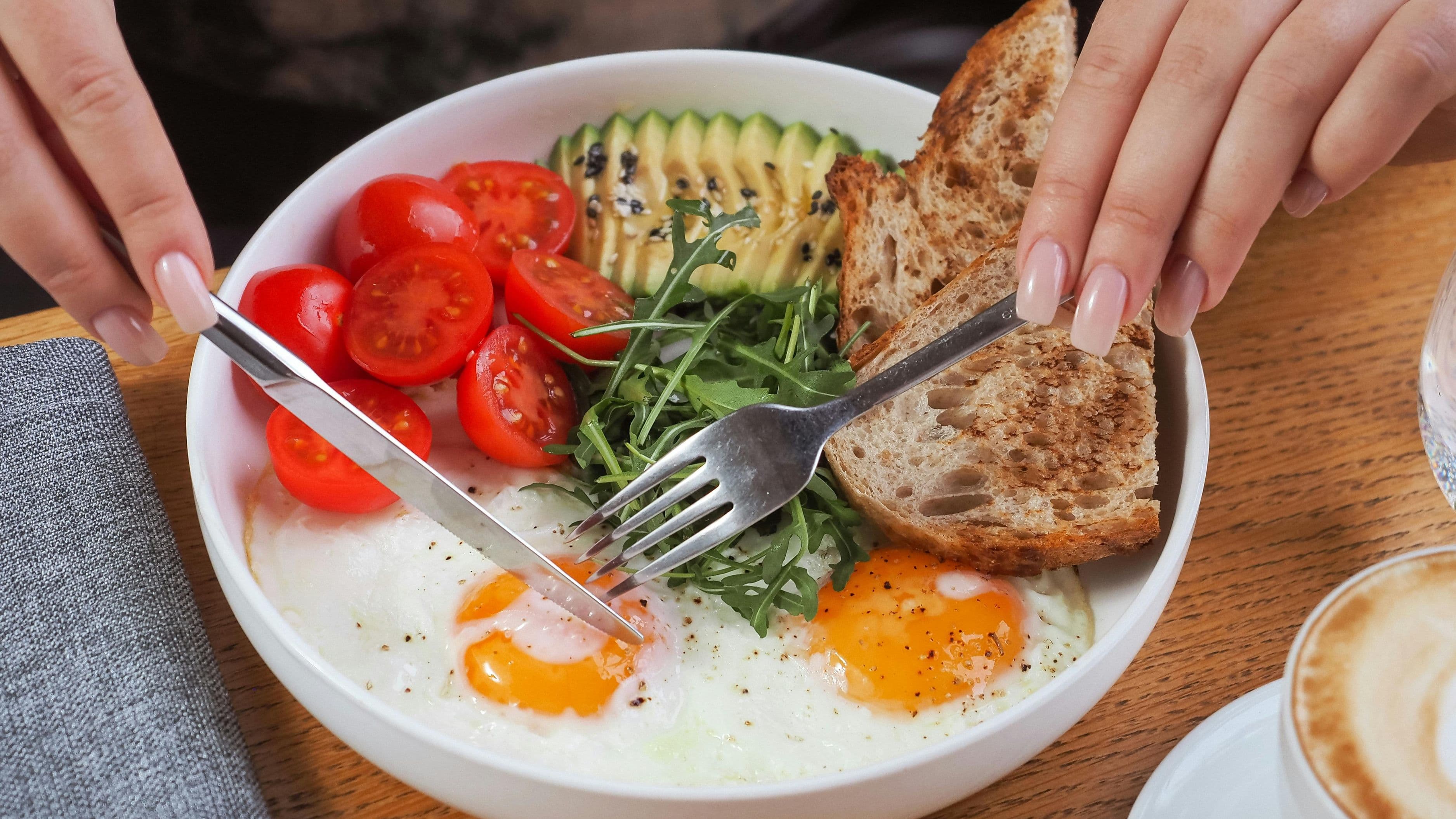
A quick lunch built this way might look like a bowl of scrambled eggs with sautéed spinach and a slice of whole grain toast with avocado – protein, fiber, and healthy fat all present, nothing counted, just assembled with the checklist in mind. Compare that to a lunch of just toast with jam and a coffee: fast-digesting, nothing to slow it down, and a near-guaranteed energy dip within an hour or two.
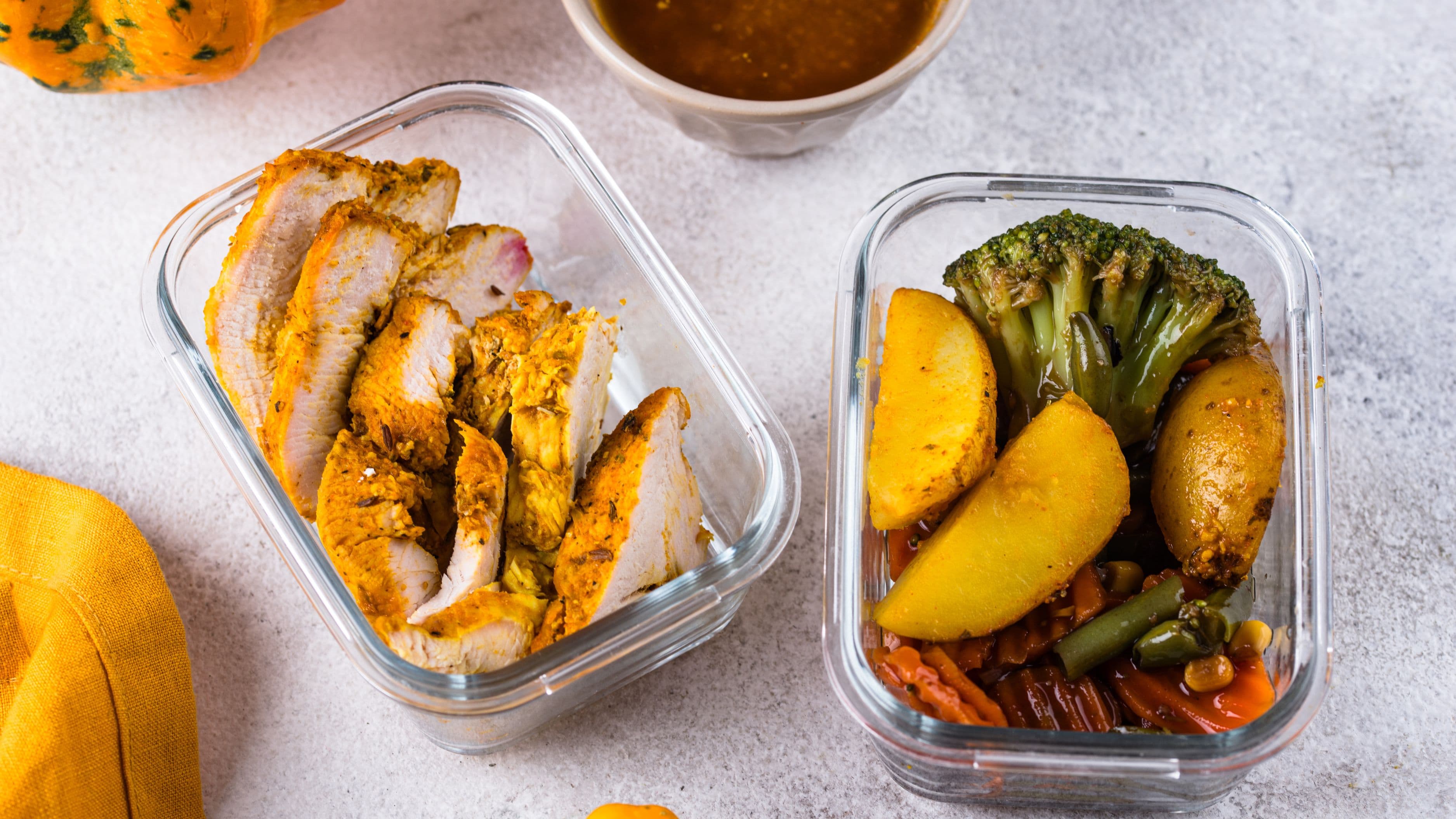
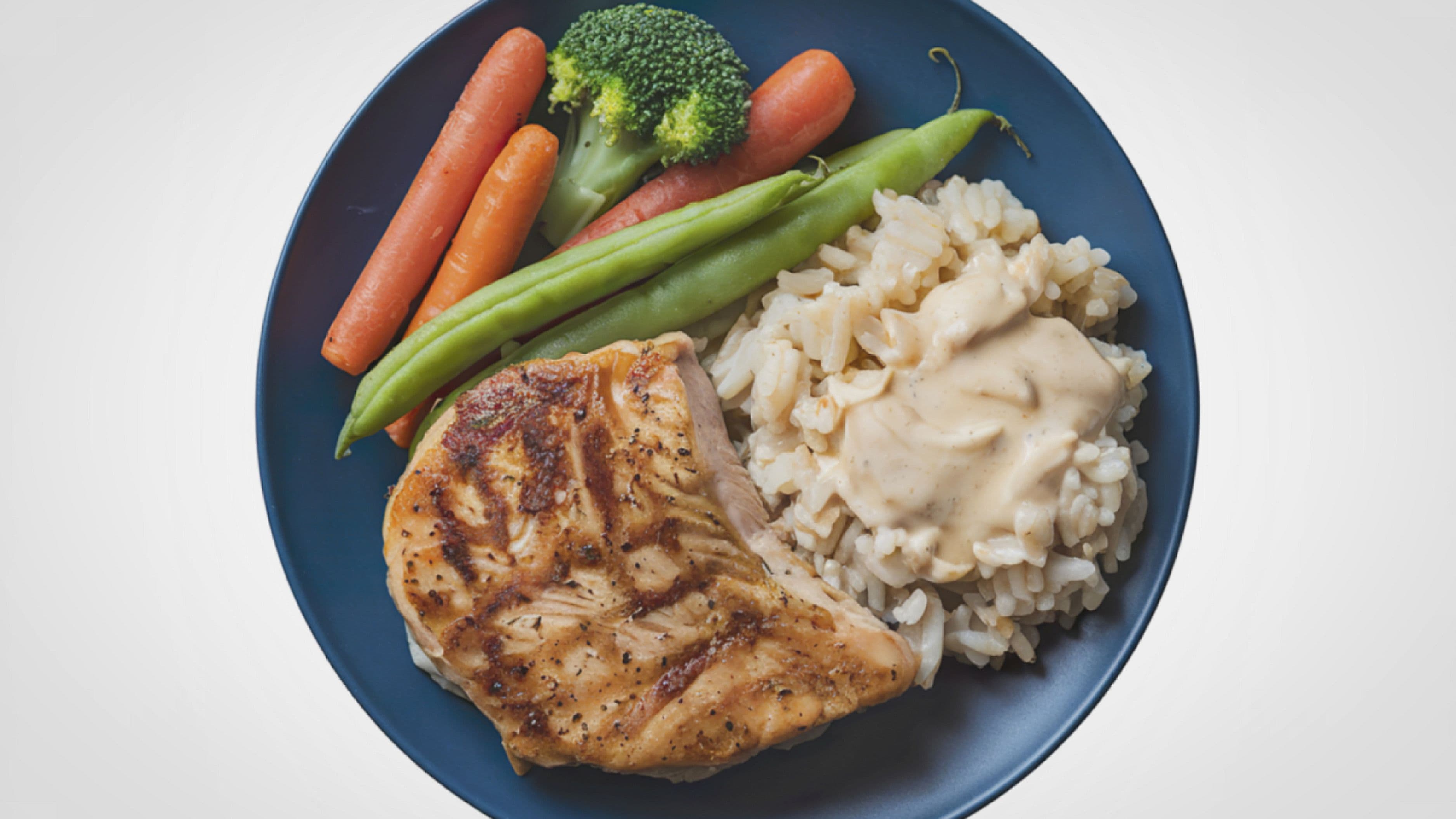
For dinner, a simple example is grilled chicken or baked tofu, a big pile of roasted vegetables, and a scoop of quinoa or rice, finished with olive oil and lemon. It's not a complicated recipe, and it doesn't require any tracking – it just naturally checks the boxes of substance, texture, and balance that keep energy steady into the evening rather than leaving you reaching for something sugary right after.
Snacks work the same way. Instead of grabbing something that's purely fast-digesting sugar (candy, a plain pastry), pairing a piece of fruit with a handful of nuts, or crackers with cheese or hummus, gives you the same quick, easy snack experience but with something in there to slow the digestion down and keep you steadier until your next meal.
Time-Saving Tips
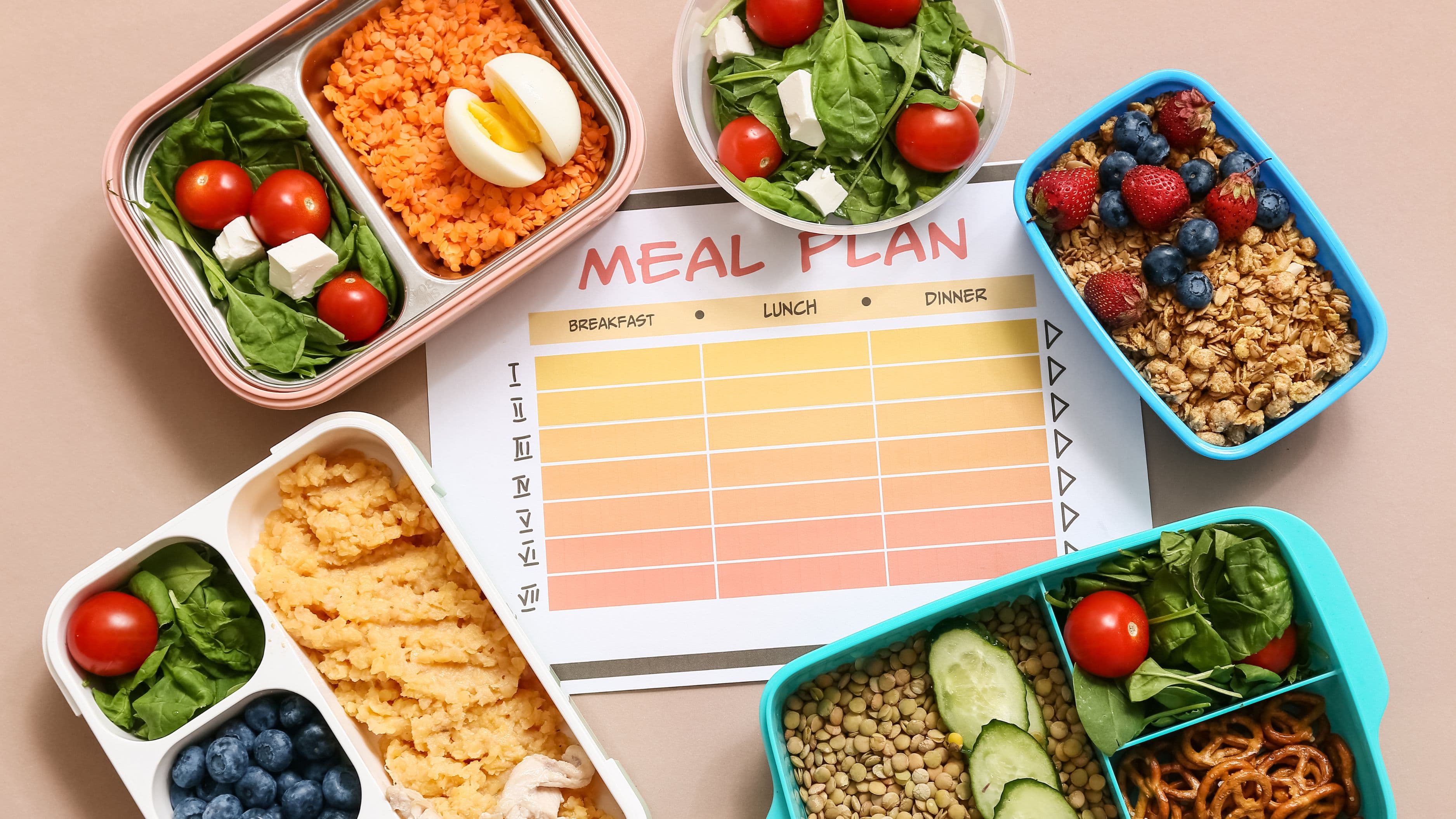
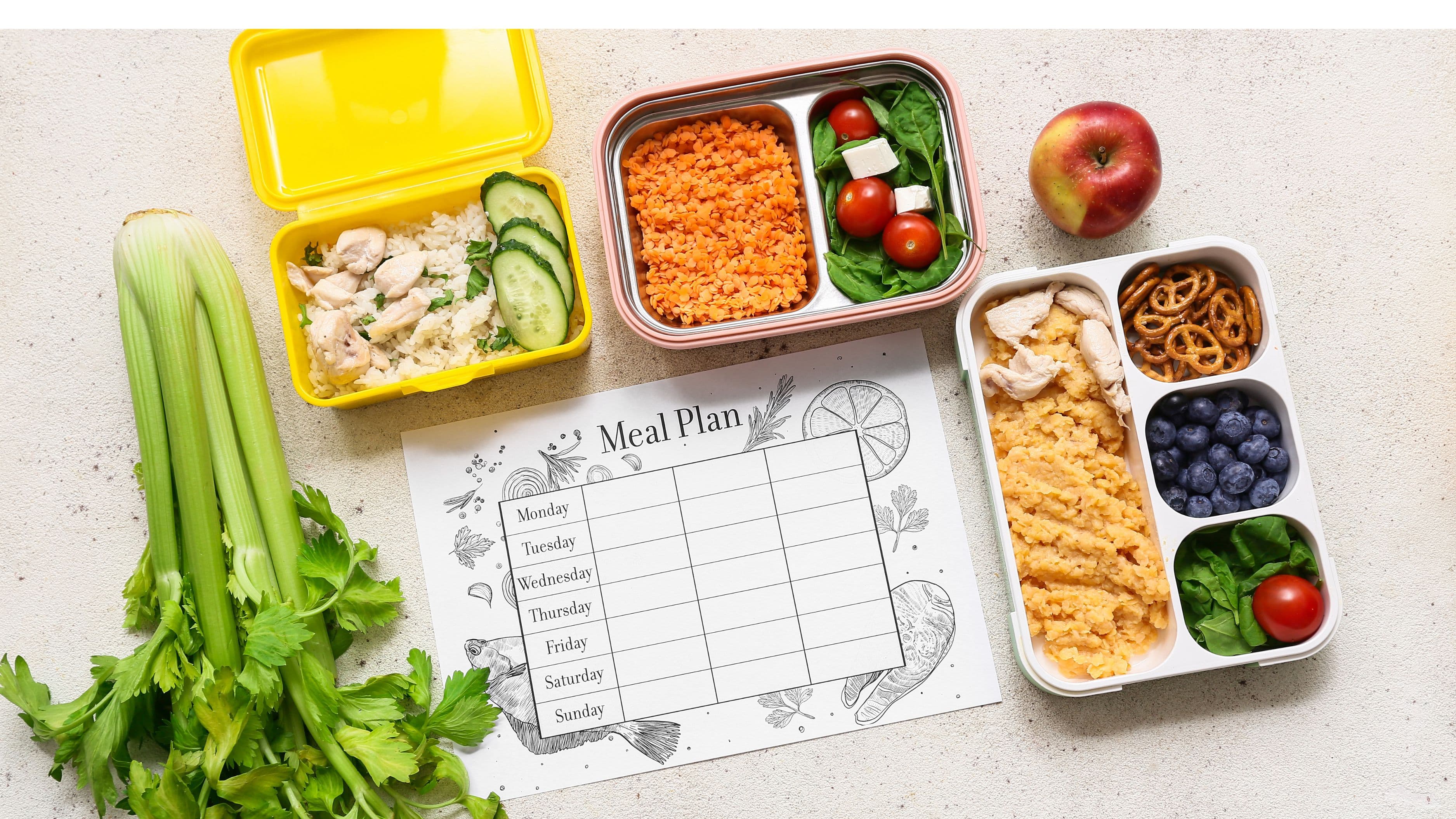
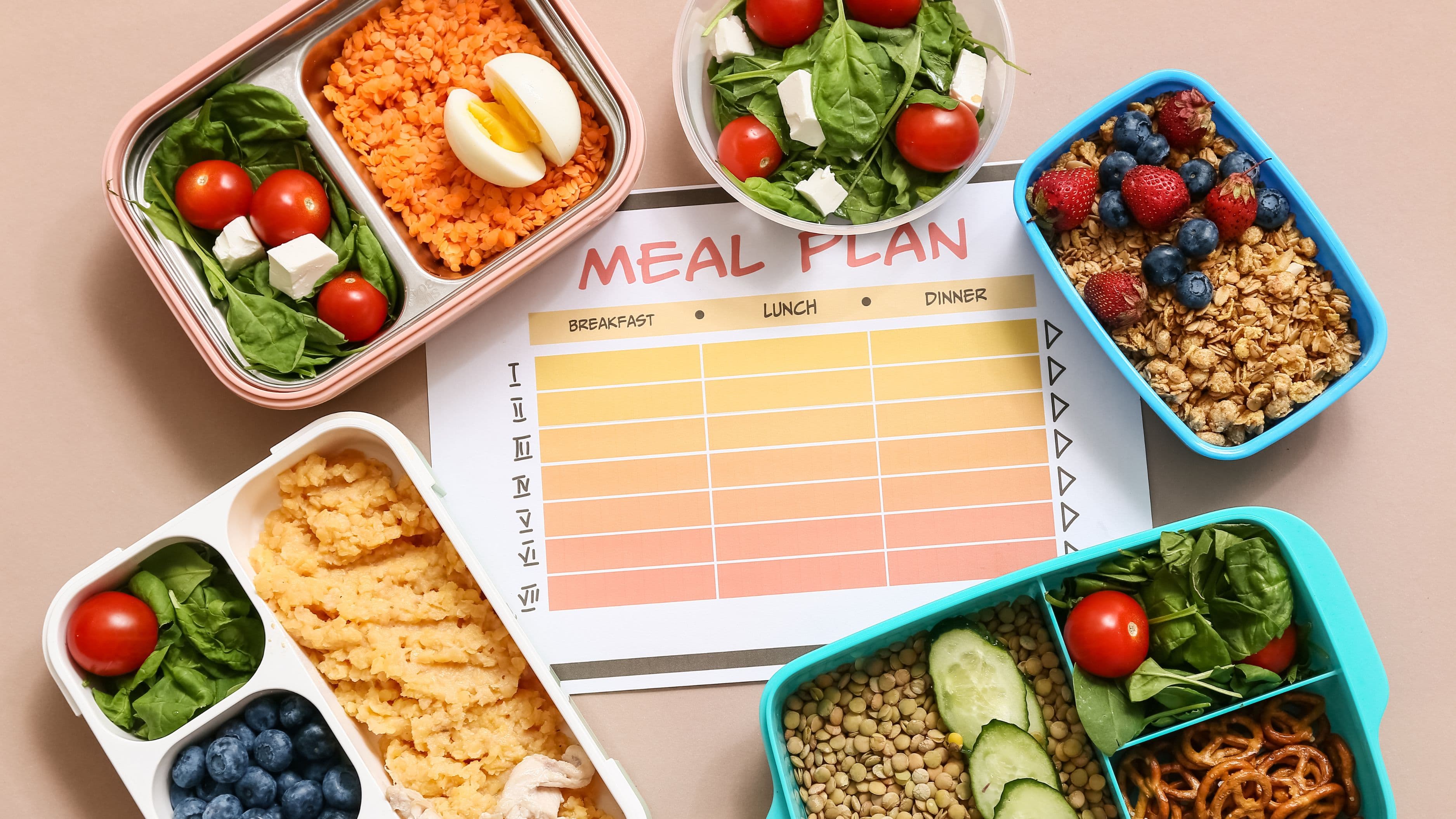
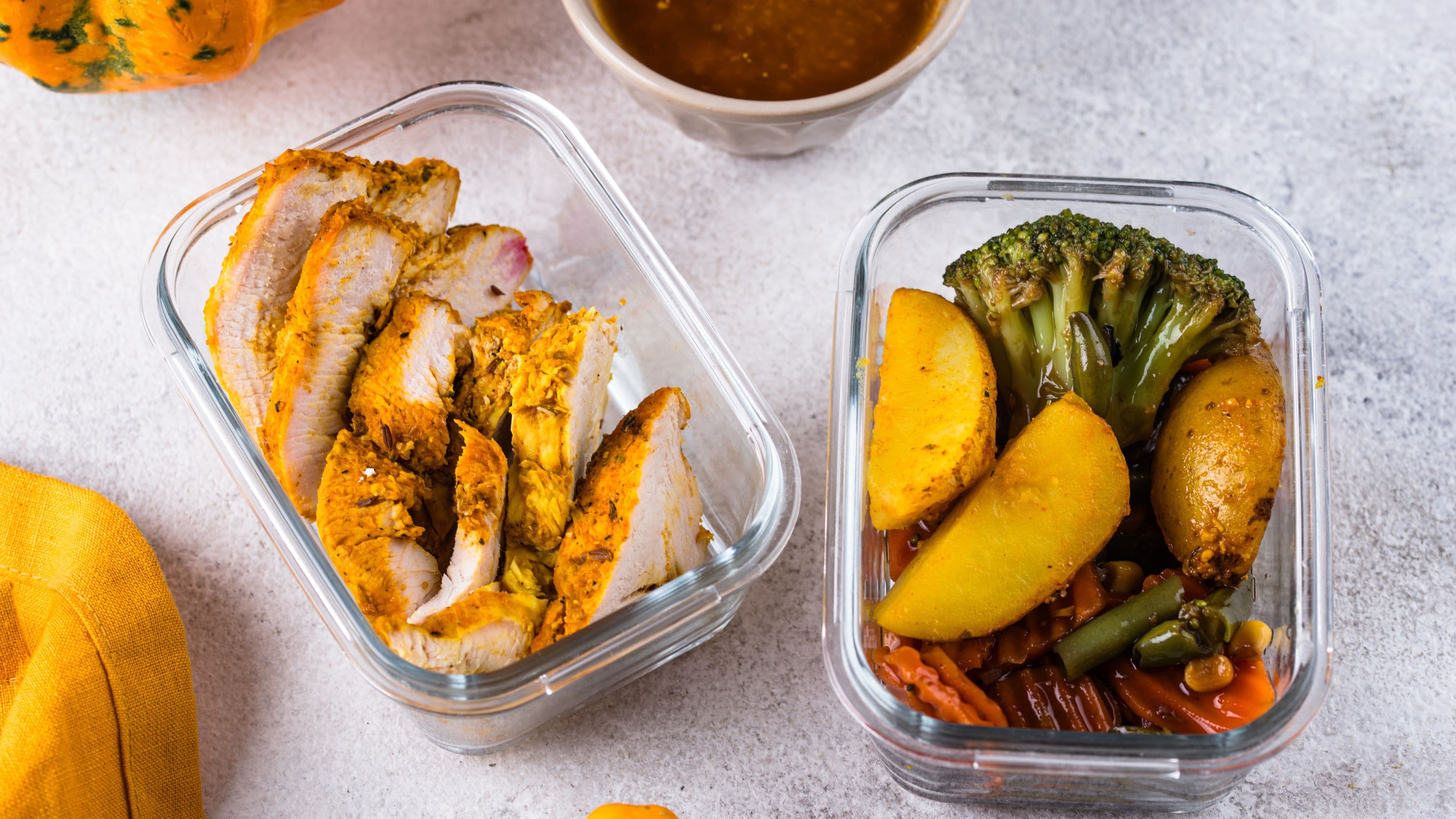
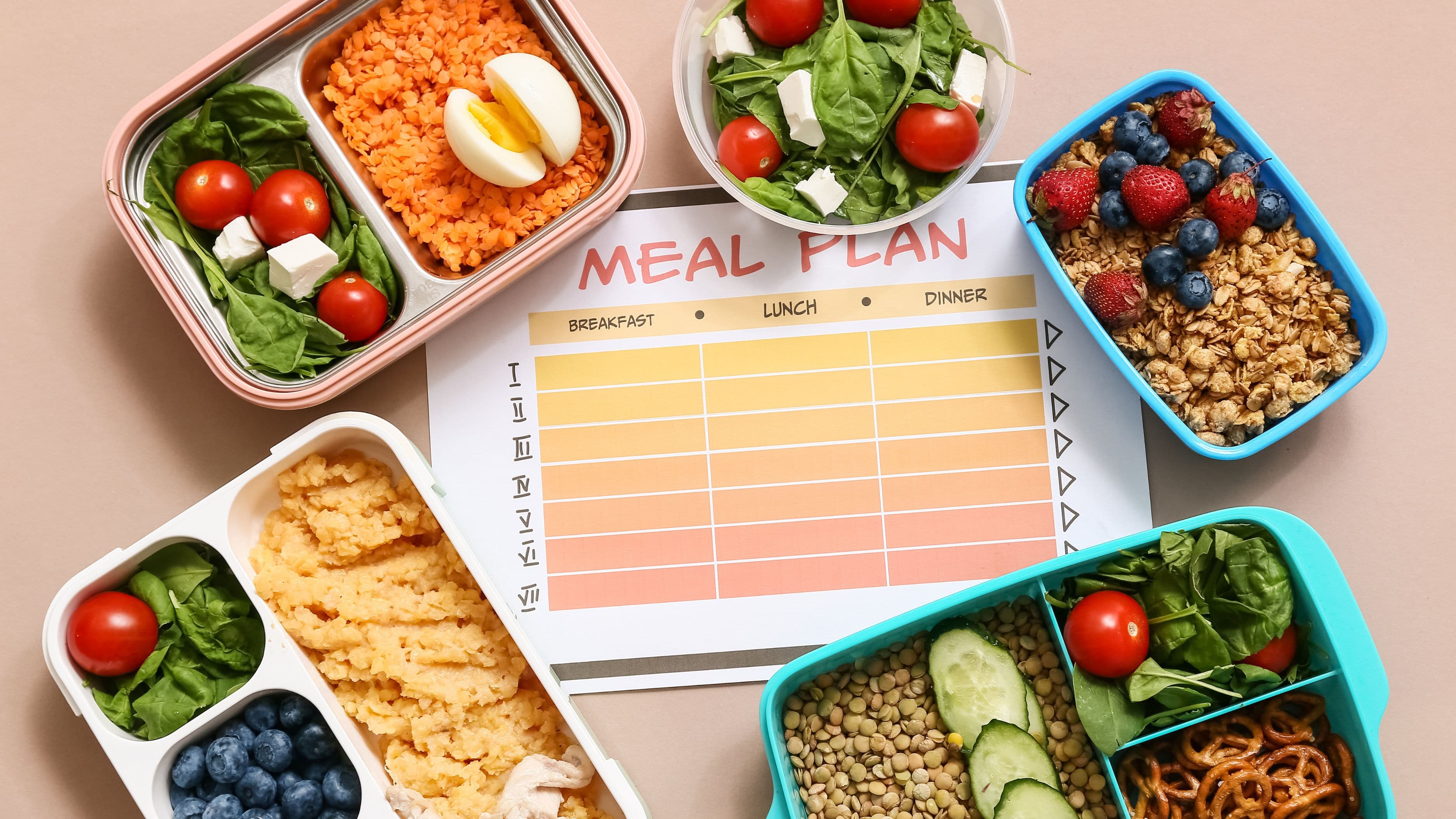
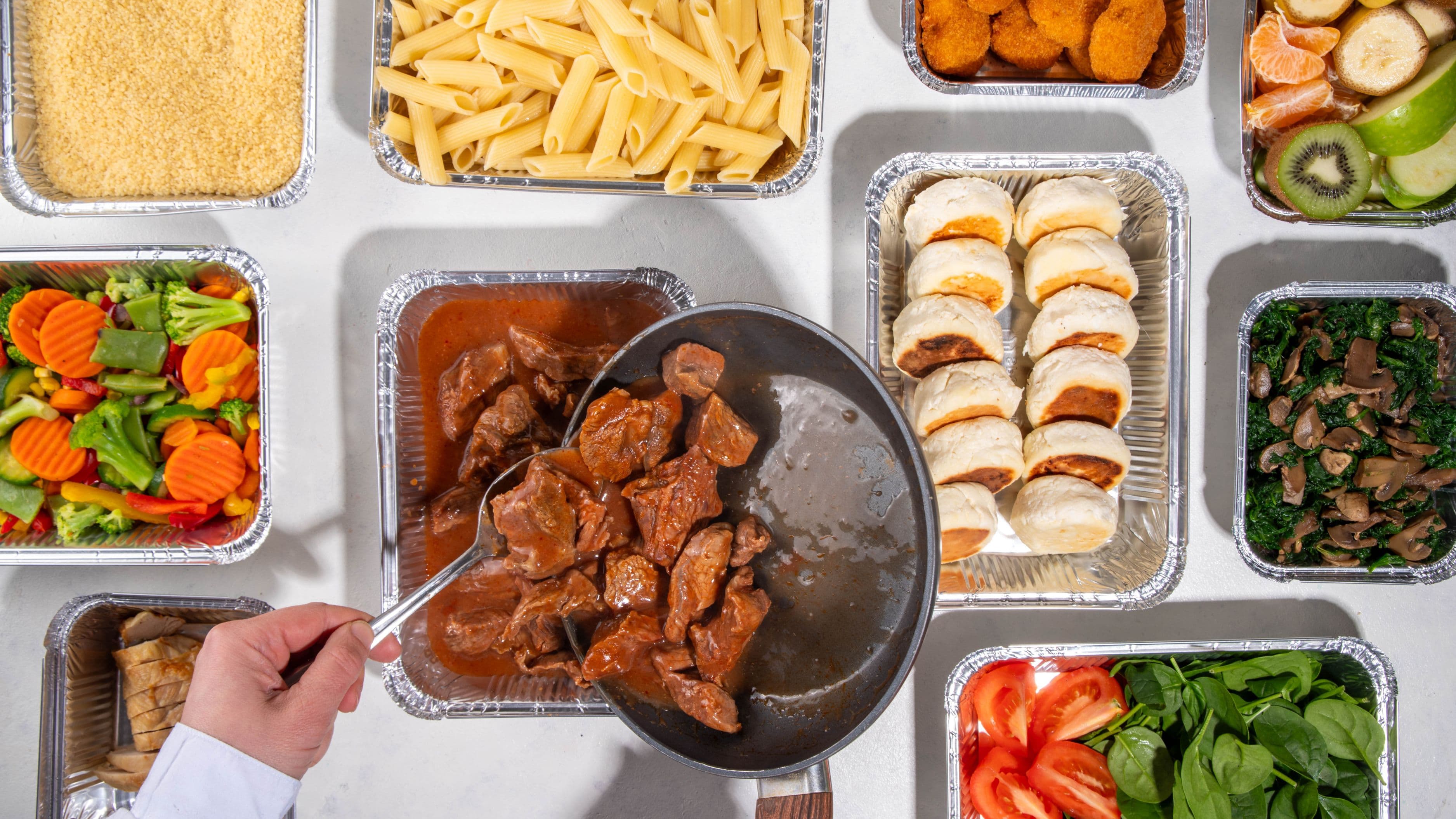
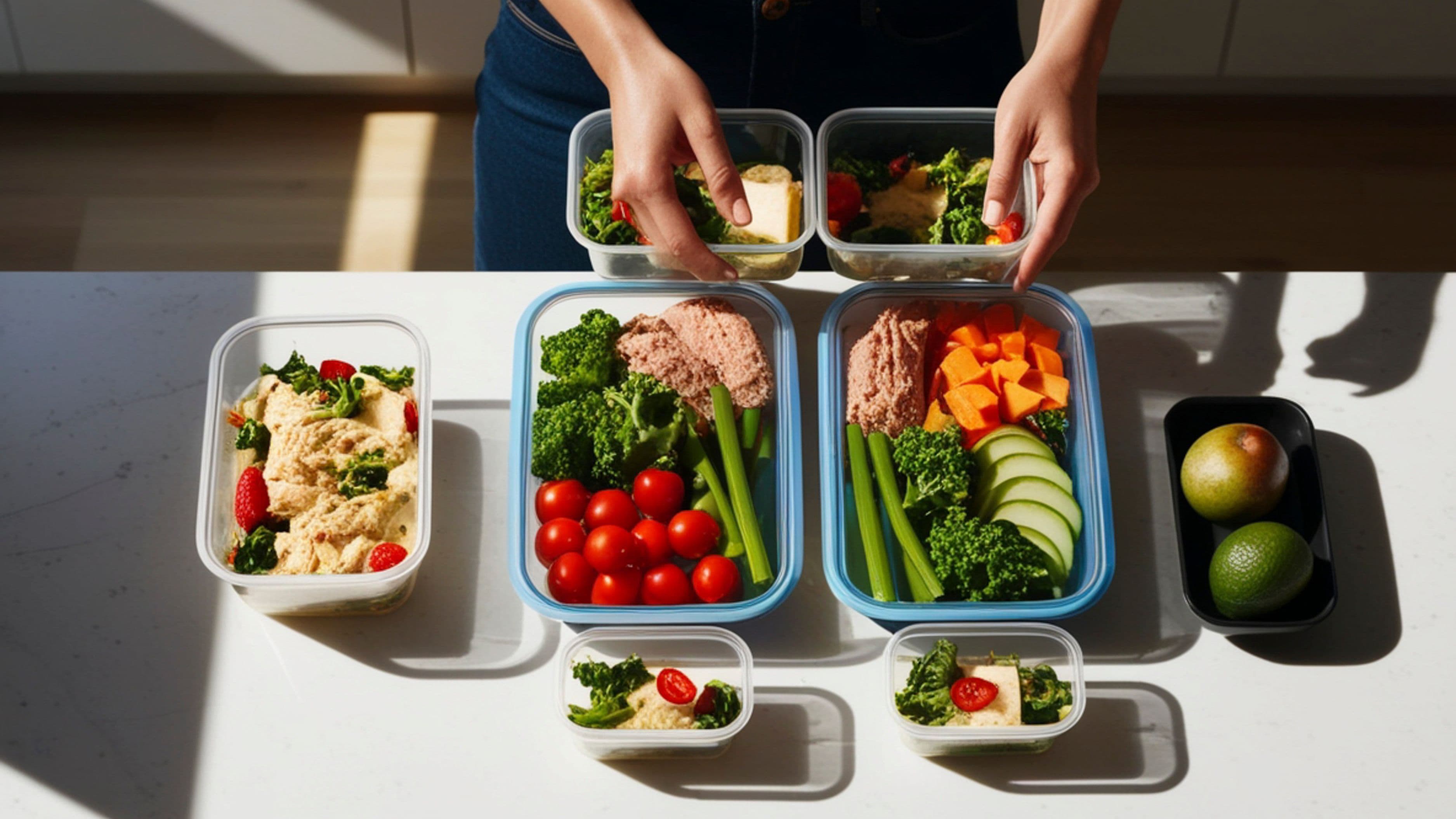
Batch-cook your protein anchors once or twice a week – a tray of roasted chicken thighs, a pot of lentils, or hard-boiled eggs – so that building a balanced meal on a busy day is mostly about assembly, not cooking from scratch every time. This is one of the biggest time-savers for this kind of intuitive approach, since the "anchor" step becomes instant once it's already prepped and in the fridge.
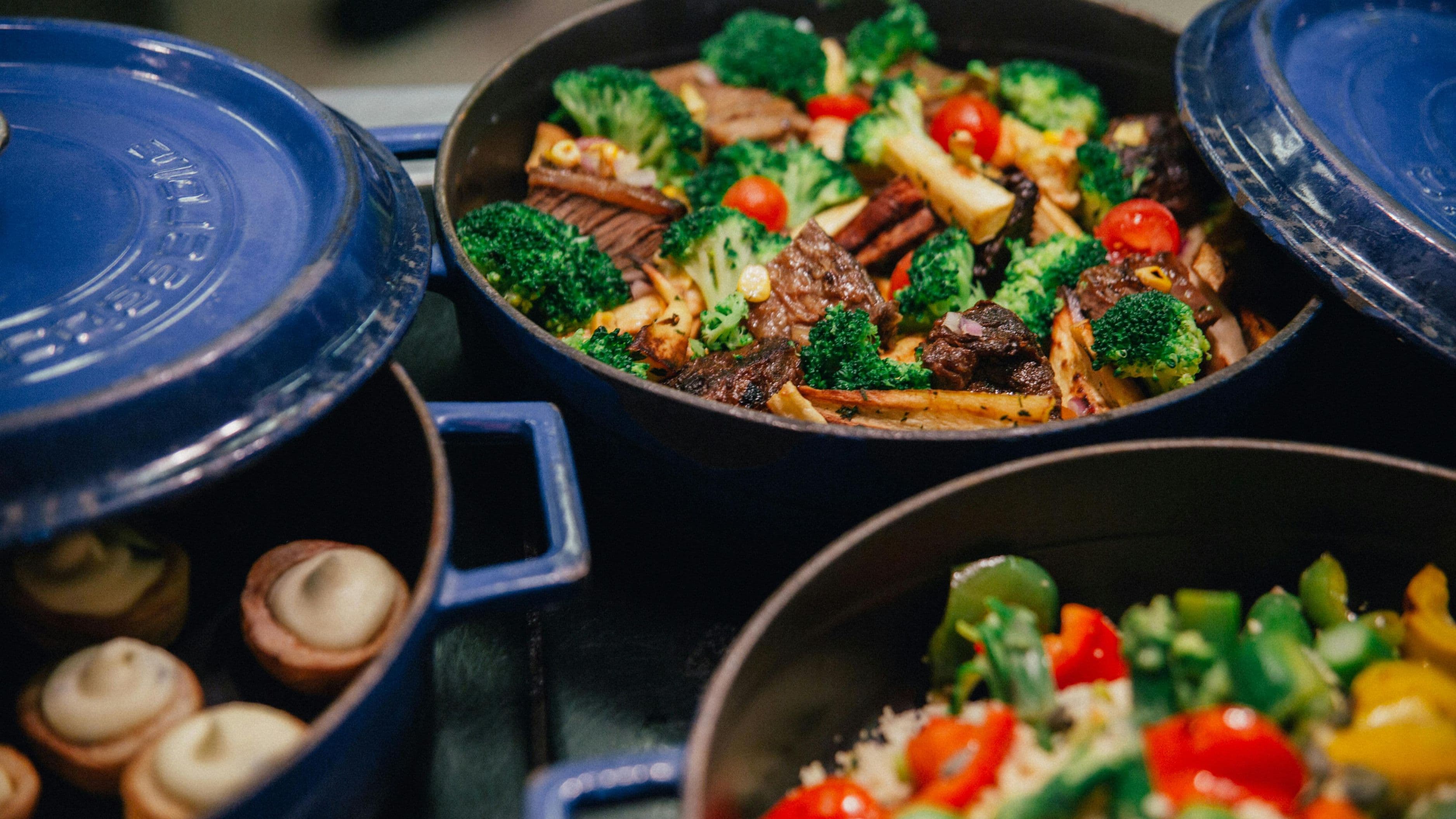
Keep a rotating list of a few go-to vegetable options that reheat or hold up well – roasted sweet potatoes, sautéed greens, roasted broccoli – so you always have a texture-and-fiber component ready to add without needing a new recipe every night. Variety matters for enjoyment, but you don't need a huge rotating list; three or four reliable options covers most weeks comfortably.
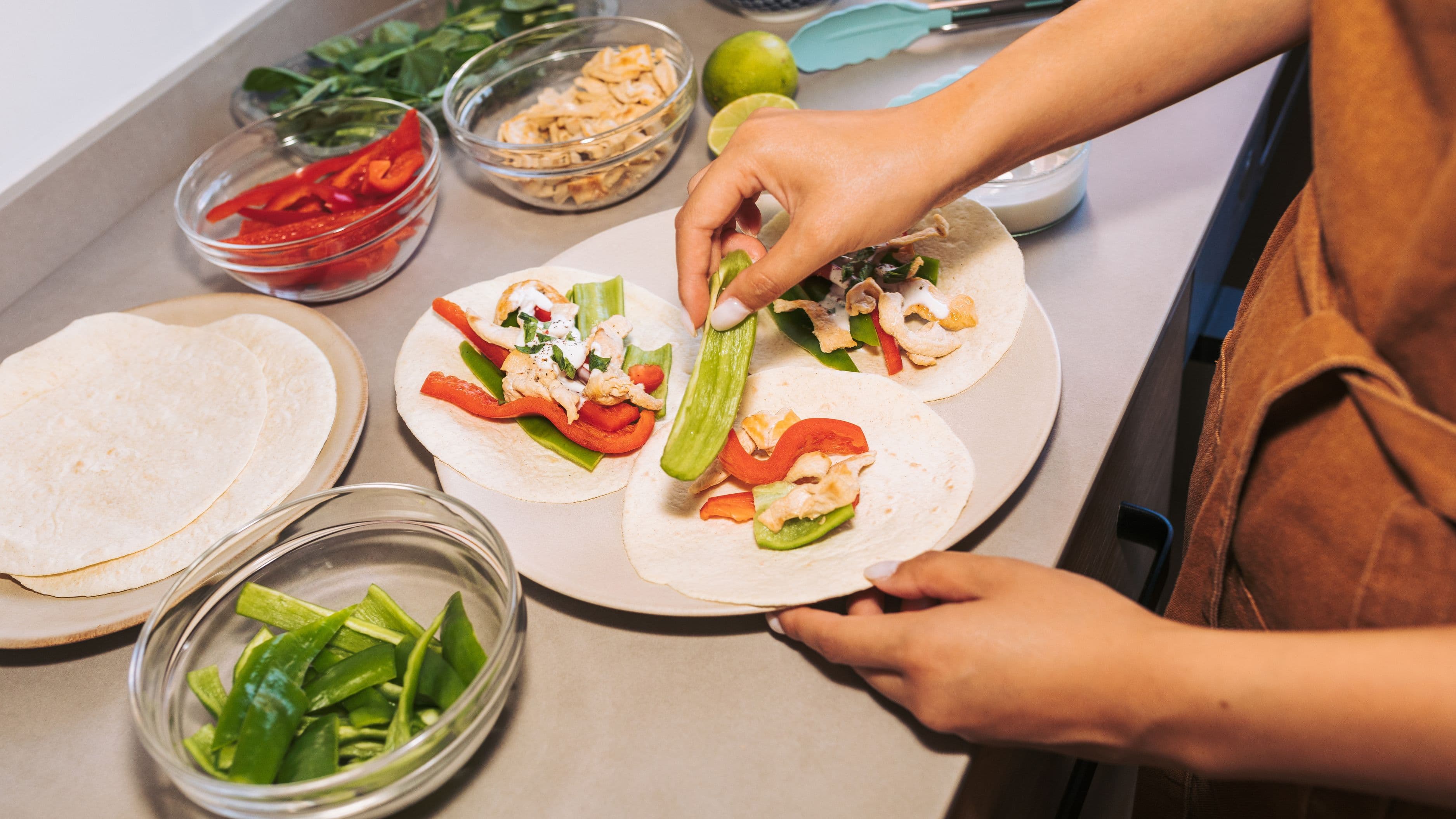
When you're genuinely short on time, lean on simple combinations rather than skipping the checklist altogether – a can of beans warmed with some frozen vegetables and a drizzle of olive oil takes minutes and still hits all three boxes, even though it's not an elaborate meal.
What to Avoid
The most common mistake with this approach is building a meal around a single dominant refined carbohydrate – a big bowl of pasta with just a light sauce, or a sandwich that's mostly bread – without pairing it with a real protein or fiber source to balance it out. This is usually what causes the energy crash people associate with "eating too much" when it's actually more about what was missing from the plate than how much was on it.
Another mistake is skipping meals entirely to "save time," which often backfires by leaving you low-energy and more likely to reach for something quick and sugary later out of genuine hunger, undoing any benefit from eating well at your other meals that day. A simple, balanced meal – even a fast one – tends to serve you better than skipping and compensating later.
It's also worth avoiding the trap of thinking this system requires perfect meals every time. Some meals will lean heavier on one element than another, and that's completely normal – the goal is a general pattern across most of your meals, not a strict rule you need to hit every single time.
FAQ
Do I need to eat a certain number of meals a day for this to work? No. This approach is about what's on your plate at each meal, not how many meals you eat. Apply the same checklist whether you eat three meals a day or a different pattern that works better for your schedule.
What if I don't like vegetables very much? Start with ones you actually enjoy or can tolerate well-seasoned, and don't force a huge variety right away. Even one consistent vegetable you like, prepared simply, is enough to bring real fiber and texture into a meal.
Can this work for a fast-paced lifestyle with little cooking time? Yes – the system is designed around quick building blocks rather than elaborate recipes. Batch-prepping a protein anchor and keeping a few easy vegetable options on hand makes most meals a matter of assembly rather than active cooking.
📚 Sources
"Carbohydrates and Blood Sugar" – Harvard T.H. Chan School of Public Health, hsph.harvard.edu
"Protein and Satiety" – Academy of Nutrition and Dietetics, eatright.org