A Quick Overview of the Cuisine
Filipino cooking reflects centuries of trade and cultural exchange, blending Malay, Chinese, Spanish, and American influences into something distinct from any single one of them. The defining characteristic across most Filipino dishes is a deliberate balance of sour, salty, and savory flavors, often achieved through vinegar, soy sauce, and a savory protein base working together in the same pot rather than layered in separately.
This balance-first approach is actually what makes the cuisine easier to learn than it might seem at first glance. Once you understand the role each flavor element plays, you start recognizing the same logic across very different dishes, from adobo to sinigang, which makes building an intuition for Filipino cooking faster than you'd expect.
Key Ingredients Worth Knowing
Vinegar, particularly cane or coconut vinegar, provides the sharp, tangy backbone found throughout Filipino cooking, most famously in adobo, where it balances the richness of soy sauce and meat. If you can't find Filipino cane vinegar specifically, white distilled vinegar or apple cider vinegar work as reasonable substitutes, though the flavor profile shifts slightly.
Soy sauce brings the salty, savory depth that pairs with vinegar in many braises and marinades, functioning almost like a flavor counterweight that keeps dishes from tasting purely sour or purely salty on their own.
Fish sauce (patis) adds a deep umami backbone to soups and sautéed vegetable dishes, used in smaller amounts than you might expect, more as a background seasoning than a dominant flavor.
Calamansi, a small citrus fruit similar to a cross between lime and mandarin, is used both as a finishing squeeze over dishes and as a marinade ingredient. Regular lime is the most accessible substitute if you can't find calamansi, and it gets you close enough for most home cooking purposes.
Bay leaves and whole peppercorns show up constantly in braised dishes like adobo, simmered low and slow to infuse the dish rather than being used as a finishing touch, which is part of why these humble ingredients carry more weight in Filipino cooking than they might in other cuisines.
Coconut milk anchors a number of Filipino dishes, particularly in the Bicol region, adding richness that balances spicier or more acidic components in the same pot.
Popular Dishes to Know
Adobo is the dish most people associate with Filipino cooking, and for good reason: it's a braise of meat (commonly chicken or pork) simmered in vinegar, soy sauce, garlic, bay leaves, and peppercorns until tender and deeply flavored. It's also one of the most forgiving dishes to start with, since the technique is essentially a simple braise, and the proportions of vinegar to soy sauce can be adjusted to taste without ruining the dish.
Sinigang is a sour soup, most commonly built around tamarind, featuring meat or seafood along with vegetables like radish, eggplant, and water spinach. The sour broth is the star here, and tamarind concentrate or paste (widely available in international grocery stores) makes building an authentic-tasting base far easier than starting from fresh tamarind pods.
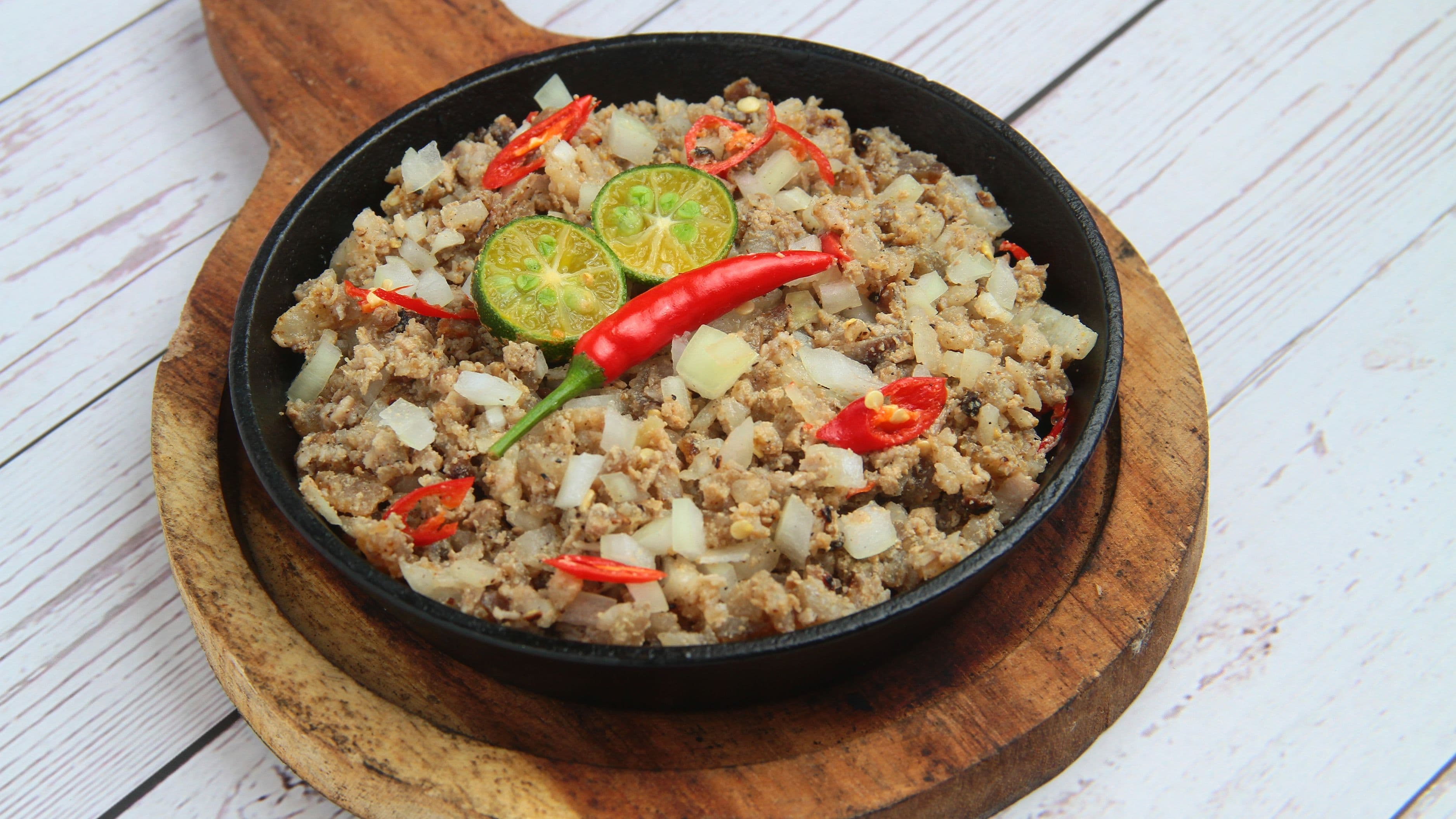
Sisig is a sizzling dish traditionally made from pork (often using parts like the face and ears, though home versions commonly use pork belly or shoulder for accessibility) seasoned with calamansi, onions, and chili, typically served on a hot plate that keeps it sizzling at the table. It's a flavor-packed dish that rewards a high-heat sear and a generous squeeze of citrus right before serving.
Lumpia are Filipino spring rolls, typically filled with seasoned ground pork and vegetables, then fried until crisp. They're a natural entry point for cooks already comfortable with spring roll or egg roll techniques from other cuisines, since the wrapping and frying process is similar even though the filling seasoning is distinctly Filipino.
Pancit refers to a category of noodle dishes, often stir-fried with vegetables, meat, and a soy-based sauce, varying widely by region and occasion. It's a flexible, forgiving dish that adapts well to whatever vegetables and protein you have on hand, making it a practical weeknight option once you understand the basic sauce ratio.
How to Start Cooking Filipino Food at Home
Begin with adobo, since it's genuinely one of the most beginner-friendly dishes in the cuisine despite its iconic status. The technique is a basic braise, the ingredient list is short and accessible, and the dish is forgiving enough that small adjustments to the vinegar-to-soy ratio won't derail the result, which makes it a low-pressure way to get a feel for how Filipino flavors balance against each other.
From there, pancit is a natural next step, since it teaches you how to build a savory, balanced sauce that works with a wide variety of vegetables and proteins, much like a flexible stir-fry you can adapt to what's in your fridge. Once you're comfortable with both of these, sinigang introduces you to the sour-soup side of the cuisine, rounding out your sense of how Filipino cooking moves between rich, savory braises and bright, tangy broths.
Tips for Best Results
Taste and adjust as you go, especially with adobo and sinigang, since the right balance of sour, salty, and savory is somewhat personal and varies even among Filipino households making the same dish. Don't rush the simmering time on adobo, since the dish genuinely improves with low, slow cooking that allows the vinegar's sharpness to mellow into the sauce rather than staying harsh.
If you're substituting calamansi with lime or tamarind paste for fresh tamarind, start with slightly less than a recipe calls for and adjust upward, since these substitutes can be more concentrated or differently balanced than the traditional ingredient.
What to Avoid
Avoid skipping the resting period after cooking adobo, since many Filipino cooks consider the dish to taste even better the next day once the flavors have had time to fully meld together. Don't overcrowd the pan when frying lumpia, since this drops the oil temperature and results in greasy, soggy spring rolls rather than the crisp exterior you're after.
It's also worth resisting the urge to under-season sinigang's sour broth out of caution, since a properly balanced sinigang should have a pronounced, confident sourness rather than a subtle hint of it, which is part of what makes the dish distinct.
FAQ
Is Filipino food spicy? Not inherently – while some dishes like sisig include chili for heat, much of Filipino cuisine focuses on the sour-salty-savory balance rather than spiciness, making it broadly approachable for those who don't enjoy very spicy food.
What's the easiest Filipino dish for a beginner to start with? Adobo is widely considered the most approachable starting point, since it uses a short, accessible ingredient list and a forgiving braising technique.
Can I make sinigang without fresh tamarind? Yes – tamarind concentrate or paste, widely available at international grocery stores, is a practical and commonly used substitute that simplifies the process significantly compared to working with fresh tamarind pods.
What can I substitute for calamansi if I can't find it? Regular lime is the most accessible and commonly recommended substitute, providing a similar bright, citrusy note even though the exact flavor profile differs slightly.
Filipino cooking rewards a willingness to taste and adjust as you go, more than it demands precision or hard-to-find ingredients. Start with a dish like adobo, get comfortable with how sour, salty, and savory work together, and the rest of the cuisine starts to open up a lot faster than you'd expect.
📚 Sources
Smithsonian Magazine – The Globalization of Filipino Food - https://www.smithsonianmag.com/arts-culture/filipino-food-finally-getting-recognition-deserves-180970838/
NPR – Understanding the Flavors of Filipino Cuisine - https://www.npr.org/sections/thesalt/2018/05/24/613833297/why-filipino-food-hasnt-caught-on-in-america-yet