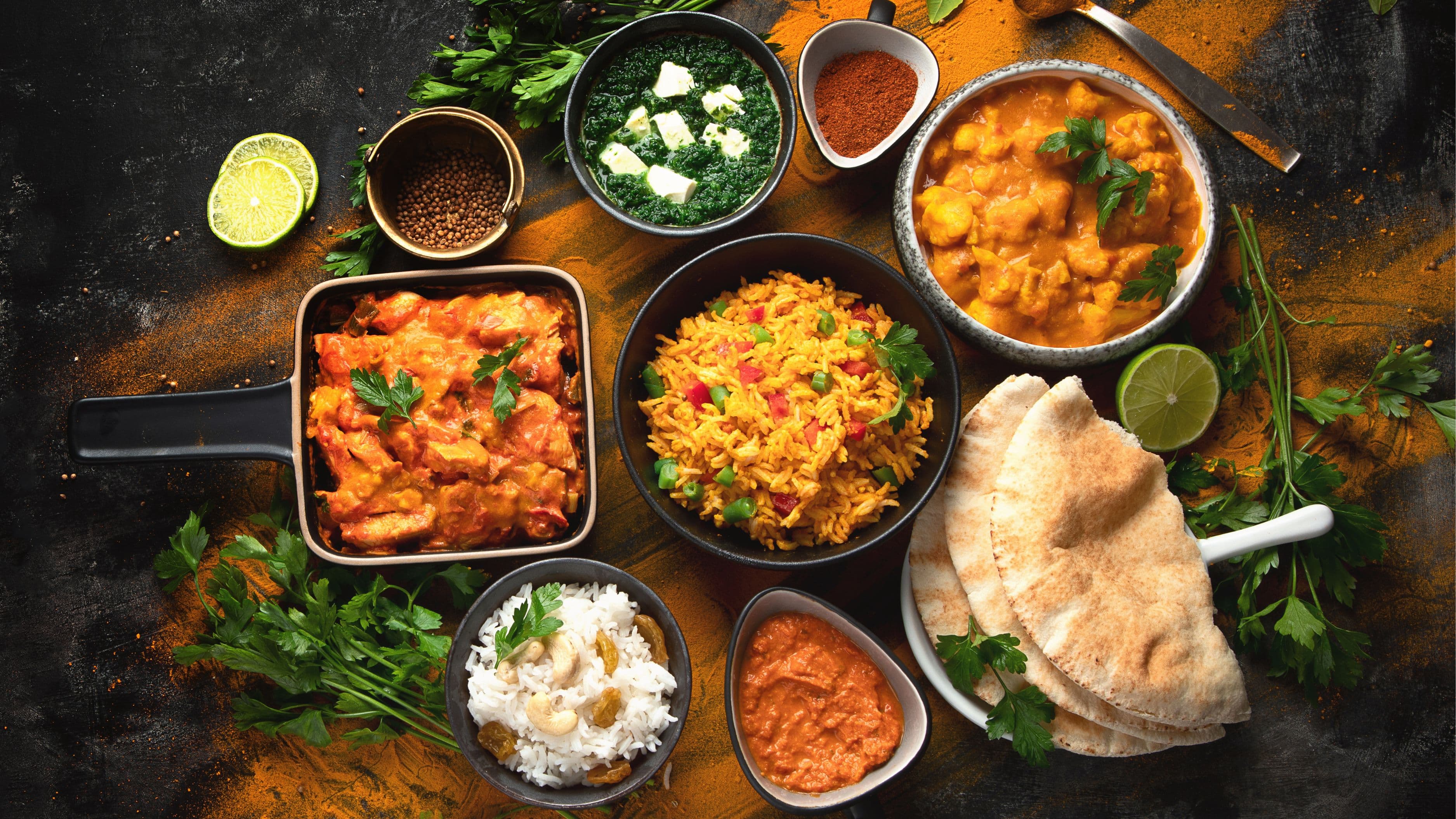
This isn't a recipe article. It's the foundation that makes every Indian recipe you try work better.
Rule 1: Spices Are a Process, Not a Seasoning
The biggest conceptual difference between Indian cooking and most Western cooking is what you do with spices. In Western cooking, spices are typically added late – a pinch at the end, stirred in for seasoning. In Indian cooking, spices are cooked first, in fat, at the beginning of the dish. That step is called the tadka (or tarka), and it changes everything.
When whole spices – cumin seeds, mustard seeds, cardamom pods, cloves – hit hot oil or ghee, they bloom. The fat pulls out fat-soluble flavor compounds that water-based cooking can't reach. Cumin seeds sizzle and darken slightly in 30–60 seconds, releasing a toasty, earthy aroma that's completely different from raw cumin. Mustard seeds pop and turn nutty. The result is a fragrant oil that then carries those flavors into everything else that goes into the pot.
The same principle applies to ground spice blends (masalas) added to onion and tomato base. They're never dumped in at the end – they're added to the hot base and cooked for 1–3 minutes until the raw smell cooks off and the spices take on a deeper, integrated quality. If you've ever made an Indian dish where the spices tasted sharp or dusty rather than rounded and warm, skipping or rushing this cooking step is almost certainly why.
The practical rule: When a recipe says "add spices and cook for 2 minutes," that step is not optional. It's not about preventing burning. It's about building flavor that can't be built any other way.
Rule 2: The Onion-Tomato Base Is the Foundation of Most Dishes
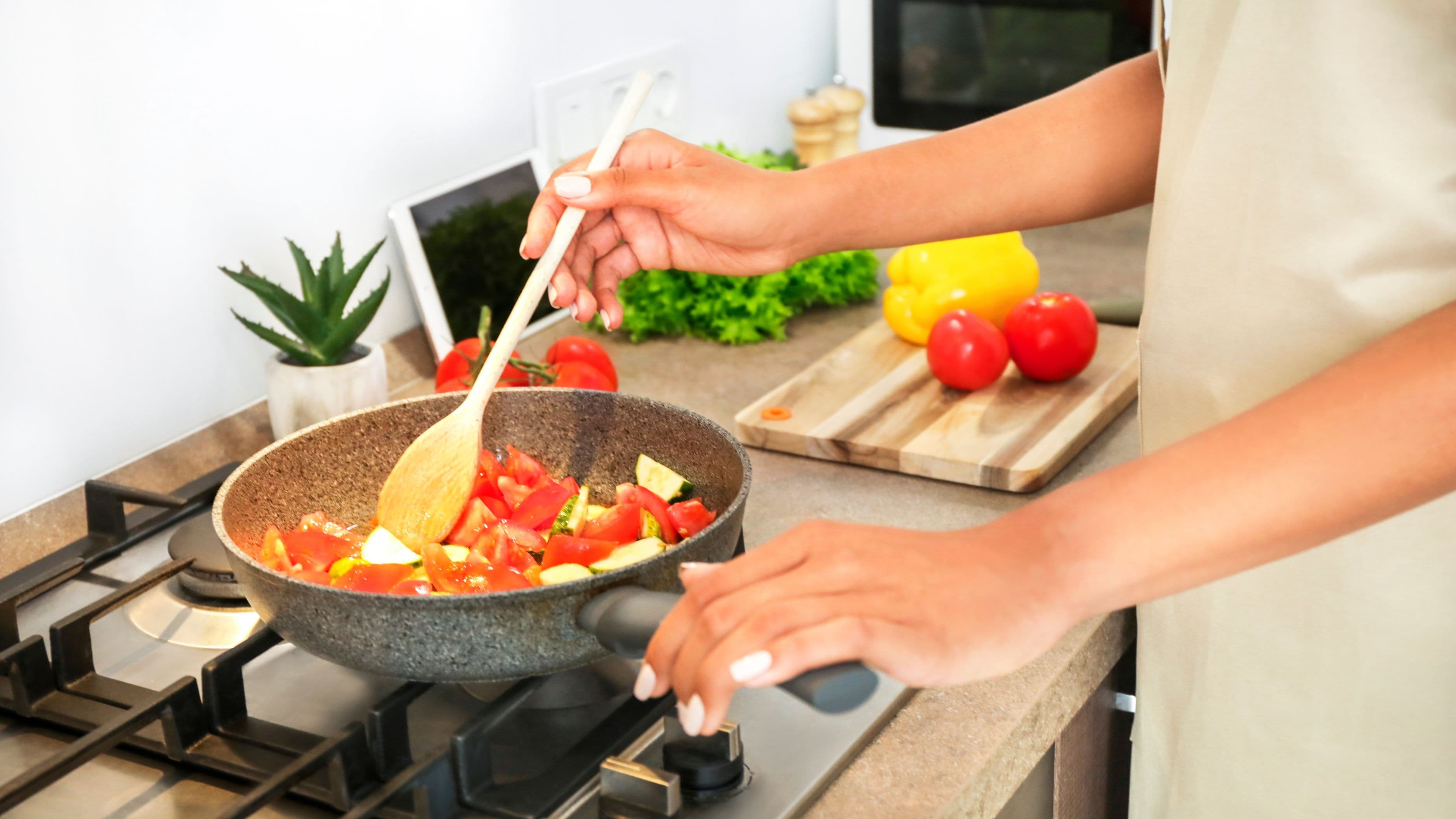
The flavor base of the majority of North Indian curries, dals, and vegetable dishes follows a specific sequence: aromatics first, onion cooked down, tomato added and reduced, spices cooked into that base. Understanding this sequence means you can build almost any curry from scratch without a recipe, just by varying the spices and the main ingredient.
Onion cooked correctly is the key. Raw onion has a sharp, pungent flavor. Onion cooked to translucent has a mild, sweet baseline flavor that softens the dish. Onion cooked further to golden-brown (8–12 minutes over medium heat with occasional stirring) develops a sweet, nutty depth that's the foundation of the most flavorful curries. This is the step most beginners rush, and it's the step that most affects the final result. The onions are ready when they're deeply golden and slightly jammy, not when they're just clear and soft.
Tomato goes in after the onion and serves a different purpose. It adds acidity to balance richness, liquid to help spices cook without burning, and a slight thickness once it reduces. Cook the tomato down until most of the water has evaporated and the mixture starts to look like a paste rather than a wet sauce – this can take 5–8 minutes over medium heat. At that point, add ground spices and cook them into that dry base. The paste consistency prevents spices from burning while they bloom in the residual fat from the onion.
The practical rule: Take the time your onions need. If you've been cooking them for 4 minutes and they're still pale and firm, they need more time. The dish will wait.
Rule 3: Ginger and Garlic Are Almost Always a Pair
In Indian cooking, ginger and garlic appear together in nearly every savory dish, usually added right after the onion and before the tomato. The standard ratio is roughly equal parts, often blended into a paste for ease (a 50/50 mix of peeled ginger and peeled garlic blended with a little water) or grated fresh. They're not interchangeable and they're not optional in most dishes – garlic adds pungent depth, ginger adds warmth and brightness, and together they create a flavor note that's distinctly Indian.
Ginger-garlic paste added to a hot pan with oil needs to cook for 2–3 minutes until it no longer smells raw. Raw garlic in a curry is sharp and harsh. Properly cooked ginger-garlic paste becomes fragrant and sweet-savory, the background note that makes you taste a dish and think "this tastes like an actual Indian restaurant dish." If your curries taste a little flat or lacking, insufficient cooking of the ginger-garlic is frequently the cause.
Storing a batch of homemade ginger-garlic paste in the refrigerator (it keeps for about a week) or freezing it in ice cube trays (individual portions are easy to pop out as needed) makes it practical for weeknight cooking without the prep every time.
The practical rule: Equal parts ginger and garlic. Cook it until fragrant before anything else goes in. Don't rush it.
Rule 4: Layering Spices Builds Complexity
Indian dishes frequently use spices at multiple stages – whole spices in the fat at the start, ground spices in the middle of cooking, and finishing spices or fresh elements added at the end. Each layer adds a different dimension of flavor because each cooking method extracts different compounds.
Whole spices bloomed in oil at the start provide aromatic top notes. Ground spices cooked into the base provide the deep, warm body of the dish. Finishing additions – a squeeze of lemon, a handful of fresh cilantro, a pinch of garam masala stirred in just before serving – add brightness that would be lost if those elements had cooked for an hour.
Garam masala is worth understanding specifically, because it's often used incorrectly. It's a warm, aromatic spice blend (the exact composition varies by region and brand, but typically includes cinnamon, cloves, cardamom, black pepper, and cumin) that's designed to finish a dish, not cook through it. Adding a teaspoon of garam masala at the end of cooking, off the heat or in the last 2 minutes, preserves the delicate aromatic notes. Adding it early just lets those notes boil away, leaving bitterness without the fragrance. If you have a jar of garam masala that you add at the beginning with the other ground spices, try moving it to the end of cooking – the difference is noticeable.
The practical rule: Garam masala goes in last. Whole spices go in first. Ground spices go in the middle.
Rule 5: Acid, Fat, and Dairy Create Balance
Indian cooking uses fat, acid, and dairy in specific and important ways to create the balance that makes a dish taste complete rather than one-dimensional.
Fat carries flavor and rounds off sharpness. Ghee (clarified butter) is the traditional cooking fat for much of Indian cuisine and adds a rich, nutty quality that neutral oil doesn't. It's not essential for most dishes, but using ghee for the tadka – even if you cook the rest of the dish in a neutral oil – makes a meaningful difference. Ghee has a high smoke point and keeps for months at room temperature in a sealed container.
Yogurt appears in marinades, as a cooking liquid added in small amounts to braises and curries (where it must be stirred in gradually over low heat to prevent curdling), and as a condiment. Raita – yogurt seasoned with cumin, fresh cucumber, cilantro, and sometimes a pinch of chili – serves as a cooling counterpart to spiced dishes and is one of the most useful simple recipes to add to your regular repertoire. It takes 5 minutes and makes anything it's served alongside taste more complete.
Cream or coconut milk is added late in cooking to specific dish styles (butter chicken, tikka masala, coconut-based South Indian curries) to add richness and cool spice intensity. Like yogurt, it goes in toward the end of cooking over lower heat.
Acid comes from tomatoes, tamarind, yogurt, or fresh lemon juice. Most Indian dishes need at least one acidic element to provide contrast and make the spice flavors pop. A finished dish that tastes flat or muddy despite good spicing often just needs a squeeze of lemon.
The practical rule: If a dish tastes complete but somehow flat, try a small squeeze of lemon before adding more salt. Fat rounds and integrates. Acid brightens and defines.
Rule 6: Fresh and Dried Herbs Have Different Roles
Cilantro is the most common fresh herb in Indian cooking and it always goes on at the end – stirred in off the heat or scattered over a finished dish. Cooking cilantro for more than a minute destroys the volatile compounds that make it fresh and bright. Think of it as a finishing element, not a cooking ingredient.
Dried fenugreek leaves (kasuri methi) are a less-known ingredient that experienced Indian cooks use frequently. They're crumbled and added in the last few minutes of cooking, and they contribute a faintly bitter, slightly maple-like note that adds depth to butter-based curries and dals. A small amount goes a long way. If you've ever tasted a dal or butter masala at a good Indian restaurant and thought "there's something in here I can't identify," it's often this. It's inexpensive, available at any Indian grocery store, and keeps indefinitely dried.
The practical rule: Fresh cilantro always finishes a dish. Kasuri methi is the secret depth note worth learning.
The Dishes to Start With
Understanding the rules is most useful when applied to actual cooking. Three dishes teach you the most fundamental Indian cooking techniques and give you the best return for effort.
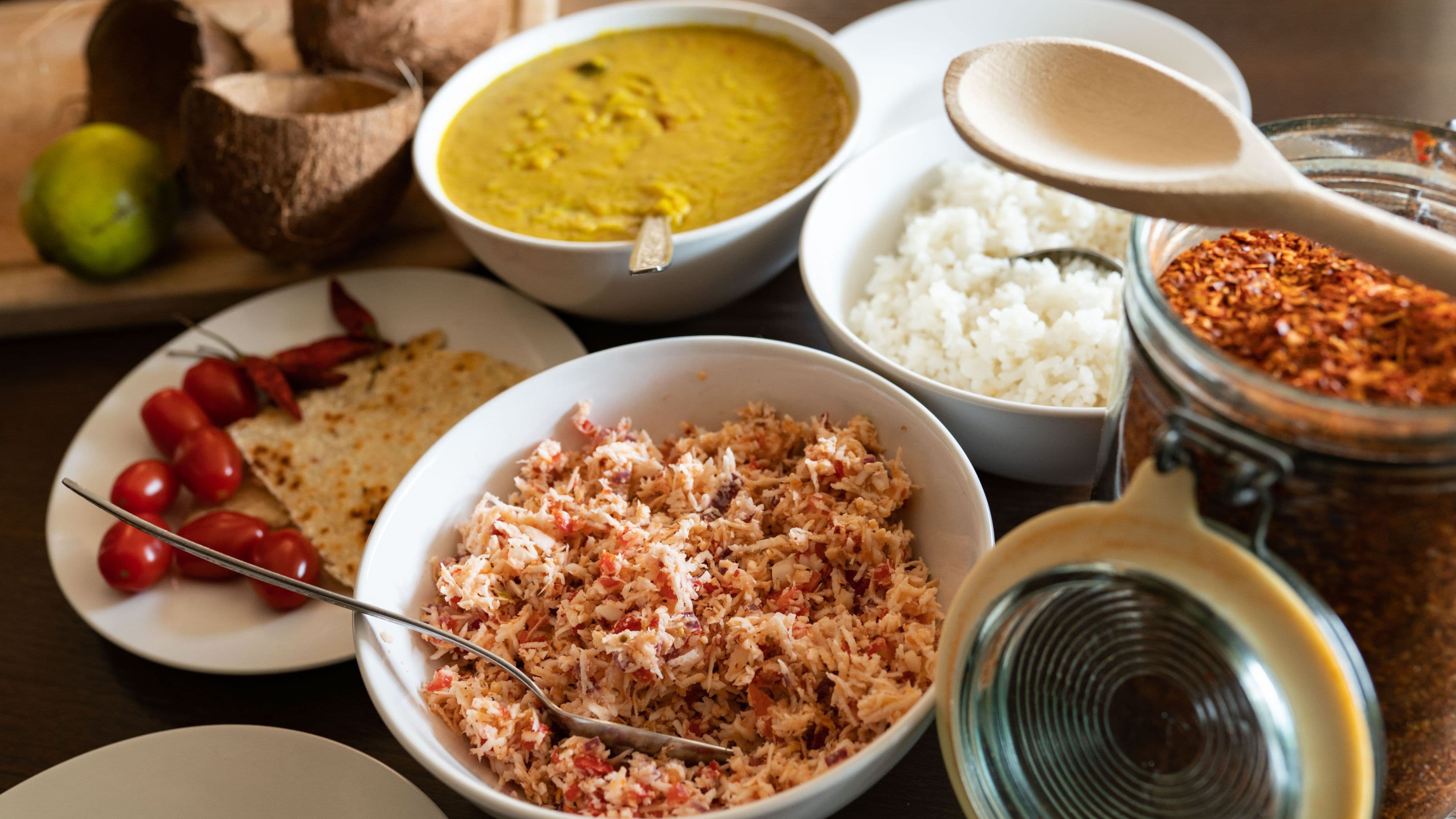
Dal tadka is the ideal starting dish. It teaches you the tadka (blooming spices in fat), the layered base, and finishing techniques – all in one relatively simple recipe. Cooked yellow lentils become the canvas, and a separately prepared tadka of ghee, cumin seeds, garlic, dried chili, and tomato is poured sizzling over the top just before serving. It's humble, deeply satisfying, and once you can make it well, you've learned the core logic of most North Indian cooking.
Aloo gobi (potato and cauliflower) is a dry-style dish that teaches you how to cook vegetables in spices without a sauce, which is a completely different technique from wet curries. It's forgiving, uses vegetables most kitchens have, and the masala that coats the vegetables is a perfect application of the ground-spice-into-base approach.
Chicken tikka masala or butter chicken is the wet curry that most Western cooks want to nail, and it's genuinely achievable at home. The technique involves marinating chicken in yogurt and spices, cooking it separately with high heat to get some char, then finishing it in a tomato-cream-based sauce. It's a multi-step dish but none of the steps are technically difficult, and once you've done it once, the method is repeatable for dozens of variations.
Common Mistakes to Avoid
Adding too many spices doesn't make a dish taste more Indian – it makes it muddy and confusing. Most authentic home-style Indian dishes use 4–7 spices, not 15. Start with core spices (cumin, coriander, turmeric, chili powder, garam masala) and build from there as you get more comfortable.
Using pre-made curry powder as a substitute for individual spices produces a distinctly different result. Curry powder is a British-Indian hybrid blend that's convenient but lacks the nuance of individually chosen and balanced spices. Use it if it's what you have, but understand that it's a shortcut with trade-offs.
Skipping the rest time after cooking matters more than people realize. Indian dishes – especially dals and curries with complex bases – taste better after 10–15 minutes of resting off the heat before serving. The spices continue integrating and the flavors settle into each other. If something tastes a little harsh or disconnected right off the stove, try it again after a rest.
FAQ
Do I need to buy a lot of spices to get started? No. A focused starter set covers most dishes: cumin seeds, cumin powder, coriander powder, turmeric, chili powder (Indian red chili or Kashmiri chili for milder color), garam masala, and mustard seeds. With those seven, you can make most fundamental Indian dishes. Add fenugreek seeds and cardamom pods once you're comfortable. Shop at an Indian grocery store rather than a supermarket – the quality is better and the prices are dramatically lower.
How do I know if my oil is hot enough before adding spices? Drop one cumin seed in. If it sizzles immediately and floats to the surface, the oil is ready. If it sinks without sizzling, wait another 30 seconds. If it browns within seconds of going in, the heat is too high. This simple test works for any whole spice.
What's the difference between North Indian and South Indian cooking? North Indian cooking tends to be wheat-based (bread, roti, naan) with cream, ghee, and yogurt-based sauces using warming spices. South Indian cooking is predominantly rice-based, uses coconut in many forms (milk, oil, fresh grated), incorporates more mustard seeds, curry leaves, and tamarind, and tends toward lighter, more acidic flavor profiles. The rules in this article apply primarily to North Indian cooking – South Indian dishes have a related but distinct logic worth exploring separately.
Why does restaurant Indian food taste different from my home version? Three main reasons. First, restaurants cook in larger volumes, which changes how flavors develop. Second, they typically use more fat than home recipes suggest. Third – and most impactful – they cook their onion-ginger-garlic base much longer and more thoroughly than most home cooks have patience for. The caramelization that happens in a restaurant kitchen from cooking bases in bulk is hard to replicate in a small home batch, but taking extra time with your onion will close most of the gap.
Is Indian cooking spicy by default? Heat level in Indian cooking is entirely adjustable. The primary source of heat is chili (fresh or dried), and the quantity is your choice. Most traditional Indian dishes are flavorful and aromatic without being aggressively hot. Kashmiri chili powder is a great option for beginners – it gives the characteristic red color without significant heat. You can build dishes with full complexity and no real spiciness by using mild chili or omitting it entirely.
📚 Sources
Serious Eats – How to Make Indian Food: A Guide to Tadka, Masala, and the Basics – https://www.seriouseats.com/how-to-make-indian-food-basics-spices-tadka
America's Test Kitchen – The Basics of Indian Cooking – https://www.americastestkitchen.com/guides/cooking-indian-food
BBC Good Food – Guide to Indian Spices – https://www.bbcgoodfood.com/howto/guide/spice-guide-india
The Spruce Eats – What Is Garam Masala and How Is It Used? – https://www.thespruceeats.com/what-is-garam-masala-1807946
Madhur Jaffrey's Indian Cookery – Referenced via Publisher Overview – https://www.bbc.co.uk/food/chefs/madhur_jaffrey