Understanding the Foundational Flavor Building Blocks
Indonesian cooking relies heavily on bumbu, a term referring to the spice pastes that form the flavor base of countless dishes, typically ground from a combination of shallots, garlic, chilies, galangal, turmeric, and candlenuts, among other aromatics depending on the specific dish and regional style. This foundational paste, usually fried in oil before other ingredients are added, builds a depth of flavor that's difficult to replicate by simply adding individual spices separately during cooking.
Kecap manis, a thick, sweet soy sauce distinct from the saltier soy sauces more commonly used in other Asian cuisines, is another defining ingredient, providing both sweetness and a distinctive dark color to many Indonesian dishes. This ingredient alone is worth acquiring early if you're planning to cook Indonesian food regularly, since it's genuinely difficult to substitute effectively with other common pantry soy sauces given its distinct sweetness and thickness.
Essential Pantry Ingredients to Start With
Beyond kecap manis, building a basic Indonesian pantry involves acquiring galangal (a relative of ginger with a distinct, more citrusy and piney flavor), candlenuts (used to add richness and slight thickening to spice pastes, with macadamia nuts serving as a reasonable substitute if candlenuts aren't available locally), tamarind paste for sour flavor notes in certain dishes, and palm sugar for a more complex sweetness than regular white sugar provides.
Most of these ingredients are available at Southeast Asian grocery stores, and increasingly through online specialty retailers if a physical store isn't accessible in your area. Starting with a handful of these core ingredients, rather than attempting to acquire an extensive pantry all at once, is a reasonable way to begin without an overwhelming initial investment.
Beginner-Friendly Dishes to Start With
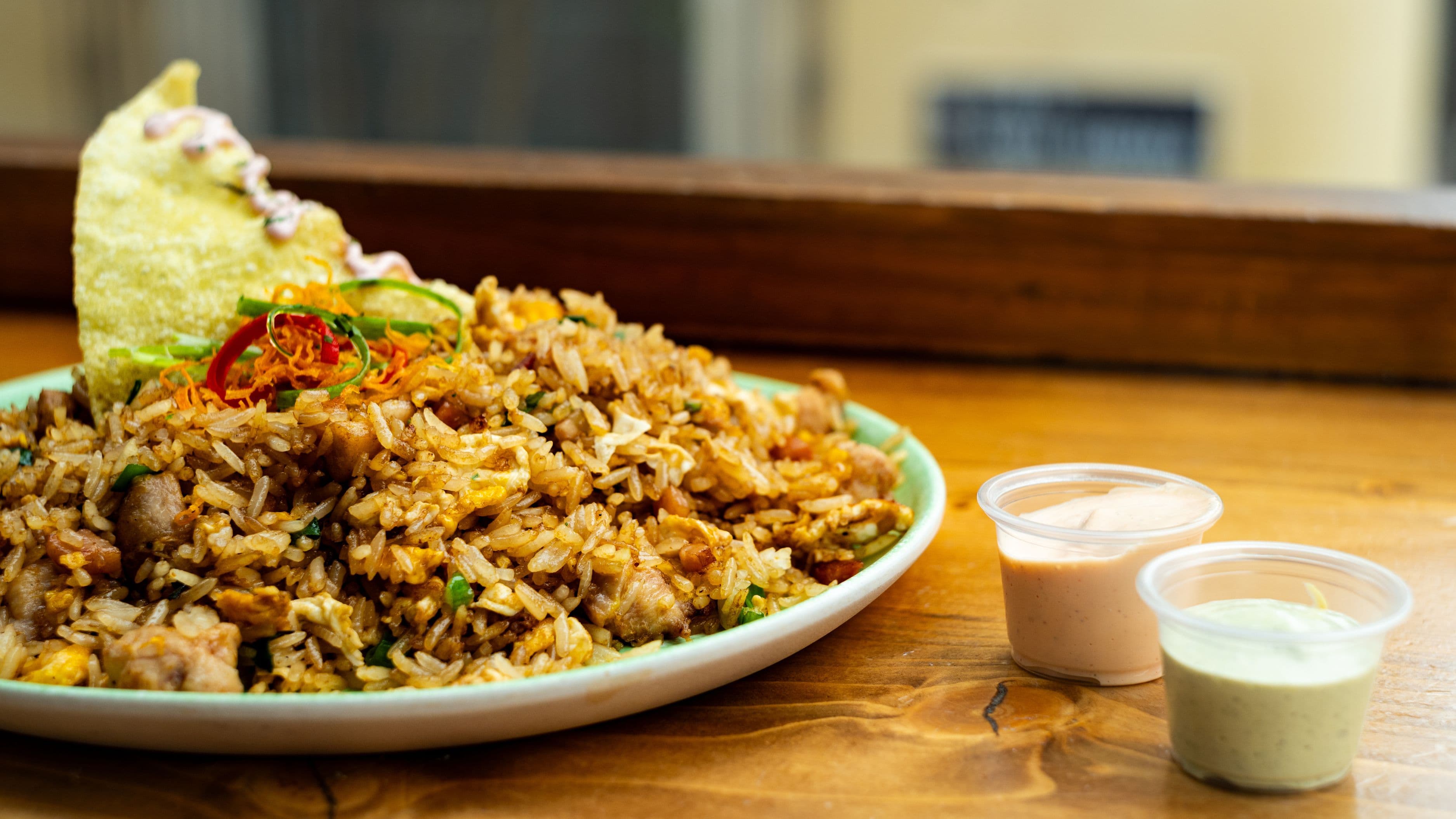
Nasi Goreng (Indonesian fried rice) is widely considered one of the most approachable entry points into Indonesian cooking, using a relatively simple bumbu base alongside kecap manis, and it's forgiving enough to accommodate whatever protein and vegetables you have on hand, making it a genuinely practical, adaptable dish for beginners.
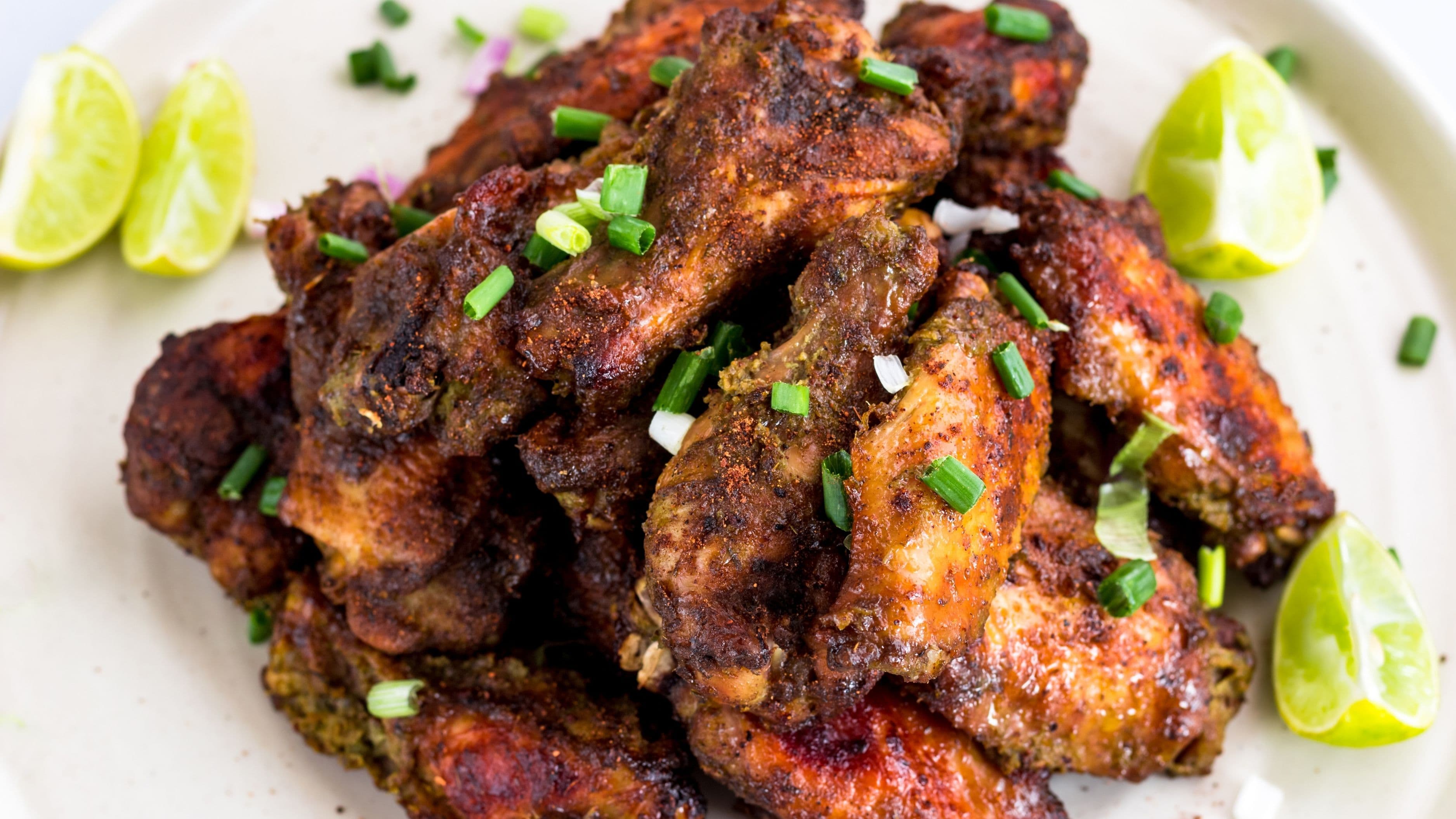
Ayam Goreng (Indonesian fried chicken) typically involves simmering chicken in a spiced, aromatic broth before frying, resulting in deeply seasoned meat throughout rather than just a surface-level coating, offering a good introduction to the layered flavor-building technique common across Indonesian cooking without requiring an extensive list of specialty ingredients.
Gado-Gado, a vegetable salad served with a rich peanut sauce, introduces the peanut sauce technique common across several Indonesian dishes while remaining relatively simple in overall preparation, making it a good entry point for understanding how Indonesian peanut sauces differ from similar sauces in other Southeast Asian cuisines through their specific spice and sweetness balance.
Building Your Spice Paste Technique
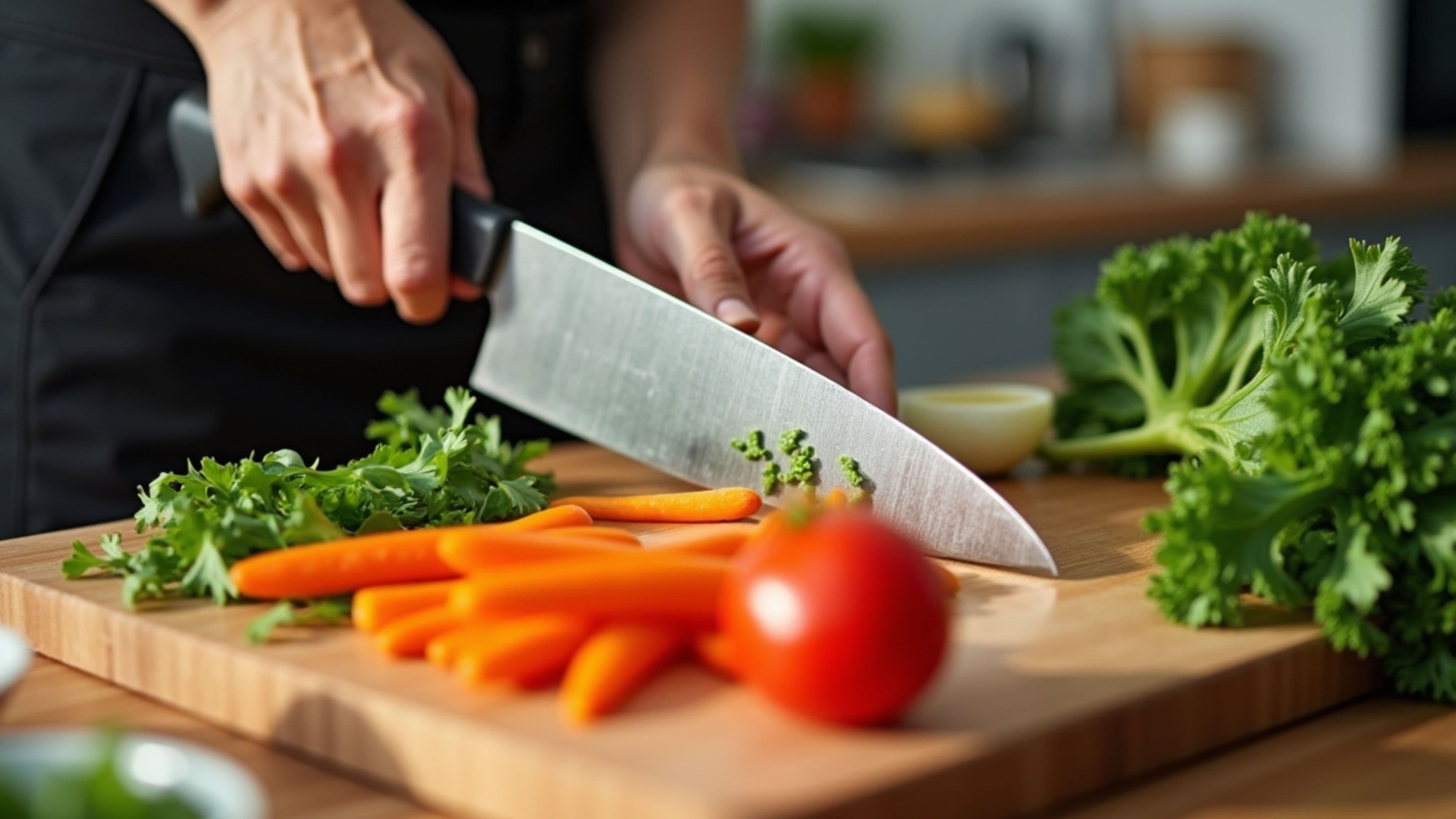
Most Indonesian recipes benefit from grinding your bumbu into a genuinely smooth paste rather than leaving it coarsely chopped, since a smoother paste integrates more evenly into the dish and allows the aromatics to properly render their flavor when fried at the start of cooking. A small food processor or a traditional mortar and pestle both work well for this, though a food processor considerably speeds up the process for larger batches.
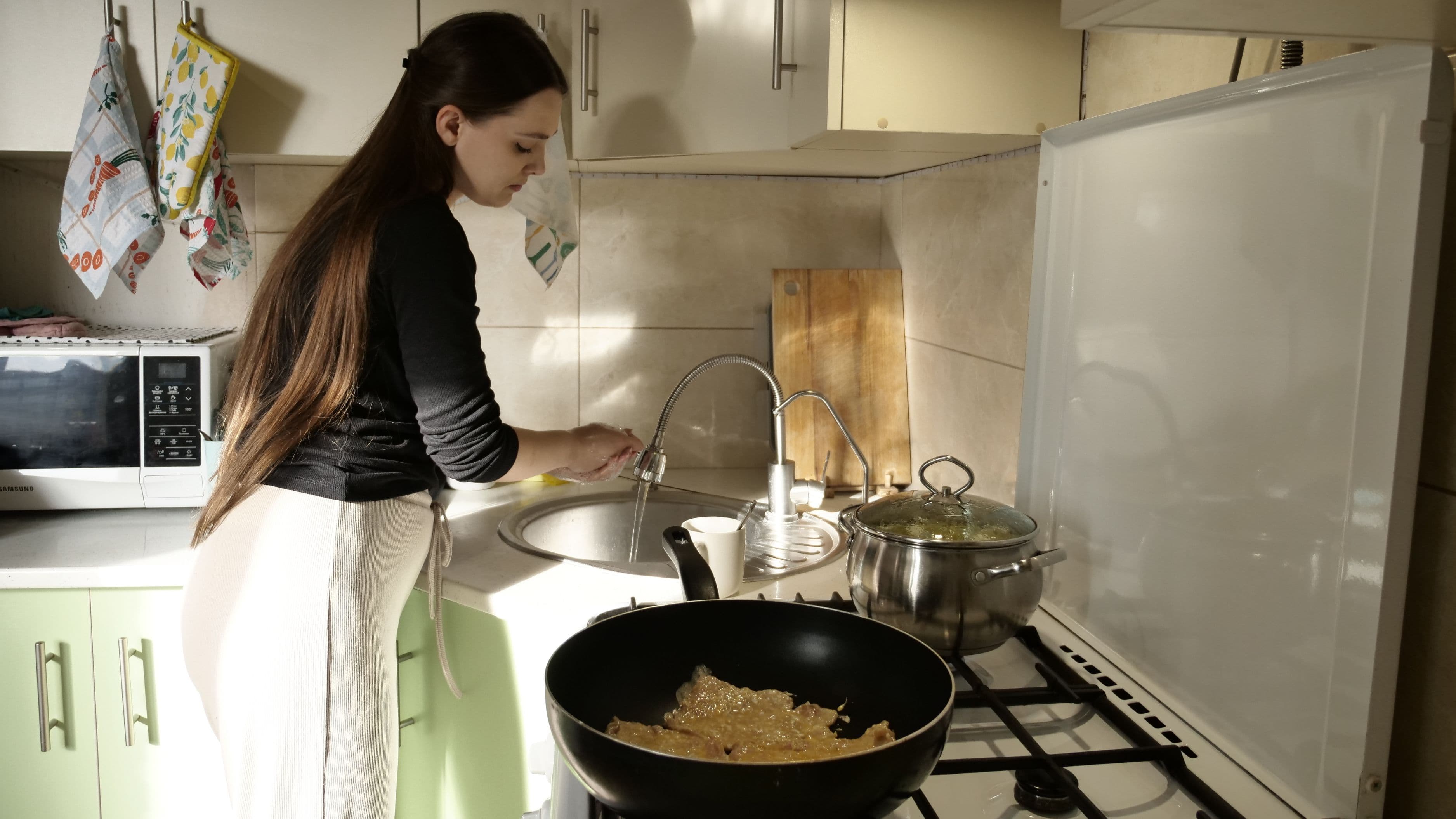
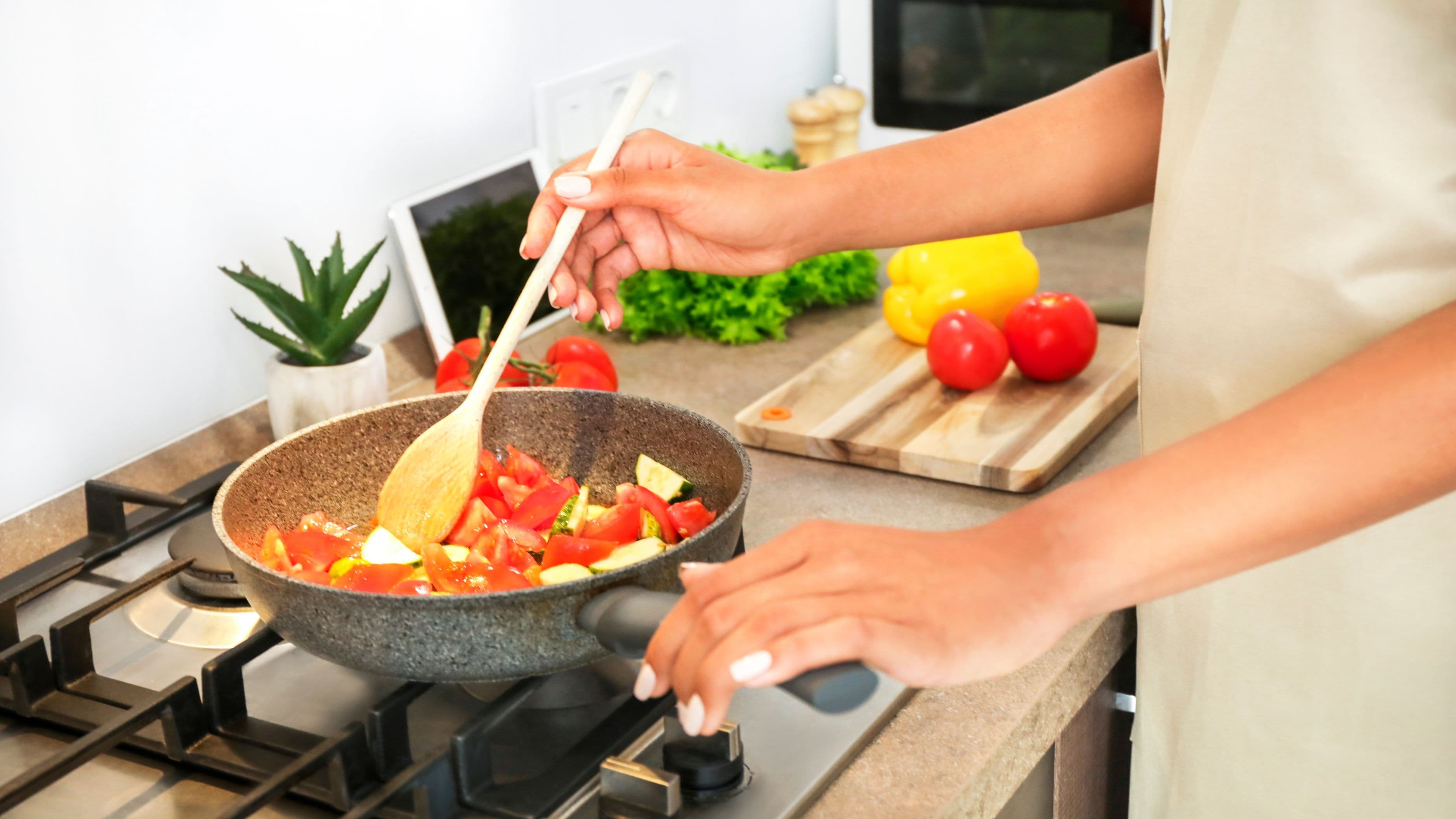
Frying the ground bumbu paste in oil until it becomes fragrant and slightly darker in color, typically 5-10 minutes over medium heat, is a crucial step many beginners rush through, but this step is specifically where the raw, sharp edges of the aromatics mellow into the deeper, more rounded flavor characteristic of well-made Indonesian dishes.
Common Mistakes to Avoid
Rushing the bumbu-frying step is one of the most common mistakes, since an undercooked spice paste retains a raw, sharp flavor that undermines the dish's overall depth, no matter how well the remaining cooking steps are executed. It's also worth avoiding substituting regular soy sauce for kecap manis without adjusting for the significant difference in sweetness and thickness, since this substitution changes the dish's flavor profile more substantially than many other common ingredient swaps might.
Skipping candlenuts or a reasonable substitute entirely, rather than omitting them without any replacement, is another common oversight, since they contribute a specific richness and slight thickening quality to many spice pastes that's noticeably absent if left out entirely without any substitute ingredient.
FAQ
Where can I find Indonesian ingredients if I don't have a specialty grocery store nearby? Online Southeast Asian grocery retailers ship many of these specialty ingredients nationally, making them accessible even without a local specialty store, though checking a few different retailers for the freshest, best-quality options is worth doing.
Is Indonesian food generally very spicy? This varies considerably by specific dish and regional style, with some dishes featuring significant chili heat and others being much milder, making it reasonable to adjust chili quantities in most recipes to match your personal spice tolerance without losing the dish's core character.
Can I make bumbu spice paste in advance and store it? Yes, many cooks prepare bumbu in larger batches and freeze portions for future use, which is a practical way to reduce prep time for future meals once you've built the initial batch.
What's a good starter recipe if I've never cooked Indonesian food before? Nasi Goreng is widely considered the most approachable starting point, given its relatively simple technique and flexibility with whatever proteins and vegetables you already have on hand.
📚 Sources
Indonesian Ministry of Tourism – Culinary Heritage Resources
The Culinary Institute of America – Southeast Asian Cooking Fundamentals