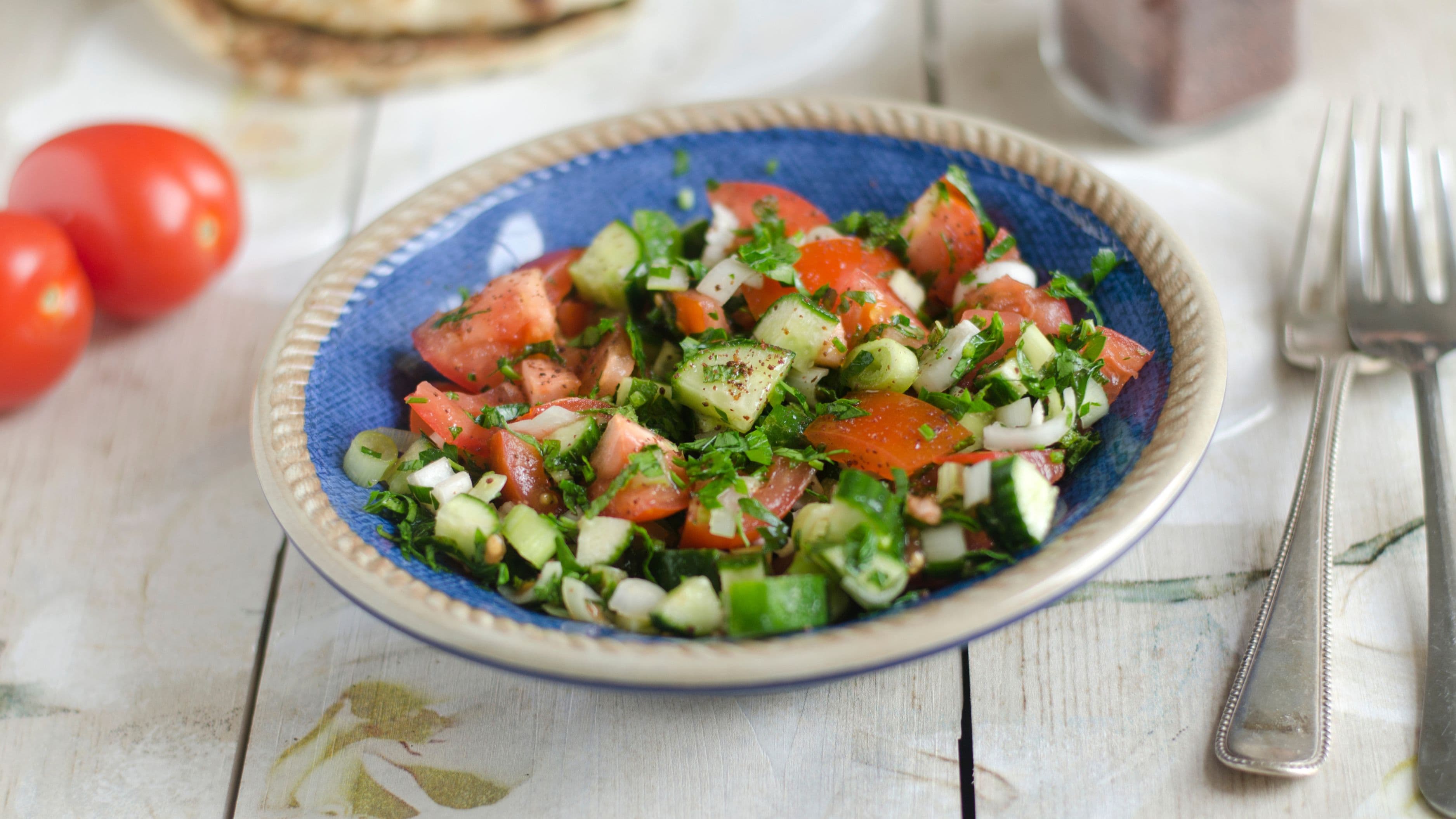
This isn't a dish that needs shortcuts to be easy. The traditional version already is easy, and once you understand the handful of details that actually matter, you'll have a salad that tastes like it came straight from a Tel Aviv market stall.
What You'll Need to Know Before Starting
Time: 15 to 20 minutes, almost entirely hands-on chopping time with no cooking required.
Skill level: Beginner-friendly. The only real skill involved is dicing vegetables into small, even pieces, and even an imperfect dice still tastes great.
Serves: 4 as a side dish.
Ingredients
4 Roma tomatoes, or another firm, low-moisture tomato variety
2 Persian or mini cucumbers (English cucumber works as a substitute)
1/2 medium red onion
1/4 cup fresh parsley, finely chopped
2 tablespoons fresh lemon juice (about 1 medium lemon)
2 tablespoons extra virgin olive oil
1/2 teaspoon salt, plus more to taste
1/4 teaspoon black pepper
Step-by-Step Instructions
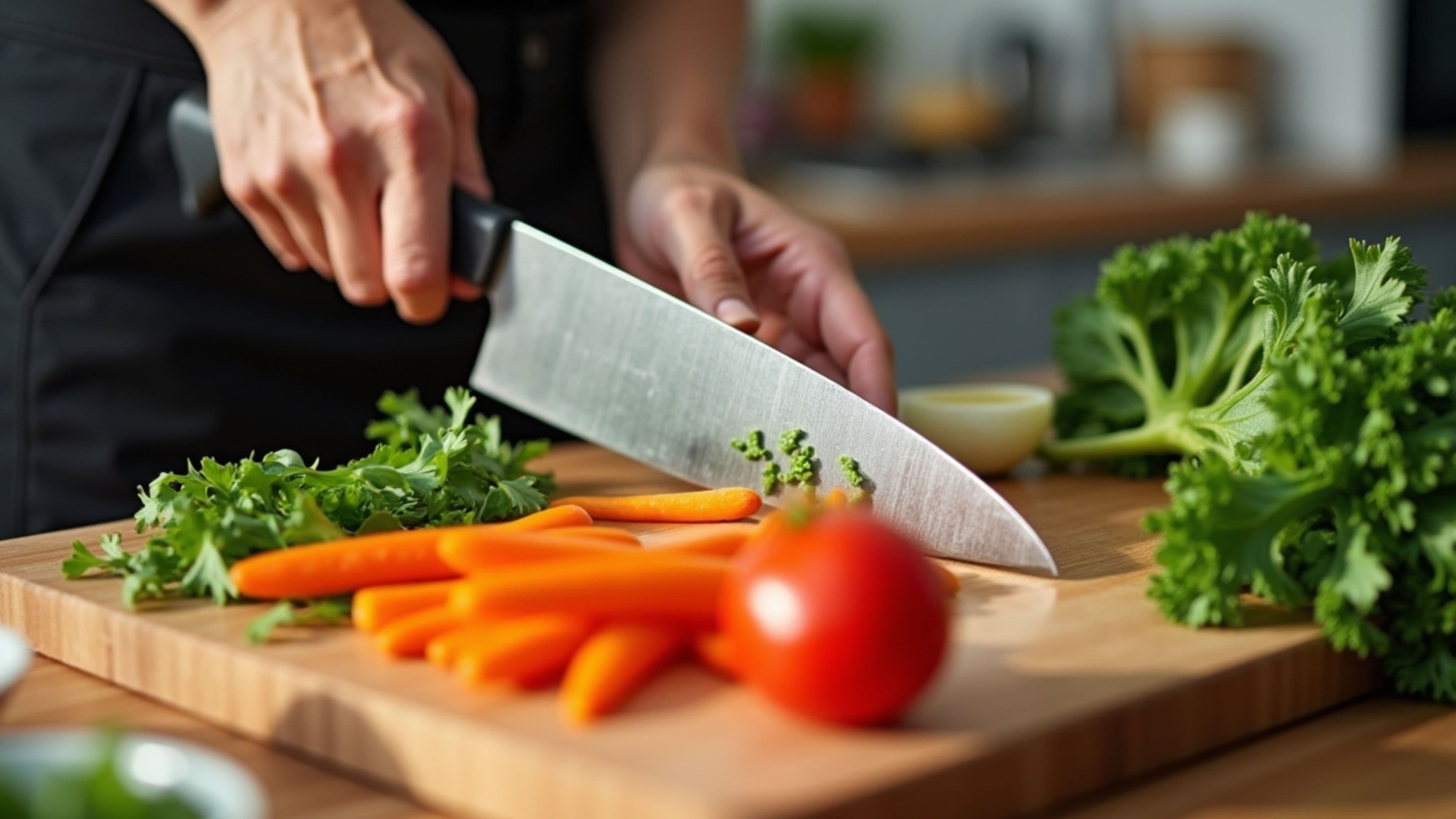
1. Dice your tomatoes finely and evenly. Cut the tomatoes in half, scoop out most of the seeds and excess liquid with a spoon, then dice the flesh into small, roughly 1/4-inch pieces. Removing the excess seeds and liquid here matters more than it seems, since a watery salad is one of the most common ways this dish goes wrong.
2. Dice the cucumbers to match the tomato size. Keep the peel on if you're using thin-skinned Persian or mini cucumbers, since it adds color and texture without the bitterness sometimes found in larger cucumber varieties. Cut them into the same small, even dice as the tomatoes, aiming for pieces roughly the same size so every bite has a balanced mix of both.
3. Mince the red onion very finely. Israeli salad traditionally uses a small amount of onion, minced much finer than the tomato and cucumber dice, since its role is to add sharpness in the background rather than dominate individual bites. If raw onion's intensity isn't your preference, soaking the minced onion in cold water for 5 minutes before adding it mellows the sharpness noticeably.
4. Combine the vegetables and parsley in a bowl. Add the diced tomatoes, cucumbers, minced onion, and chopped parsley together in a mixing bowl, tossing gently to distribute everything evenly before adding any dressing.
5. Dress simply, right before serving. Drizzle the lemon juice and olive oil over the vegetables, then add the salt and pepper. Toss gently to coat everything evenly, tasting and adjusting the salt and lemon to your preference. This step should happen close to serving time, since the salt will start drawing moisture out of the vegetables the longer it sits.
Tips for Best Results
Choosing firm, slightly underripe tomatoes over very soft, ripe ones keeps the salad's texture crisp rather than mushy, since overly ripe tomatoes release more liquid as they're diced. Cutting all your vegetables into a genuinely small, uniform dice, smaller than you'd use for a typical chopped salad, is what gives this dish its signature texture and is worth taking the extra minute or two to get right.
If you're prepping ahead of time, keep the dressing separate and add it just before serving, since a pre-dressed Israeli salad turns watery within 20 to 30 minutes as the salt pulls moisture from the vegetables.
Variations Worth Trying
A traditional variation adds finely diced bell pepper alongside the tomato and cucumber for extra crunch and color, particularly common in some regional versions of the dish. Some cooks add a small amount of finely diced radish for a peppery bite, or a sprinkle of sumac for a tart, slightly floral note that pairs naturally with the lemon dressing already in the recipe.
For a heartier version served as a light meal rather than a side, adding crumbled feta or a scoop of hummus alongside the salad turns it into a more substantial plate without changing the core preparation at all.
What to Avoid
Cutting the vegetables too large is the most common way this dish loses its identity, since Israeli salad's texture depends on that small, consistent dice rather than the larger chop used in many other chopped salads. Dressing the salad too far ahead of serving is the other frequent mistake, since even a short wait can leave you with a pool of liquid at the bottom of the bowl instead of the crisp, lightly coated texture the dish is known for.
Using very ripe, soft tomatoes or a watery cucumber variety without adjusting for their higher moisture content can also leave the finished salad soggier than intended, so opting for firmer varieties when available makes a noticeable difference in the final texture.
FAQ
Can I make this salad ahead of time? You can dice all the vegetables a few hours ahead and store them separately in the refrigerator, but hold off on combining and dressing everything until shortly before serving to keep the texture crisp rather than watery.
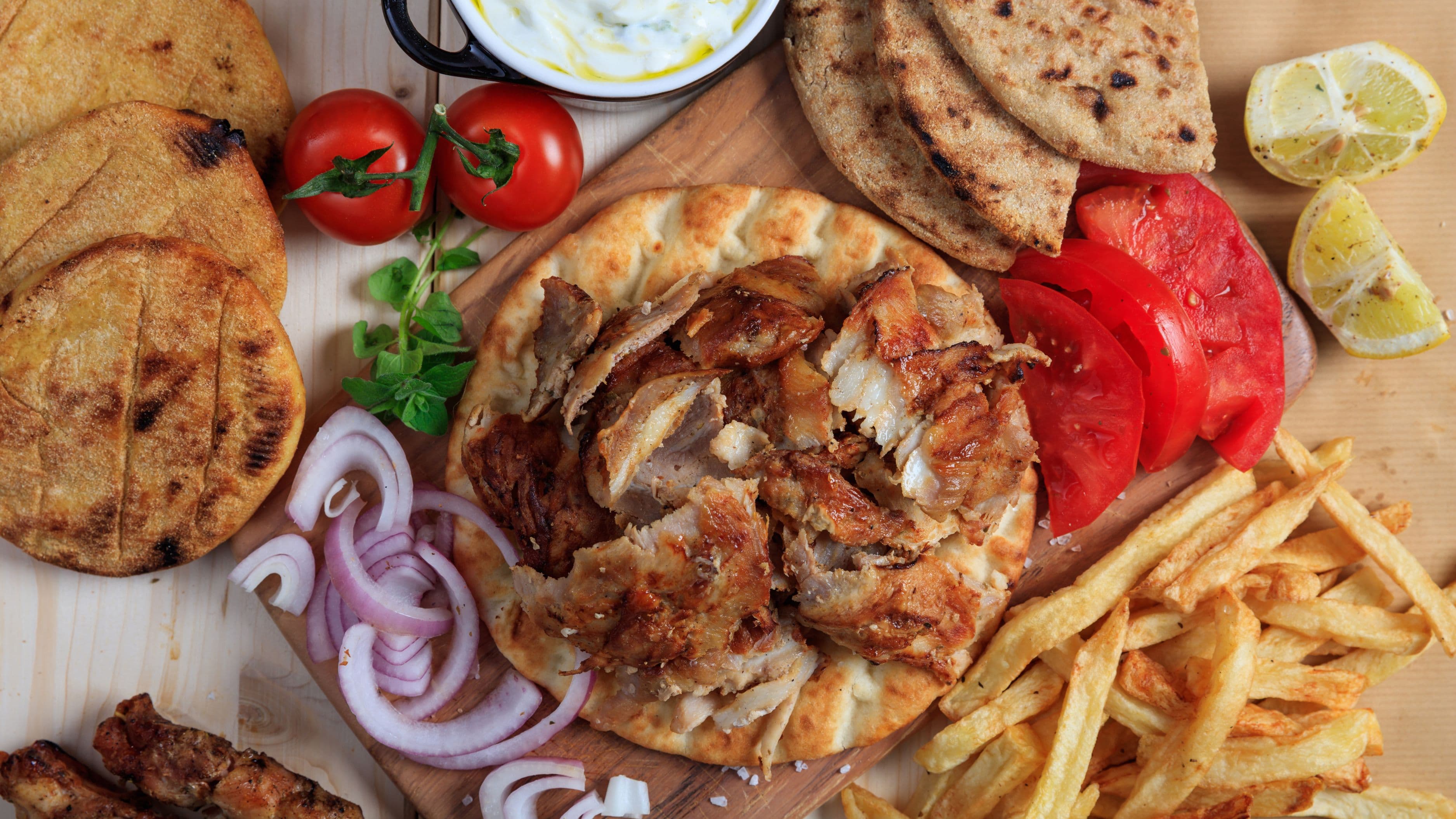
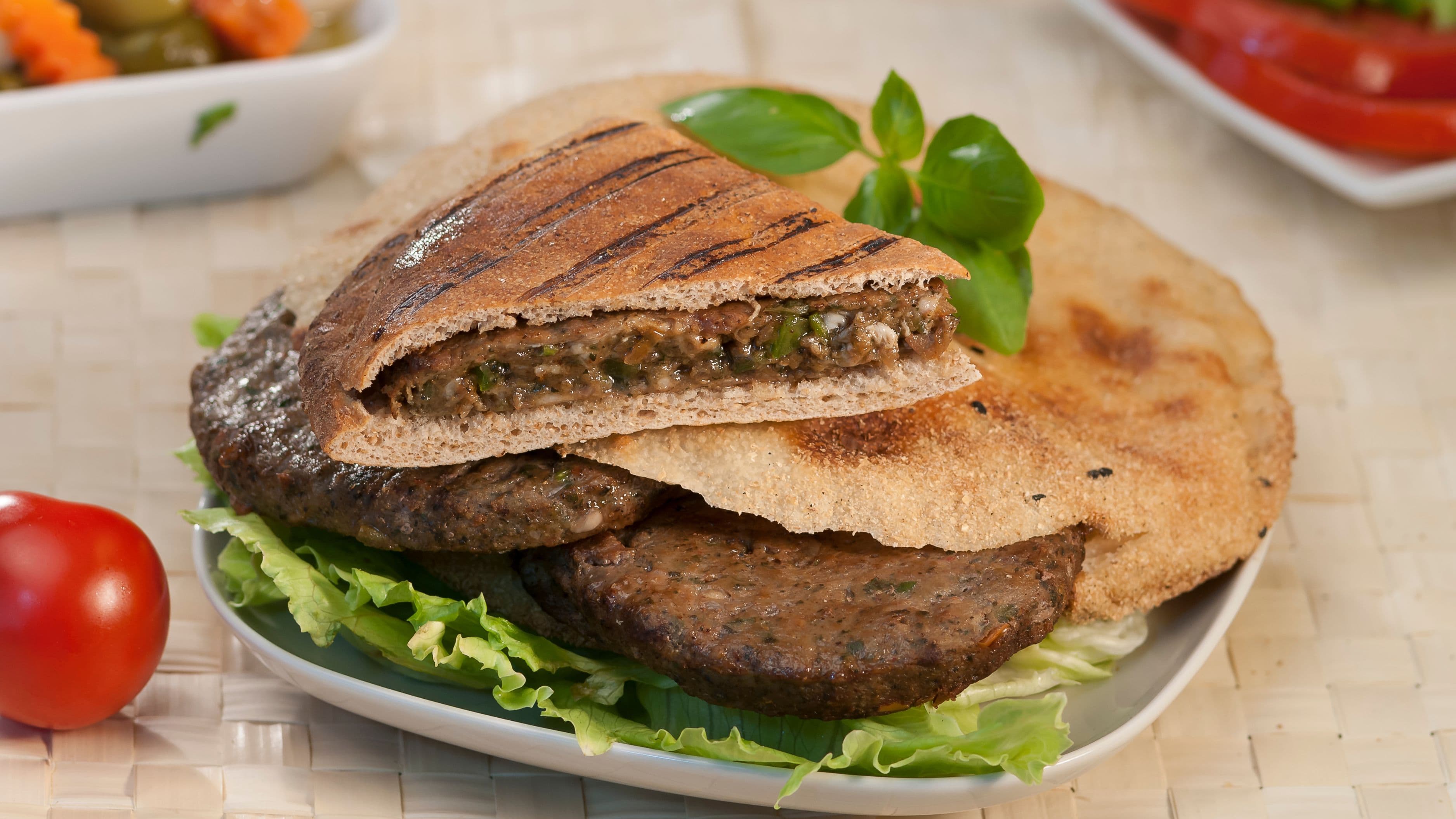
What can I serve Israeli salad with? It pairs naturally with falafel, shawarma, grilled meats, or simply alongside hummus and warm pita for a light, refreshing meal. It also works well as a bright counterpoint to richer, heavier main dishes.
Do I need special ingredients to make this authentically? Not really. The core of this dish relies on ripe, quality tomatoes and cucumbers along with fresh lemon and good olive oil rather than any hard-to-find specialty ingredient, which is part of why it's such an accessible dish to make at home.
📚 Sources
The Spruce Eats, "Israeli Salad Recipe" – https://www.thespruceeats.com/israeli-salad-recipe-2394500
Tori Avey, "Israeli Salad" – https://toriavey.com/israeli-salad/