What You're Actually Building Toward
Jamaican home cooking leans on a specific flavor base: allspice (called pimento in Jamaica), scotch bonnet peppers, thyme, scallion, garlic, and ginger show up across nearly every savory dish, whether it's a stew, a curry, or a pot of rice. Once you understand that this combination is doing most of the work across the cuisine, you'll recognize it appearing again and again rather than treating every dish as a completely separate recipe to memorize.
Ingredient Guide: What to Buy First
Scotch bonnet pepper is the defining heat and fruitiness in Jamaican cooking, milder in flavor complexity than habanero despite similar heat levels, and it's usually added whole to stews to season without fully breaking it open, which keeps the dish flavorful without becoming unbearably spicy. If you can't find scotch bonnet locally, habanero is the closest reasonable substitute.
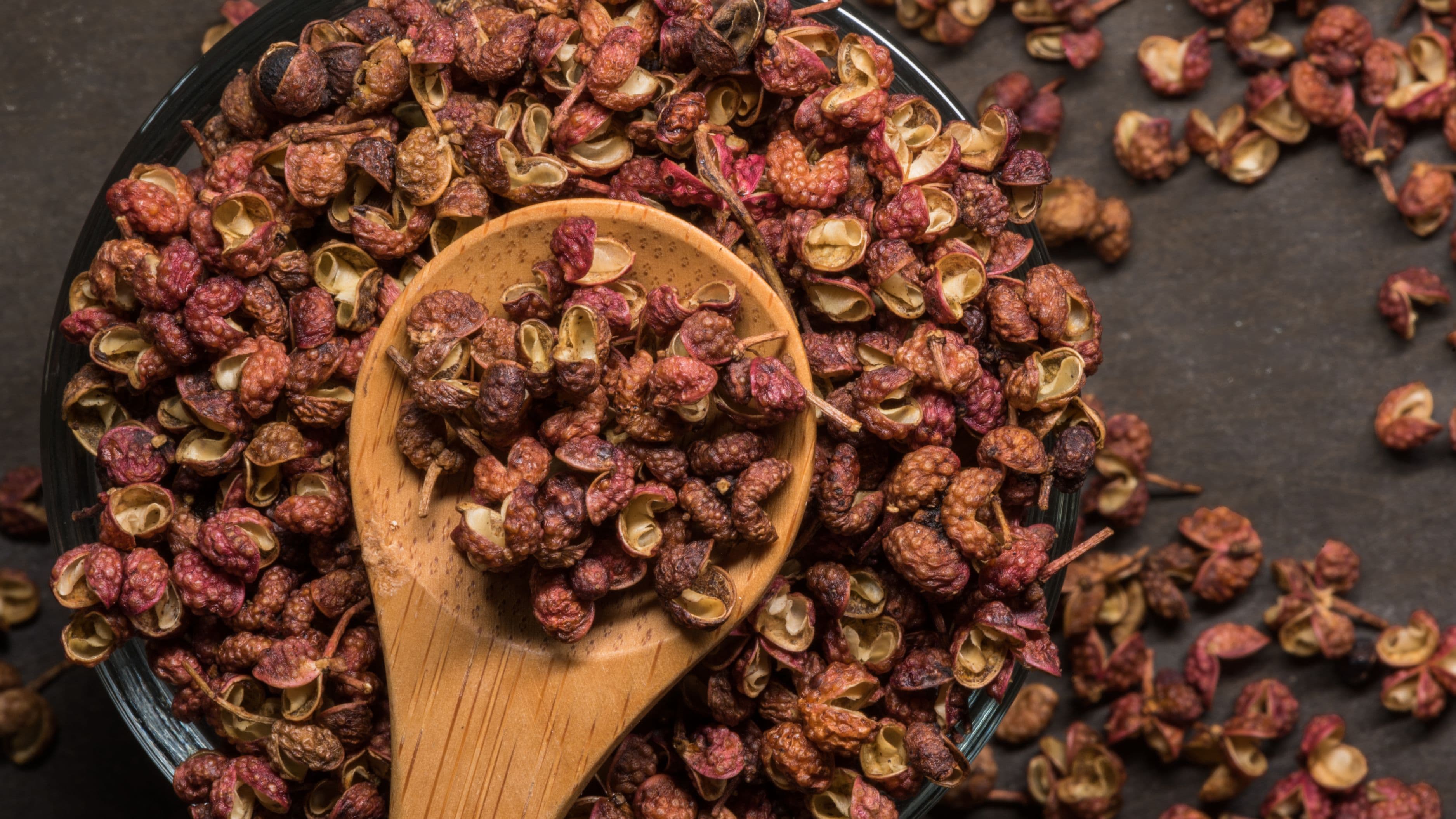
Allspice (pimento) berries or ground allspice bring a warm, slightly peppery sweetness that's foundational to Jamaican seasoning, distinct from the more familiar use of allspice in baking spice blends.
Fresh thyme is used generously, often a full sprig or two per pot rather than a pinch, and it's worth buying fresh rather than dried when possible since the quantity used means fresh thyme's flavor comes through much more clearly.
Scallion (green onion), garlic, and fresh ginger round out the aromatic base used across stews, curries, and marinades.
Coconut milk shows up in rice and peas and several stewed dishes, providing richness and a subtle sweetness that balances the pepper heat.
How to Choose and Store These Ingredients
Scotch bonnet peppers keep well in the refrigerator for one to two weeks, or can be frozen whole for several months if you want to buy in bulk when available. Fresh thyme stores best wrapped loosely in a damp paper towel inside a plastic bag in the refrigerator, where it holds up for about a week. Ground allspice loses potency over time like most ground spices, so buying it in smaller quantities more frequently, or buying whole berries and grinding as needed, preserves more flavor.
Recipe: Rice and Peas (Serves 4)
This is arguably the most essential Jamaican side dish, and despite the name, it's made with kidney beans, not green peas, a naming convention that traces back to British colonial-era terminology for beans generally.
Ingredients:
1 can (15 oz) kidney beans, drained, liquid reserved
1 can (13.5 oz) coconut milk
2 cups long-grain rice, rinsed
2 scallions, whole
2 garlic cloves, smashed
1 sprig fresh thyme
1 whole scotch bonnet pepper (left uncut, just simmered in the pot)
Salt to taste
Steps:
In a pot, combine the coconut milk, reserved bean liquid, and enough water to total about 3 1/2 cups of liquid.
Add the kidney beans, scallions, garlic, thyme, and whole scotch bonnet pepper. Bring to a gentle simmer for about 10 minutes to let the aromatics infuse.
Remove the scotch bonnet pepper before it breaks open, unless you want more heat, then stir in the rinsed rice and salt.
Cover and simmer on low heat for 18 to 20 minutes, until the rice is tender and the liquid is absorbed.
Let it rest off heat for 5 minutes before fluffing with a fork.
Recipe: Simple Jamaican Stewed Chicken (Serves 4)
Ingredients:
2 lbs bone-in chicken thighs
2 tbsp brown sugar
2 tbsp vegetable oil
1 onion, sliced
3 garlic cloves, minced
1-inch piece ginger, grated
2 scallions, chopped
1 sprig fresh thyme
1 whole scotch bonnet pepper
1 tsp ground allspice
1 cup chicken broth
Salt and black pepper to taste
Steps:
Season the chicken generously with salt, pepper, and allspice, and let it sit for at least 20 minutes, or up to overnight in the refrigerator for deeper flavor.
In a heavy pot, melt the brown sugar in the oil over medium heat until it darkens slightly and becomes fragrant, watching closely so it doesn't burn.
Add the chicken pieces and brown them on all sides in the darkened sugar, which gives the dish its characteristic deep color.
Add the onion, garlic, ginger, and scallions, and cook for 2 to 3 minutes until fragrant.
Add the thyme, whole scotch bonnet pepper, and chicken broth, then bring to a simmer.
Cover and cook on low heat for 35 to 40 minutes, until the chicken is tender, removing the scotch bonnet pepper before serving unless more heat is desired.
Tips for Best Resultsz
Always add a whole scotch bonnet pepper rather than a chopped one unless you specifically want intense heat throughout the dish, since simmering it whole releases fruity flavor and moderate heat without overwhelming the dish. Browning sugar for stewed dishes takes practice and patience; rushing this step by turning up the heat too high risks burning the sugar, which turns bitter rather than developing the intended rich, slightly smoky sweetness.
Common Mistakes
A common mistake is treating scotch bonnet like any other hot pepper and chopping it directly into a dish, which can make the final result far spicier than intended for most home cooks. Another is skipping fresh thyme in favor of a small pinch of dried thyme, which doesn't provide nearly enough flavor given how central thyme is to the cuisine's overall profile. Overcooking rice and peas by using too much liquid relative to rice is also common, since coconut milk's fat content behaves slightly differently than water alone in the pot.
FAQ
Can I make these dishes without a scotch bonnet pepper if I can't find one? Habanero pepper is the closest common substitute in both flavor profile and heat level, though it lacks a small amount of the fruitiness scotch bonnet is known for.
Is jerk seasoning necessary for authentic Jamaican cooking? No. Jerk is one specific, well-known preparation style within a much broader cuisine, and dishes like stewed chicken, curries, and rice and peas represent equally central, arguably more commonly eaten, parts of everyday Jamaican home cooking.
What should I cook first if I'm completely new to Jamaican food? Rice and peas is a great starting point since it introduces the core flavor combination of coconut milk, thyme, and scotch bonnet in a relatively forgiving, low-risk dish before moving on to stewed proteins.
Outro
Jamaican cooking rewards understanding its core flavor foundation more than memorizing individual recipes, since the same handful of aromatics, scotch bonnet, thyme, allspice, and scallion, show up again and again across very different dishes. Start with rice and peas, get comfortable with that flavor base, and the rest of the cuisine opens up from there, no jerk paste required.
📚 Sources
Jamaica Information Service – Jamaican Cuisine. https://jis.gov.jm/information/facts-figures/jamaican-cuisine/
Smithsonian Folklife Festival – Jamaican Foodways. https://festival.si.edu/