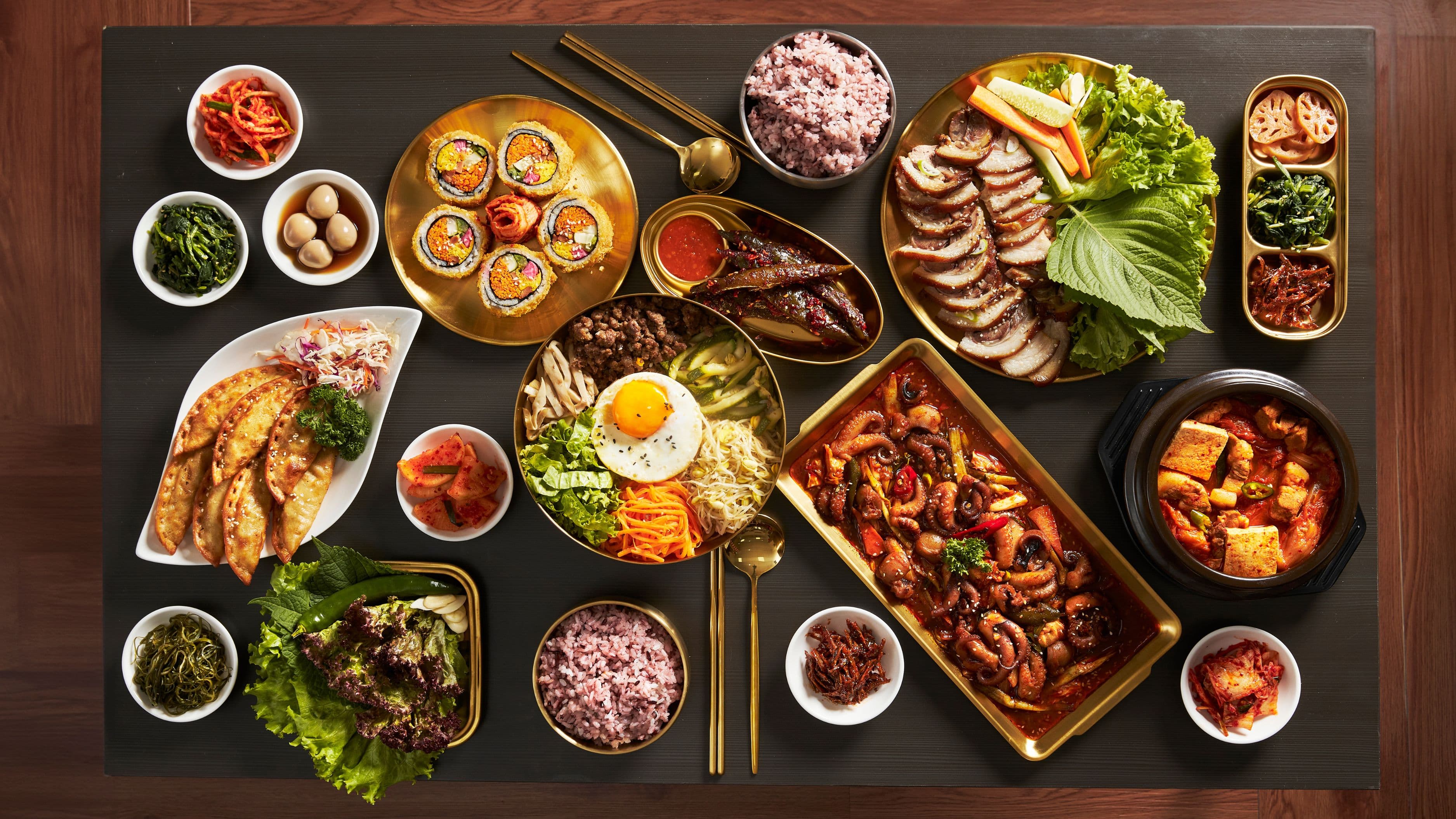
What Makes Korean Food Taste Like Korean Food
Before getting into substitutes and sourcing, it helps to understand the flavor profile you're building toward. Korean cooking leans on a combination of fermented, savory, spicy, and slightly sweet notes that layer in a way that feels deeply satisfying. The heat comes from chili – primarily gochugaru (Korean red pepper flakes) and gochujang (fermented chili paste). The savory depth comes from soy sauce, sesame oil, and fermented pastes like doenjang. Sweetness comes from sugar, honey, fruit, or rice, and it's used more generously than in many other cuisines. Garlic and ginger appear in nearly everything and are always used in real, fresh quantities – not the sprinkle-at-the-end way other cuisines sometimes use them.
The good news is that garlic, ginger, soy sauce, sesame oil, and sugar are in every major grocery store. The chili components are the ones that take a little more effort – but even those have workable solutions.
The Key Ingredients and Where to Actually Find Them
Gochugaru (Korean red pepper flakes): This is the ingredient most worth tracking down properly. It's a coarse, sun-dried chili flake with a moderate heat level and a slightly fruity, smoky character that regular chili flakes don't fully replicate. It's the base of kimchi, tteokbokki sauce, and many Korean marinades. Asian grocery stores carry it reliably, but so does Amazon, and it keeps for months in the freezer. If you truly can't find it, a mixture of mild paprika (for color and mild smokiness), a small amount of cayenne (for heat), and a pinch of smoked paprika comes close enough for most cooked applications. It won't be identical, but your dish will still taste good.
Gochujang (fermented chili paste): This is increasingly available at mainstream grocery stores in the international aisle – Walmart, Trader Joe's, and most Whole Foods locations carry at least one brand. It's worth looking before assuming you need a specialty store. Once you find it, it keeps refrigerated for months and is one of the most versatile condiments in the kitchen, working well in marinades, sauces, soups, and even salad dressings. If you genuinely can't source it, a mixture of red miso, sriracha, and a small amount of sugar approximates its fermented-spicy-sweet profile reasonably well.
Doenjang (Korean fermented soybean paste): Similar to Japanese miso but earthier and more pungent, doenjang is used in soups and stews and as a condiment. Japanese white or red miso is an accessible substitute in most cooked applications. The flavor won't be identical – miso is smoother and less intense – but for stews and braised dishes it works well. Use slightly more than the recipe calls for to compensate for the milder intensity.
Sesame oil: Widely available in the international aisle of any major grocery store. Korean cooking uses toasted sesame oil specifically – it's dark amber colored, intensely fragrant, and used as a finishing oil rather than a cooking fat. Make sure you're buying toasted sesame oil (sometimes labeled "roasted"), not the pale cooking variety. It's usually near the soy sauce.
Rice vinegar: Available at most grocery stores. Used for pickling and seasoning. Standard white wine vinegar works as a substitute if needed, though the flavor is slightly sharper.
Korean soy sauce (ganjang): Regular Japanese soy sauce (Kikkoman is available everywhere) works fine for most Korean recipes. Korean soy sauce has a slightly different salinity and color profile, but the difference is subtle in most cooked applications.
Dishes That Are Easy to Start With
The best way into Korean cooking at home isn't to tackle the most technically demanding dishes first – it's to start with the ones where the ingredient list is short and the technique is forgiving.
Bulgogi is one of the most accessible Korean dishes and a natural starting point. It's thinly sliced beef marinated in soy sauce, sesame oil, garlic, ginger, sugar, and a grated Asian pear or regular pear (which acts as a tenderizer). Every ingredient in that marinade is available at any grocery store. The only specialty item you might want is the pear, and a kiwi half works as a direct substitute for the enzyme-based tenderizing effect. Cook the marinated beef in a hot pan or on a grill until caramelized at the edges – the high-heat char is part of what makes it taste right.
Korean egg rice (gyeran bap) is the kind of dish you make when you want something warm and satisfying with very little effort. It's hot steamed rice topped with a fried egg, sesame oil, soy sauce, sesame seeds, and whatever protein or vegetables you have around. The technique is nothing – it's assembly – but the result is genuinely good because the sesame oil and soy sauce do a lot of work on plain rice. It's also a useful reference dish for understanding how sesame oil behaves as a finishing element.
Japchae (glass noodles stir-fried with vegetables and beef) is more of a project but completely achievable with standard ingredients. The glass noodles are sweet potato starch noodles, usually available in the Asian section of larger grocery stores or online. The rest of the dish – soy sauce, sesame oil, garlic, vegetables, a little sugar – needs nothing specialty. The noodles soak up the sauce beautifully and reheat well, making it a good dish for batch cooking.
Doenjang jjigae (soybean paste stew) uses miso as a substitute for doenjang in a pinch and is one of the most comforting and nutritious dishes in Korean cooking. Cube some tofu and zucchini, add mushrooms if you have them, dissolve a generous spoonful of doenjang or red miso into anchovy broth or chicken broth, and simmer until everything is soft. Serve over rice. It's deeply savory, takes about twenty minutes, and gets better the longer it sits.
Building a Starter Korean Pantry
You don't need to buy everything at once. A practical approach is to build the pantry incrementally around the dishes you actually want to cook. The non-negotiable starting points are sesame oil, soy sauce, garlic, and ginger – which you likely already have. The next tier is gochugaru and gochujang, which unlock most of the distinctly Korean flavor profiles. After that, doenjang and rice wine (mirin or Korean cooking wine) round out the pantry for a wider range of dishes.
Order gochugaru online if you can't find it locally – it's the one ingredient where substitution is most limiting and having the real thing makes a noticeable difference in dishes where it's a primary flavor component. A 1-pound bag costs $10 to $15, lasts months in the freezer, and opens up dozens of recipes. It's the most efficient investment you can make in a Korean home cooking pantry.
Tips for Getting the Flavors Right
Korean cooking balances its flavors deliberately – a little more sweet than you might expect, a little more garlic than seems reasonable. Trust the recipe on both counts the first time you make a dish, and adjust from there based on your preference.
Marinating time genuinely matters for meat dishes. Bulgogi benefits from at least thirty minutes of marination, and overnight is better. The enzymes in the pear or kiwi and the salt in the soy sauce do real work on the texture of the meat over time, so don't skip or shorten this step if you can avoid it.
High heat is important for dishes like bulgogi and pajeon (Korean savory pancakes). Korean cooking achieves a lot of its flavor through Maillard browning – the caramelization that happens at high temperatures. A cast iron or carbon steel pan that you've let preheat properly for several minutes produces better results than a non-stick pan on medium heat.
Don't skip the sesame oil as a finishing touch. In recipes where sesame oil is added at the end of cooking, it's there to add fragrance rather than cook into the dish. A little goes a long way – a teaspoon can transform a bowl of rice into something that smells like a restaurant.
What to Avoid
Trying to make kimchi without gochugaru the first time you cook Korean food is a setup for disappointment. Kimchi is a fermentation project that takes days and relies heavily on gochugaru for its character. Start with dishes like bulgogi, egg rice, or simple stir-fries before tackling fermentation.
Using regular chili flakes as a direct one-to-one substitute for gochugaru in dishes where it's a primary flavor component (not just heat) will change the dish noticeably. Italian or Mexican chili flakes are much hotter, more pungent, and lack the fruity quality of Korean chili. Use less and mix with paprika, or just order gochugaru.
Overcrowding the pan when cooking bulgogi steams the meat instead of searing it. Work in batches if needed to keep the pan hot and let each piece get some direct contact with the surface.
FAQ
Can I make kimchi without gochugaru? You can make a simplified version using a substitution, but the result will taste significantly different from traditional kimchi. Gochugaru is central to kimchi's color, heat level, and flavor profile. If kimchi is your goal, ordering gochugaru online before you start is worth the two-day wait.
Is Korean food always spicy? No. There are many Korean dishes with little or no heat – doenjang jjigae, gyeran bap, japchae, jook (rice porridge), and Korean fried chicken without the hot sauce are all accessible to people who prefer mild food. The spicy reputation comes from dishes like tteokbokki and kimchi jjigae, which are genuinely hot, but spice is adjustable in most Korean recipes.
What's the best way to find gochujang at a regular grocery store? Check the international aisle near the Asian sauces. It usually comes in a small red tub or squeeze bottle. CJ and Wang brand versions are widely distributed. If your store doesn't carry it, Trader Joe's and Whole Foods almost always do, and it's available on Amazon Prime with fast delivery.
Can I use regular rice instead of sticky rice for Korean dishes? Yes. Most everyday Korean home cooking uses short-grain white rice, not glutinous sticky rice. Short-grain rice (look for Japanese rice varieties like Koshihikari or Calrose) produces the slightly sticky, cohesive texture that works well as a base for Korean banchan and stews. Long-grain varieties like basmati or jasmine are less ideal but usable.
Is sesame oil the same as sesame paste? No. Sesame oil is a liquid finishing oil pressed from toasted sesame seeds – fragrant and used sparingly. Sesame paste (tahini or Korean chamkkae jangbang) is a ground paste used as a condiment or sauce ingredient. They're different products with different uses, though both come from sesame seeds.
📚 Sources
Maangchi – Korean Cooking Ingredients Guide: https://www.maangchi.com/ingredients
The Korean Pantry – Essential Staples for Korean Cooking at Home: https://www.koreanbapsang.com/korean-pantry-essentials/
Serious Eats – The Korean Pantry: https://www.seriouseats.com/the-korean-pantry-ingredients-you-need-to-cook-korean-food
USDA FoodData Central – Sesame Oil Nutritional Data: https://fdc.nal.usda.gov/fdc-app.html#/food-details/172338/nutrients