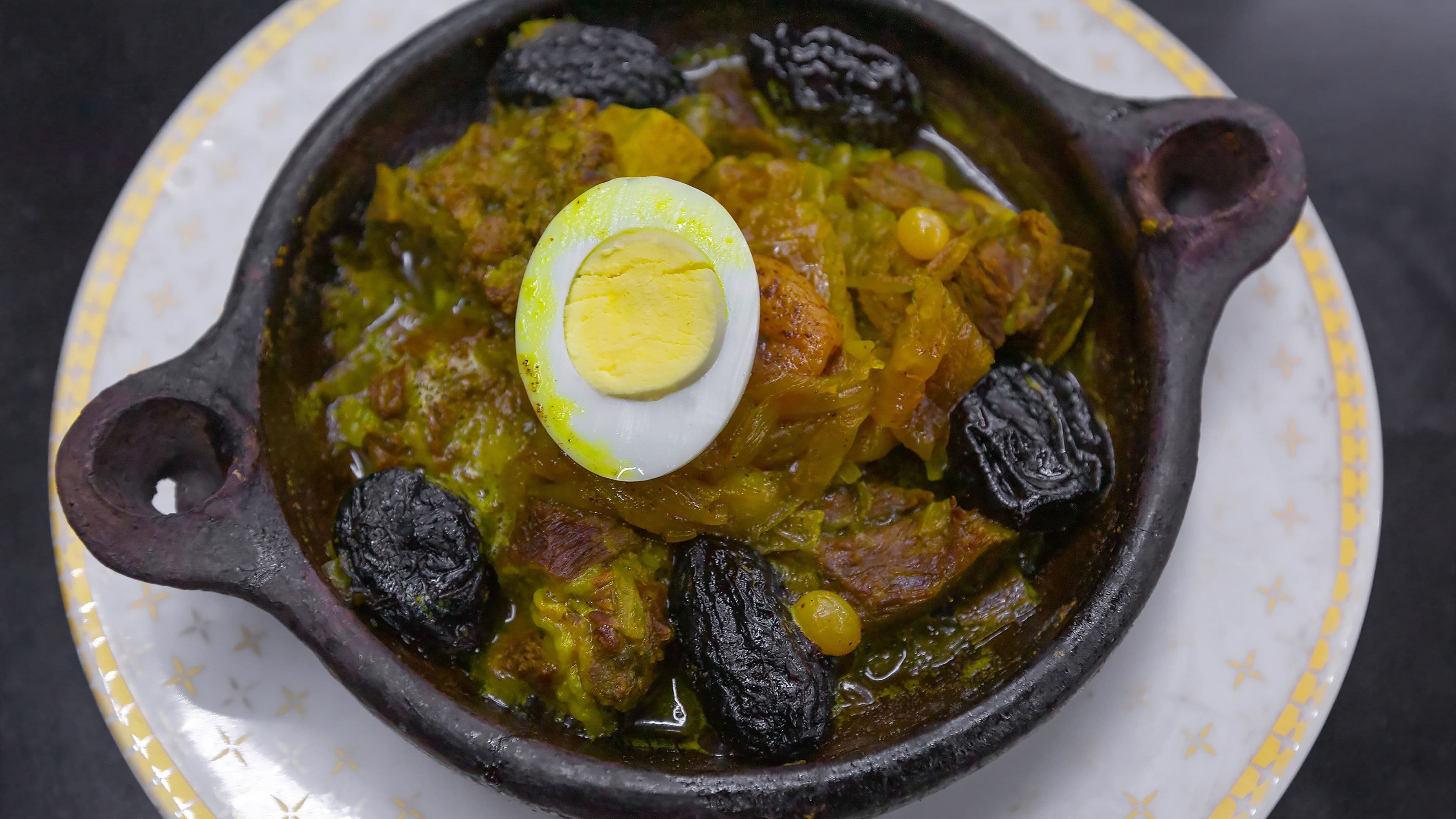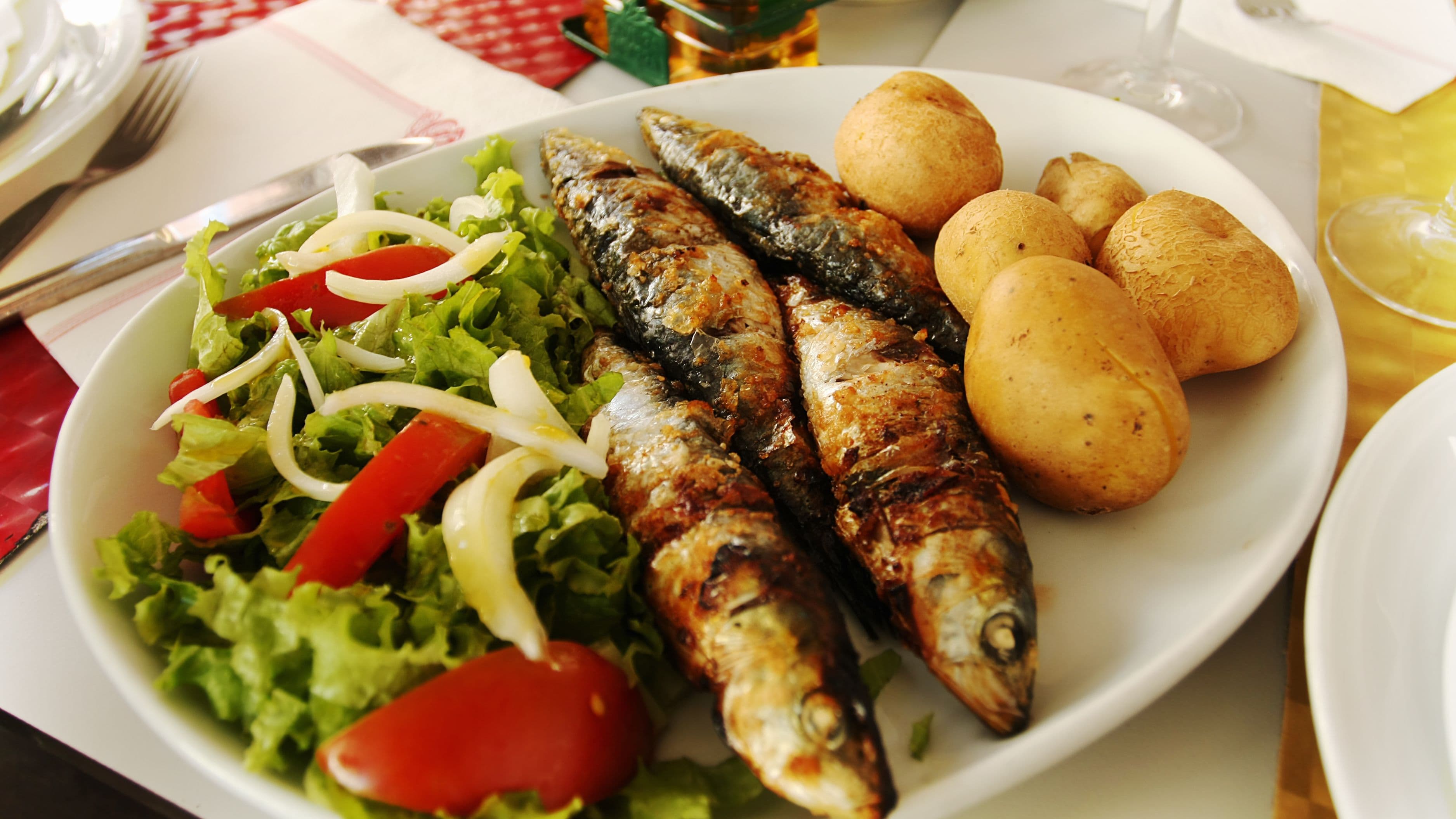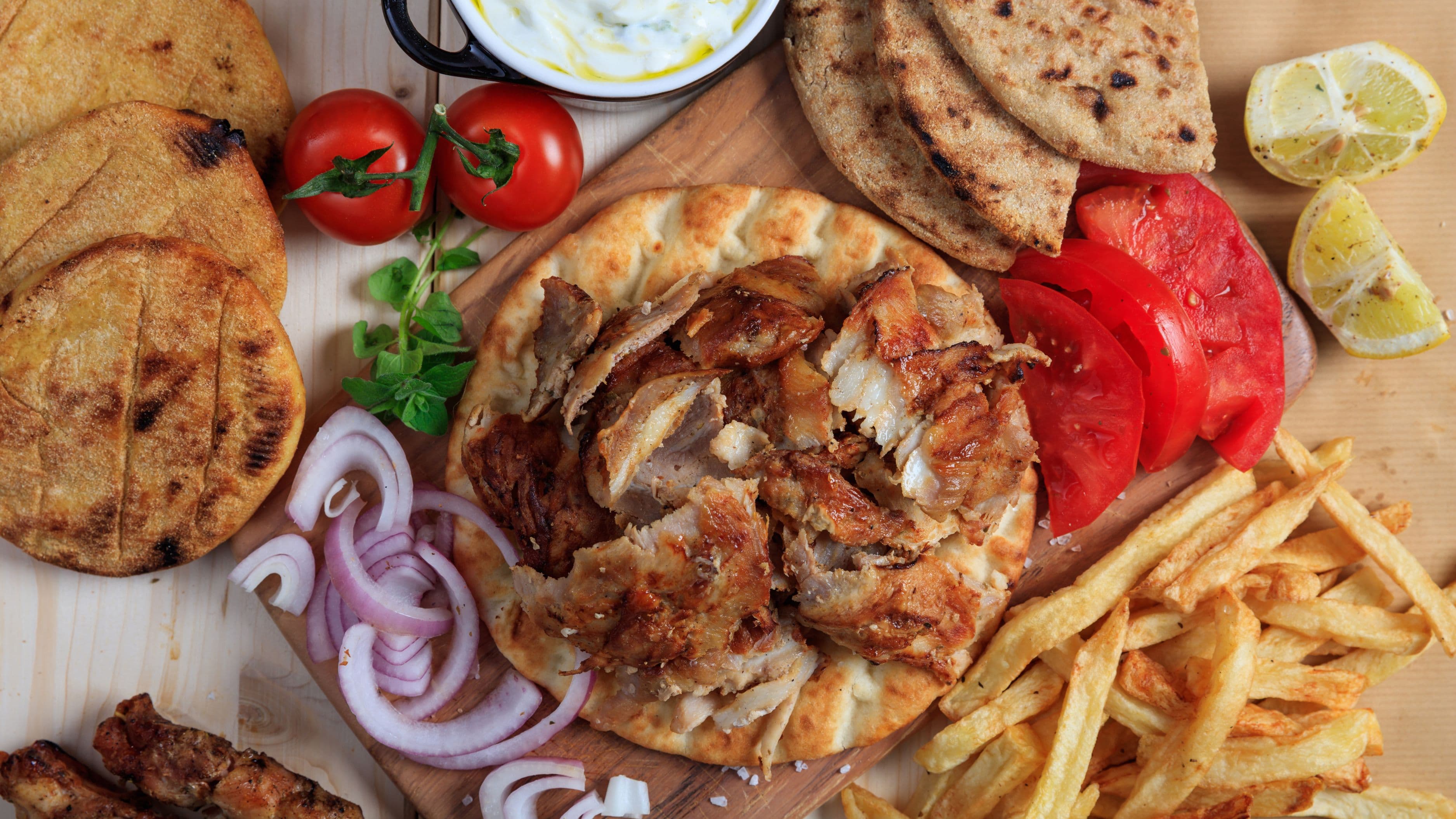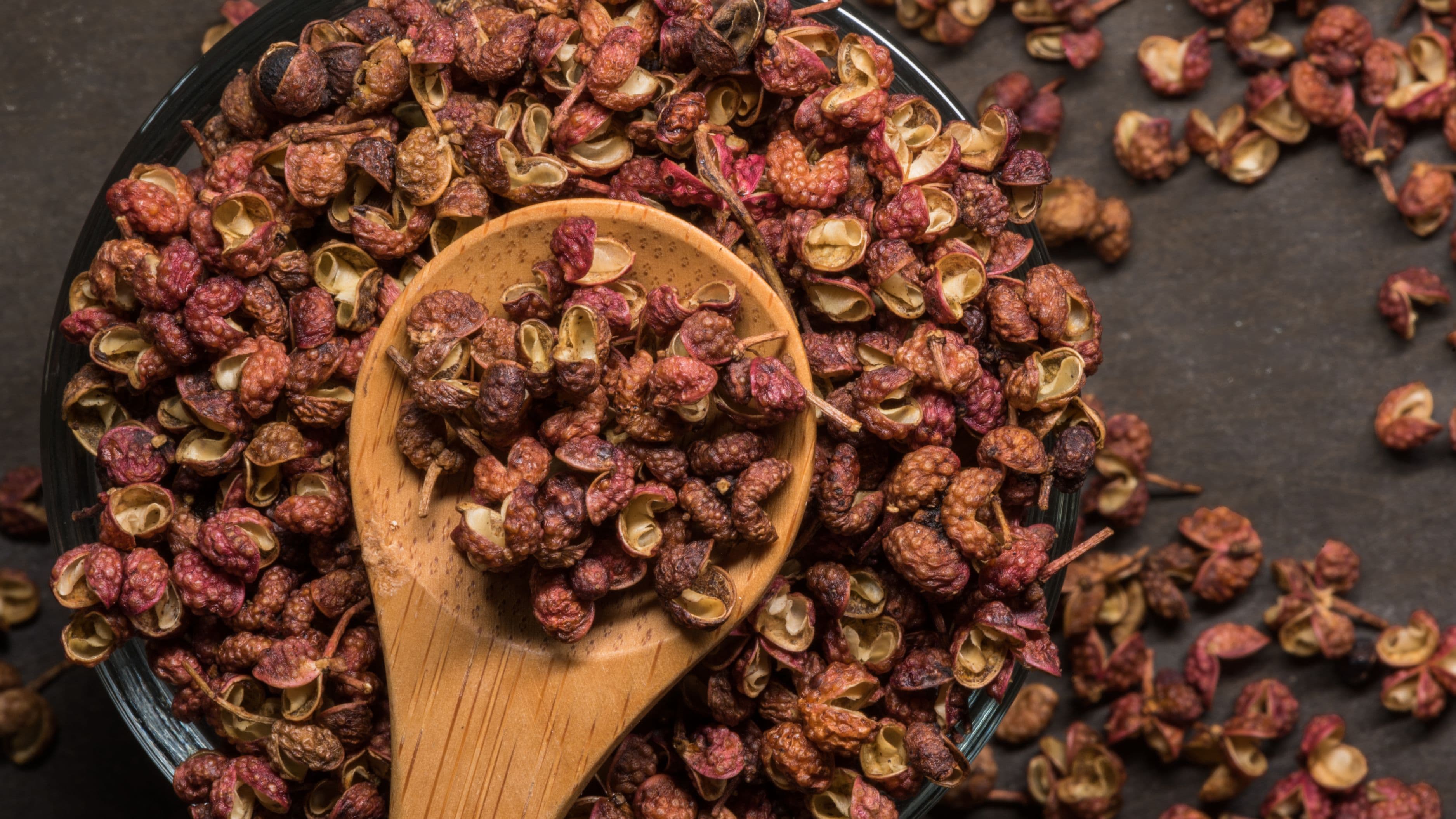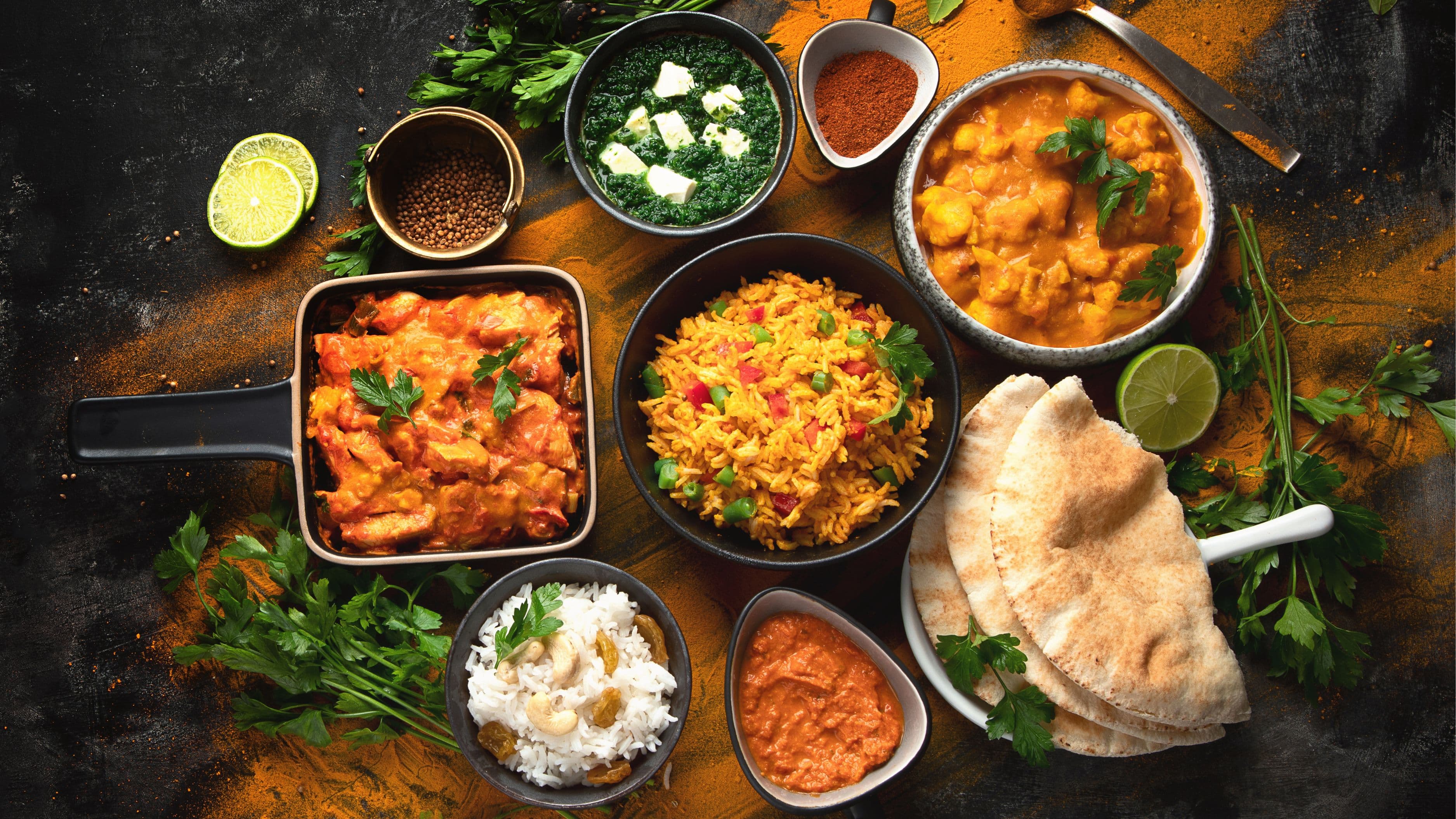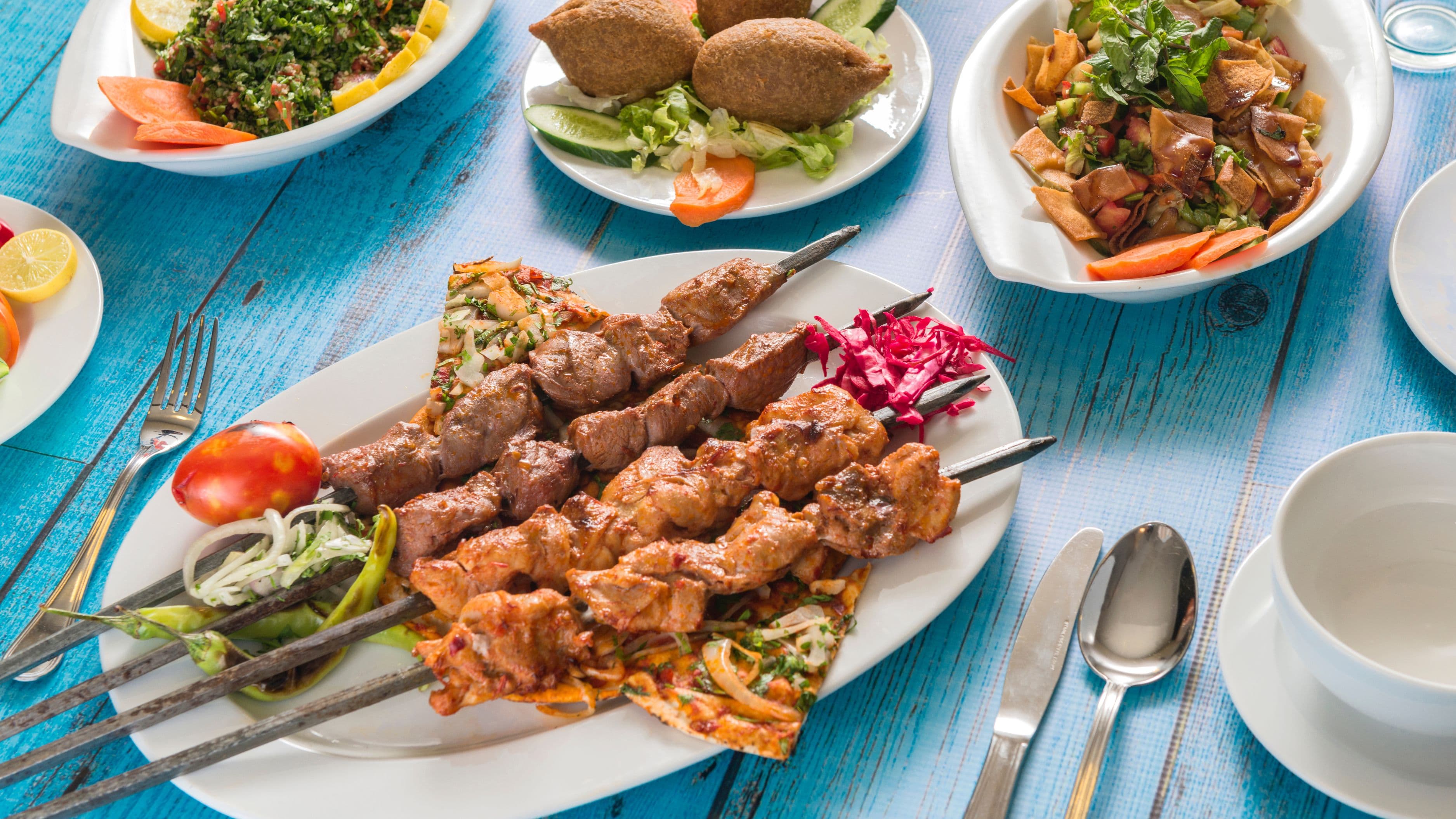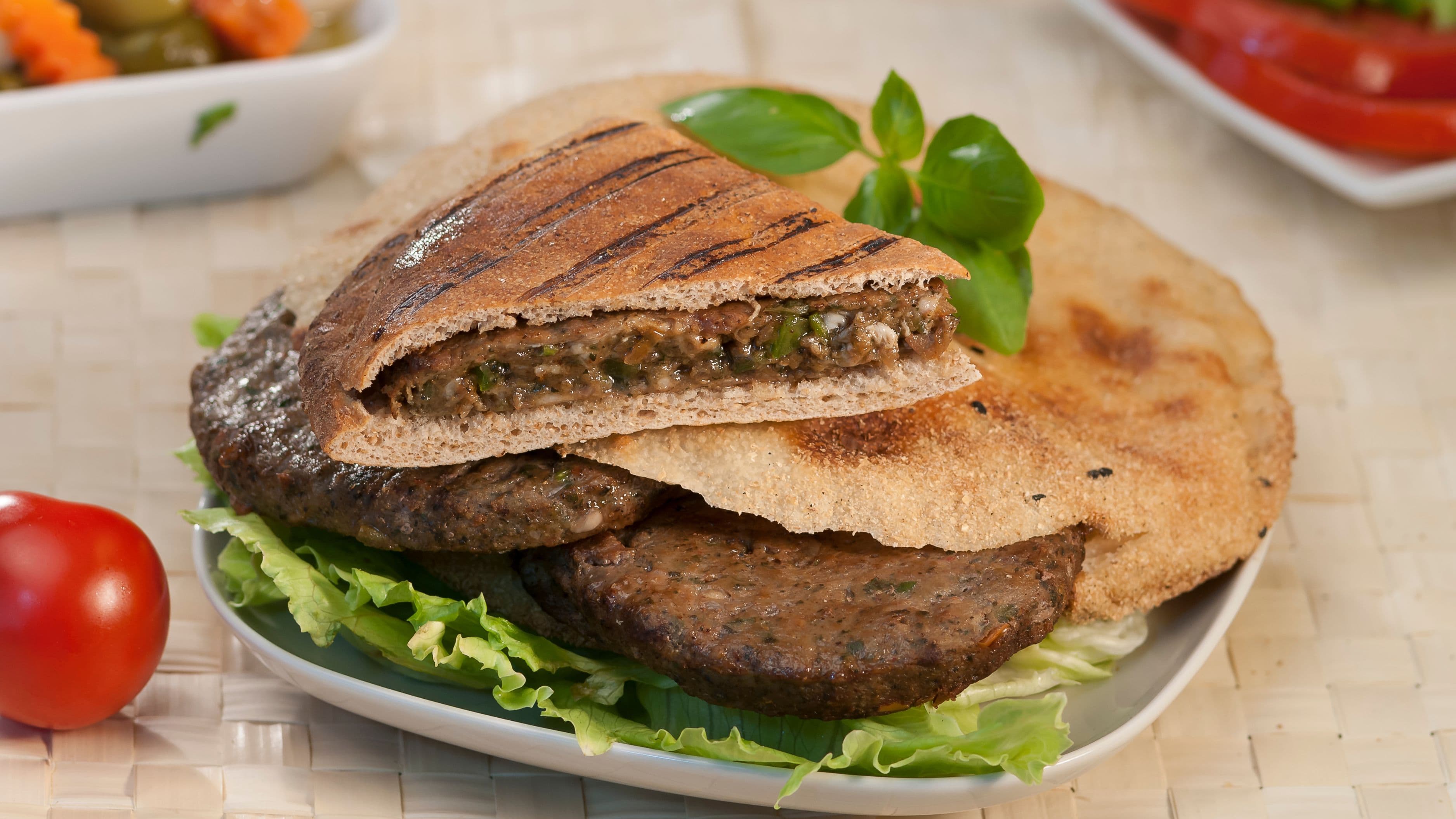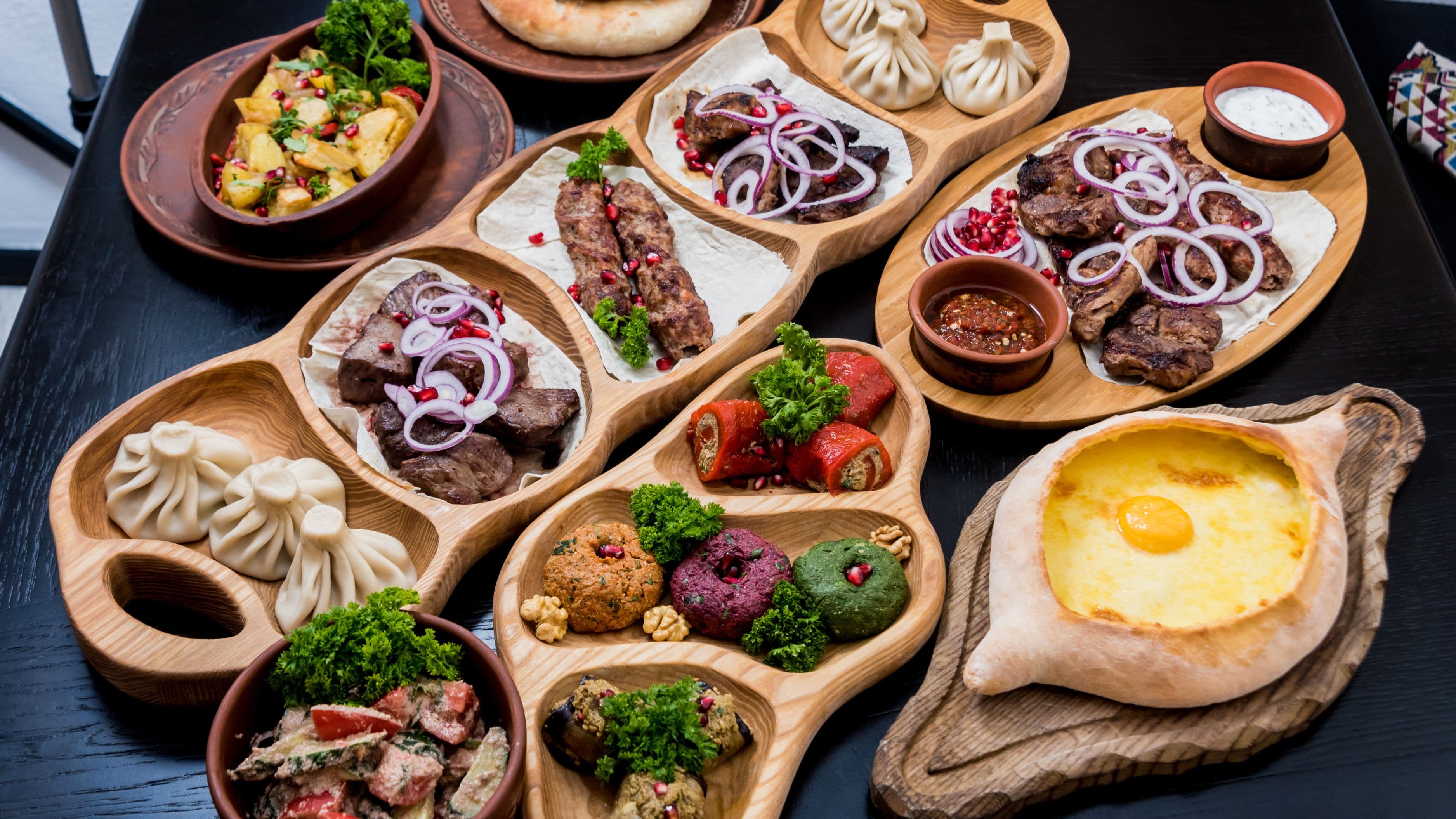
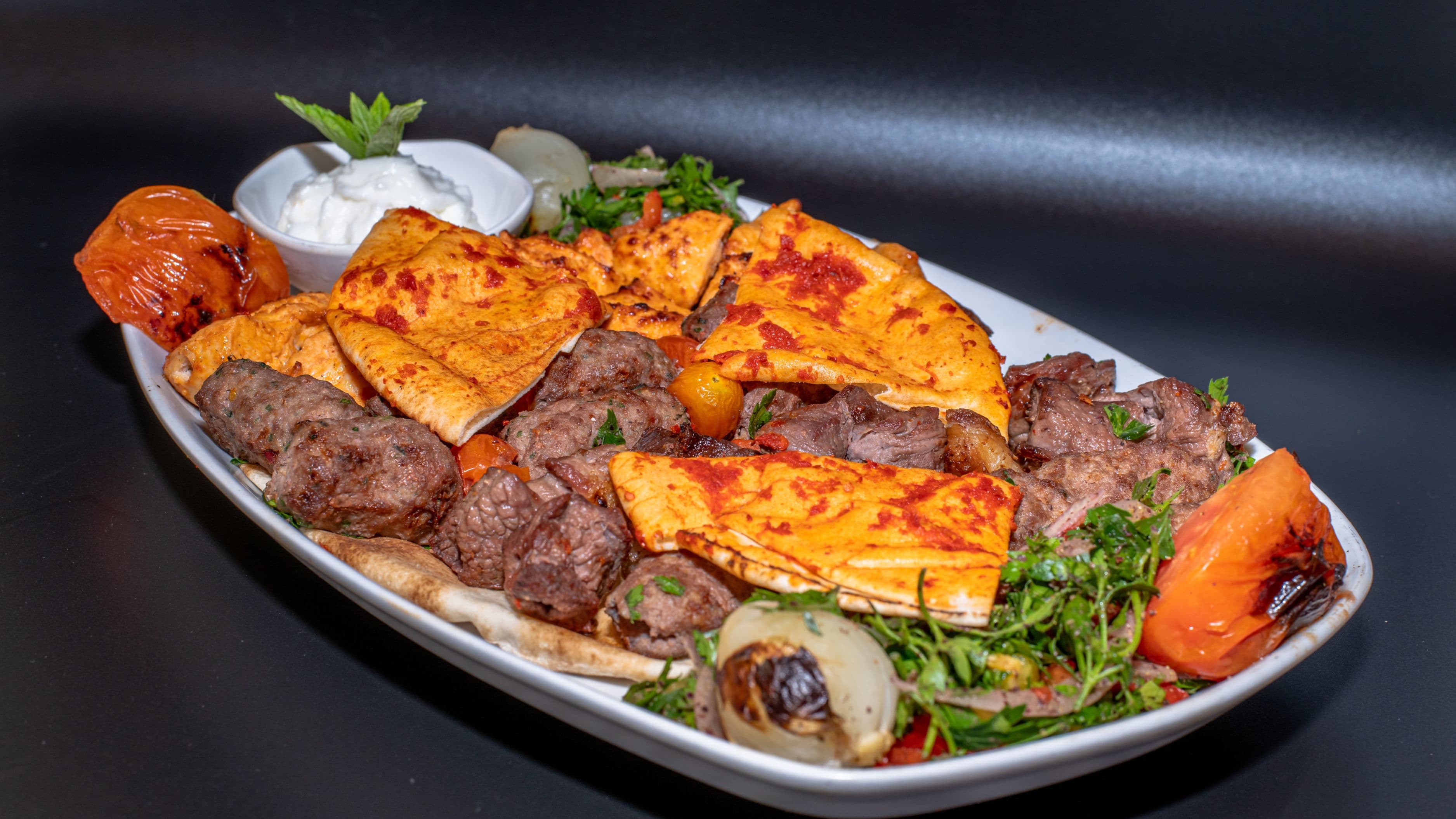
Most of the dishes that define Lebanese cooking – hummus, tabbouleh, fattoush, roasted meats with garlic and lemon, rice with toasted vermicelli – come together in under 30 minutes once you have the right ingredients. There's no deep-frying required for the classics, no obscure equipment, and no extended cooking times that make meal planning difficult. What you get in return is bold, genuinely satisfying food that works equally well as a weeknight dinner or a spread to share.
What Makes Lebanese Cuisine So Approachable
Lebanese cooking is grounded in the Mediterranean philosophy of letting good ingredients speak for themselves. Olive oil, lemon juice, garlic, and fresh herbs do most of the flavor heavy lifting. The spicing is aromatic and warm – cinnamon, allspice, cumin, and coriander appear regularly – but not hot or overwhelmingly complex. Nothing in the spice profile is alien to a Western pantry, and many of the key flavors will already be familiar.
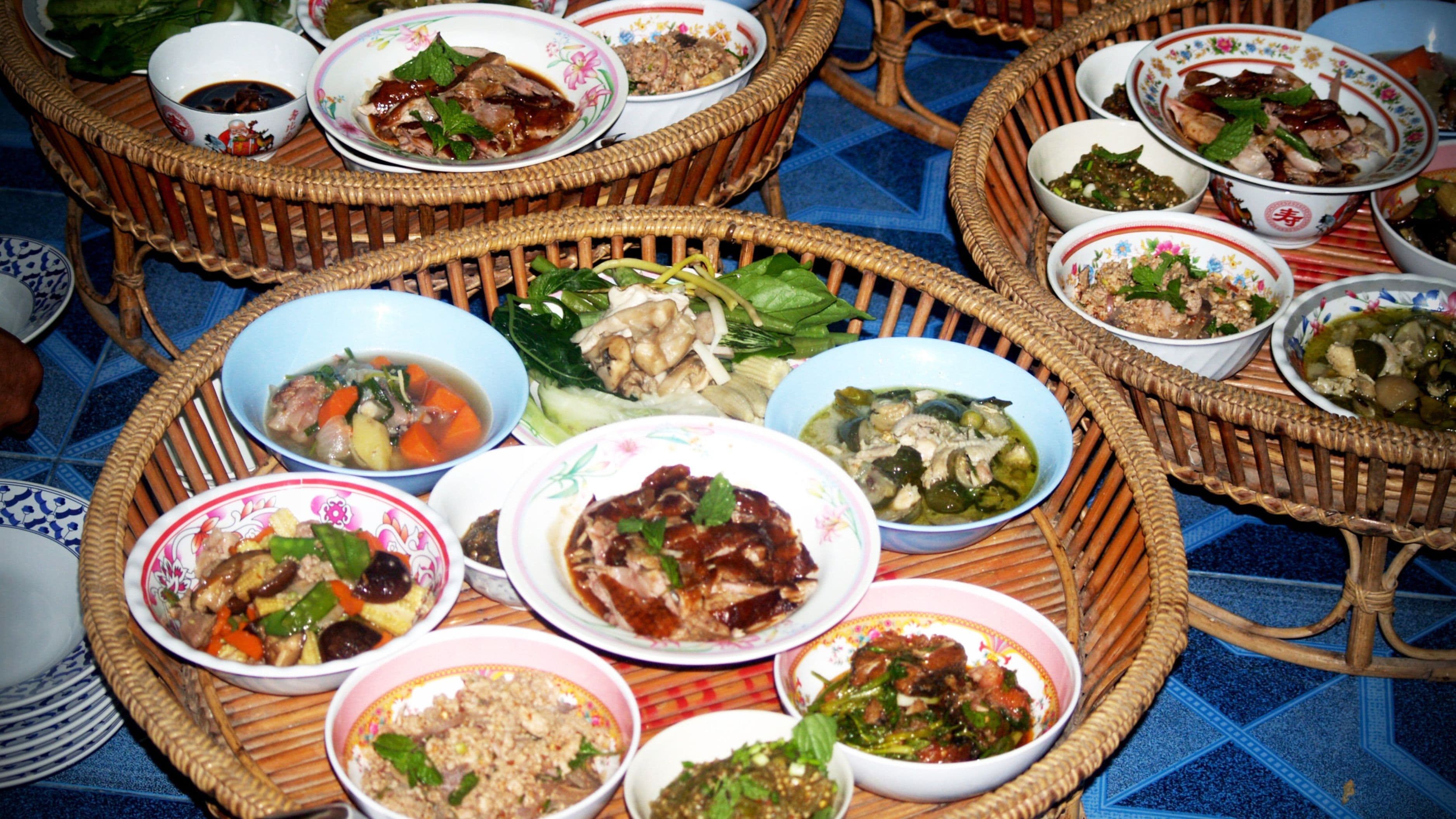
The cuisine also scales naturally. A mezze spread – the Lebanese tradition of serving multiple small dishes together – can be as simple as store-bought pita, olives, a bowl of hummus, and a quick tabbouleh made while the pita warms. Or it can be an elaborate table of a dozen dishes. Both are legitimate, and both deliver the essential Lebanese eating experience: shared, fresh, abundant, and entirely without stress.
Another reason it works for home cooks is that many Lebanese dishes improve with a little advance preparation rather than requiring perfect timing. Hummus tastes better after a few hours in the fridge. A marinated chicken for shish taouk (grilled garlic-lemon chicken) is better after overnight marinating than after 30 minutes. Tabbouleh, made ahead, gives the bulgur time to absorb the lemon and herb juices properly. This forgiving nature makes Lebanese food ideal for anyone who wants to cook ahead and assemble at serving time.
The Pantry You Need to Get Started
Building a Lebanese pantry doesn't require a specialty shopping trip beyond two or three items. Most of what you need is probably already in your kitchen.
Olive oil is the backbone of nearly every cooked and dressed dish. Use a good quality extra-virgin olive oil for dressings and finishing; a lighter olive oil or vegetable oil works for cooking at higher heat.
Lemons – fresh, always. Lebanese cooking uses lemon juice generously in dressings, marinades, dips, and as a finishing element. Bottled lemon juice doesn't replicate the brightness of fresh.
Garlic appears in almost everything and is used abundantly. Don't be timid about it.
Tahini (sesame paste) is essential for hummus and various dressings and dips. It's widely stocked in most supermarkets now. Look for it near the nut butters or in the international foods aisle.
Dried chickpeas or canned chickpeas are the base for hummus and falafel. Canned work perfectly for hummus; dried chickpeas soaked overnight give a marginally better texture but canned are a genuine, non-compromising shortcut.
Bulgur wheat – cracked, parboiled wheat – is the grain base for tabbouleh and kibbeh. It requires nothing more than soaking in hot water to prepare and is available in most grocery stores.
Spices: Ground cumin, ground coriander, allspice, cinnamon, and dried mint are the core Lebanese spice profile. The Lebanese seven-spice blend (baharat) – a pre-mixed combination of allspice, black pepper, cinnamon, coriander, cumin, cloves, and nutmeg – is worth buying or making once and using across multiple dishes.
Pomegranate molasses is a sweet-tart syrup that shows up in dressings, marinades, and dips. It's available at Middle Eastern grocers and online, and a bottle lasts a long time. It's not essential for your first foray into Lebanese cooking, but once you have it, it becomes hard to imagine your pantry without it.
The Dishes to Start With
Hummus
Hummus made from scratch bears little resemblance to the gummy supermarket versions most people have tried. Made correctly – with good tahini, plenty of lemon, and a generous hand with the garlic – it's creamy, light, and satisfying. The technique is simple: blend cooked chickpeas with tahini, lemon juice, garlic, and a little cold water until completely smooth, then adjust seasoning. The cold water is the key to lightness – adding it gradually while blending creates an airy texture that you can't achieve otherwise.
If you use canned chickpeas, peel the individual chickpeas (slip the skins off between your fingers) for a noticeably smoother result. It takes about five minutes for a can of chickpeas and makes a genuine difference to the final texture. Serve with a drizzle of olive oil, a dusting of paprika or sumac, and warm pita.
Tabbouleh
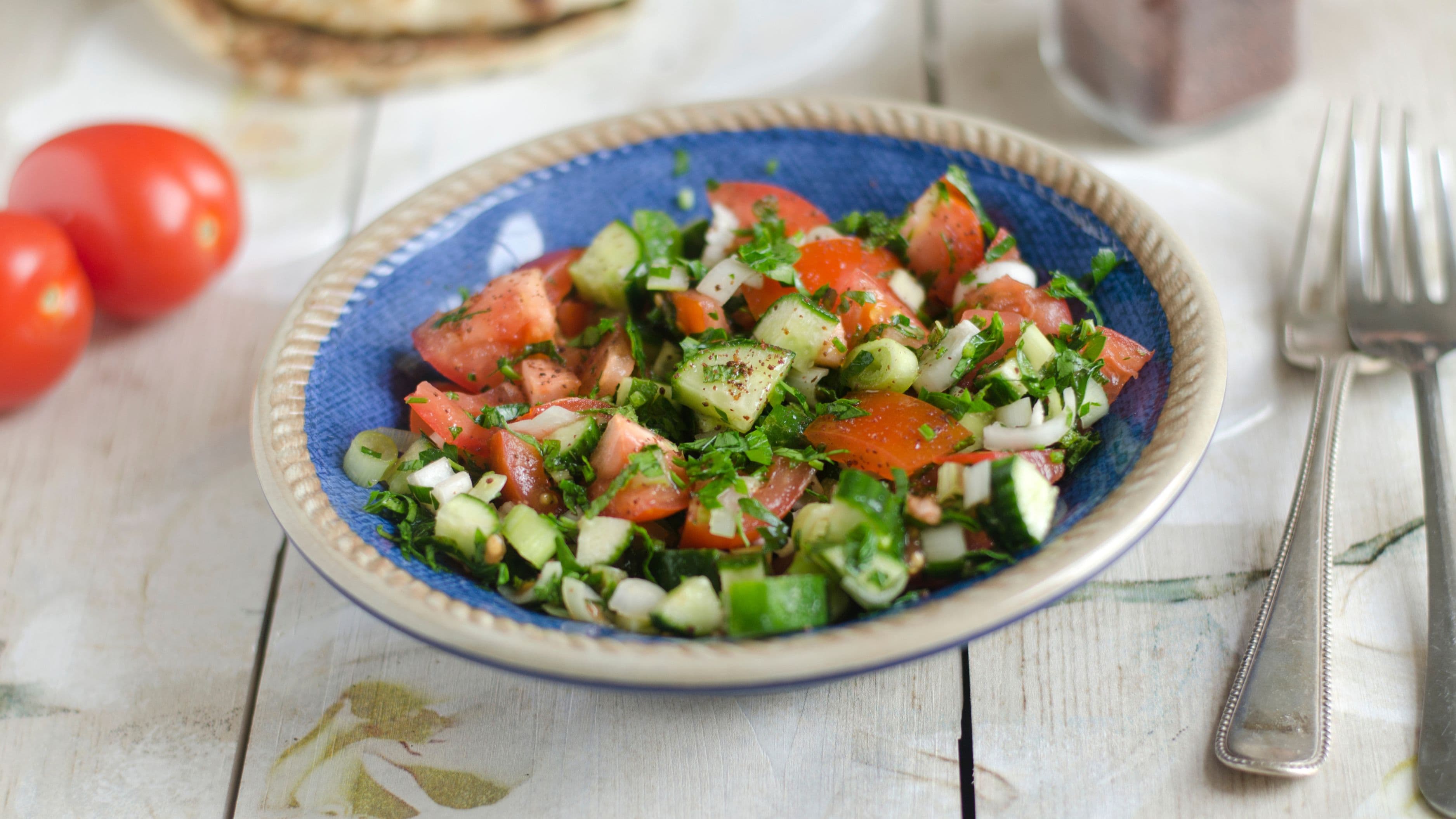
Real tabbouleh is primarily a herb salad with a small amount of bulgur, not the other way around. The ratio should be roughly 2 parts fresh flat-leaf parsley to 1 part tomato to a modest portion of soaked bulgur. Mint adds fragrance. Lemon juice and olive oil dress it generously. This is genuinely a 15-minute preparation once you can chop quickly, and it improves significantly if you let it sit for 30–60 minutes before serving so the flavors can meld.
The most common mistake with tabbouleh is using too much bulgur or over-soaking it until it becomes soft and heavy. Fine bulgur (#1 grade) needs only 10 minutes of soaking in boiling water; it should be chewy, not mushy. Drain any excess water well by pressing through a sieve before adding to the salad.
Shish Taouk (Lebanese Garlic-Lemon Grilled Chicken)
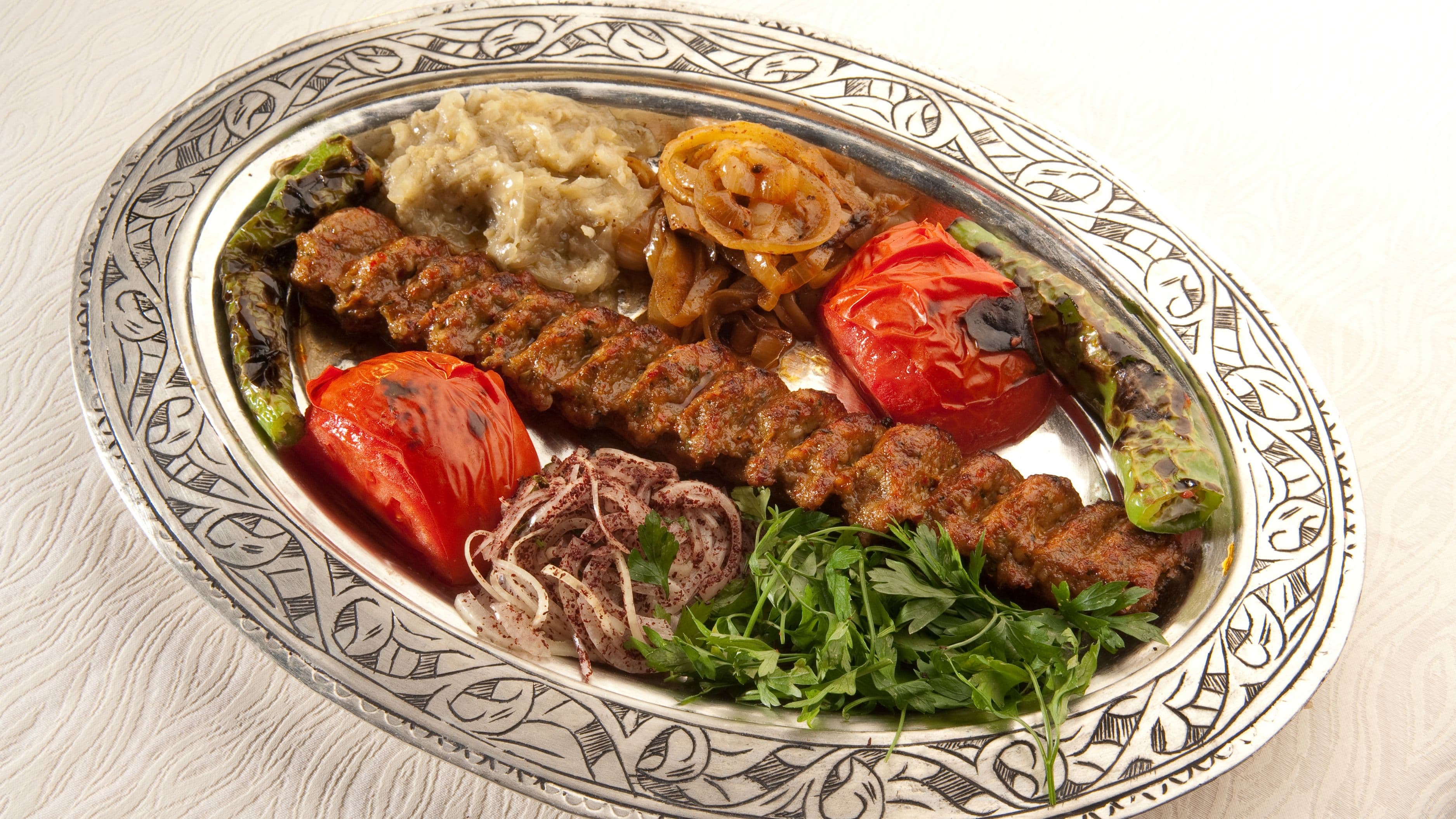
This marinated chicken is one of the most forgiving dishes in Lebanese cooking and produces reliably excellent results. Chicken thighs (boneless, skinless) are marinated in a mixture of yogurt, lemon juice, garlic, olive oil, and Lebanese seven-spice blend – the yogurt tenderizes the meat and creates a caramelized crust when cooked. Marinate for at least 2 hours; overnight is even better.
Cook under a hot broiler, on a grill pan, or on an outdoor grill. The key is high heat to get good color and char on the outside while keeping the interior juicy. Serve with toum (garlic sauce, recipe below), warm pita, and a simple fattoush or tabbouleh alongside.
Toum (Lebanese Garlic Sauce)
Toum looks like it requires chef-level technique but is actually very achievable at home with a food processor or blender. It's an emulsified sauce – similar in texture to a thick aioli – made from nothing but garlic, lemon juice, salt, and a neutral oil like vegetable or sunflower oil.
The process is essentially making a garlic emulsion: start with garlic and salt in the food processor, add a small amount of lemon juice, then drizzle oil in very slowly while the machine runs until the sauce becomes thick, white, and spreadable. The key is going slowly with the oil at the beginning – adding too much too fast breaks the emulsion. A successful toum is thick enough to hold its shape and pungently garlicky. It keeps in the fridge for up to two weeks and elevates almost everything Lebanese it touches.
Fattoush
Fattoush is a crunchy Lebanese bread salad that uses day-old or toasted pita to add texture to a fresh vegetable salad. Torn pita pieces are toasted or fried until crisp, then tossed with lettuce or purslane, tomatoes, cucumber, radishes, spring onions, mint, and a dressing of lemon juice, olive oil, sumac (a tart, fruity spice), and sometimes pomegranate molasses. The salad is dressed and served immediately – the pita should be crunchy, not soggy. It's a dish designed to use leftover bread and produce a result better than the sum of its parts.
Lentil Soup (Shorbat Adas)
Lebanese red lentil soup is one of the simplest, most comforting things you can make and a beautiful introduction to the warming spice profile of Lebanese cuisine. Red lentils are simmered with onion, garlic, cumin, and turmeric until completely soft and creamy, then seasoned with lemon juice. Fried onion rings – sliced onion cooked in oil until dark brown and crispy – are spooned over the top at serving as a topping and textural contrast.
This soup comes together in about 30 minutes and requires nothing beyond a pot and a knife. The lemon added at the end is essential – it lifts the earthy lentil flavor and balances the warmth of the cumin. Add more than you think you need.
Tips for Getting Lebanese Flavors Right
Use lemon generously and adjust at the end. Lebanese food often tastes flat when it's under-acidic. Tasting dishes before serving and adding a squeeze of lemon is a habit that transforms results. Most home cooks are too conservative with acid.
Don't over-spice. Lebanese cuisine is warmly spiced, not aggressively so. The spices should be detectable but not dominant – they're there to add depth and fragrance, not heat or pungency. When in doubt, start with less and taste before adding more.
Fresh herbs are worth seeking out. Flat-leaf parsley in particular is used in volume in Lebanese cooking, not as a garnish. A large bunch of parsley for tabbouleh is correct; a light sprinkle is not.
Warm your pita properly. Stale or room-temperature pita served alongside Lebanese food is a missed opportunity. Warm it directly over a gas flame for 20 seconds per side, or wrap in foil and heat in a low oven. The difference in eating experience is significant.
Common Mistakes to Avoid
Using insufficient tahini in hummus produces a thin, one-dimensional dip. The tahini should be noticeable as a flavor – not just a background note. A ratio of roughly 1/4 cup of tahini per can of chickpeas is a minimum starting point; many Lebanese cooks use more.
Over-processing hummus in a regular blender without enough liquid produces a gluey result. Blend for longer than you think necessary, add cold water gradually, and taste as you go – the texture should feel almost lighter than you'd expect from a chickpea-based dip.
Using dried parsley instead of fresh in tabbouleh is not a substitute. Tabbouleh is fundamentally a fresh herb dish and dried herbs produce a completely different and inferior result.
Rushing the garlic in toum by adding oil too fast will break the emulsion and leave you with a liquid rather than a thick sauce. If this happens, you can sometimes recover it by starting fresh with a small amount of garlic in the processor and adding the broken sauce very slowly as if it were the oil.
FAQ
Where do I find sumac and pomegranate molasses? Middle Eastern grocery stores are the most reliable source. Many larger supermarkets now stock sumac in the spice aisle. Pomegranate molasses is increasingly available in specialty food sections or online. In a pinch, sumac can be partially substituted with a small amount of lemon zest and extra lemon juice; pomegranate molasses can be approximated with a mixture of pomegranate juice reduced with a little sugar.
Can I make hummus ahead of time? Yes, and hummus actually improves with a few hours of rest in the fridge. Store covered and bring to room temperature before serving, then add fresh olive oil and toppings just before presenting.
Is Lebanese food suitable for vegetarians? Very much so. A large proportion of traditional Lebanese cooking is naturally vegetarian – hummus, tabbouleh, fattoush, lentil soup, mujaddara (lentils and rice), stuffed grape leaves with rice, falafel, and most mezze dishes contain no meat. It's one of the most vegetarian-friendly world cuisines.
What's the difference between Lebanese and Greek or Turkish cooking? There's significant overlap across Eastern Mediterranean cuisines – all three share an olive oil base, abundant fresh herbs, yogurt-based preparations, and grilled meats. Lebanese cuisine tends to be more herb-forward (especially parsley), uses distinct spice blends like baharat and sumac, and places great emphasis on mezze culture. The flavor profiles are related but distinctly different once you cook them side by side.
How do I serve a Lebanese meal if I'm cooking for guests? The mezze format makes Lebanese food extremely guest-friendly. Prepare several cold dishes – hummus, tabbouleh, fattoush, olives, pita – in advance and have them on the table before guests arrive. Add one or two warm dishes like shish taouk or kibbeh from the oven as a main focus. The shared-table style means guests serve themselves and the meal unfolds naturally without the pressure of coordinated plating.
Lebanese cooking rewards curiosity more than skill. Start with hummus and tabbouleh, add toum when you're ready for something slightly more technical, and build from there. Within a few cooking sessions, you'll have a repertoire of dishes that work equally well as a quick weeknight meal and as something genuinely impressive to share.
📚 Sources
Ottolenghi – Jerusalem cookbook and Lebanese cooking overview: https://ottolenghi.co.uk/pages/cookbooks
Serious Eats – Guide to making hummus from scratch: https://www.seriouseats.com/hummus-recipe
The Mediterranean Dish (Suzy Karadsheh) – Lebanese cooking fundamentals: https://www.themediterraneandish.com/category/lebanese-recipes
Bon Appétit – How to make toum (Lebanese garlic sauce): https://www.bonappetit.com/recipe/toum
Food52 – Guide to Lebanese pantry staples and ingredients: https://food52.com/blog/21399-a-guide-to-the-lebanese-pantry
🔍 Explore Related Topics
Tabbouleh recipe – how to get the herb ratio right