The good news is that you have more options than you might think, and most of them are genuinely simple. Whether you want to extend the life of fresh herbs in the fridge, preserve them for months, or use them up quickly in something delicious, this guide covers all of it.
Why Fresh Herbs Go Bad So Fast
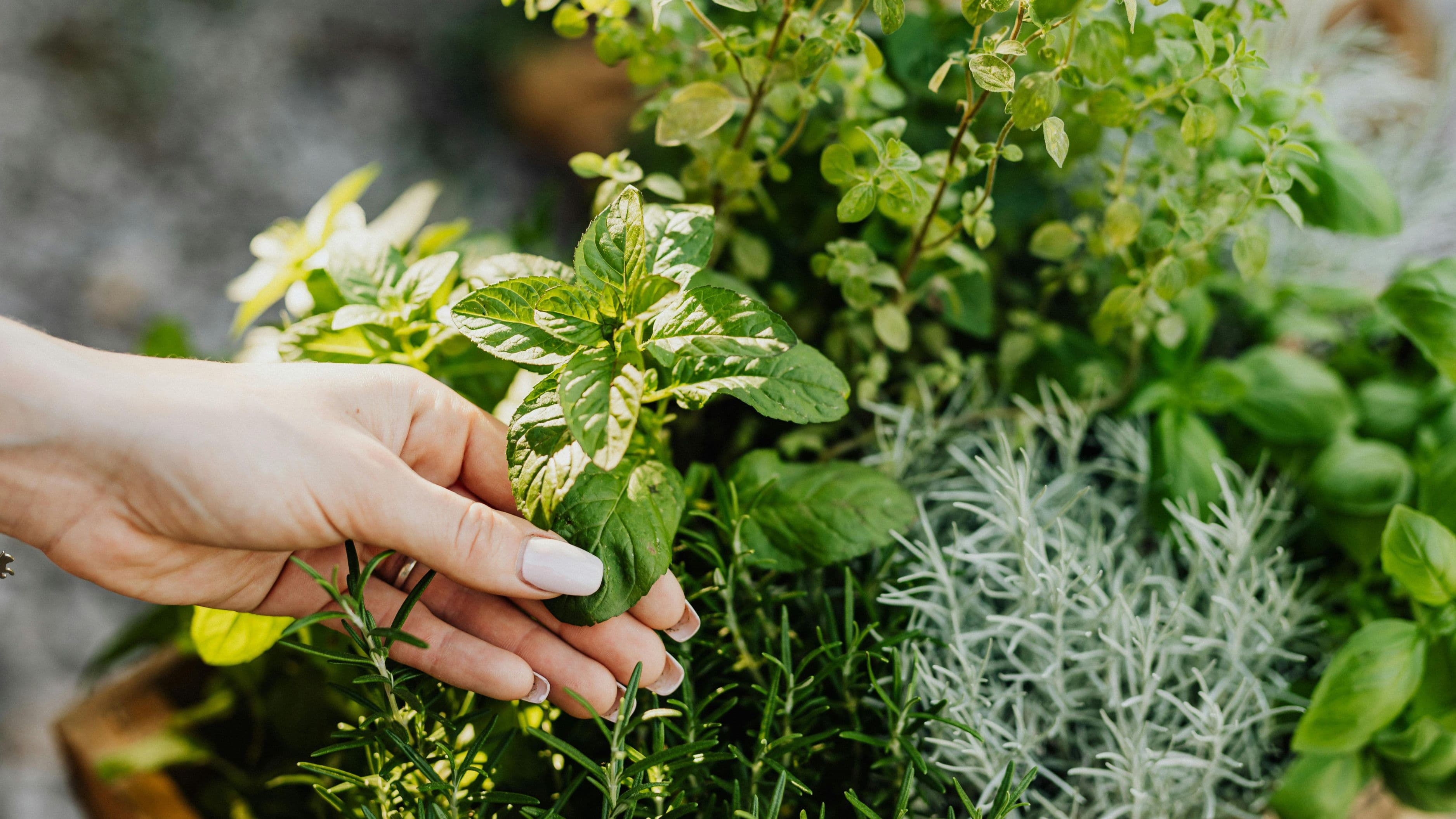
Fresh herbs are essentially cut plants that are still respiring after harvest. Without their roots, they lose moisture quickly, especially in the cold dry air of a refrigerator. Soft herbs like basil, cilantro, parsley, and mint are the fastest to deteriorate – typically lasting five to seven days loosely stored in the fridge. Hardier herbs like rosemary, thyme, sage, and oregano hold up longer, often one to two weeks, because their lower moisture content and thicker leaves make them more resilient.
The way you store them from the moment you get home has a significant impact on how long they last. Most people just toss the bunch in the crisper drawer and call it done, which is one of the fastest paths to limp, discoloured herbs within a few days.
How to Store Fresh Herbs to Buy More Time
Getting storage right is the first line of defence against waste, and the right method differs depending on the type of herb.
Soft, Leafy Herbs: Basil, Cilantro, Parsley, Mint, Dill
These benefit most from being treated like cut flowers. Trim about half an inch off the stems and stand them upright in a glass or jar with a couple of inches of water. Place the jar on your counter if it's basil – basil hates the cold and will blacken quickly in the refrigerator. For cilantro, parsley, mint, and dill, loosely cover the leaves with a plastic bag and store them in the fridge. Change the water every couple of days. Done this way, these herbs can last ten days to two weeks rather than five.
Hardy Herbs: Rosemary, Thyme, Sage, Oregano, Chives
Hardy herbs do best wrapped loosely in a slightly damp paper towel and stored in an airtight container or resealable bag in the fridge. The damp towel keeps them from drying out too quickly without making them wet enough to rot. This method can extend their life to two weeks or longer.
The Best Ways to Use Them Up Quickly
If your herbs are already a few days old and you want to use them before they turn, here are the most practical ways to put them to work without building a whole new meal around them.
Make a Compound Butter
Compound butter is one of the most useful things you can do with soft herbs, and it takes about five minutes. Soften a stick of butter at room temperature, finely chop whatever herbs you have – parsley, tarragon, chives, and dill all work particularly well – and mix them in along with a pinch of salt and a squeeze of lemon juice if you have it. Roll the butter in plastic wrap to form a log, twist the ends, and freeze it. Slice off rounds to melt over grilled chicken, fish, vegetables, or steak whenever you need a quick flavour upgrade. It keeps in the freezer for up to three months.
Blend Them Into a Sauce or Dressing
A large quantity of parsley, cilantro, or basil turns into excellent sauce with minimal effort. Blitz parsley with garlic, olive oil, red wine vinegar, and a pinch of chilli flakes for a quick chimichurri. Blend cilantro with lime juice, garlic, jalapeño, and a little olive oil for a versatile green sauce that works as a dip, a dressing, or a topping. Basil, olive oil, garlic, and pine nuts make a basic pesto that's useful across pasta, sandwiches, and grain bowls. These sauces keep in the fridge for about a week with a thin layer of olive oil on top to prevent oxidation, or they freeze well in ice cube trays for up to three months.
Stir Them Into Eggs
Eggs and fresh herbs are a natural pairing that uses up a meaningful amount of herbs without any waste. Chop soft herbs finely and fold them into scrambled eggs, an omelette, or a frittata. A frittata is particularly useful here because it accommodates almost any combination of herbs – parsley, chives, dill, basil, tarragon – without the flavour clashing. Add whatever vegetables you have alongside and you have a full meal that works for breakfast, lunch, or a light dinner.
Finish Soups, Grains, or Roasted Vegetables
Fresh herbs stirred in at the end of cooking add a brightness that dried herbs can't replicate. A bowl of lentil soup finished with chopped parsley and a drizzle of olive oil tastes noticeably more alive. Roasted carrots or potatoes tossed with fresh thyme and rosemary while still hot take on an aromatic quality that makes them feel like a dish, not a side. If you're cooking a pot of rice, quinoa, or farro, stir in a handful of chopped soft herbs at the end – it adds colour, flavour, and uses up a surprising amount of the bunch.
How to Preserve Fresh Herbs for Months
When you have more herbs than you can use in the next few days, preserving them extends their useful life significantly. There are three reliable methods, each suited to different herbs and different uses.
Freeze Them in Ice Cube Trays with Oil
This is the most practical preservation method for soft herbs you plan to cook with rather than use fresh. Finely chop the herbs, pack them into the sections of an ice cube tray, top each section with olive oil, and freeze. Once frozen, pop the cubes out and store them in a labelled zip-lock bag in the freezer. Whenever a recipe calls for sautéed herbs – garlic and thyme for a braise, basil for a pasta sauce – drop in one or two cubes directly from frozen. They keep for up to six months.
One important note: this method changes the texture of the herbs, making them unsuitable for fresh applications like salads or as a garnish. It works specifically for cooked applications where texture doesn't matter.
Dry Them
Hardy herbs like rosemary, thyme, oregano, and sage dry beautifully and retain much of their flavour. The simplest method is to tie small bunches together with kitchen twine and hang them upside down in a warm, dry spot with good air circulation for one to two weeks. You can also spread them in a single layer on a baking sheet and dry them in the oven at the lowest possible temperature – around 170°F – for one to two hours, checking regularly until they're completely dry and crumbly. Once dry, strip the leaves from the stems and store in an airtight jar away from direct light. Properly dried herbs keep for six months to a year.
Soft herbs like parsley, cilantro, basil, and mint don't dry as successfully at home – they lose most of their flavour and often turn an unappetising dull colour. For these, the freezer methods work better.
Make an Herb-Infused Oil or Vinegar
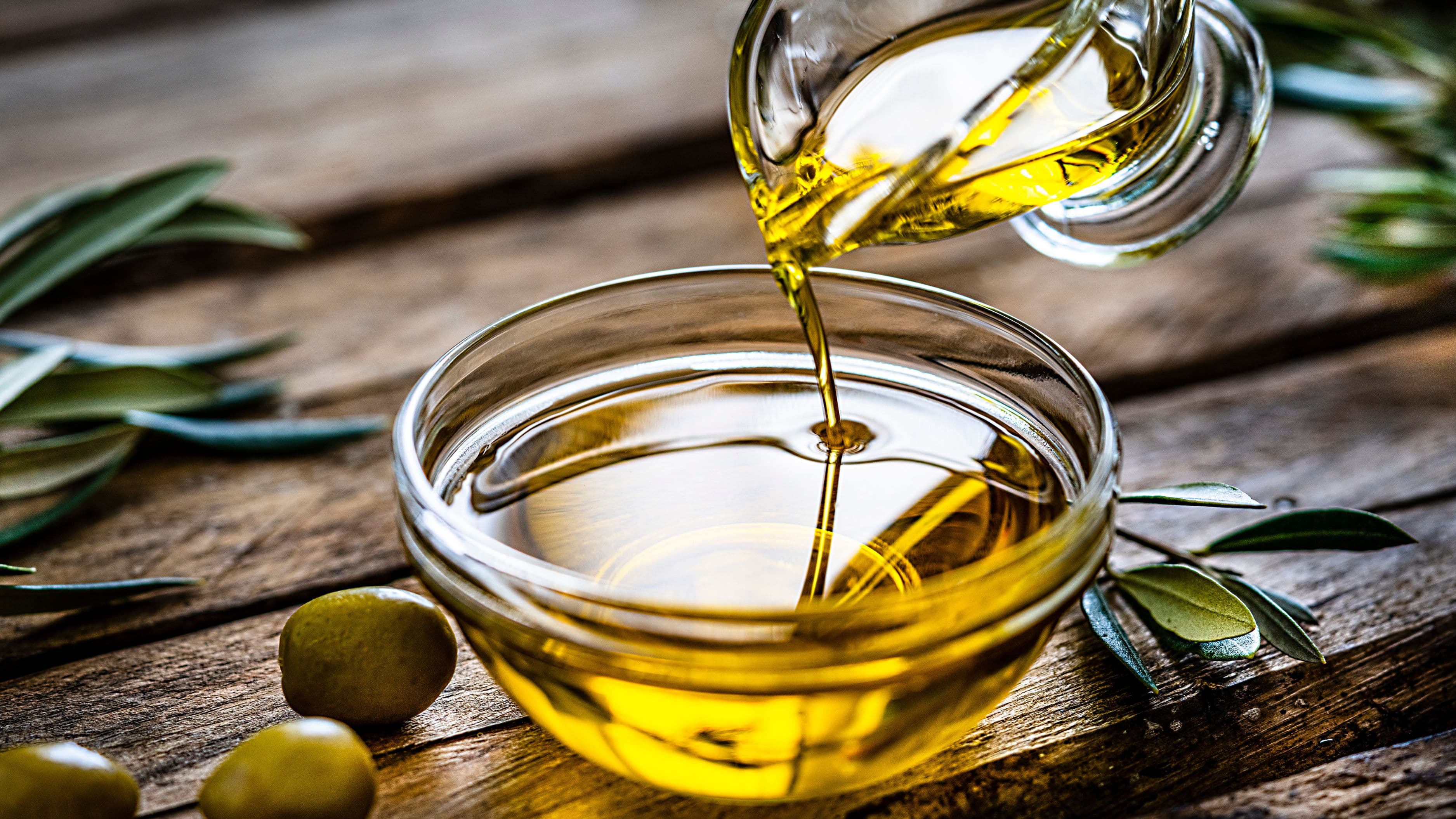
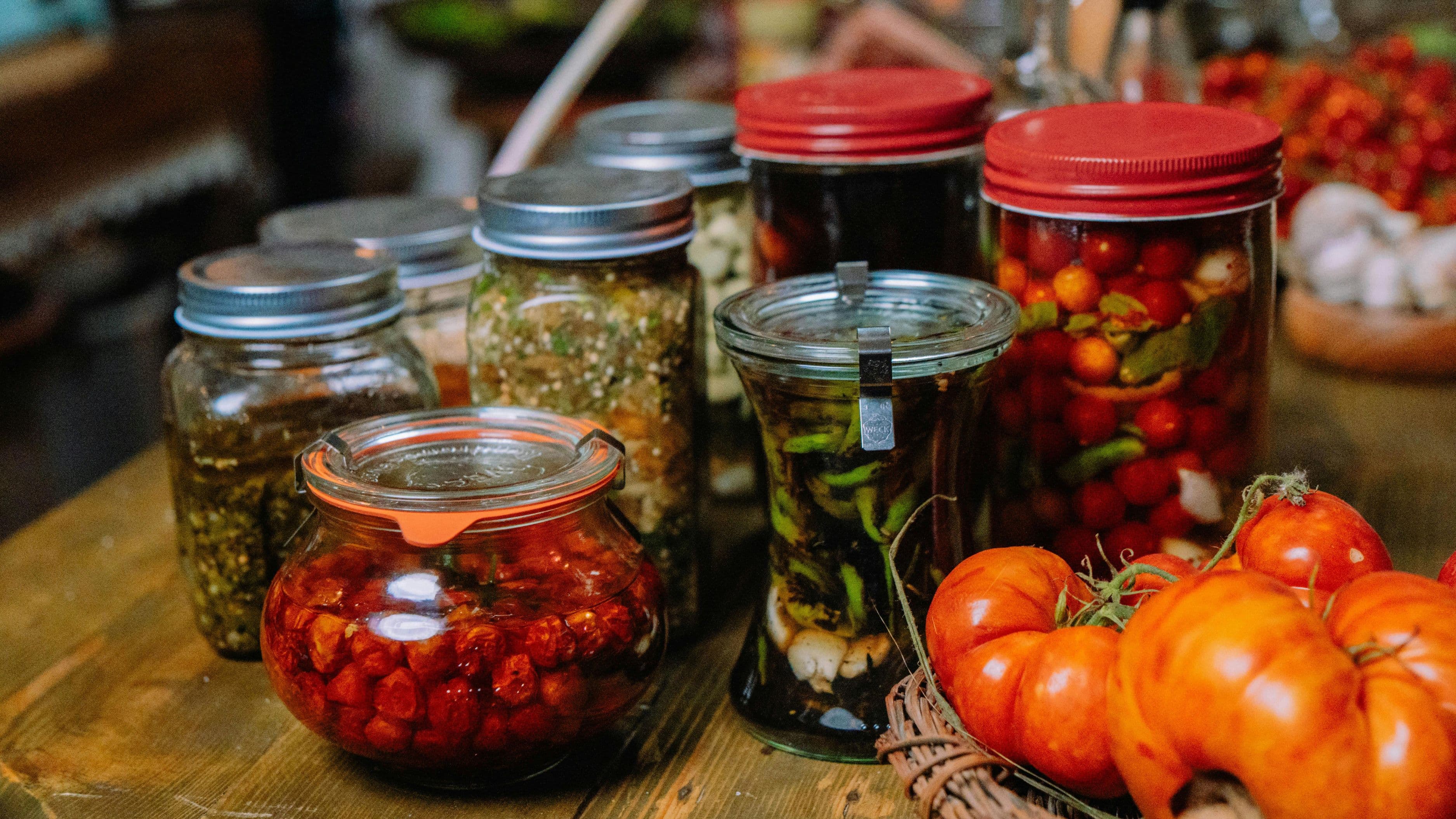
Infusing a neutral oil or white wine vinegar with fresh herbs creates a flavoured condiment that lasts for a few weeks in the fridge and is useful across salads, marinades, and dressings. Gently warm a cup of olive oil with a few sprigs of rosemary, thyme, or oregano over low heat for ten minutes – don't let it fry – then let it cool and strain it into a clean jar. For vinegar, the process is even simpler: pack fresh herbs into a clean glass jar, pour room-temperature white wine or champagne vinegar over them, seal the jar, and leave it in the fridge for a week before straining.
One safety note worth knowing: do not store fresh herb and garlic combinations in oil at room temperature. Fresh herbs in oil can create conditions for bacterial growth if left unrefrigerated. Store infused oils in the refrigerator and use within two to three weeks.
Herb-by-Herb Quick Reference
Different herbs suit different preservation and use-up strategies, so here's a quick summary of what works best for the most common ones.
Basil is best used fresh or blended into pesto and frozen. It doesn't dry well and blackens in the fridge. Store on the counter in water, away from cold.
Parsley is extremely versatile – use it in chimichurri, tabbouleh, compound butter, or freeze it in oil for cooked dishes. It stores well the jar-of-water method in the fridge.
Cilantro is best used fresh or blended into a green sauce. Freeze in oil for cooked applications. Stores well upright in water in the fridge.
Mint makes excellent mint oil, mint vinegar, or can be muddled into drinks and desserts. Dries moderately well. Stores well upright in water.
Rosemary dries exceptionally well and infuses beautifully into oil. Hardy enough to last two weeks refrigerated in a damp towel.
Thyme dries well, freezes in oil effectively, and is excellent in compound butter. One of the hardiest fresh herbs to work with.
Chives are best used fresh or frozen – they lose their mild flavour when dried. Fold into butter, eggs, cream cheese, or potato dishes.
Dill is best used fresh or stored upright in water. It doesn't dry or freeze as successfully as heartier herbs, so use it up quickly in fish dishes, salads, or yogurt-based sauces.
What to Avoid
Don't store basil in the refrigerator. The cold damages the cell walls in basil leaves and causes rapid blackening. It's the one common herb that genuinely does better on the counter.
Don't blend wilted, yellowing herbs into sauces hoping to salvage them. Herbs that have already deteriorated will produce a bitter, off-flavoured result. The time to act is when herbs are still fresh and fragrant, just before they start to turn.
Don't dry soft herbs like cilantro, basil, or fresh parsley in a hot oven – they'll lose their flavour and turn brown quickly. Stick to the freezer for preserving these.
Don't pack too many different herbs into the same ice cube tray without thinking about how they'll be used together. A cube of mixed rosemary, tarragon, and mint might make sense in one context but be confusing in most others. Keeping each herb in its own tray or labelling clearly avoids frustration later.
FAQ
Can I freeze fresh herbs without oil? Yes. Blanching herbs for thirty seconds in boiling water, then immediately cooling them in ice water, drying them, and freezing them on a tray before transferring to a bag works well for parsley and cilantro. You can also freeze dry herbs like rosemary and thyme without blanching by simply spreading them on a tray, freezing until solid, and then transferring to a bag. Oil-frozen cubes are just more practical for small portions destined for cooking.
How do I know if herbs have gone bad? Soft herbs that have gone bad will be slimy, deeply discoloured, or have a distinctly off smell. Hardy herbs typically dry out and lose aroma before they become unsafe. In general, if the herb no longer smells like itself – that fresh, bright, characteristic scent – it's past its useful window for flavour even if it's technically still safe.
Does drying herbs at home produce a better result than buying dried? For hardy herbs like rosemary, thyme, and oregano, home-dried herbs made from good-quality fresh bunches are noticeably more aromatic than most commercially dried herbs that have been sitting in a jar for months. The difference is most apparent in dishes where the herb plays a prominent role – a focaccia scattered with home-dried rosemary versus commercial rosemary, for example, is a clear comparison.
What's the best way to use a large bunch of wilting cilantro quickly? Blend it immediately into a green sauce or chutney. A handful of cilantro, a garlic clove, lime juice, a little oil, salt, and a chilli if you have one – blitz into a rough sauce that keeps for a week in the fridge. It works on eggs, grilled meat, tacos, grain bowls, or as a dip. It's the fastest and most versatile way to use up a large quantity at once.
Can I revive wilted herbs before using them? Sometimes. Soft herbs like parsley and cilantro can often be revived by trimming the stems and placing them in cold water for 20–30 minutes. This works best when the herbs are just slightly wilted rather than fully limp or discoloured. It won't rescue herbs that have started to yellow or develop slimy patches, but it can buy another day of usable freshness for herbs that are only beginning to droop.
📚 Sources
USDA FoodData Central – Herb Nutrient and Storage Data: https://fdc.nal.usda.gov/
University of California Cooperative Extension – "Storing Fresh Herbs": https://ucanr.edu/sites/marchfoodday/files/183098.pdf
National Center for Home Food Preservation – "Freezing Herbs": https://nchfp.uga.edu/how/freeze/herbs.html
FDA – "Food Safety and Fresh Produce": https://www.fda.gov/food/buy-store-serve-safe-food/selecting-and-serving-produce-safely
Serious Eats – "The Best Way to Store Fresh Herbs": https://www.seriouseats.com/the-best-way-to-store-fresh-herbs-cilantro-parsley-basil