What a Leftover Library Actually Is
A leftover library is simply a consistent, visible system for storing, labeling, and tracking cooked food you're saving for later, organized in a way that makes it immediately obvious what you have and how soon it needs to be used. Instead of leftovers disappearing into the back of the fridge in mismatched containers, everything has a clear spot, a clear label, and a clear timeline, which removes most of the mental effort involved in deciding what to eat on a busy night.
This matters because decision fatigue is a real, measurable phenomenon, and the fewer small decisions you have to make about food each day, the more mental energy you have left for everything else. A well-organized leftover system essentially pre-makes several of those daily decisions for you.
Choose a Consistent Container System
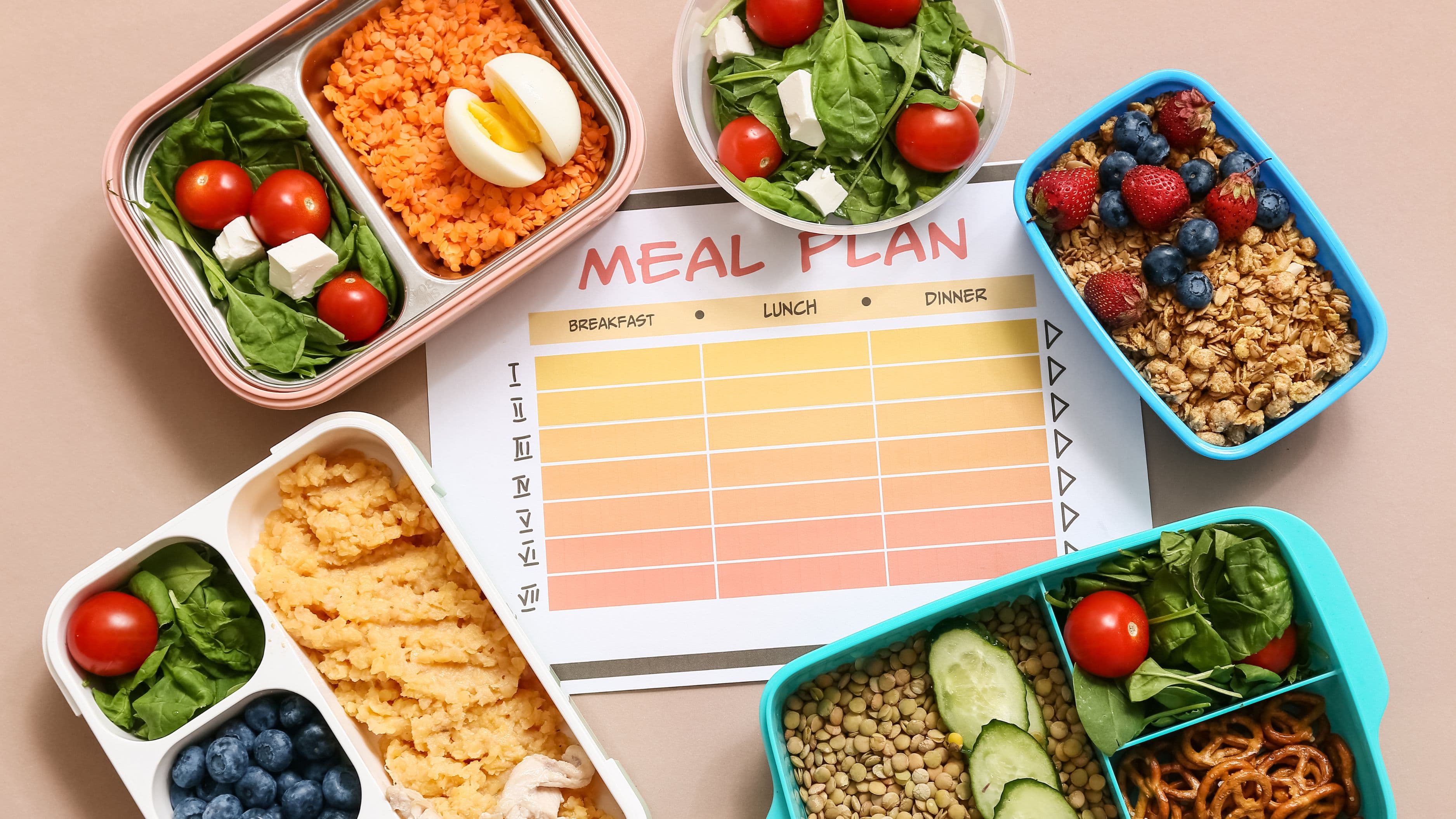
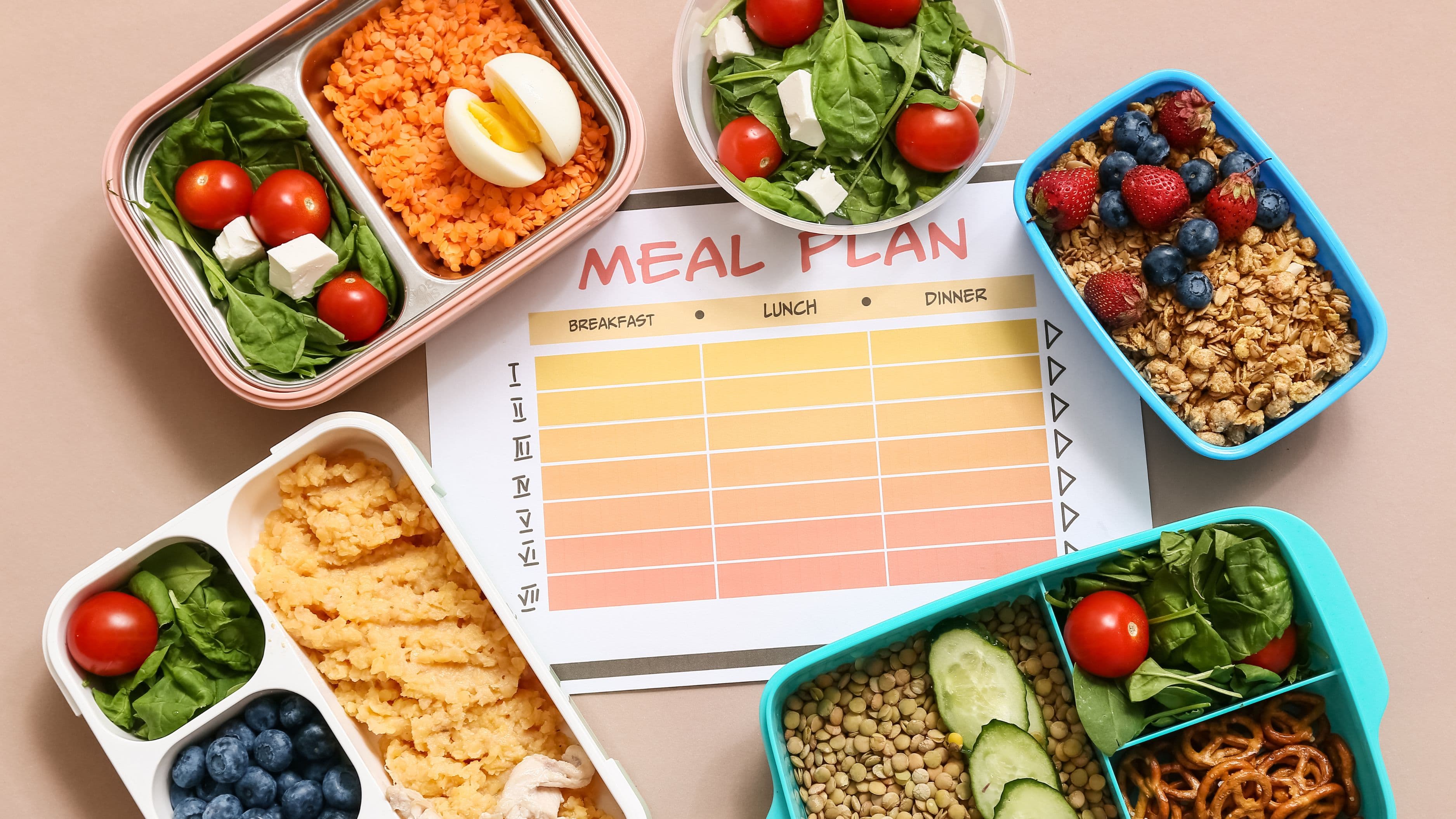
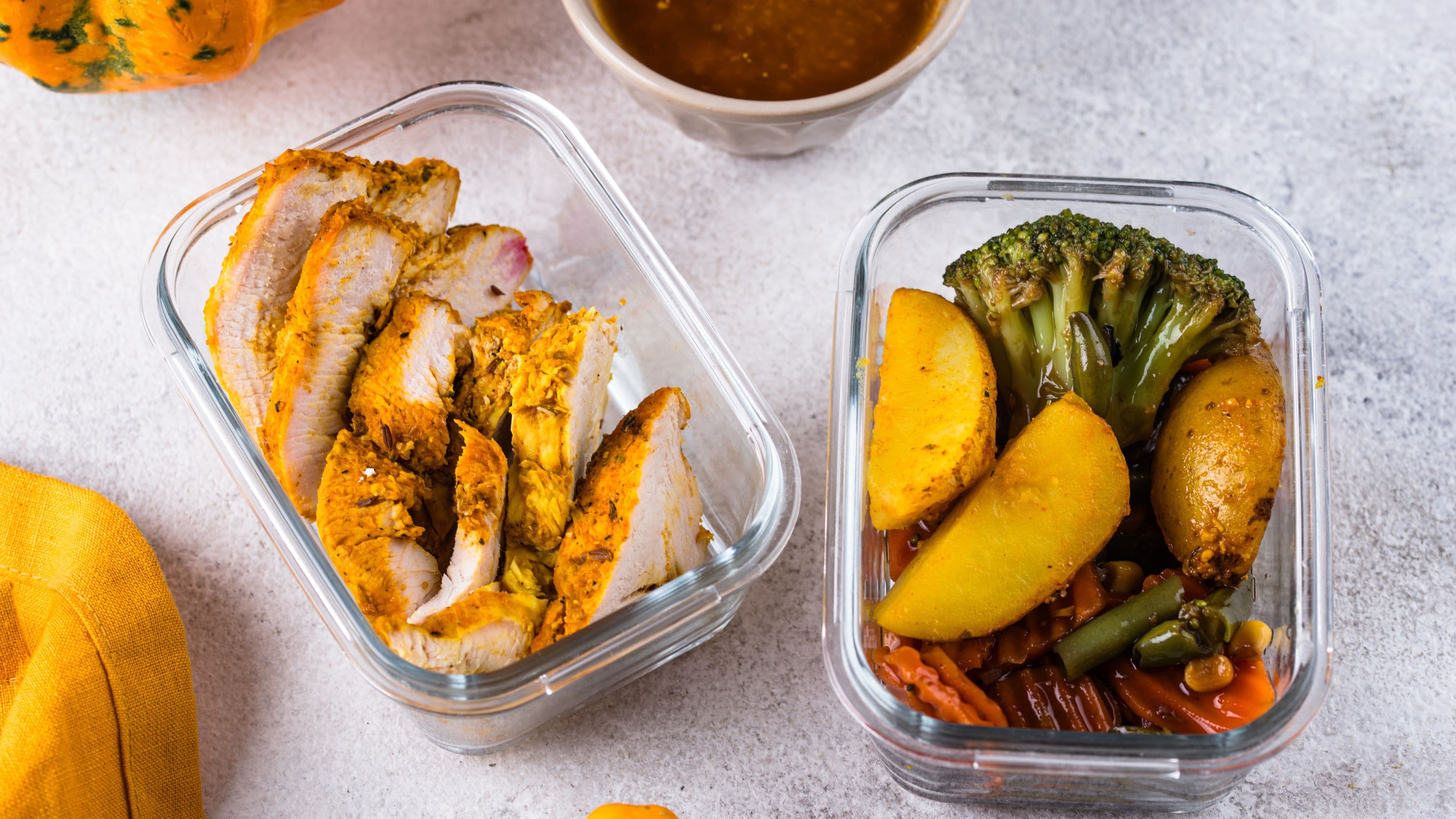
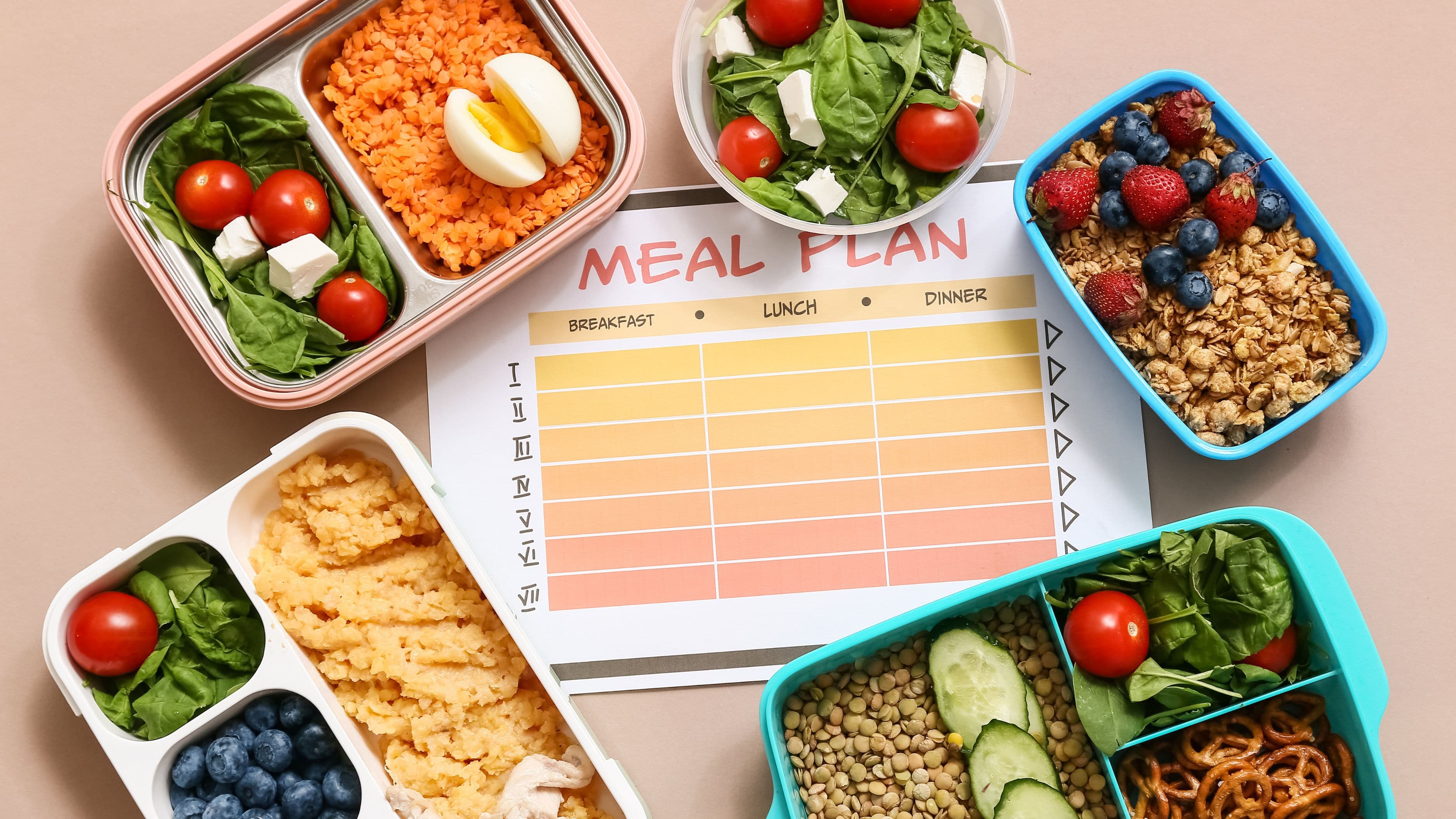
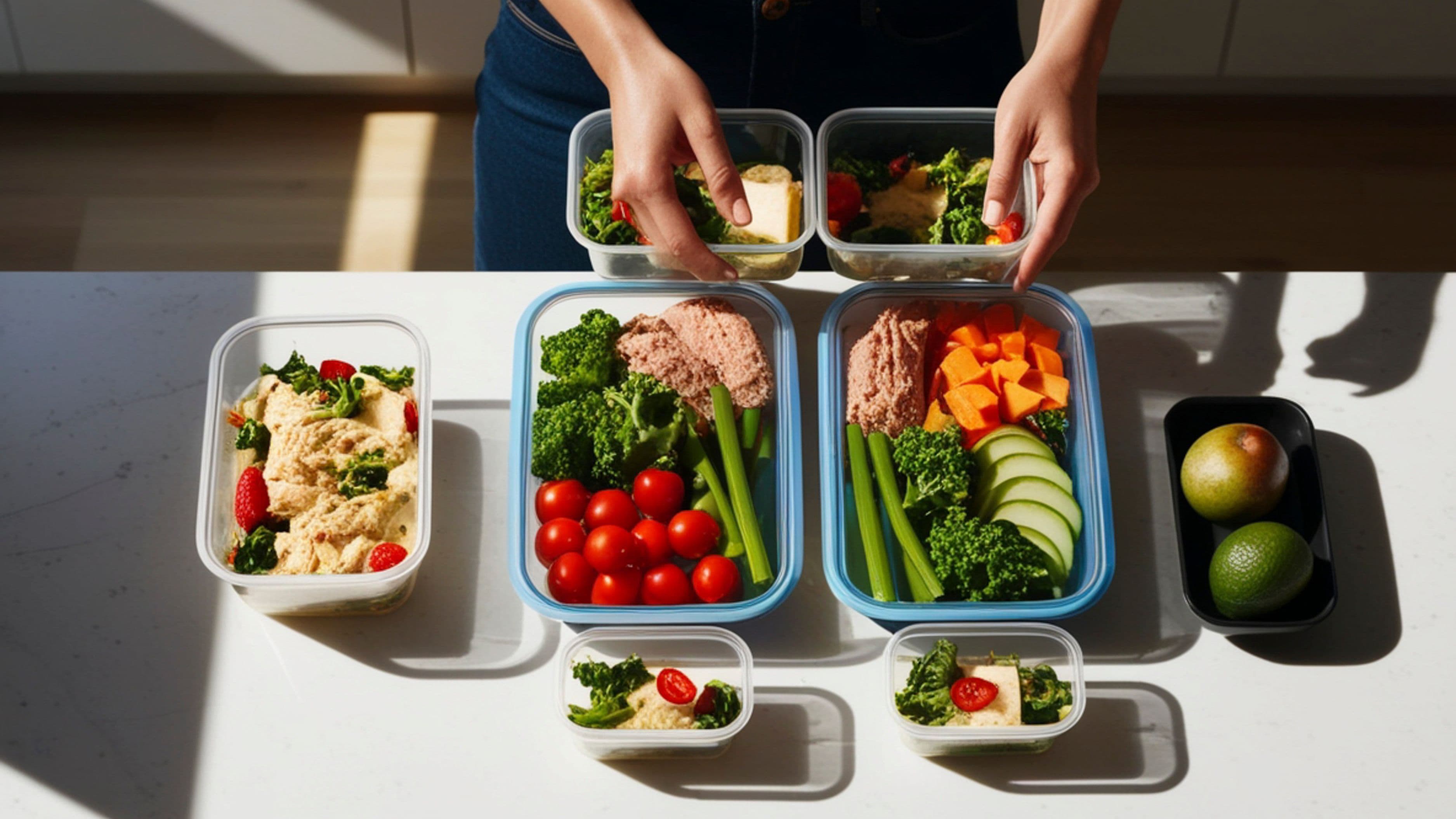
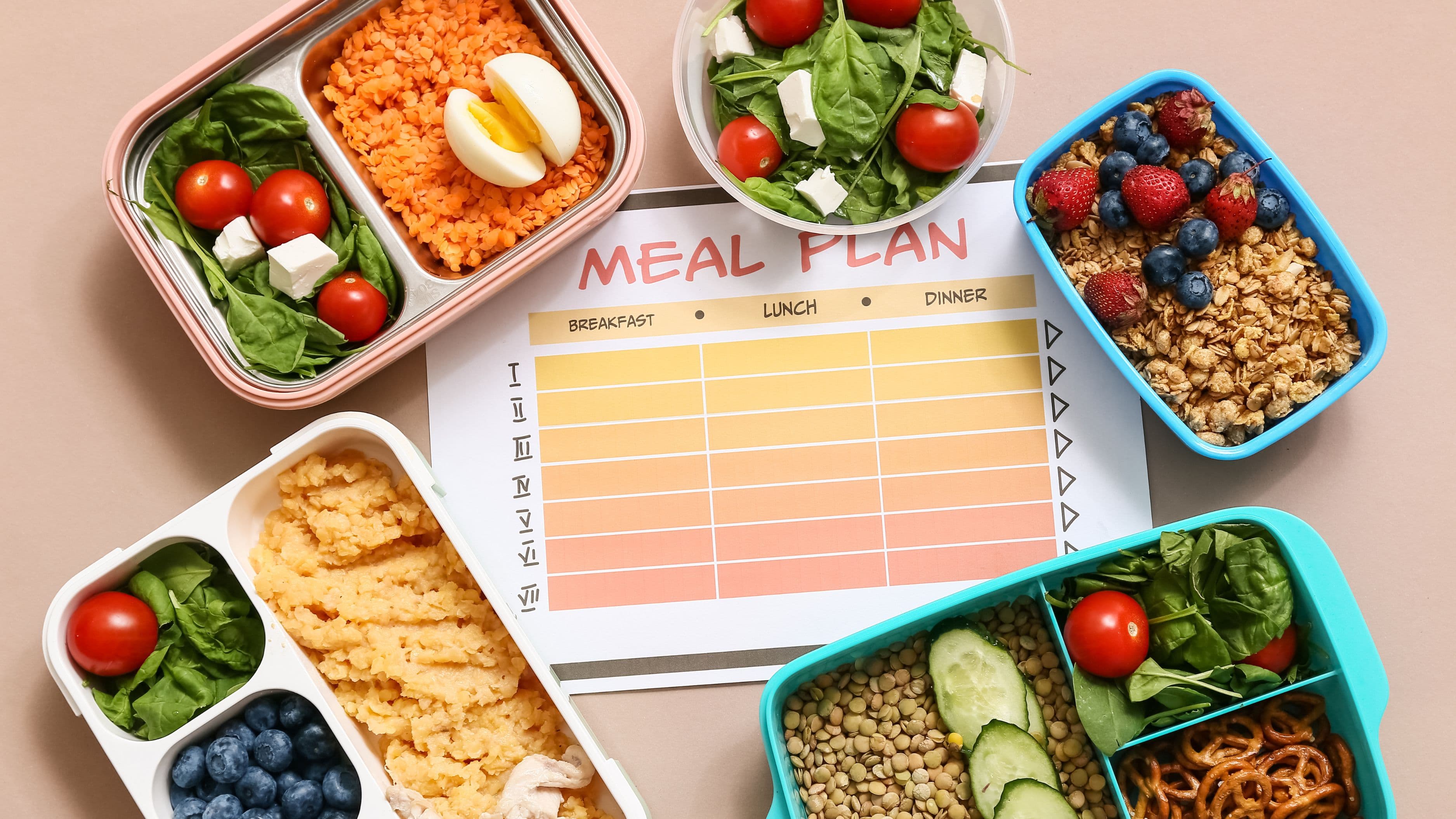
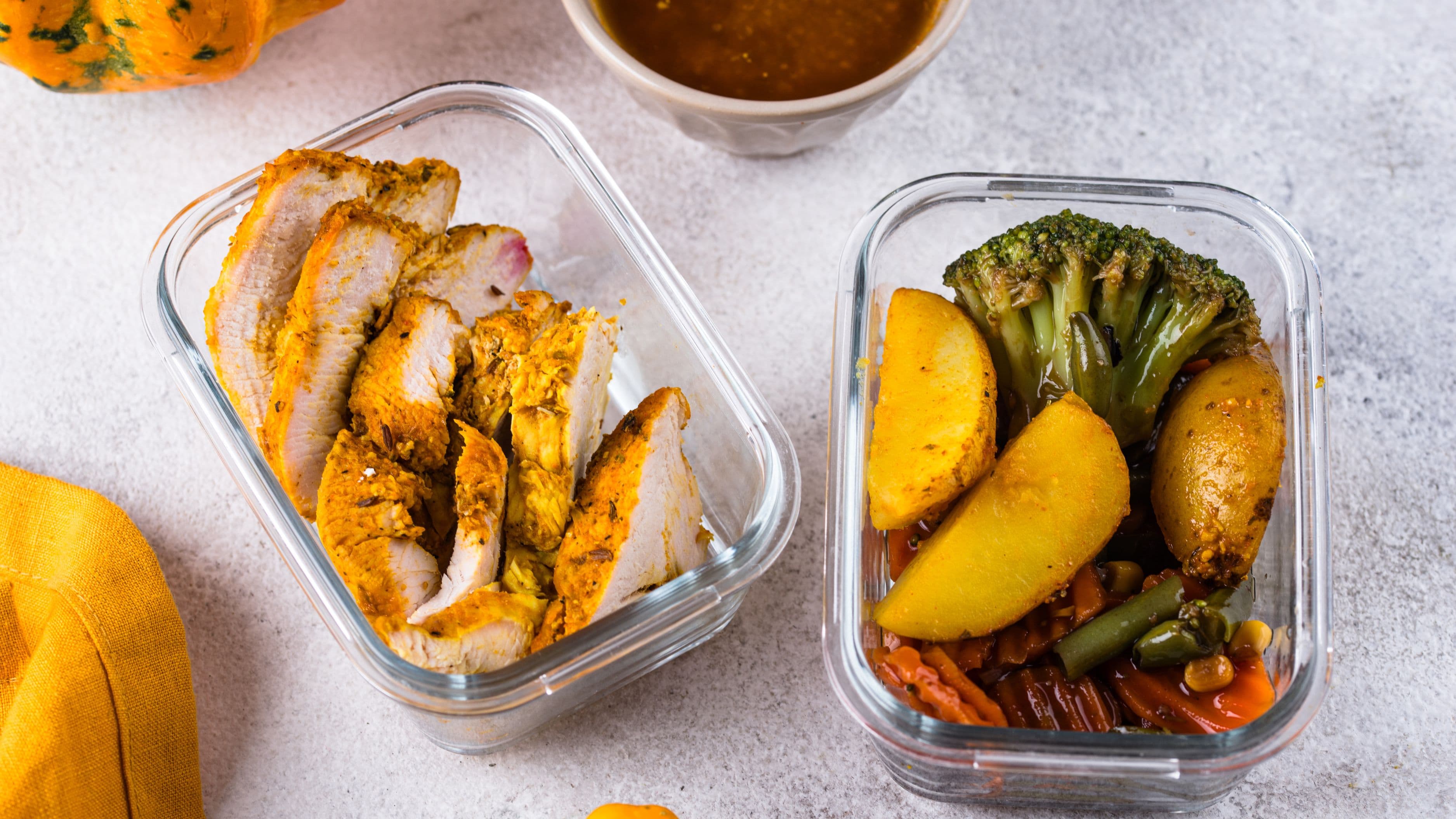
The foundation of any leftover library is uniform, stackable containers, ideally clear so you can see contents at a glance without opening every single one. Glass containers with matching lids work particularly well since they're microwave-safe, don't retain odors or stains the way some plastics do, and stack neatly for efficient fridge space use.
Standardizing on two or three sizes – small for single portions, medium for two to three servings, large for family-style batches – keeps your fridge shelf organized rather than a mismatched jumble of takeout containers and mystery Tupperware that never quite fit together properly.
Label Everything With Date and Contents
This step feels almost too simple to matter, but it's the single change that most reliably prevents both food waste and the mental friction of trying to remember what's actually in a container. A simple piece of masking tape with the dish name and the date it was cooked takes fifteen seconds and eliminates the guessing game entirely.
Beyond preventing waste, clear labeling makes meal decisions genuinely faster, since you can scan the fridge and immediately see your options instead of opening several containers just to figure out what's inside each one.
Organize by Use-By Urgency, Not Alphabetically
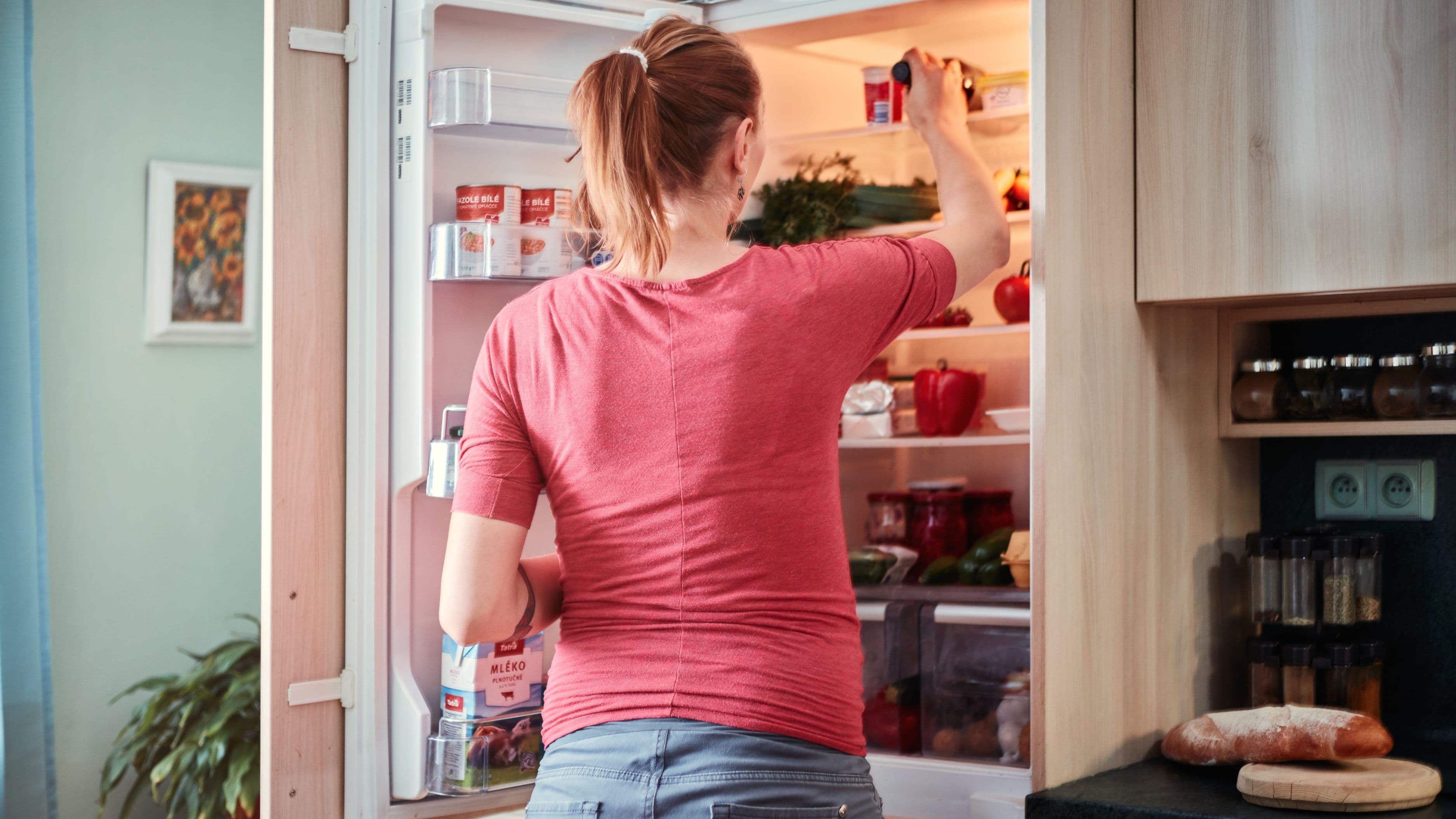
Position your leftovers on the fridge shelf based on how soon they need to be eaten, not by type of food or any other organizing principle. Items nearing the end of their safe storage window go at the front, at eye level, where you'll actually see and use them before they go to waste.
This single habit does more to reduce food waste than almost any other change, since the biggest driver of wasted leftovers is usually forgetting something exists until it's already spoiled, tucked behind newer items further back on the shelf.
Build a Simple Rotation System
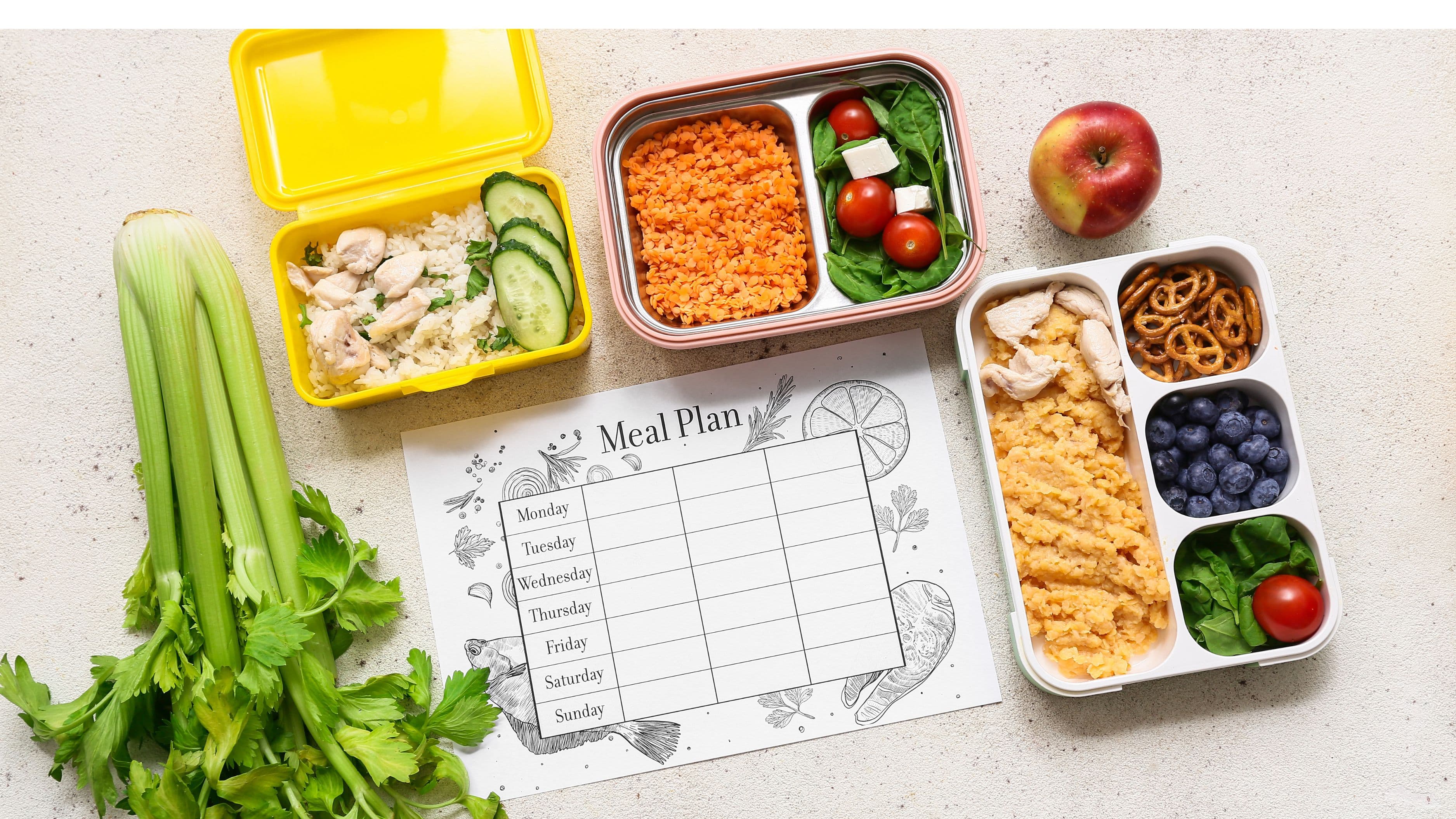
Designate one or two nights a week specifically as "leftover nights," where the meal plan is simply whatever's accumulated in your leftover library rather than a new dish. This single habit prevents the slow buildup of forgotten containers that eventually get thrown out, while also giving you a genuinely low-effort dinner option built into your regular routine.
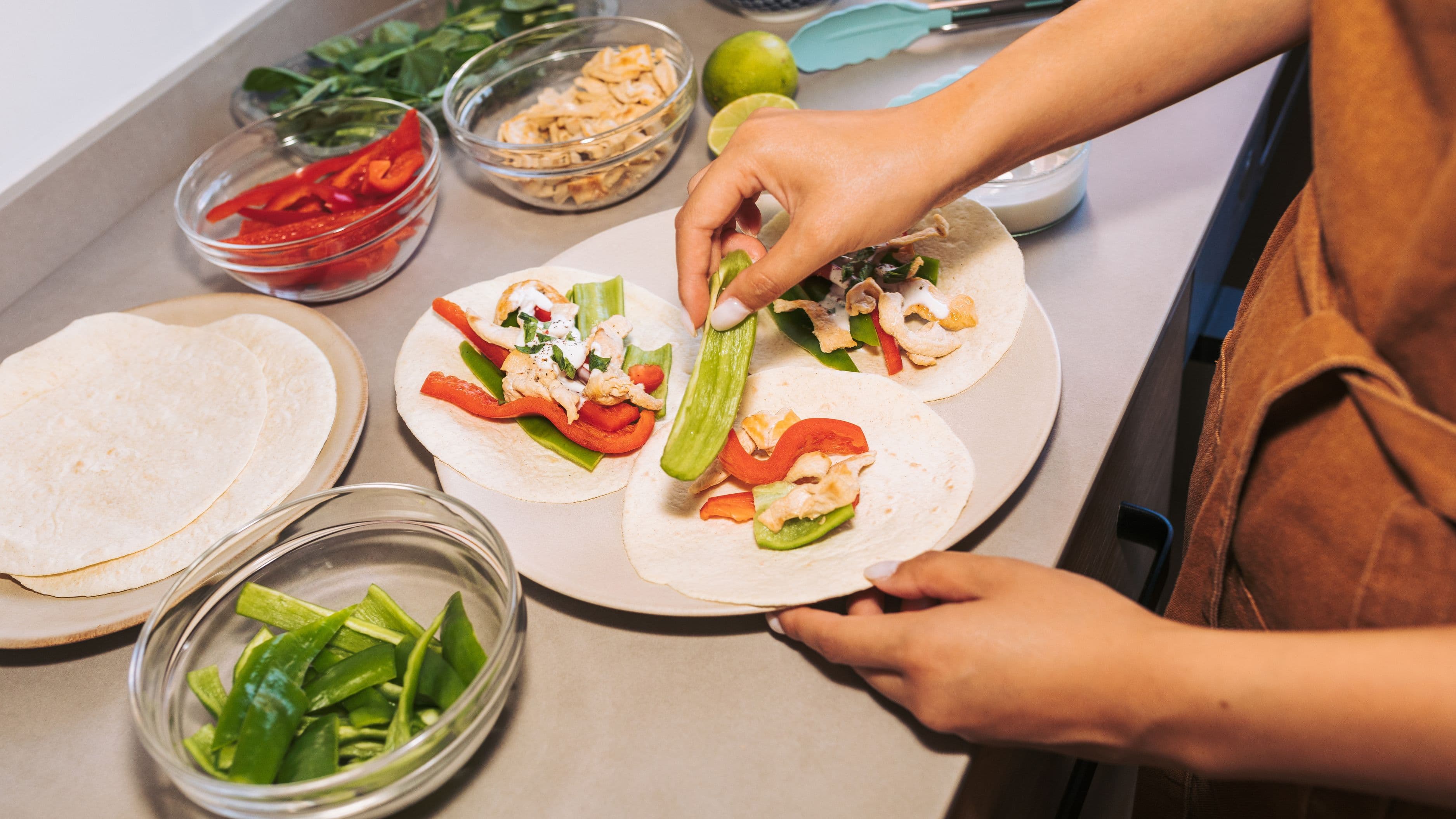
Some households find it helpful to lay out all current leftovers on the counter during these nights, letting everyone choose from what's available rather than committing to a single combined meal, which works particularly well for households with different tastes or dietary preferences among family members.
Batch Cook With the Library in Mind
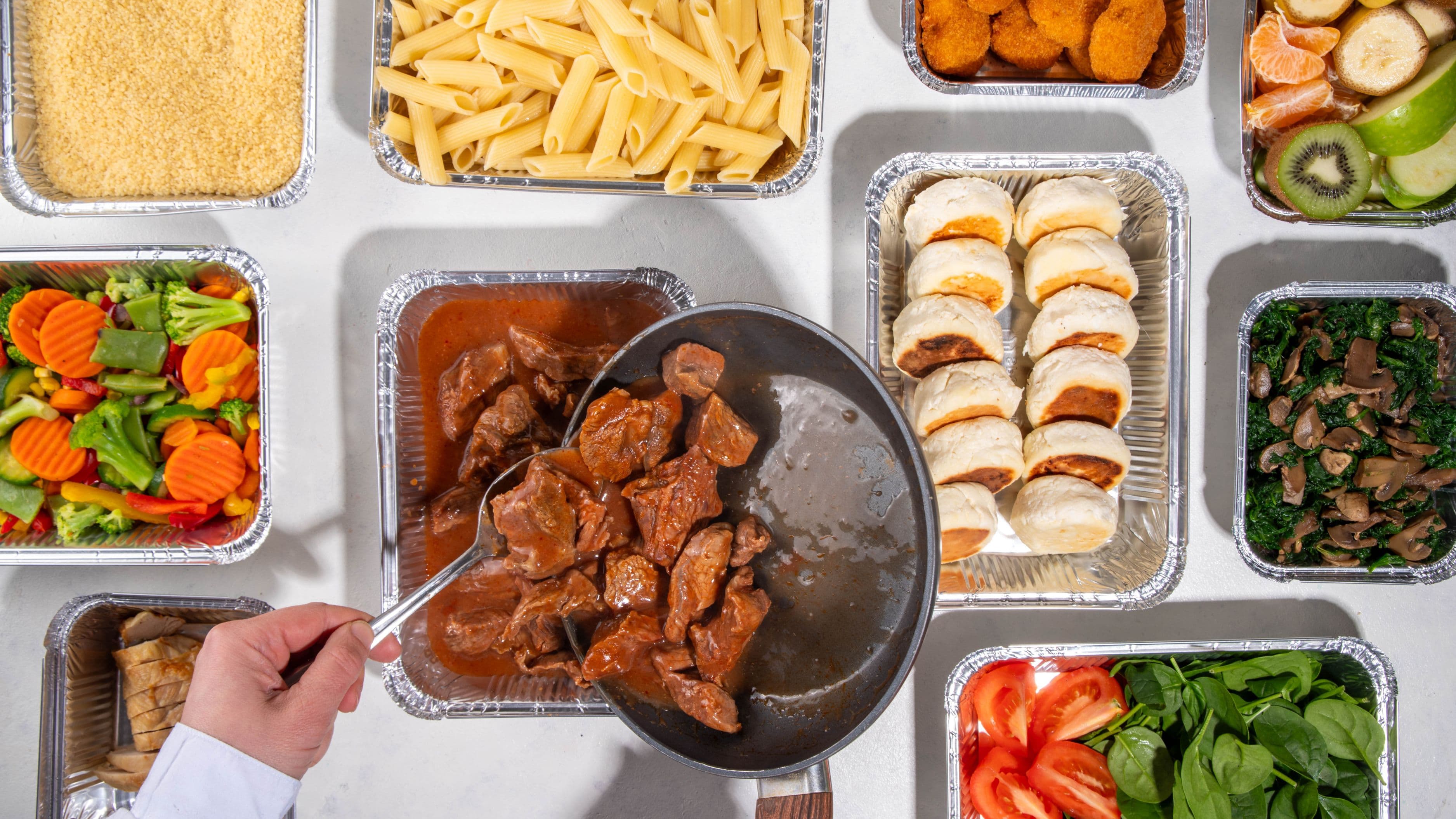
Once the system is in place, you can start cooking somewhat intentionally for your leftover library rather than treating leftovers as an afterthought. Cooking a slightly larger batch of a grain, protein, or sauce specifically to store for later transforms leftovers from a byproduct into a genuine time-saving strategy.
This works especially well for versatile base components – a pot of rice, roasted vegetables, or a basic protein – that can be repurposed into several different meals throughout the week rather than eaten the exact same way twice in a row.
What to Avoid
Avoid storing leftovers in a way that makes them invisible, like stacking opaque containers three deep in the back of the fridge, since out of sight genuinely does mean out of mind when it comes to food you're trying to actually use. Also be realistic about safe storage windows – most cooked leftovers are best used within three to four days, and pushing beyond that timeframe increases food safety risk regardless of how organized your system looks.
Realistic Expectations
Building this habit takes a few weeks of consistency before it feels automatic rather than like an extra chore layered on top of regular cooking. Expect some early inconsistency – a few unlabeled containers here and there – as the habit forms, and don't let minor lapses derail the whole system. The payoff, once established, is a genuinely lighter mental load around daily meal decisions and less food quietly going to waste.
FAQ
How long can most leftovers safely stay in the fridge? Most cooked leftovers are safe for three to four days when properly refrigerated, though this varies somewhat by the specific dish and how quickly it was initially cooled and stored.
Should I freeze leftovers instead of keeping everything in the fridge? For anything you won't realistically use within three to four days, freezing is a smart option, and labeling frozen items with the same date-and-contents system prevents the same "mystery container" problem in your freezer.
Do I need special containers, or can I reuse what I already have? Reusing existing containers works fine as long as you standardize sizes and commit to consistent labeling; the system matters more than the specific containers you use to build it.
A leftover library turns a source of daily low-grade stress into a genuinely useful, time-saving system, and it costs almost nothing to set up beyond a bit of initial organizing effort. Once the habit sticks, it quietly removes one more decision from your evening routine, which adds up more than it might seem at first.