This is a practical walkthrough of the legumes worth adding to your regular rotation, how to actually cook them well, and how to use them in ways that don't feel like an afterthought.
What Counts as a Legume
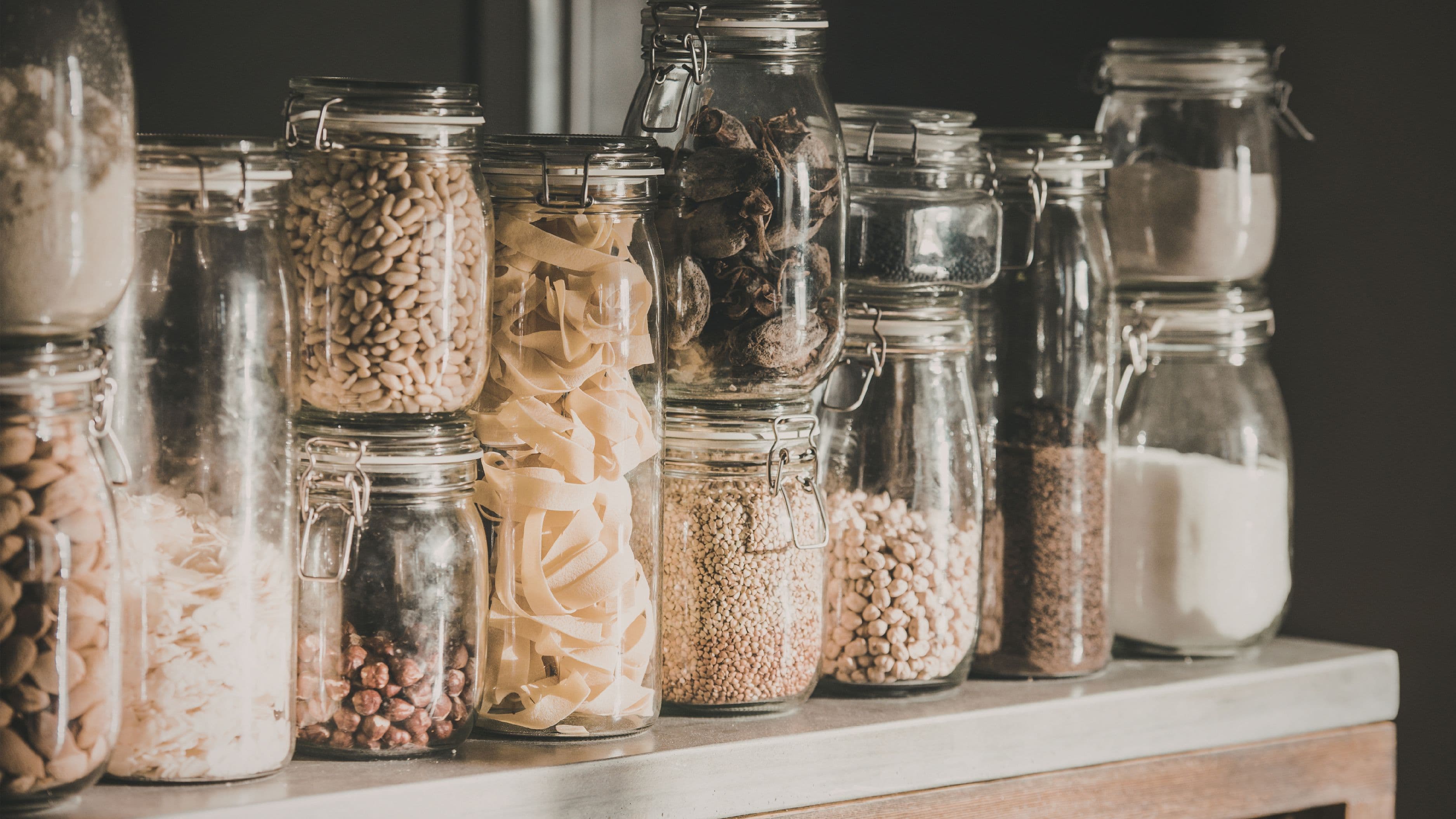
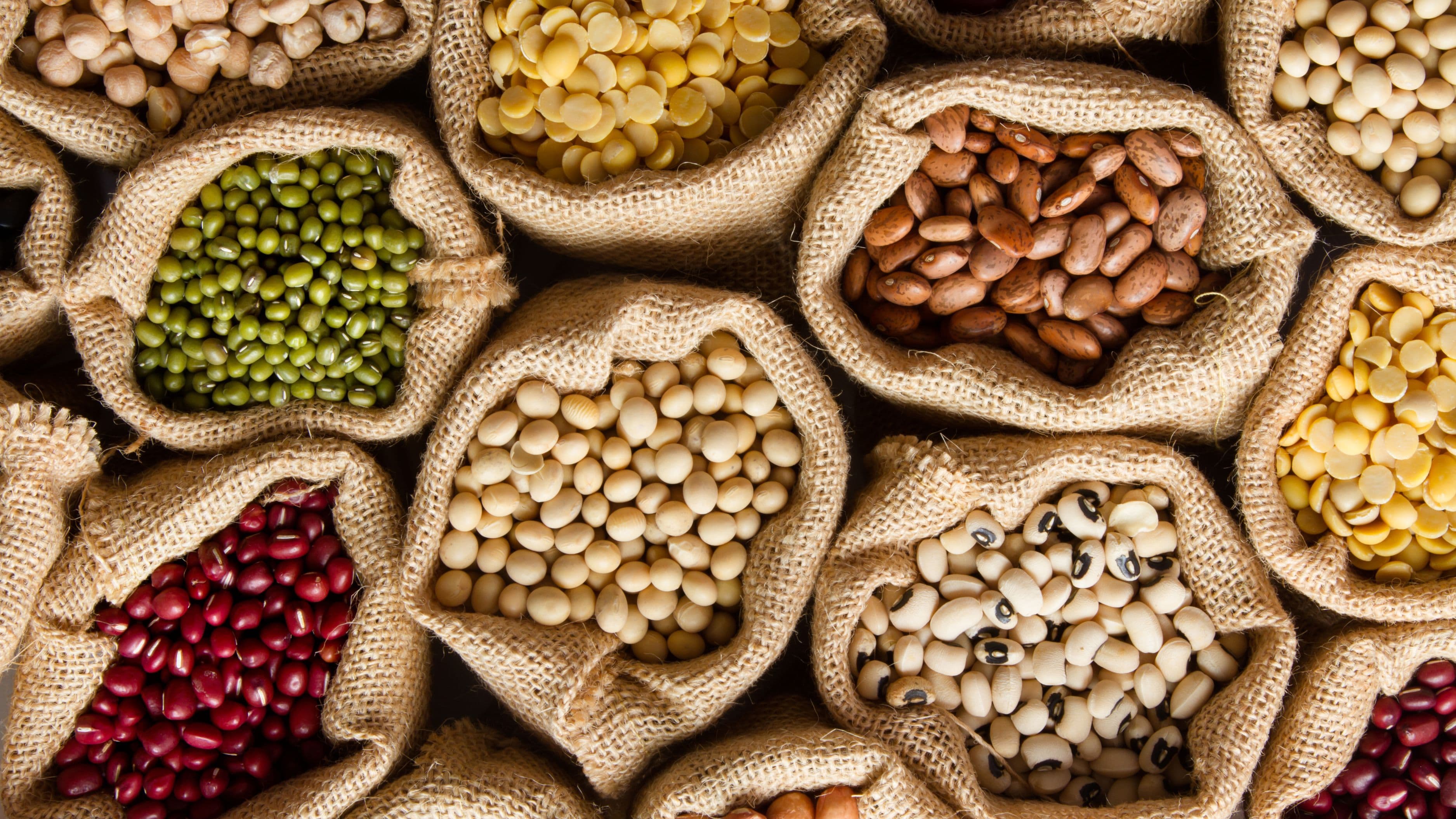
Legumes are the edible seeds of plants in the legume family, which includes beans, lentils, peas, and peanuts. What makes them worth cooking with regularly is their combination of protein, fiber, and satisfying texture, all at a fraction of the cost of most meat proteins, with a shelf-stable dried form that keeps in your pantry for a long time without spoiling.
Lentils: The Fastest-Cooking Legume Worth Knowing Better
Lentils cook considerably faster than most dried beans – usually 20 to 30 minutes without any need for pre-soaking – which makes them one of the most practical legumes for a weeknight dinner. Brown and green lentils hold their shape well and work beautifully in soups, stews, and grain bowls, while red and yellow lentils break down into a soft, creamy texture that's perfect for dals and purees.
How to use them: try red lentils in a simple curry with onion, garlic, and warming spices, simmered until they break down into a thick, comforting stew. Green or brown lentils work well tossed with roasted vegetables, a simple vinaigrette, and some fresh herbs for a hearty room-temperature salad.
Black-Eyed Peas: More Versatile Than Their Reputation Suggests
Black-eyed peas have a mild, slightly earthy flavor and a creamy texture once cooked, making them considerably more versatile than they often get credit for outside of specific regional dishes. They cook in about 45 minutes to an hour from dried, faster than many other whole beans, and hold their shape nicely without becoming mushy.
How to use them: simmer with smoked paprika, garlic, and greens like collards or kale for a simple, deeply flavorful one-pot meal. They also work well cold, tossed into a salad with red onion, herbs, and a bright vinaigrette.
Marcona and Other Underused Whole Beans
Beyond the common pinto, black, and kidney beans, varieties like gigante beans, cannellini, and marrow beans offer a creamier, more substantial texture that holds up beautifully in slow-cooked dishes. These larger beans take longer to cook – often 60 to 90 minutes from dried – but the payoff is a rich, almost buttery texture that smaller beans don't quite replicate.
How to use them: try gigante beans baked low and slow in a tomato sauce with olive oil and herbs until they turn tender and almost creamy – a dish worth making a double batch of, since leftovers reheat beautifully.
Split Peas: Not Just for Soup
Split peas, most familiar in classic split pea soup, deserve wider use beyond that single dish. They cook down into a thick, hearty texture similar to lentils and work well as a base for dips, spreads, or a simple side dish seasoned with garlic and herbs.
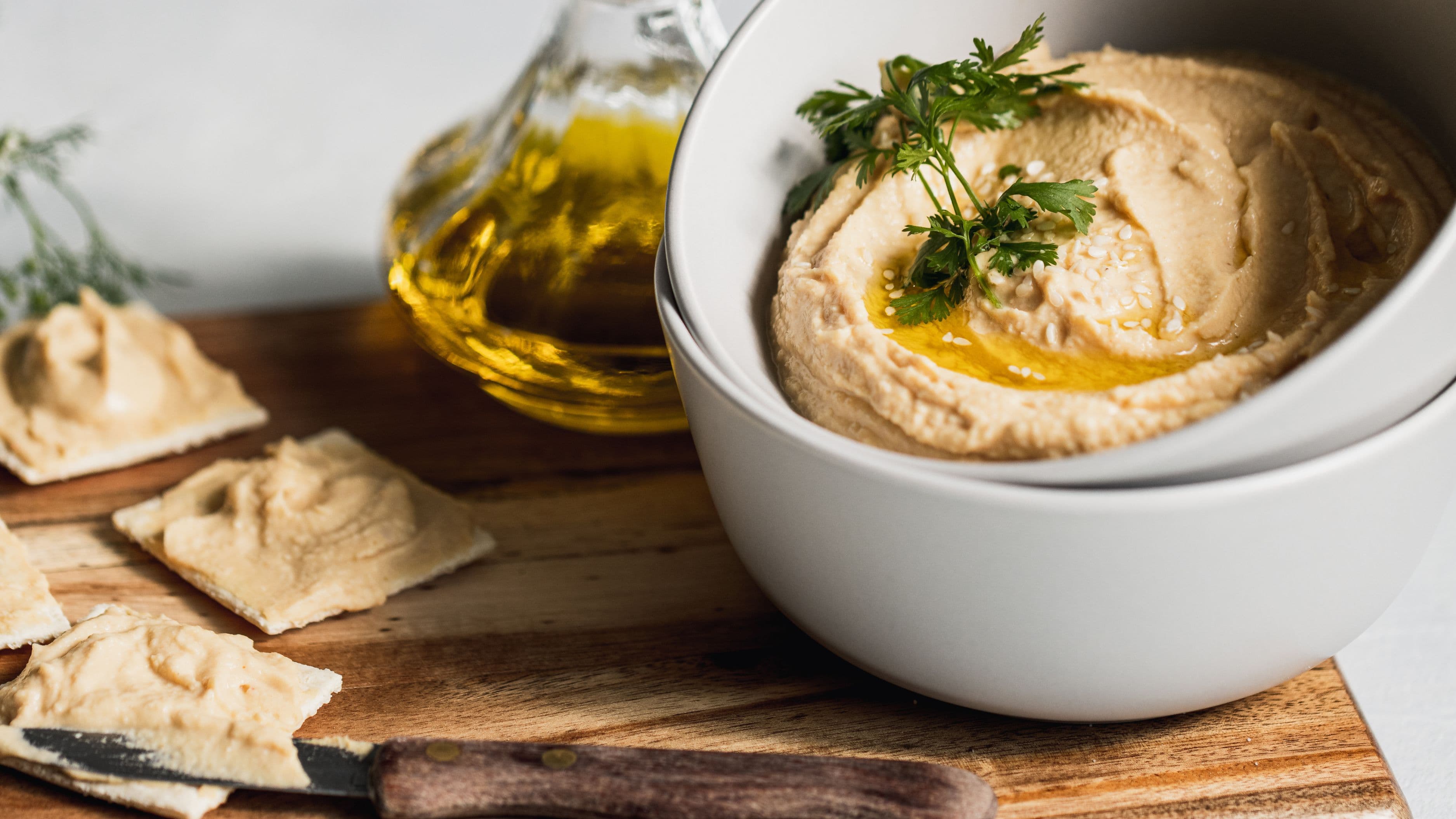
How to use them: puree cooked split peas with garlic, lemon, and olive oil for a hummus-style dip that's considerably cheaper than chickpea hummus and just as satisfying.
Fava Beans: Worth the Extra Prep
Fresh fava beans require a bit more prep work – shelling and often peeling the individual beans after a quick blanch – but the bright, slightly sweet flavor makes the extra effort worthwhile, especially in spring and early summer when they're in season. Dried favas, used in dishes across Middle Eastern and Mediterranean cuisines, offer a heartier, more substantial texture once rehydrated and cooked.
How to use them: toss fresh, blanched fava beans with mint, lemon, and good olive oil for a simple spring side dish, or use dried favas as the base for a hearty stew similar to how you'd use other whole beans.
How to Cook Dried Legumes Well
Soaking dried beans (though not typically lentils or split peas) for 6-8 hours or overnight helps them cook more evenly and reduces cooking time somewhat, though it's not strictly required if you're short on time – just expect a slightly longer simmer. Always cook beans in unsalted water until they're nearly tender, then add salt near the end, since salting too early can toughen the skins and extend cooking time noticeably.
Simmer gently rather than at a rolling boil, since aggressive boiling can cause beans to break apart or cook unevenly on the outside before the inside is fully tender. A gentle, steady simmer with the lid slightly ajar typically produces the best texture across most legume varieties.
What to Avoid
Don't add acidic ingredients like tomatoes, vinegar, or citrus juice too early in the cooking process, since acid can significantly slow down how quickly beans soften, sometimes leaving them tough even after extended cooking time. Add these ingredients toward the end once your beans are already tender.
Avoid tossing out the liquid your beans cooked in – this starchy cooking liquid, sometimes called "bean broth," adds real body and flavor if used as a base for soups or to thin out purees and dips rather than being discarded.
FAQ
Do I need to soak lentils and split peas before cooking? No, unlike whole beans, lentils and split peas cook quickly enough from dry that soaking isn't necessary, though a quick rinse to remove any debris is still a good habit.
How long do cooked legumes keep in the fridge? Most cooked legumes keep well for about four to five days refrigerated in an airtight container, and they also freeze well for longer storage.
Are canned legumes a reasonable substitute for dried? Yes, canned legumes are a genuinely convenient option when you're short on time – just rinse them well to reduce excess sodium, and adjust cooking times since they're already fully cooked.