Why Most Lentil Soup Falls Flat
Before getting into the recipe, it's worth understanding where most versions go wrong. The two most common issues are under-seasoning and skipping the spice bloom. Lentils are neutral-tasting on their own, which means they need a lot of flavor built into the base – not stirred in at the end, but layered from the very beginning. The second issue is texture: many recipes produce a soup that's either watery and thin or so thick it's more of a stew. Getting to that perfect, slightly creamy consistency is about timing and technique, not about adding cream.
Ingredients
This recipe serves 4–6 people and uses red lentils, which are the best choice for this style of soup. They cook quickly, break down into a naturally creamy texture without any blending, and absorb flavor beautifully. You can use green or brown lentils, but the result will be chunkier and take longer to cook.
For the soup:
1½ cups red lentils, rinsed thoroughly
1 large onion, diced
4 garlic cloves, minced
2 medium carrots, diced (about 1 cup)
2 tablespoons olive oil
1½ teaspoons ground cumin
1 teaspoon ground coriander
½ teaspoon ground turmeric
½ teaspoon smoked paprika
¼ teaspoon cayenne pepper (adjust to taste)
1 can (400g / 14 oz) crushed or diced tomatoes
1.5 liters (about 6 cups) chicken or vegetable stock
1½ teaspoons salt, plus more to taste
Black pepper to taste
Juice of half a lemon
For the finishing oil (optional but highly recommended):
2 tablespoons olive oil
1 teaspoon sweet paprika (or a mix of sweet and smoked)
Pinch of dried chili flakes
To serve:
Fresh parsley or cilantro, roughly chopped
Crusty bread or flatbread
Step-by-Step Instructions
Step 1: Bloom the Spices
Heat the olive oil in a large pot or Dutch oven over medium heat. Add the diced onion and carrots and cook for 7–8 minutes, stirring occasionally, until the onion is soft and starting to turn golden. Don't rush this step – the caramelization happening here is the foundation of the soup's flavor.
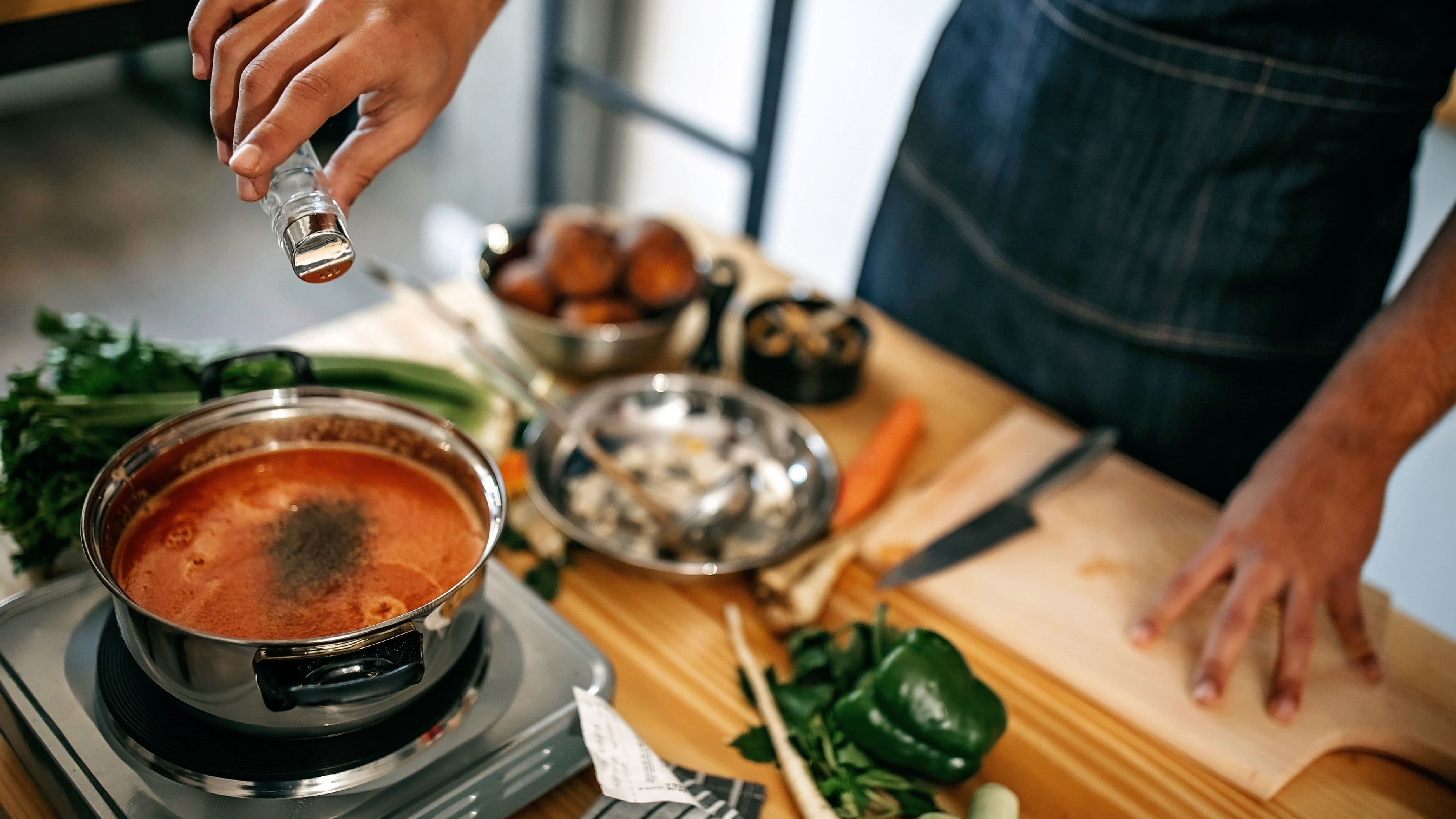
Add the minced garlic and cook for another minute until fragrant. Then add all the dry spices: cumin, coriander, turmeric, smoked paprika, and cayenne. Stir everything together and let the spices cook in the oil for 60–90 seconds. The mixture will look dry and dense, and the spices will smell toasty and intense. This is the bloom, and it's the step that separates a flat-tasting soup from one with real depth.
Step 2: Add the Tomatoes and Lentils
Add the crushed tomatoes and stir them into the spiced onion mixture. Cook for 2–3 minutes, letting the tomatoes reduce slightly and meld with the spices. Then add the rinsed lentils and pour in the stock. Season with 1½ teaspoons of salt and a generous amount of black pepper. Stir to combine.
Step 3: Simmer Until the Lentils Break Down
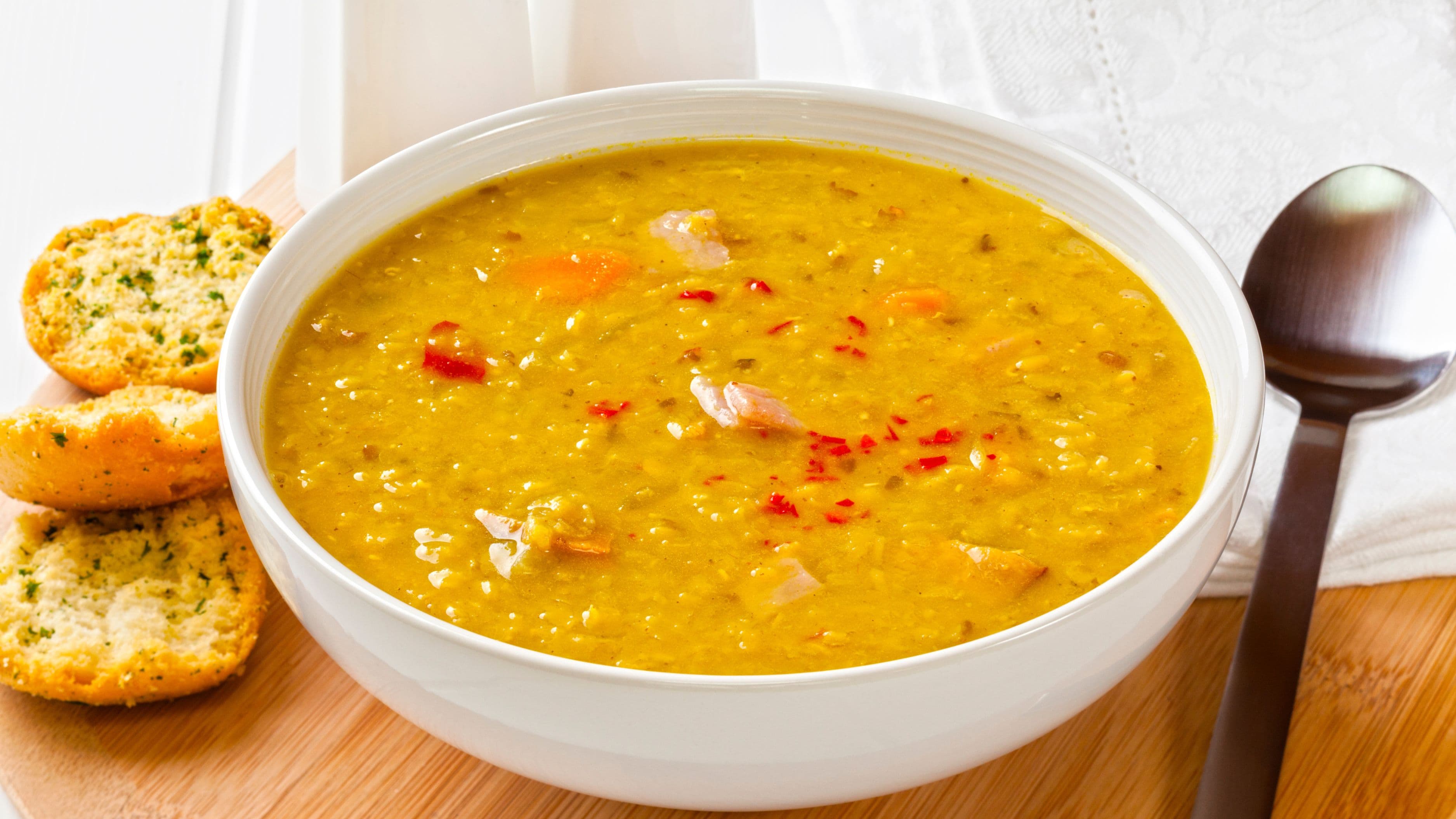
Bring the soup to a boil, then reduce the heat to medium-low. Simmer uncovered for 20–25 minutes, stirring occasionally, until the lentils have completely broken down and the soup has thickened to a creamy consistency. You'll know it's ready when you can't distinguish individual lentils anymore – the soup should have a smooth, velvety texture with visible carrot pieces throughout.
If it thickens more than you'd like, add a splash of stock or water and stir to loosen. If it seems too thin after 25 minutes, continue simmering for another 5–10 minutes until it reaches your preferred consistency.
Step 4: Finish with Lemon and Taste
Remove the pot from the heat. Squeeze in the lemon juice and stir well. Taste the soup and adjust the seasoning – this is where most soups need an extra pinch of salt and sometimes another squeeze of lemon. The lemon is doing more than adding acidity; it's brightening all the flavors that have been building up over the cook time. Don't skip it.
Step 5: Make the Finishing Oil
While the soup rests, heat 2 tablespoons of olive oil in a small pan over medium-high heat until it shimmers. Add the paprika and chili flakes and swirl for about 30 seconds – just long enough for the oil to turn a deep, vivid red. Remove immediately from the heat. This takes 60 seconds and turns a good soup into something people photograph.
Ladle the soup into bowls, drizzle the red oil over each serving, scatter with fresh parsley or cilantro, and serve with plenty of crusty bread.
Tips for the Best Results
Rinse the lentils well. Red lentils have a light dusty coating that can make the soup look murky and slightly off-tasting if it's not rinsed away. Run cold water over them in a fine-mesh sieve for 30 seconds until the water runs mostly clear.
Don't skip the finishing oil. It's the element that elevates this from weeknight soup to something that looks and tastes intentional. The flavored oil adds richness, a layer of smoky heat on the surface, and a visual finish that makes every bowl look considered. If you don't have smoked paprika, sweet paprika still works beautifully.
Use good stock. Lentils absorb whatever liquid they cook in. A rich, well-seasoned stock produces a noticeably better soup than water or a low-quality stock cube. Homemade stock is ideal; a decent store-bought carton is a perfectly good substitute.
Add the lemon after cooking. Adding lemon juice while the lentils are still simmering can sometimes interfere with their breakdown. Adding it off the heat, after the soup has reached the right consistency, gives you more control and a fresher flavor.
Variations Worth Trying
Egyptian-style: This recipe is inspired by Egyptian red lentil soup (Shorbat Adas). For a more traditional version, reduce the carrots to one small carrot, increase the cumin to 2 teaspoons, and add ½ teaspoon of ground cardamom. Skip the smoked paprika and replace with regular sweet paprika. The flavor is earthier and more cumin-forward.
Add spinach or kale: Stir in 2 large handfuls of roughly chopped spinach or kale in the last 3 minutes of cooking. The greens wilt quickly and add color, nutrition, and a slight bitterness that balances the soup's richness.
Make it heartier: Stir in a can of drained chickpeas with the lentils for a more substantial soup with added texture.
Spicier version: Double the cayenne and add a finely chopped fresh chili with the onions. The base recipe is mildly spiced – it's easy to build up from here.
What to Avoid
Don't add the lentils without rinsing. The dusty starch on unwashed red lentils makes the soup taste slightly metallic and look less appealing. It takes 30 seconds and makes a visible difference.
Don't add salt too early. Salt at the beginning of cooking can occasionally slow the breakdown of legumes. Adding it after the lentils and stock are combined – not before – gives the lentils a head start before they're working against salt.
Don't cook on too high a heat. A rapid boil after the lentils go in is fine to get things started, but simmering too vigorously can make the soup foam excessively and cook unevenly. Medium-low, with the occasional lazy bubble breaking the surface, is the right pace.
Don't skip the blooming step. If you add the spices directly to the stock without toasting them first in oil with the aromatics, the soup will taste flat and one-dimensional. The 90 seconds you spend blooming the spices does more for the flavor than almost anything else in this recipe.
Make-Ahead and Storage
This soup keeps extremely well and tastes even better the next day as the flavors continue to develop. Store in an airtight container in the refrigerator for up to 5 days. It also freezes beautifully – portion it into freezer containers and freeze for up to 3 months. Reheat gently on the stovetop with a splash of water or stock to loosen it back to the right consistency.
FAQ
Can I use green or brown lentils instead of red? Yes, but the texture will be different. Green and brown lentils hold their shape when cooked, so the soup will be chunkier rather than creamy. You'll also need to cook them longer – typically 35–45 minutes for green lentils to become tender. If you want that silky, blended texture with green or brown lentils, use an immersion blender to partially blend the soup after cooking.
Do I need to soak red lentils before cooking? No. Unlike dried chickpeas or kidney beans, red lentils don't need soaking. They cook quickly from dry and break down completely in 20–25 minutes. Just rinse and go.
Can I make this without tomatoes? Yes. The tomatoes add acidity and body, but you can replace them with an extra ½ cup of stock and a tablespoon of tomato paste for a similar effect, or simply omit them for a purer, more neutral flavor base. The soup will be lighter in color and slightly less rich without them.
Is this recipe vegan? It is if you use vegetable stock. Everything else in the recipe is plant-based. The flavor with vegetable stock is excellent – a good mushroom-based vegetable stock in particular gives the soup a savory depth that works beautifully.
Why does my lentil soup taste bland? Almost always salt and/or acid. After cooking, taste the soup and add salt a pinch at a time, tasting as you go. Then add lemon juice. The combination of adequate salt and lemon juice at the end is what makes the difference between flat and vibrant. If the spice level feels muted as well, a pinch of additional cumin stirred in off the heat can help.
📚 Sources
Lentil nutrition and cooking guide – Harvard T.H. Chan School of Public Health: https://www.hsph.harvard.edu/nutritionsource/food-features/lentils/
How to bloom spices properly – Serious Eats: https://www.seriouseats.com/how-to-bloom-spices
Red lentil varieties and uses – BBC Good Food: https://www.bbcgoodfood.com/glossary/lentils-glossary