What the Maillard Reaction Actually Is
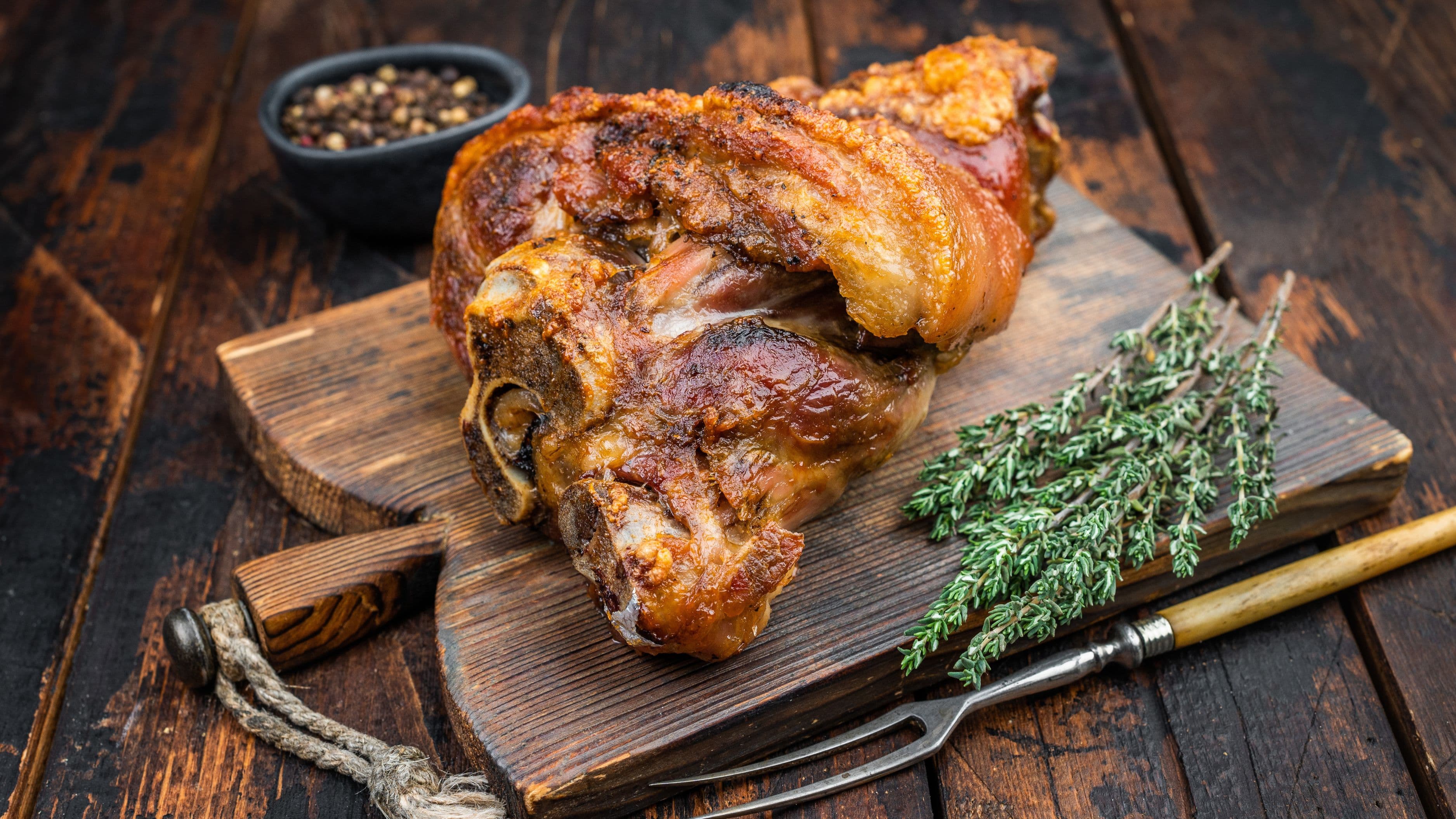
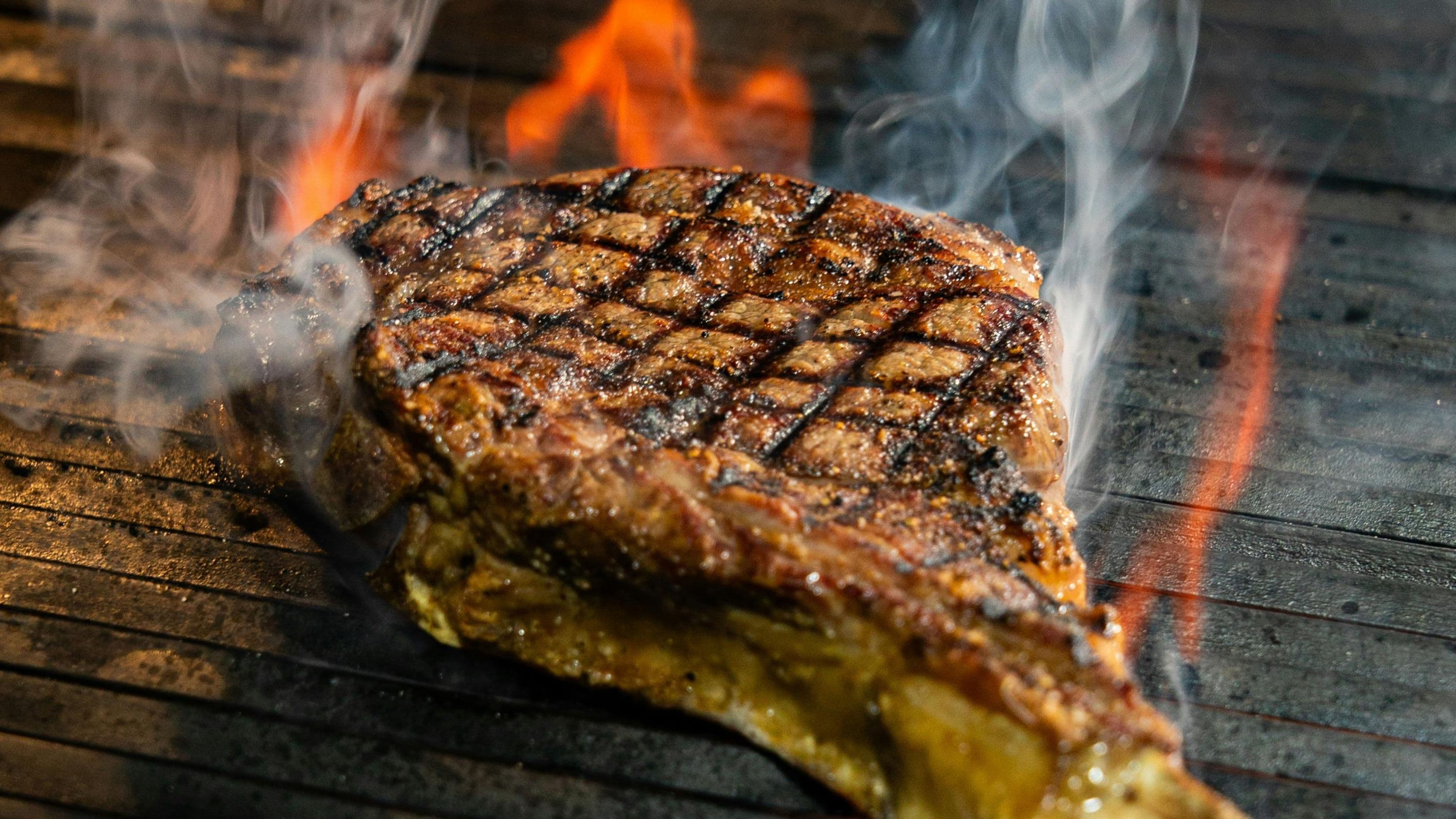
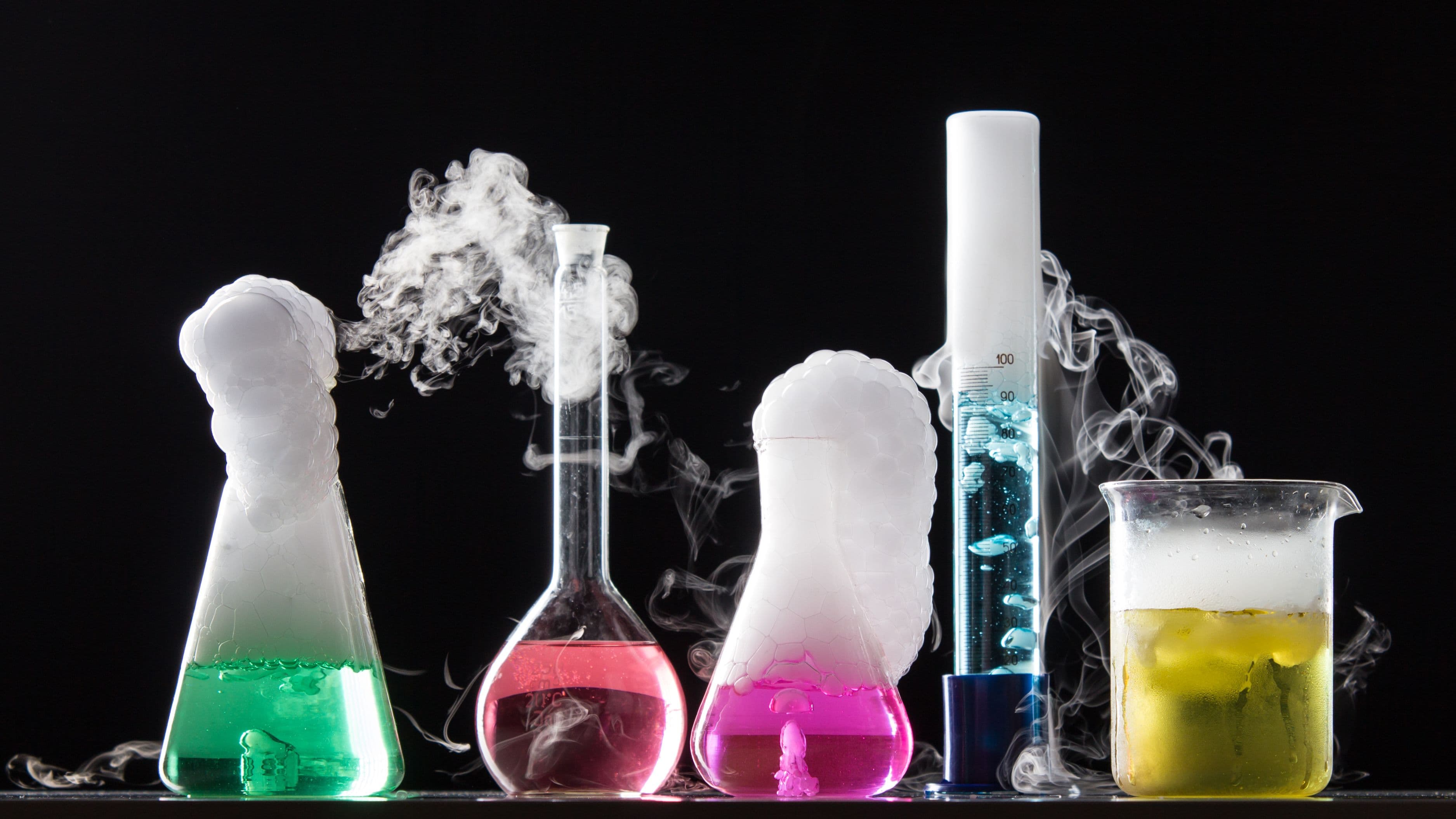
The Maillard reaction is a chemical reaction between amino acids and reducing sugars that occurs when food is heated, typically starting around 280 to 330 degrees Fahrenheit, producing hundreds of new flavor compounds along with the characteristic brown color associated with seared, roasted, or toasted food. It's named after the French chemist who first described it in the early twentieth century, and it's distinct from simple caramelization, which involves only sugar breaking down under heat without the amino acid component.
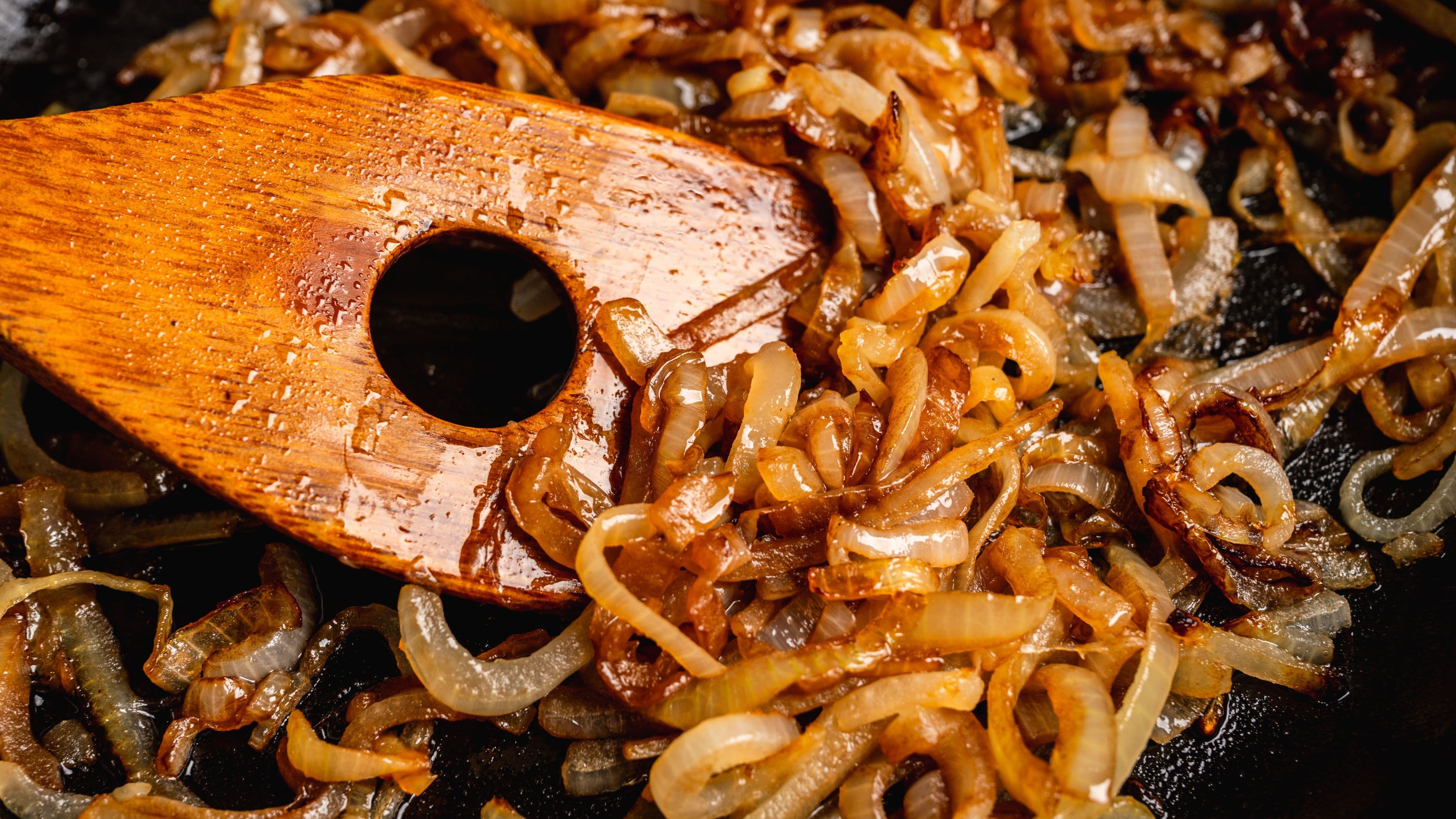
This distinction matters practically because the Maillard reaction is responsible for the complex, savory, roasted flavors in seared meat, toasted bread, roasted coffee, and browned onions, while caramelization alone produces a sweeter, simpler flavor profile more associated with things like caramelized sugar or slowly cooked onions that have moved past the Maillard stage into pure sugar breakdown.
How to Use It in Everyday Cooking
Dry the Surface of Your Food First
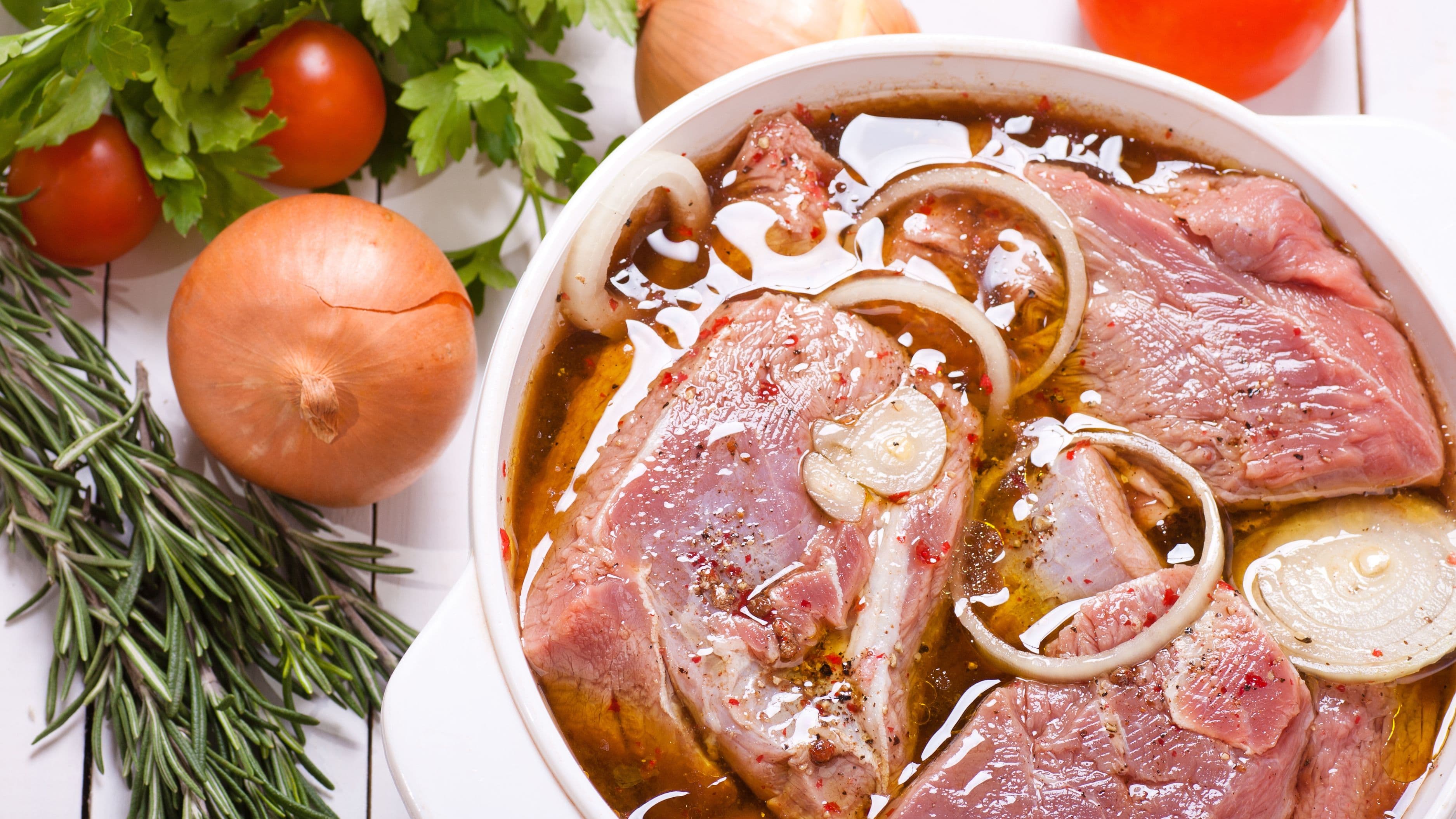
Water on the surface of food needs to evaporate before the surface temperature can climb high enough to trigger the Maillard reaction, since the reaction simply can't occur while the surface is still wet and effectively being cooled by evaporating moisture. This is why patting meat dry with a paper towel before searing, or thoroughly drying vegetables before roasting, produces noticeably better browning than cooking food straight from a wet marinade or a rinse under water.
Use Enough Heat, But Not So Much You Burn the Food
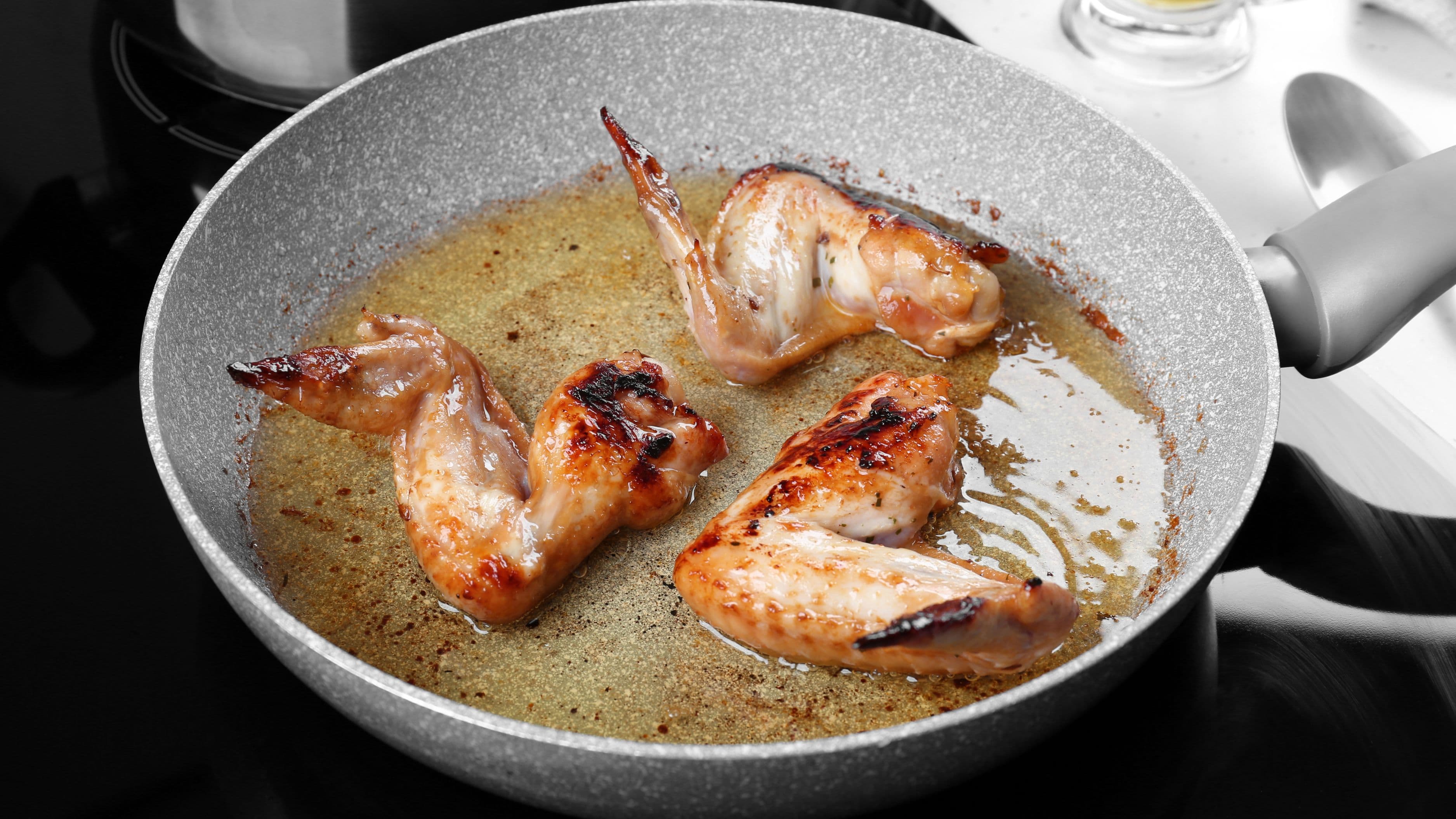
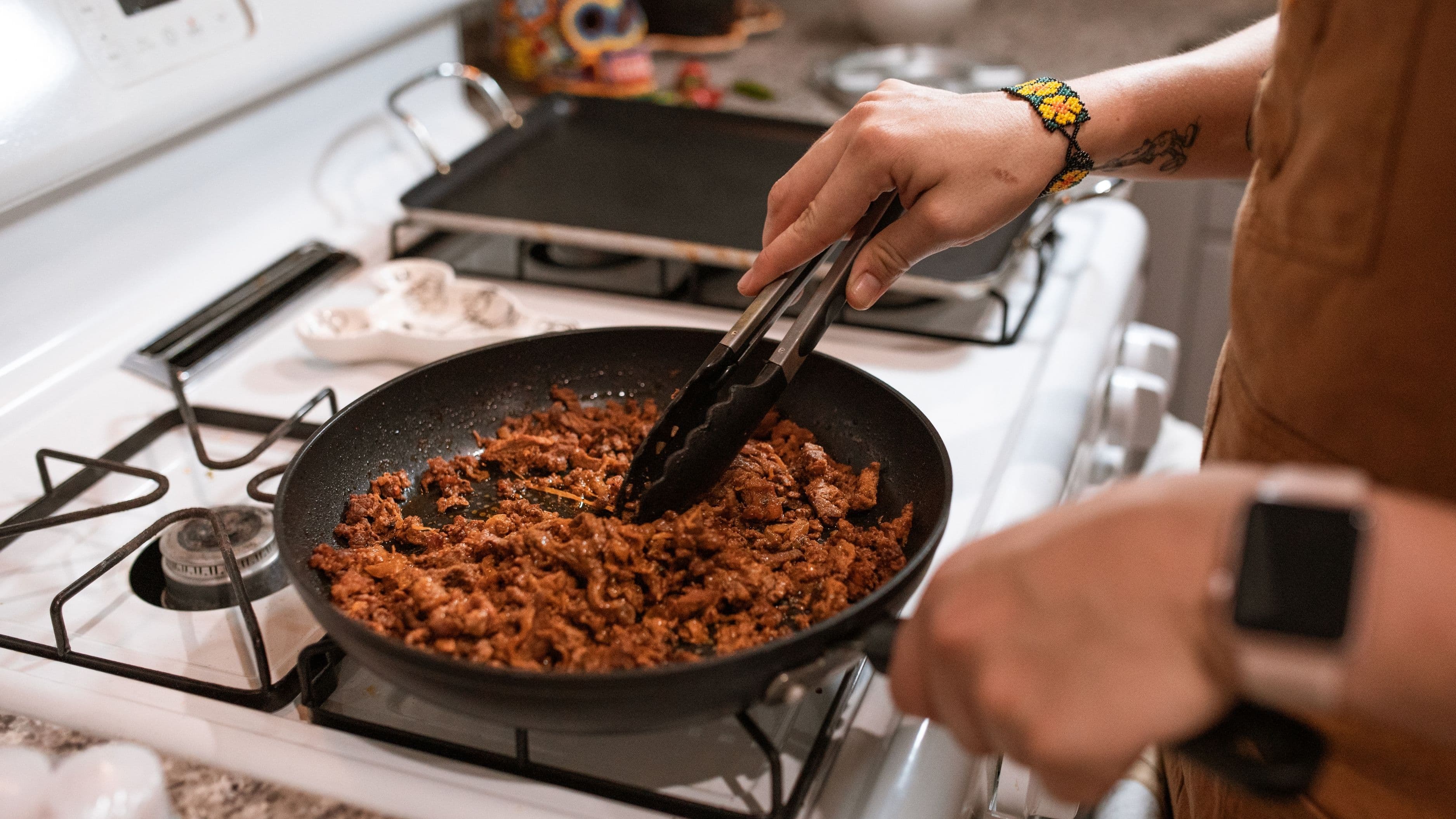
The Maillard reaction requires meaningful heat to get started, which is why a low, gentle simmer will never produce a proper sear no matter how long you cook something, since the surface simply never reaches the necessary temperature range. At the same time, heat that's too aggressive can push past the ideal Maillard range into scorching and burning, which produces bitter, unpleasant flavors rather than the rich, complex ones you're after. Medium-high to high heat, depending on the specific dish and pan, generally hits the right range for a proper sear without tipping into burnt territory.
Don't Overcrowd the Pan
Adding too much food to a pan at once causes the temperature to drop significantly as the food releases moisture, and that released steam keeps the surface wet and cool, actively preventing the Maillard reaction from occurring properly. Cooking in smaller batches, giving each piece of food enough space to allow moisture to evaporate away rather than pooling around the food, produces noticeably better browning than an overcrowded pan ever will.
Add Fat to Improve Heat Transfer
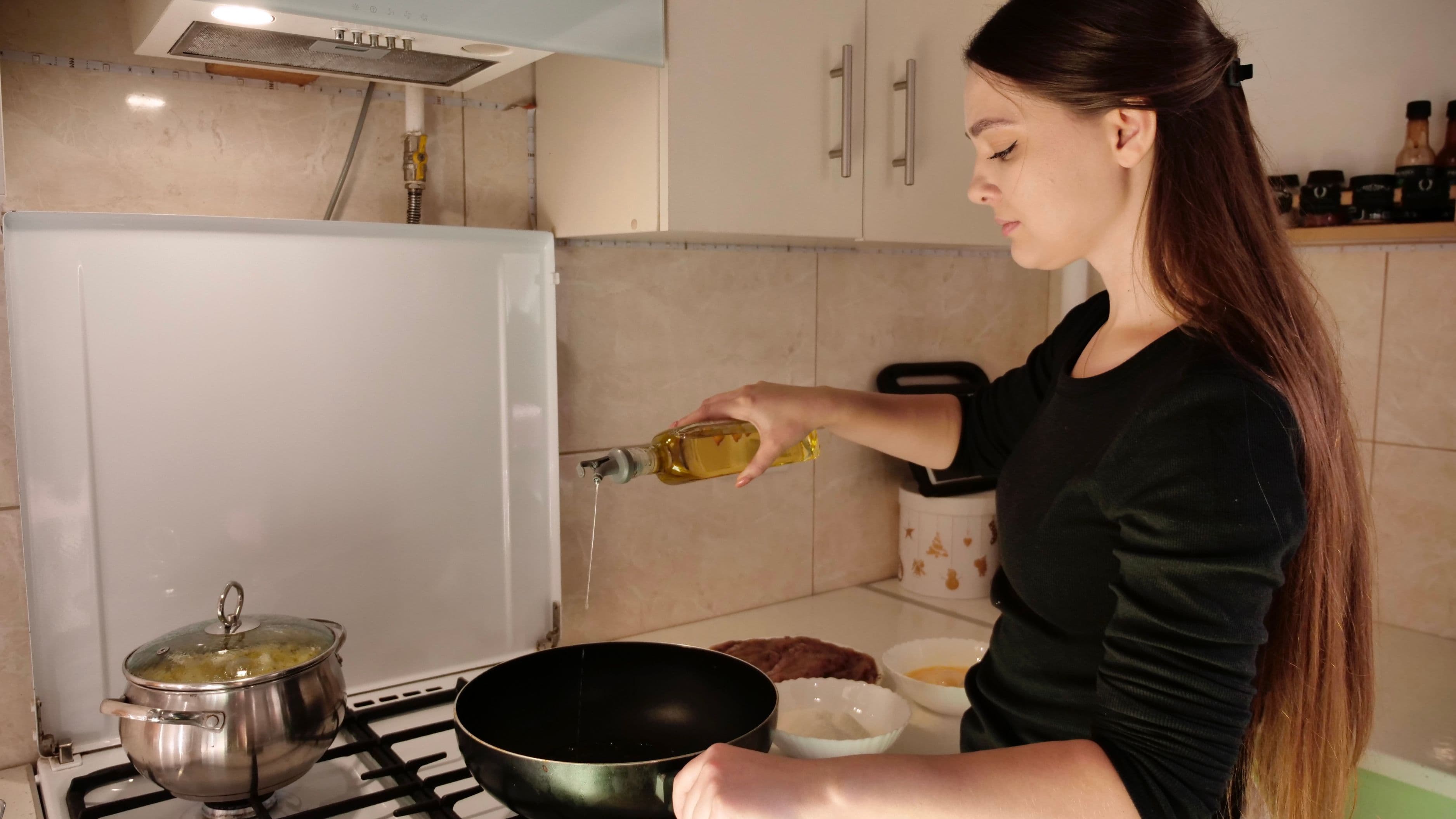
A thin layer of oil or fat helps transfer heat more evenly and efficiently from the pan to the food's surface, supporting a more consistent Maillard reaction across the entire cooking surface rather than only certain contact points. This is part of why a dry pan sear tends to produce spottier, less consistent browning compared to searing with an appropriate amount of oil or butter.
Understand That Baking Soda Can Accelerate Browning
Because the Maillard reaction is influenced by pH, with a more alkaline environment speeding the reaction along, a small amount of baking soda added to certain dishes, like caramelized onions or stir-fried meat, can meaningfully speed up browning. This is a technique worth using carefully and in small amounts, since too much baking soda can affect both texture and flavor in ways that aren't pleasant.
When to Use It
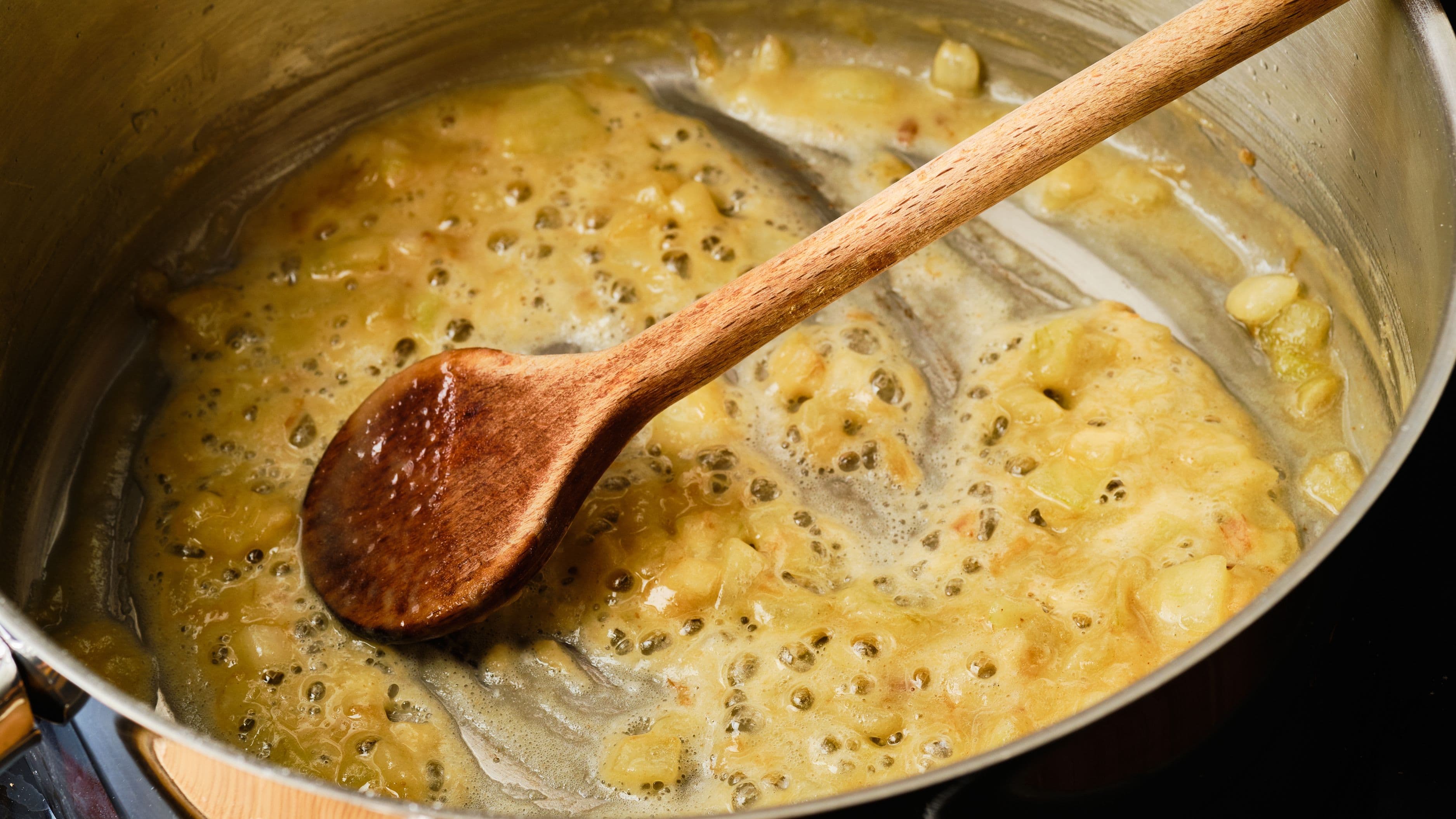
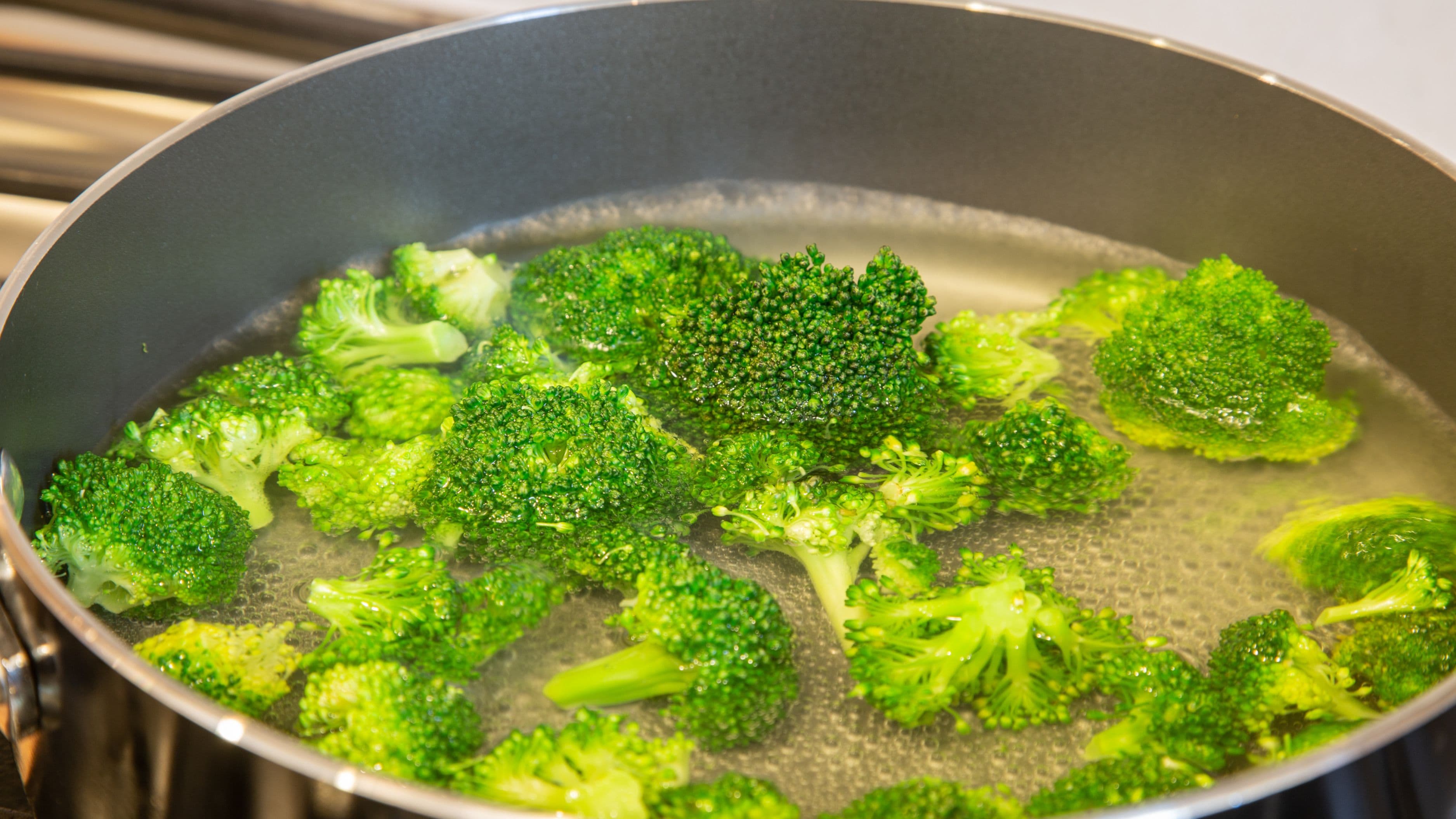
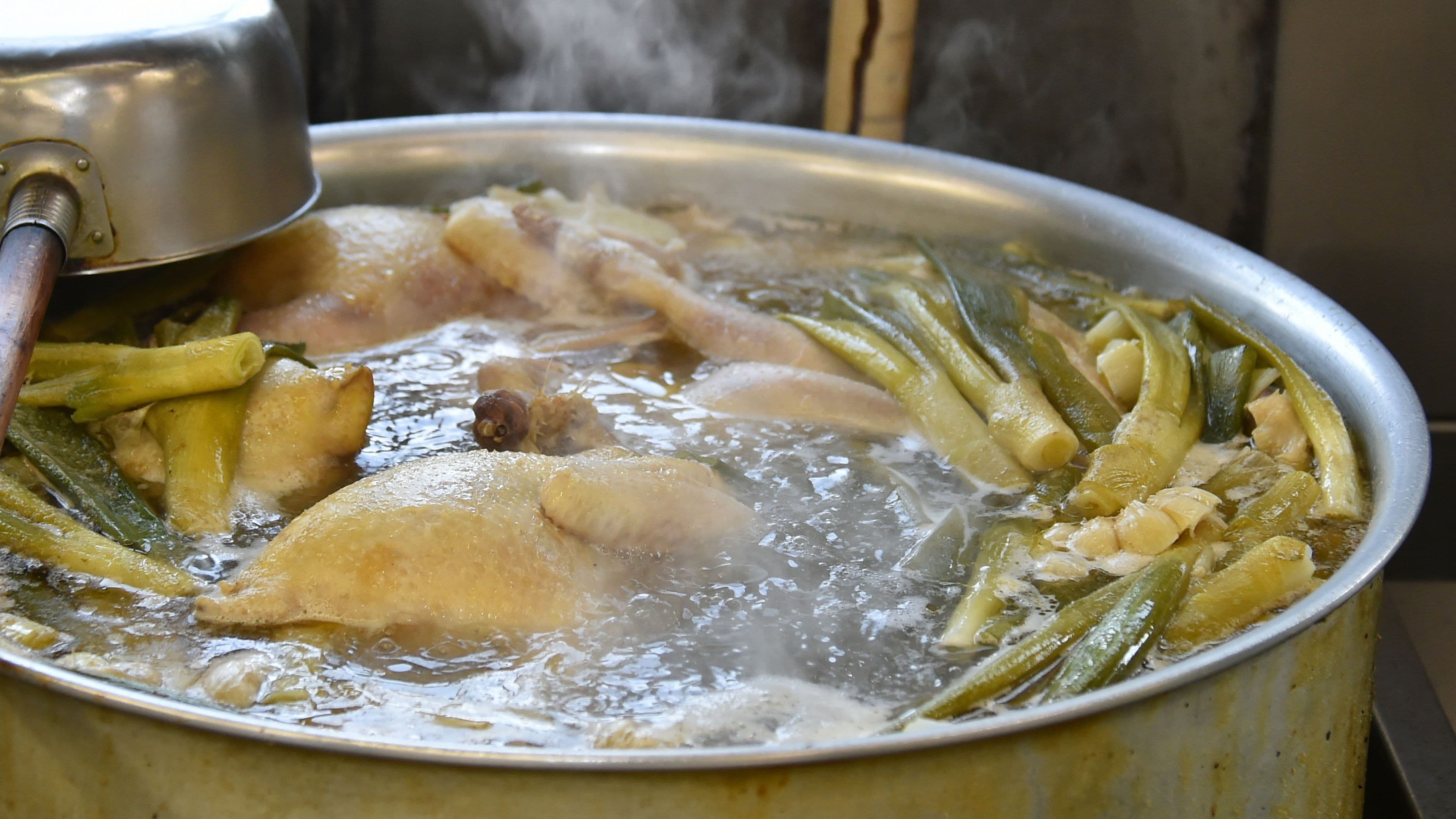
The Maillard reaction is the goal any time you're searing meat, roasting vegetables, toasting bread, browning butter, or making a pan sauce that relies on browned bits left in the pan, often called fond, for its depth of flavor. It's not relevant to methods like boiling, steaming, or poaching, since these techniques keep food's surface temperature capped at or below the boiling point of water, well below the range needed to trigger meaningful browning.
Tips for Best Results
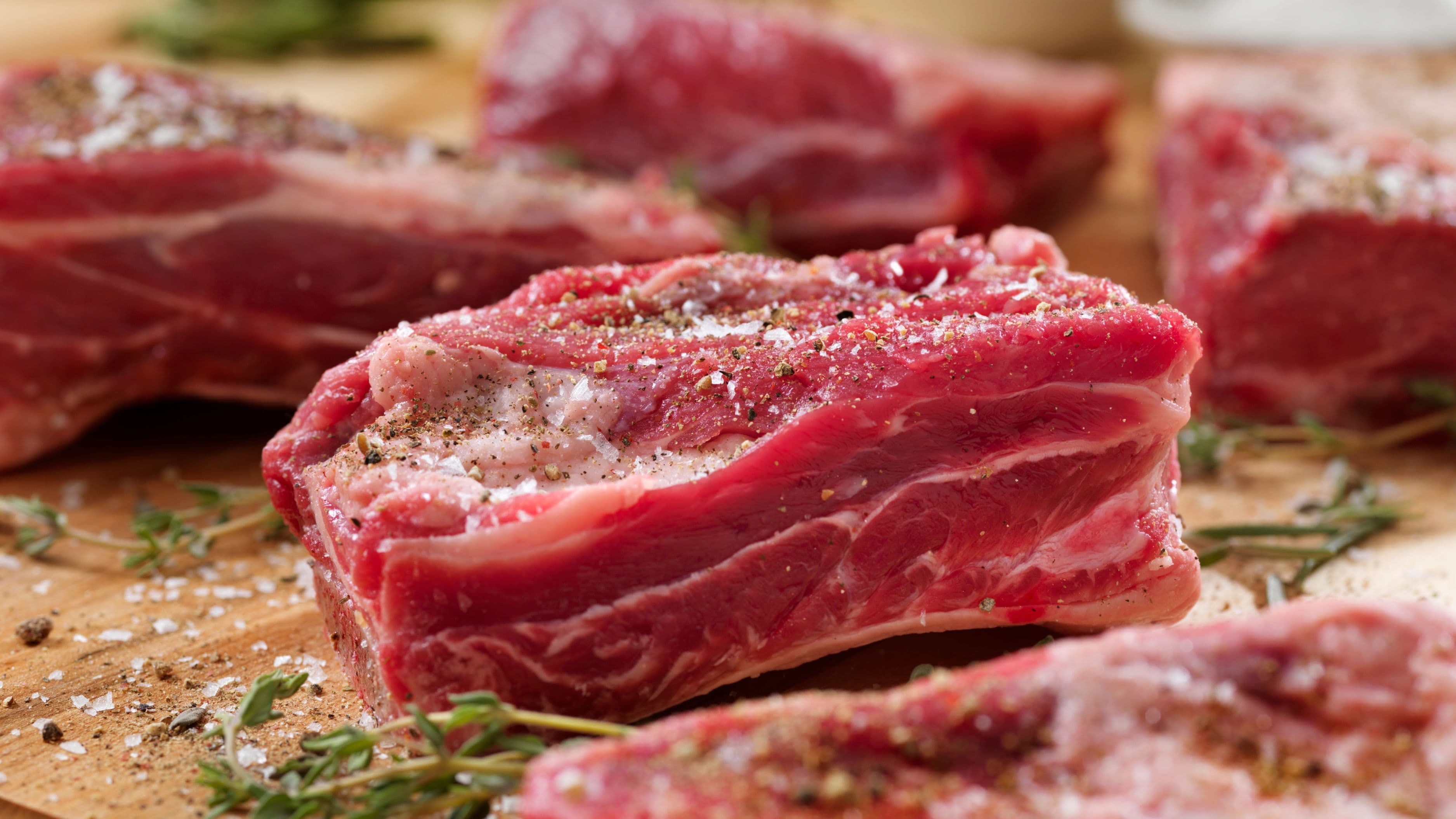
Bringing meat closer to room temperature before searing, rather than cooking it directly from the refrigerator, helps the surface reach searing temperature more quickly and evenly, since less of the pan's heat gets absorbed just bringing a cold interior up to temperature. Resisting the urge to move food around too much in the pan also helps, since constant flipping or stirring interrupts the sustained contact with high heat that the Maillard reaction needs to fully develop on any given surface.
Common Mistakes to Avoid
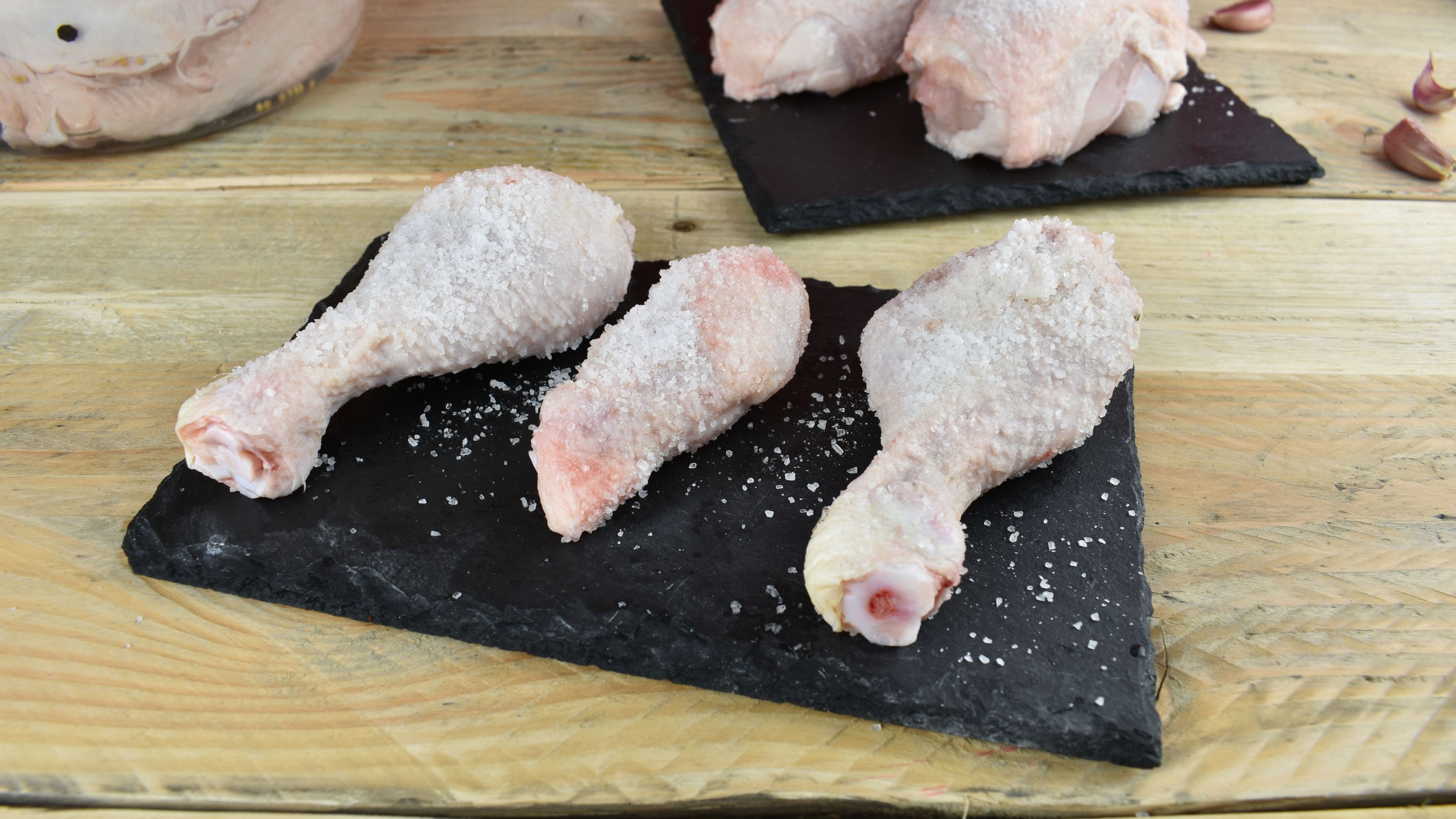
A common mistake is salting food and letting it sit too long right before cooking without patting it dry again afterward, since salt draws moisture to the surface through osmosis, and that extra moisture then interferes with proper browning if it isn't dealt with before the food hits the pan. It's also worth avoiding a pan that isn't properly preheated, since adding food to a lukewarm pan means the surface spends too long in a temperature range too low for the Maillard reaction, often resulting in food that steams and releases moisture before it ever gets the chance to brown properly.
FAQ
Is the Maillard reaction the same thing as caramelization? No, though the two are often confused because they both produce browning. Caramelization involves only sugar breaking down under heat, while the Maillard reaction involves both amino acids and sugars, producing a different and generally more complex range of flavors.
Can the Maillard reaction happen in a slow cooker? Generally no, since most slow cookers operate at temperatures too low to trigger significant browning, which is why many slow cooker recipes recommend searing meat in a separate pan first before adding it to the slow cooker.
Does adding baking soda to meat marinades actually make a noticeable difference? Yes, in small, carefully measured amounts it can meaningfully speed up browning and even help tenderize certain cuts, though too much can leave an unpleasant soapy or overly alkaline taste, so precision matters here.
📚 Sources
Serious Eats – "The Maillard Reaction Explained." https://www.seriouseats.com/what-is-maillard-reaction-cooking-science
America's Test Kitchen – "The Science of Browning Food." https://www.americastestkitchen.com/
Harold McGee, "On Food and Cooking" – referenced via Scientific American food chemistry overview. https://www.scientificamerican.com/
🔍 Explore Related Topics
Common mistakes when searing meat at home