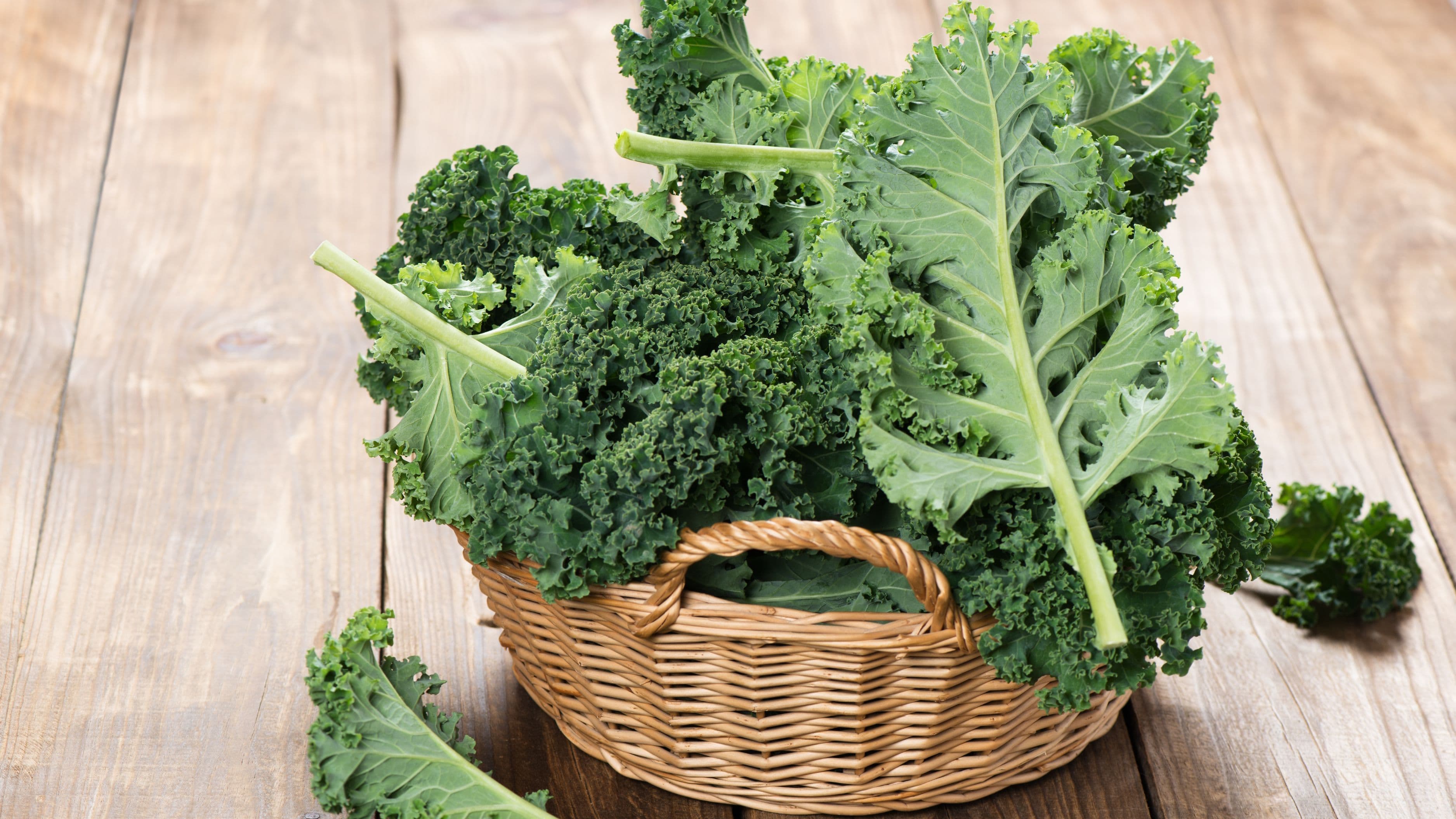
This guide walks through how to store, prep, and cook kale so you actually use the whole bunch, rather than letting half of it go to waste.
Choosing and Storing Kale
Look for kale with firm, deeply colored leaves and minimal yellowing or wilting at the edges, which are signs of age. Curly kale, lacinato (also called dinosaur or Tuscan kale), and red Russian kale are the three most common varieties you'll encounter, and while they're used somewhat interchangeably, lacinato tends to be more tender, making it a good starting point if you're newer to cooking with kale.
Store unwashed kale in the refrigerator, ideally wrapped loosely in a damp paper towel inside a plastic bag or container, which helps it stay hydrated without becoming soggy. Prepared this way, kale typically keeps well for about a week, noticeably longer than more delicate greens like spinach.
The Prep Step That Changes Everything
Raw kale can taste tough and slightly bitter, which is often what turns people off it entirely. The fix is a technique called massaging, and it makes a genuinely significant difference, especially if you're planning to eat kale raw in a salad.
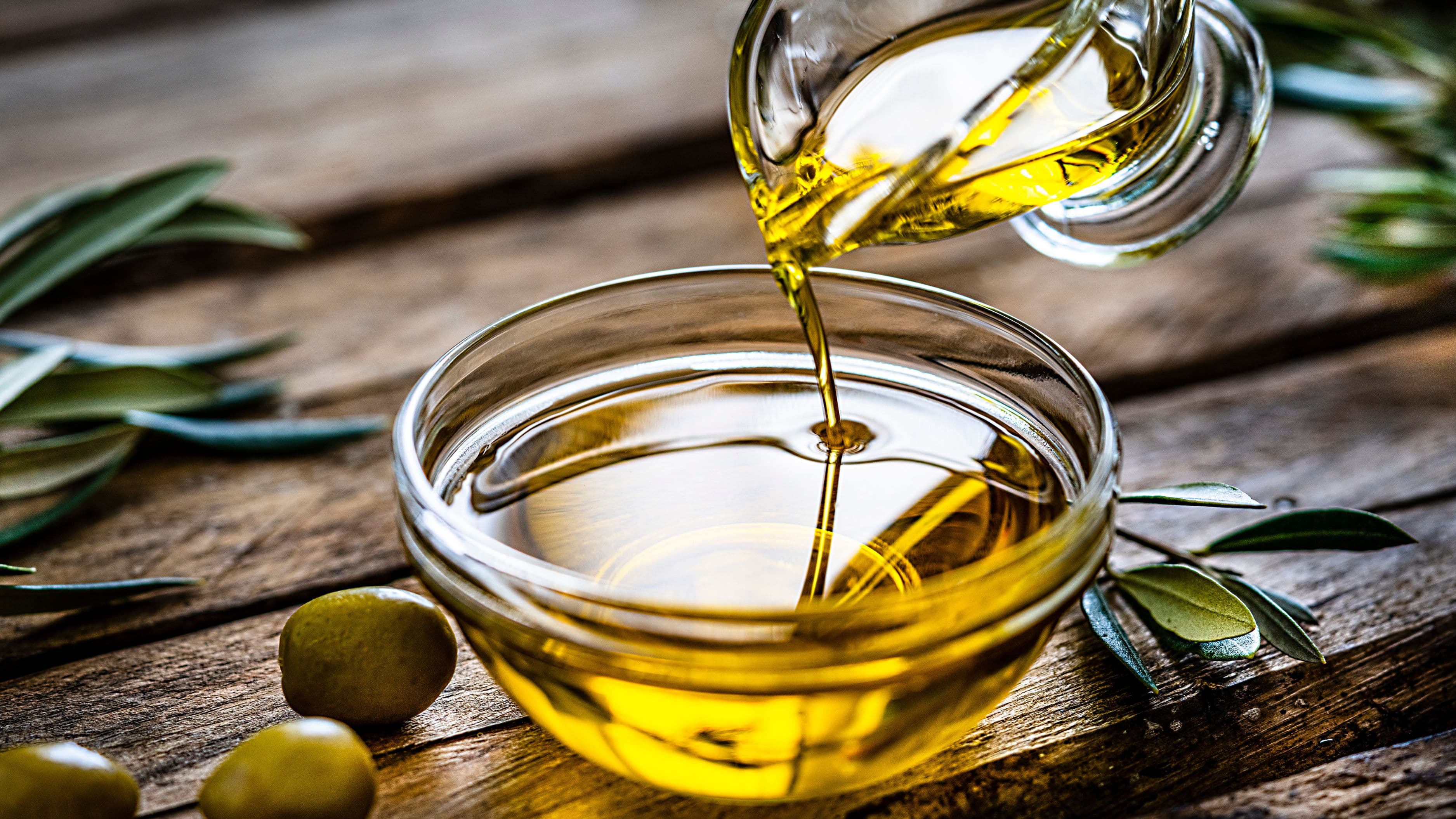
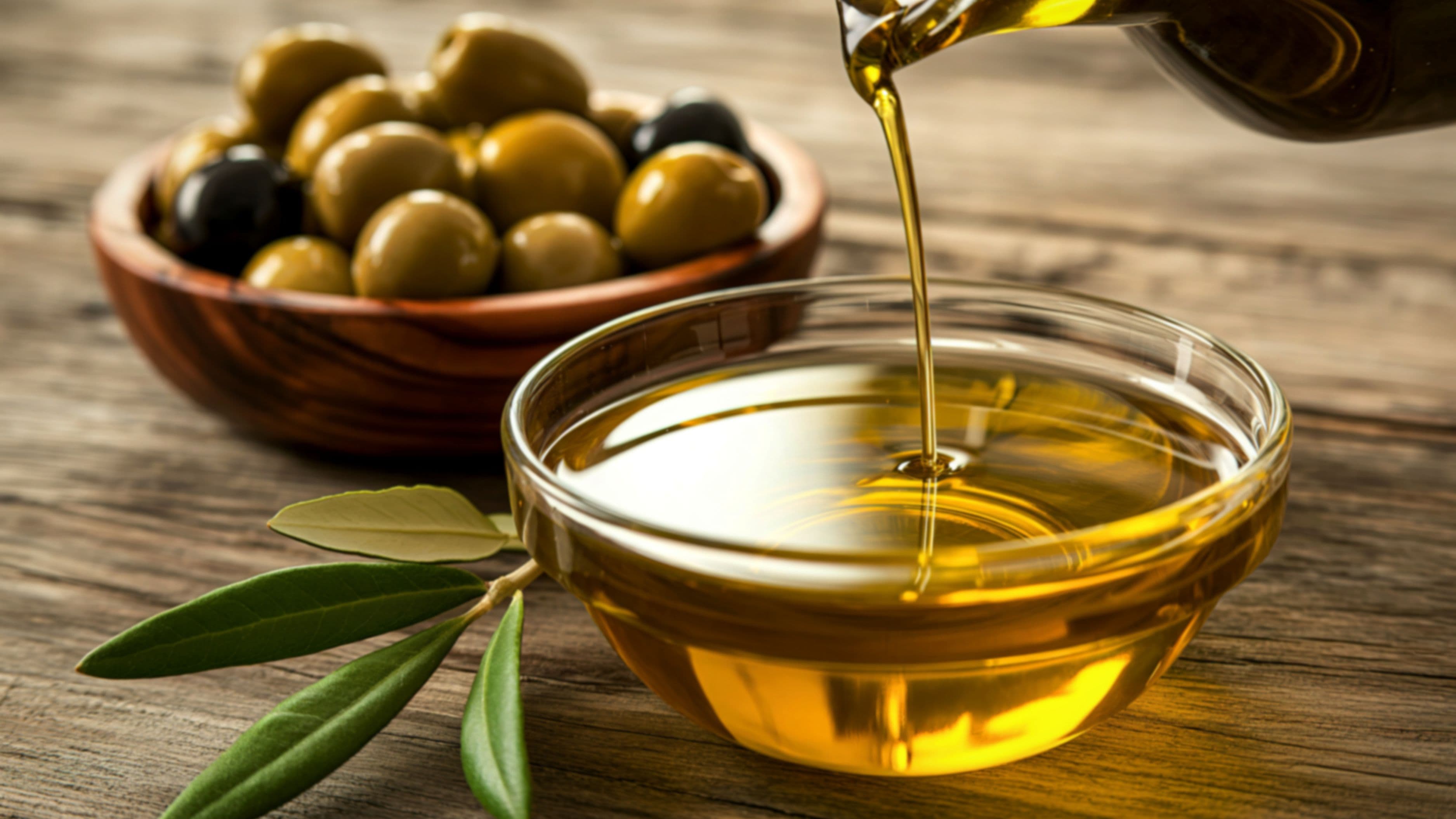
To massage kale, remove the leaves from the tough center stems, tear or chop them into bite-sized pieces, then use your hands to work a small amount of olive oil (and a pinch of salt, if you like) into the leaves for about two to three minutes. You'll notice the kale visibly darken and soften as you work it, breaking down some of the tougher cell structure that makes raw kale feel fibrous and bitter. This single step turns kale from something people tolerate into something people actually enjoy eating raw.
Five Ways to Use a Full Bunch of Kale
1. Massaged Kale Salad
Once your kale is massaged and softened, it becomes a sturdy, satisfying salad base that holds up well to heartier toppings without wilting the way more delicate greens do. Toss it with roasted vegetables, nuts, dried fruit, and a simple vinaigrette, and it'll hold its texture even if the salad sits for a bit before serving, making it genuinely good for meal prep.
2. Sautéed Kale as a Simple Side
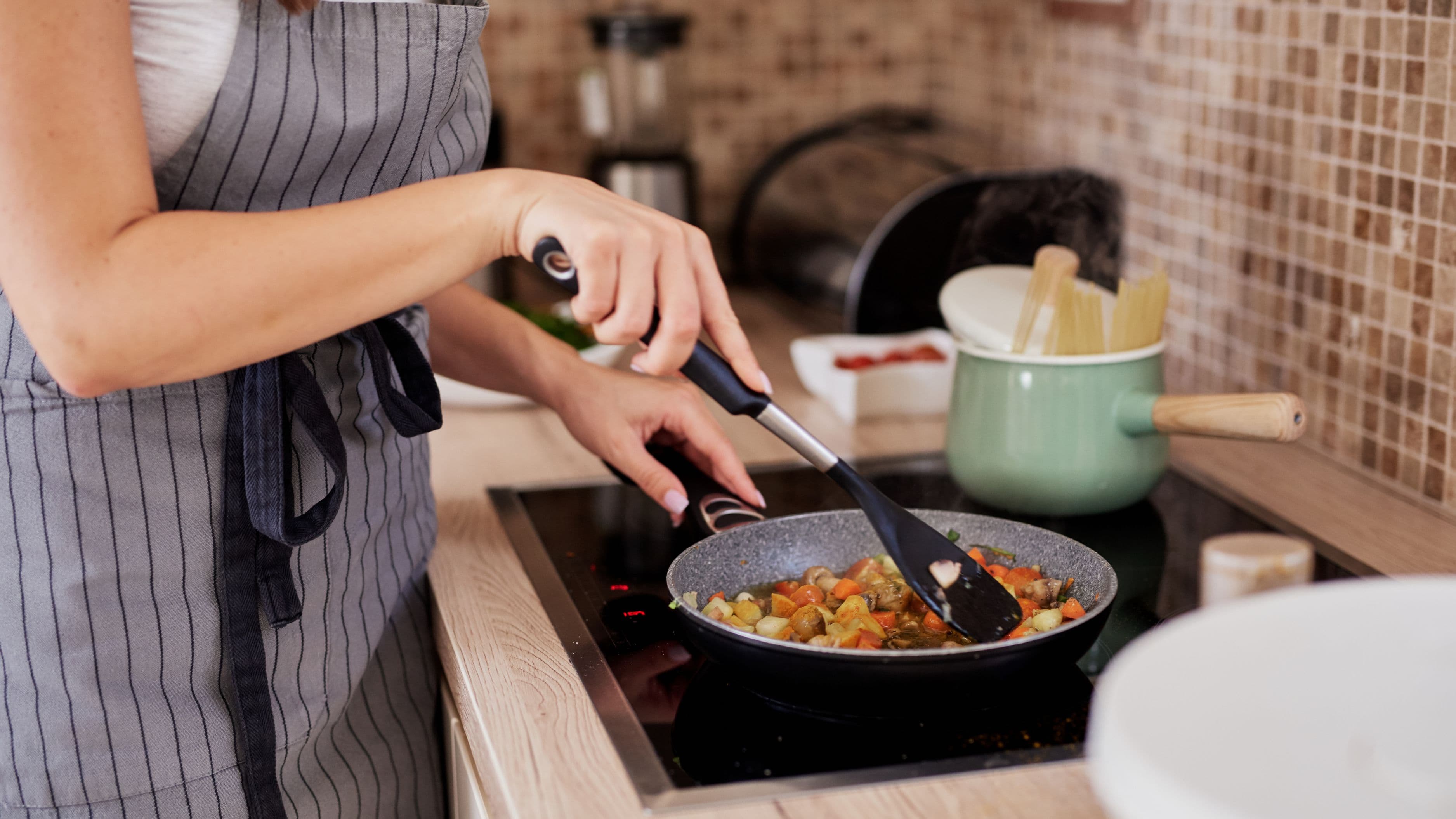
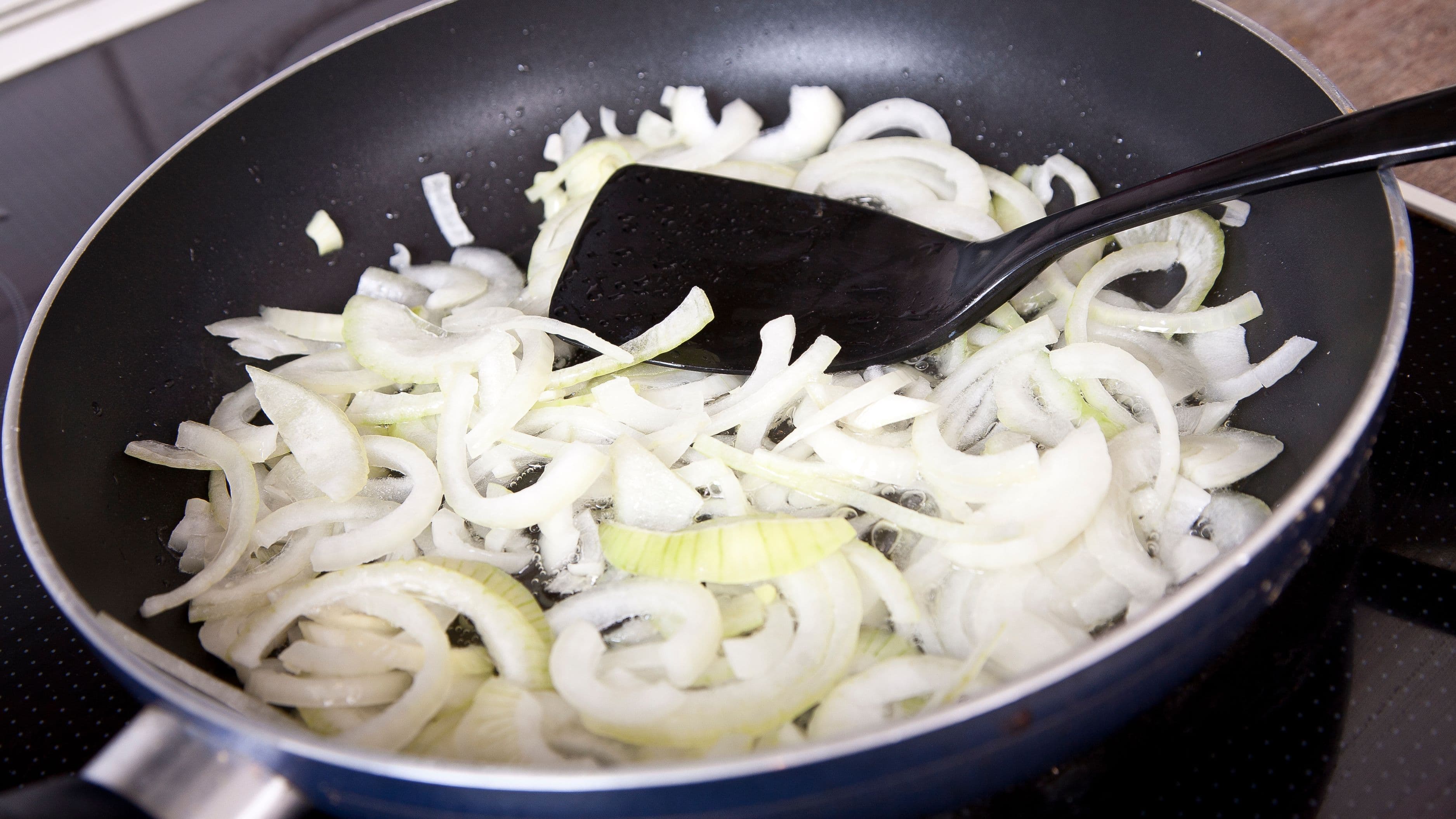
Roughly chop kale, removing the tougher stems, and sauté it in olive oil with garlic over medium heat until it wilts down and softens, typically 5 to 7 minutes. A splash of lemon juice or a pinch of red pepper flakes at the end brightens the dish considerably, and this simple preparation works as a reliable side for almost any main dish.
3. Kale Chips
Tear kale into large, roughly even pieces, toss lightly with olive oil and salt, and bake at a low temperature, around 300°F, for 10 to 15 minutes until crisp but not browned. Keeping the oven temperature relatively low prevents burning before the kale fully crisps, since kale's thin leaves can go from perfectly crisp to burnt quickly at higher heat.
4. Blended Into Soups and Stews
Chopped kale holds up remarkably well when simmered into soups and stews, adding both nutrition and texture without disintegrating the way spinach can. Add it in the final 10 to 15 minutes of cooking for a heartier soup, like a white bean and kale soup, or let it simmer longer in a slow-cooked stew where a softer texture actually works in the dish's favor.
5. Blended Into Smoothies
Raw kale blends smoothly into fruit-based smoothies, adding nutritional density without significantly altering the flavor when balanced with sweeter fruits like banana or mango. Removing the tougher stems before blending helps avoid a fibrous texture, and freezing kale leaves ahead of time works well for smoothies specifically, since texture matters less once everything is blended.
How to Use Up Kale Before It Goes Bad
If you're nearing the end of your week and still have kale left, sautéing and freezing it is one of the most practical ways to preserve it rather than letting it go to waste. Cooked, cooled kale freezes well in a sealed container or bag for a few months, ready to be added directly to soups, stews, or pasta dishes without needing to be thawed separately first.
Alternatively, if you know you're not going to get through a full bunch within the week, using some of it for kale chips or a smoothie-prep freezer bag on day one or two, when the leaves are freshest, helps you get ahead of any potential waste rather than reacting to it later.
Common Mistakes to Avoid
Don't skip removing the tough center stems before cooking or eating kale raw. These stems are noticeably more fibrous than the leaves and can make an otherwise good dish feel unpleasantly chewy if left in.
Don't skip massaging kale intended for raw salads. Unmassaged raw kale is significantly more bitter and tough, which is often the actual reason people say they "don't like kale" without realizing the preparation, not the vegetable itself, was the issue.
Don't overcook sautéed kale to the point of becoming mushy. A few minutes over medium heat is usually enough, kale that's cooked too long loses both its texture and much of its fresh, slightly peppery flavor.
FAQ
Do I need to massage kale before cooking it, or just for salads? Massaging is mainly important for raw preparations, like salads, since cooking already softens the leaves through heat. For sautéed, baked, or simmered kale, massaging isn't necessary.
How long does kale actually last in the fridge? Properly stored, wrapped loosely with a bit of moisture, kale typically stays fresh for about a week, sometimes longer depending on freshness at purchase.
Can I freeze raw kale without cooking it first? Raw kale can be frozen for smoothie use without cooking, but for other uses, briefly sautéing or blanching it first generally produces better texture after thawing.
📚 Sources
"Kale Nutrition and Storage" – United States Department of Agriculture – https://www.usda.gov/
"How to Store Leafy Greens" – University of California, Davis, Postharvest Technology Center – https://postharvest.ucdavis.edu/
"Food Safety for Freezing Vegetables" – U.S. Department of Agriculture Food Safety and Inspection Service – https://www.fsis.usda.gov/