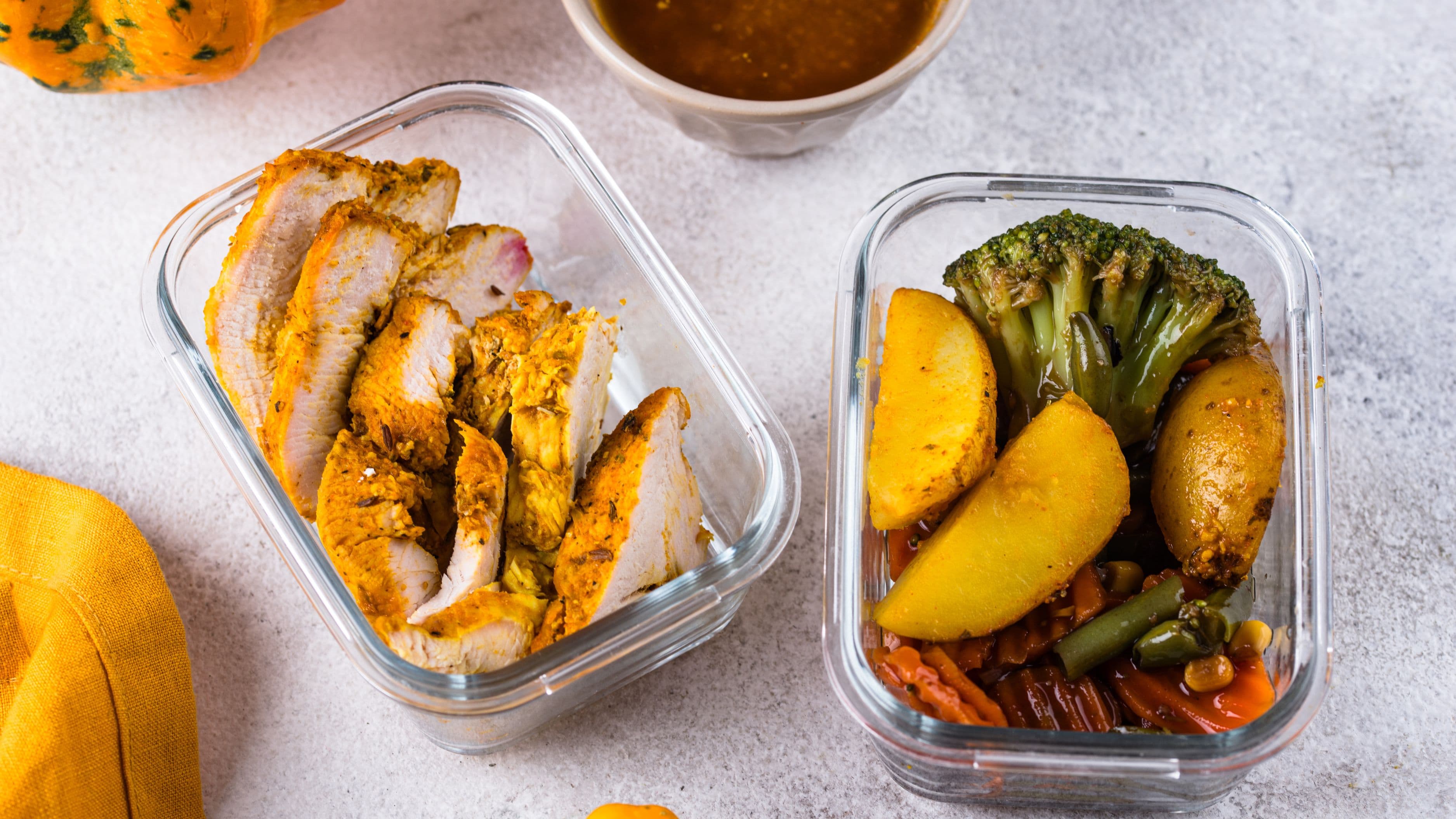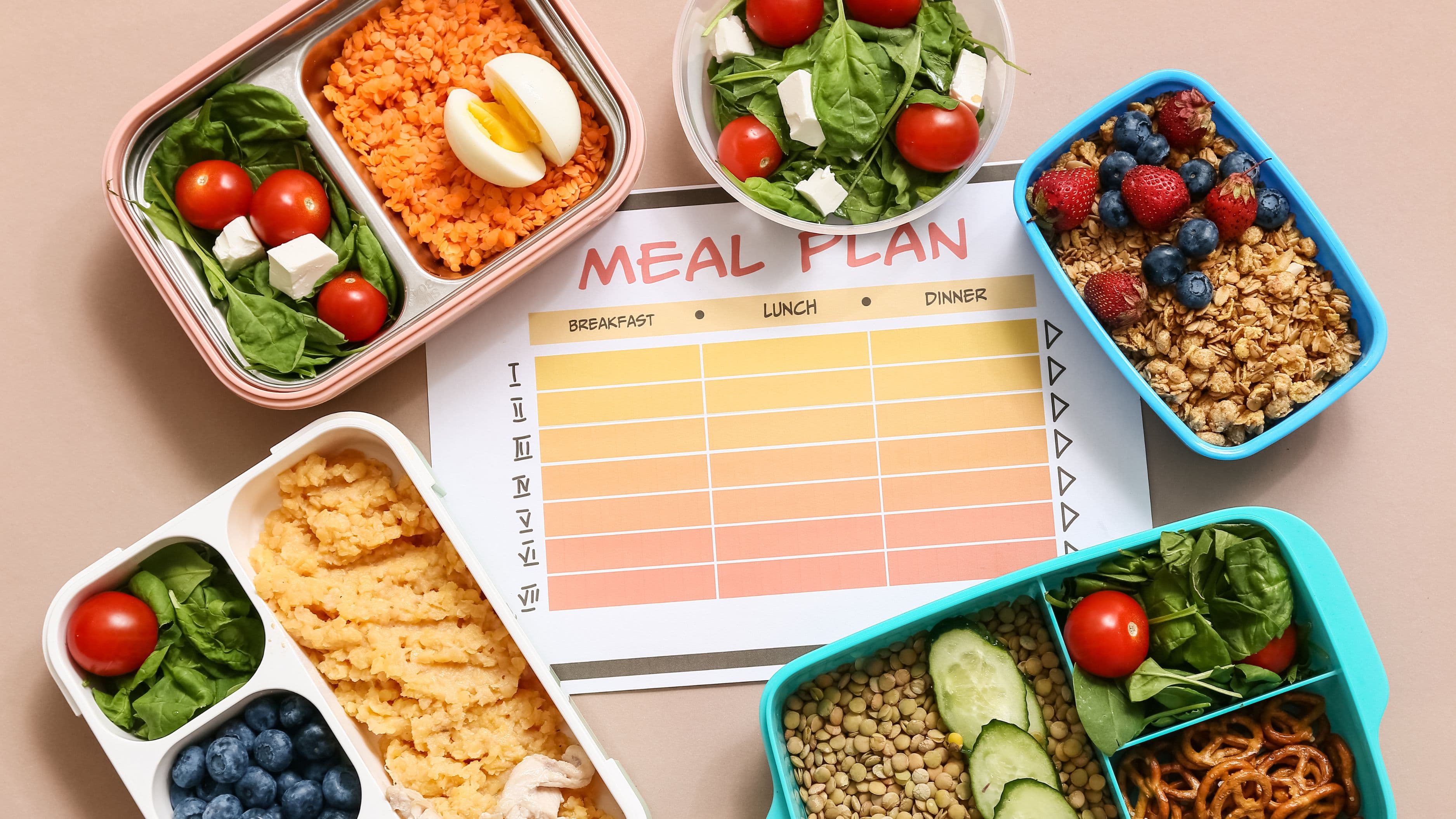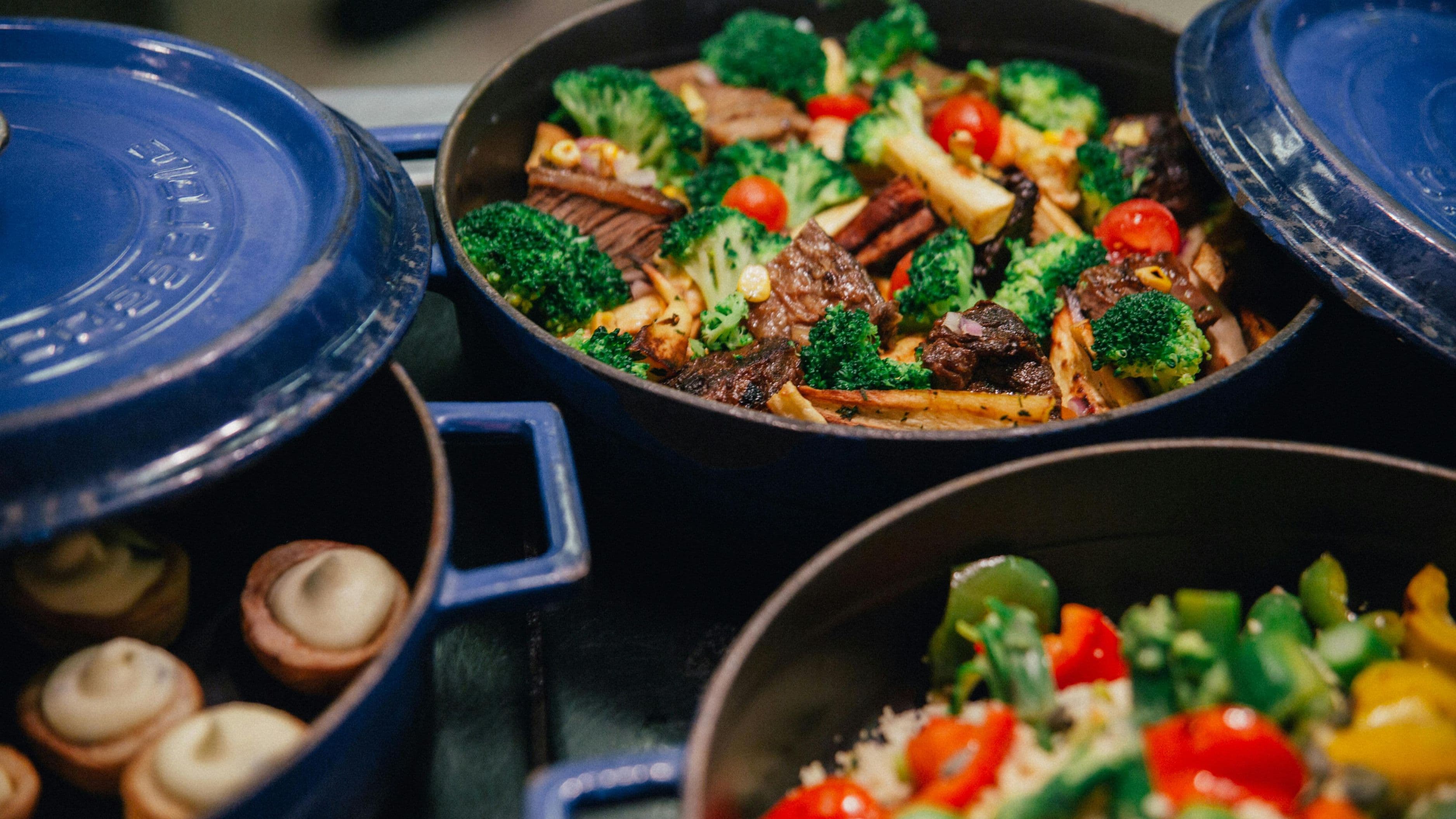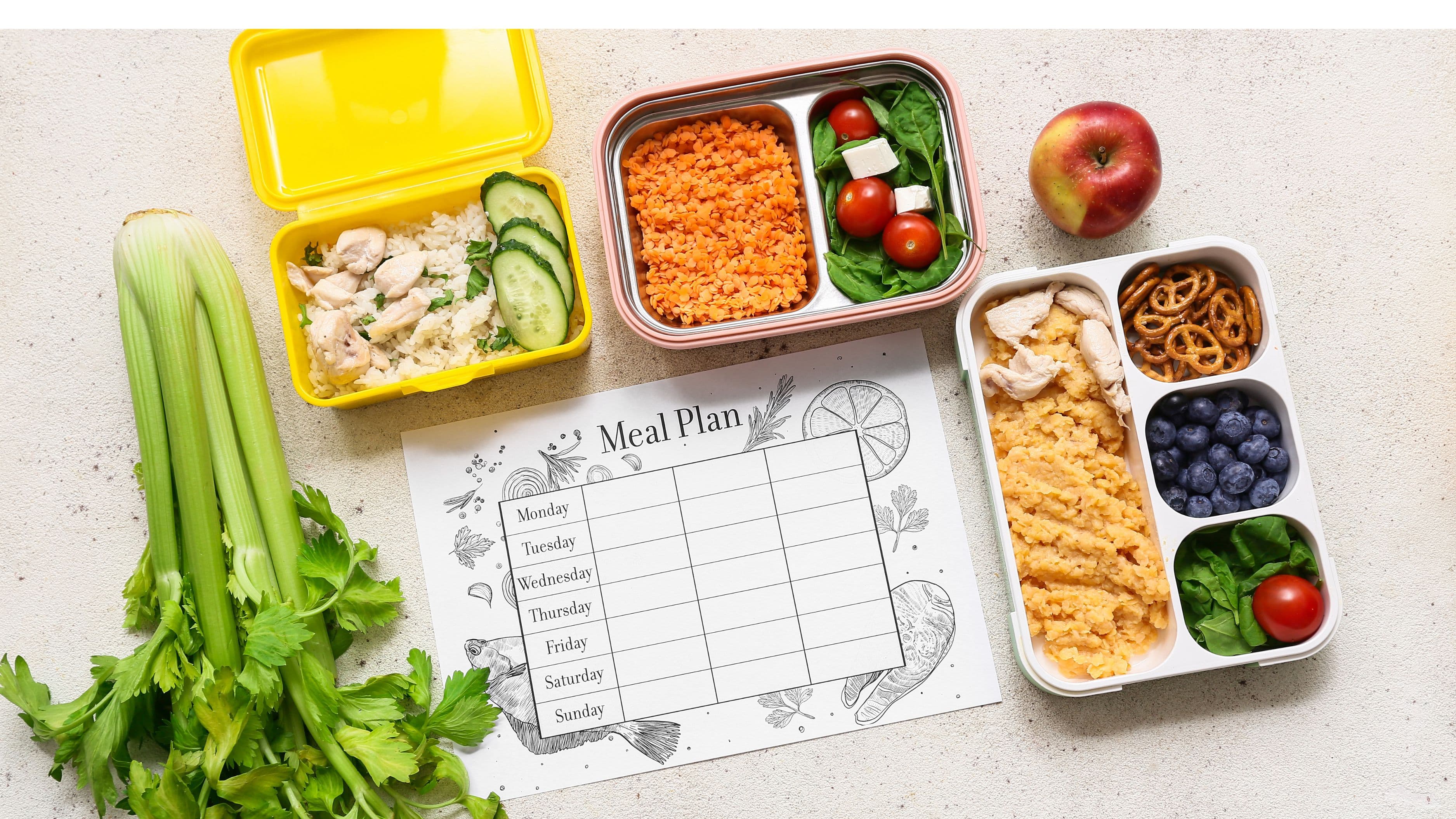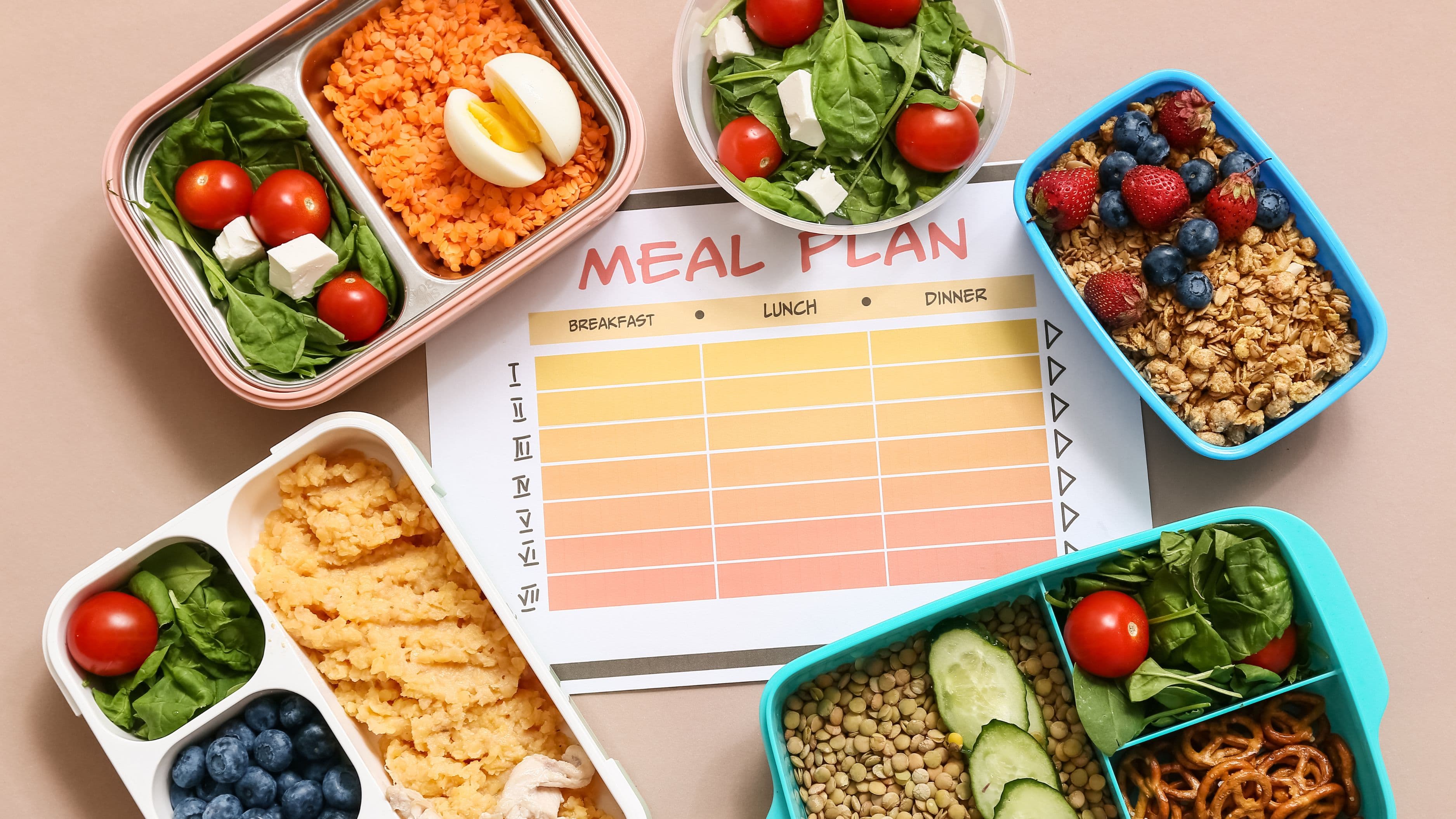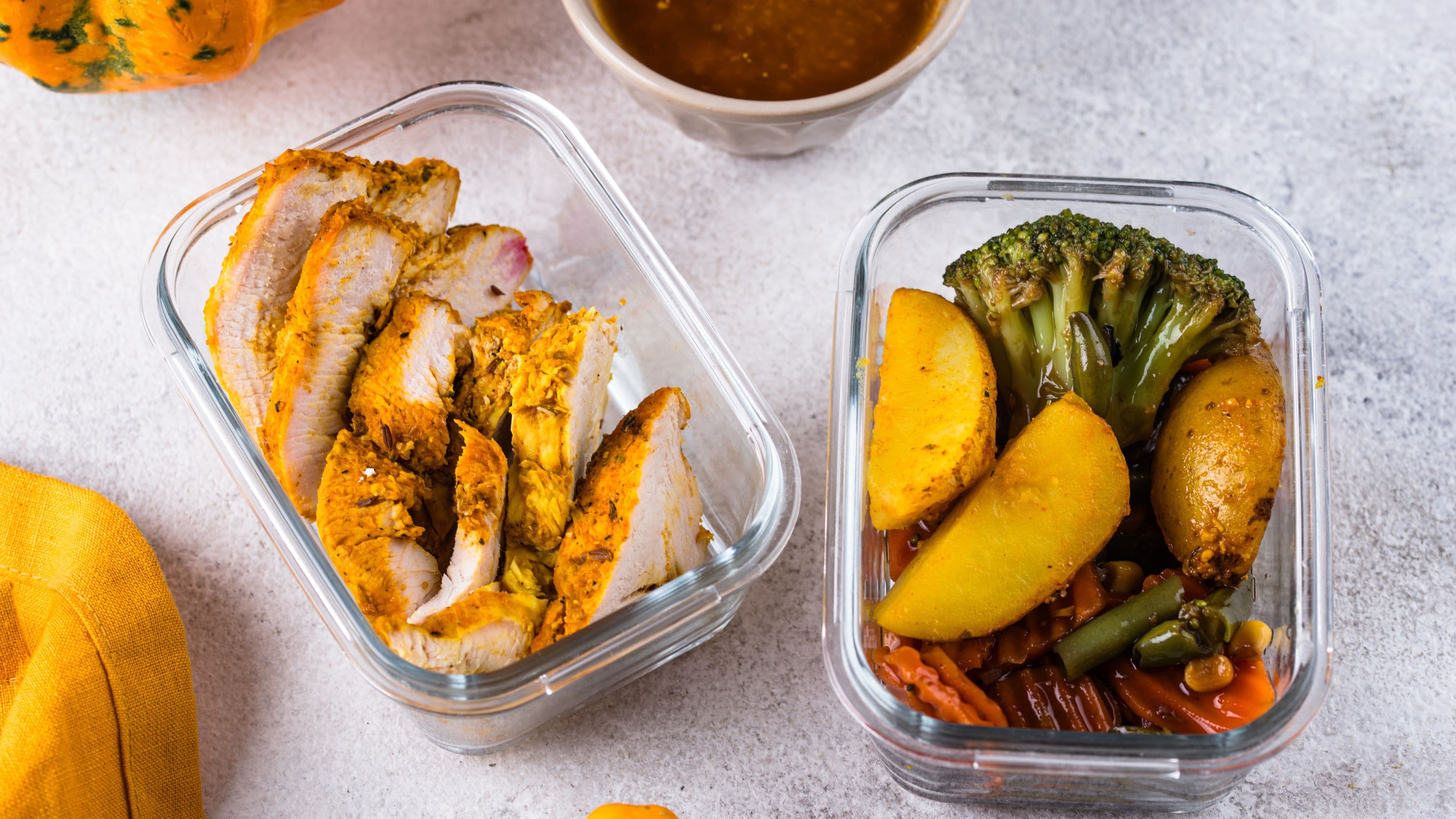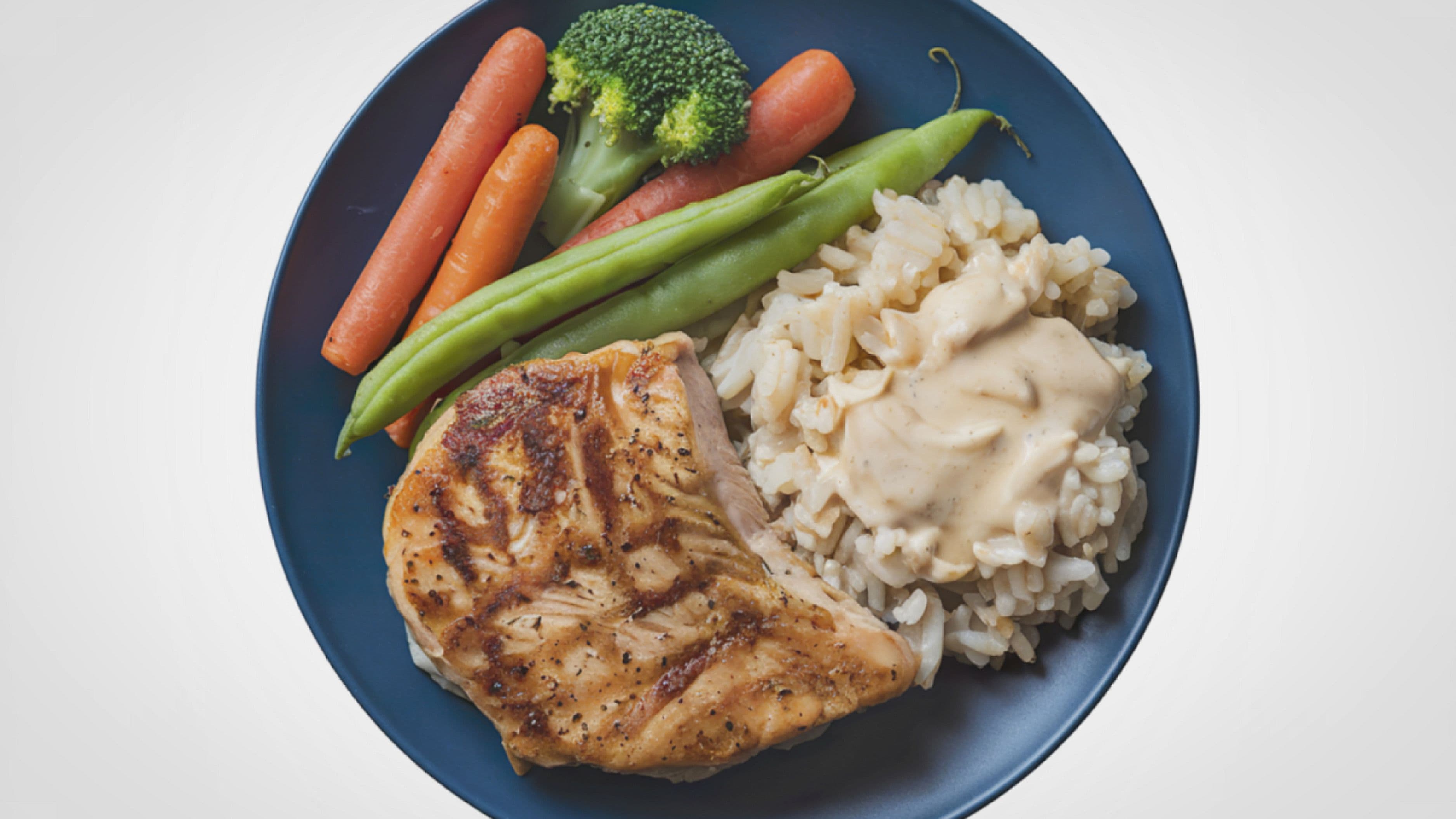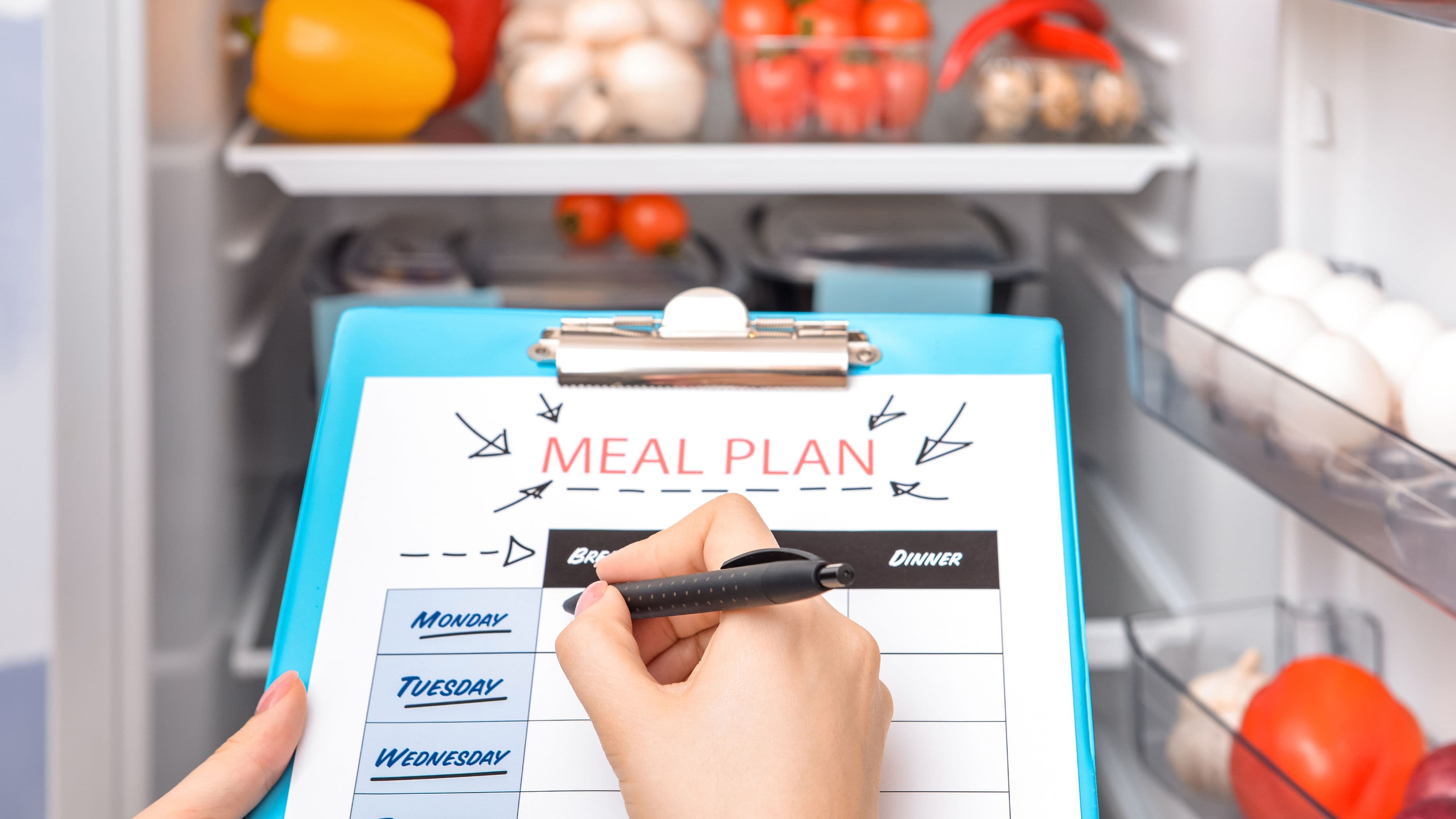

The good news is that meal planning with picky kids is genuinely possible. It just requires building the system around reality – including your kids' actual preferences – rather than around an ideal menu that doesn't survive contact with a seven-year-old.
Start by Mapping the "Yes" List
Before you plan anything, sit down and write out every meal and food your kids will actually eat without a fight. Not what you wish they'd eat, and not meals where they'll eat it "if they're hungry enough." Real, reliable yes foods. This might feel discouraging when you list it out and see how short it is, but the list is the foundation of a workable system.
Most picky eaters have more "yes" foods than their parents realize once everything is mapped out. They might refuse most vegetables but consistently eat corn, carrots, and cucumber. They might say they don't like chicken but will eat chicken nuggets, quesadillas with chicken, and chicken fried rice without complaint. These details matter because they tell you where the flexibility actually exists. You're not starting from zero – you're starting from a real list that you can build around.
The "Build-a-Meal" Strategy
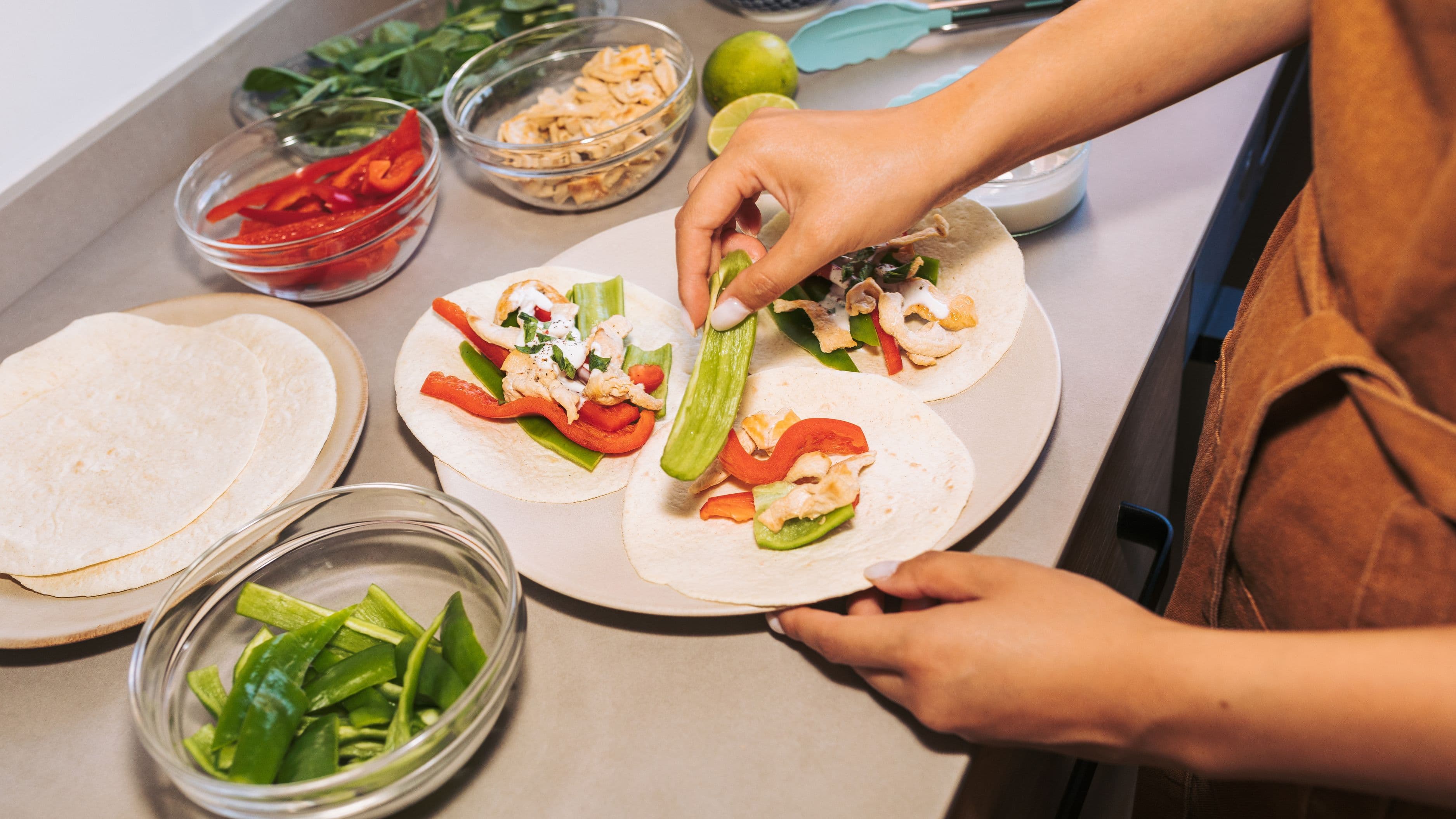
One of the most effective approaches for picky eater families is designing meals with a modular structure – a base that works for everyone, with components that can vary by person. Instead of planning a single dish that everyone either likes or doesn't, you plan a meal framework where kids can assemble something they'll eat alongside the adult version.
Taco nights are the classic example of this working perfectly. Tortillas, seasoned meat, cheese, sour cream, and whatever else you want to add – everyone builds their own and no one has to eat what they don't want. The same principle applies to grain bowls (rice or quinoa base, pick your protein and toppings), pizza nights (same dough, everyone picks toppings), baked potato bars, and pasta with sauce on the side. The adults can have roasted vegetables on their bowl. The kids can have plain rice with chicken and cheese. It's one dinner, two comfort levels.
This approach doesn't mean cooking two separate meals every night. It means choosing meals where the components naturally separate, so you're not adding extra work to accommodate different preferences.
Build Your Weekly Plan Around the "Yes" List
Now that you have your list and a strategy, the planning itself becomes much more manageable. Start by anchoring your week with three to four meals you know for certain will get eaten – pulled from the "yes" list or built around the modular format. These are your guaranteed successful nights. They don't have to be exciting, they just have to work.
From there, add one or two nights that introduce something slightly different – a new sauce on a familiar pasta, a different protein cooked the same way your kids like it, a recipe adjacent to something they already enjoy. These nights are your growth zone, where you're gently expanding the repertoire without forcing the issue. If it lands, great. If it doesn't, it wasn't one of your anchor nights, so the week doesn't fall apart.
That leaves one or two nights for leftovers, takeout, or a simpler fallback like breakfast-for-dinner or a sandwich night. Every week doesn't need to be a masterpiece. Having a built-in easy night or two reduces the pressure on the whole plan and gives you buffer when the week gets complicated.
Stop Cooking Separate Meals (But Have a Backup)
One common trap parents fall into is cooking two dinners every night – one for the adults, one for the kids. This is exhausting, it teaches kids that they can always opt out of whatever's served, and it doubles your cooking time. The goal is one dinner that works for everyone, even if "works for" means each person eats different parts of it.
That said, having a simple no-cook backup option available isn't the same as cooking a second meal. A bowl of cereal, a piece of toast with peanut butter, or a cheese quesadilla in four minutes is different from actively preparing a separate dinner. The rule in many families that works is: you don't have to eat what's served, but you also don't get a freshly cooked alternative. The backup option is simple, available, and no one is going to bed hungry – but it's not the same as a full second dinner. This removes the dinner table power struggle while still keeping the cooking workload sane.
Involve Kids in the Planning
Kids are more likely to eat meals they had a hand in choosing. This doesn't mean handing over full menu control – it means giving them a limited, meaningful choice within the plan you've already built. "We're having a pasta night this week – do you want the red sauce or the butter and parmesan?" or "We're doing a grain bowl night – do you want to pick rice or noodles?" These aren't open-ended questions that lead to chaos, they're constrained choices that give kids some ownership over what they're eating.
For older kids, involving them in the grocery shopping is another entry point. When a child picks out the broccoli at the store, they're more likely to engage with it at the table. When they help assemble a taco or stir something in the pan, the meal feels partly theirs. None of this is a magic fix for picky eating, but it shifts the dynamic from "food being done to you" to "food being something you're part of," which tends to produce more cooperative eating.
Repeat Meals Without Guilt
One of the biggest liberators in meal planning with picky kids is permission to repeat the meals that work. If your family reliably eats spaghetti bolognese, sheet pan chicken and potatoes, and black bean tacos – put them in the rotation every week without apology. Variety for its own sake isn't a virtue when it means meals that go uneaten. A shorter rotation of reliable meals produces less food waste, less stress, and fewer battles at the table.
Most children actually prefer routine and predictability around food. The idea that kids need constant meal variety to develop a good relationship with food is a myth – what they need is regular exposure to a range of foods over time, which a small rotating menu still provides. If your Tuesday is consistently pasta night and your kids know it and eat it happily, that's a win, not a rut.
Handling Exposure Without Pressure
One of the better-supported approaches in children's nutrition research is the idea that repeated exposure to a food – without pressure to eat it – gradually increases the likelihood a child will try and eventually accept it. This is the basis of the "one bite" rule that many families use, though forcing even one bite can backfire if it creates negative associations with the food.
A lower-pressure version: include one small portion of an unfamiliar or previously rejected food on the plate alongside familiar foods, with no comment or expectation attached. Over weeks and months of exposure, many children begin to interact with, then taste, then accept foods they initially refused. The key is consistency over time without the dinner table turning into a negotiation. Planning at least one component of each meal that's part of the long-term exposure strategy – even if it's just three baby carrots on the plate – is a way to weave development into a realistic routine without making every meal a project.
A Simple Weekly Template to Start With
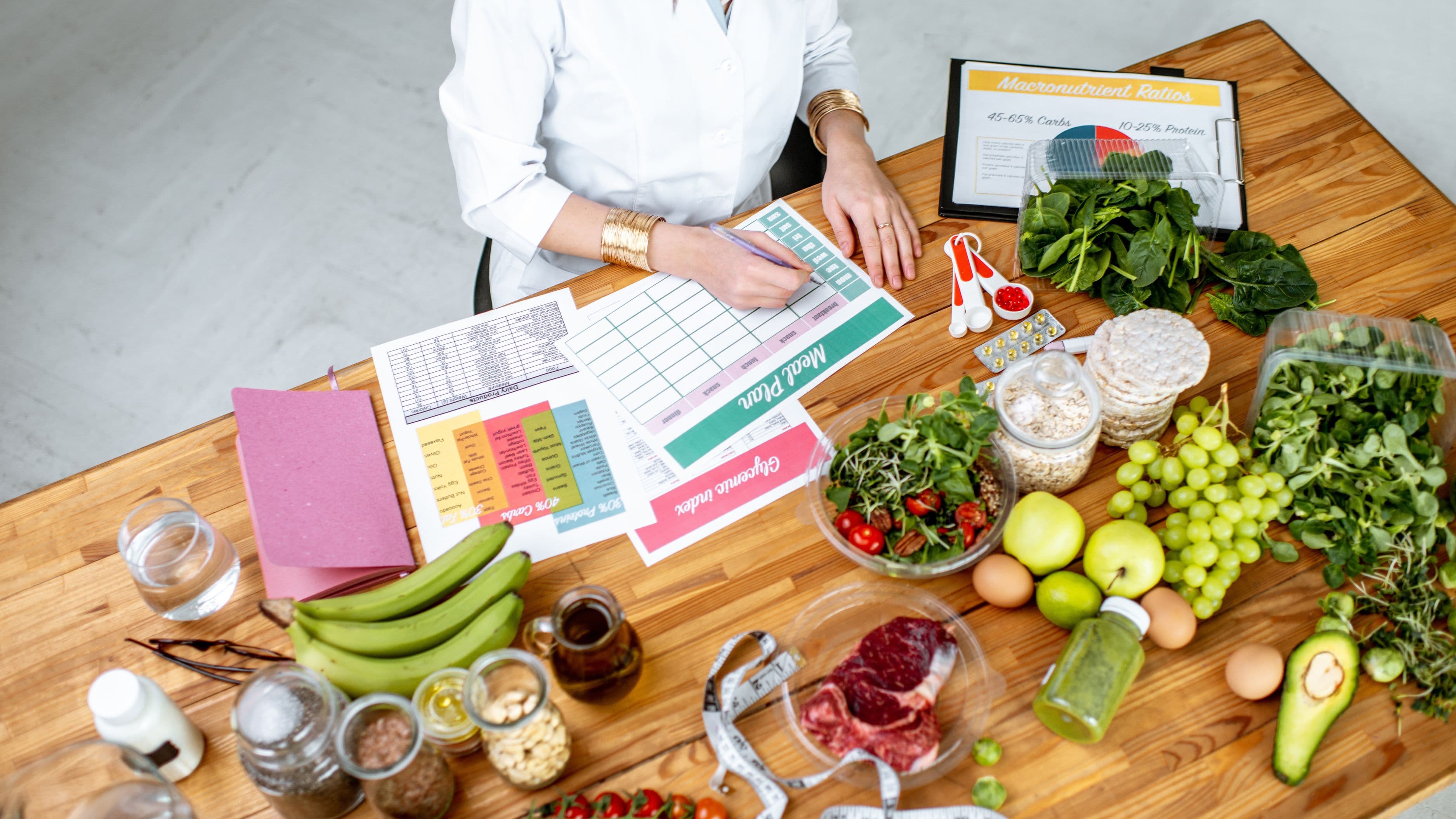
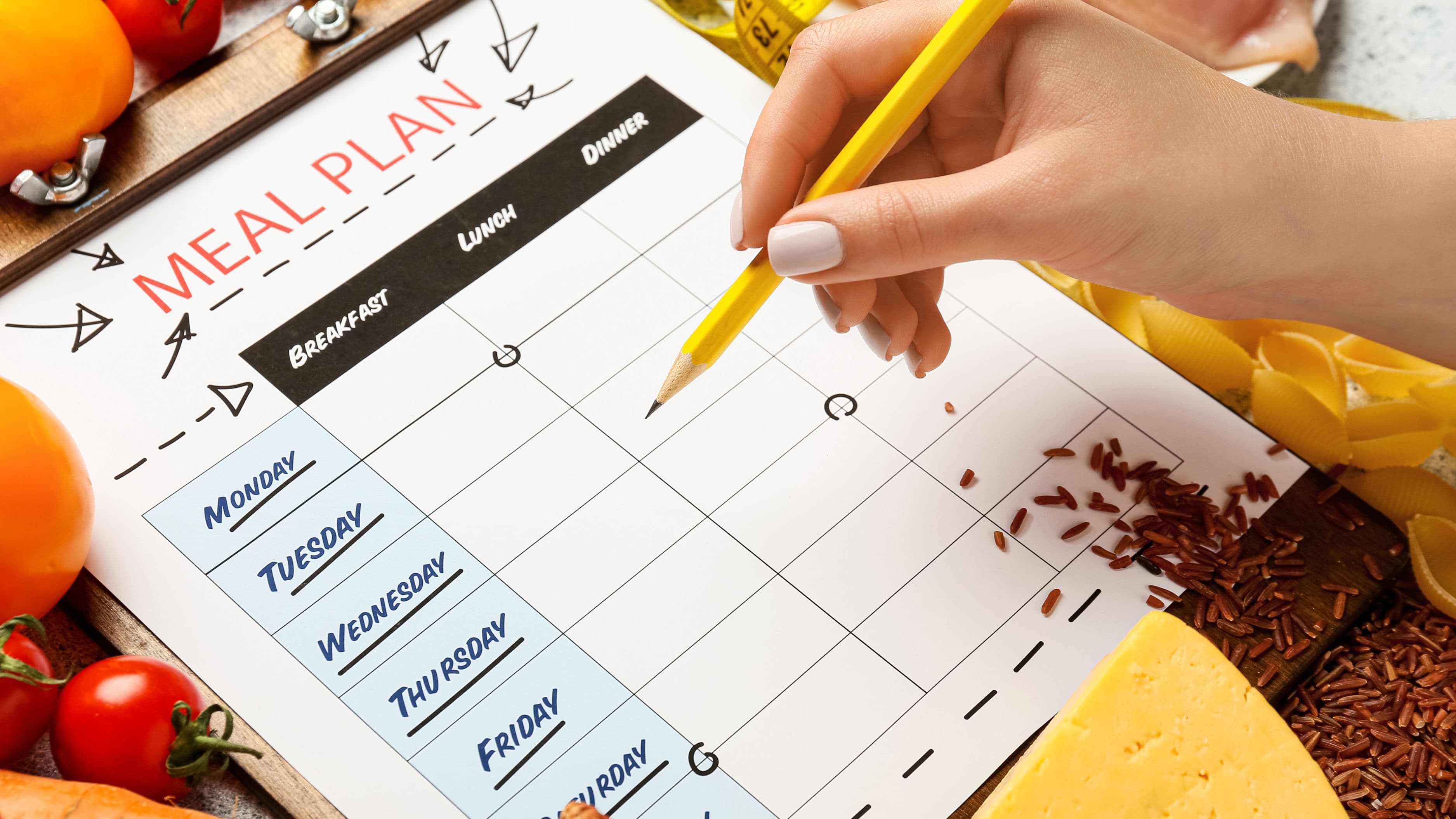
Here's a practical weekly framework you can adapt:
Monday (Anchor): A reliable "yes" meal from your list – something everyone eats without comment. Keep it simple after the weekend.
Tuesday (Modular): A build-your-own night – tacos, grain bowls, baked potatoes, or pizza. Everyone picks their components.
Wednesday (Anchor): Another reliable meal. Midweek is not the time to experiment.
Thursday (Growth zone): A familiar meal with a small variation – the same protein cooked a new way, a new sauce on a known pasta shape, a familiar meal with one new vegetable served on the side.
Friday (Easy/Flexible): Takeout, breakfast-for-dinner, or whatever leftover situation you have. This is the release valve.
Saturday (New or involved): A more interesting dinner when there's more time and energy. Involve the kids in prep if you can.
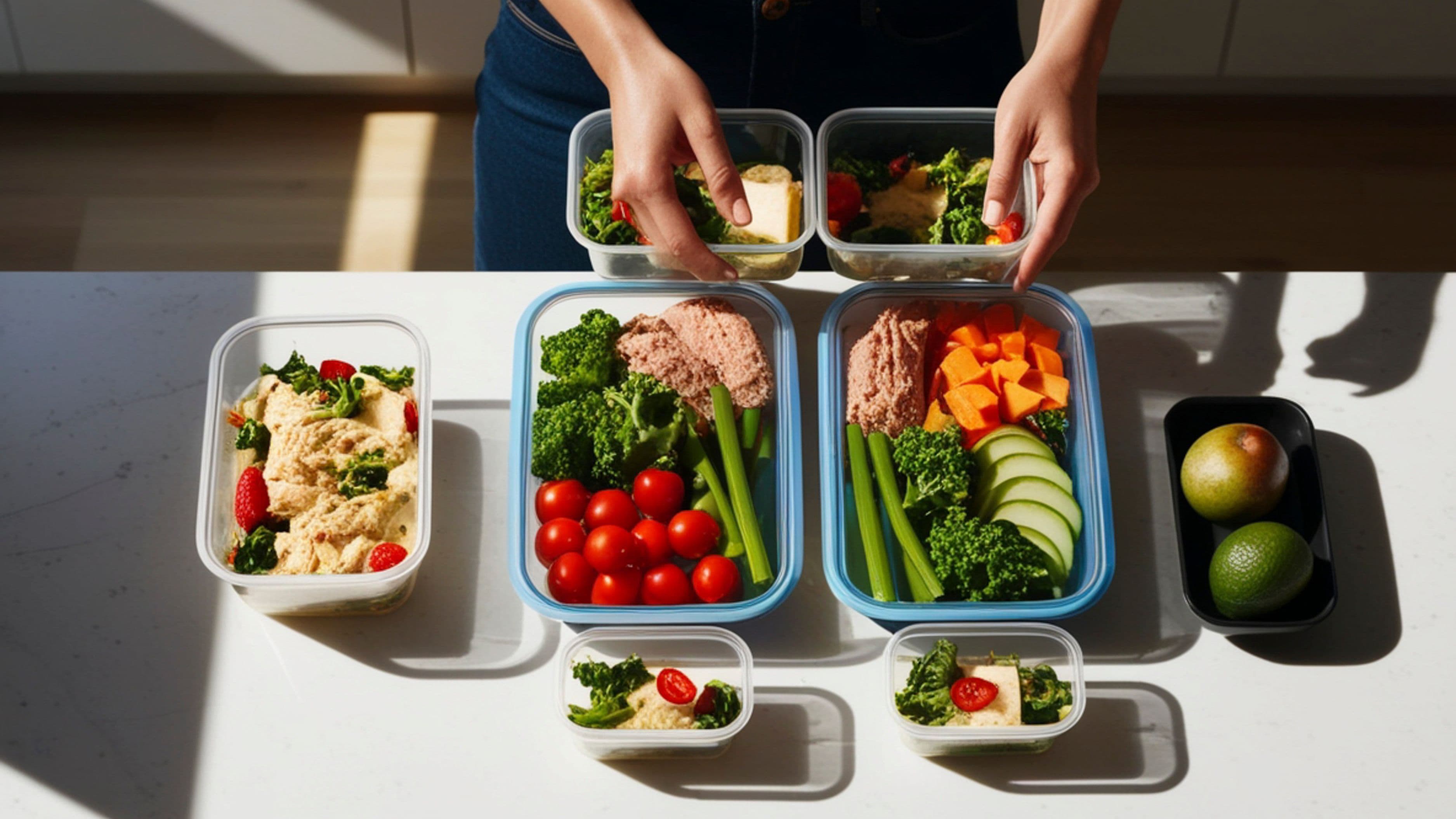
Sunday (Batch cook anchor): Something that produces leftovers or components you can use on Monday. Roast a chicken, make a big pot of soup, or batch cook a grain.
This template isn't rigid – it's a starting structure you adjust to your family's actual schedule and preferences. The value is in having a framework so you're not making decisions from scratch every week.
Mistakes to Avoid
Trying to expand your kids' palate too quickly is the most common planning mistake. Introducing too many new foods at once produces more resistance, not less. One new or challenging component per week is plenty, and only on the nights you've designated as growth zone meals.
Planning meals you find interesting rather than meals your family will eat is another planning trap. Your meal plan isn't an expression of your culinary ambitions. It's a logistical tool for getting dinner on the table in a way that works for everyone. Save the adventurous cooking for a weekend night when you have more time and lower stakes.
Giving up after one rejection is too soon. Children's acceptance of new foods can take ten or more exposures before genuine acceptance happens. A child refusing a new food the first time it appears is normal, not a verdict on the food forever.
FAQ
What if my child will only eat about five foods? Very limited eating in children – sometimes called "extreme picky eating" or ARFID (Avoidant/Restrictive Food Intake Disorder) – can be a clinical issue worth discussing with a pediatrician. For the majority of picky eaters, the range is broader than parents initially map out once all forms and preparations of a food are considered. But if your child's limitations are severe and causing nutritional or growth concerns, a pediatric dietitian is the right resource.
Is it okay to let kids eat the same thing every night if it's all they'll accept? Within reason and for a limited time, yes. Forcing a child to eat something they genuinely won't eat doesn't build a better relationship with food – it usually damages it. At the same time, the no-pressure exposure strategy described above works over time, so maintaining some variety on the plate even without expectation is worthwhile.
How do I meal plan when I have multiple kids with different preferences? The modular meal approach is particularly valuable here. Building meals with separable components means each child can assemble something they'll eat without you cooking multiple versions. When possible, find the overlap between what each child will eat and anchor your plan to those shared yes foods.
How far in advance should I plan meals? One week at a time is the most workable approach for most families. It's enough advance notice to shop efficiently and reduce daily decision fatigue, but not so far ahead that your plan gets derailed by schedule changes. Meal planning on Sunday for the week ahead is the most common and practical cadence.
Should I hide vegetables in meals to get kids to eat them? This is a genuinely debated topic among nutrition experts. Hiding vegetables does get some additional nutrition into kids' diets, but it doesn't build any actual acceptance of vegetables because the child doesn't know they're eating them. Many nutritionists prefer a combination approach: use hidden vegetables if needed for nutritional insurance, but also continue serving visible vegetables without pressure to maintain the exposure process that builds real acceptance over time.
📚 Sources
Satter, E. Ellyn Satter Institute. Division of Responsibility in Feeding. https://www.ellynsatterinstitute.org/how-to-feed/the-division-of-responsibility-in-feeding/
American Academy of Pediatrics. Picky Eaters: Tips and Advice. https://www.healthychildren.org/English/ages-stages/toddler/nutrition/Pages/Picky-Eaters.aspx
Pediatric Nutrition Practice Group. Feeding Children: A Guide for Parents. Referenced via Academy of Nutrition and Dietetics. https://www.eatright.org/food/nutrition/eating-as-a-family/feeding-babies-and-toddlers
National Institutes of Health. Texture and Flavor Acceptance in Children. Referenced in pediatric nutrition literature. https://www.ncbi.nlm.nih.gov/pmc/articles/PMC5801778/
Birch, L.L. (1998). Development of Food Acceptance Patterns. Proceedings of the Nutrition Society. https://pubmed.ncbi.nlm.nih.gov/9829229/
ARFID Awareness. Understanding Avoidant/Restrictive Food Intake Disorder. https://www.arfidawareness.com
Academy of Nutrition and Dietetics. Raising Healthy Eaters. https://www.eatright.org/food/nutrition/eating-as-a-family/raising-healthy-eaters
Harvard T.H. Chan School of Public Health. Kids and Vegetables: The Science of Getting Children to Eat More. https://www.hsph.harvard.edu/news/features/teaching-kids-to-eat-vegetables/
Cook Smarts. Family Meal Planning Guide. https://www.cooksmarts.com/articles/family-meal-planning-guide/
The Feedng Doctor (Katja Rowell, MD). Family Meals Focus. https://www.thefeedingdoctor.com