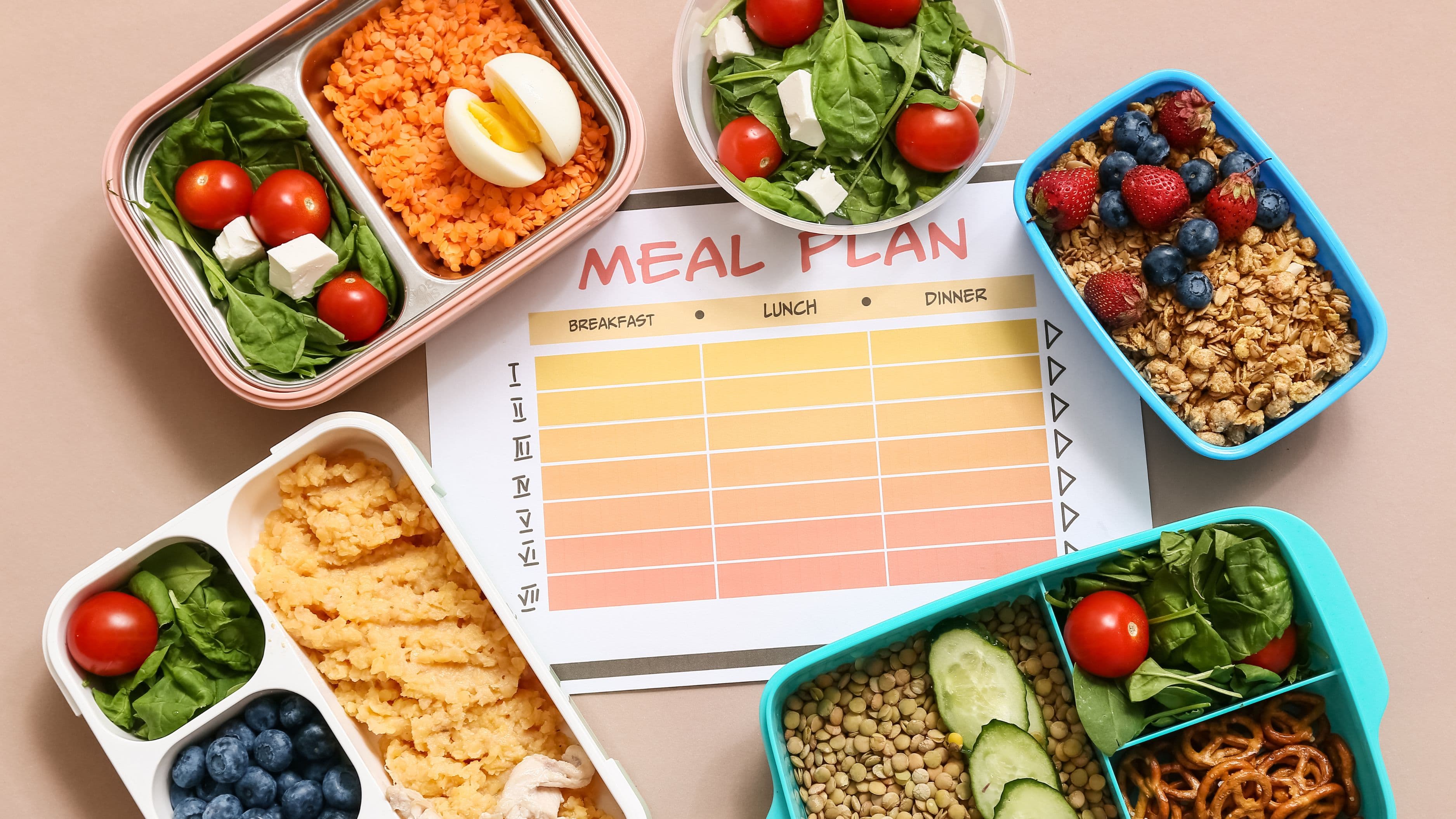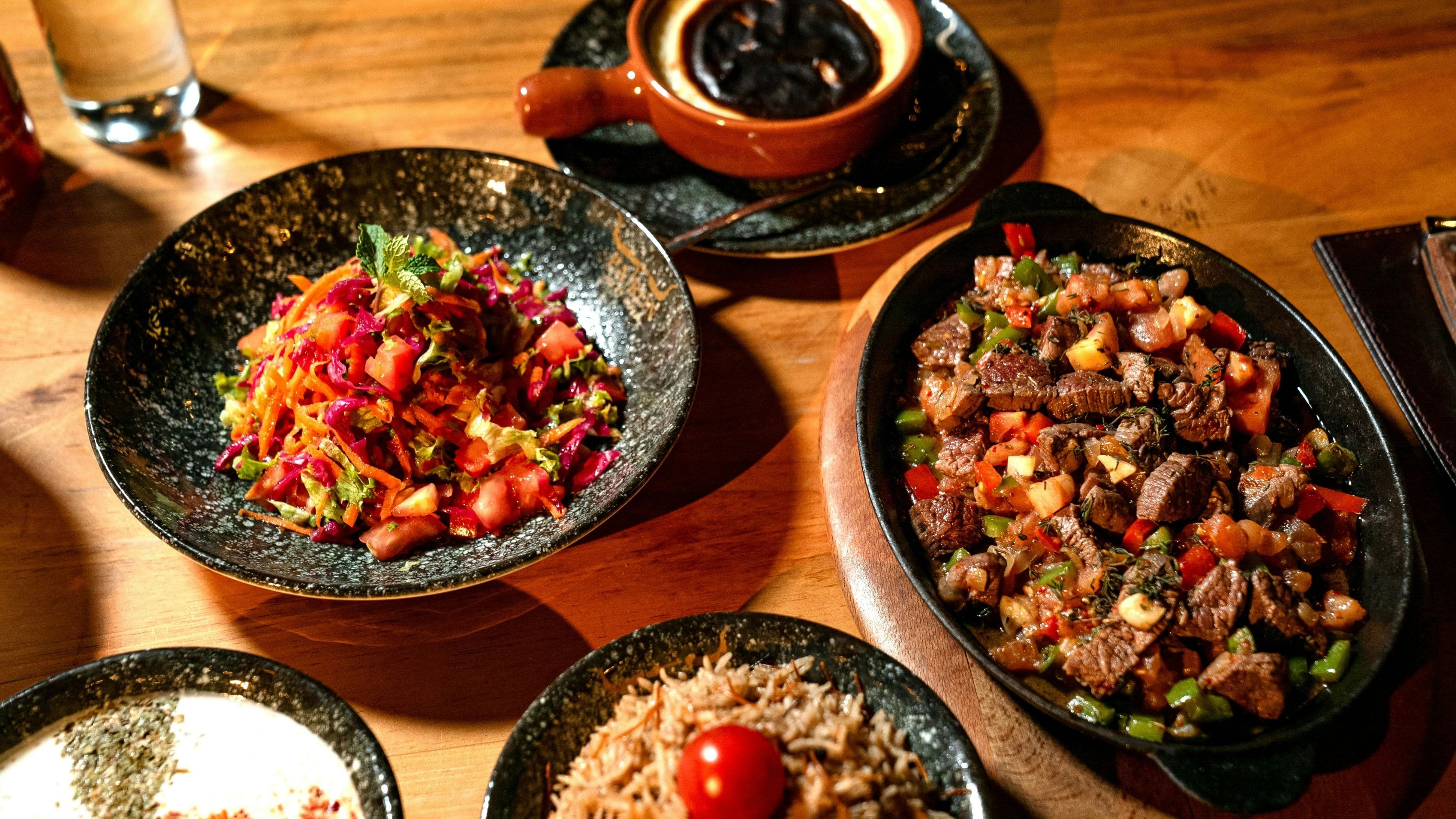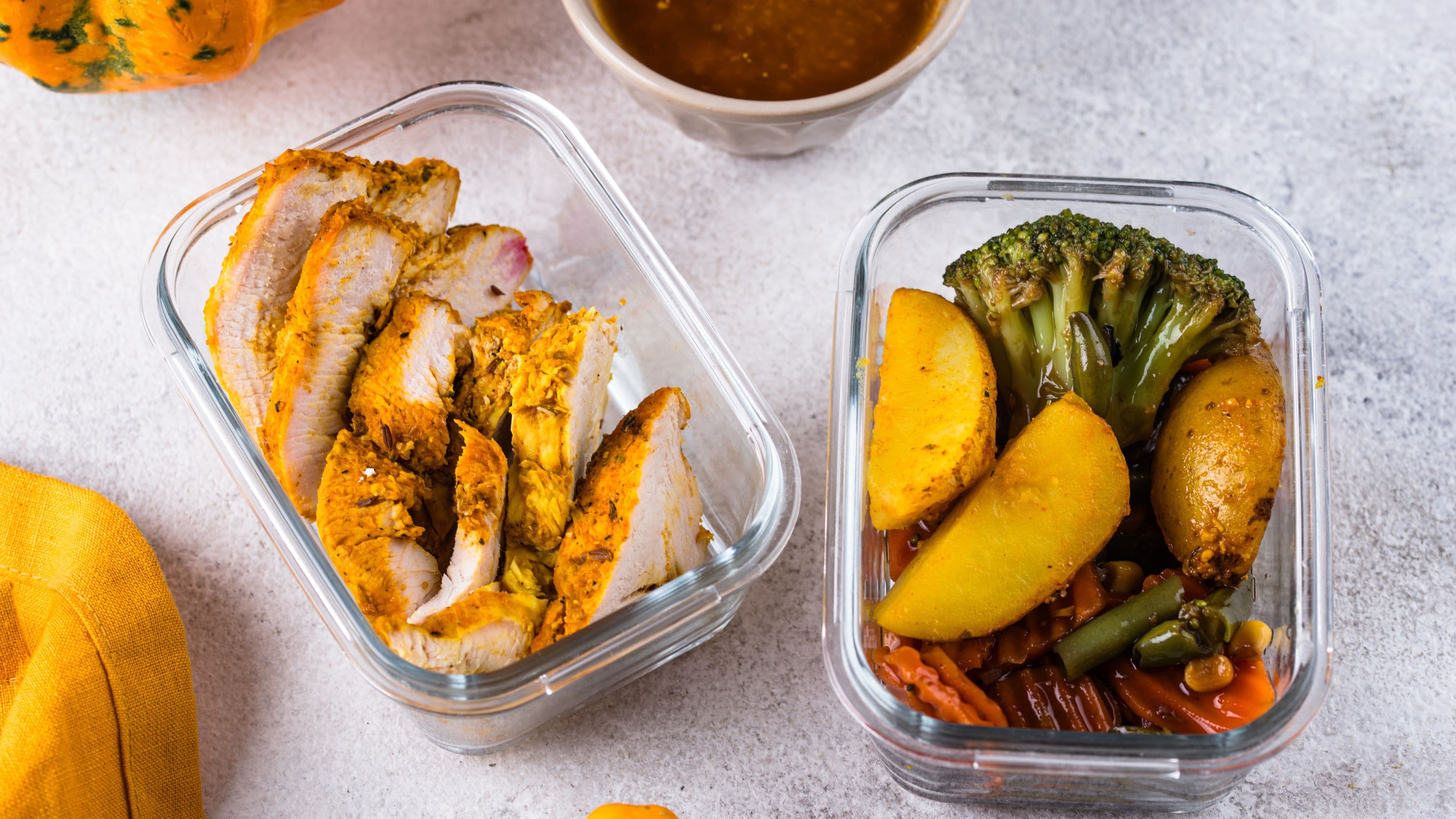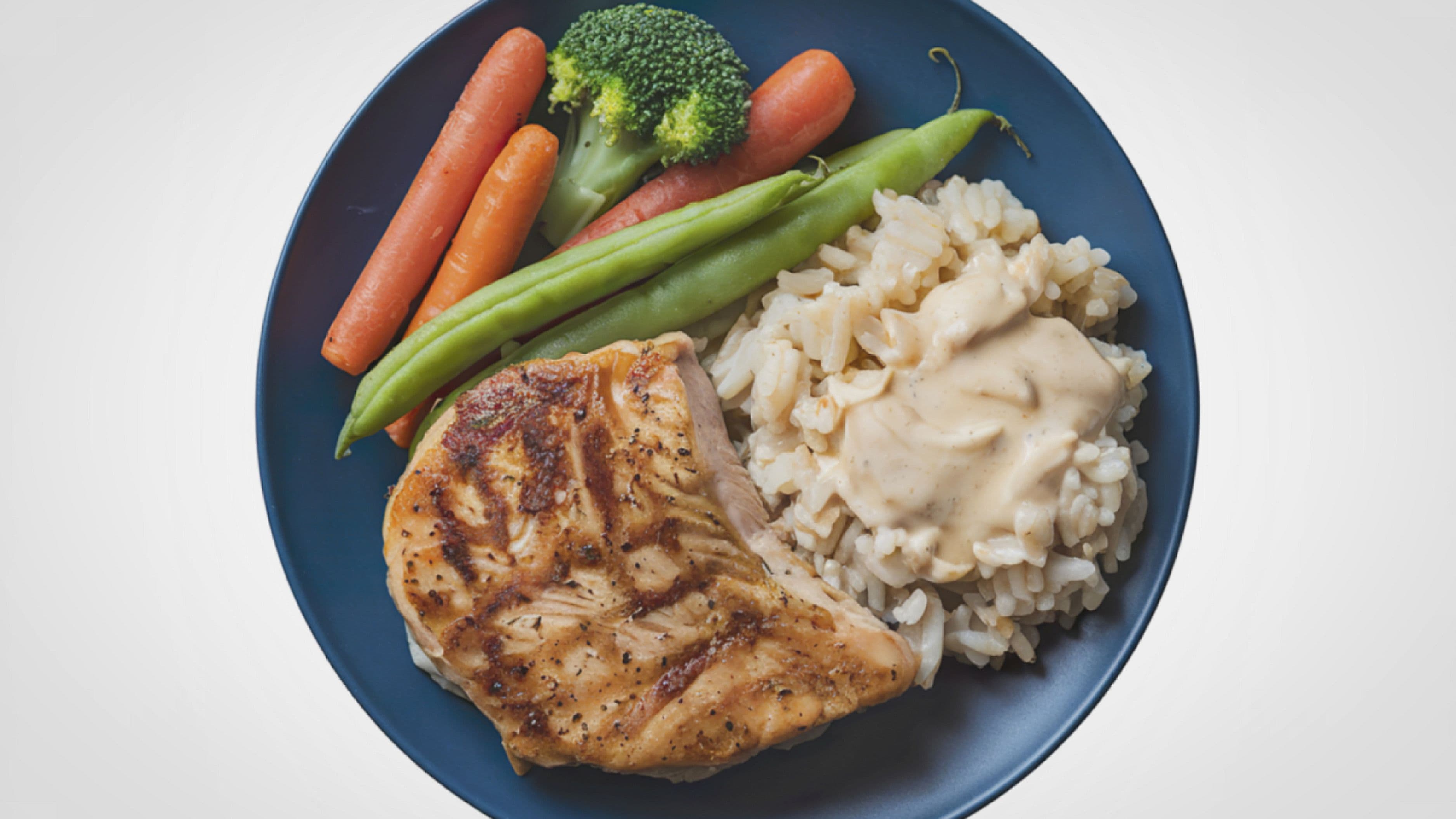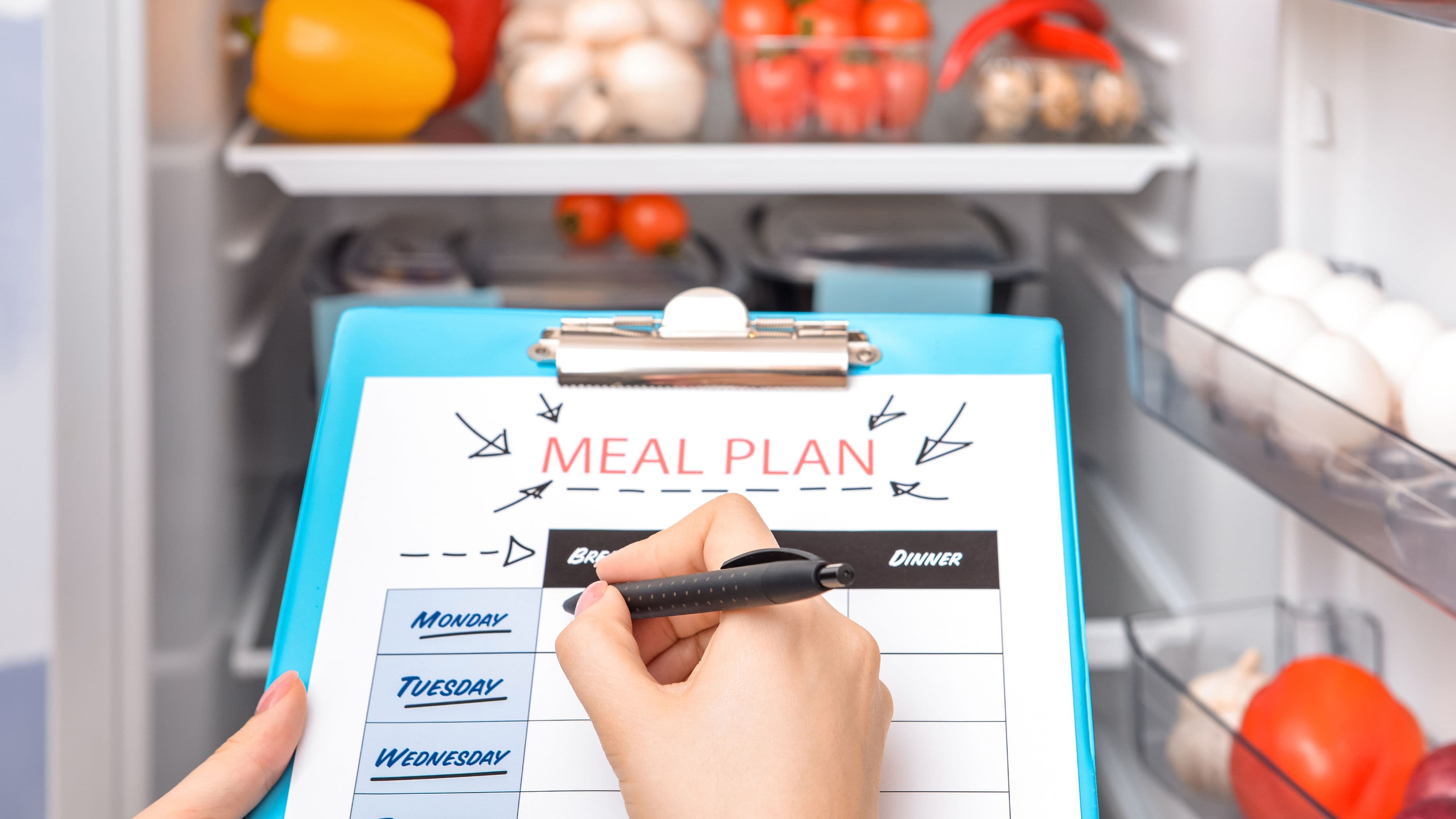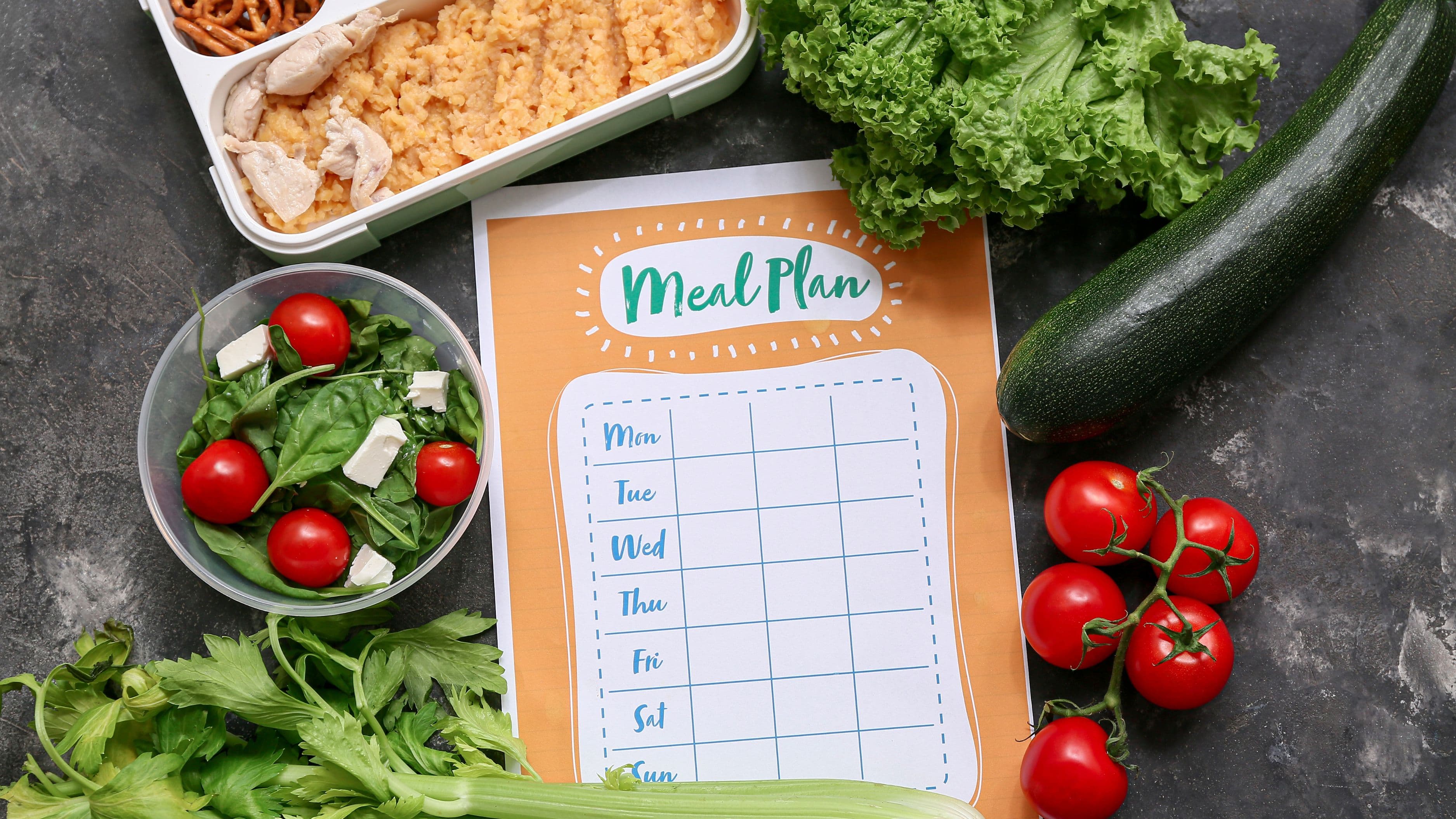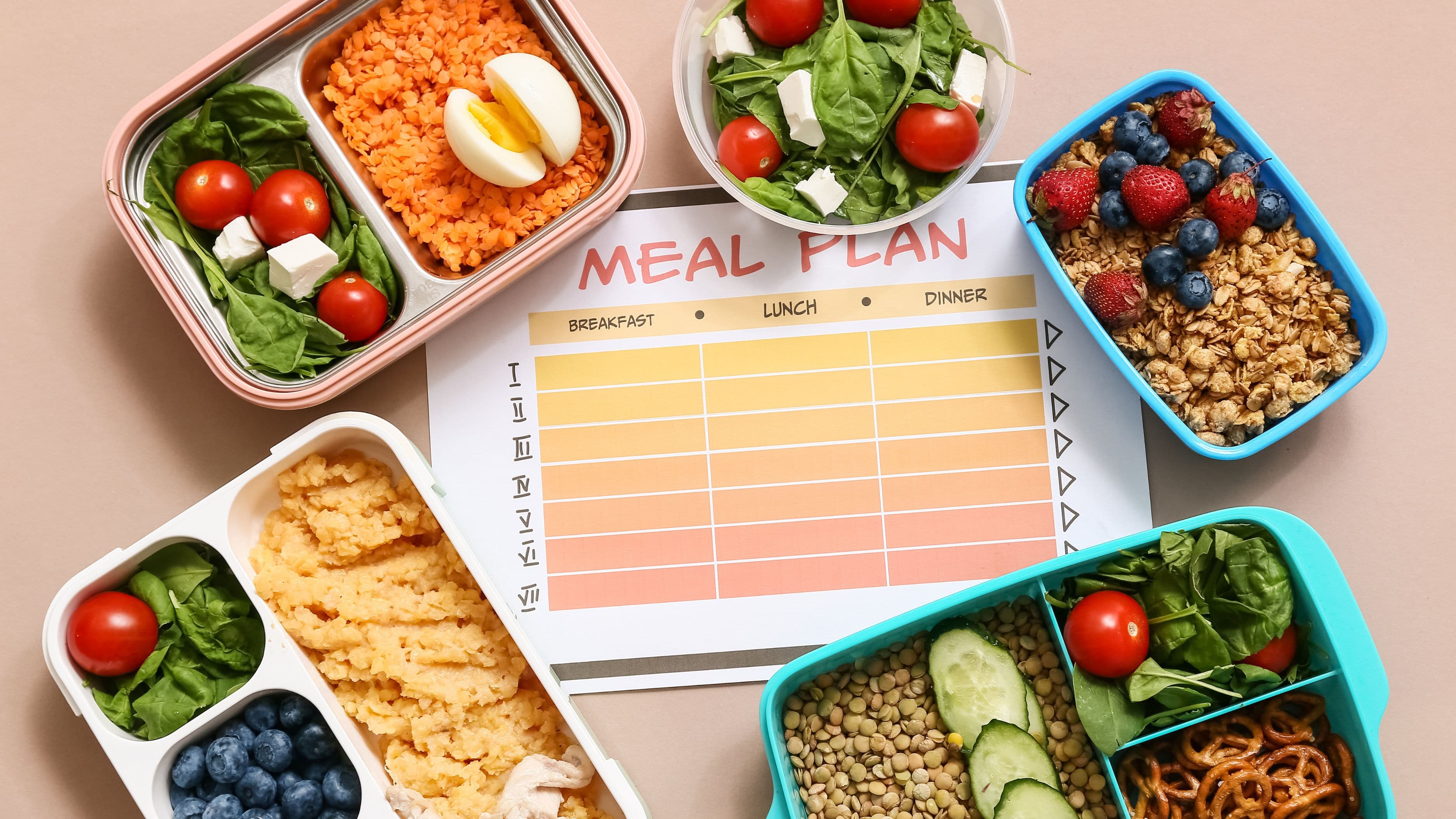
If you don't know until Tuesday whether you'll be home for dinner Wednesday, if your schedule changes last-minute, if some weeks are chaotic and others aren't — the standard meal planning model will keep failing you. What you actually need isn't a rigid plan. It's a flexible system that works whether your week goes smoothly or sideways.
Here's how to build one.
The Core Idea: Plan Ingredients, Not Meals
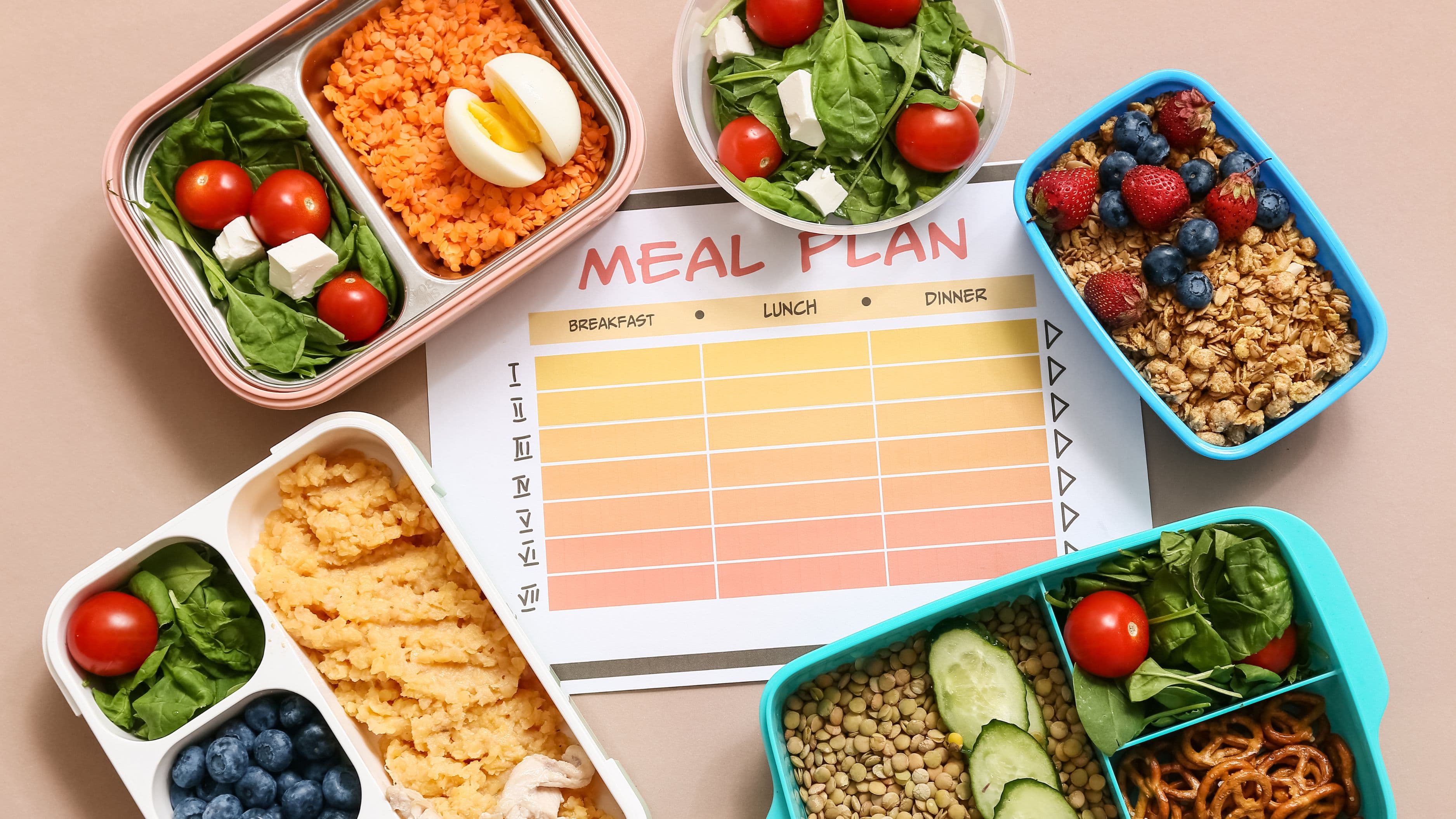
The biggest shift in flexible meal planning is moving away from planning specific meals for specific nights, and toward stocking your kitchen with ingredients that work across multiple dishes. Instead of "Tuesday: chicken stir-fry, Wednesday: pasta bolognese," you're thinking in components: a protein, a grain, a few vegetables, a handful of sauces and staples that can go in several directions.
This approach means that when Tuesday's plans fall apart, your ingredients haven't been assigned to a single meal that you may or may not cook. They're flexible. The chicken you bought can become a stir-fry, a grain bowl, a simple roast, or a quick soup — depending on how much time and energy you have when you actually walk through the door. You're not abandoning the plan; you're using the plan you built for exactly this situation.
Step 1: Build Your Flexible Pantry
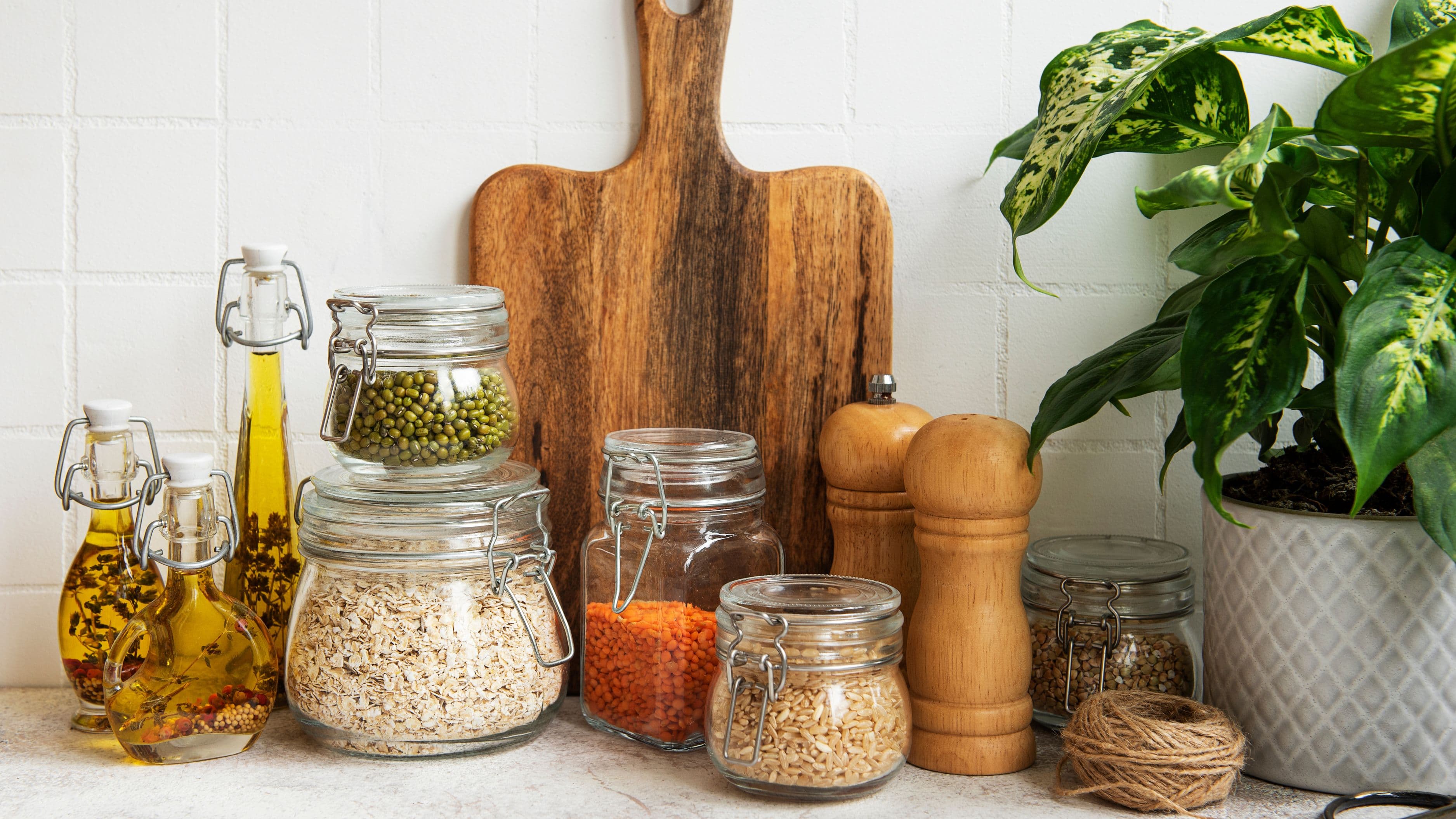
A reliable core pantry is the foundation that makes flexible cooking possible without constant shopping. You don't need to overhaul everything at once — this comes together gradually, and once it's in place, it dramatically reduces how much planning you actually need to do.
The categories that matter most for flexible weeknight cooking are a base grain (rice, pasta, or both), a couple of tinned proteins (chickpeas, lentils, canned fish), quick-cooking proteins you can keep in the freezer (chicken thighs, ground meat, shrimp that thaw fast), and sauces and aromatics that build flavor quickly — tinned tomatoes, soy sauce, coconut milk, garlic, onions, olive oil. These aren't glamorous, but they're what turns a random collection of fresh produce into an actual meal at 6:30 on a Wednesday when you're tired and hadn't planned anything specific for tonight.
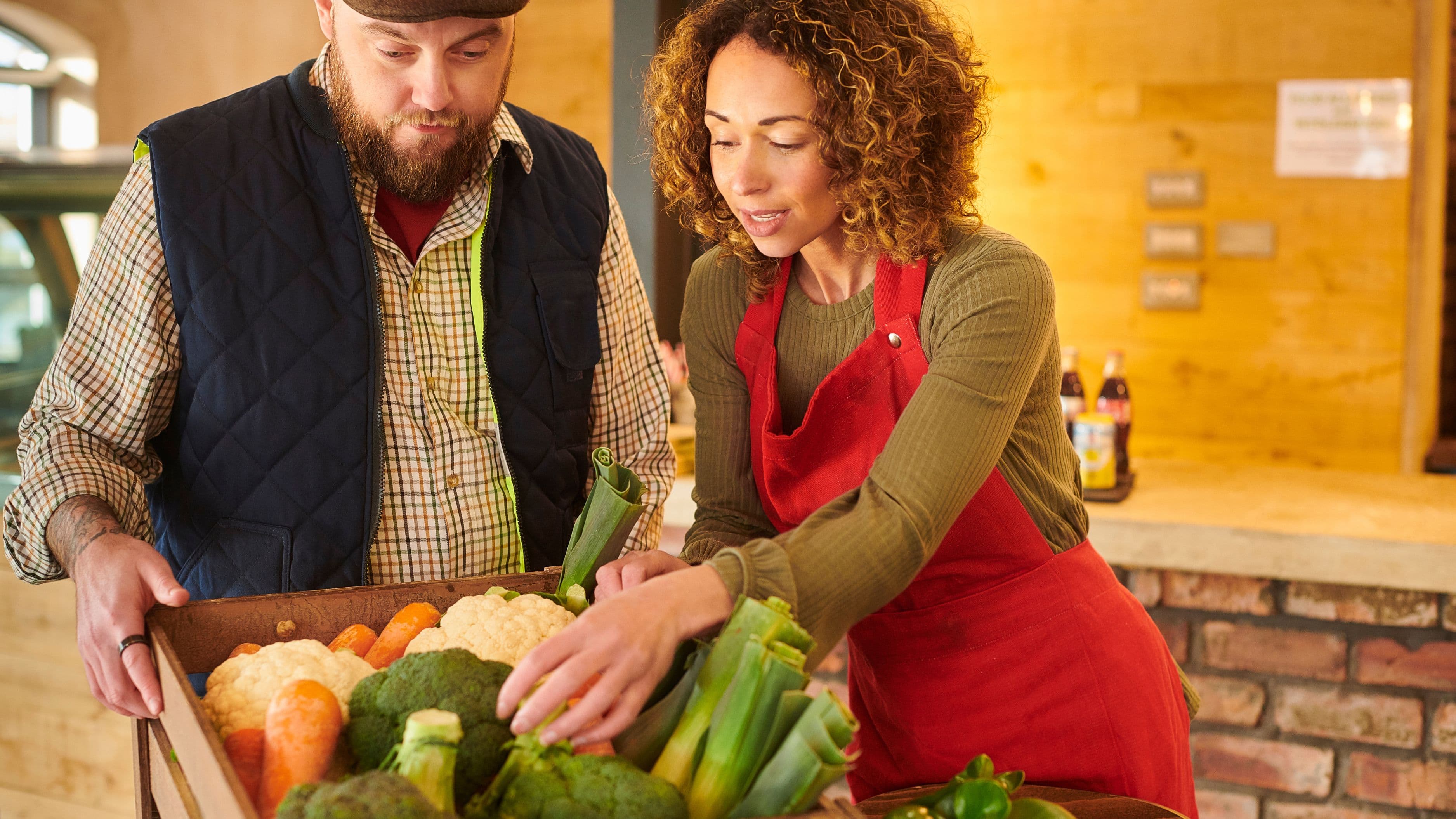
Fresh vegetables round things out, but they don't need to be elaborate. A bag of spinach, some cherry tomatoes, a bell pepper, and whatever looked good at the store cover a huge range of dishes. Don't try to plan which vegetable goes with which meal. Buy what you'll use across multiple things.
Step 2: Shop With a "What Can I Make?" Mindset
Instead of writing a shopping list tied to five specific meals, think about what 2–3 proteins and 4–5 vegetables would give you the most flexibility that week. The goal is optionality: you want to be able to make at least 4–5 different dinners from what you buy, not one of five pre-assigned dishes.
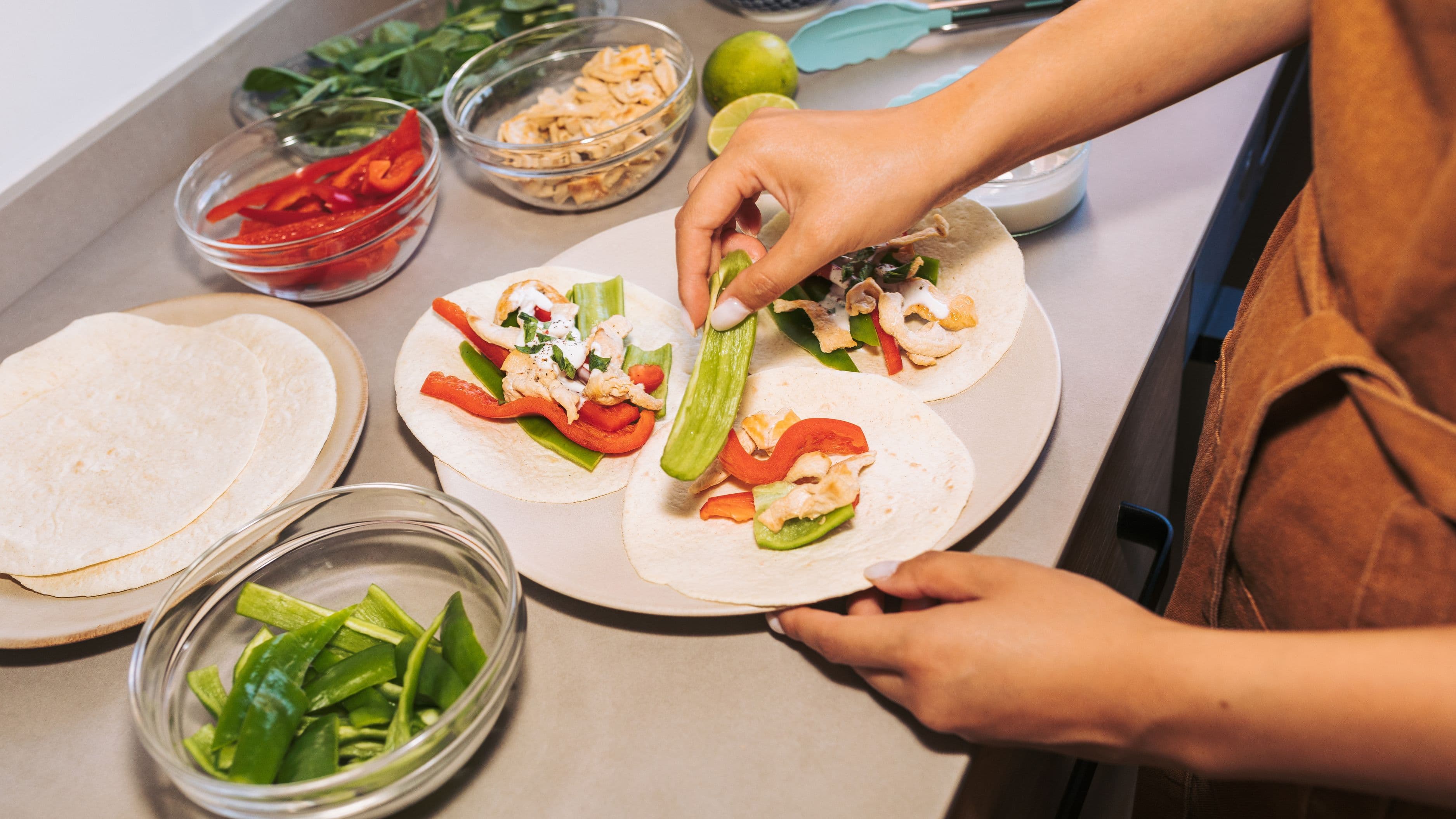
A useful way to think about this: each protein you buy should be capable of going in at least two different directions. Chicken thighs can be roasted simply, made into a quick curry, sliced for tacos, or simmered into a broth-based soup. Ground beef can become Bolognese, a quick stir-fry with Asian flavors, stuffed peppers, or a simple pasta sauce. When you shop with that flexibility in mind, the randomness of your week stops mattering as much – because you haven't locked any ingredient into a single destiny.
The shopping list itself stays short: check what's already in the pantry, note what proteins and vegetables you're low on, pick up fresh items that bridge multiple uses. You're not mapping Tuesday through Friday – you're stocking a flexible kitchen.
Step 3: Do One Small Prep Session, Not a Full Sunday Cook
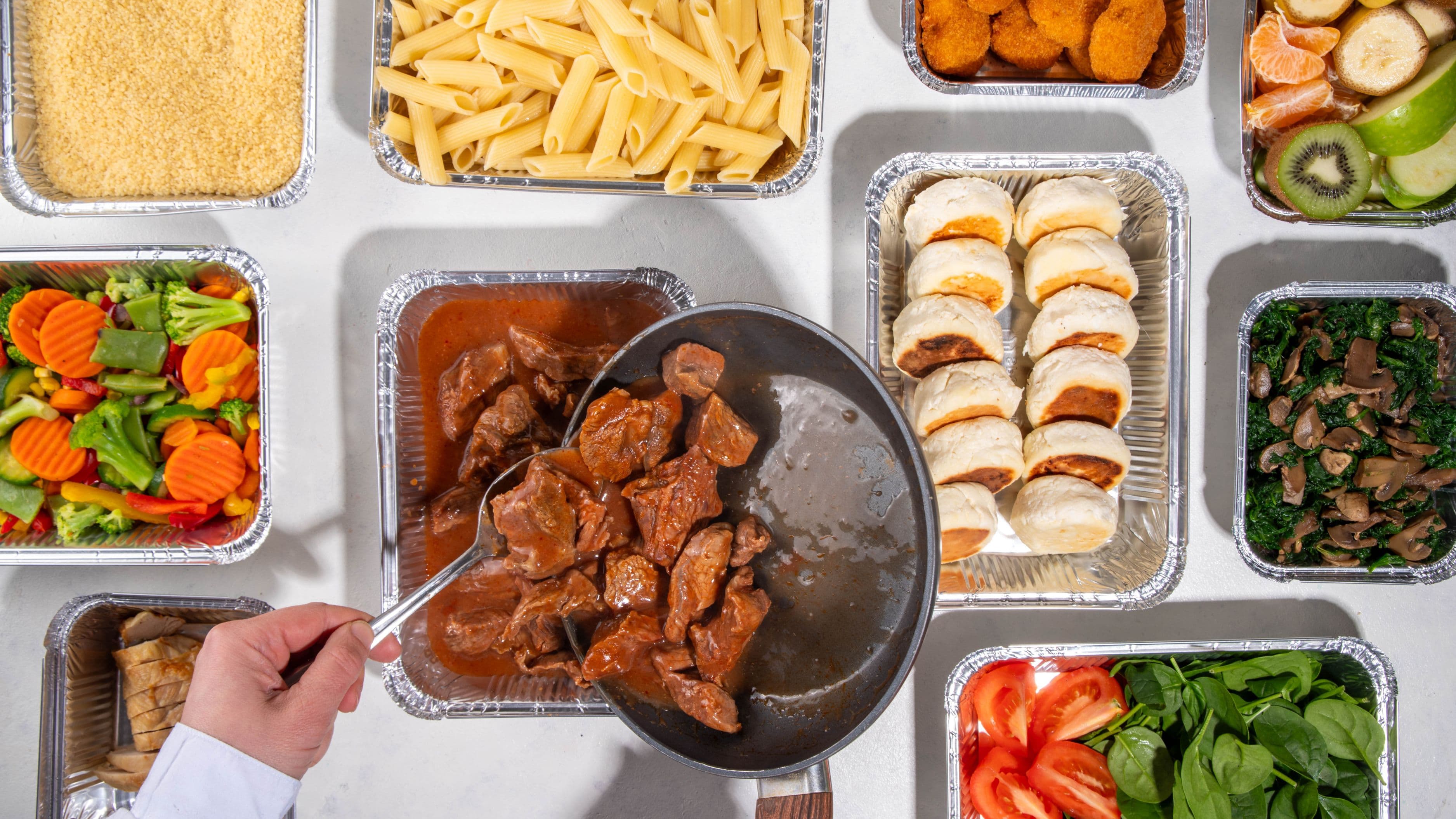
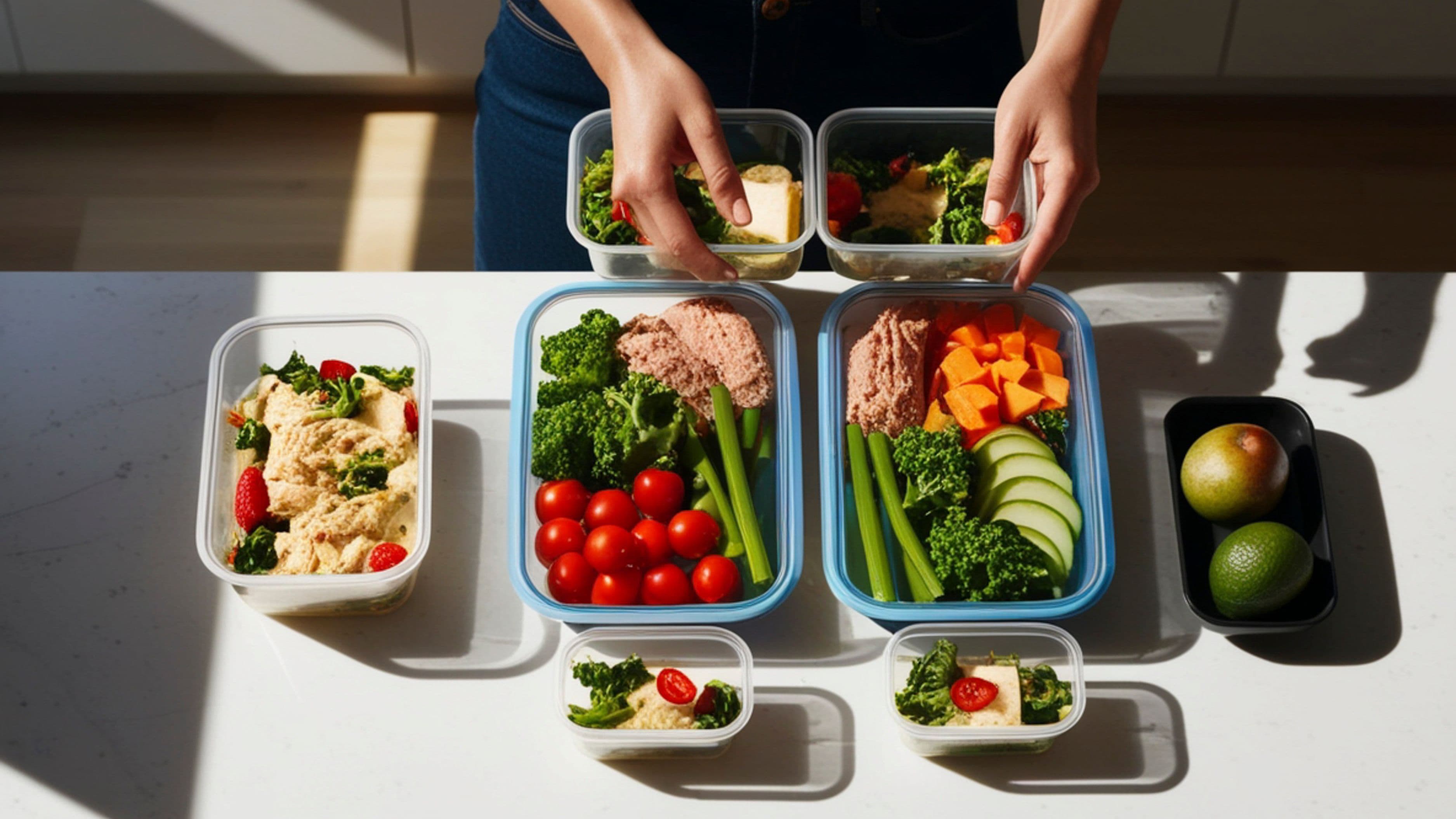
The idea of batch cooking an entire week of meals on Sunday is appealing in theory and exhausting in practice for most people with unpredictable schedules. A smaller, more targeted prep session is usually more sustainable.
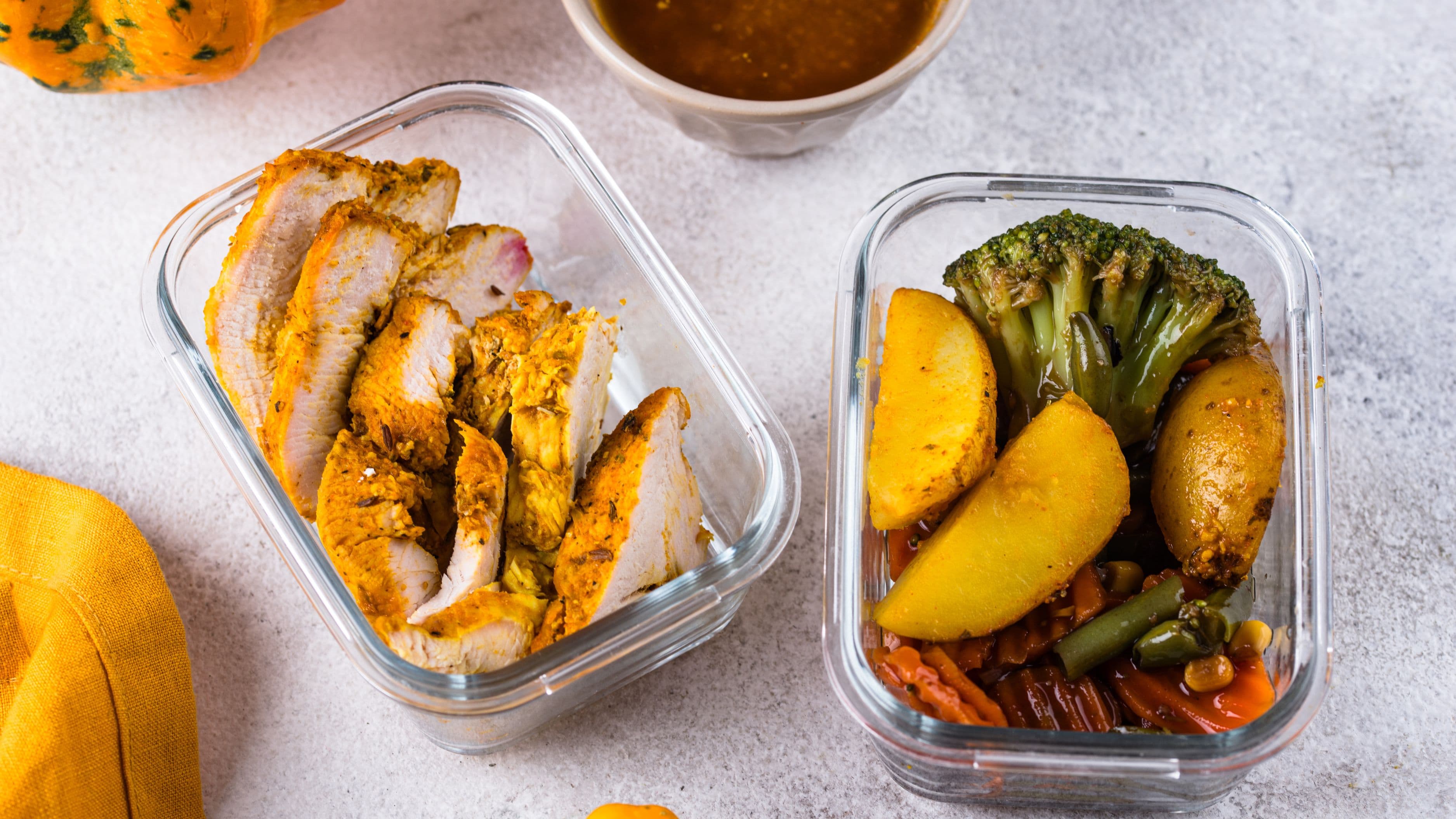
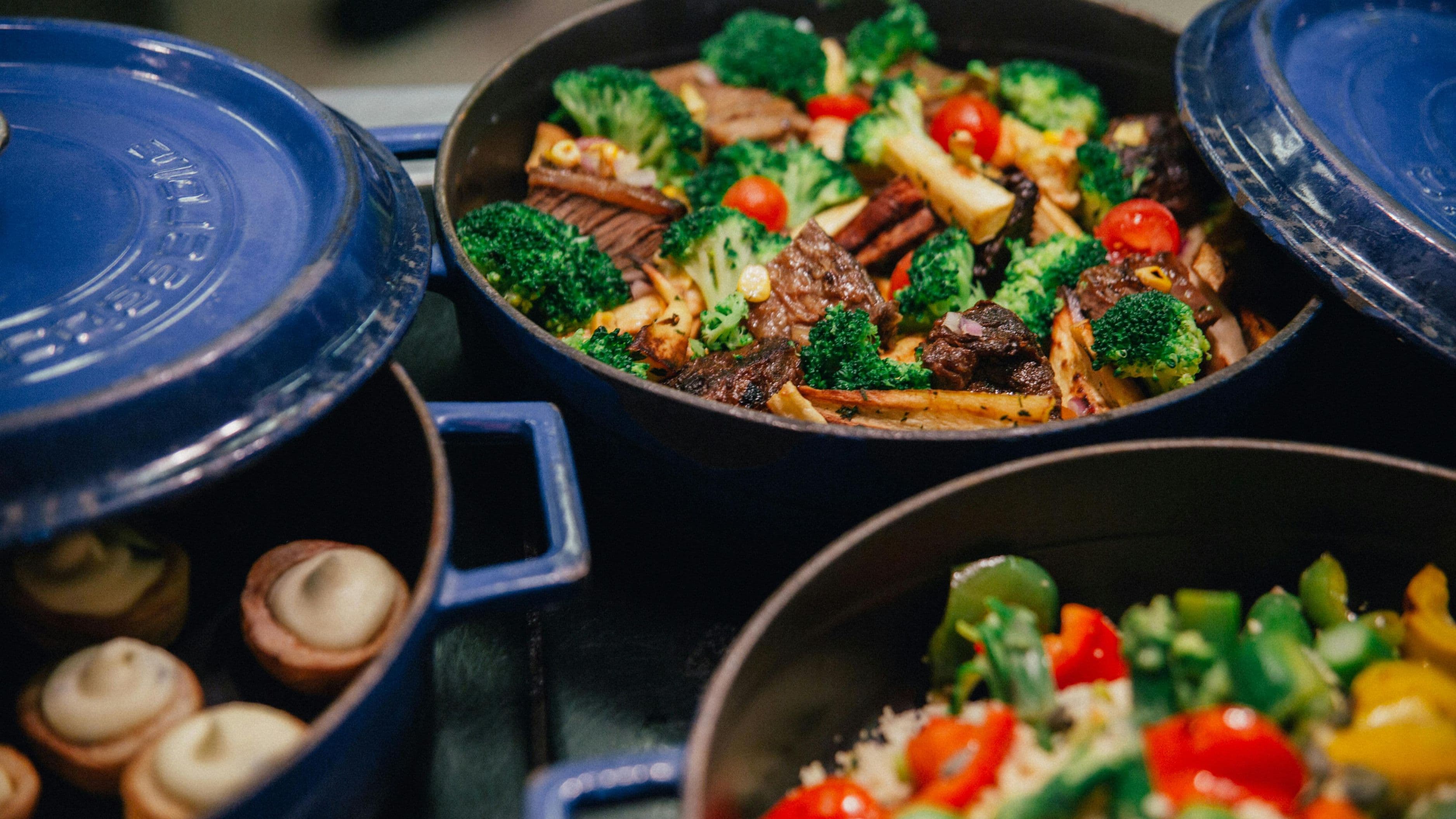
Thirty minutes of prep at the start of the week makes a noticeable difference without being a project. Cooking a batch of grains takes largely unattended time. Washing and rough-chopping vegetables means they're ready to go on any night. Marinating a protein for 20 minutes and refrigerating it means you can roast or pan-cook it quickly on whatever night works. Having these components partially prepped means the gap between "I just got home" and "dinner is on the table" shrinks significantly — and you're far less likely to reach for takeout when the starting work is already done.
You don't need to prep everything to benefit from this. Even prepping one thing — a grain, a sauce, a washed and chopped vegetable — reduces the friction of cooking on a random Tuesday enough that you'll actually do it.
Step 4: Keep Three "Fallback Meals" in Your Head
On the nights when everything falls apart, the plan doesn't matter — what matters is that you have something you can make in 15 minutes without needing to think about it. These are your fallback meals: simple, reliable, mostly pantry-based dishes you can execute half-asleep with whatever happens to be around.
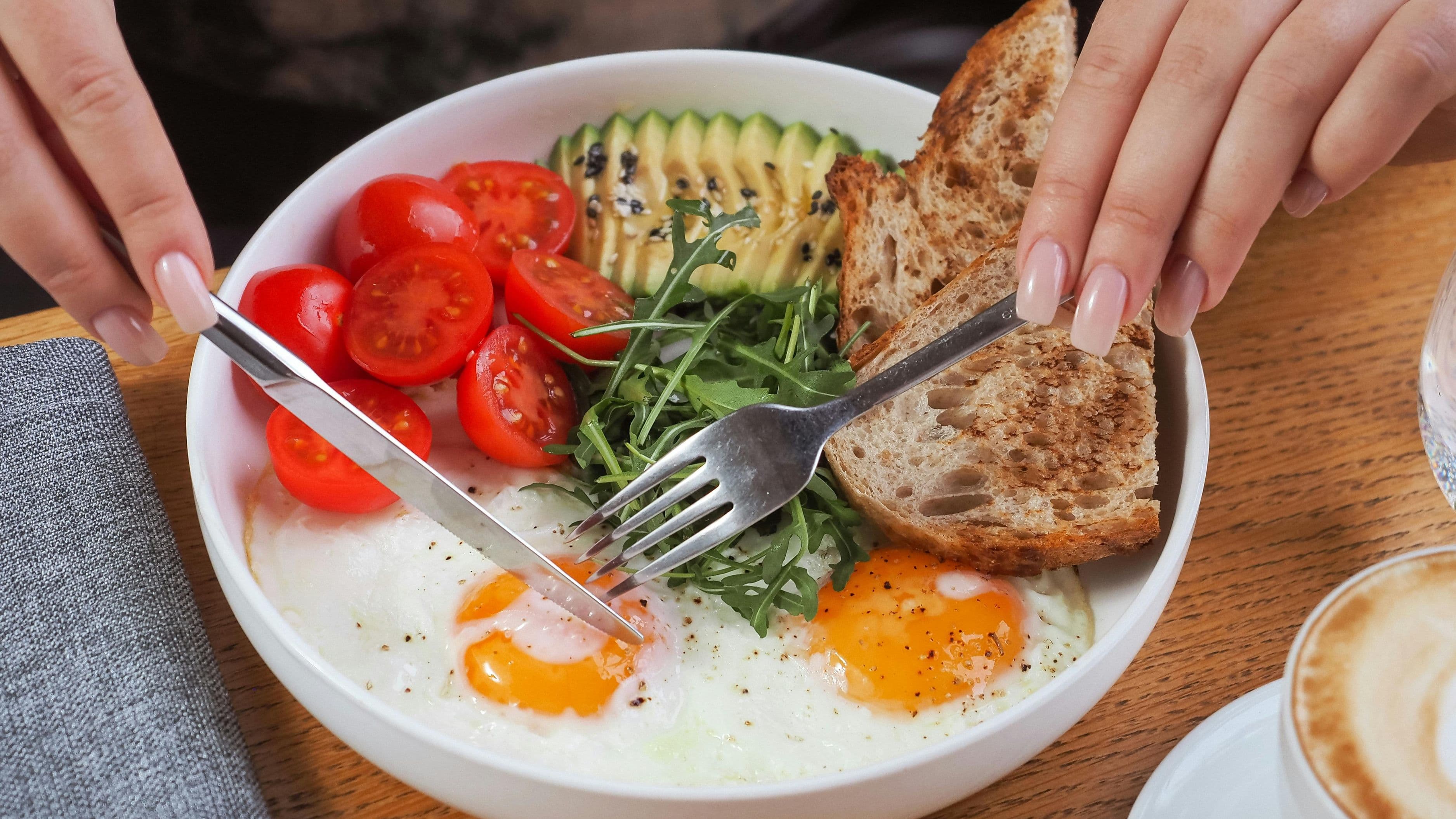
Everyone's fallback meals are different, but they tend to share characteristics: few ingredients, minimal prep, forgiving ratios, fast cook time. Pasta with olive oil, garlic, and parmesan. Fried rice using leftover grains and whatever's in the fridge. Scrambled eggs with toast and a simple salad. A quick quesadilla. These aren't exciting, but they're the meals that stop your week from derailing completely into expensive takeout when nothing goes as planned.
Knowing what your three fallback meals are – and making sure the ingredients for them are almost always in your kitchen – is one of the most practical things you can do for your weeknight cooking. It means the answer to "I have nothing planned and no energy" is never "order delivery." It's always one of those three things.
Step 5: Check In Midweek, Not Just at the Start
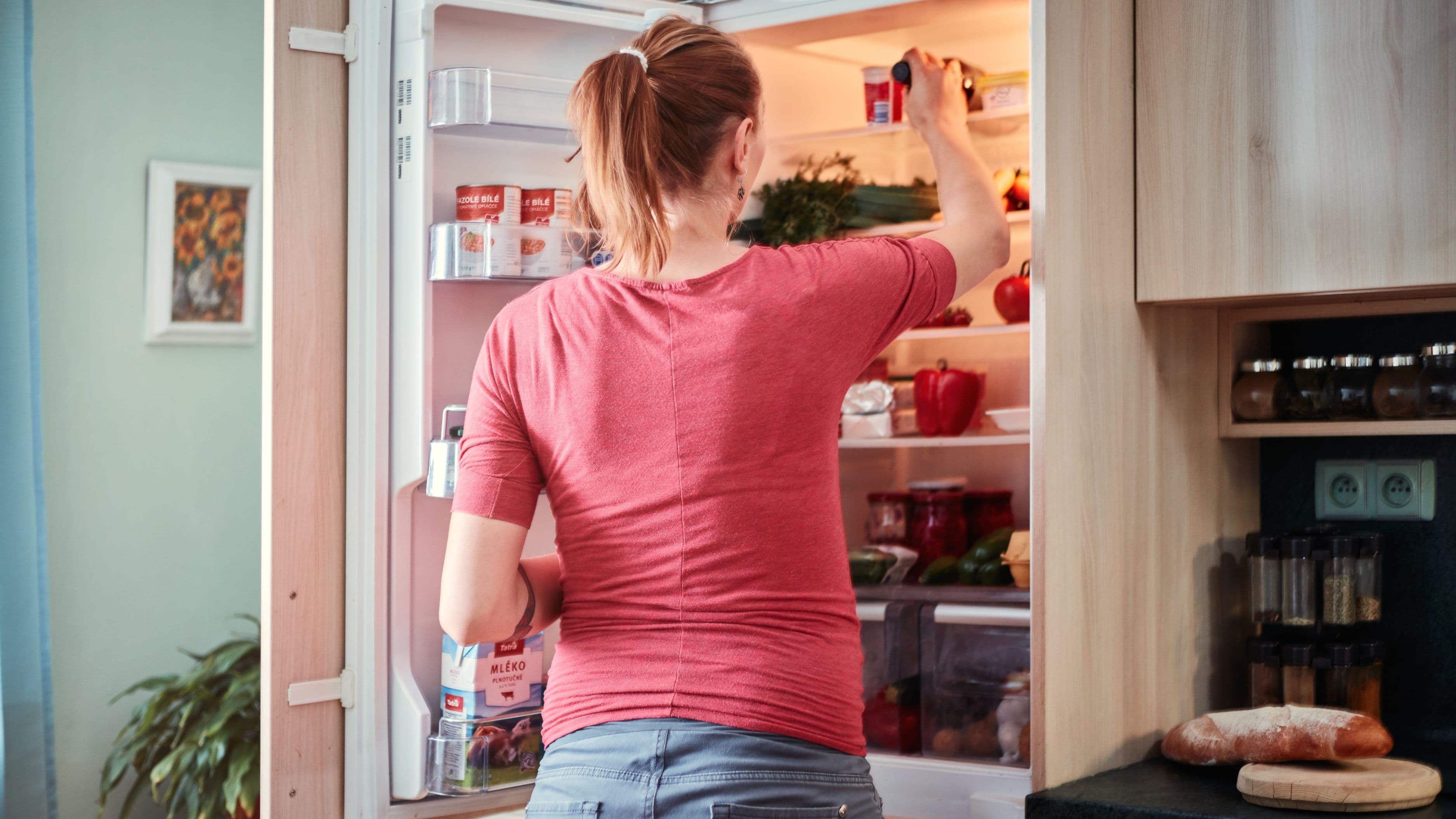
With an unpredictable schedule, a single planning session at the start of the week gets stale fast. A 2-minute midweek check-in – on Wednesday, say – helps you course-correct without starting over. Open the fridge, see what's there, and roughly assign the remaining meals based on what actually needs to be used up and what your schedule looks like for the rest of the week.
This isn't a full replanning session. It's a reset. You might realize the chicken you bought needs to be used tonight before it turns, or that you forgot about the pasta already cooked in the fridge that makes an easy Thursday night. This midweek look also lets you catch ingredients that are approaching the end of their useful life and build a meal around them before they go to waste. That small awareness reduces food waste and saves money, almost without effort.
Time-Saving Tips
A few habits that make flexible meal planning significantly easier to maintain over time:
Keep a running "to use" section of your fridge — a specific shelf or container where anything that needs to be used soon is visible and front-and-center, not buried at the back. When you open the fridge to think about dinner, you see it immediately. This single habit reduces food waste more than almost anything else.
Keep your pantry organized just enough that you can see what you have. You don't need labels and categories — you just need to be able to tell at a glance whether you have rice, chickpeas, and tinned tomatoes. A pantry you can't read leads to buying duplicates and missing ingredients you actually have.
Learn two or three quick sauces that work across multiple proteins and vegetables: a simple soy-ginger sauce, a tomato base, a coconut milk curry. These sauces turn basic ingredients into something that feels deliberate and satisfying without adding complexity. They're what makes "chicken and vegetables" into an actual dinner rather than a sad afterthought.
Mistakes to Avoid
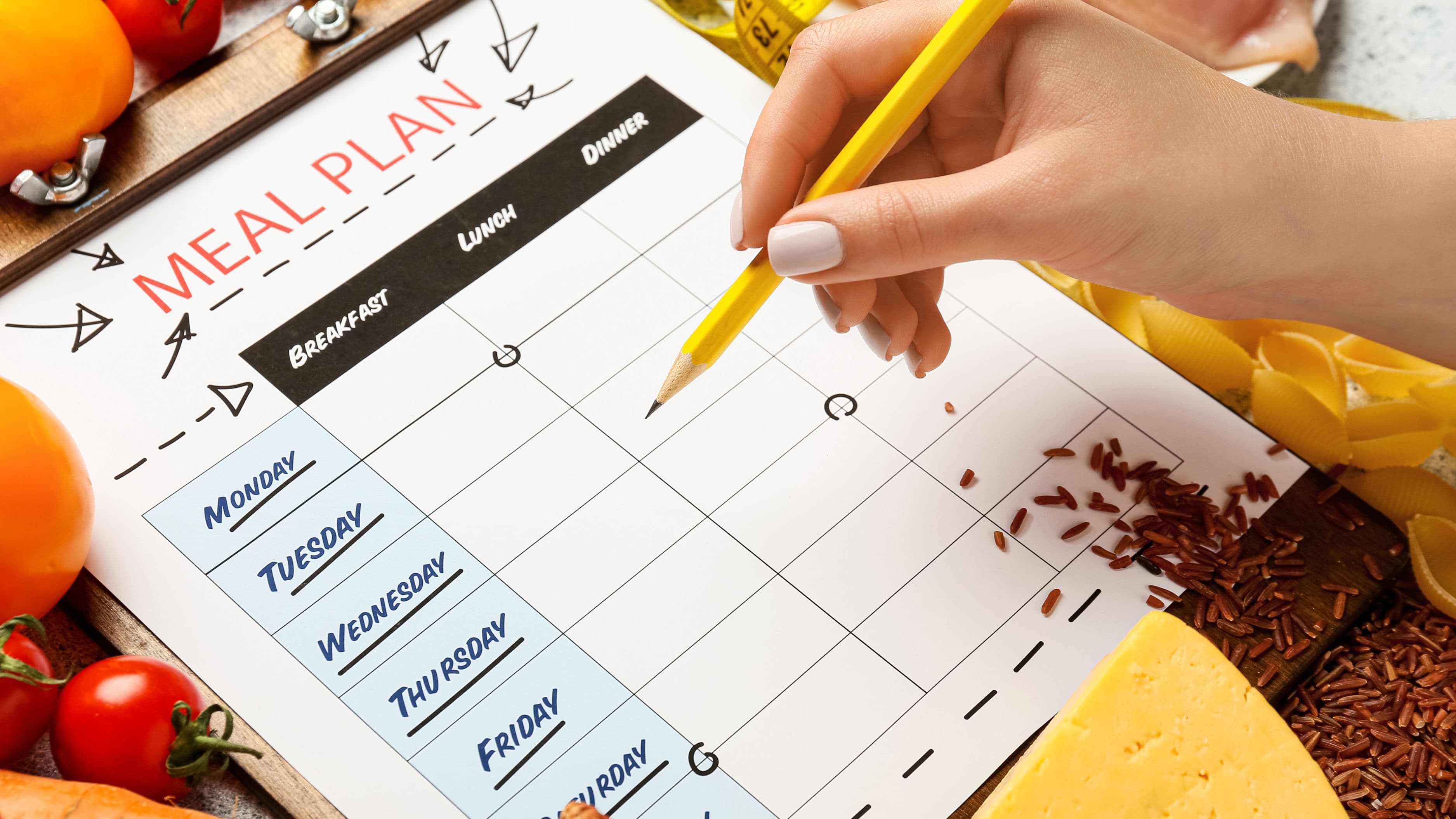
Planning meals for specific nights. Assigning Monday: tacos, Tuesday: soup, Wednesday: pasta sounds organized, but when your week doesn't go as planned, the whole structure falls apart. Planning ingredients instead of specific meals gives you the same groceries with much more flexibility.
Buying too much fresh produce. The impulse to buy every vegetable you might use in a week often leads to things going bad before you get to them. Buy a few versatile vegetables in reasonable quantities and rely on frozen vegetables – frozen peas, spinach, edamame, corn – for the nights when the fresh stuff is gone.
Skipping the fallback meals. Not having something quick and pantry-based you can make on a chaotic night is the most direct route to expensive takeout habits. The fallback meals are the insurance policy for your meal plan.
Trying to prep too much on Sunday. If full batch cooking felt sustainable, you'd be doing it already. A smaller prep session – 20 to 30 minutes of targeted work on the things that save the most time – is far more realistic and just as effective over the course of the week.
Ignoring leftovers as a planning tool. Deliberately cooking slightly more than you need – an extra serving of grains, a double portion of roasted vegetables – gives you a head start on the next meal. "Planned leftovers" are one of the most efficient time-savers in home cooking, and they're especially useful when your schedule is unpredictable.
FAQ
How do I avoid getting bored eating similar ingredients every week? The trick is rotating the sauces and flavor profiles rather than rotating the ingredients themselves. The same chicken and rice tastes entirely different when it's a simple roast one night, a coconut milk curry the next, and a quick soy-glazed stir-fry the night after. Rotating your sauces and seasonings is faster and cheaper than buying different proteins every week.
What if I genuinely don't know whether I'll be home for dinner? Lean heavily on meals that keep well and reheat easily – grain bowls, soups, pasta dishes. If you do cook and end up eating out instead, you have tomorrow's dinner ready without any effort. On the nights you are home but didn't cook, fallback meals and flexible pantry ingredients are your answer.
How many meals should I realistically plan for in an unpredictable week? Rather than planning a set number of meals, aim to have ingredients for 4–5 dinners on hand, knowing you might actually cook 2–3 of them. The rest will be covered by leftovers, eating out, or nights when a fallback meal is all you need. Planning for more than you need is built-in flexibility, not waste.
Is it worth using a meal planning app? For truly flexible planning, apps that let you save ingredient-based shopping lists rather than assigning meals to days tend to be more useful than structured weekly planners. Apps like Paprika or AnyList work well for storing recipes and generating flexible shopping lists. That said, a simple note on your phone works just as well if you'd rather keep it minimal.
How do I handle meals for the whole family with an unpredictable schedule? The same flexible ingredient approach works at any household size – you're just scaling quantities. With kids, it helps to have one or two consistent fallback meals everyone will eat without complaint. These become the anchors of an unpredictable week, and everything else builds around them.
Make the System Work for Your Life
Flexible meal planning isn't about having less of a plan – it's about having a better one. When the plan is built around ingredients and options rather than specific meals on specific nights, your kitchen works with your life instead of against it.
Start small: stock the pantry basics, pick your three fallback meals, and do one focused 20-minute prep session this week. That's enough to feel a real difference, even if the rest of the week goes sideways.
📚 Sources
USDA – Food safety and proper storage for meal prep: https://www.fsis.usda.gov/food-safety/safe-food-handling-and-preparation/food-safety-basics/leftovers-and-food-safety
Harvard T.H. Chan School of Public Health – Healthy eating plate and practical cooking resources: https://www.hsph.harvard.edu/nutritionsource/healthy-eating-plate/
FDA – Safe food storage temperatures and refrigeration guidance: https://www.fda.gov/consumers/consumer-updates/are-you-storing-food-safely
EatingWell – Flexible meal prep strategies for busy weeks: https://www.eatingwell.com/article/7825527/flexible-meal-prep-for-beginners/