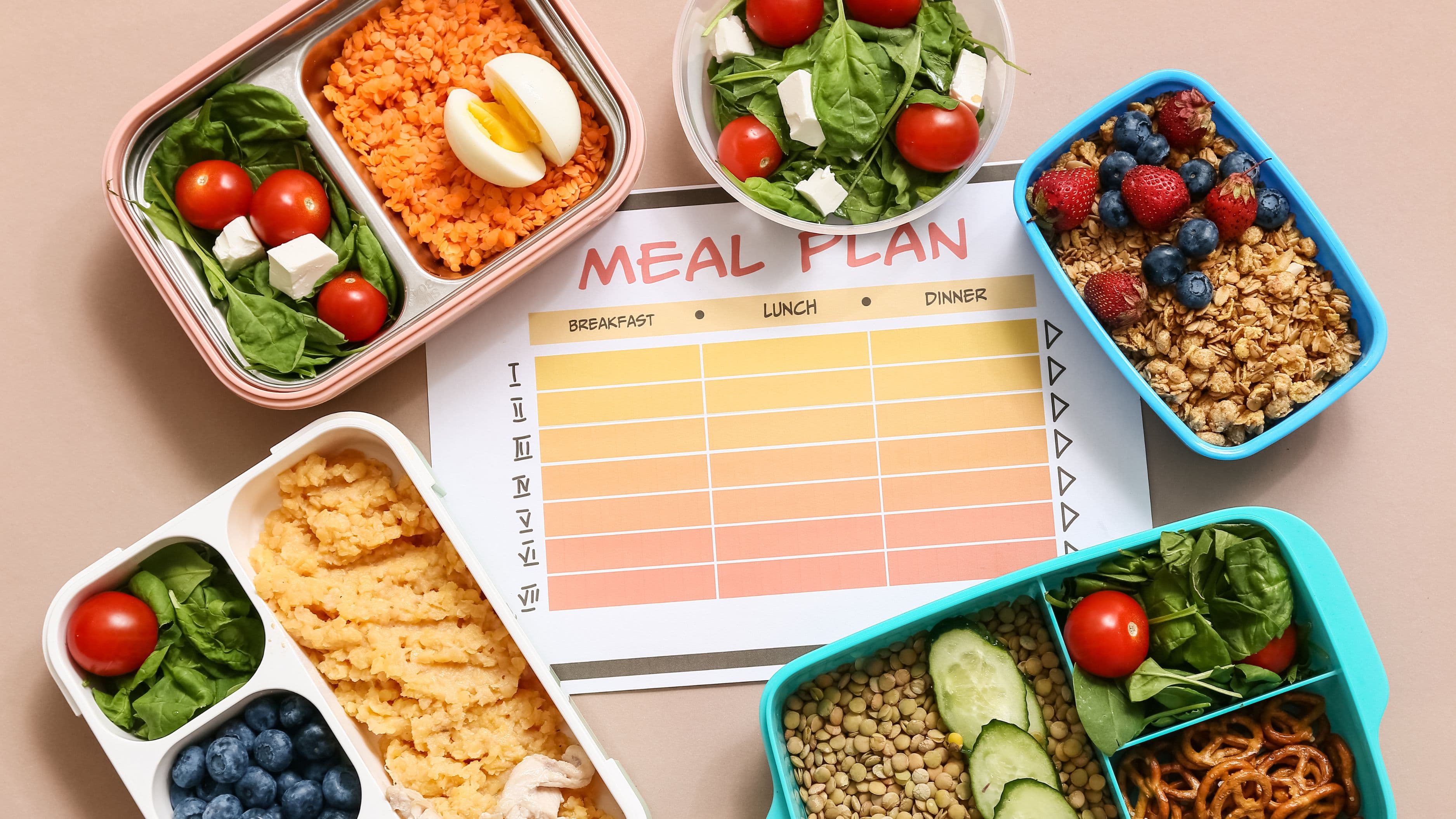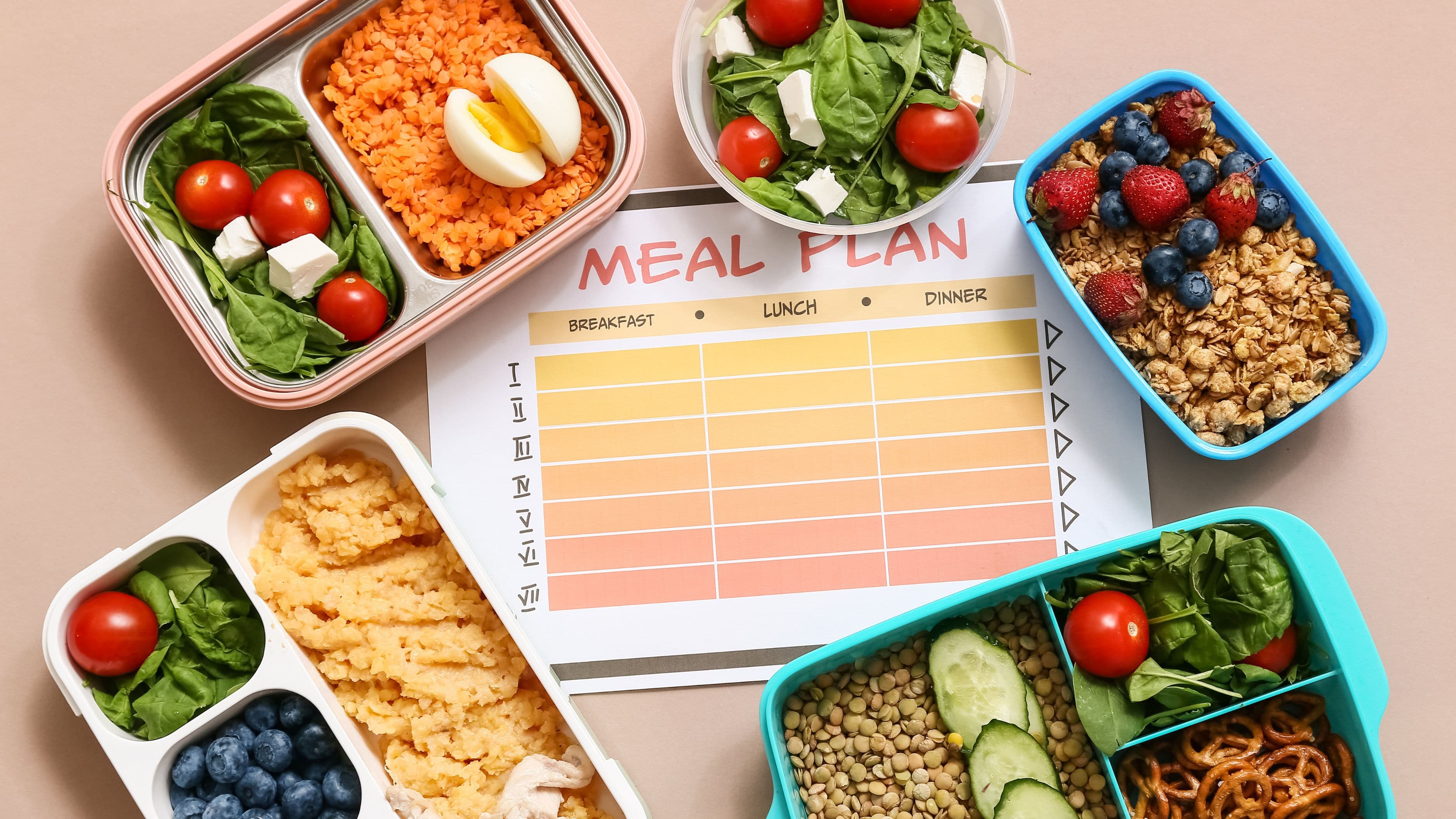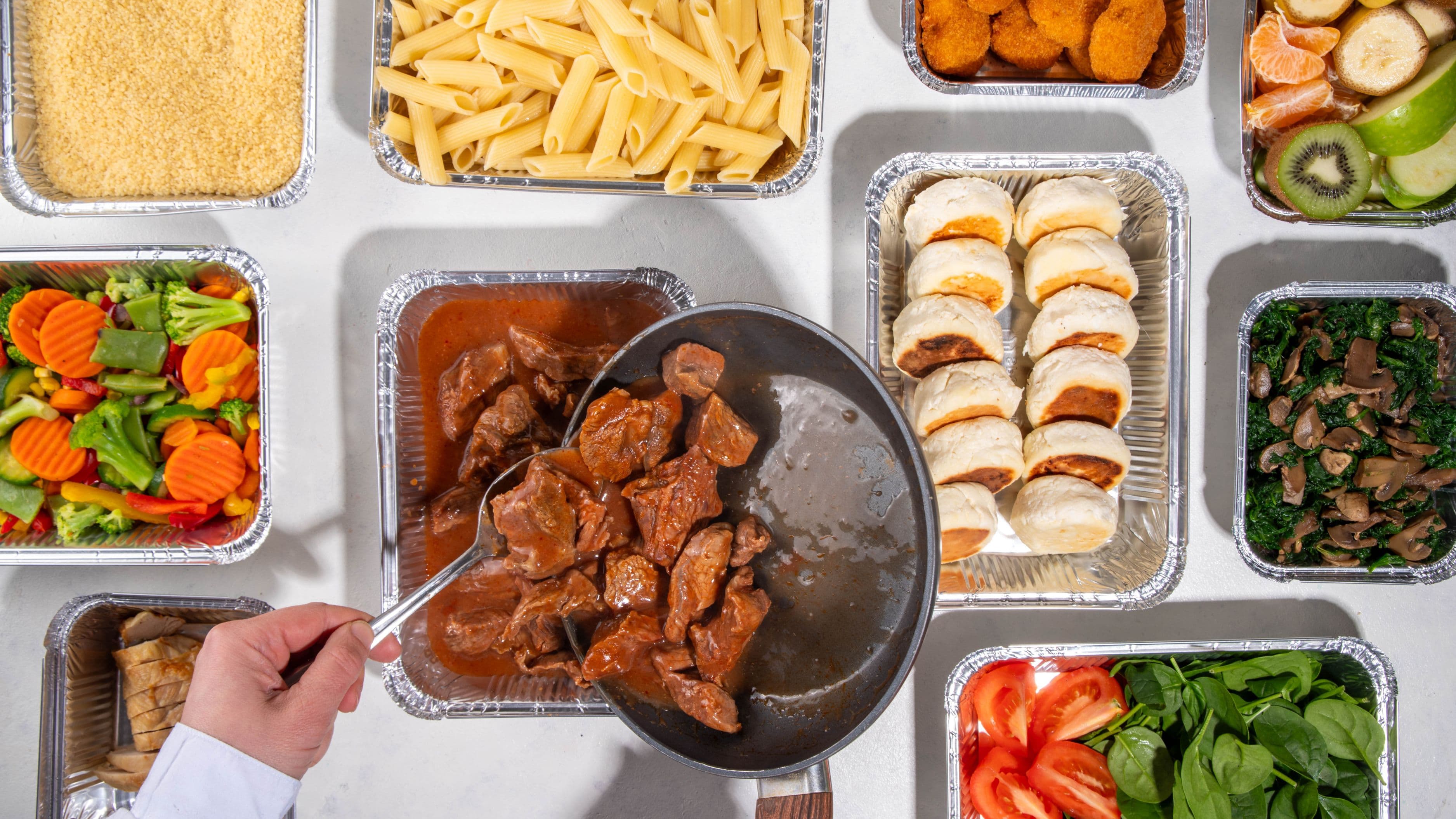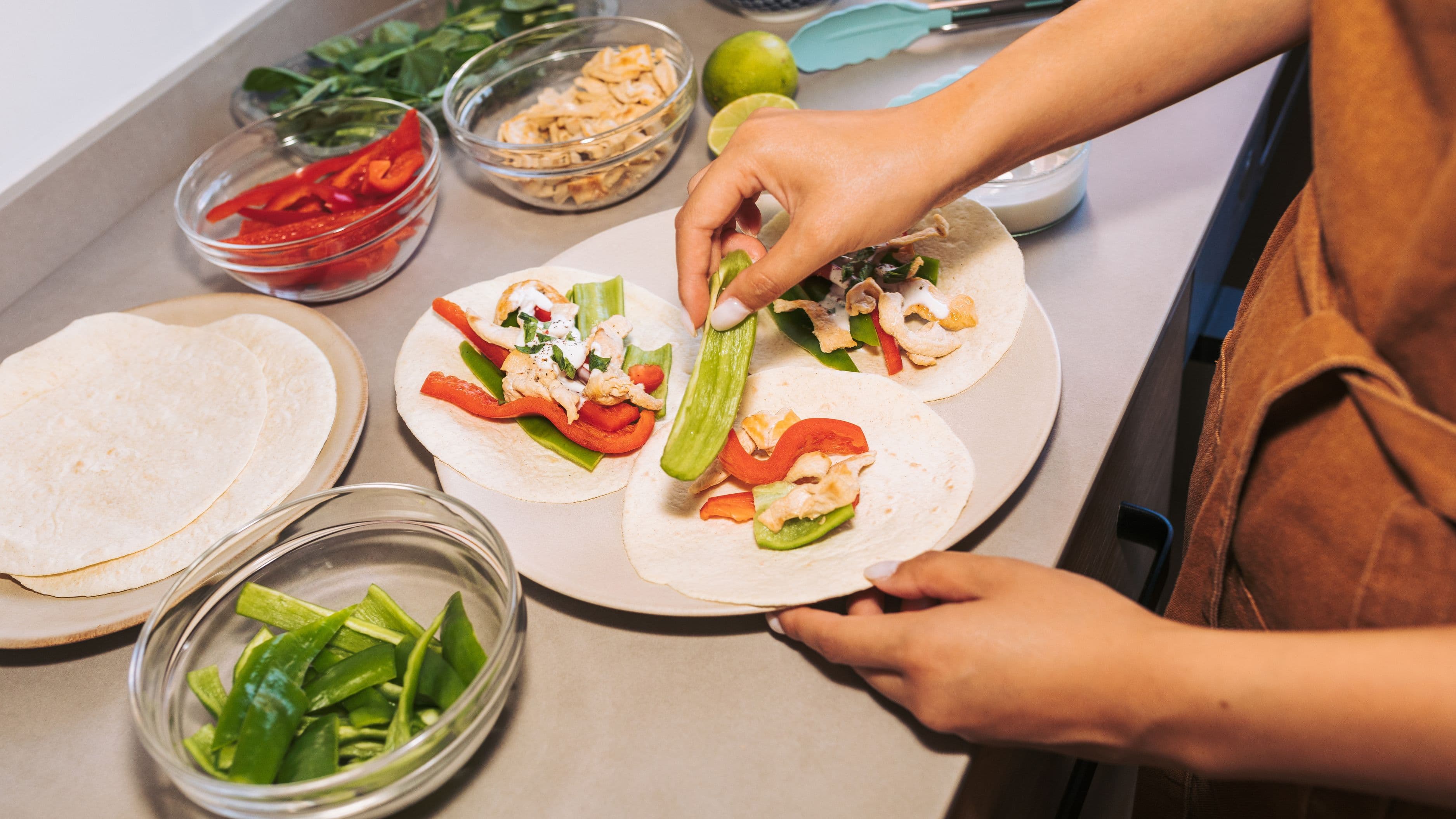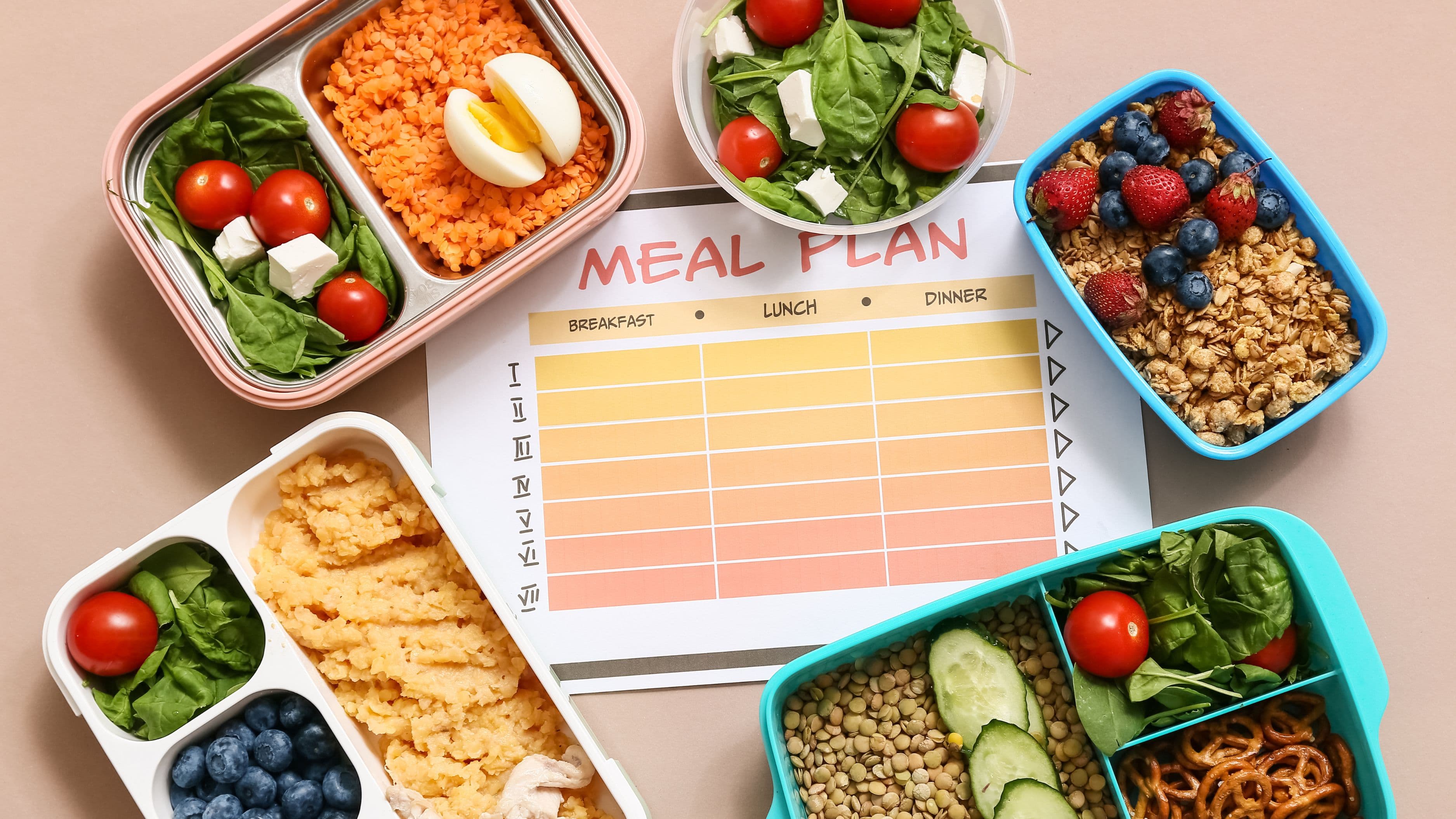
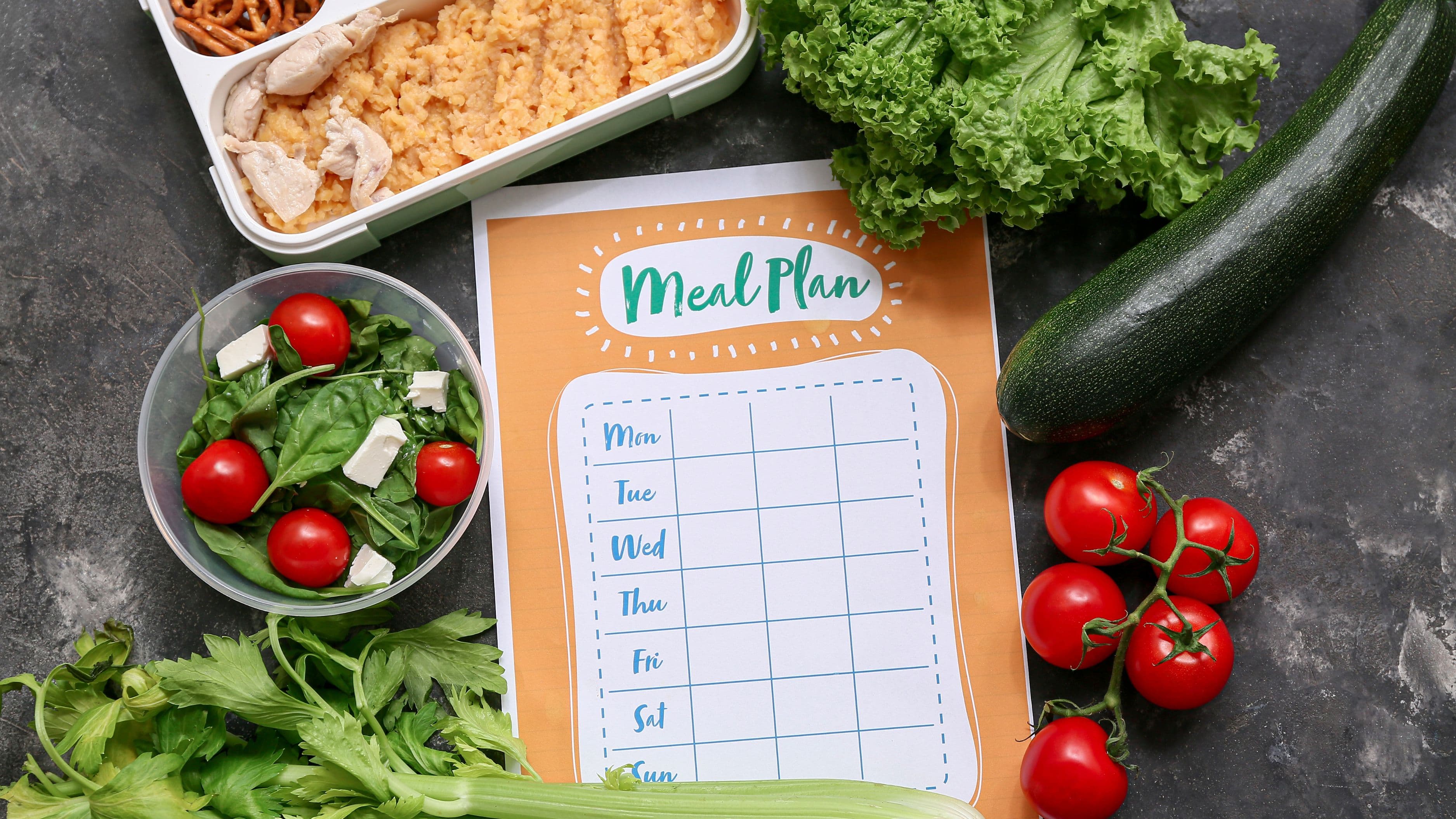
This is a system that actually works for one person – practical, realistic, and built around how a solo kitchen actually functions.
The Core Problem With Standard Meal Planning for One
Before getting into the system, it helps to understand why standard meal planning advice falls short for solo cooks. Most of it assumes you're batch cooking for efficiency and variety across multiple people. For one person, that logic breaks down in two ways.
First, scale is wrong from the start. A batch of chili that feeds six people leaves a solo cook eating the same meal every day for a week, which is genuinely demotivating regardless of how good the chili is. Cooking in smaller quantities feels wasteful in terms of time and energy, but cooking in standard quantities produces more leftovers than most people want to eat.
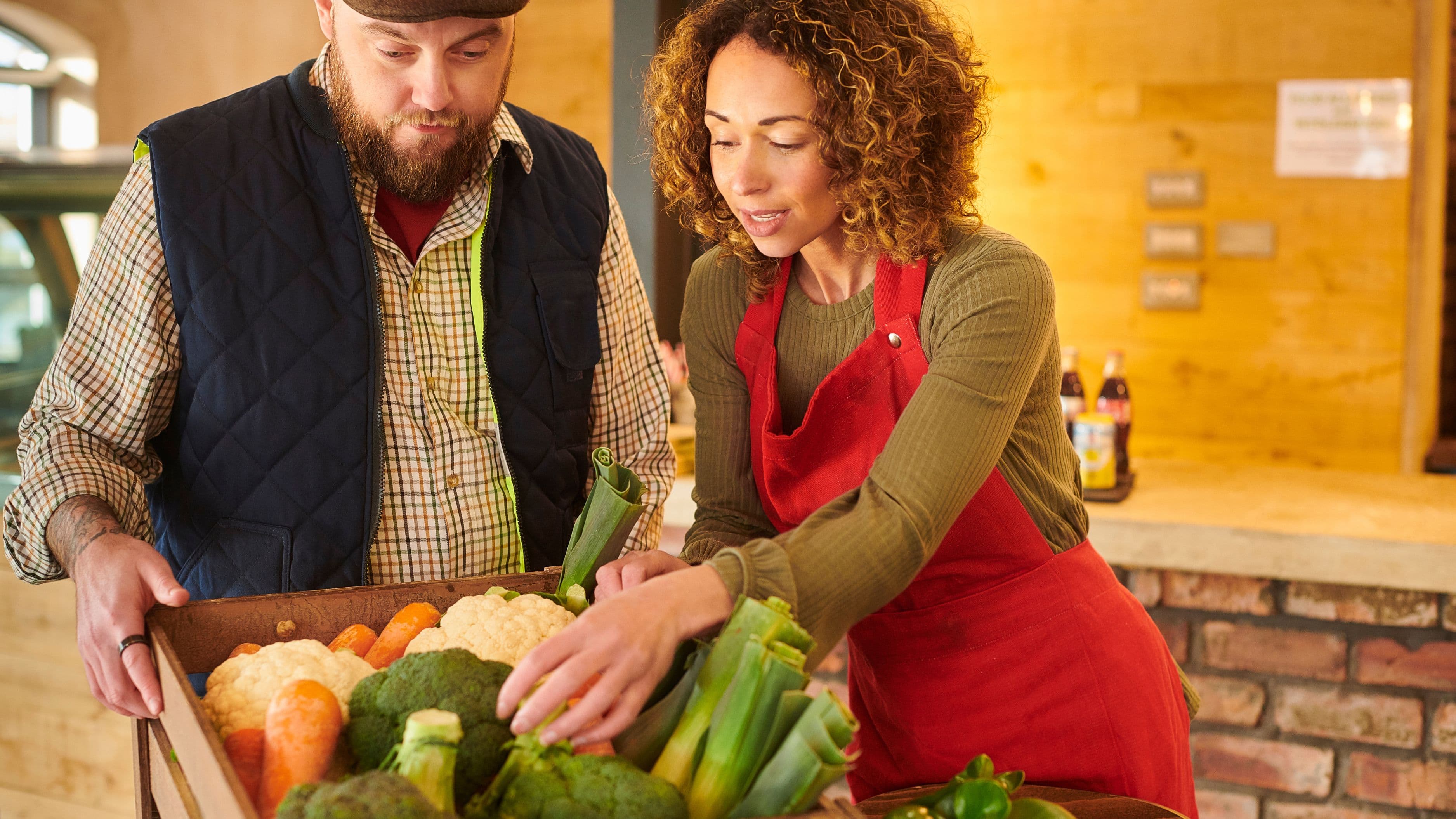
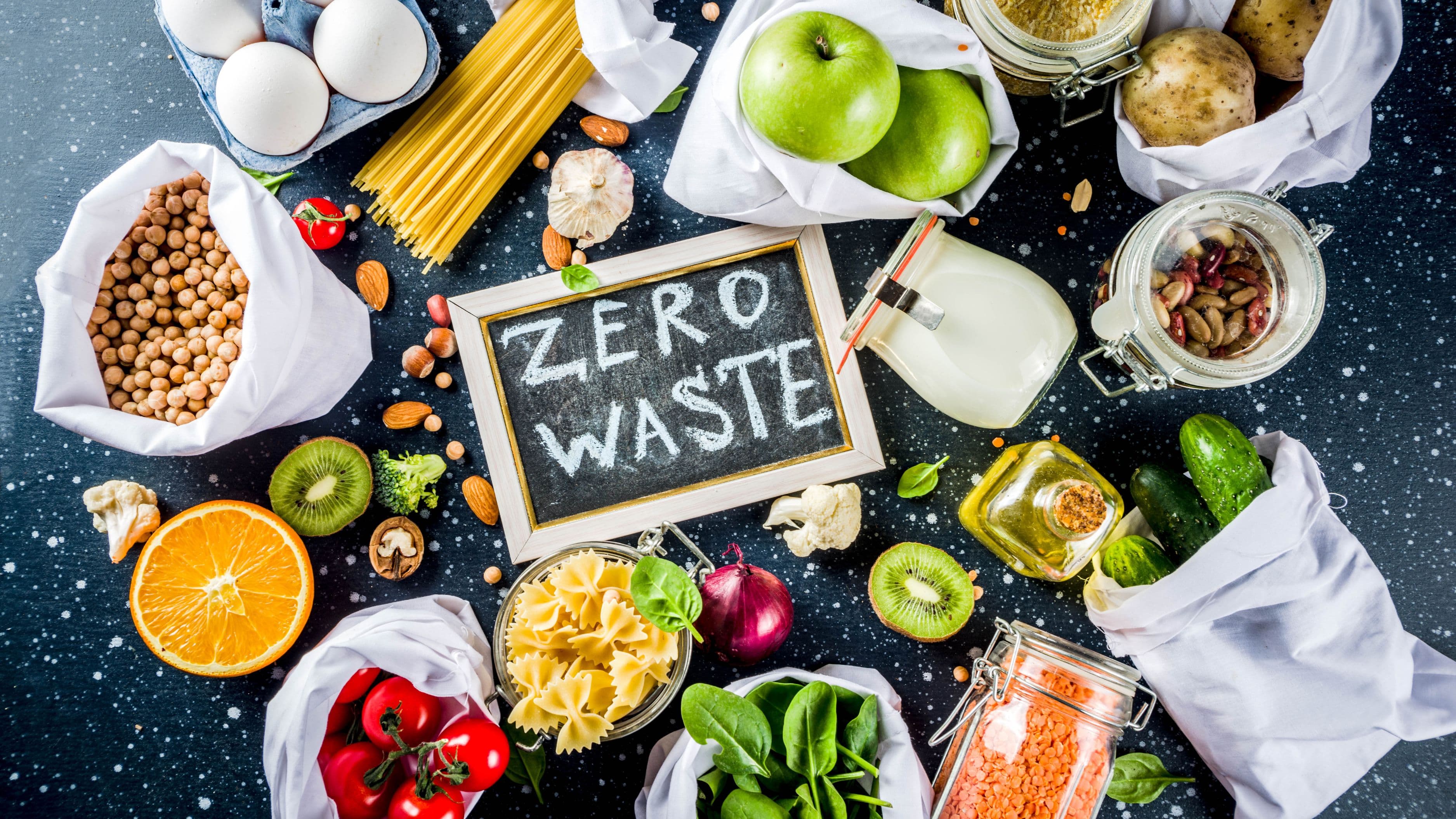
Second, ingredient waste becomes a real problem. When you buy a full bunch of celery for a recipe that calls for two stalks, the rest of it often wilts before you use it again. When you buy a pound of ground beef for a recipe designed to serve four, you either cook all of it and eat four portions alone or you divide it and freeze it – which requires more planning than most people have bandwidth for midweek. Ingredient waste drives up the real cost of cooking for one significantly.
The system below is designed to solve both of these problems directly.
The Foundation: Think in Building Blocks, Not Recipes
The most important shift in meal planning for one is moving away from recipe-driven cooking toward ingredient-driven cooking. Instead of picking five recipes, writing a list of everything each recipe needs, and trying to keep track of it all – you choose a small set of versatile ingredients and figure out multiple things you can make from them.
This is sometimes called a "building block" or "mix and match" approach, and it's particularly well-suited to solo cooking because it lets you scale naturally, reduce waste, and vary what you're eating without buying a completely different set of groceries every week.
The building blocks are simple. Choose one or two proteins, two or three vegetables, one or two grains or starches, and a handful of sauces, seasonings, or condiments that can change the flavor profile of the same ingredients. With those pieces in place, you're not eating the same meal repeatedly – you're eating variations that feel different even though they draw from the same core set of ingredients.
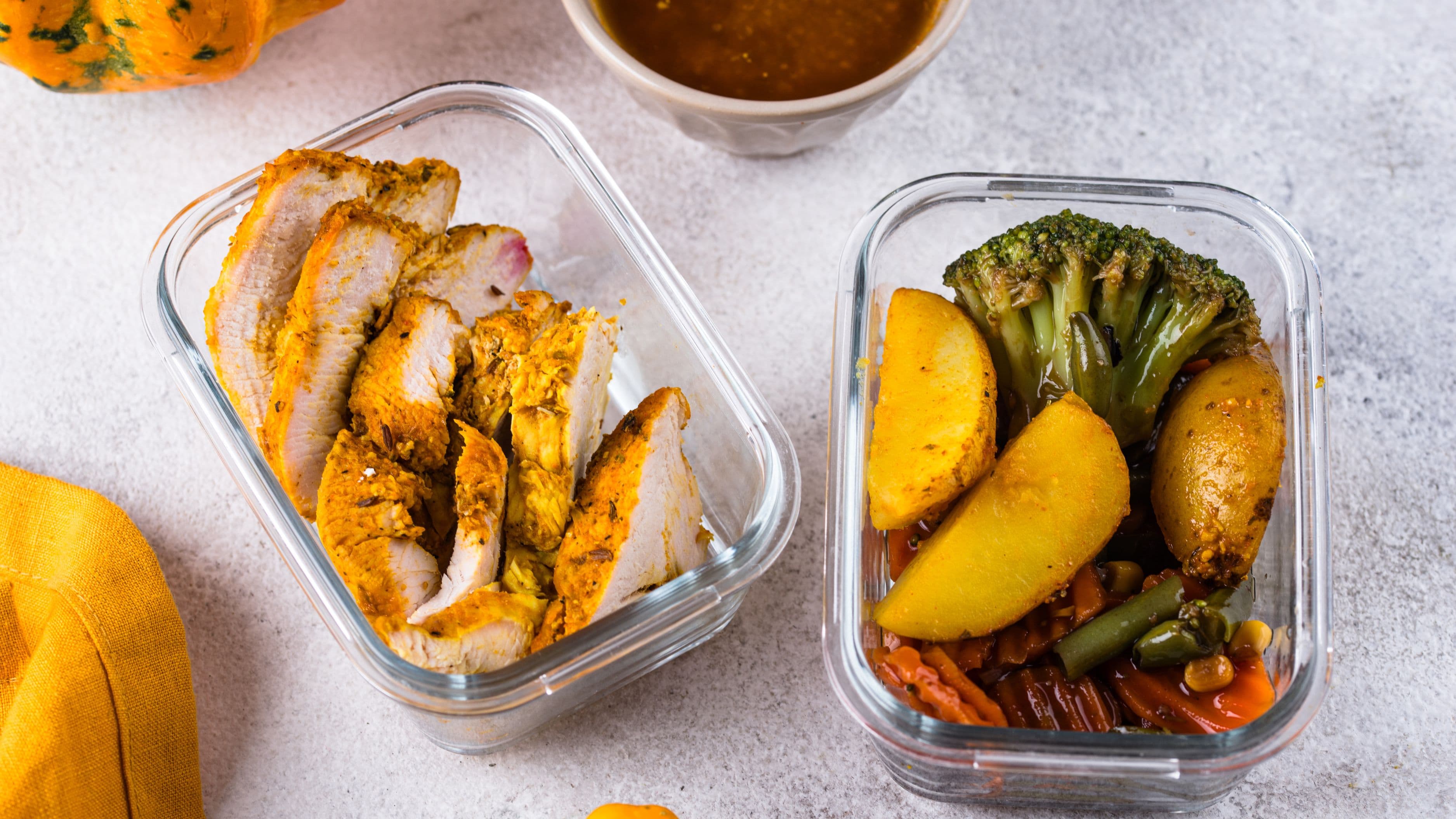
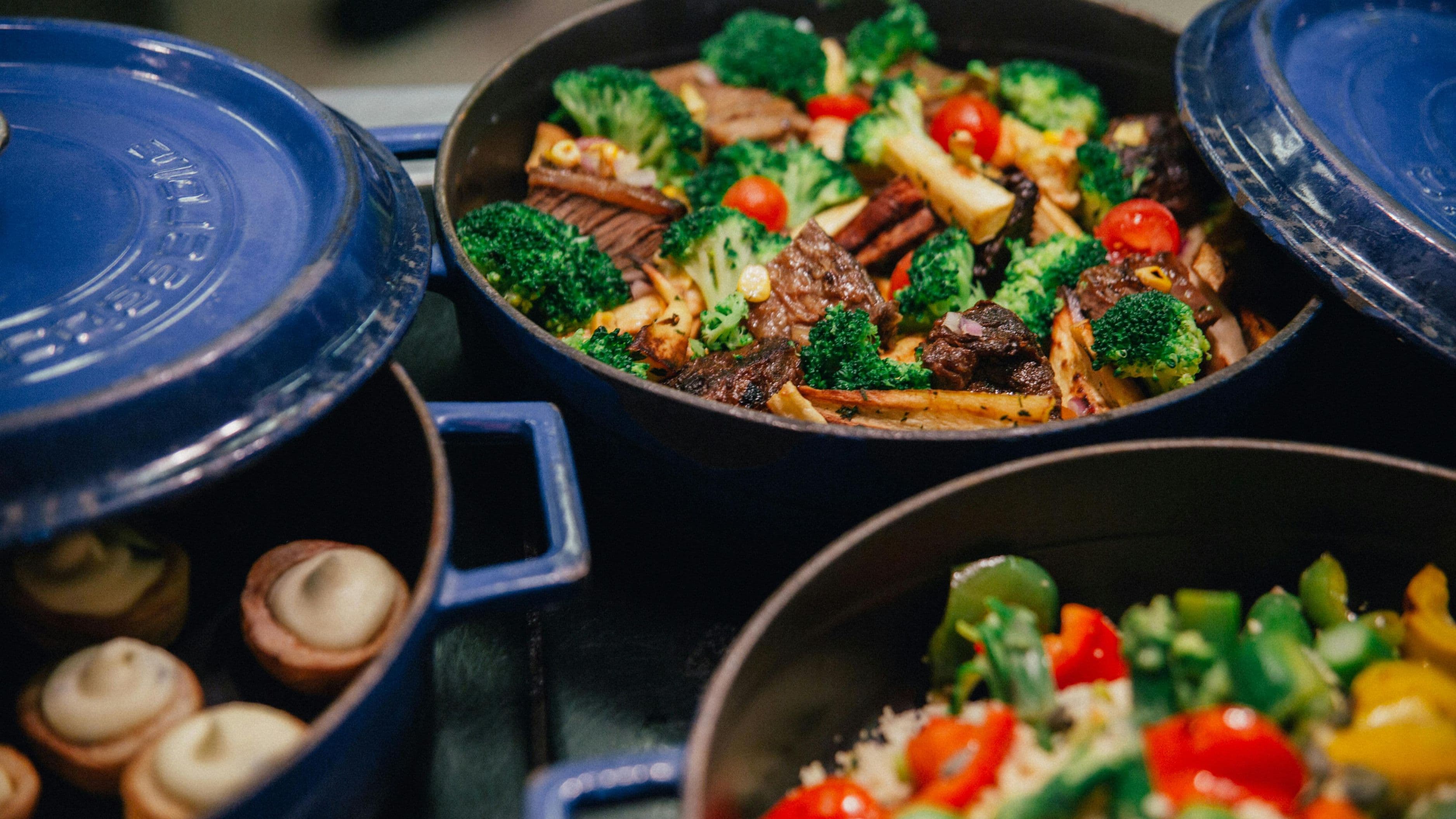
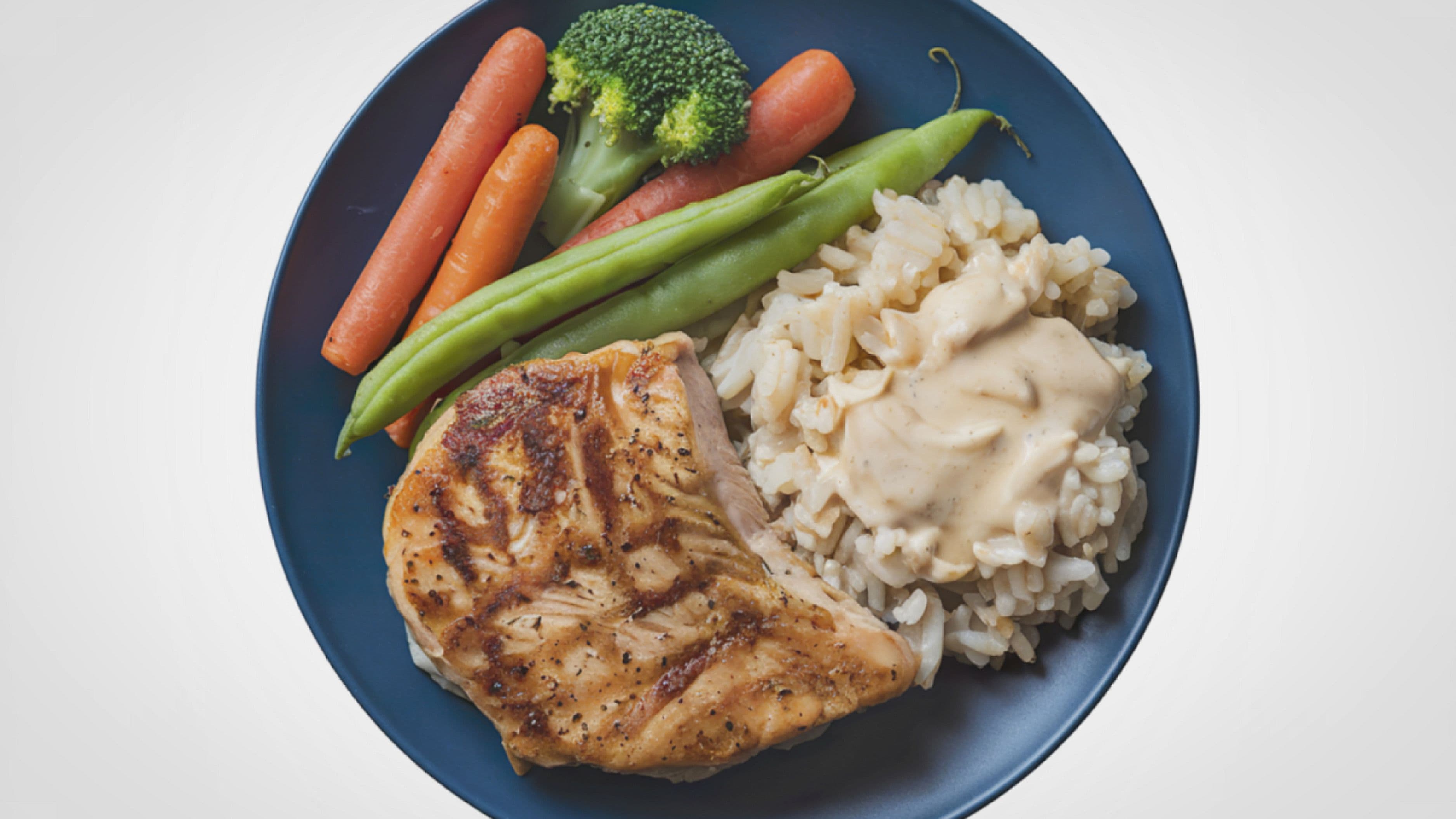
A practical example: you buy chicken thighs, broccoli, bell peppers, rice, and sweet potatoes. That's your week. From those five things, Monday might be a simple rice bowl with roasted chicken and broccoli, dressed with soy sauce and sesame oil. Wednesday is chicken thighs with roasted sweet potatoes and a quick pan sauce. Friday is a stir-fry with bell peppers, whatever chicken is left, and rice. The ingredients are mostly the same. The meals feel different. Nothing goes to waste.
Step 1: Plan for 4–5 Dinners, Not 7
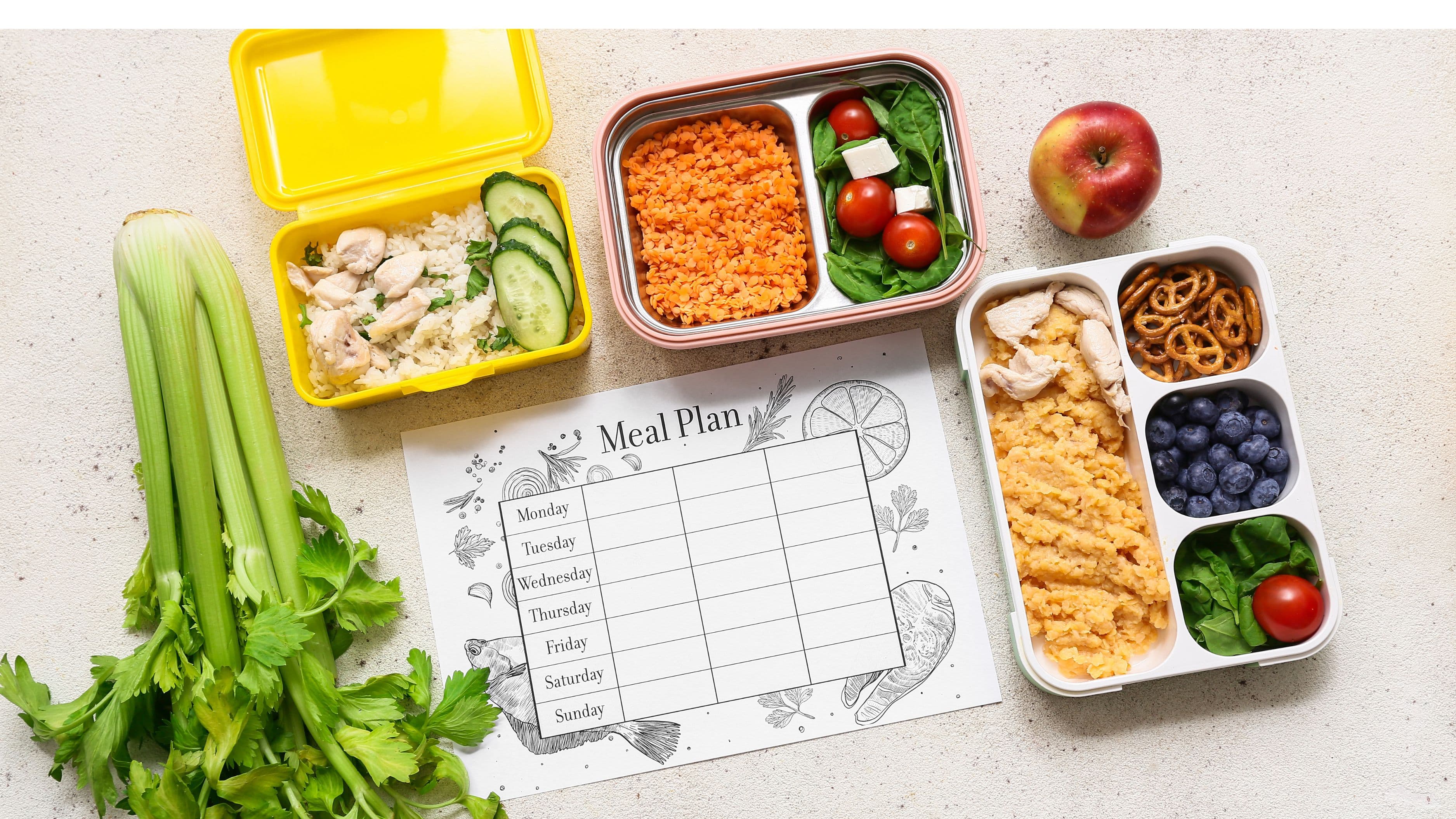
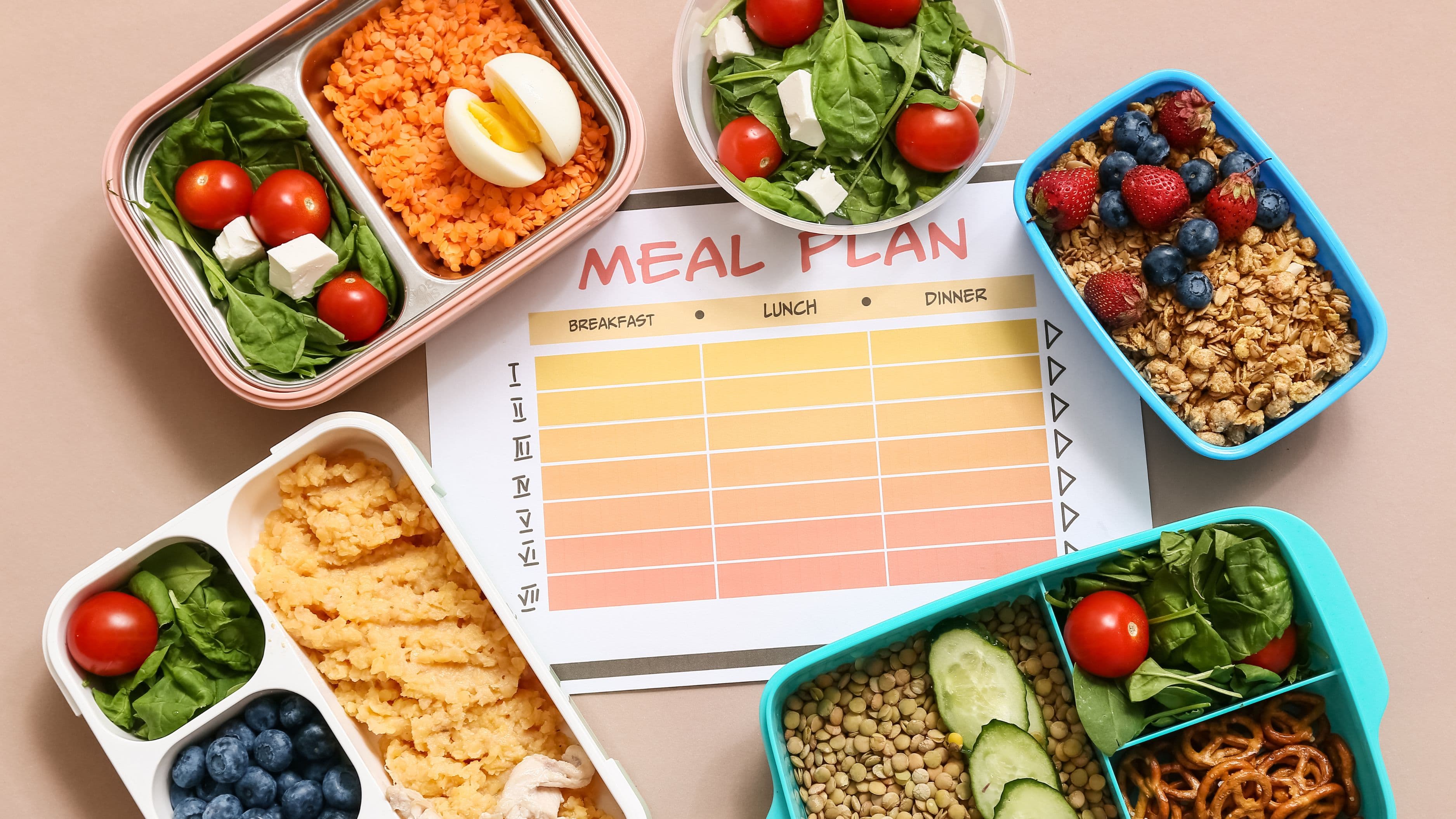
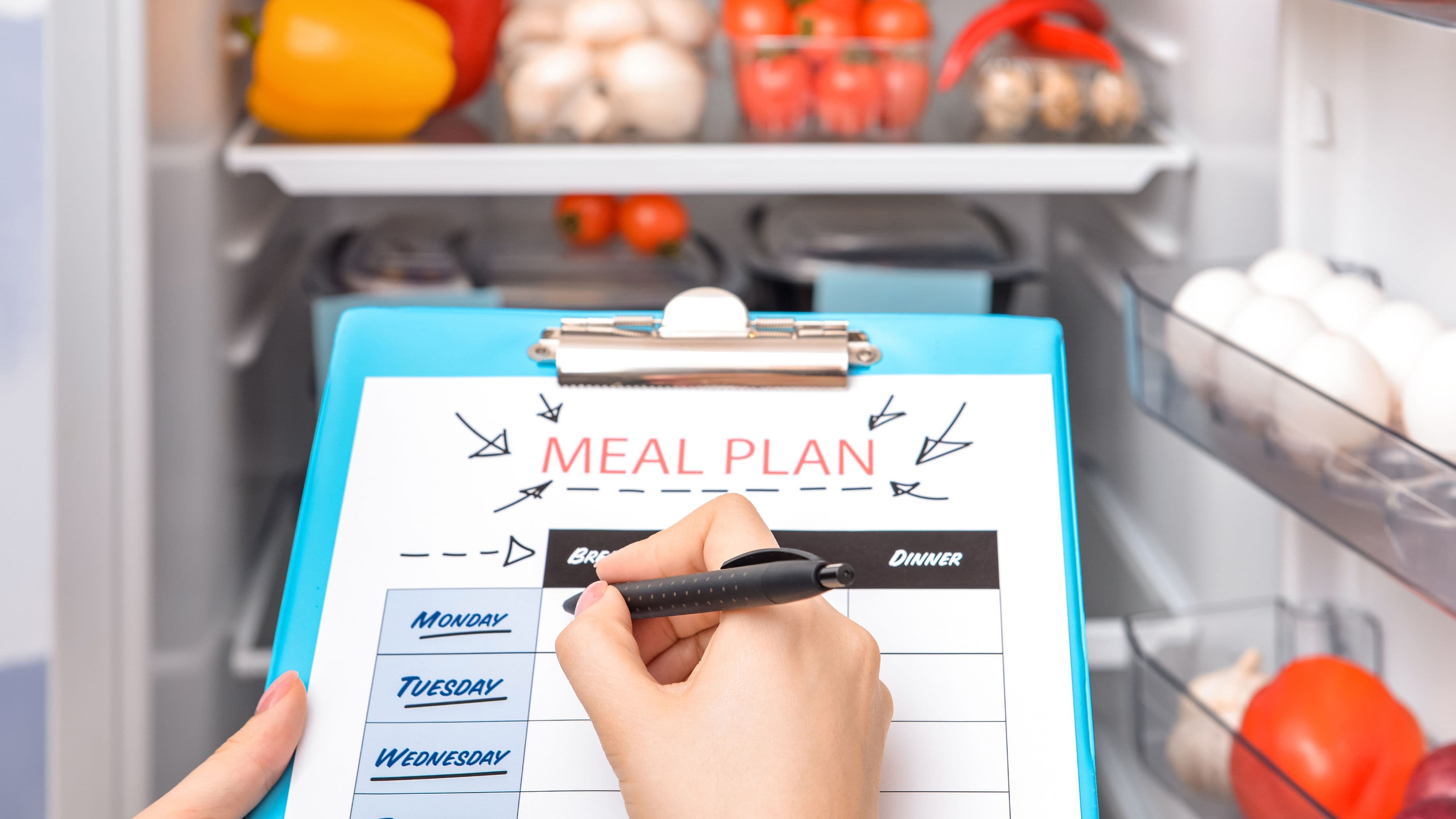
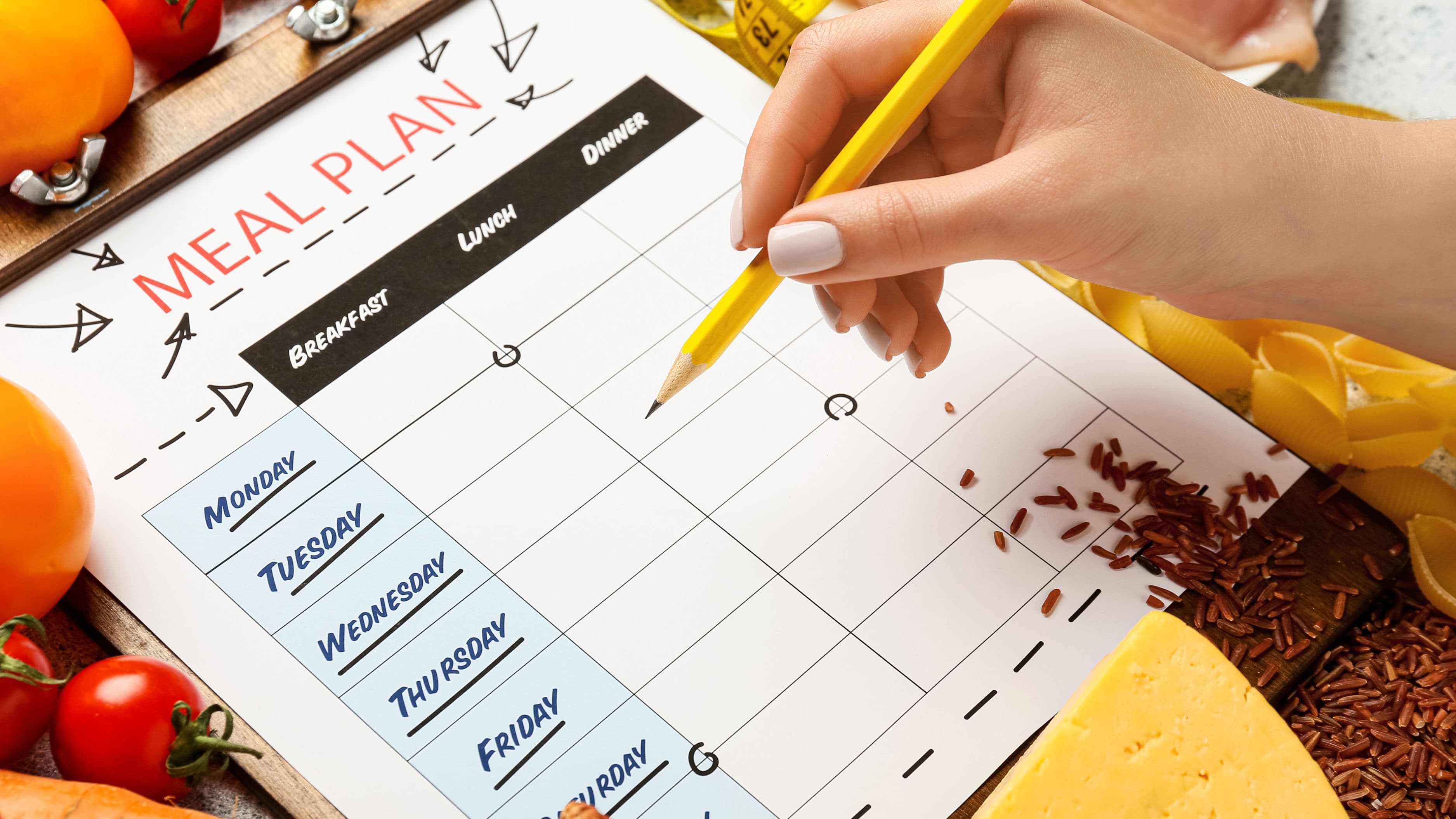
Most solo cooks don't actually need a plan for every night of the week. Building a rigid seven-night plan sets you up for frustration because life interrupts – you'll eat out one night, get home too late to cook another, or simply not feel like what you planned. A plan built for four or five dinners with two nights of natural flexibility is far more realistic and sustainable.
Those flexible nights can be intentional: one leftover night where you clear out whatever's in the fridge, one wildcard night where you eat out or order in without guilt. That structure removes the pressure to cook every night while still keeping the week organized and your grocery bill predictable.
When you sit down to plan, aim for dinners that vary in effort level. Plan one or two low-effort meals for the nights you know will be busy or tiring – simple pasta, eggs, a quick grain bowl – and one or two slightly more involved meals for the nights you actually have energy to cook. Balancing the week by effort, not just variety, is what keeps you from abandoning the plan by Thursday.
Step 2: Scale Recipes Down or Choose Single-Serving Formats
Some recipes scale gracefully for one person; others don't. A stir-fry, a grain bowl, a piece of pan-seared fish, or a quick pasta dish all cook perfectly for one without modification. A slow-cooked braise or a baked dish almost always produces multiple servings by design.
For dishes that naturally make large quantities, there are two practical approaches. The first is to cook the full batch intentionally and plan to use the rest in a different format later in the week. A batch of slow-cooked pulled pork isn't a problem if you plan on Day 1 to use it in tacos, on Day 3 to put it over rice with a different sauce, and potentially on Day 5 to fold it into a quick soup. You're not eating the same thing repeatedly – you're repurposing an ingredient across different meals. This is one of the most effective ways to cook for one efficiently without spending time in the kitchen every single night.
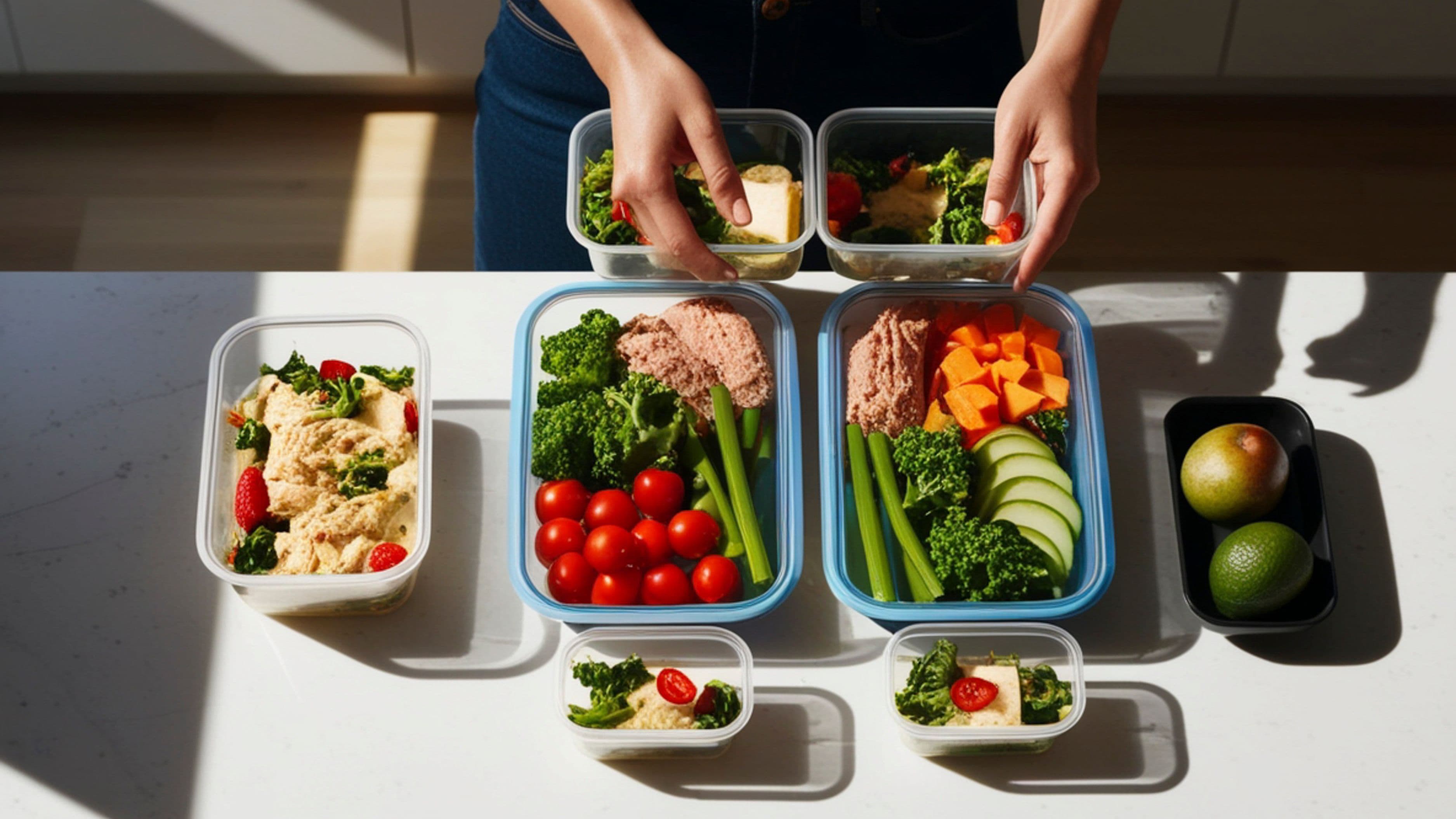
The second approach is to freeze individual portions immediately after cooking, before you've eaten from the batch at all. Portion into individual servings, label them, and treat them as ready-made future meals. This works especially well for soups, stews, sauces, grain dishes, and cooked proteins. It takes an extra ten minutes when you cook but removes an entire cooking session from a future week.
Step 3: Shop for the Week's Building Blocks, Not Individual Recipes
This step follows directly from the building block approach. Once you've chosen your two proteins, two or three vegetables, and one or two grains for the week, your shopping list becomes short and focused. You're not buying twelve different things for six different recipes – you're buying five or six versatile ingredients and a few pantry additions.
The practical benefit is that your weekly grocery spend stays predictable and your waste drops significantly, because every ingredient you buy has multiple planned uses. You bought broccoli knowing it goes into Monday's bowl, Wednesday's stir-fry, and possibly as a side on Friday. You're not buying it for one recipe and hoping you use the rest before it yellows.
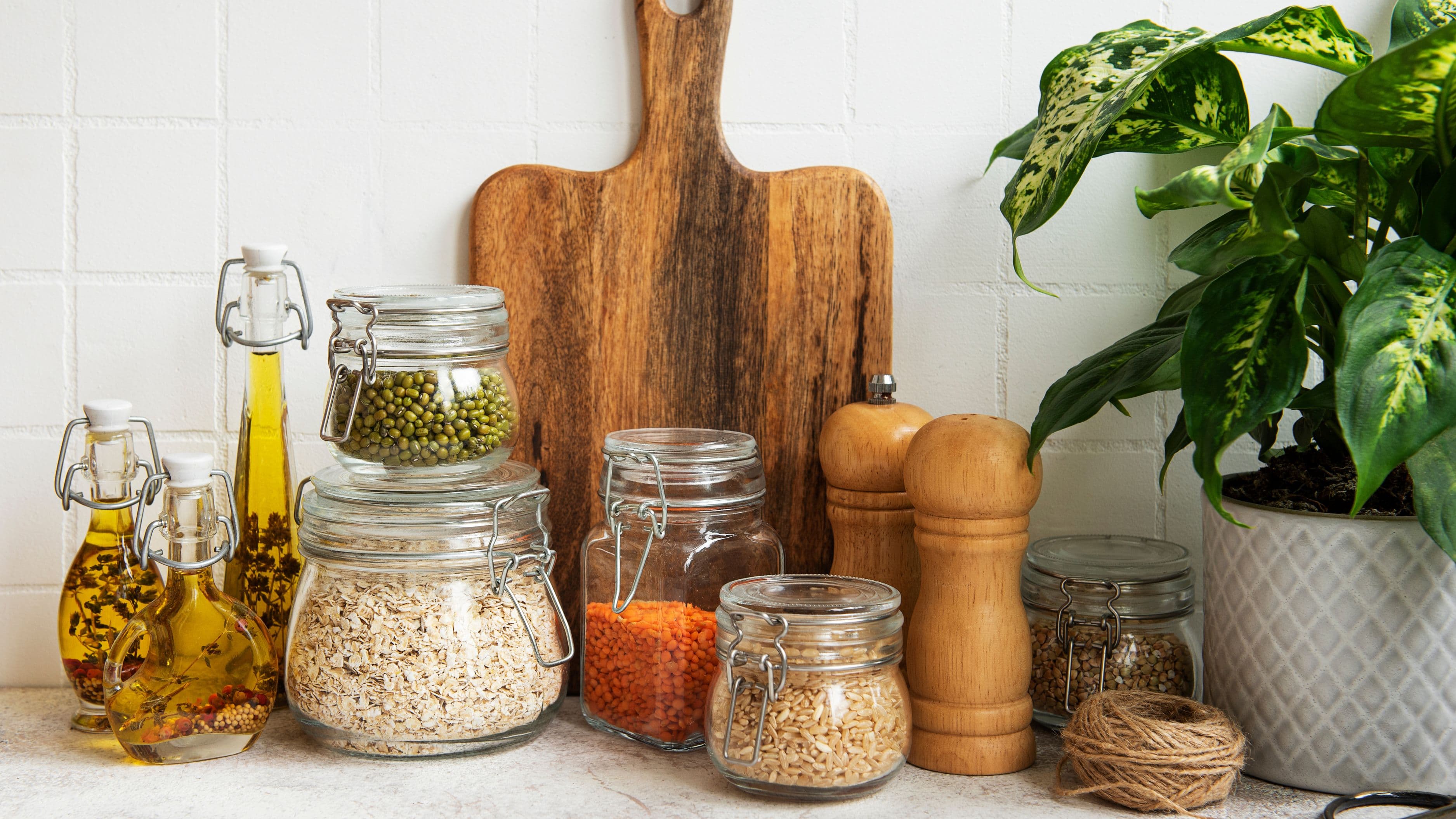
Keep a well-stocked pantry as your silent partner. Olive oil, canned tomatoes, dried pasta, rice, eggs, garlic, onions, soy sauce, and a few spices are the infrastructure that turns a small number of fresh ingredients into varied, satisfying meals. When your pantry is stocked, a shopping trip for one person might only need to cover the fresh proteins and produce, which keeps the bill low and the trip short.
Step 4: Embrace Planned Repetition (Done Right)
Eating the same thing twice in one week is not a failure of creativity. It's efficient cooking, and there's a right way to do it that doesn't feel tedious. The key is varying the format rather than serving the identical dish.
If you make a large batch of grains on Sunday – a pot of rice or a batch of farro – those grains become a different meal each time you serve them. Warm with a fried egg and hot sauce on Monday. Cold in a salad with vegetables and vinaigrette on Wednesday. Stir-fried with leftover vegetables and protein on Friday. The base ingredient is the same; the eating experience is genuinely different each time.
The same principle applies to proteins. A roast chicken or a piece of slow-cooked meat becomes taco filling, a soup addition, a salad topping, or a sandwich depending on how you present it. You're not eating the same meal – you're using one cooking effort across multiple different eating experiences. This is one of the fundamental efficiencies of solo cooking done well, and it makes the time you spend in the kitchen go a lot further.
Step 5: Keep Two or Three Emergency Meals Always on Hand
No meal plan survives contact with an exhausting week without a backup. For solo cooks, the solution is keeping a small set of quick, reliable meals permanently available in your pantry or freezer – meals you can make in under fifteen minutes with zero planning.
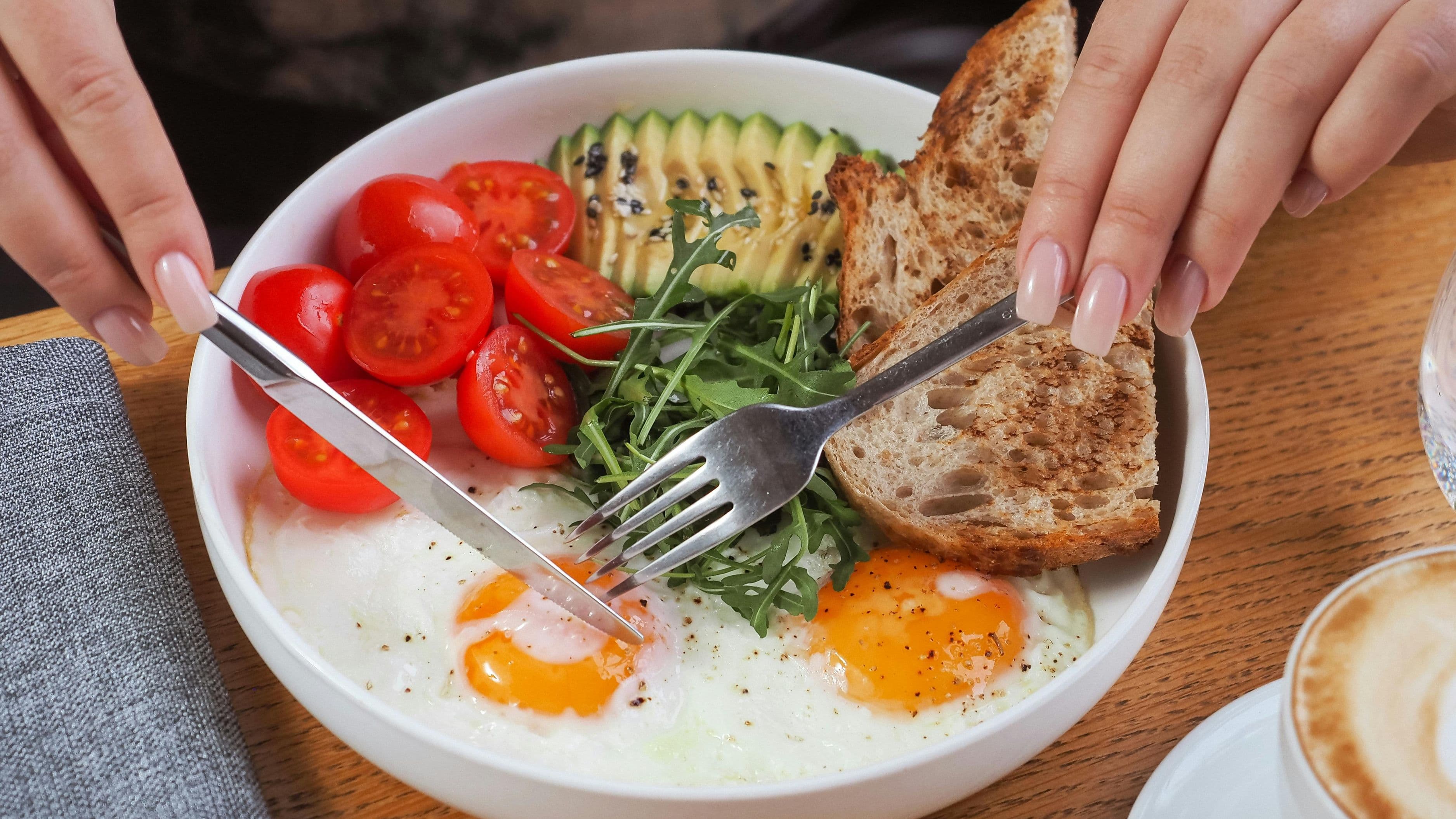
Pasta with canned tomatoes and whatever is in the fridge. Eggs and toast with a simple salad. A grain bowl from pre-cooked frozen grains and whatever protein you have on hand. Fried rice from leftover rice and vegetables. These aren't exciting meals, but they're good enough, fast enough, and cheap enough to be the thing that saves you from ordering delivery on a Tuesday night when you have no energy and the plan you made on Sunday has evaporated.
Having these backup meals available also removes the anxiety from having a less rigid plan. You're not worried about what happens if Thursday goes off-script because you know exactly what you'd make if you needed to.
A Sample Week Built for One
To make the system concrete, here's what a realistic week might look like using the building block approach.
You choose chicken thighs and eggs as your two proteins, broccoli and sweet potatoes as your vegetables, and rice as your grain. Your pantry has olive oil, soy sauce, garlic, and pasta.
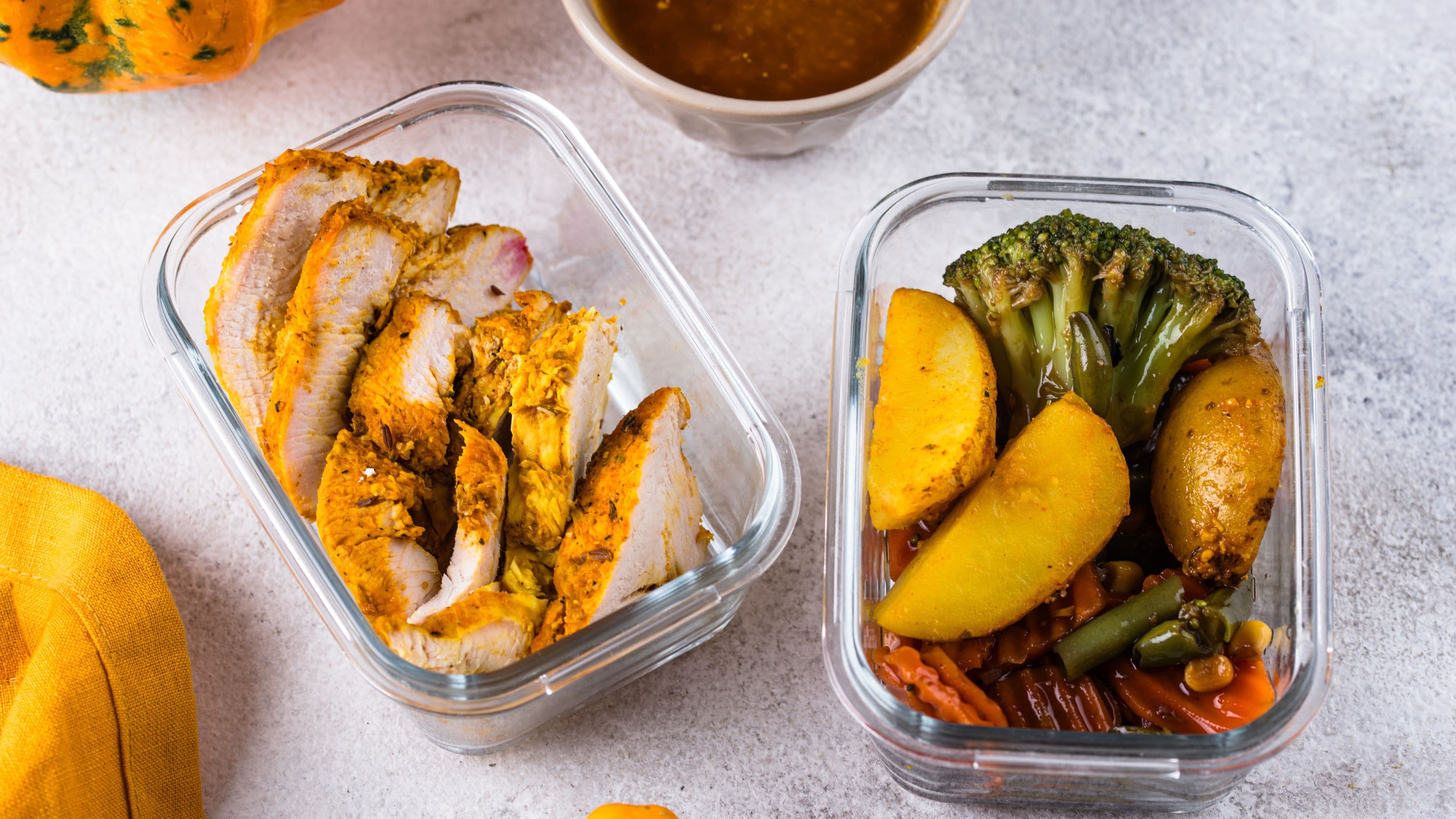
Sunday takes about 30 minutes: roast the chicken thighs and sweet potatoes together, cook a pot of rice. That effort sets up most of the week.
Monday is a rice bowl with roasted chicken, broccoli (quickly sautéed), and soy-garlic sauce – ten minutes to assemble from what you've already cooked.
Tuesday is scrambled eggs with leftover sweet potatoes and some cheese – a ten-minute breakfast-for-dinner that uses what's already there.
Wednesday is the remaining chicken thigh pulled apart and tossed with pasta, olive oil, and garlic with any remaining vegetables – twenty minutes, one pot.
Thursday is a flexible or leftovers night, using whatever's left in the fridge before you shop again.
Friday is takeout or eating out – planned, guilt-free, and part of the system rather than a deviation from it.
That's four home-cooked meals from one modest shopping trip, one cooking session, and a handful of quick assembly moments during the week.
Common Mistakes to Avoid
Buying too many different vegetables is the most common waste culprit for solo cooks. More than two or three varieties at once is usually too many to use before something goes bad, especially delicate greens and fresh herbs. Stick to what you've planned to use, and choose vegetables with a longer shelf life (root vegetables, cabbage, broccoli, carrots) when you need things to last the week.
Skipping the pantry restock is a trap that makes the whole system harder over time. Your pantry staples are what make building-block cooking flexible and fast. Running out of olive oil, pasta, canned tomatoes, or soy sauce quietly limits what you can do with fresh ingredients. Spending ten minutes every few weeks restocking the basics keeps the system running smoothly.
Planning too ambitiously for the number of nights you'll realistically cook is the other common pitfall. If you genuinely only have the energy to cook three times this week, plan for three. A plan you actually follow is infinitely more useful than an ambitious plan you abandon.
FAQ
How do I deal with recipes that only come in family-sized quantities? For dishes that don't scale down easily, cook the full amount and plan multiple uses for the excess before you start. Decide in advance how you'll use leftovers in different formats across the week rather than eating the same plate on repeat. Alternatively, freeze individual portions immediately after cooking so they become future quick meals rather than forced repetition.
What's the best way to keep fresh produce from going to waste? Buy produce with longer natural shelf lives – root vegetables, cabbage, broccoli, sweet potatoes, and carrots keep for a week or longer under refrigeration. Use delicate items like spinach or fresh herbs early in the week when they're at their best, and move to sturdier vegetables toward the end. Washing and pre-cutting produce when you get home from the store also makes it much easier to actually use before it turns.
How do I stop eating the same thing every day without spending more? Vary the format, not the ingredient. The same cooked chicken becomes a rice bowl, a taco filling, a pasta addition, or a soup component depending on what you combine it with and how you season it. Having a few different sauces and condiments – soy sauce, hot sauce, tahini, a basic vinaigrette – is the lowest-cost way to make the same ingredients taste different across multiple meals.
Is it worth batch cooking on the weekend if you're just cooking for one? Yes, but scale the batch cooking appropriately. You don't need to cook for a week's worth of full meals – cooking one protein and one grain on Sunday gives you a flexible base that reduces weeknight effort significantly without locking you into eating identical meals. One cooking session of 45–60 minutes can meaningfully reduce the effort required every other night.
What if I genuinely don't want to eat the same ingredients twice in a week? That's fine – the building block approach is a system, not a rule. If variety across the week matters more to you than minimizing waste and cost, buy smaller quantities of more different ingredients and plan to use each one completely in a single meal. You'll spend more and waste more, but the cooking experience will feel more varied. Most people find a natural middle ground between full variety and maximum efficiency once they've been cooking for one for a while.
📚 Sources
USDA FoodData Central – Meal Planning and Food Storage Guidance: https://fdc.nal.usda.gov/
FDA – Food Safety for Meal Prep and Storage: https://www.fda.gov/food/consumers/food-safety-home-kitchen
USDA MyPlate – Cooking for One or Two: https://www.myplate.gov/tip-list/cooking-one-or-two
University of Nebraska – Food Preservation and Freezing Guidelines: https://food.unl.edu/free-resource/freezing
Cooperative Extension – Reducing Food Waste in the Home Kitchen: https://extension.umn.edu/preserving-and-preparing/reducing-food-waste