
Understanding the Real Difference Teenagers Make
Teenagers, particularly those going through growth spurts or involved in sports and physical activity, often eat meaningfully more than adults, and their hunger can be genuinely unpredictable day to day depending on activity level and growth phase. This means meal planning built around fixed, smaller portions from a household without teenagers often falls short, leaving everyone still hungry after dinner or leading to constant snacking that undermines the actual planned meals.
What this means practically: successful meal planning for a household with teenagers usually means intentionally over-preparing slightly, or building in an easy way to stretch a meal, rather than planning exact portions and hoping they're enough.
Step 1: Build Meals Around a Flexible Base That Can Stretch
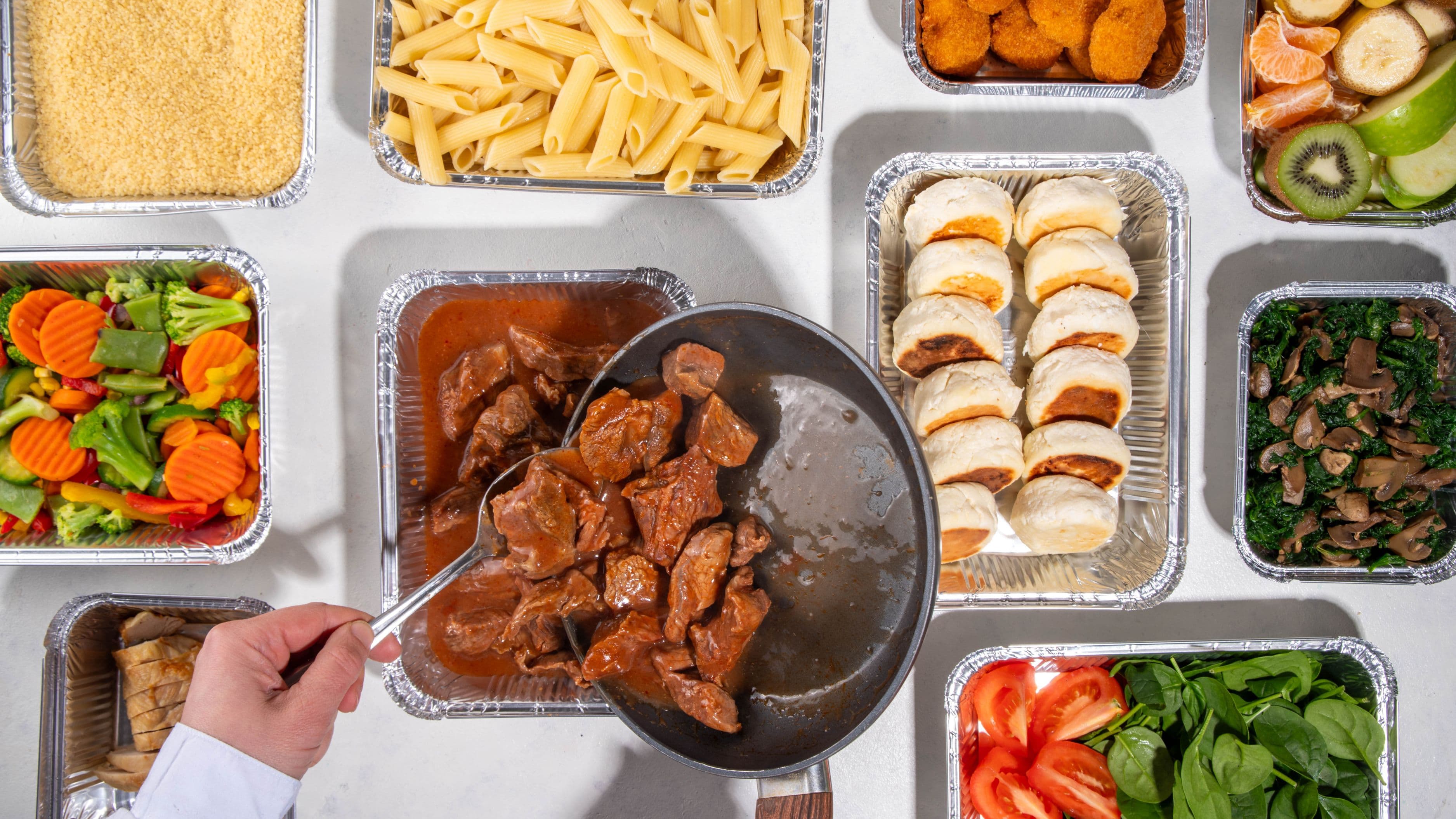
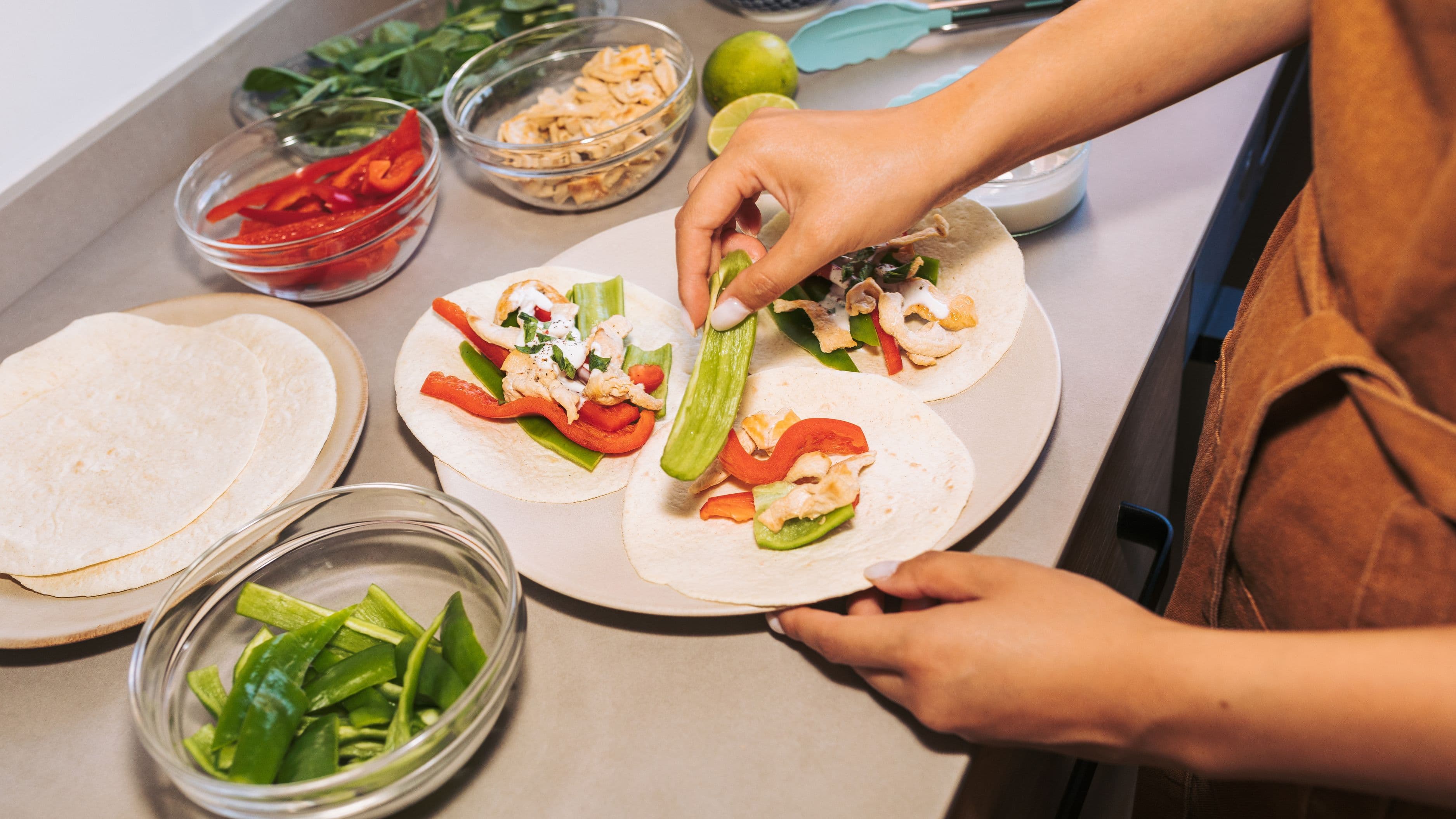
Planning meals around a core protein and starch that can be easily supplemented, extra rice, additional bread, a bigger batch of pasta, gives you a straightforward way to serve more without needing an entirely separate dish. A taco night built around a large batch of seasoned protein, for example, naturally scales to bigger appetites since everyone can simply build a bigger portion rather than requiring a completely different larger meal.
Step 2: Involve Teenagers in the Planning Process
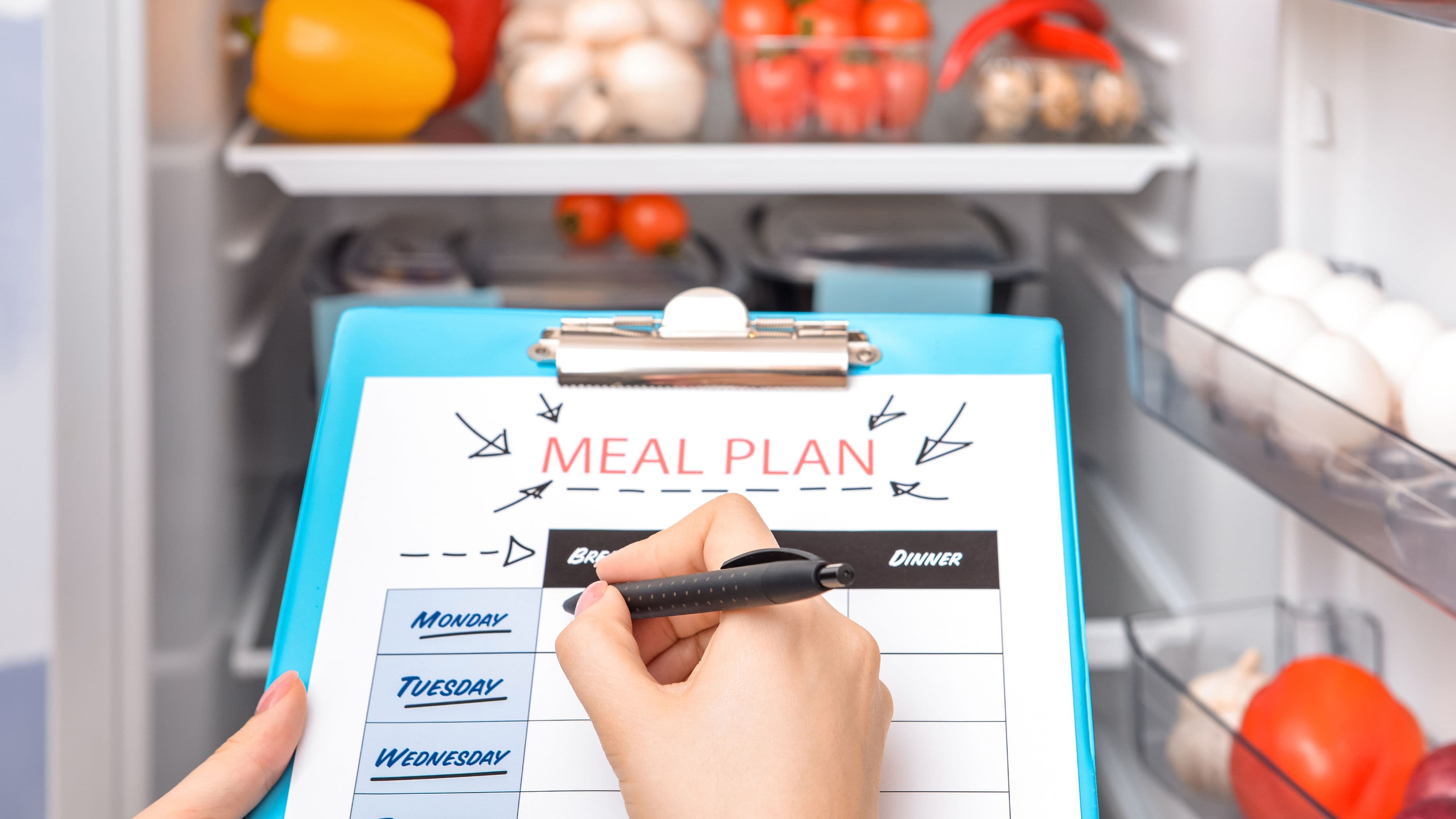
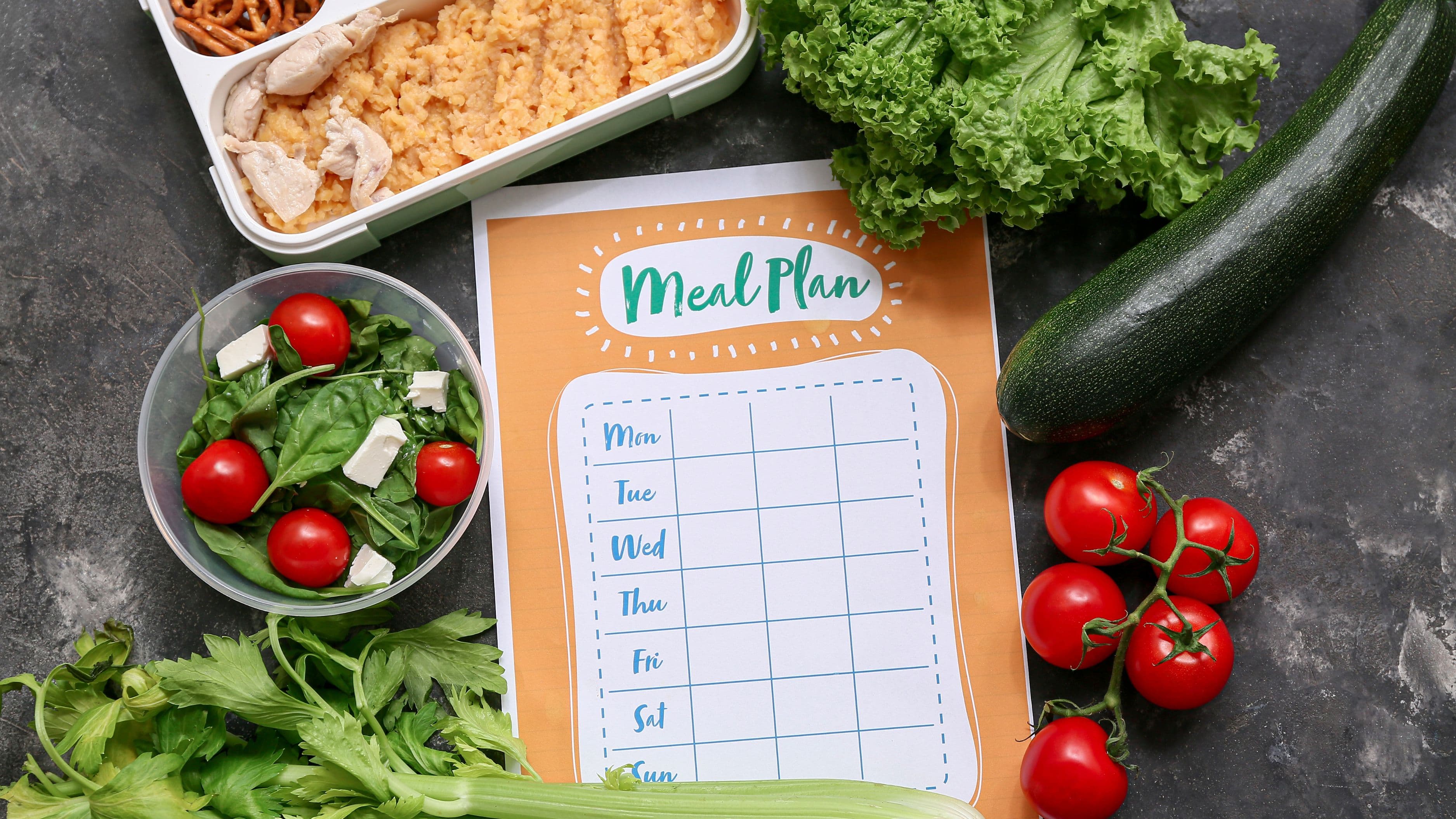
Teenagers are far more likely to actually eat what's planned, rather than snacking separately or skipping the meal, if they've had some input into what's on the weekly menu. A simple system, letting each teenager pick one dinner for the week, gives them ownership without turning meal planning into an unmanageable individual-order system, and it often surfaces requests that are easier and more appealing to everyone than you might have planned otherwise.
Step 3: Build in At Least One "Assemble Your Own" Meal Per Week
A build-your-own meal, taco bar, grain bowl station, sandwich and wrap night, works particularly well for households with teenagers because it accommodates different appetite levels and preferences within a single meal setup, without requiring separate cooking for different portion sizes or taste preferences. This also tends to reduce the "there's nothing to eat" complaint, since teenagers can customize a meal to their own appetite rather than being served a fixed plate that might not match their hunger that particular day.
Step 4: Stock Accessible, Ready-to-Eat Protein and Snack Options
Teenagers often need food between official meals, particularly on days with sports practice, after-school activities, or simply longer stretches between lunch and dinner. Keeping accessible protein-forward snacks, hard-boiled eggs, yogurt, hummus and vegetables, on hand reduces the likelihood that between-meal hunger turns into skipping the planned dinner in favor of less balanced snacking.
Step 5: Plan for Leftovers to Become Lunch, Not Just Another Dinner
Teenagers often need substantial lunches, whether packed for school or eaten at home, and planning dinners with intentional extra portions specifically earmarked for the next day's lunch reduces the separate planning burden of building lunches from scratch every single day. A larger batch of a pasta dish or a grain bowl base made at dinner can often become a quick, reheatable lunch with minimal extra effort the following day.
Realistic Expectations: Time and Effort
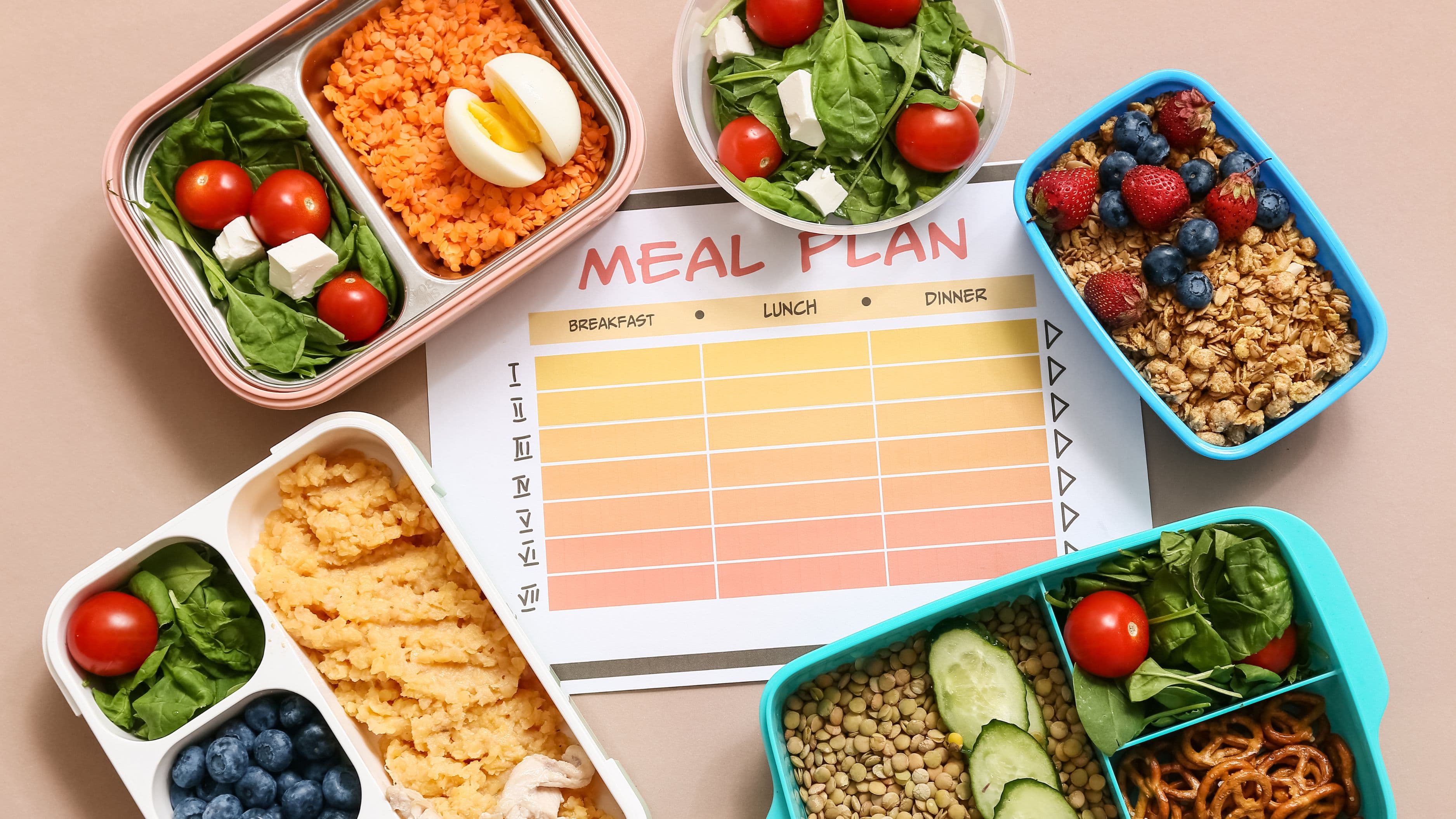
Meal planning for a household with teenagers generally requires planning for larger quantities and slightly more flexible, adaptable meals rather than an entirely different planning approach. Expect to adjust your typical grocery budget and quantities upward compared to planning for a household without teenagers, and expect some trial and error in the first few weeks as you calibrate exactly how much extra food specific meals actually require for your particular household's appetite levels.
What to Avoid
Avoid planning meals based on portion assumptions from a household without teenagers, since this commonly results in insufficient food and a scramble to supplement the meal last minute. Don't ignore teenager input entirely when planning, since meals they had no say in are more likely to go unfinished or lead to separate snacking that undermines your planning effort. Be cautious about relying too heavily on convenience or fast food to fill unpredictable hunger gaps, since building in accessible, planned snack options at home is generally a more sustainable and cost-effective solution over time.
FAQ
How much more food should I plan for when feeding teenagers? This varies significantly by individual appetite and activity level, but planning for meaningfully larger portions than you would for younger children or a smaller household, and building in easy ways to stretch a meal, is a reasonable general approach.
What's an easy meal that works well for unpredictable teenage appetites? Build-your-own meals, like a taco bar or grain bowl station, work particularly well since they let each person customize their portion and toppings based on their own hunger that day.
How can I get teenagers more involved in meal planning without it becoming overwhelming? Letting each teenager choose one meal for the week is a simple way to include their input without turning meal planning into a complicated, individualized ordering system.
📚 Sources
USDA MyPlate, "Nutrition Guidelines for Teenagers" – myplate.gov
Academy of Nutrition and Dietetics, "Feeding Teenagers" – eatright.org