Build Meals Around a Shared Base
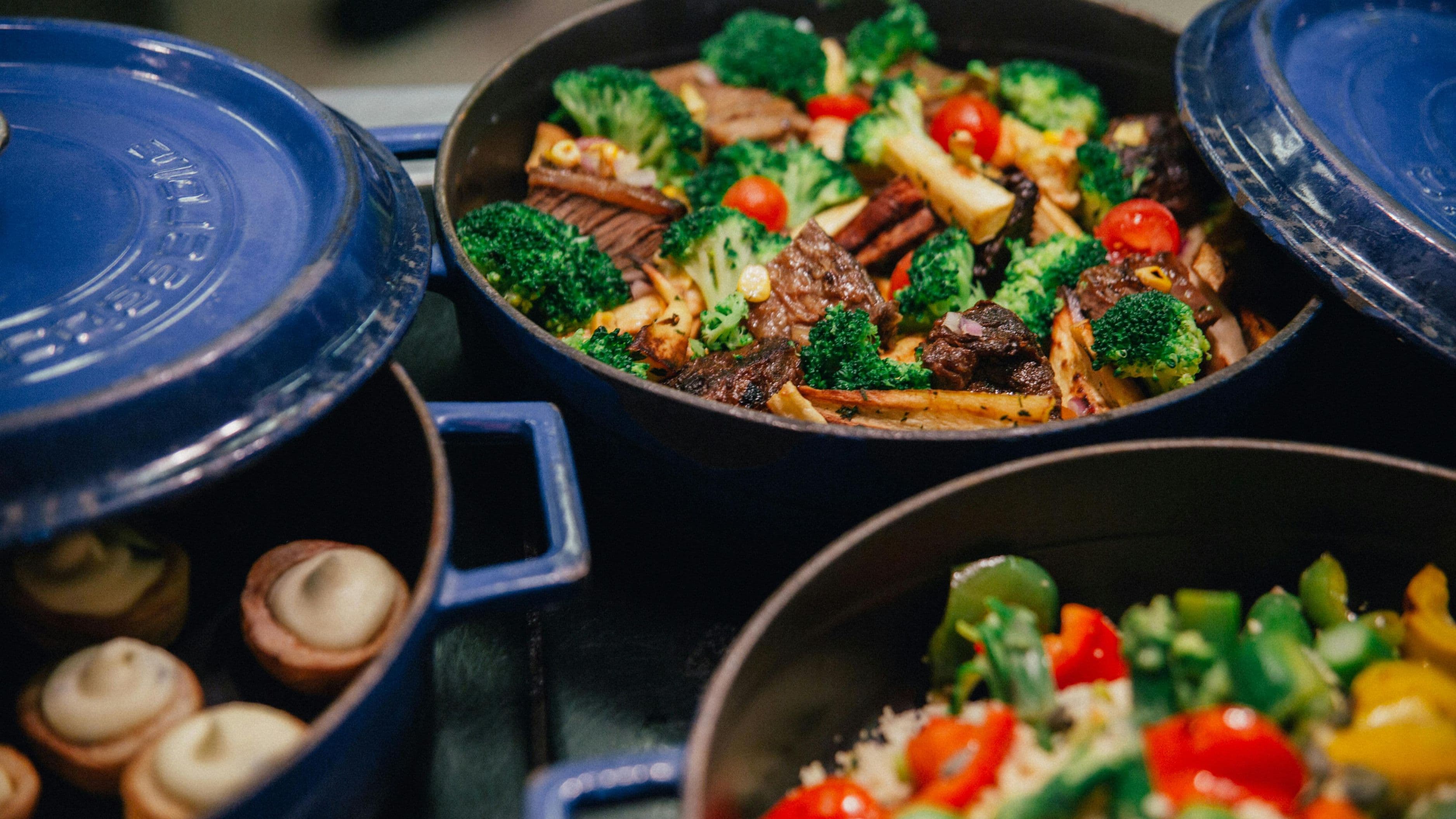
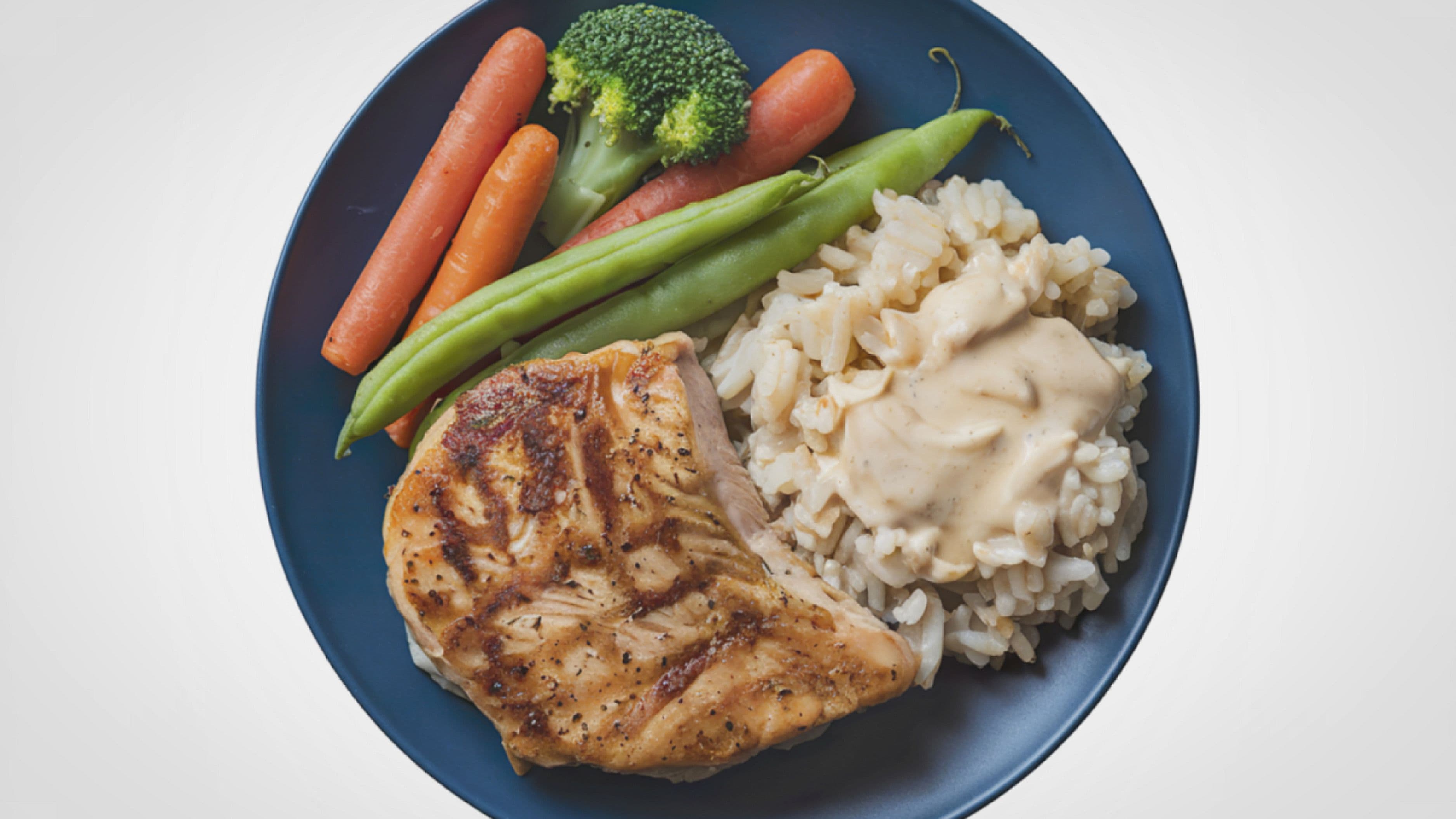
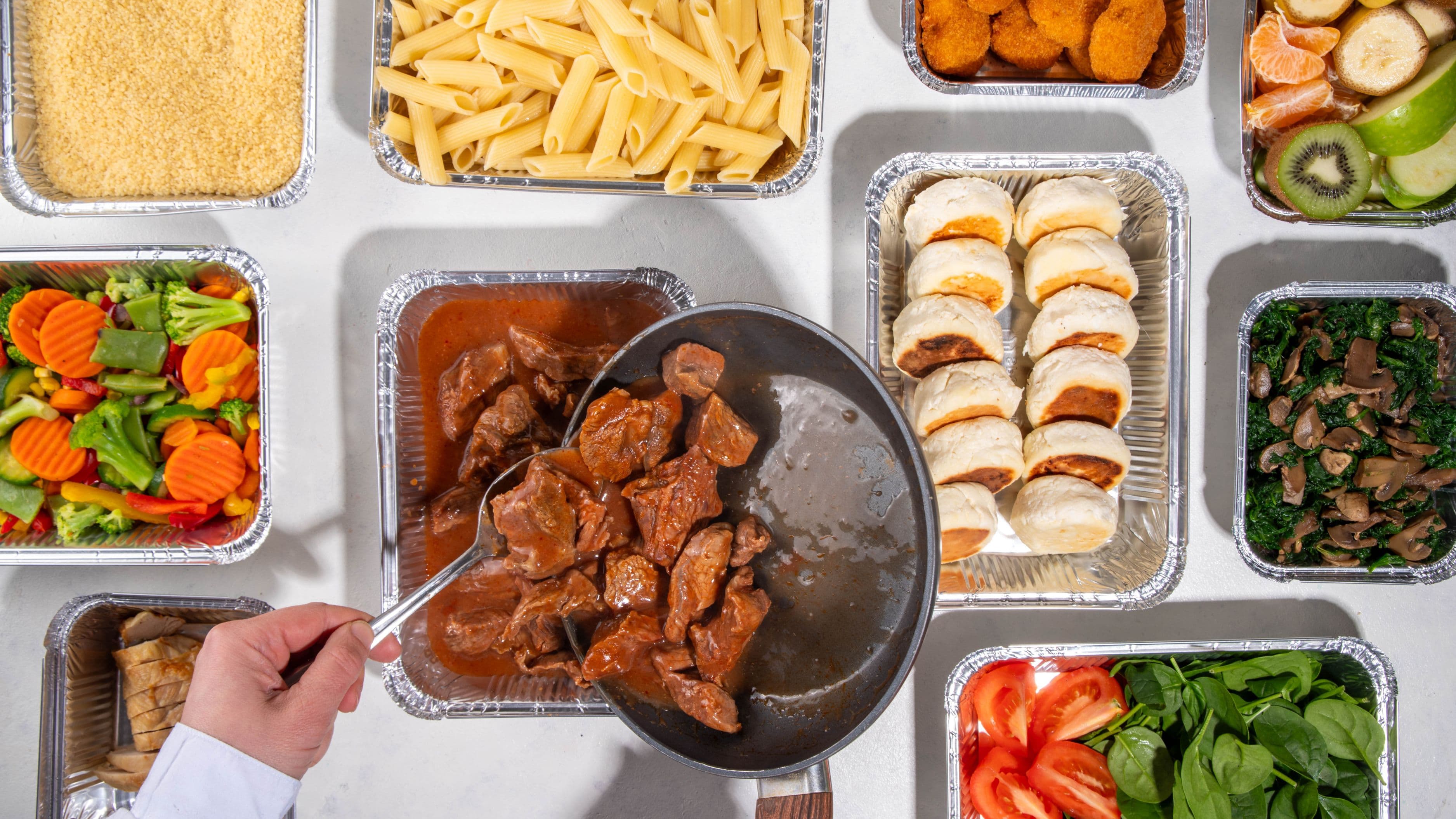
The easiest way to feed mixed diets without extra effort is starting with a base that's naturally vegetarian, then adding meat as a separate component for those who want it. Think grain bowls with rice or quinoa, loaded baked potatoes, or a hearty vegetable stir-fry, all of which work perfectly as a complete meal on their own and become even heartier with grilled chicken, shrimp, or steak added on the side.
This approach means you're cooking one core meal instead of two entirely separate dishes, saving both time and cleanup while still giving everyone a satisfying plate suited to their preferences.
Treat Protein as a Modular Add-On
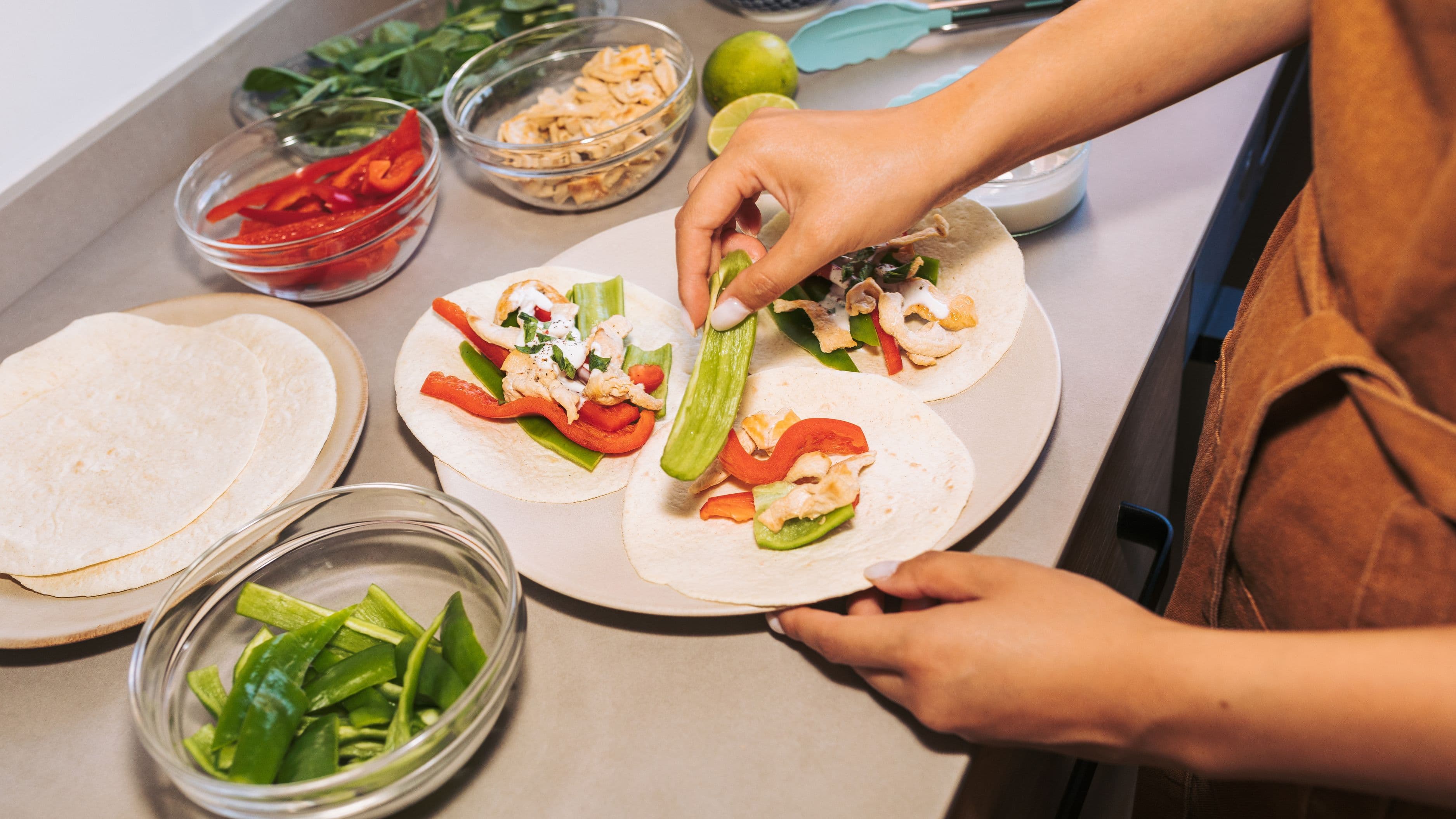
Rather than building a recipe entirely around meat, treat protein as something you add at the very end so each person can customize their own plate. Tacos are a great example: prepare a shared filling of seasoned beans, sautéed peppers, and rice, then offer grilled chicken or ground beef on the side so everyone builds their own version at the table.
This modular approach works well for a wide range of cuisines, from grain bowls to pasta dishes, and it removes the pressure of deciding on one single "final" version of the meal that has to satisfy every dietary preference simultaneously.
Lean on Naturally Hearty Vegetarian Dishes
Certain dishes are satisfying enough on their own that meat eaters won't feel like something is missing, even without a meat option added. Dishes built around beans, lentils, mushrooms, or eggplant tend to deliver enough texture and richness that they read as a complete meal rather than a "diet version" missing its main component.
A well-made lentil curry, a hearty mushroom risotto, or a baked eggplant parmesan can genuinely satisfy the whole table, meaning you don't always need to add a meat option to every single meal to keep everyone happy.
Batch Cook Proteins Separately
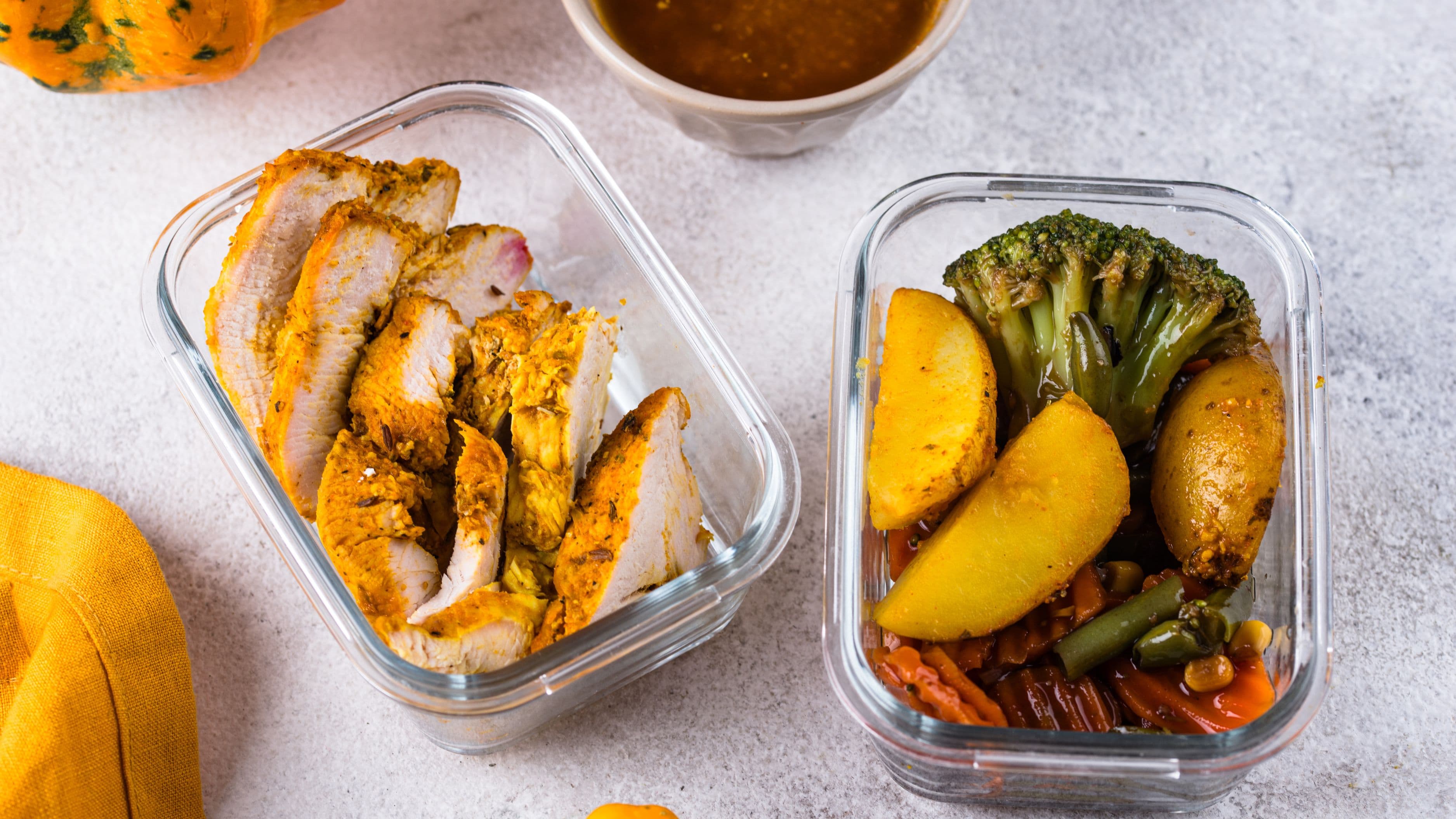
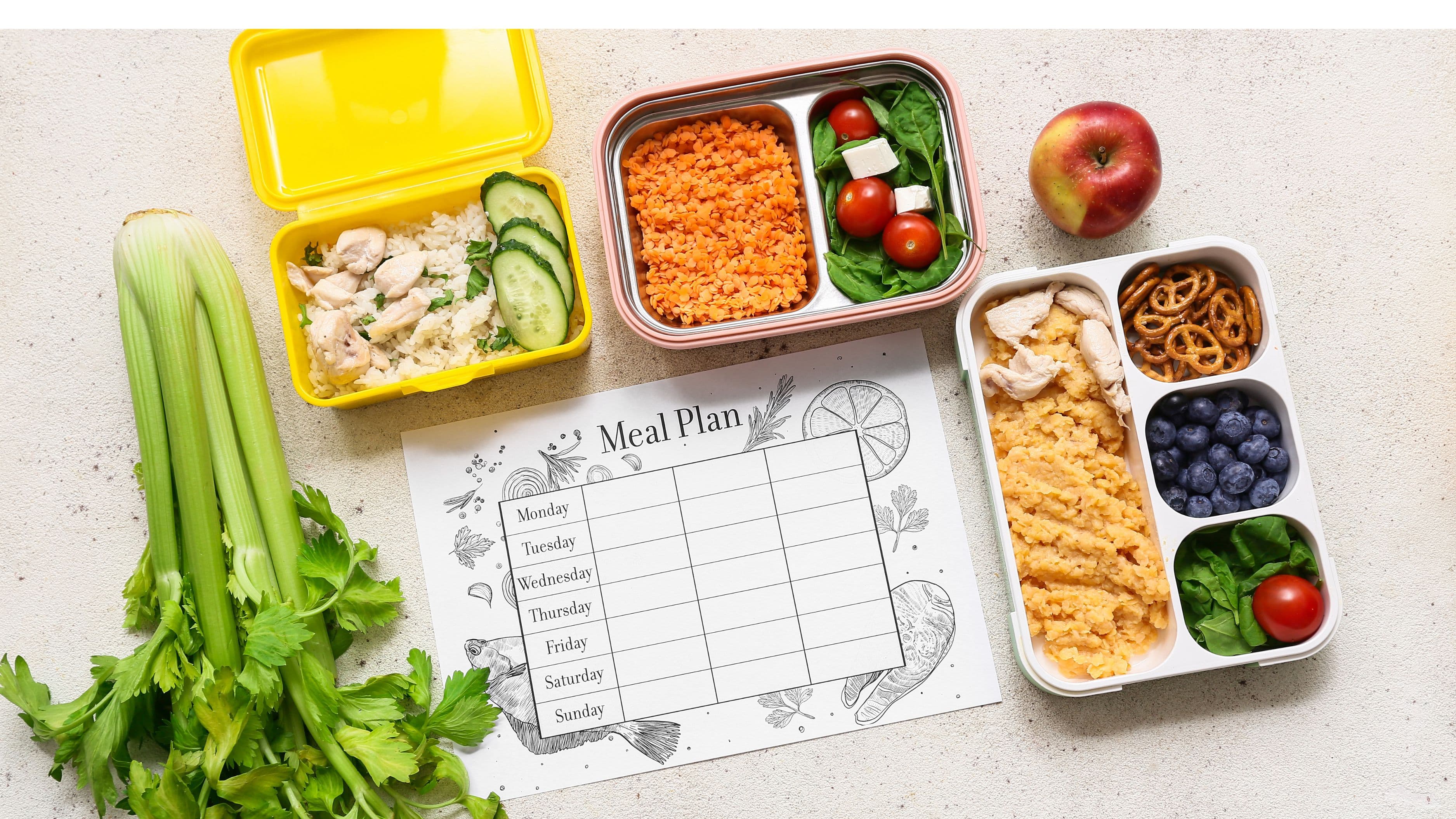
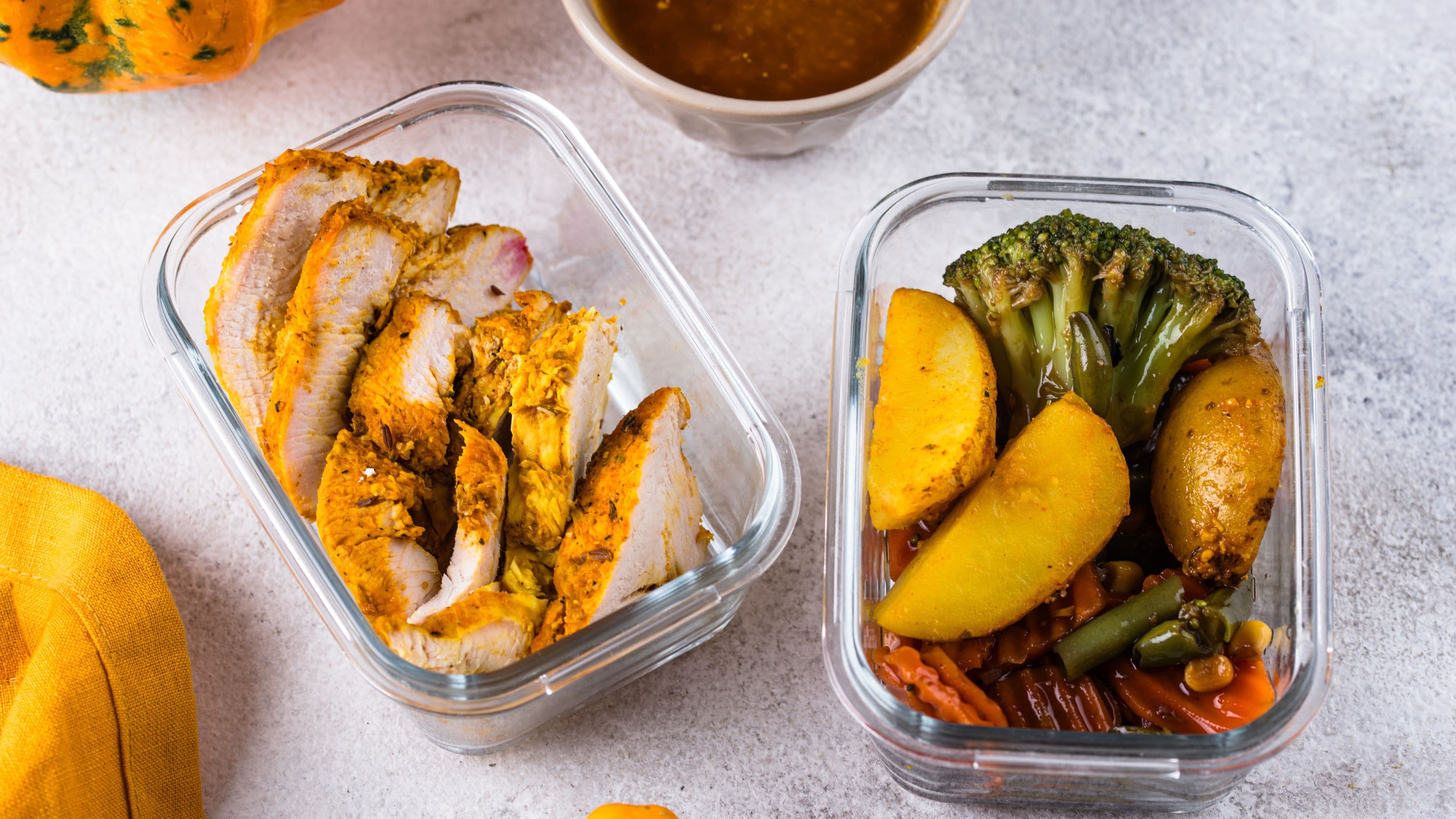
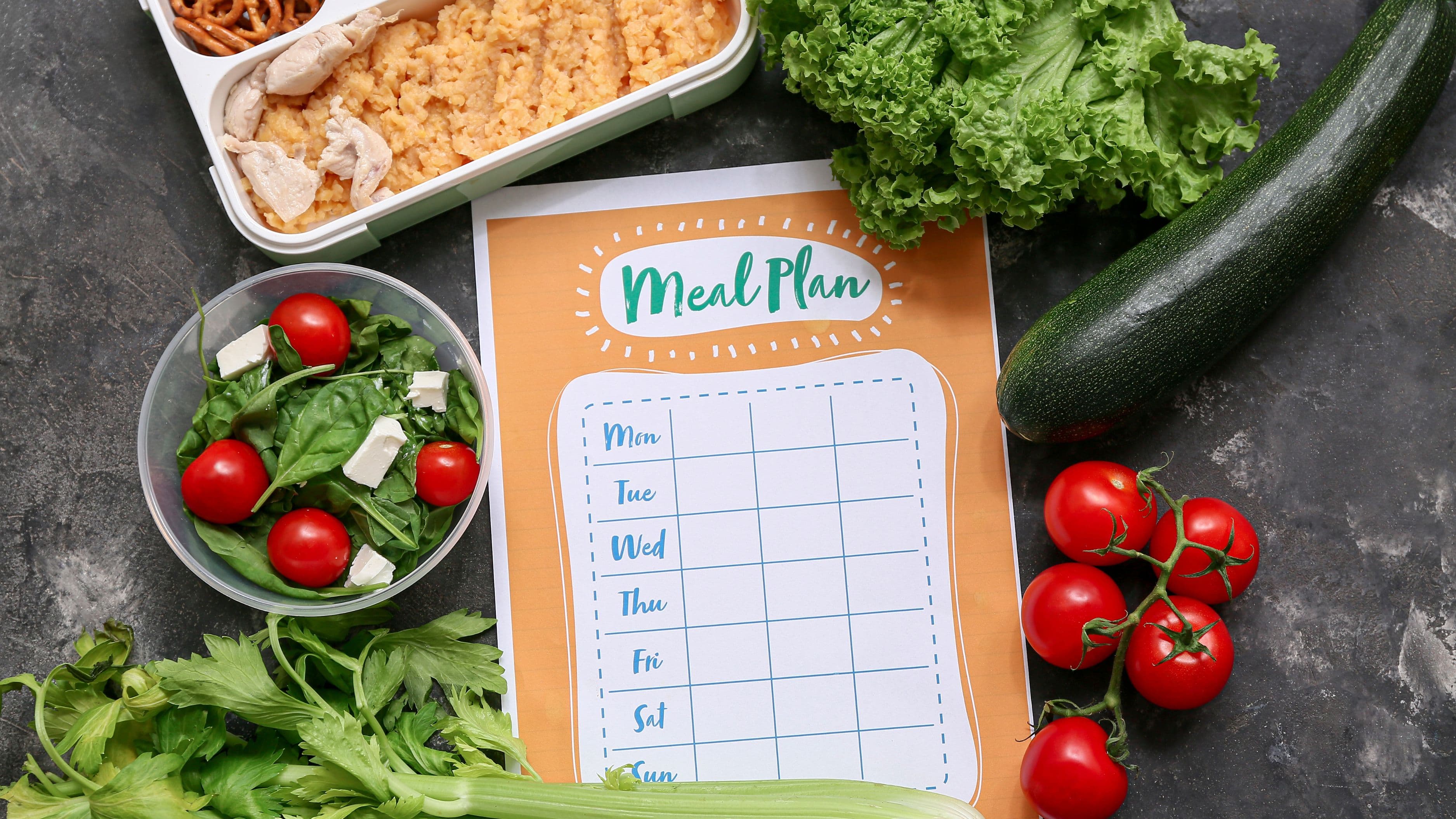
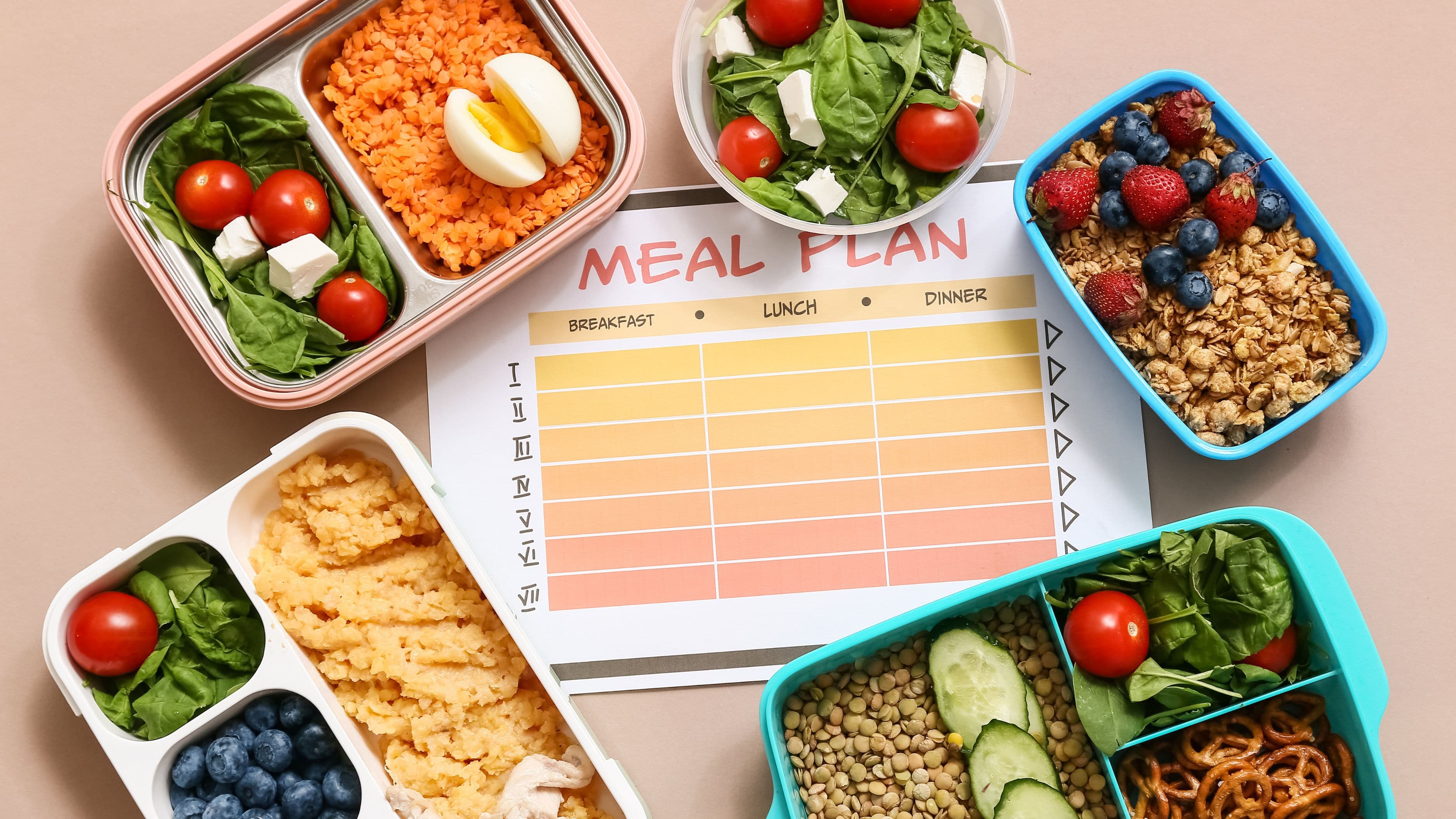
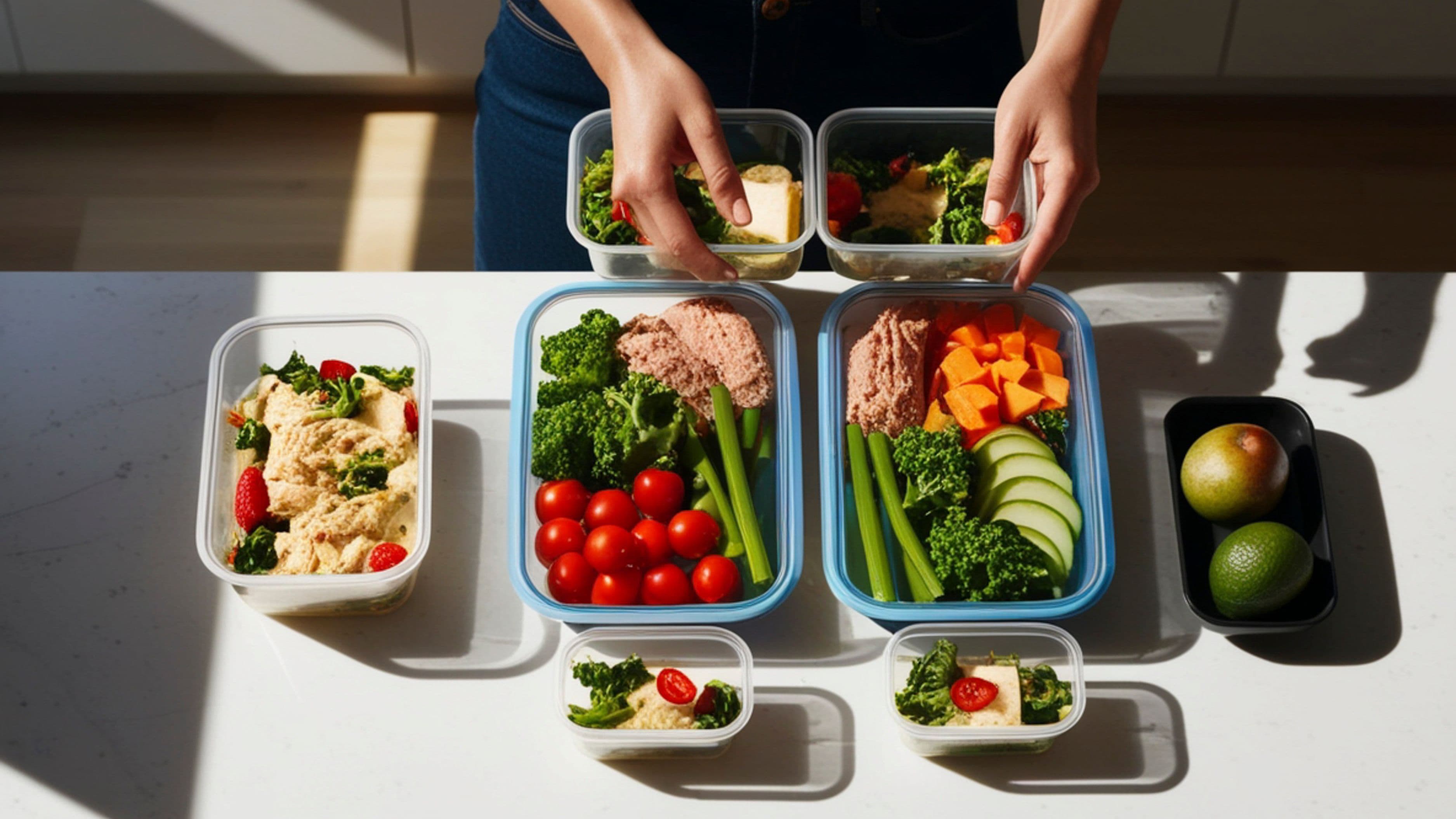
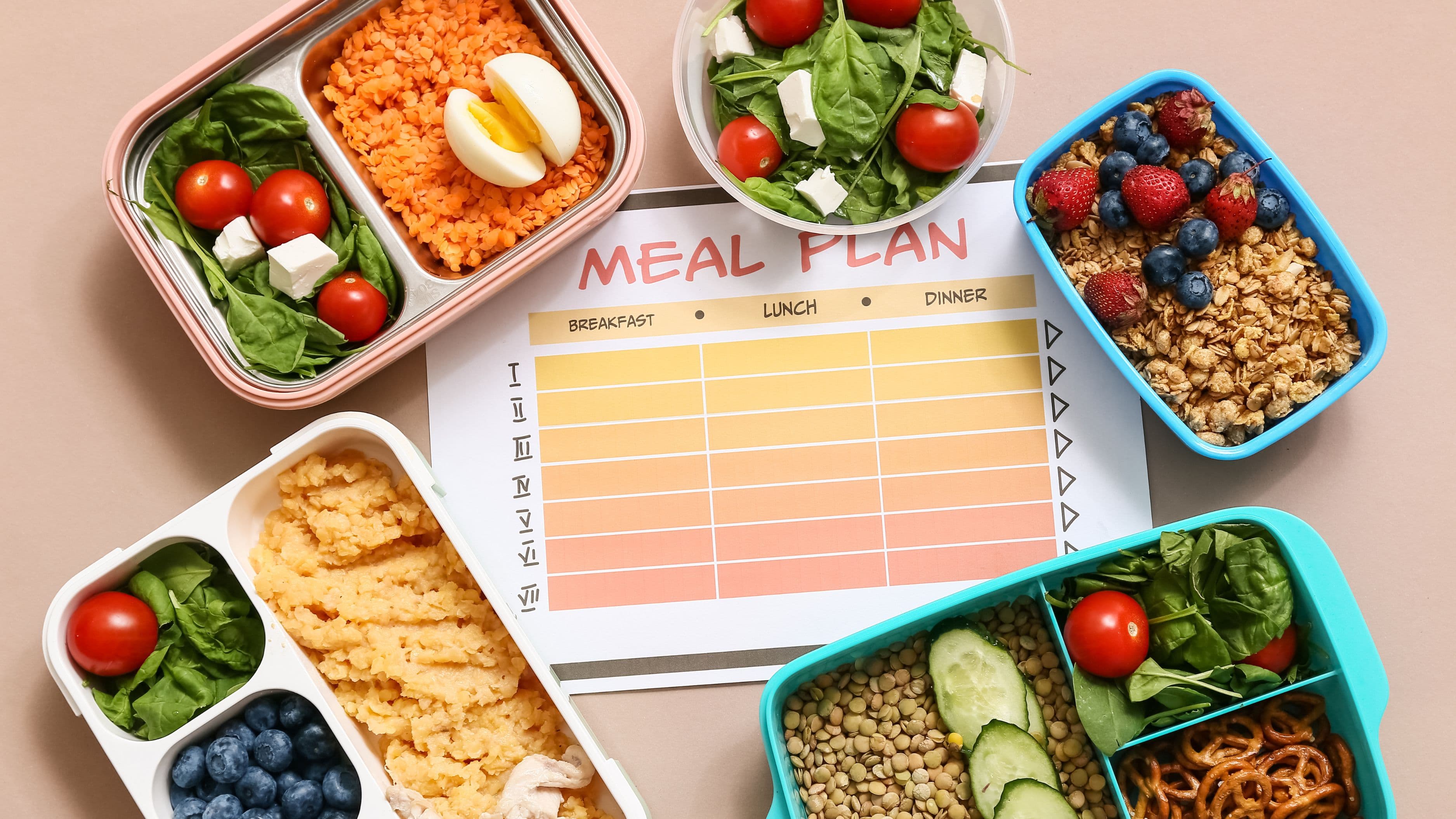
If your household regularly splits between meat eaters and non-meat eaters, batch cooking a protein like grilled chicken or baked tofu once or twice a week and storing it separately gives you flexibility to add it to whatever base meal you're serving that night, without extra last-minute cooking. This turns your protein into a flexible ingredient you can pull from throughout the week rather than something you have to plan and cook fresh with every single meal.
Store cooked proteins in clearly labeled containers in the fridge, and aim to use them within three to four days for best quality and food safety.
Communicate Preferences Clearly When Planning
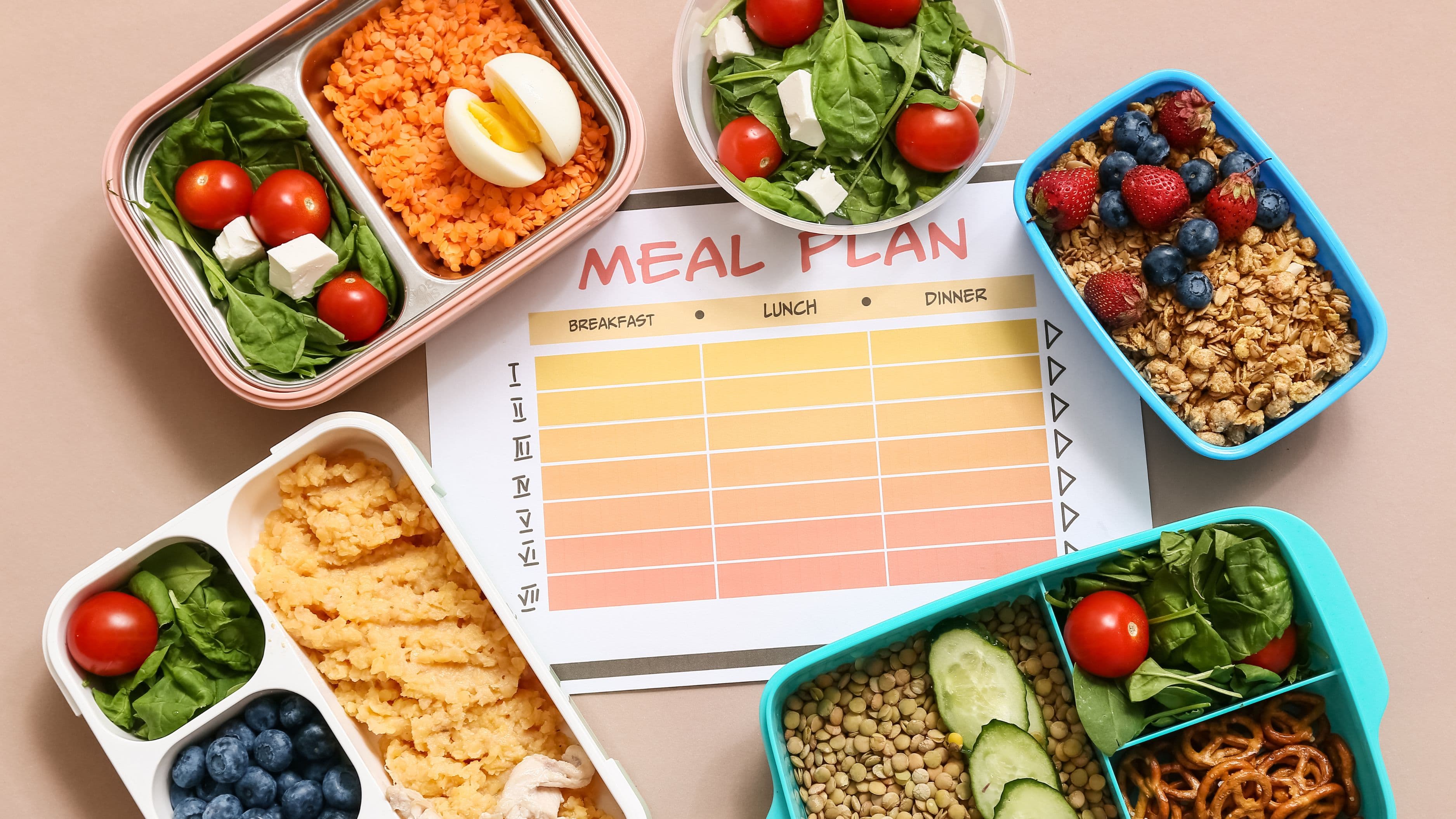
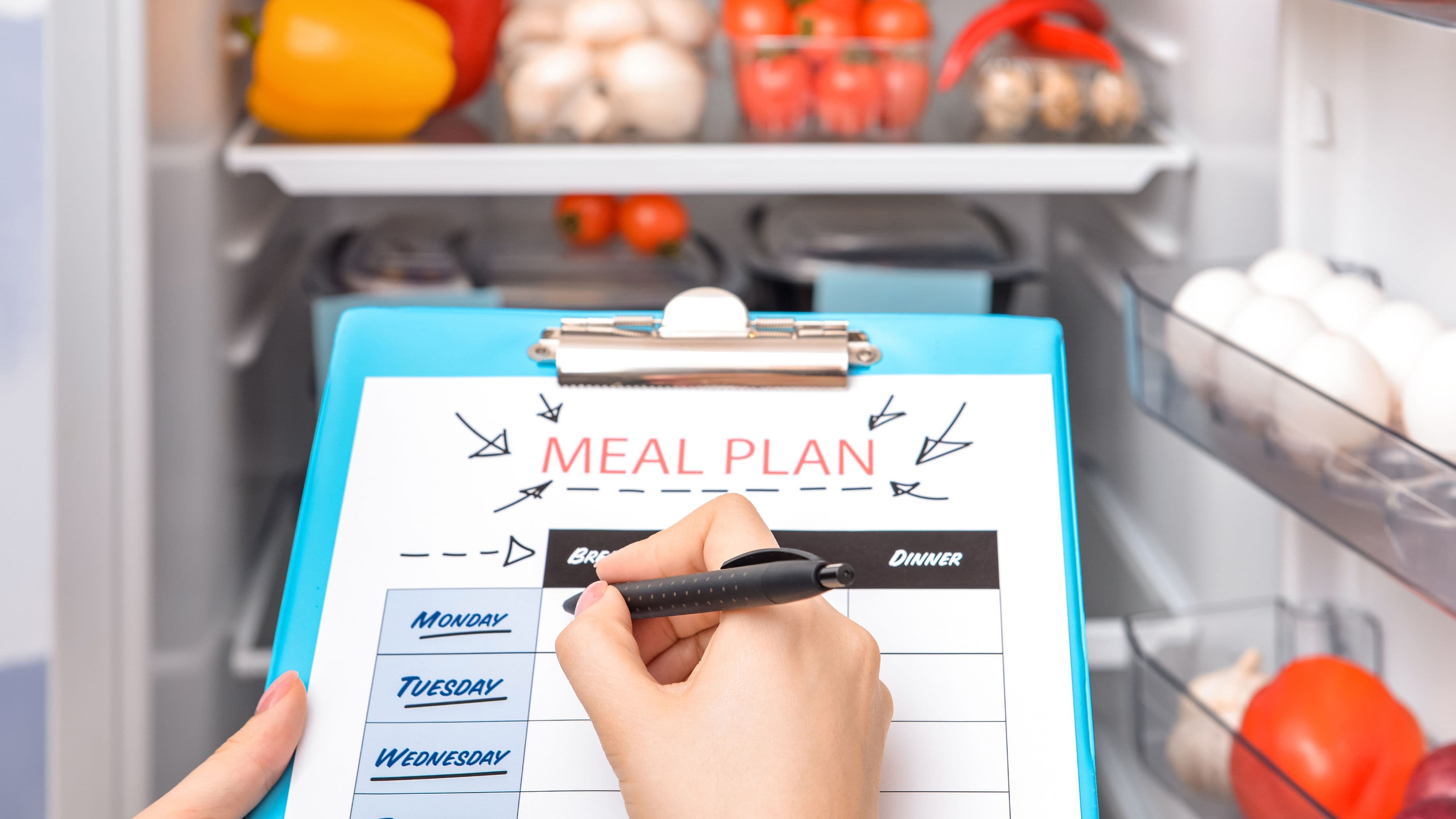
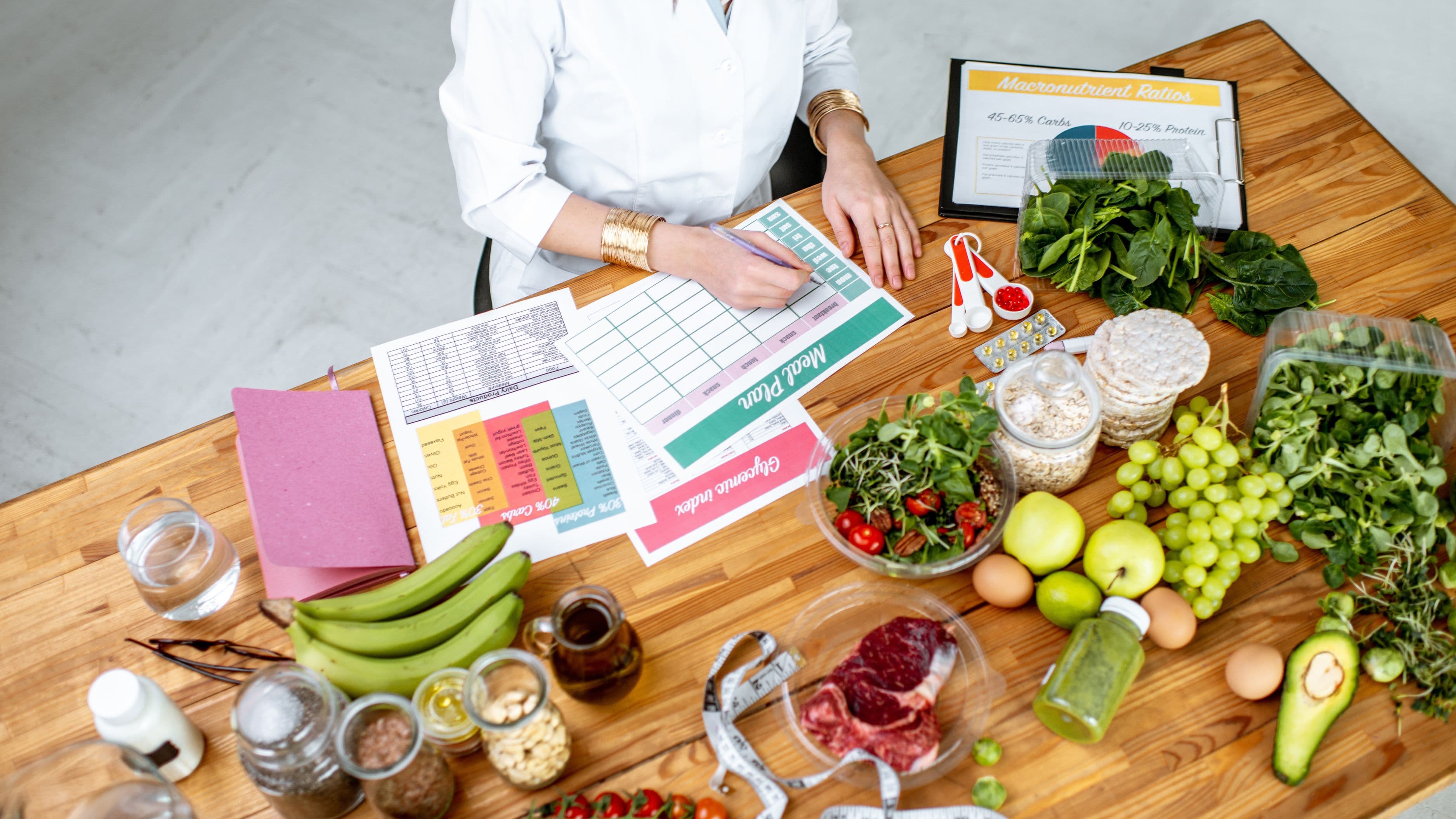
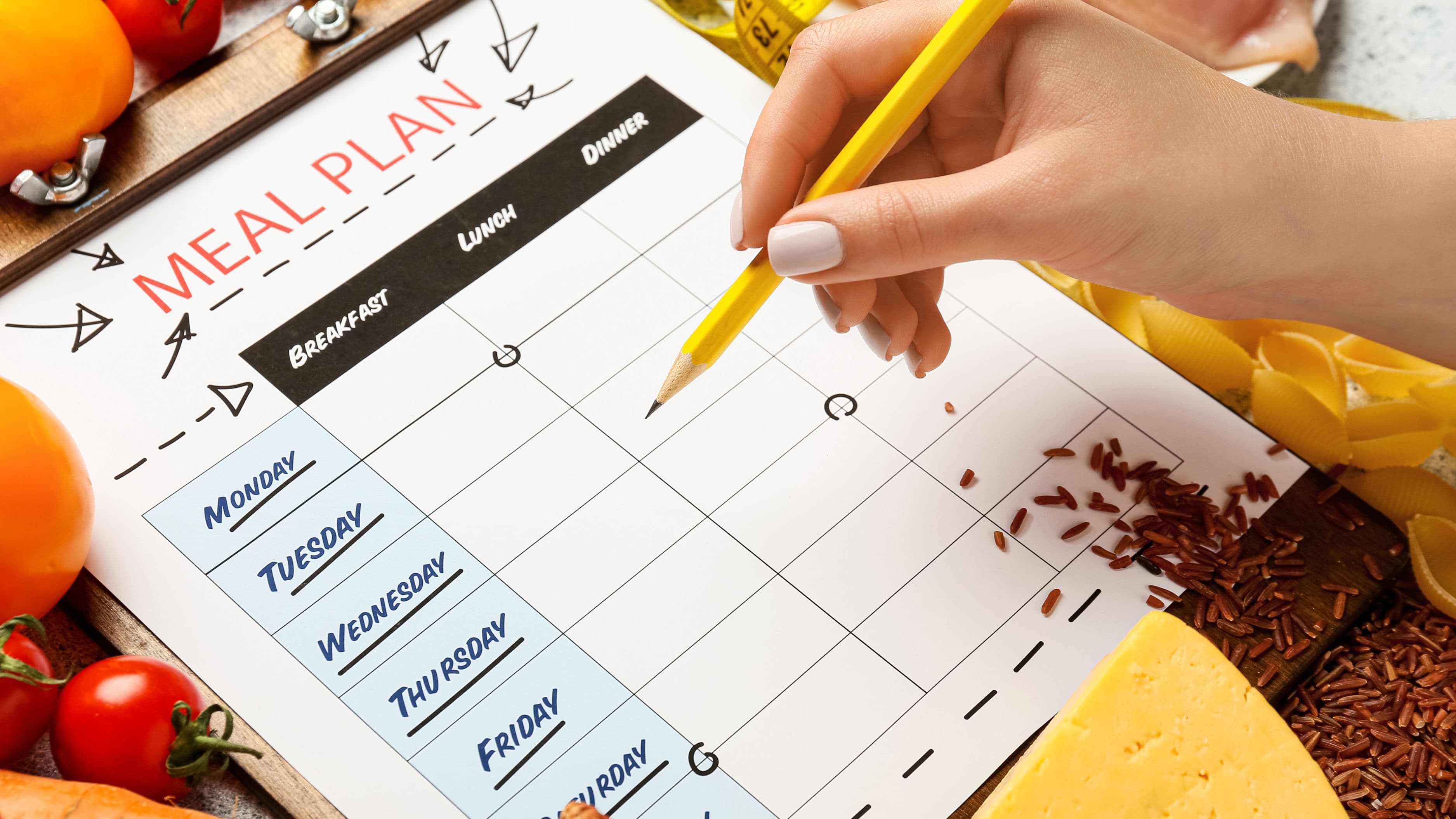
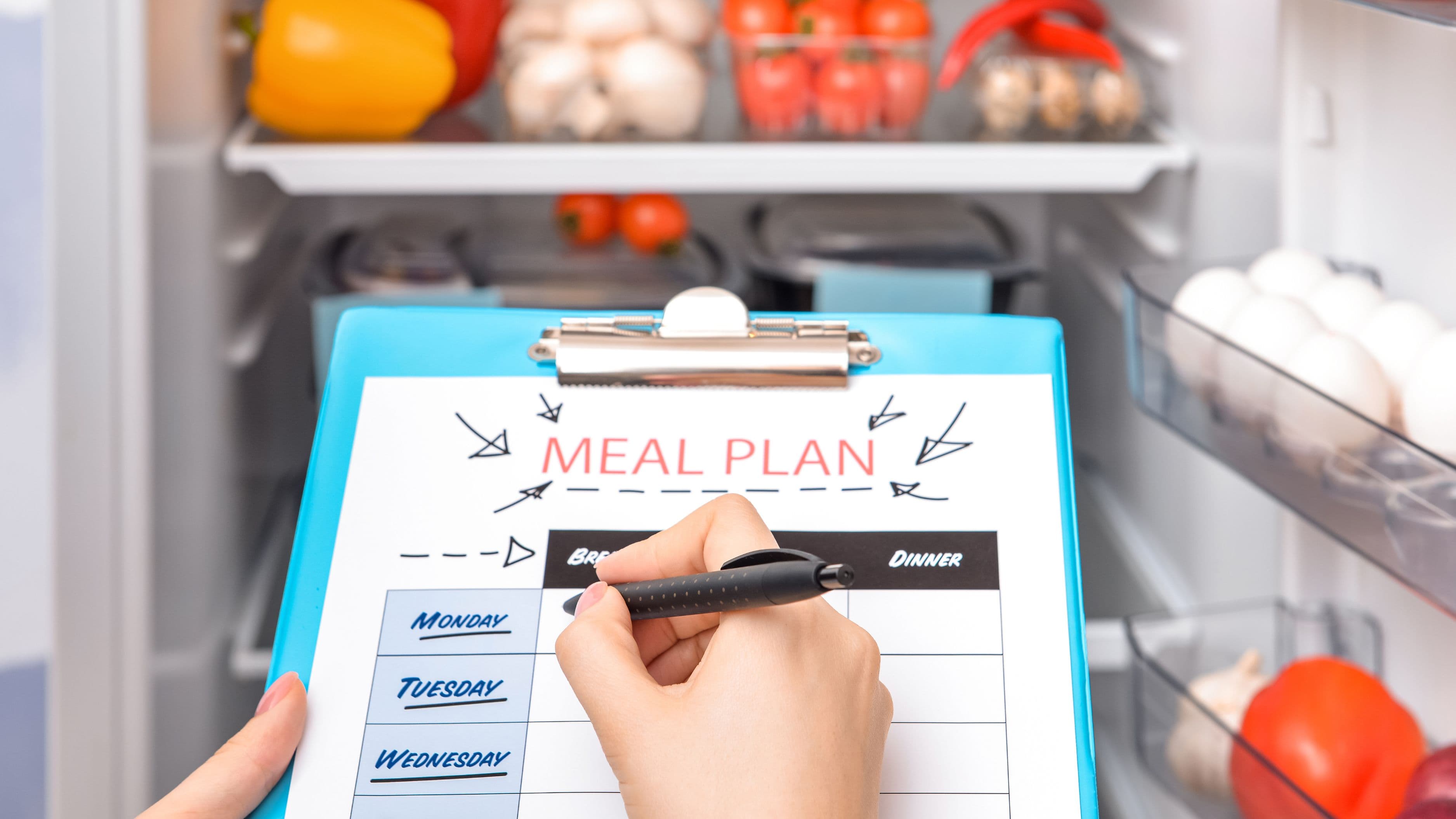
Take a few minutes at the start of your week to actually ask what everyone's craving or avoiding, rather than assuming preferences based on habit. Dietary needs can shift, and checking in occasionally prevents the frustration of cooking a full meal only to discover someone's preferences have changed since the last time you planned around them.
This is especially useful in households with a mix of vegetarians, flexitarians, and committed meat eaters, since preferences within these categories can vary more than people expect.
What to Avoid
Avoid treating the non-meat-eater's meal as an afterthought thrown together from leftover sides, since this often results in a less satisfying, less nutritionally complete plate compared to what everyone else is eating. Also avoid over-relying on the same one or two vegetarian staples every week, since repetition can make plant-based options feel like a compromise rather than a genuinely enjoyable part of the meal rotation.
Be mindful of cross-contamination if someone in your household follows a strict vegetarian or vegan diet for ethical or religious reasons, using separate cooking utensils and surfaces where appropriate rather than assuming a quick rinse is sufficient.
Putting It Into Practice
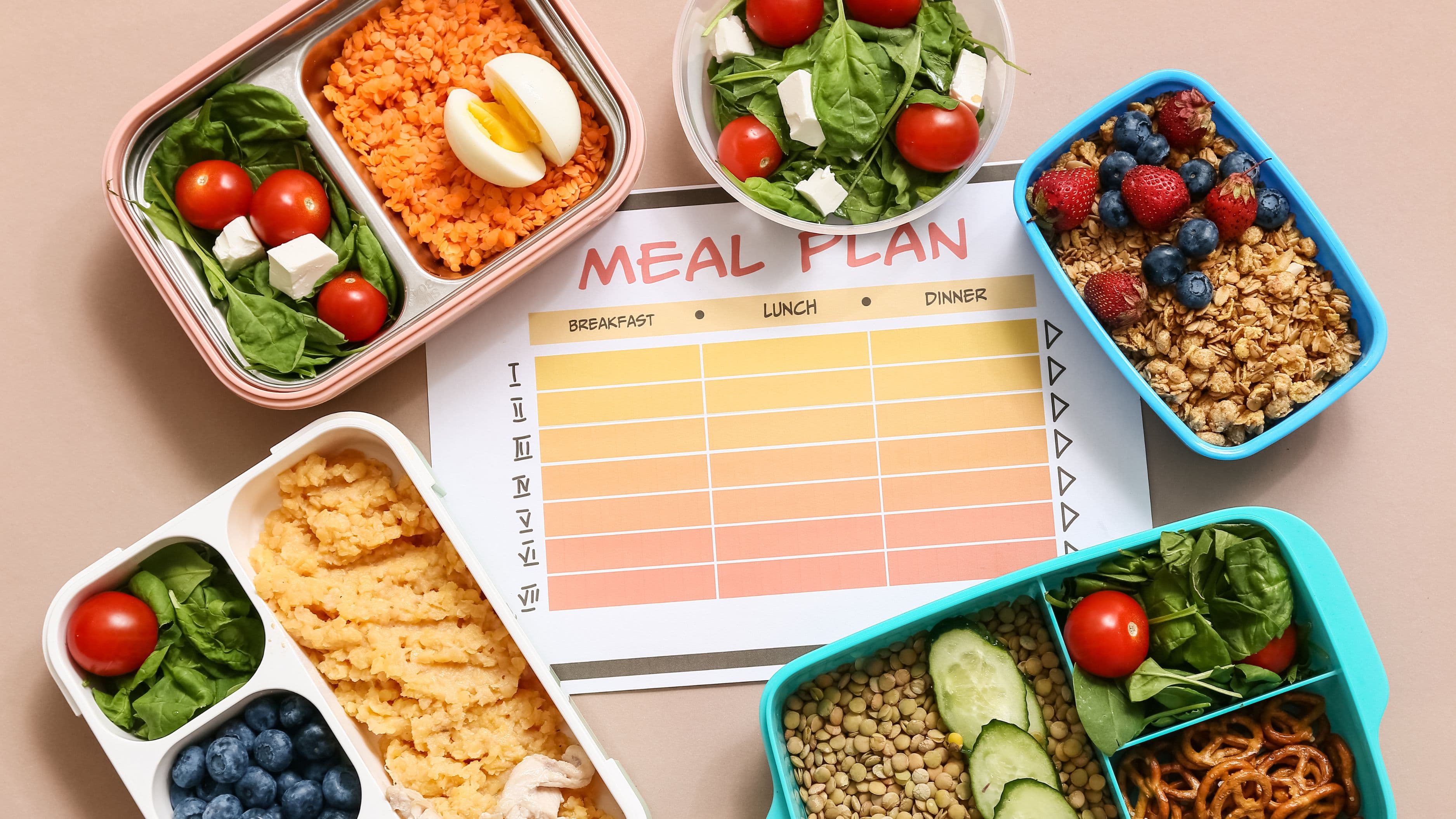
Start your week by choosing two or three base meals that naturally work as modular, protein-optional dishes, then build your grocery list around those shared bases plus whatever protein your meat-eating household members want added. This single shift, planning meals as a shared foundation with customizable protein, tends to eliminate most of the friction and extra work that comes with cooking for mixed dietary households.
FAQ
Is it more expensive to cook for both meat eaters and non-meat eaters? Not necessarily. Building meals around a shared vegetarian base and adding meat as a modular component often reduces overall grocery costs compared to cooking two entirely separate meals each night.
What are some easy first meals to try this approach with? Grain bowls, taco nights, and stir-fries are particularly beginner-friendly since they naturally lend themselves to a customizable, build-your-own format.
How do I make sure the vegetarian option feels like a complete meal, not a side dish? Build it around a hearty base like beans, lentils, or a substantial vegetable like mushrooms or eggplant, rather than relying purely on smaller side dishes that might feel incomplete without meat.
📚 Sources
Plant-Based Meal Planning Basics, eatright.org
Protein Sources for Vegetarian Diets, hsph.harvard.edu
Safe Food Storage Guidelines, fda.gov