What Makes a Good Freezer Meatball
The challenge with freezer meatballs isn't just making them taste good when fresh – it's making sure they don't dry out or turn dense after freezing and reheating. Two things matter most here: fat content and the panade.
Fat content is why an 80/20 blend of ground beef (80% lean, 20% fat) works better than leaner beef for meatballs you're going to freeze. Fat is moisture insurance. Lean beef can taste great fresh but goes dry and chalky after freezing, especially when reheated in sauce. An 80/20 blend or a mix of beef and pork gives you meatballs that stay juicy through the whole process.
The panade is a mixture of breadcrumbs and a liquid – in this case, milk – stirred together and added to the meat. The breadcrumb mixture absorbs the milk and creates a paste that interrupts the dense network of proteins that would otherwise form when meat is mixed and heated. The result is a meatball that's tender inside rather than tight and bouncy. It's the difference between a meatball that's easy to eat and one you have to work through.
Ingredients
This recipe makes approximately 28–32 meatballs (roughly golf ball-sized), enough for 4–6 servings or two separate meals from the freezer.
For the meatballs:
700g (1.5 lbs) ground beef, 80/20
250g (about ½ lb) ground pork
2 large eggs
75g (about ¾ cup) breadcrumbs (plain or Italian-seasoned)
80ml (⅓ cup) whole milk
50g (about ½ cup) Parmesan cheese, finely grated
4 garlic cloves, minced or grated
1 small onion, grated on a box grater (about ¼ cup)
2 tablespoons fresh parsley, finely chopped (or 2 teaspoons dried)
1½ teaspoons salt
1 teaspoon dried oregano
½ teaspoon black pepper
½ teaspoon fennel seeds, lightly crushed (optional but worth it)
Pinch of red chili flakes
For baking:
Olive oil or neutral cooking spray
Step-by-Step Instructions
Step 1: Make the Panade
In a large mixing bowl, combine the breadcrumbs and milk. Stir together and let the mixture sit for 3–4 minutes until the breadcrumbs have absorbed the liquid and formed a soft, damp paste. This is the panade. It looks unassuming but it's doing important work.
Step 2: Grate the Onion
Grate the onion directly into the bowl with the panade using the fine side of a box grater. Grating rather than chopping does two things: it releases the onion's moisture and flavor into the mixture, and it eliminates visible onion chunks in the finished meatball, which matters for texture. A grated onion essentially disappears into the meat during mixing and cooking.
Step 3: Combine the Mixture
Add the ground beef, ground pork, eggs, Parmesan, garlic, parsley, salt, oregano, pepper, fennel seeds (if using), and chili flakes to the bowl. Mix everything together with your hands until just combined – you're looking for a uniform mixture with no visible streaks of egg or unmixed breadcrumb, but you're not trying to knead it like dough. Overmixing compacts the protein structure and leads to dense, tough meatballs. Mix until it comes together, then stop.
Cover the bowl and refrigerate for at least 30 minutes, and up to overnight. The rest period allows the flavors to meld and the proteins to relax slightly, which makes the meatballs easier to roll and gives them better texture after cooking.
Step 4: Roll the Meatballs
Preheat your oven to 220°C (425°F). Line a large baking tray (or two) with foil and grease lightly with olive oil or cooking spray.
Use a cookie scoop or a tablespoon to portion the mixture – you're aiming for pieces about the size of a golf ball, roughly 35–40g each. Roll each portion between your palms to form a smooth ball and place on the prepared tray with a little space between each meatball. Don't pack them together – they need space to brown rather than steam.
Lightly wet your hands before rolling if the mixture is sticking. Cold, damp hands make rolling much easier.
Step 5: Bake
Bake at 220°C (425°F) for 16–18 minutes, until the meatballs are browned on the outside and just cooked through. You're not looking for deep mahogany browning on all sides – oven-baking gives you browning on the bottom and sides with a slightly paler top, which is fine. The meatballs will finish cooking in sauce later, and the slightly gentler oven method is better for freezer meatballs than pan-frying because they hold together more reliably.
If you have a meat thermometer, the internal temperature should read 71°C (160°F) when done.
Let the meatballs cool on the tray for 5–10 minutes before saucing, serving, or freezing.
How to Freeze Them Properly
The key to meatballs that don't stick together in the freezer is flash freezing before bagging. Place the cooled meatballs on a clean baking tray in a single layer and put them in the freezer uncovered for 1–2 hours until solid. Once individually frozen, transfer them to a zip-lock bag or airtight freezer container. Label with the date and quantity.
Freezer life is up to 3 months without significant quality loss. Beyond that they're still safe but may start to develop freezer burn.
This single-layer freeze step means you can pull out exactly the number you need – two meatballs for a quick lunch, ten for a pasta dinner – without having to chip apart a frozen clump.
How to Reheat from Frozen
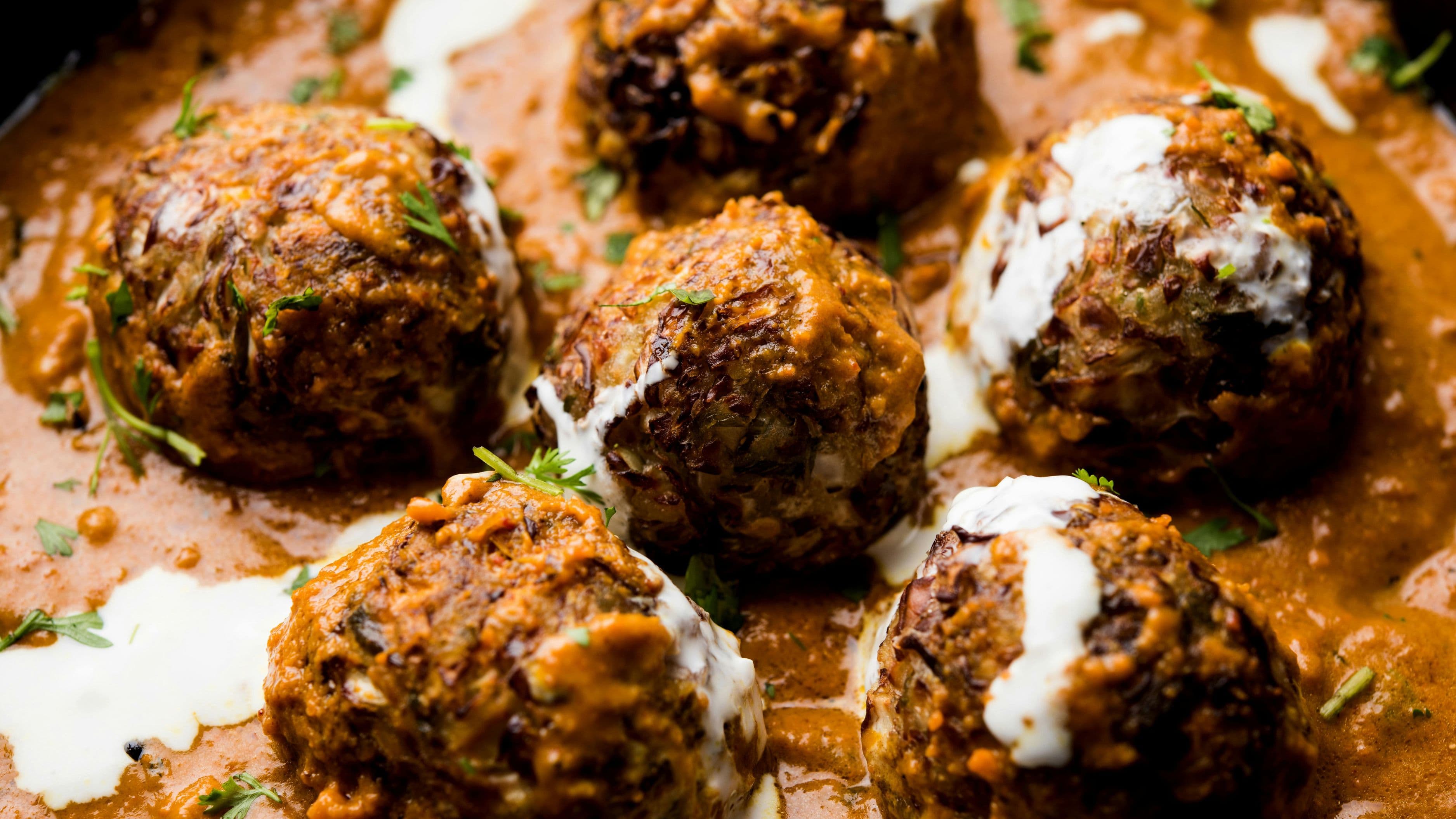
In sauce (best method): Add frozen meatballs directly to a simmering tomato sauce. Cover and cook on medium-low heat for 18–22 minutes, turning once halfway through, until heated all the way through. The sauce keeps them moist as they reheat and they absorb flavor as they go. This is the best way.
In the oven: Arrange frozen meatballs on a baking tray, cover loosely with foil, and heat at 180°C (350°F) for 20–25 minutes. Remove the foil for the last 5 minutes if you want a slightly firmer exterior.
In the microwave: Place frozen meatballs on a microwave-safe plate, cover with a damp paper towel, and heat in 60-second intervals on medium power until heated through. This is the quickest method and works well for a small number of meatballs. The texture is slightly softer than the other methods but still good.
Serving Ideas
These meatballs are versatile enough that you're not committed to one style of meal when you make a batch.
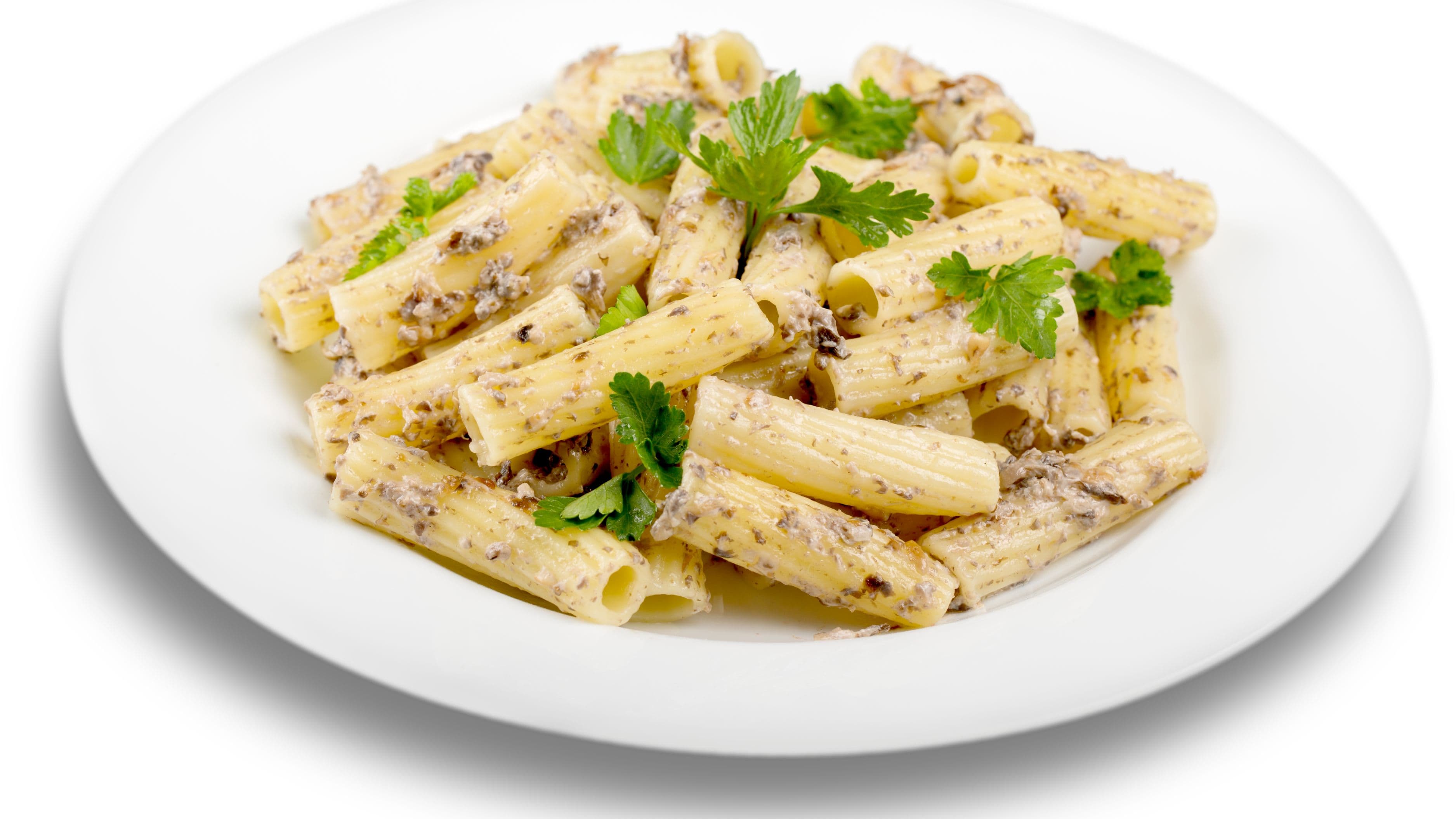
Classic pasta and tomato sauce: Simmer in a simple crushed tomato sauce with garlic and basil. Serve over spaghetti or rigatoni with Parmesan and more parsley.
Meatball subs: Reheat in tomato sauce, pile into a split hoagie roll, add sliced mozzarella, and broil until the cheese bubbles. Simple and deeply satisfying.
Swedish-style with cream sauce: Make a quick gravy with beef stock, sour cream or heavy cream, a tablespoon of soy sauce, and a pinch of white pepper. Serve over egg noodles or mashed potato.
As an appetizer: Reheat and serve with toothpicks alongside a dipping sauce – marinara, aioli, or a sweet chili sauce all work.
Tips for Best Results
Use cold meat straight from the refrigerator. Cold fat doesn't smear and blend into the mixture the way warm fat does. Mixing with cold meat gives you meatballs with better texture and helps them hold their shape during rolling.
Don't skip the resting time. Even 30 minutes in the refrigerator after mixing makes a difference in how easily the meatballs roll and how they cook. Overnight is even better. Make the mixture the evening before, roll and bake the next day.
Make a test meatball. Take a small piece of the mixture, flatten it slightly, and cook it quickly in a small pan. Taste it and adjust seasoning before you roll the whole batch. This takes two minutes and lets you correct salt or spice levels before committing to 30 meatballs with the wrong flavor.
Don't crowd the baking tray. Meatballs crowded together steam rather than brown. Use two trays if needed to give them room. The browning is what develops flavor on the surface, and it won't happen if they're packed in.
What to Avoid
Don't use very lean ground beef. 90/10 or 93/7 ground beef makes dry, dense meatballs that get worse after freezing. Stick with 80/20, or a mix of beef and pork. The fat is not a problem – it's the point.
Don't overwork the mixture. Mix until combined and stop. Overworking develops the meat proteins into a dense, rubbery mass that no amount of panade can fully rescue.
Don't skip the individual freeze step. Going straight to a bag means the meatballs fuse into a solid block in the freezer, and you'll end up defrosting more than you want every time you use them.
Don't thaw before adding to sauce. Going straight from frozen into simmering sauce produces better results than thawing first. Thawed meatballs can fall apart more easily if handled too much, and they take on more sauce flavor when they go in from cold.
FAQ
Can I use all beef instead of a beef-pork mix? Yes. All beef at 80/20 works well. The pork adds a slight sweetness and keeps the texture a little softer, but it's not essential. If you prefer all beef, the recipe works – just make sure it's an 80/20 blend rather than leaner.
Can I pan-fry instead of baking? You can. Pan-frying gives you better browning on all sides and a slightly richer crust. The tradeoff is that it takes longer (you'll need to work in batches), there's more cleanup, and oven-baked meatballs hold together slightly better for freezing. For a batch this size, the oven is more practical.
My meatballs fell apart – what went wrong? Most likely causes: the mixture was too warm when rolled, there wasn't enough binder (egg and panade), or they were moved too soon after going into the oven. Let them cook undisturbed until they release naturally from the tray – that usually means they're set enough to handle.
How long do the meatballs last in the fridge if I don't freeze them? Cooked meatballs keep well in the refrigerator for 3–4 days in an airtight container. Store them separately from any sauce they'll be served with, then combine when reheating.
Can I make this gluten-free? Yes. Substitute the regular breadcrumbs with gluten-free breadcrumbs or fine almond flour. The texture is slightly different but the meatballs still hold together and taste good. Check that your other ingredients (like Worcestershire sauce, if you add it as a variation) are also gluten-free.
📚 Sources
Why fat content matters in ground meat – Serious Eats: https://www.seriouseats.com/the-food-lab-the-best-pan-sauce-meatballs
How a panade improves meatball texture – America's Test Kitchen: https://www.americastestkitchen.com/guides/cook-it-in-cast-iron/how-to-make-meatballs
Safe internal temperatures for ground beef – USDA Food Safety: https://www.fsis.usda.gov/food-safety/safe-food-handling-and-preparation/food-safety-basics/safe-temperature-chart